Nasopharyngeal Carcinoma: Symptoms, Imaging & Treatment
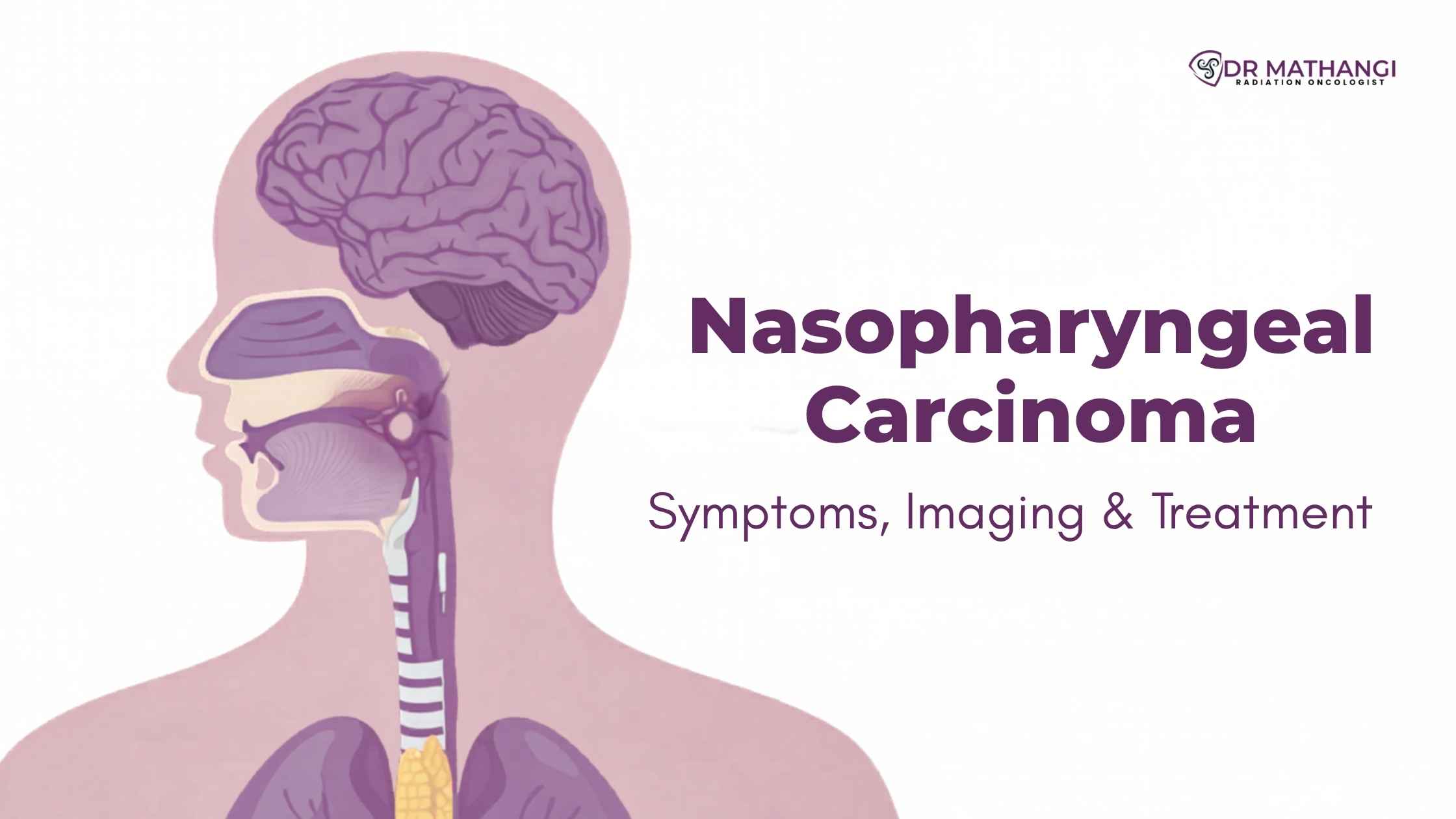
Nasopharyngeal carcinoma is a rare but significant cancer affecting the upper part of the throat behind the nose. According to global cancer statistics, it accounts for over 130,000 new cases annually worldwide, with higher prevalence in certain Asian populations. Early detection and expert-led treatment can dramatically improve outcomes, making awareness and timely intervention critical.
If you or a loved one are experiencing unexplained symptoms like persistent nasal blockage, hearing issues, or neck swelling, ignoring them can lead to delayed diagnosis. This delay can worsen outcomes and limit treatment effectiveness. Under the expert care of Dr Mathangi, a leading radiation oncologist with over 20 years of experience, patients gain access to advanced diagnostics and precision therapies that can make a life-saving difference.
What is nasopharyngeal carcinoma?
Nasopharyngeal carcinoma is a type of cancer that originates in the nasopharynx, the upper part of the throat located behind the nose. It is classified under head and neck cancers and is closely associated with viral infections such as Epstein-Barr Virus (EBV), genetic predisposition, and environmental factors.
Understanding nasopharyngeal carcinoma pathology outlines is essential for accurate diagnosis and treatment planning. These outlines describe the microscopic characteristics of tumor cells, helping oncologists determine the aggressiveness and subtype of the cancer.
What are the symptoms of nasopharyngeal carcinoma?
Symptoms often appear subtle in early stages, which is why many patients are diagnosed later than ideal. Recognizing early signs can significantly improve outcomes.
- Painless lump in the neck
- Persistent nasal congestion or blockage
- Nosebleeds
- Hearing loss or ringing in the ears
- Headaches
- Difficulty swallowing
These symptoms are often mistaken for common conditions, leading to delayed medical consultation. Seeking early evaluation with an expert like Dr Mathangi ensures that potential warning signs are not overlooked.
How is nasopharyngeal carcinoma diagnosed?
Diagnosis involves a combination of clinical evaluation, imaging, and biopsy. Modern head and neck cancer imaging techniques play a crucial role in identifying tumors and determining their spread.
Key diagnostic methods include:
- Endoscopic examination of the nasopharynx
- Biopsy for histopathological analysis
- Advanced imaging techniques
Among imaging tools, tumor detection mri is particularly valuable. MRI scans provide high-resolution images of soft tissues, allowing precise visualization of tumor size, location, and involvement of surrounding structures.
What is npc staging and why is it important?
Npc staging refers to the classification of cancer based on its size, extent, and spread to lymph nodes or distant organs. Accurate staging is critical for determining the most effective treatment strategy.
| Stage | Description |
|---|---|
| Stage I | Localized tumor confined to nasopharynx |
| Stage II | Spread to nearby tissues or lymph nodes |
| Stage III | Extensive local spread and lymph node involvement |
| Stage IV | Distant metastasis |
With expertise in advanced staging techniques, Dr Mathangi ensures accurate diagnosis, which directly impacts treatment success and patient survival.
How does imaging help in treatment planning?
Imaging is not just for diagnosis—it is essential for planning and monitoring treatment. Advanced head and neck cancer imaging combined with tumor detection mri allows oncologists to:
- Map tumor boundaries precisely
- Protect critical structures like the brain and spinal cord
- Monitor response to treatment
This level of precision is particularly important in complex cancers like nasopharyngeal carcinoma.
What are the treatment options for nasopharyngeal carcinoma?
Treatment depends on the stage and overall health of the patient. The most effective approach often involves a combination of therapies.
Radiation therapy npc
Radiation therapy npc is the cornerstone of treatment for nasopharyngeal carcinoma. Advanced radiation techniques target cancer cells while minimizing damage to surrounding healthy tissues.
Dr Mathangi specializes in cutting-edge radiation therapies, including:
- Stereotactic Body Radiotherapy (SBRT)
- Image-Guided Radiotherapy (IGRT)
- RapidArc technology
- DIBH gated Radiotherapy
These technologies ensure precise delivery of radiation, improving outcomes and reducing side effects.
Chemotherapy
Chemotherapy is often combined with radiation to enhance treatment effectiveness, especially in advanced stages.
Targeted therapy
Targeted drugs may be used to attack specific cancer cells while sparing healthy tissues.
Why choose Dr Mathangi for treatment?
Choosing the right oncologist can make a significant difference in treatment outcomes. Dr Mathangi stands out due to her extensive experience and advanced training.
- Over 20 years of experience in radiation oncology
- More than 12,000 successfully treated patients
- International training in Germany and Denmark
- Expertise in advanced radiation techniques
- Leadership at Gleneagles Cancer Institute
Patients who delay or choose less specialized care risk missing out on advanced treatment options that can significantly improve survival and quality of life.
How to book an appointment?
Taking the first step toward treatment is crucial. To consult Dr Mathangi, visit:
https://drmathangi.com/contact/
Submit your contact details, and her team will schedule your appointment promptly.
About Dr Mathangi
Dr Mathangi J is a Senior Consultant and In-charge of Radiation Oncology at Gleneagles Cancer Institute, Bangalore. She is a highly respected expert in treating head and neck cancers, including nasopharyngeal carcinoma.
Her expertise spans advanced radiation techniques such as SBRT, IGRT, RapidArc, and interstitial brachytherapy. She has received international training and is recognized for installing Asia Pacific’s first TrueBeam STx Machine.
Her commitment to patient care, combined with cutting-edge technology, ensures that patients receive world-class treatment tailored to their needs.
Frequently Asked Questions
What is nasopharyngeal carcinoma and how is it diagnosed?
nasopharyngeal carcinoma is a type of cancer that develops in the nasopharynx, located behind the nose and above the back of the throat. Diagnosis typically involves a combination of clinical examination, biopsy, and advanced imaging techniques. Dr. Mathangi emphasizes early detection through comprehensive evaluation, ensuring accurate diagnosis and timely intervention.
What are the early symptoms patients should watch for?
Common early signs include persistent nasal congestion, nosebleeds, hearing loss, and neck lumps. These symptoms can be subtle, which is why Dr. Mathangi recommends prompt evaluation if they persist. Early recognition plays a key role in improving outcomes.
How does tumor detection mri help in identifying the disease?
tumor detection mri is crucial for visualizing soft tissue structures and identifying tumor extent with precision. It helps detect early-stage lesions, assess spread to nearby structures, and guide treatment planning. Dr. Mathangi uses advanced MRI protocols to ensure accurate imaging results.
What role does head and neck cancer imaging play in treatment planning?
head and neck cancer imaging is essential for determining tumor size, location, and spread. Techniques like MRI, CT, and PET scans provide a complete picture of the disease. Dr. Mathangi integrates these imaging modalities to create personalized treatment strategies for each patient.
What is npc staging and why is it important?
npc staging refers to determining how far the cancer has spread in the body. It helps guide treatment decisions and predict prognosis. Accurate staging, performed by specialists like Dr. Mathangi, ensures patients receive the most appropriate and effective care.
What treatment options are available including radiation therapy npc?
radiation therapy npc is a primary treatment approach, often combined with chemotherapy depending on the stage. It targets cancer cells precisely while preserving surrounding tissues. Dr. Mathangi specializes in advanced radiation planning techniques to maximize effectiveness and minimize side effects.
How does nasopharyngeal carcinoma pathology outlines contribute to diagnosis?
nasopharyngeal carcinoma pathology outlines provide detailed microscopic analysis of tumor cells. This helps confirm the diagnosis, identify cancer subtype, and guide treatment decisions. Dr. Mathangi collaborates with expert pathologists to ensure precise and reliable findings.
Why choose Dr. Mathangi for diagnosis and treatment?
Dr. Mathangi offers a comprehensive approach that combines advanced imaging, accurate staging, and personalized treatment planning. With expertise in imaging and therapy coordination, patients benefit from a streamlined, patient-centric experience focused on better outcomes and long-term care.