Frameless SRS for Brain Metastasis: Advanced Treatment in Bangalore
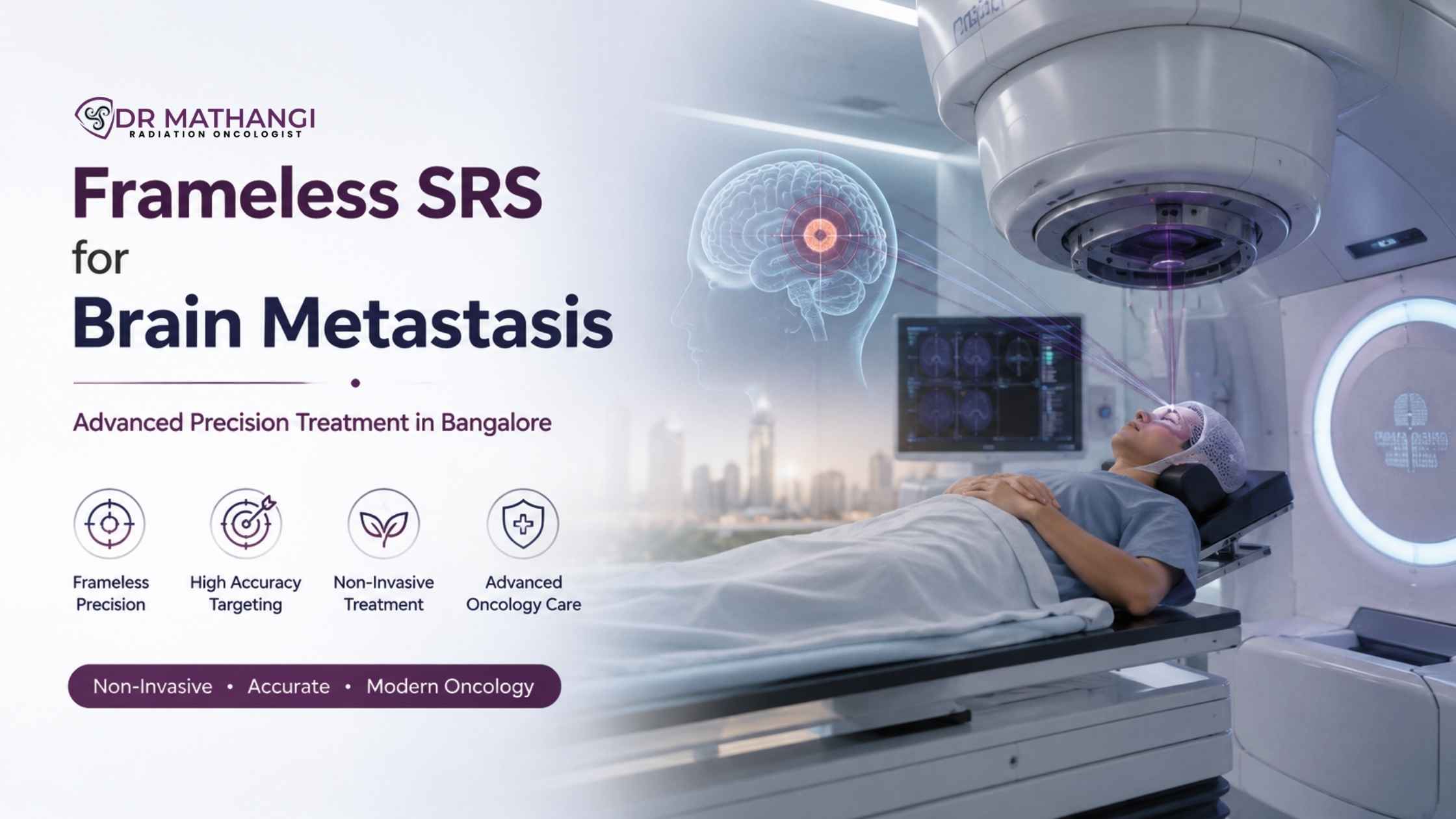
Frameless SRS Brain Metastasis represents a major advancement in modern oncology, offering highly precise and effective treatment for patients diagnosed with metastatic brain tumors. As cancer care continues to evolve, this approach is redefining the standards of brain tumor radiation by combining accuracy, safety, and patient comfort in a way that traditional methods cannot match.
When faced with a diagnosis of brain metastasis, patients and families often encounter confusion and urgency. The fear of invasive surgery, long recovery periods, and uncertain outcomes can be overwhelming. However, innovations like frameless stereotactic radiosurgery have created new possibilities—offering a path that is not only effective but also far less disruptive to everyday life.
Understanding frameless SRS brain metastasis treatment
Frameless SRS Brain Metastasis treatment is a sophisticated form of radiation therapy designed to target tumors in the brain with extreme precision. Unlike traditional techniques, this method eliminates the need for rigid head frames, making the procedure significantly more comfortable for patients.
The treatment works by delivering concentrated beams of radiation directly to the tumor site. Advanced imaging technologies ensure that the radiation is accurately focused, minimizing exposure to surrounding healthy tissues. This makes it a highly effective form of non-invasive brain treatment for patients seeking safer alternatives to surgery.
Because of its precision, frameless SRS can be used to treat both single and multiple brain metastases, making it a versatile option for a wide range of cases.
Comparing SRS vs surgery in modern oncology
The decision between SRS vs surgery is one of the most critical considerations in brain metastasis treatment. While surgery may still be necessary in certain situations, stereotactic radiosurgery offers several compelling advantages that are difficult to ignore.
In traditional brain surgery, the process involves opening the skull, removing the tumor, and managing a recovery period that can extend over several weeks. This approach carries inherent risks such as infection, bleeding, and neurological complications.
On the other hand, SRS is a completely non-invasive procedure. There are no incisions, no stitches, and no extended hospital stays. Patients typically undergo treatment on an outpatient basis and can resume normal activities much sooner.
For many patients, especially those with multiple lesions or tumors located in sensitive areas of the brain, SRS offers a safer and more practical alternative. The comparison of SRS vs surgery increasingly highlights the role of advanced radiation techniques in improving patient outcomes.
The science behind stereotactic radiosurgery Bangalore
Stereotactic radiosurgery Bangalore utilizes cutting-edge technology to deliver high-dose radiation with pinpoint accuracy. The process begins with detailed imaging, including MRI and CT scans, which are used to map the exact location and shape of the tumor.
Once the tumor is identified, specialized software creates a customized treatment plan. This plan guides the delivery of radiation beams from multiple angles, converging precisely at the tumor site. The result is a high dose of radiation delivered to the tumor while sparing healthy brain tissue.
Advanced systems such as the TrueBeam STx machine further enhance the precision and efficiency of the treatment. These technologies ensure that patients receive world-class care through stereotactic radiosurgery Bangalore, setting new benchmarks in cancer treatment.
Who benefits from brain tumor radiation using frameless SRS
Brain tumor radiation through frameless SRS is particularly beneficial for patients with metastatic brain tumors originating from cancers such as lung, breast, and melanoma. It is also suitable for individuals who may not be ideal candidates for surgery due to medical conditions or tumor location.
This approach is effective for:
- Patients with one or multiple brain metastases
- Tumors located in critical or hard-to-reach areas
- Individuals seeking shorter recovery times
- Patients who prefer non-invasive treatment options
Radiation therapy also plays a crucial role in the management of several other cancers, including head and neck cancers, spine tumors, lung cancers, liver cancers, breast cancers, bladder cancers, prostate cancers, uterine cancers, cervical cancer, vulval cancers, anal canal cancers, and penile cancers.
Why non-invasive brain treatment is transforming patient care
The shift toward non-invasive brain treatment reflects a broader trend in modern medicine—prioritizing patient comfort without compromising effectiveness. Frameless SRS embodies this philosophy by offering a treatment that is both powerful and patient-friendly.
One of the most significant advantages is the preservation of quality of life. Patients do not have to endure the physical and emotional stress associated with surgery. Instead, they can undergo treatment in a controlled and comfortable environment, often returning home the same day.
This approach also reduces the risk of complications and allows for quicker recovery, enabling patients to resume their daily routines with minimal interruption.
The importance of timely brain tumor radiation
Delaying treatment for brain metastasis can have serious consequences. As tumors grow, they can interfere with critical brain functions, leading to symptoms such as headaches, seizures, cognitive decline, and loss of coordination.
Timely brain tumor radiation is essential to control tumor growth and prevent further complications. Early intervention not only improves the effectiveness of treatment but also enhances the chances of preserving neurological function.
Choosing the right specialist and treatment approach at the right time can make a significant difference in outcomes.
Why Dr Mathangi stands out in frameless SRS treatment
Dr Mathangi J is a highly experienced radiation oncologist with over 20 years of expertise in advanced cancer treatments. As the Senior Consultant and In-charge of Radiation Oncology at Gleneagles Cancer Institute in Bangalore, she has treated more than 12,000 patients with a strong focus on precision and personalized care.
Her extensive training in advanced radiotherapy techniques from leading international institutions equips her with the knowledge and skills required to deliver exceptional results. She has been at the forefront of introducing cutting-edge technologies, including the TrueBeam STx system, which enhances the accuracy and effectiveness of Frameless SRS Brain Metastasis treatment.
Her areas of specialization include head and neck cancers, brain tumors, prostate cancers, lung cancers, and cancers affecting women such as breast, cervix, and endometrium.
Taking the next step toward advanced cancer care
Access to advanced treatments like Frameless SRS Brain Metastasis can make a meaningful difference in how patients experience cancer care. With the availability of stereotactic radiosurgery Bangalore, patients no longer have to rely solely on invasive procedures.
Seeking expert guidance is the first and most important step. With the right approach, it is possible to manage brain metastasis effectively while maintaining a good quality of life.
To book an appointment, patients can visit https://drmathangi.com/contact/ and submit their contact information. The team will assist in scheduling a consultation and guiding patients through the next steps.
About Dr Mathangi
Dr Mathangi J is a leading radiation oncologist based in Bangalore, known for her expertise in advanced radiotherapy techniques including Frameless SRS Brain Metastasis. She leads the radiation oncology department at Gleneagles Cancer Institute and is committed to delivering comprehensive and patient-centered cancer care.
Her dedication to innovation, combined with her extensive clinical experience, has established her as a trusted name in oncology, helping patients access some of the most advanced non-invasive brain treatment options available today.
Frequently Asked Questions
What is Frameless SRS Brain Metastasis treatment and how does it work?
Frameless SRS Brain Metastasis is an advanced form of brain tumor radiation that delivers highly precise, high-dose radiation beams to cancerous lesions in the brain without the need for a rigid head frame. This non-invasive brain treatment uses advanced imaging and computer-guided targeting to focus radiation on tumors while sparing surrounding healthy tissue. Under the care of Dr. Mathangi, patients benefit from cutting-edge techniques that improve accuracy, comfort, and outcomes.
How does SRS vs surgery compare for brain metastasis treatment?
When considering SRS vs surgery, the choice depends on factors such as tumor size, location, number of metastases, and overall health. Stereotactic radiosurgery Bangalore options like those offered by Dr. Mathangi provide a non-invasive brain treatment alternative that avoids incisions, reduces hospital stays, and allows quicker recovery. Surgery may still be recommended in certain cases, but SRS is increasingly preferred for its precision and minimal disruption to daily life.
Is stereotactic radiosurgery Bangalore safe for patients?
Yes, stereotactic radiosurgery Bangalore treatments are considered highly safe when performed by experienced specialists like Dr. Mathangi. This advanced brain tumor radiation approach minimizes exposure to healthy brain tissue, reducing side effects. Patients typically undergo thorough evaluation, imaging, and planning to ensure the safest and most effective delivery of radiation.
What are the benefits of choosing a non-invasive brain treatment?
A non-invasive brain treatment like Frameless SRS Brain Metastasis offers several advantages, including no surgical incisions, reduced risk of infection, minimal pain, and faster recovery. Patients can often return to normal activities within a short period. Additionally, this approach allows precise targeting of tumors, improving treatment outcomes while preserving cognitive function.
How many sessions are required for brain tumor radiation using SRS?
Brain tumor radiation using stereotactic radiosurgery Bangalore is typically delivered in one to five sessions, depending on the size and number of tumors. Frameless SRS Brain Metastasis allows flexibility in treatment planning, and Dr. Mathangi customizes each plan to suit the patient’s condition, ensuring optimal results with minimal side effects.
Who is an ideal candidate for Frameless SRS Brain Metastasis?
Ideal candidates for Frameless SRS Brain Metastasis include patients with small to medium-sized brain metastases, multiple lesions, or those who are not suitable for surgery. This non-invasive brain treatment is also beneficial for patients seeking quicker recovery and fewer complications. Dr. Mathangi conducts detailed assessments to determine suitability and personalize care.
What side effects can be expected from stereotactic radiosurgery Bangalore?
Side effects from stereotactic radiosurgery Bangalore are generally mild and may include fatigue, temporary headaches, or localized swelling. Since this brain tumor radiation technique is highly targeted, it minimizes damage to healthy tissue. Dr. Mathangi closely monitors patients before, during, and after treatment to manage any side effects effectively.
Why choose Dr. Mathangi for SRS treatment in Bangalore?
Dr. Mathangi is known for her expertise in advanced brain tumor radiation techniques, including Frameless SRS Brain Metastasis. Her patient-centric approach, combined with access to cutting-edge stereotactic radiosurgery Bangalore technology, ensures precise diagnosis, customized treatment plans, and compassionate care. Patients benefit from a comprehensive approach that prioritizes safety, effectiveness, and quality of life.