Breast Cancer Radiation 2026: Latest Safer Approaches
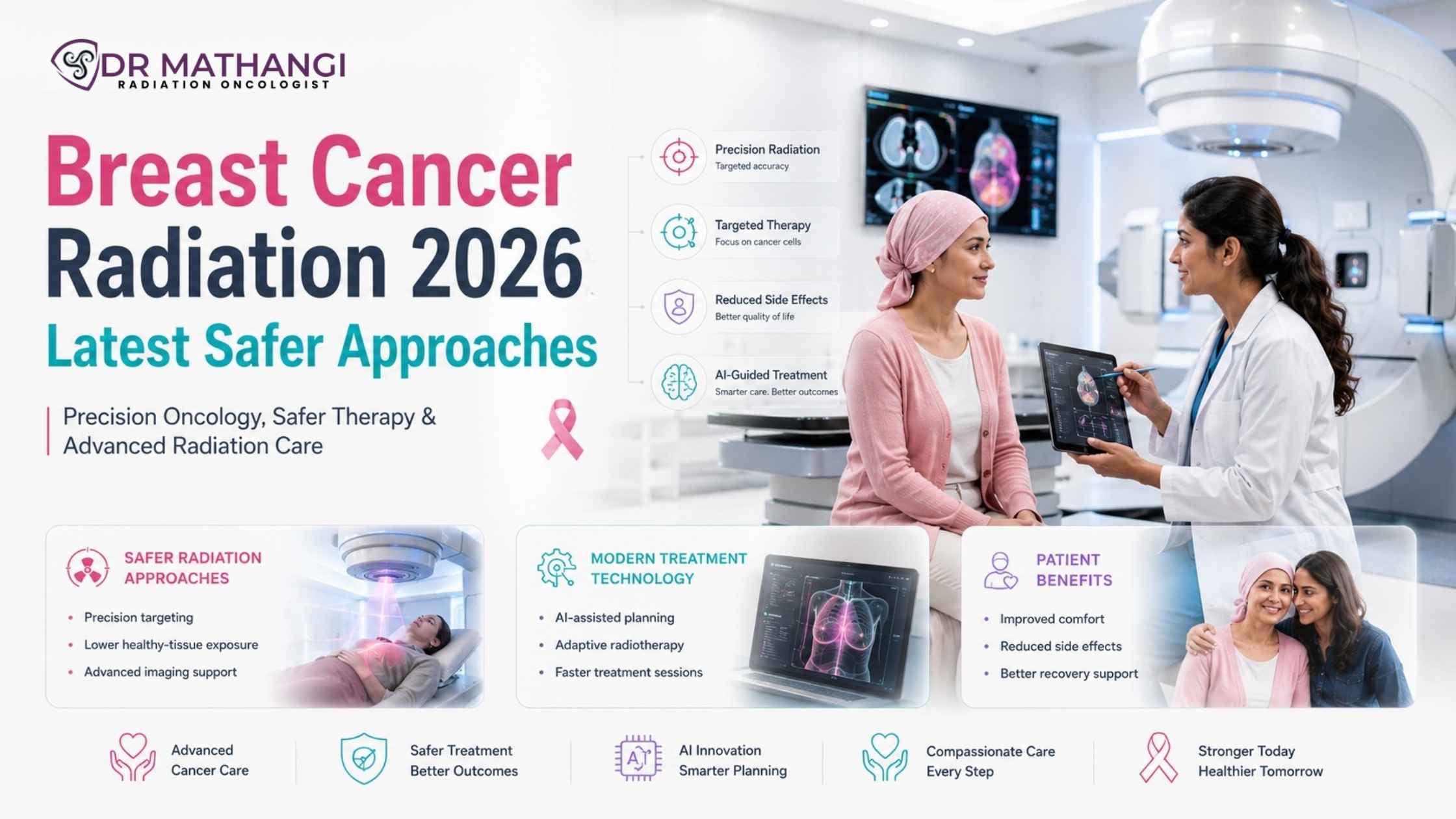
Breast cancer continues to remain one of the most commonly diagnosed cancers among women globally, with public health data indicating that millions of women undergo radiation therapy every year as part of breast cancer treatment. In 2026, however, the landscape of radiation oncology is changing rapidly. Breast Cancer Radiation 2026 is no longer only about destroying cancer cells. It is increasingly focused on precision, safety, organ preservation, improved quality of life, and minimizing complications for long-term survivors.
Patients today are more informed, more proactive, and more concerned about treatment safety than ever before. Many women worry not just about curing cancer, but also about preserving their heart health, protecting the lungs, minimizing fatigue, avoiding skin damage, and returning to normal life sooner. This is exactly where the expertise of Dr Mathangi becomes critically important.
Dr Mathangi J, Senior Consultant and In-charge of Radiation Oncology at Gleneagles Cancer Institute, Bangalore, has over two decades of experience and has successfully treated more than 12,000 patients using advanced radiation oncology techniques. Her expertise in DIBH gated Radiotherapy, IGRT, RapidArc, SBRT, and image-guided therapies places patients at the forefront of safer cancer care in India.
What is changing in Breast Cancer Radiation 2026?
The biggest shift in Breast Cancer Radiation 2026 is the movement toward individualized and safer treatment planning. Instead of using a one-size-fits-all radiation method, modern oncology now tailors radiation based on tumor biology, patient anatomy, cancer stage, and long-term safety goals.
Modern advancements are helping patients receive:
- Shorter treatment durations
- More precise tumor targeting
- Reduced radiation exposure to healthy organs
- Lower risk of long-term complications
- Better cosmetic outcomes after breast conservation surgery
- Enhanced comfort during treatment
This evolution in care is redefining how women experience breast cancer treatment. For many patients, the fear associated with radiation therapy often comes from outdated information. Today’s modern radiation therapy technologies are dramatically safer and more sophisticated than older systems.
Why are safer radiation approaches important for breast cancer patients?
One of the biggest concerns among breast cancer patients is the possibility of breast radiotherapy side effects. While radiation therapy remains one of the most effective tools in cancer control, earlier treatment methods sometimes exposed nearby healthy tissues to unnecessary radiation.
Potential older-generation complications included:
- Skin irritation and pigmentation
- Fatigue
- Heart exposure in left-sided breast cancers
- Lung irritation
- Breast firmness or fibrosis
- Swelling and discomfort
Today, advanced planning systems and image-guided technologies have significantly reduced these risks. Under the guidance of an experienced radiation oncologist like Dr Mathangi, treatment planning becomes highly personalized, ensuring maximum tumor control while protecting surrounding organs.
How does DIBH technology improve breast cancer radiation safety?
DIBH gated Radiotherapy, one of Dr Mathangi’s specialized areas of expertise, has transformed treatment for left-sided breast cancers. During Deep Inspiration Breath Hold (DIBH), the patient takes a controlled deep breath while radiation is delivered.
This simple but highly advanced technique creates greater distance between the breast and the heart, reducing radiation exposure to the heart muscle.
Benefits of DIBH include:
- Improved cardiac safety
- Reduced long-term heart risks
- More accurate radiation delivery
- Enhanced precision during treatment
For many patients, this advancement represents peace of mind. Knowing that the treatment is designed not only to cure cancer but also to protect future health can significantly reduce emotional stress during therapy.
What role does modern radiation therapy play in breast cancer care?
modern radiation therapy uses advanced imaging, computerized planning, motion management, and highly focused radiation beams to improve treatment outcomes.
Technologies now commonly integrated into advanced cancer care include:
| Technology | Purpose |
|---|---|
| IGRT | Improves accuracy using imaging guidance before treatment |
| RapidArc | Delivers radiation quickly with high precision |
| DIBH | Protects the heart during left breast radiation |
| SBRT | Delivers highly focused radiation doses |
| Image-guided planning | Customizes therapy according to patient anatomy |
Dr Mathangi’s international training in Germany and Denmark in advanced radiation techniques allows patients access to globally aligned treatment standards closer to home.
What is de-escalation therapy in breast cancer treatment?
de-escalation therapy is among the most important advancements shaping modern oncology in 2026. This approach focuses on safely reducing treatment intensity for selected patients without compromising cure rates.
Not every patient requires prolonged radiation schedules or extensive treatment fields. Depending on cancer biology, age, stage, and surgery outcomes, some patients may benefit from:
- Short-course radiation schedules
- Smaller radiation treatment areas
- Lower radiation exposure to healthy tissues
- Reduced treatment sessions
The goal of de-escalation therapy is to maintain excellent cancer control while improving overall quality of life.
For carefully selected patients, this can mean:
- Less disruption to daily routines
- Reduced physical stress
- Lower emotional burden
- Faster recovery timelines
However, successful de-escalation requires expertise, careful evaluation, and precise patient selection. This is why choosing an experienced radiation oncologist is critically important.
How does personalized radiation planning benefit patients?
Every breast cancer case is biologically unique. Personalized radiation planning ensures that therapy is customized based on:
- Tumor location
- Breast size and anatomy
- Lymph node involvement
- Surgical outcomes
- Age and general health
- Hormonal and molecular characteristics
At advanced cancer centers, sophisticated planning software maps the tumor area in three dimensions before treatment begins. This precision helps avoid unnecessary radiation exposure while improving targeting accuracy.
Patients often underestimate how much planning and expertise influence outcomes. Radiation therapy is not simply about turning on a machine. It involves detailed medical judgment, advanced imaging interpretation, motion assessment, dose calculation, and constant monitoring.
Why does expertise matter in radiation oncology?
Technology alone does not guarantee excellent outcomes. The expertise of the radiation oncologist significantly influences treatment safety, precision, and effectiveness.
Dr Mathangi’s profile reflects a rare combination of:
- More than 20 years of experience
- Advanced international training
- Leadership in radiation oncology
- Experience treating over 12,000 patients
- Expertise in advanced breast cancer radiation techniques
- Academic leadership as Director of Fellowship in Advanced Radiotherapy techniques
Her involvement in installing the Asia Pacific’s first TrueBeam STx Machine further reflects her commitment to cutting-edge cancer care.
Patients increasingly seek specialists who combine technology with compassionate decision-making. This becomes especially important when balancing cure rates with long-term quality of life.
What cancers commonly require radiation therapy?
Radiation therapy is used across multiple cancer types and remains one of the pillars of cancer treatment worldwide.
Cancers commonly treated with radiation therapy include:
- Head and neck cancers
- Brain tumors
- Spine tumors
- Esophagus cancers
- Rectal cancers
- Lung cancers
- Liver cancers
- Breast cancers
- Bladder cancers
- Prostate cancers
- Uterine cancers
- Cervical cancer
- Vulval cancers
- Anal canal cancers
- Penile cancers
Among these, breast cancer remains one of the areas where precision radiation has dramatically improved patient outcomes and safety.
How are breast radiotherapy side effects managed today?
Advanced treatment planning has significantly lowered breast radiotherapy side effects compared to older techniques. Modern supportive care protocols also help patients tolerate treatment better.
Strategies used today may include:
- Advanced skin protection protocols
- Heart-sparing techniques
- Lung dose reduction planning
- Nutritional support
- Fatigue management guidance
- Image-guided radiation verification
Patients are also monitored closely throughout therapy, allowing doctors to make adjustments if required.
Many women today continue daily activities, professional work, and family responsibilities during treatment due to improved radiation protocols.
What should patients expect during radiation treatment?
The process usually begins with consultation and planning scans. The radiation oncology team then designs a personalized treatment strategy before therapy starts.
Typical stages include:
- Initial consultation
- Imaging and simulation scans
- Customized treatment planning
- Daily radiation sessions
- Regular progress reviews
- Post-treatment follow-up
Most sessions are painless and relatively short. Advanced systems like RapidArc also reduce treatment time, improving patient comfort.
About Dr Mathangi
Dr Mathangi J is a Senior Consultant and In-charge of Radiation Oncology at Gleneagles Cancer Institute, Bangalore. She specializes in advanced radiation oncology techniques including SBRT, DIBH gated Radiotherapy, IGRT, RapidArc, and image-guided therapies.
She completed her DMRT at Madras Medical College, Chennai, and pursued DNB residency at Apollo Cancer Specialty Hospital, Chennai. She further underwent advanced international training in Germany and Denmark for sophisticated radiation oncology techniques.
Her expertise spans multiple cancer specialties including breast cancers, lung cancers, prostate cancers, brain tumors, cervical cancer, uterine cancers, and head and neck cancers.
Patients seeking advanced and safer radiation therapy approaches increasingly choose Dr Mathangi because of her experience, precision-focused treatment philosophy, and commitment to compassionate cancer care.
Why timely consultation can make a difference
Breast cancer outcomes improve significantly with early diagnosis, evidence-based treatment planning, and expert multidisciplinary care. Delaying consultation due to fear, confusion, or misinformation may reduce available treatment options.
In 2026, patients have access to safer and more advanced radiation approaches than ever before. Choosing a specialist experienced in advanced precision radiation oncology can influence not only survival outcomes but also long-term quality of life.
To book an appointment with Dr Mathangi, patients can submit their contact information through the official contact page at https://drmathangi.com/contact/. Her team will schedule the appointment and provide further guidance.
Frequently Asked Questions
What is changing in Breast Cancer Radiation 2026 treatment approaches?
Breast Cancer Radiation 2026 focuses on making treatment more precise, shorter in duration, and safer for healthy tissues surrounding the breast. Advanced planning software, image-guided treatment delivery, and targeted dosing techniques are helping doctors minimize unnecessary radiation exposure while maintaining excellent cancer control outcomes.
Dr. Mathangi emphasizes individualized care plans where radiation schedules are customized according to tumor stage, breast size, surgical outcomes, age, and overall health condition. This patient-focused approach improves comfort and supports faster recovery.
Are breast radiotherapy side effects becoming easier to manage?
Yes. One of the biggest advancements in current cancer care is the reduction of breast radiotherapy side effects through better targeting and safer radiation delivery systems. Many patients today experience fewer severe skin reactions, less fatigue, and lower risks of long-term tissue damage compared to older treatment methods.
Dr. Mathangi closely monitors patients throughout treatment and provides supportive care guidance for skin protection, nutrition, hydration, and fatigue management. Early intervention and regular follow-up significantly improve treatment tolerance and patient confidence during therapy.
What does modern radiation therapy mean for breast cancer patients?
modern radiation therapy refers to advanced techniques that deliver highly accurate radiation while protecting nearby organs such as the heart and lungs. Technologies like IMRT, IGRT, Deep Inspiration Breath Hold, and hypofractionated schedules are increasingly being used to improve both safety and effectiveness.
Under Dr. Mathangi’s care, patients receive detailed treatment planning that prioritizes precision and comfort. This helps ensure that radiation reaches the intended cancer area while minimizing unnecessary exposure to healthy tissues.
What is de-escalation therapy in breast cancer treatment?
de-escalation therapy is an evolving approach where selected patients receive less intensive treatment without compromising treatment success. In breast cancer radiation care, this may involve shorter radiation schedules, reduced treatment fields, or avoiding unnecessary radiation in carefully chosen low-risk cases.
Dr. Mathangi evaluates multiple clinical factors before recommending any reduced-intensity treatment plan. The goal is always to maintain strong cancer control while reducing treatment burden and improving quality of life.
How long does radiation treatment usually take today?
Radiation schedules are becoming shorter than in previous years. Many patients who once required several weeks of treatment may now complete therapy in fewer sessions depending on the type and stage of cancer. Shorter treatment protocols are designed to be equally effective while reducing disruption to daily life.
Dr. Mathangi carefully assesses each patient’s pathology reports and recovery status after surgery before deciding on the most suitable treatment duration.
Can radiation therapy affect the heart or lungs?
Older radiation techniques carried a greater possibility of incidental exposure to nearby organs. However, today’s advanced methods are designed to significantly reduce risks to the heart and lungs, especially in left-sided breast cancers.
Dr. Mathangi uses detailed imaging and precision-based planning strategies to improve safety margins and protect healthy tissues as much as possible throughout treatment.
Is radiation therapy painful during the procedure?
Radiation therapy itself is not painful. Patients do not feel the radiation during the actual session. Each treatment is usually quick, and most individuals are able to continue many of their regular daily activities throughout the treatment period.
Dr. Mathangi and her team provide supportive counseling and treatment education so patients understand what to expect at every stage of care, helping reduce anxiety and improve overall treatment experience.
Why should patients choose a personalized radiation treatment plan?
Every breast cancer case is different. Factors such as age, tumor biology, surgical margins, lymph node involvement, previous medical history, and lifestyle considerations all influence treatment decisions. A personalized plan helps balance effectiveness with long-term safety and comfort.
Dr. Mathangi believes in evidence-based and patient-centered oncology care, where treatment recommendations are tailored to the individual rather than following a one-size-fits-all approach. This helps patients feel informed, supported, and confident throughout their cancer journey.