Cancer Interception Technologies Explained
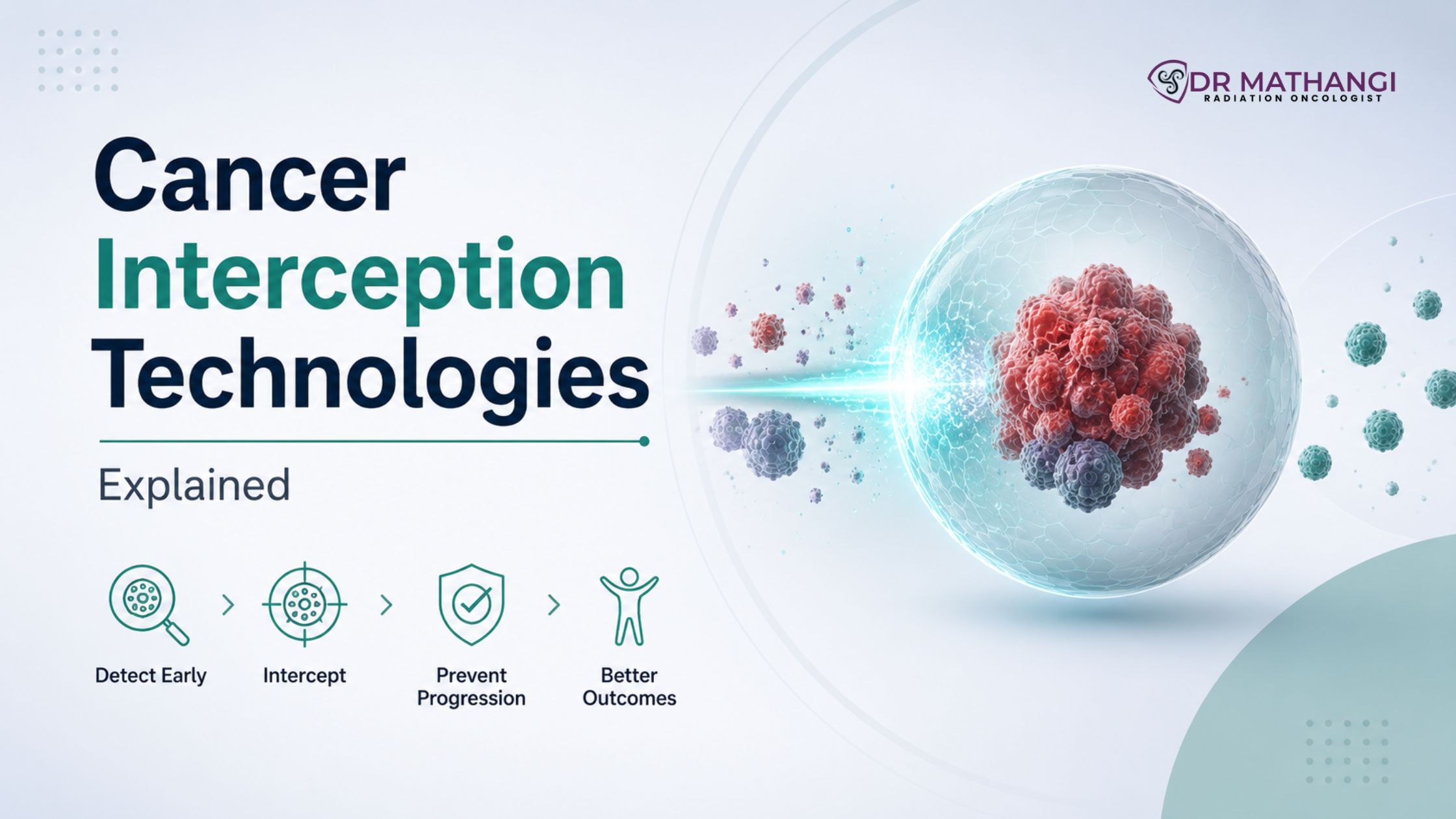
According to global cancer statistics, millions of new cancer cases are diagnosed every year, and experts consistently emphasize that early diagnosis dramatically improves survival outcomes. This is where Cancer Interception Technologies are changing the future of oncology. Instead of waiting for cancer to advance, modern interception methods identify warning signs at the earliest possible stage, helping specialists intervene before the disease becomes aggressive or life-threatening.
At the forefront of this transformation is Dr Mathangi J, Senior Consultant and In-charge of Radiation Oncology at Gleneagles Cancer Institute, Bangalore. With over 20 years of experience and more than 12,000 successfully treated patients, Dr Mathangi combines precision radiation oncology with advanced diagnostic innovations to deliver highly personalized cancer care. Patients across South India and North India increasingly seek her expertise because modern cancer treatment is no longer only about treatment—it is about intelligent interception, precision timing, and targeted care.
What are Cancer Interception Technologies?
Cancer Interception Technologies refer to advanced medical systems designed to identify cancer risk, detect cancer earlier, predict disease progression, and guide highly personalized treatment decisions. These technologies combine artificial intelligence, imaging analytics, molecular biology, genetic profiling, and precision radiation planning to improve patient outcomes.
Unlike conventional approaches that often identify cancer after symptoms appear, interception-focused oncology aims to:
- Detect microscopic disease earlier
- Identify high-risk individuals
- Track tumor behavior accurately
- Improve treatment precision
- Reduce unnecessary treatment delays
- Enhance survival rates and quality of life
This approach is especially valuable in cancers requiring radiation therapy, including:
- Head and neck cancers
- Brain tumors
- Spine tumors
- Esophagus cancers
- Rectal cancers
- Lung cancers
- Liver cancers
- Breast cancers
- Bladder cancers
- Prostate cancers
- Uterine cancers
- Cervical cancer
- Vulval cancers
- Anal canal cancers
- Penile cancers
How does early diagnosis improve cancer survival?
Early diagnosis often means tumors are smaller, localized, and more responsive to targeted therapies. When cancer is detected before widespread progression, specialists can use more focused treatment strategies with improved outcomes and fewer complications.
Patients frequently underestimate how rapidly cancer can evolve. A small lesion can become invasive within months depending on the cancer type. This delay creates emotional distress, increases treatment complexity, and raises the risk of metastasis. The ability to intercept cancer early is therefore not merely an innovation—it can be life-changing.
Dr Mathangi’s expertise in advanced radiation oncology techniques allows patients to access modern interventions such as:
- Stereotactic ablative body radiotherapy (SBRT)
- Image-guided radiotherapy (IGRT)
- RapidArc technology
- DIBH gated Radiotherapy
- Image-guided Interstitial Brachytherapy
- Advanced stereotactic techniques (SRS/SBRT)
Her installation of the Asia Pacific region’s first TrueBeam STx Machine reflects a commitment to delivering globally advanced cancer care in India.
How does early cancer detection AI help oncologists?
early cancer detection AI uses machine learning algorithms and predictive analytics to identify subtle abnormalities in scans, pathology reports, and patient data that may not be immediately visible through traditional review methods.
Artificial intelligence is becoming increasingly important in oncology because it can process enormous amounts of medical data quickly and accurately. AI-assisted systems help specialists:
- Detect suspicious tissue changes
- Analyze imaging patterns
- Predict tumor progression
- Improve radiation targeting
- Reduce human diagnostic variability
- Personalize treatment planning
For patients, this means faster insights, improved precision, and more confidence in clinical decisions.
Dr Mathangi’s extensive experience with image-guided therapies and precision radiation platforms places her among specialists capable of integrating advanced diagnostic intelligence into comprehensive cancer care pathways.
What is radiomics cancer analysis?
radiomics cancer analysis refers to the extraction of advanced quantitative data from medical imaging scans such as CT, MRI, and PET scans. These hidden imaging features help specialists understand tumor biology, aggressiveness, and treatment response.
Traditional scans show tumor size and location. Radiomics goes much deeper by analyzing:
- Tumor texture
- Shape variations
- Cellular density patterns
- Microenvironment characteristics
- Treatment response indicators
- Potential recurrence risks
This technology is especially impactful in:
| Cancer Type | Radiomics Benefit |
|---|---|
| Brain tumors | Helps distinguish aggressive versus less aggressive lesions |
| Lung cancers | Supports treatment planning and recurrence prediction |
| Breast cancers | Improves imaging precision and response evaluation |
| Prostate cancers | Enhances targeted radiation strategies |
| Head and neck cancers | Assists in precision contouring and treatment optimization |
When combined with advanced radiotherapy systems, radiomics-driven insights can improve both treatment accuracy and long-term outcomes.
How does blood cancer detection support early intervention?
blood cancer detection technologies are increasingly transforming modern oncology by identifying cancer-related markers through minimally invasive blood tests. These tests may detect circulating tumor DNA, abnormal proteins, or cancer-associated molecular signals.
The advantages include:
- Earlier detection possibilities
- Less invasive screening methods
- Monitoring treatment effectiveness
- Tracking recurrence risks
- Supporting personalized oncology care
For patients who fear delayed diagnosis, blood-based diagnostics offer hope for identifying disease before major symptoms emerge. In many cases, earlier intervention can reduce the need for extensive procedures and improve quality of life.
Why are precision radiation technologies important?
Radiation oncology has evolved dramatically over the past decade. Modern systems no longer deliver generalized radiation exposure. Instead, technologies now focus radiation precisely on cancer tissue while minimizing exposure to surrounding healthy organs.
This is particularly important in cancers affecting critical anatomical structures such as:
- Brain tumors near neurological pathways
- Head and neck cancers near swallowing structures
- Lung cancers close to the heart
- Prostate cancers near bladder and bowel tissue
- Cervical cancer involving pelvic organs
Dr Mathangi’s international training in Germany and Denmark has strengthened her expertise in advanced radiation precision techniques. Her work with IGRT, RapidArc, and stereotactic systems demonstrates how modern oncology can deliver highly targeted treatment with improved patient comfort and clinical effectiveness.
What makes modern cancer care different today?
Modern oncology is increasingly personalized. Two patients with the same cancer type may receive completely different treatment strategies depending on tumor genetics, imaging characteristics, staging, overall health, and treatment goals.
Today’s comprehensive cancer management combines:
- Advanced imaging
- Precision diagnostics
- AI-assisted planning
- Targeted radiation delivery
- Interdisciplinary collaboration
- Continuous treatment monitoring
This integrated approach helps improve not only survival rates but also patient experience during treatment.
Patients often delay consultations because they fear uncertainty or assume symptoms will disappear. Unfortunately, delayed evaluation can limit future treatment options. Accessing experienced oncology specialists early creates opportunities for more effective intervention strategies.
Why do patients choose Dr Mathangi?
Patients across India seek Dr Mathangi’s expertise because of her combination of clinical experience, advanced technology exposure, and patient-focused treatment philosophy.
Key highlights of her profile include:
- Over 20 years of oncology experience
- More than 12,000 successfully treated patients
- Leadership at Gleneagles Cancer Institute
- Advanced international radiation oncology training
- Expertise in stereotactic and image-guided therapies
- Director of Fellowship in Advanced Radiotherapy techniques affiliated with RGUHS
- Specialization in complex cancers including brain, lung, breast, prostate, and head and neck cancers
Her patient-centered approach ensures that treatment planning considers not just the disease, but also long-term quality of life, treatment tolerance, emotional well-being, and precision outcomes.
How can patients take the next step?
Cancer outcomes often depend on timing. The earlier patients seek expert evaluation, the greater the opportunity for precision-guided intervention. Waiting for symptoms to worsen may reduce treatment flexibility and increase complexity.
Patients interested in consulting Dr Mathangi can submit their contact information through the appointment form at:
https://drmathangi.com/contact/
Following submission, Dr Mathangi’s team will schedule the appointment and notify patients accordingly.
About Dr Mathangi
Dr Mathangi J is a Senior Consultant and In-charge of Radiation Oncology at Gleneagles Cancer Institute, Bangalore. She holds qualifications including MBBS, DMRT, and DNB, and has undergone advanced international training in stereotactic radiotherapy, IGRT/RapidArc, and intraoperative radiotherapy techniques.
She is widely recognized for expertise in:
- Head and neck cancers
- Brain tumors
- Lung cancers
- Breast cancers
- Prostate cancers
- Cervical cancer
- Women cancers
Her commitment to innovation, precision oncology, and compassionate patient care has positioned her among respected radiation oncology specialists in India.
Frequently Asked Questions
What are Cancer Interception Technologies and why are they important?
Cancer Interception Technologies are advanced medical approaches designed to identify cancer risk, detect abnormal cellular activity early, and intervene before the disease progresses into advanced stages. These technologies combine imaging tools, molecular diagnostics, AI-driven analysis, genetic insights, and preventive oncology strategies to support earlier and more precise care.
Dr. Mathangi focuses on helping patients understand how early identification can significantly improve treatment outcomes. Instead of waiting for symptoms to become severe, interception-based strategies allow patients to take proactive steps toward monitoring, prevention, and timely medical intervention.
How does early cancer detection AI support better diagnosis?
early cancer detection AI uses machine learning and data analysis to evaluate imaging scans, pathology reports, biomarkers, and patient health patterns with remarkable speed and precision. These systems can identify subtle abnormalities that may not always be visible during routine evaluation.
Under the guidance of Dr. Mathangi, AI-assisted evaluation is viewed as a support tool that complements clinical expertise rather than replacing it. The goal is to reduce diagnostic delays, improve screening accuracy, and help patients receive more personalized recommendations based on their individual risk profiles.
What is radiomics cancer analysis and how is it used in modern oncology?
radiomics cancer analysis involves extracting detailed quantitative information from medical imaging such as CT scans, MRI scans, or PET scans. Advanced software studies patterns, textures, shapes, and imaging signatures that may indicate tumor behavior or early-stage disease activity.
Dr. Mathangi educates patients on how radiomics-based assessments can contribute to more informed treatment planning, risk evaluation, and monitoring strategies. By combining imaging intelligence with clinical evaluation, physicians can make more data-driven decisions tailored to each patient’s condition.
Can blood cancer detection methods identify disease before symptoms appear?
blood cancer detection methods have advanced considerably in recent years. Certain blood-based tests can identify abnormal cells, circulating tumor DNA, biomarkers, or molecular changes associated with leukemia, lymphoma, and other hematologic cancers even before major symptoms develop.
Dr. Mathangi emphasizes the value of routine monitoring for individuals with family history, unexplained fatigue, persistent infections, or other risk indicators. Early detection often creates more treatment options and can improve long-term patient outcomes significantly.
Who should consider advanced cancer interception screening?
Advanced cancer interception screening may benefit individuals with a strong family history of cancer, genetic predisposition, lifestyle-related risk factors, previous cancer history, chronic inflammatory conditions, or long-term exposure to environmental toxins.
Dr. Mathangi works closely with patients to assess individual risk factors and recommend suitable screening pathways. Personalized screening plans help avoid unnecessary testing while ensuring that higher-risk individuals receive appropriate monitoring at the right intervals.
Are AI-driven cancer screening tools reliable for routine care?
AI-driven screening systems are becoming increasingly reliable when used alongside expert medical review. These tools can process large amounts of imaging and diagnostic data efficiently, helping specialists identify suspicious findings earlier and with greater consistency.
Dr. Mathangi believes that technology should always work hand in hand with experienced clinical judgment. Patients receive the greatest benefit when advanced diagnostic systems are integrated into a comprehensive medical evaluation rather than used in isolation.
How does Dr. Mathangi personalize cancer prevention and monitoring strategies?
Dr. Mathangi takes a personalized approach by evaluating medical history, family history, lifestyle factors, imaging reports, laboratory results, and individual risk indicators. Based on these findings, patients may receive tailored recommendations for screening frequency, lifestyle changes, preventive care, and follow-up evaluations.
This patient-centered strategy ensures that care plans are practical, evidence-based, and aligned with each person’s long-term health goals. The emphasis remains on early action, informed decision-making, and continuous monitoring when necessary.
What are the long-term benefits of early cancer interception approaches?
Early interception approaches can lead to earlier diagnosis, less aggressive treatment requirements, improved survival rates, reduced healthcare burden, and better quality of life for patients. Detecting abnormalities at an earlier stage often allows doctors to intervene before widespread progression occurs.
Dr. Mathangi encourages patients to view preventive oncology as an ongoing health partnership rather than a one-time screening process. Consistent follow-up, awareness, and access to advanced diagnostic technologies can play a vital role in maintaining long-term health and wellness.