Cancer Survivorship Support 2026
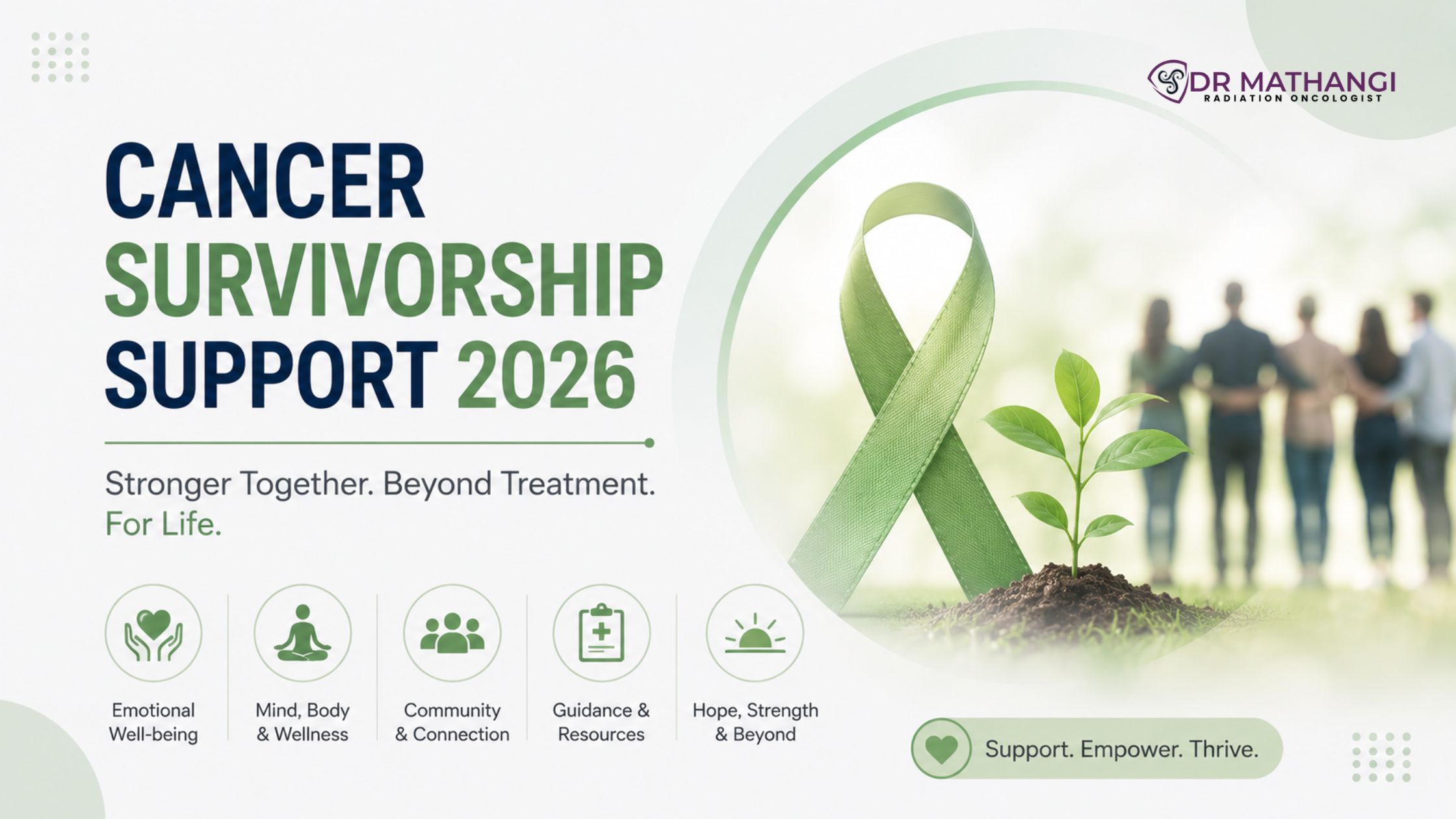
According to global cancer statistics, millions of people now survive cancer for years after treatment, creating a rapidly growing need for structured Cancer Survivorship Support 2026. While survival rates have improved dramatically because of advancements in radiation oncology, chemotherapy, immunotherapy, and precision medicine, many survivors continue to face physical, emotional, hormonal, neurological, and lifestyle-related challenges long after treatment ends. This is exactly where expert-led survivorship care becomes life-changing.
Dr Mathangi J, Senior Consultant and In-charge of Radiation Oncology at Gleneagles Cancer Institute, Bangalore, has helped over 12,000 patients through advanced cancer therapies and evidence-based recovery planning. Her patient-centered approach focuses not only on defeating cancer but also on helping survivors regain confidence, functionality, emotional balance, and long-term health.
For many survivors, the final radiation session or surgery is not the end of the journey. It is the beginning of a new chapter that requires expert monitoring, personalized rehabilitation, nutritional guidance, emotional support, and proactive prevention of future complications. Patients who delay survivorship-focused follow-up often miss early signs of treatment-related complications that can affect quality of life later.
What is Cancer Survivorship Support 2026?
Cancer Survivorship Support 2026 refers to a comprehensive, medically guided recovery framework designed to help cancer survivors manage life after active treatment. It includes physical recovery, emotional healing, lifestyle optimization, symptom monitoring, and long-term wellness planning.
Modern survivorship support goes far beyond routine follow-up appointments. Today’s survivors require:
- Personalized monitoring after radiation therapy
- Management of fatigue and chronic pain
- Nutritional rehabilitation
- Psychological and emotional counseling
- Hormonal and metabolic assessments
- Functional rehabilitation support
- Monitoring for recurrence and secondary cancers
- Advanced imaging and evaluation when necessary
- Family and caregiver guidance
Dr Mathangi’s survivorship-focused care integrates advanced oncology expertise with compassionate patient engagement. This dual approach helps survivors feel medically secure while also emotionally empowered.
Why is cancer recovery care becoming increasingly important?
cancer recovery care has become one of the most essential pillars of oncology because more people are surviving cancer than ever before. However, surviving cancer does not always mean returning immediately to normal health.
Many survivors experience:
- Persistent tiredness
- Difficulty swallowing after head and neck cancer treatment
- Breathing difficulties after lung cancer therapy
- Hormonal changes after pelvic radiation
- Lymphedema following breast cancer treatment
- Memory and concentration issues
- Anxiety regarding recurrence
- Sleep disturbances
- Loss of confidence and social withdrawal
Without structured recovery guidance, these challenges can silently reduce quality of life. Dr Mathangi emphasizes that survivorship should focus on helping patients reclaim independence, emotional resilience, and physical vitality.
Her extensive experience in advanced radiation techniques such as SBRT, IGRT, DIBH gated radiotherapy, RapidArc, and image-guided brachytherapy enables her to create highly individualized post-treatment pathways for patients across multiple cancer types.
Which cancers often require long-term survivorship monitoring?
Several cancers treated with radiation therapy may require structured survivorship planning due to the possibility of delayed side effects or ongoing rehabilitation needs.
These commonly include:
| Cancer type | Potential survivorship focus areas |
|---|---|
| Head and neck cancers | Speech, swallowing, nutrition, oral care |
| Brain tumors | Cognitive rehabilitation and neurological monitoring |
| Spine tumors | Pain management and mobility support |
| Lung cancers | Breathing function and fatigue management |
| Breast cancers | Lymphedema prevention and emotional wellness |
| Prostate cancers | Hormonal health and urinary function |
| Cervical and uterine cancers | Pelvic health and hormonal balance |
| Esophagus and rectal cancers | Nutritional recovery and digestive health |
Dr Mathangi’s clinical expertise across these cancer categories allows survivors to receive continuity of care that is both technologically advanced and deeply personalized.
How does long-term toxicity management improve survivorship outcomes?
long-term toxicity management is one of the most important yet overlooked aspects of survivorship care. Some treatment effects may appear months or even years after therapy, especially following radiation treatment.
Examples may include:
- Fibrosis or tissue stiffness
- Dry mouth after head and neck radiation
- Bowel or bladder irritation
- Hormonal dysfunction
- Persistent neuropathy
- Bone weakness
- Fatigue and reduced stamina
- Cardiac or lung function concerns
Advanced survivorship monitoring helps identify these concerns early before they significantly impact everyday life. Dr Mathangi’s approach emphasizes proactive evaluations, evidence-based interventions, rehabilitation referrals where needed, and patient education to reduce long-term complications.
Because she has trained internationally in Germany and Denmark in cutting-edge radiation techniques, Dr Mathangi brings a global perspective to survivorship-focused oncology care in India.
Why do modern survivorship programs matter in 2026?
survivorship programs are becoming a standard of excellence in modern cancer care because they bridge the gap between active treatment and long-term wellness.
Patients today want more than survival statistics. They want:
- Confidence about the future
- Better quality of life
- Clear recovery plans
- Guidance for nutrition and fitness
- Mental health support
- Access to advanced follow-up care
- A trusted specialist who understands survivorship challenges
Comprehensive survivorship support can help survivors return to work, rebuild relationships, regain energy, and participate fully in daily life. This is especially important for younger survivors and working professionals who may struggle with long-term treatment effects despite being considered “cancer-free.”
Under Dr Mathangi’s leadership, survivorship planning becomes highly individualized rather than generic. Every patient’s cancer type, radiation exposure, recovery pattern, emotional state, and future risk profile are carefully considered.
What makes Dr Mathangi’s approach unique?
Dr Mathangi combines over two decades of oncology experience with advanced radiation expertise and compassionate survivorship planning. Her approach stands apart because she focuses on both precision treatment and life after treatment.
Key strengths include:
- Over 12,000 successfully treated patients
- Leadership in advanced radiation oncology
- Experience with TrueBeam STx technology
- International training in stereotactic techniques
- Expertise in image-guided therapies
- Patient-centric communication
- Emphasis on recovery and quality of life
- Structured long-term monitoring strategies
Many survivors feel uncertain after completing cancer treatment because routine life suddenly resumes while emotional fear continues internally. Dr Mathangi’s guidance helps patients transition from fear-driven recovery into confidence-driven survivorship.
How does emotional survivorship support help cancer patients?
Emotional wellness is a critical but often underestimated part of survivorship. Cancer survivors may experience anxiety before scans, fear of recurrence, social isolation, altered body image, or difficulty adjusting emotionally after treatment.
Supportive survivorship care may help patients:
- Manage emotional stress
- Improve sleep quality
- Build resilience
- Strengthen family communication
- Reduce feelings of uncertainty
- Regain self-confidence
Dr Mathangi believes that healing must address both the body and the mind. Survivorship support therefore extends beyond medical evaluations into meaningful patient reassurance and long-term emotional empowerment.
What should cancer survivors prioritize after treatment?
After treatment, survivors should focus on consistent follow-up and holistic recovery. The most successful survivorship journeys usually involve active participation from both the patient and the oncology team.
Important priorities include:
- Attending scheduled follow-up appointments
- Reporting new symptoms early
- Maintaining proper nutrition
- Staying physically active within medical guidance
- Managing stress and sleep
- Avoiding tobacco and excessive alcohol
- Tracking medications and recovery milestones
- Continuing long-term monitoring
Ignoring survivorship care can delay detection of complications or recurrence. Early intervention often leads to better outcomes and improved quality of life.
About Dr Mathangi
Dr Mathangi J is a Senior Consultant and In-charge of Radiation Oncology at Gleneagles Cancer Institute, Bangalore. She completed her DMRT at Madras Medical College and pursued DNB residency training at Apollo Cancer Specialty Hospital, Chennai.
She has received international training in:
- SRS and SBRT techniques from Germany
- IGRT and RapidArc from Denmark
- Advanced intraoperative radiotherapy techniques
Dr Mathangi is widely recognized for her expertise in:
- Head and neck cancers
- Brain tumors
- Lung cancers
- Breast cancers
- Prostate cancers
- Cervical and uterine cancers
She also serves as Director of Fellowship in Advanced Radiotherapy Techniques affiliated with RGUHS and played a major role in installing the Asia Pacific region’s first TrueBeam STx Machine.
Why timely survivorship support can make a life-changing difference
Many cancer survivors wait until symptoms become severe before seeking specialized follow-up care. Unfortunately, delayed intervention can lead to avoidable complications, emotional distress, and reduced quality of life.
Choosing expert survivorship guidance early allows patients to:
- Detect complications sooner
- Improve long-term wellness
- Strengthen emotional recovery
- Reduce uncertainty
- Maintain independence and confidence
- Receive individualized care strategies
Patients across South India and North India increasingly seek survivorship-focused oncology guidance because they understand that recovery is not a single event. It is a carefully guided process requiring expertise, technology, empathy, and continuity of care.
How to book an appointment with Dr Mathangi
Patients and caregivers seeking expert survivorship guidance, advanced radiation oncology support, or personalized recovery planning can book a consultation with Dr Mathangi through her official website.
To schedule an appointment, submit your contact information through the form at:
https://drmathangi.com/contact/
Once the details are submitted, Dr Mathangi’s team will coordinate the appointment and notify you accordingly.
For survivors navigating uncertainty after cancer treatment, expert guidance today can profoundly influence long-term health tomorrow. Survivorship is no longer only about living longer. It is about living better, stronger, and with confidence.
Frequently Asked Questions
What does Cancer Survivorship Support 2026 mean for patients and families?
Cancer Survivorship Support 2026 focuses on helping patients move beyond active treatment and into a healthier, more stable phase of life. Survivorship today is not limited to follow-up scans or medical reviews alone. It also includes emotional wellness, nutrition guidance, rehabilitation, lifestyle planning, and support for long-term health concerns after chemotherapy, radiation, surgery, or immunotherapy.
Dr. Mathangi offers a patient-centered approach that helps survivors regain confidence, improve quality of life, and manage the physical and emotional effects that can continue after treatment ends. Her care plans are designed to support both survivors and caregivers through every stage of recovery and long-term wellness.
Why is cancer recovery care important after treatment is completed?
Many people assume recovery ends when cancer treatment stops, but survivors often continue to experience fatigue, anxiety, hormonal changes, nutritional deficiencies, nerve pain, sleep disturbances, and reduced immunity. Proper cancer recovery care helps patients manage these concerns while gradually rebuilding strength and returning to daily routines.
Dr. Mathangi emphasizes regular monitoring, supportive therapies, emotional counselling, and personalized guidance to help survivors maintain long-term health. By identifying issues early and creating realistic recovery goals, patients can experience a smoother transition back into personal, social, and professional life.
What types of survivorship programs does Dr. Mathangi provide?
Dr. Mathangi offers comprehensive survivorship programs that focus on physical health, mental wellbeing, nutrition, symptom management, and preventive care. These programs are tailored according to the survivor’s cancer history, treatment type, age, lifestyle, and future health goals.
Survivorship support may include periodic health evaluations, dietary planning, exercise recommendations, psychological support, pain management guidance, hormonal health monitoring, and education about recurrence prevention. The goal is to help survivors maintain long-term wellness while improving overall quality of life.
How does long-term toxicity management help cancer survivors?
Some cancer treatments can create side effects that continue months or even years after therapy has ended. long-term toxicity management helps identify and reduce the lasting effects of treatment on organs, nerves, hormones, bones, heart health, and overall energy levels.
Dr. Mathangi carefully evaluates symptoms that survivors may overlook, such as chronic fatigue, cognitive difficulties, neuropathy, digestive discomfort, or cardiovascular changes. Through ongoing assessments and supportive medical care, she helps patients improve comfort, reduce complications, and maintain healthier long-term outcomes.
Can emotional and mental health support be part of survivorship care?
Yes. Emotional wellbeing is an essential part of survivorship care. Many survivors experience fear of recurrence, stress, depression, social isolation, or difficulty adjusting to life after treatment. Addressing emotional health can greatly improve recovery and daily functioning.
Dr. Mathangi encourages open communication and supportive counselling as part of her survivorship approach. She works with patients to build emotional resilience, restore confidence, and create healthier coping strategies that support long-term wellness and peace of mind.
How often should cancer survivors attend follow-up appointments?
Follow-up schedules vary depending on the type of cancer, treatment received, medical history, and overall health condition of the survivor. In the early recovery phase, appointments may be more frequent, while long-term survivors may transition to periodic monitoring visits.
Dr. Mathangi develops individualized follow-up plans that focus on recurrence monitoring, symptom management, preventive screenings, and ongoing wellness support. These appointments also provide survivors with the opportunity to discuss lifestyle concerns, medication side effects, nutrition, and mental health needs.
What lifestyle changes can improve life after cancer treatment?
Healthy lifestyle habits can significantly improve recovery and long-term wellbeing after cancer treatment. Balanced nutrition, regular physical activity, quality sleep, stress management, hydration, and avoiding tobacco or excessive alcohol are all important parts of survivorship care.
Dr. Mathangi helps survivors adopt practical and sustainable lifestyle adjustments that fit their medical condition and daily routine. Her guidance focuses on improving energy, strengthening immunity, supporting emotional balance, and reducing future health risks through realistic wellness strategies.
Who can benefit from survivorship support services?
Survivorship support services can benefit anyone who has completed or is nearing the end of active cancer treatment. This includes survivors of breast cancer, colorectal cancer, gynecologic cancers, blood cancers, lung cancer, and many other conditions.
Whether a patient is dealing with physical recovery challenges, emotional stress, nutritional concerns, or long-term health monitoring, Dr. Mathangi’s supportive care approach is designed to help survivors navigate life with greater confidence, stability, and ongoing medical guidance.