Oncology Patient Navigation Apps
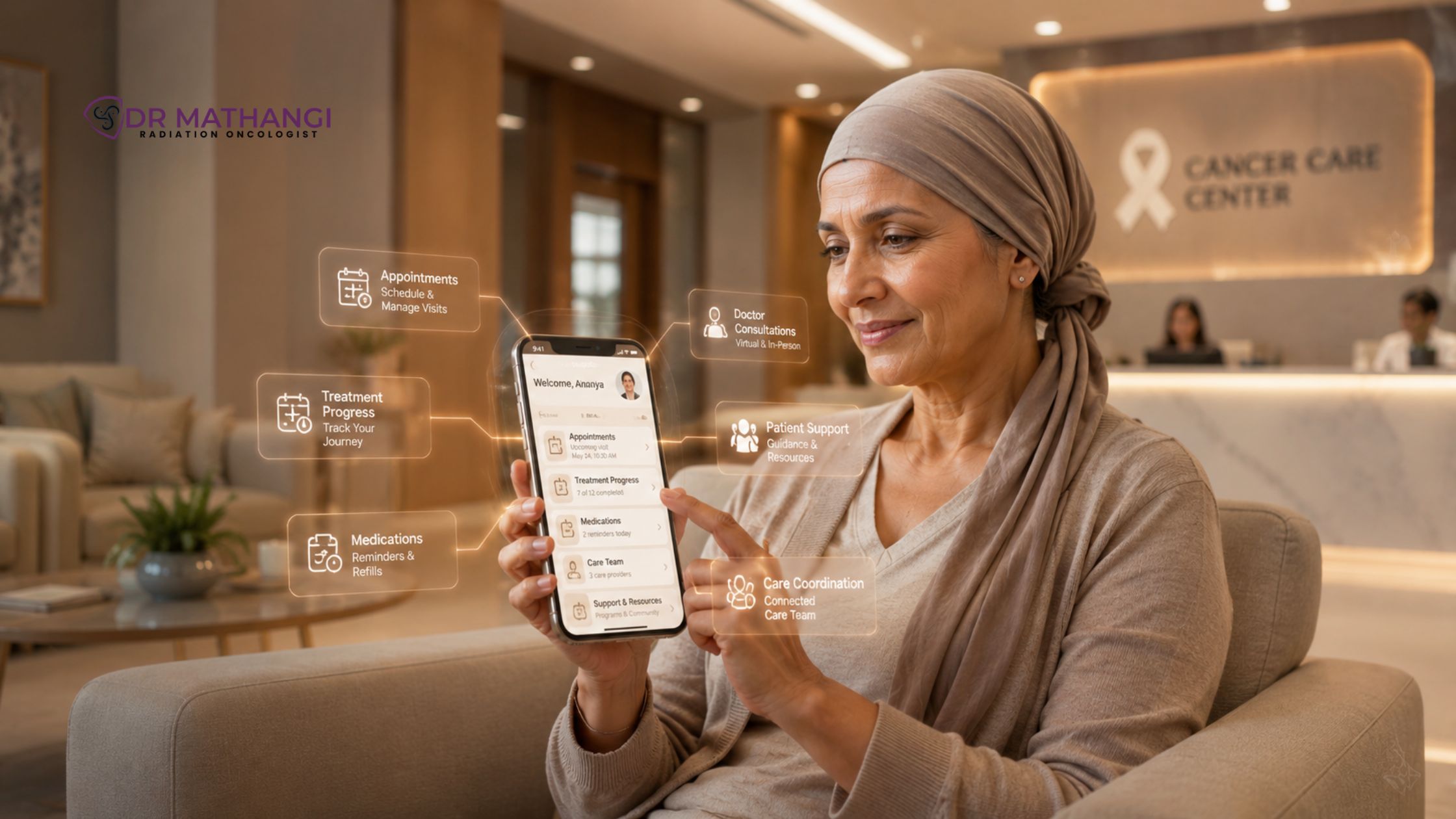
Studies published in the public domain suggest that patients who receive structured navigation support during cancer treatment are significantly more likely to complete therapy on time and experience improved satisfaction throughout their journey. This is precisely why Oncology Patient Navigation Apps are rapidly becoming an essential part of modern cancer care. From appointment coordination and symptom tracking to treatment education and emotional support, these platforms are redefining how patients and caregivers manage complex oncology journeys. Under the expertise of Dr Mathangi, Senior Consultant and In-charge of Radiation Oncology at Gleneagles Cancer Institute Bangalore, patients gain access to advanced, patient-focused treatment pathways that combine clinical excellence with technology-driven guidance.
Cancer treatment can feel overwhelming. Patients often struggle with understanding radiation schedules, interpreting medical terminology, remembering medication timelines, coordinating with specialists, and coping emotionally with uncertainty. This confusion can lead to delayed treatments, missed appointments, increased anxiety, and poor treatment adherence. The integration of cancer care apps and personalized guidance systems helps bridge this gap by keeping patients informed, empowered, and connected throughout every stage of treatment.
What are Oncology Patient Navigation Apps?
Oncology Patient Navigation Apps are specialized digital platforms designed to guide cancer patients through diagnosis, treatment, follow-up care, and survivorship. These applications combine communication tools, treatment schedules, educational resources, and patient engagement systems into a single, accessible platform.
Unlike generic healthcare applications, oncology-focused systems are designed specifically around the complexity of cancer treatment. Radiation therapy, chemotherapy, imaging, pathology reports, follow-up consultations, nutrition support, and symptom monitoring all require coordinated management. These applications simplify that experience for patients and caregivers.
Core functions of Oncology Patient Navigation Apps
- Appointment reminders and scheduling support
- Medication tracking and treatment adherence monitoring
- Radiation therapy preparation guidance
- Secure communication with oncology teams
- Symptom and side-effect tracking
- Educational resources tailored to cancer type
- Caregiver coordination and updates
- Digital storage of reports and prescriptions
- Mental wellness and emotional support resources
For patients receiving advanced radiation oncology treatment under Dr Mathangi, these systems can become valuable companions during treatment planning and recovery.
Why are digital oncology tools becoming essential in cancer treatment?
digital oncology tools are becoming essential because cancer treatment today is more sophisticated, personalized, and data-driven than ever before. Modern oncology care involves multiple specialists, advanced imaging, precision radiation technologies, and ongoing follow-up. Managing all these moving parts manually can become stressful for patients and families.
Dr Mathangi’s expertise in advanced radiation oncology techniques such as SBRT, Gated RapidArc, DIBH gated Radiotherapy, and image-guided Interstitial Brachytherapy reflects the evolving nature of precision cancer care. When combined with intelligent navigation systems, patients experience greater clarity and confidence during treatment.
Patients undergoing therapy for:
- Head and neck cancers
- Brain tumors
- Spine tumors
- Esophagus and rectal cancers
- Lung cancers
- Liver cancers
- Breast cancers
- Bladder cancers
- Prostate cancers
- Uterine cancers
- Cervical cancer
- Vulval cancers
- Anal canal cancers
- Penile cancers
often benefit from structured treatment coordination because these conditions frequently require multidisciplinary management.
How do cancer care apps improve patient outcomes?
cancer care apps improve patient outcomes by reducing communication gaps, encouraging treatment adherence, improving symptom reporting, and helping patients remain actively involved in their care decisions.
One of the most overlooked problems in oncology is delayed reporting of symptoms. Patients may dismiss fatigue, swallowing difficulty, skin irritation, nausea, or pain until the condition worsens. Modern navigation systems encourage earlier reporting, allowing oncology teams to intervene faster.
Benefits patients commonly experience
| Feature | Patient Benefit |
|---|---|
| Treatment reminders | Reduces missed radiation sessions |
| Symptom tracking | Enables early clinical intervention |
| Educational modules | Improves understanding of therapy |
| Secure communication | Enhances trust and reduces anxiety |
| Care coordination | Simplifies multidisciplinary treatment |
| Caregiver integration | Strengthens family support systems |
For patients already coping with emotional and physical stress, these digital systems create a sense of direction and reassurance that is often difficult to achieve through traditional fragmented communication methods.
Why patients trust Dr Mathangi for advanced oncology care
Dr Mathangi J is one of Bangalore’s most experienced radiation oncologists with over 20 years of expertise and more than 12,000 successfully treated patients. She currently serves as Senior Consultant and In-charge of Radiation Oncology at Gleneagles Cancer Institute Bangalore.
Her training includes advanced radiation oncology specialization from internationally recognized institutions, including:
- Klinikum Frankfurt (Oder), Germany
- Copenhagen University Hospital (Rigshospitalet), Denmark
- 4EIEVSEN for Intraoperative Radiotherapy
She is particularly recognized for implementing highly advanced technologies such as:
- Stereotactic ablative body radiotherapy (SBRT)
- SRS/SBRT techniques
- Gated RapidArc
- DIBH gated Radiotherapy
- Image-guided Interstitial Brachytherapy
Dr Mathangi is also celebrated for installing the Asia Pacific region’s first TrueBeam STx Machine, reflecting her commitment to technological excellence in cancer care.
Patients searching for oncology support today are not simply looking for treatment. They are searching for confidence, expertise, guidance, and continuity of care. That is where the integration of human expertise and patient support apps becomes truly transformative.
How patient support apps reduce stress during radiation therapy
patient support apps can significantly reduce stress by helping patients understand what to expect before, during, and after radiation therapy sessions.
Radiation oncology often involves carefully timed schedules that may extend across several weeks. Missing sessions or misunderstanding instructions can impact treatment effectiveness. Navigation systems help maintain consistency while keeping patients informed about:
- Treatment preparation instructions
- Dietary precautions
- Hydration recommendations
- Skin care guidance
- Managing treatment side effects
- Follow-up imaging timelines
- Recovery milestones
Patients receiving treatment for breast cancer, prostate cancer, lung cancer, or head and neck cancer frequently require continuous education throughout therapy. Navigation platforms simplify access to this information, reducing confusion and emotional fatigue.
What makes modern digital oncology tools different from traditional healthcare systems?
The biggest difference is personalization. Traditional systems often focus only on record storage or appointment management. Modern digital oncology tools are designed around the patient journey itself.
Advanced systems can now:
- Provide customized treatment education based on cancer type
- Track symptoms in real time
- Integrate caregiver communication
- Offer multilingual accessibility
- Enable teleconsultation support
- Send treatment milestone alerts
- Improve coordination across departments
For patients traveling from South India, North India, or international destinations to Bangalore for treatment, these systems become even more valuable because they streamline communication and reduce logistical stress.
Why delaying expert-guided cancer care can be risky
Many patients spend valuable time searching online, comparing fragmented information, or postponing consultations because they feel uncertain or afraid. Unfortunately, delays in oncology treatment can reduce treatment effectiveness and increase complexity.
Patients often underestimate:
- The speed at which some cancers progress
- The importance of timely radiation therapy
- The benefits of multidisciplinary planning
- The role of precision imaging and advanced radiotherapy
- The impact of structured follow-up care
Under the guidance of Dr Mathangi, patients receive evidence-based, technology-driven care designed around precision and compassion. Combining this expertise with evolving Oncology Patient Navigation Apps ensures patients are not left navigating cancer alone.
How to choose the right oncology care experience
When selecting an oncology specialist or treatment center, patients should evaluate more than just infrastructure. The quality of communication, continuity of care, technology integration, radiation expertise, and patient guidance systems are equally important.
Questions patients should ask before choosing cancer treatment
- Does the oncology team specialize in advanced radiation therapy?
- Is personalized treatment planning available?
- Are modern imaging and precision technologies used?
- Can patients easily communicate with care teams?
- Are digital navigation systems available?
- Does the specialist have extensive clinical experience?
Dr Mathangi’s leadership in radiation oncology, combined with patient-centered support systems, provides reassurance for individuals seeking structured and advanced cancer care solutions.
About Dr Mathangi
Dr Mathangi J is a leading Radiation Oncologist based in Bangalore and serves as Senior Consultant & In-charge of Radiation Oncology at Gleneagles Cancer Institute. With over two decades of experience and more than 12,000 treated patients, she is known for her expertise in advanced radiotherapy techniques and precision oncology care.
Her specialization includes treatment planning and radiation management for:
- Head and neck cancers
- Brain tumors
- Lung cancers
- Breast cancers
- Prostate cancers
- Cervical cancer
- Women cancers including endometrium cancers
Her commitment to integrating clinical excellence with modern patient-centered technologies continues to position her among the most respected names in oncology care.
Book an appointment with Dr Mathangi
Cancer treatment decisions should never be delayed because of uncertainty or lack of guidance. Patients and caregivers seeking advanced oncology consultation, precision radiation therapy, and structured treatment navigation can connect with Dr Mathangi through her official website.
To book an appointment, patients can submit their contact details through the official contact page at https://drmathangi.com/contact/. Her team will schedule the consultation and notify the patient regarding the appointment details.
In today’s rapidly evolving healthcare landscape, combining compassionate oncology expertise with intelligent navigation systems is no longer optional—it is becoming the gold standard in patient-centered cancer care. With advanced treatment capabilities, international training, and a strong focus on personalized support, Dr Mathangi continues to help patients move through their cancer journey with greater confidence, clarity, and hope.
Frequently Asked Questions
What are Oncology Patient Navigation Apps and how do they help cancer patients?
Oncology Patient Navigation Apps are digital platforms designed to guide patients through every stage of diagnosis, treatment, recovery, and follow-up care. These apps help patients organize appointments, monitor treatment schedules, access educational resources, communicate with healthcare providers, and receive reminders for medications or tests.
Dr. Mathangi recommends structured navigation systems because they reduce confusion during complex cancer treatment journeys. By using modern cancer care apps, patients and caregivers can stay informed, improve treatment adherence, and feel more confident while managing medical decisions.
Why are digital oncology tools becoming important in modern cancer treatment?
digital oncology tools are transforming the way patients interact with healthcare systems. They help streamline communication between oncologists, nurses, caregivers, and patients while improving access to personalized treatment information.
Dr. Mathangi emphasizes that technology-driven care coordination can reduce delays, improve follow-up compliance, and support better symptom tracking. These tools are especially valuable for patients managing chemotherapy schedules, post-surgical recovery, second opinions, or long-term survivorship care.
How can patient support apps improve communication between patients and doctors?
patient support apps make communication more organized and accessible. Patients can record symptoms, upload reports, track medication side effects, and share updates with their oncology team in real time.
Dr. Mathangi encourages clear and timely communication because early reporting of symptoms often helps avoid treatment complications. Many patients also feel more comfortable asking questions through secure app-based systems, which improves engagement and overall confidence during treatment.
Are cancer care apps useful for caregivers and family members as well?
Yes. Many cancer care apps are designed not only for patients but also for caregivers who assist with appointments, medications, nutrition planning, transportation, and emotional support.
Dr. Mathangi understands that caregivers play a critical role in oncology care. Navigation apps can help family members coordinate treatment calendars, monitor symptom updates, and stay informed about the patient’s care plan without relying on scattered paperwork or manual reminders.
Can Oncology Patient Navigation Apps help reduce treatment delays?
One of the major advantages of Oncology Patient Navigation Apps is improved treatment coordination. Automated reminders for appointments, laboratory tests, imaging scans, medications, and follow-up visits help patients stay on schedule.
Dr. Mathangi believes that organized care pathways are essential for better oncology outcomes. When patients receive timely reminders and structured guidance, the chances of missed consultations or delayed treatment cycles can be significantly reduced.
What features should patients look for in modern cancer navigation platforms?
Patients should look for secure messaging, appointment scheduling, treatment reminders, symptom tracking, access to medical records, educational resources, and caregiver support options. Integration with hospitals or oncology clinics can also improve continuity of care.
Dr. Mathangi advises patients to choose reliable and user-friendly systems that simplify communication and support informed decision-making throughout treatment and recovery.
How do digital tools support emotional wellness during cancer treatment?
Emotional stress is common during cancer treatment, and many digital platforms now include mental wellness resources, guided education, support communities, and counseling access.
Dr. Mathangi recognizes the importance of emotional health as part of comprehensive oncology care. When patients feel supported emotionally and medically, they are often better prepared to manage treatment challenges and maintain a stronger sense of control during recovery.
Are Oncology Patient Navigation Apps suitable for long-term cancer survivorship care?
Yes. Survivorship care often involves regular screenings, lifestyle monitoring, rehabilitation, and long-term follow-up consultations. Navigation platforms can help survivors maintain structured records and stay consistent with preventive care recommendations.
Dr. Mathangi supports long-term follow-up strategies that combine clinical expertise with accessible technology. With the right tools in place, patients can continue managing their health proactively even after completing active treatment.