Hypofractionated Radiotherapy Benefits 2026
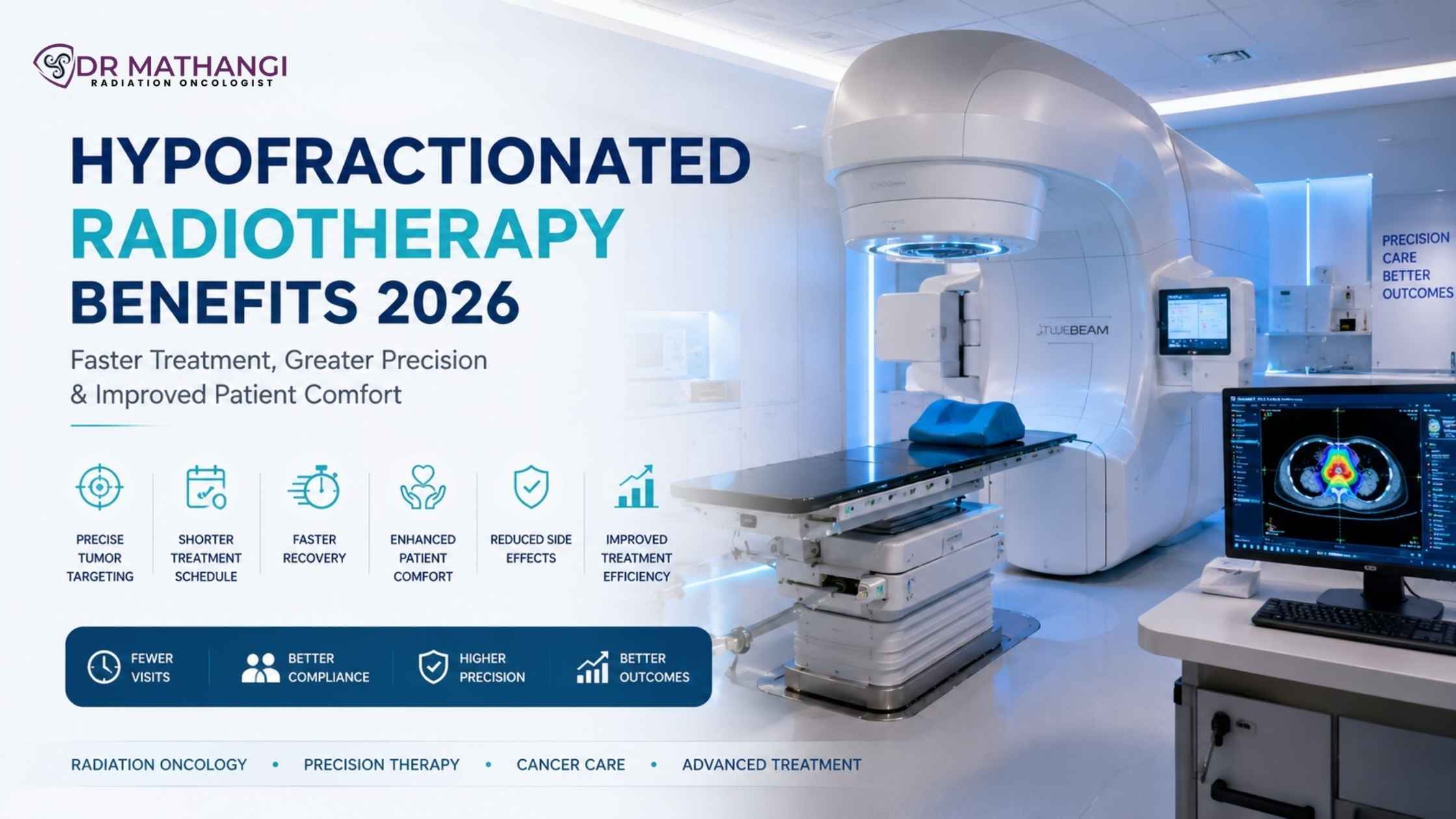
Recent international oncology studies indicate that modern Hypofractionated Radiotherapy protocols can reduce treatment duration by nearly 30% to 50% for selected cancers while maintaining excellent tumor control and minimizing side effects. In 2026, this advancement is transforming how patients approach cancer care, especially those seeking faster recovery, better convenience, and highly precise treatment outcomes. Under the leadership of Dr Mathangi J, Senior Consultant and In-charge of Radiation Oncology at Gleneagles Cancer Institute, Bangalore, patients now have access to some of the most advanced radiation oncology technologies available globally.
Cancer treatment can feel overwhelming emotionally, physically, and financially. Many patients fear long hospital visits, interruptions to family life, missed work opportunities, and prolonged fatigue. This is exactly where modern radiation oncology has evolved dramatically. Today, carefully planned fewer radiation sessions supported by advanced imaging and precision-guided systems are helping patients complete treatment in significantly less time without compromising treatment effectiveness.
For patients dealing with breast cancer, prostate cancer, head and neck cancers, brain tumors, lung cancers, cervical cancer, uterine cancers, rectal cancers, liver cancers, bladder cancers, spine tumors, anal canal cancers, penile cancers, vulval cancers, and esophageal cancers, advanced radiation protocols are changing survival journeys in remarkable ways.
What is hypofractionated radiotherapy and why is it important in 2026?
Hypofractionated radiotherapy is an advanced radiation treatment approach where higher doses of radiation are delivered in fewer sessions while maintaining treatment precision and safety. In 2026, it is considered one of the most patient-friendly developments in oncology because it enables effective cancer management with shorter overall treatment duration.
Traditional radiation therapy often required patients to visit the hospital daily for several weeks. While effective, prolonged schedules could affect quality of life, travel, work commitments, and emotional well-being. With the rise of short course radiotherapy, many eligible patients can now complete treatment much faster.
The importance of this advancement cannot be overstated because modern cancer patients increasingly seek:
- Reduced hospital visits
- Better convenience for families and caregivers
- Lower emotional stress
- Faster return to normal routines
- Enhanced treatment precision
- Reduced overall healthcare burden
- Improved patient compliance
At Gleneagles Cancer Institute, Dr Mathangi combines advanced radiotherapy expertise with evidence-based planning protocols to ensure that patients receive highly individualized treatment pathways rather than generalized treatment schedules.
Why are more cancer specialists recommending fewer radiation sessions?
Modern oncology research demonstrates that carefully selected patients can safely benefit from fewer radiation sessions because advanced imaging, treatment planning software, and motion-management technologies now allow radiation to target tumors with exceptional accuracy.
This evolution is particularly important for patients who previously struggled with:
- Long-distance travel for daily radiation therapy
- Treatment fatigue over multiple weeks
- Work and family disruptions
- Transportation and accommodation costs
- Anxiety associated with prolonged therapy
Dr Mathangi’s advanced training in SRS, SBRT, IGRT, RapidArc, DIBH gated Radiotherapy, and image-guided Interstitial Brachytherapy enables her to design sophisticated treatment plans that maximize tumor targeting while protecting nearby healthy tissues.
Her international training from Germany and Denmark further strengthens her ability to deliver modern radiation oncology solutions aligned with global best practices.
How does cancer treatment time reduction improve patient quality of life?
One of the greatest advantages of modern radiation oncology is cancer treatment time reduction, which helps patients complete therapy more efficiently while maintaining confidence in treatment quality and outcomes.
When treatment schedules become shorter, patients often experience:
| Traditional Long Schedules | Modern Hypofractionated Approaches |
|---|---|
| Extended weeks of therapy | Reduced treatment duration |
| Frequent hospital visits | Better convenience |
| Higher travel burden | Reduced logistical stress |
| More interruptions to work | Faster return to routine life |
| Extended emotional fatigue | Improved psychological comfort |
For many patients, especially elderly individuals and those traveling from other cities in South India and North India, shorter schedules provide substantial emotional and practical relief.
This is where Dr Mathangi’s patient-centered approach becomes especially valuable. Every treatment plan is personalized after detailed evaluation of:
- Cancer type
- Tumor stage
- Patient age
- Organ sensitivity
- Previous treatments
- Imaging findings
- Overall health status
Which cancers commonly benefit from hypofractionated radiotherapy?
Several cancers now benefit significantly from modern Hypofractionated Radiotherapy approaches when clinically appropriate and carefully planned.
Dr Mathangi specializes in advanced radiation management for:
- Head and neck cancers
- Brain tumors
- Spine tumors
- Lung cancers
- Liver cancers
- Breast cancers
- Bladder cancers
- Prostate cancers
- Uterine cancers
- Cervical cancer
- Vulval cancers
- Anal canal cancers
- Penile cancers
- Esophageal cancers
- Rectal cancers
Among these, breast cancer and prostate cancer have shown particularly encouraging results globally with modern short course radiotherapy strategies.
Patients often feel reassured knowing that these treatments are not experimental shortcuts but evidence-based protocols backed by extensive international oncology research.
Why does advanced technology matter in radiation oncology?
Advanced technology is the foundation that makes modern radiation oncology safer, more effective, and more precise. Without cutting-edge systems, delivering higher doses in shorter schedules would not be possible with the same level of confidence.
Dr Mathangi is widely recognized for her contribution to advanced oncology technology adoption, including the installation of the Asia Pacific’s first TrueBeam STx Machine.
Her expertise includes:
- Stereotactic ablative body radiotherapy (SBRT)
- Stereotactic radiosurgery (SRS)
- Image-guided radiotherapy (IGRT)
- RapidArc technology
- DIBH gated Radiotherapy
- Image-guided Interstitial Brachytherapy
- Motion management techniques
These technologies help deliver radiation with sub-millimeter precision, reducing exposure to nearby healthy tissues and enhancing patient safety.
How does Dr Mathangi personalize radiation treatment plans?
Every patient’s cancer journey is unique, which is why individualized planning is essential in modern oncology care.
Dr Mathangi has successfully treated more than 12,000 patients over her distinguished career spanning over two decades. Her treatment planning philosophy focuses on combining:
- Scientific evidence
- Advanced imaging
- Patient comfort
- Tumor biology
- Precision targeting
- Long-term quality of life
Instead of applying a one-size-fits-all model, she carefully evaluates whether patients are suitable candidates for fewer radiation sessions or specialized short course radiotherapy strategies.
This level of personalization is especially critical because inappropriate treatment planning can increase side effects or compromise outcomes. Patients seeking expert-guided decision-making often value the reassurance that comes from consulting a highly experienced radiation oncologist with international exposure and leadership credentials.
Why are patients increasingly choosing modern radiation oncology in Bangalore?
Bangalore has rapidly emerged as one of India’s leading destinations for advanced oncology care because of its access to sophisticated medical technologies, internationally trained specialists, and multidisciplinary cancer management systems.
Patients from across India increasingly choose Dr Mathangi because of:
- Advanced radiotherapy expertise
- Global training exposure
- Comprehensive cancer management
- Patient-focused care pathways
- Modern infrastructure
- Precision-based treatment planning
- Strong clinical outcomes
For many patients, delaying advanced treatment can mean losing valuable opportunities for improved outcomes and convenience. Early evaluation by an experienced radiation oncologist helps patients understand the latest treatment possibilities available in 2026.
What should patients expect during modern hypofractionated treatment?
Modern Hypofractionated Radiotherapy treatment is carefully structured to maximize efficiency while maintaining patient comfort and safety.
The process usually includes:
- Detailed consultation and diagnosis review
- Advanced imaging and simulation scans
- Personalized radiation planning
- Precision-guided treatment delivery
- Regular monitoring and follow-up
Many patients are surprised to learn how streamlined modern radiation oncology has become compared to older treatment experiences.
The focus on cancer treatment time reduction not only benefits convenience but can also improve overall treatment adherence because patients are more likely to complete shorter schedules successfully.
About Dr Mathangi
Dr Mathangi J is a Senior Consultant and In-charge of Radiation Oncology at Gleneagles Cancer Institute, Bangalore. With over 20 years of experience and more than 12,000 successfully treated patients, she is recognized as one of the leading experts in advanced radiation oncology techniques in India.
She completed her DMRT at Madras Medical College, Chennai, and pursued DNB residency training at Apollo Cancer Specialty Hospital, Chennai. Her advanced international training includes:
- SRS/SBRT training from Klinikum Frankfurt (Oder), Germany
- IGRT/RapidArc training from Copenhagen University Hospital, Denmark
- Intraoperative radiotherapy training from 4EIEVSEN
Her areas of specialization include:
- Head and Neck Cancers
- Brain Tumors
- Lung Cancers
- Breast Cancers
- Prostate Cancers
- Cervical Cancer
- Women Cancers
Patients seeking advanced radiation oncology care in 2026 increasingly value her combination of compassion, technical expertise, international exposure, and evidence-based treatment planning.
How to book an appointment with Dr Mathangi
Patients and caregivers who wish to explore advanced radiation oncology options, including Hypofractionated Radiotherapy, can submit their contact details through the appointment form on Dr Mathangi’s official website.
Appointment booking link:
https://drmathangi.com/contact/
Once the form is submitted, Dr Mathangi’s team will coordinate the appointment schedule and notify the patient accordingly.
In 2026, cancer care is no longer only about treatment. It is about precision, speed, safety, quality of life, and access to globally advanced expertise. Choosing the right radiation oncologist at the right time can make a meaningful difference in both treatment experience and long-term outcomes.
Frequently Asked Questions
What is Hypofractionated Radiotherapy and how does it work?
Hypofractionated Radiotherapy is an advanced radiation treatment approach where higher doses of radiation are delivered over a smaller number of sessions compared to conventional therapy schedules. Instead of spreading treatment across many weeks, patients receive carefully planned doses in a shorter duration while maintaining precision and safety.
Dr. Mathangi evaluates each patient individually using imaging, tumour staging, and overall health assessment to determine whether this treatment plan is suitable. The goal is to provide effective tumour control while reducing unnecessary burden on the patient’s daily life.
What are the main benefits of fewer radiation sessions for cancer patients?
One of the biggest advantages of modern radiation oncology is the possibility of fewer radiation sessions without compromising treatment quality for selected cancers. Patients often appreciate the reduced number of hospital visits, lower travel stress, and improved convenience for work and family responsibilities.
Dr. Mathangi focuses on creating patient-friendly treatment pathways that support both medical outcomes and quality of life. For many individuals, fewer hospital appointments can also help reduce emotional fatigue associated with prolonged cancer care.
Is short course radiotherapy suitable for all cancer types?
short course radiotherapy may be recommended for several cancer types, including selected breast, prostate, rectal, lung, and metastatic cancers. However, it is not automatically suitable for every patient or every diagnosis.
Dr. Mathangi carefully reviews tumour characteristics, prior treatments, imaging findings, and patient health factors before recommending an appropriate protocol. The treatment decision is always personalised to maximise effectiveness and minimise risks.
How does cancer treatment time reduction improve patient comfort?
cancer treatment time reduction can significantly improve the overall patient experience. Shorter treatment schedules often mean less disruption to personal routines, fewer days away from work, and reduced travel requirements for patients coming from distant locations.
Dr. Mathangi believes that modern oncology care should balance clinical effectiveness with emotional and practical comfort. By reducing overall treatment duration where medically appropriate, patients may feel more in control of their recovery journey.
Does Hypofractionated Radiotherapy cause more side effects?
When planned correctly using advanced radiation technology and evidence-based protocols, Hypofractionated Radiotherapy does not necessarily lead to higher side effects for eligible patients. In many situations, studies have shown comparable safety outcomes to traditional radiation schedules.
Dr. Mathangi uses detailed treatment planning, precision targeting, and continuous monitoring to help protect nearby healthy tissues. Patients are also educated about expected temporary side effects and supportive care options during therapy.
What technologies support modern hypofractionated radiation treatment?
Advanced technologies such as image-guided radiotherapy (IGRT), intensity-modulated radiotherapy (IMRT), and precision treatment planning systems play an important role in modern hypofractionated treatment strategies. These tools help ensure accurate radiation delivery while minimising exposure to surrounding healthy tissue.
Dr. Mathangi’s approach combines clinical expertise with modern oncology protocols to create customised treatment plans that prioritise safety, precision, and patient comfort throughout the treatment journey.
Why are more patients considering shorter radiation schedules in 2026?
In 2026, many patients are seeking efficient and evidence-based cancer care solutions that fit better into their lifestyles. Shorter radiation schedules are increasingly popular because they can reduce repeated hospital visits while still delivering clinically effective outcomes for selected cancers.
Dr. Mathangi helps patients understand the latest developments in radiation oncology and guides them through treatment choices with clear communication, compassionate support, and personalised recommendations tailored to their diagnosis and goals.
What should patients expect during consultation with Dr. Mathangi for radiation therapy?
During the consultation, Dr. Mathangi reviews medical records, pathology reports, scans, and prior treatment history to determine the most suitable radiation therapy approach. Patients are guided through treatment timelines, expected outcomes, potential side effects, and follow-up care plans.
The consultation process is designed to help patients make informed decisions with confidence. Every treatment recommendation is tailored to the individual’s condition, comfort level, and long-term care needs.