AI-Based Tumor Segmentation in Radiotherapy
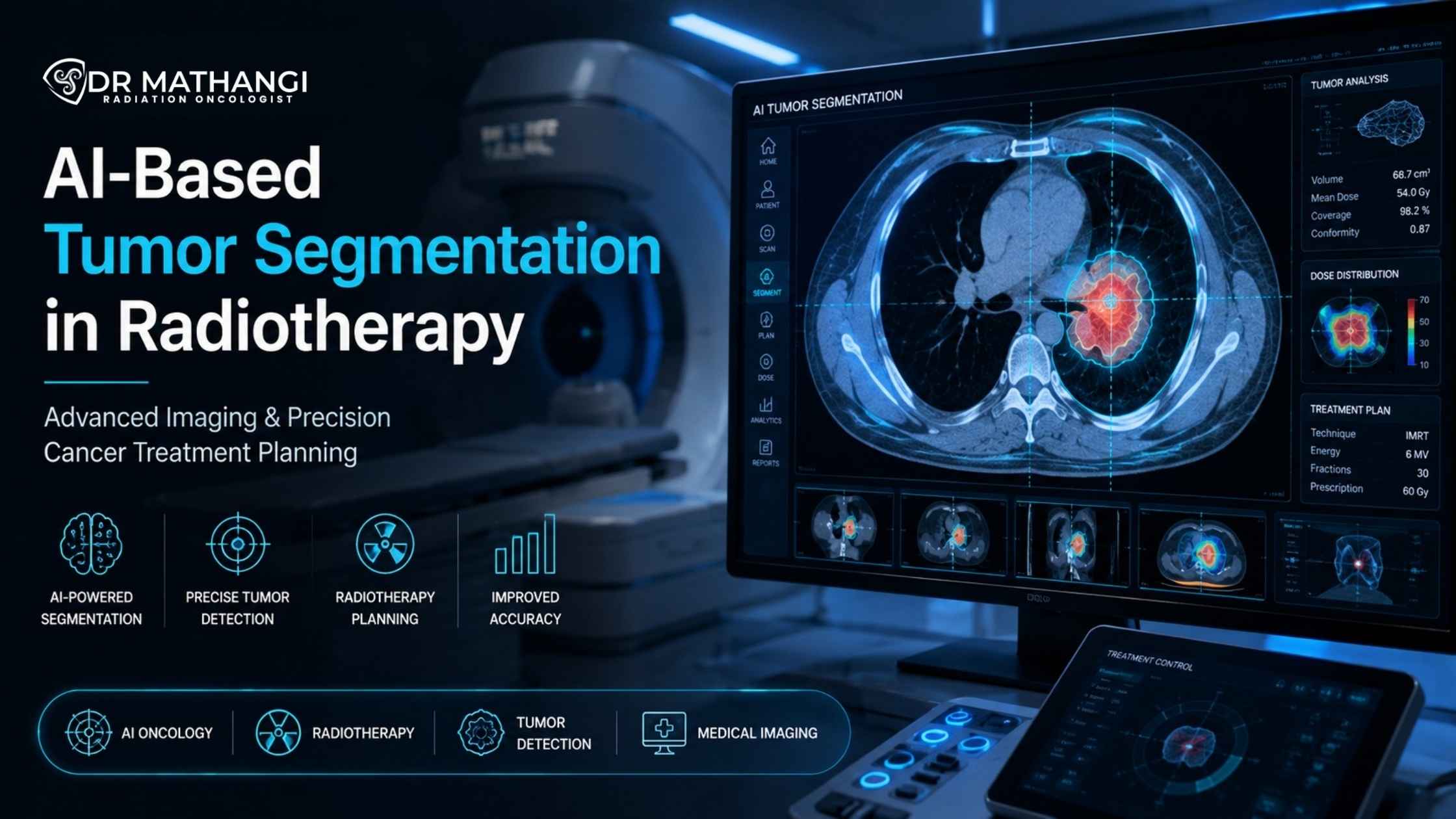
According to studies published in leading oncology journals, nearly 50% of all cancer patients require radiation therapy during the course of treatment. Yet, one of the biggest challenges in radiotherapy remains accurately identifying and outlining tumors without affecting healthy tissues. This is where AI Tumor Segmentation Radiotherapy is revolutionizing modern cancer care. Advanced artificial intelligence systems now assist radiation oncologists in detecting tumor boundaries faster, improving treatment precision, and reducing human error. Under the expertise of Dr Mathangi, one of Bangalore’s leading radiation oncologists with over 20 years of experience and more than 12,000 successfully treated patients, patients now have access to some of the most advanced radiotherapy technologies available today.
Cancer treatment is no longer only about removing or shrinking tumors. It is about precision, preserving quality of life, minimizing side effects, and ensuring that every radiation beam is delivered with remarkable accuracy. Patients who delay access to advanced imaging-guided radiotherapy often risk unnecessary complications, incomplete targeting, or damage to surrounding healthy organs. This is why advanced imaging, intelligent planning systems, and cutting-edge oncology AI tools have become essential in modern radiation oncology.
What is AI-based tumor segmentation in radiotherapy?
AI-based tumor segmentation in radiotherapy refers to the use of artificial intelligence algorithms to identify, outline, and map tumors on medical imaging scans such as CT, MRI, and PET scans. These AI-assisted systems help radiation oncologists create highly precise treatment plans in significantly less time while improving consistency and accuracy.
Traditional tumor contouring can take several hours and often depends heavily on the experience of the clinician. With modern auto contouring AI systems, complex tumors can now be identified with exceptional precision, helping doctors make faster and more confident treatment decisions. However, technology alone is never enough. The expertise of an experienced radiation oncologist like Dr Mathangi is critical in validating, refining, and optimizing every treatment plan.
Why accurate tumor segmentation matters in cancer treatment
The success of radiotherapy depends largely on accurately identifying the tumor margins. Even a small deviation can affect treatment outcomes. Precise tumor segmentation ensures maximum radiation reaches the cancer while sparing nearby healthy tissues.
- Reduces unnecessary radiation exposure to healthy organs
- Improves treatment precision and effectiveness
- Minimizes side effects and complications
- Supports faster treatment planning workflows
- Enhances consistency across complex cancer cases
- Allows adaptive treatment modifications during therapy
This level of precision becomes especially important in cancers involving the brain, head and neck region, lungs, prostate, cervix, breast, liver, rectum, bladder, spine, vulval region, anal canal, and esophagus. Many of these cancers are located close to vital organs, making accurate segmentation critical for successful treatment outcomes.
How does auto contouring AI improve radiotherapy planning?
auto contouring AI uses deep learning algorithms trained on thousands of imaging datasets to automatically identify tumor boundaries and surrounding organs at risk. This significantly reduces the manual workload involved in radiation planning while increasing consistency.
Dr Mathangi combines advanced AI-assisted contouring systems with sophisticated imaging protocols and years of clinical expertise to ensure every patient receives highly individualized treatment. While AI accelerates contouring, expert physician oversight remains indispensable. Dr Mathangi carefully reviews every contour to ensure anatomical accuracy and clinical appropriateness.
Patients often assume that all cancer centers offer the same level of radiotherapy precision. In reality, there are vast differences in expertise, planning quality, imaging protocols, and technology integration. Access to advanced radiation planning AI systems under the supervision of a highly trained specialist can directly influence treatment success and long-term outcomes.
What cancers benefit most from AI-assisted radiotherapy?
Many cancers can benefit significantly from AI-assisted radiation therapy planning and segmentation technologies. Dr Mathangi specializes in several complex cancer types where imaging precision is critically important.
| Cancer Type | Why AI Segmentation Helps |
|---|---|
| Brain tumors | Protects delicate brain structures while targeting tumor tissues precisely |
| Head and neck cancers | Improves accuracy around speech, swallowing, and salivary organs |
| Lung cancers | Accounts for respiratory motion and moving targets |
| Breast cancers | Reduces exposure to heart and lungs during radiation |
| Prostate cancers | Enhances targeting while preserving bladder and rectal function |
| Cervical and uterine cancers | Supports precise image-guided brachytherapy and external beam planning |
| Liver cancers | Improves targeting near sensitive abdominal organs |
| Rectal and anal canal cancers | Optimizes dose distribution in anatomically complex regions |
How does tumor detection imaging support precision radiotherapy?
tumor detection imaging forms the foundation of every successful radiation therapy plan. Without accurate imaging, even the most advanced radiation machines cannot deliver optimal results. Modern imaging technologies help identify tumor size, depth, shape, and spread with far greater clarity than traditional methods.
Dr Mathangi utilizes advanced imaging integration techniques that combine CT, MRI, and PET scans to create highly detailed treatment maps. This allows for improved visualization of cancer tissues and nearby organs. In complex tumors involving the brain, head and neck, lungs, and pelvis, this level of imaging precision can make a substantial difference in treatment outcomes.
One of the reasons patients across South India and North India seek Dr Mathangi’s expertise is her extensive experience with advanced radiation technologies such as:
- Stereotactic radiosurgery (SRS)
- Stereotactic body radiotherapy (SBRT)
- Gated RapidArc therapy
- DIBH gated radiotherapy
- Image-guided interstitial brachytherapy
- Image-guided radiotherapy (IGRT)
- RapidArc treatment planning
Her international training from Germany and Denmark further strengthens her ability to deliver globally aligned treatment standards in India.
What makes radiation planning AI important in modern oncology?
radiation planning AI helps optimize radiation dose distribution by analyzing tumor geometry, nearby organs, patient anatomy, and imaging data. This allows radiation oncologists to create highly efficient treatment plans tailored to each patient’s condition.
In conventional planning workflows, clinicians manually design radiation fields, evaluate organ constraints, and calculate dose distributions. AI-assisted systems can now automate many repetitive tasks while improving efficiency and treatment consistency. However, the best outcomes still depend on the expertise of the oncologist leading the treatment.
Dr Mathangi’s leadership in advanced radiotherapy techniques ensures patients benefit from both technological sophistication and clinical judgment. Her role in installing the Asia Pacific’s first TrueBeam STx machine demonstrates her commitment to bringing advanced oncology care to patients in India.
How oncology AI tools are transforming patient outcomes
oncology AI tools are changing how radiation oncologists diagnose, plan, monitor, and adapt cancer treatments. These systems can analyze enormous amounts of imaging and clinical data much faster than traditional workflows.
Benefits of oncology AI tools include:
- Improved contouring consistency
- Faster treatment initiation
- Adaptive treatment planning capabilities
- Enhanced image registration accuracy
- Better dose optimization
- Reduced planning variability
- Improved patient workflow efficiency
Patients often underestimate the importance of timely treatment planning. Delays in starting radiotherapy can impact disease progression in certain cancers. AI-assisted systems help reduce unnecessary waiting periods while maintaining high standards of accuracy.
Why patients trust Dr Mathangi for advanced radiation oncology
Dr Mathangi J is a Senior Consultant and In-charge of Radiation Oncology at Gleneagles Cancer Institute, Bangalore. With more than two decades of experience, she has successfully treated over 12,000 cancer patients using advanced radiotherapy techniques.
Her expertise includes:
- Head and neck cancers
- Brain tumors
- Spine tumors
- Lung cancers
- Breast cancers
- Prostate cancers
- Cervical cancers
- Uterine cancers
- Liver cancers
- Bladder cancers
- Esophageal cancers
- Rectal cancers
- Anal canal cancers
- Vulval cancers
- Penile cancers
Patients seeking cancer treatment today are not only looking for machines or hospitals. They are looking for confidence, precision, experience, and compassionate guidance during one of the most difficult phases of life. Dr Mathangi’s combination of advanced training, technological expertise, and patient-centered care makes her one of the most sought-after radiation oncologists in Bangalore.
How advanced radiotherapy reduces side effects
One of the biggest fears cancer patients have is the possibility of severe side effects from radiation therapy. Modern AI-guided radiotherapy techniques are specifically designed to reduce this risk by improving targeting precision.
Advanced technologies help:
- Reduce radiation exposure to healthy tissues
- Lower chances of long-term complications
- Improve patient comfort during treatment
- Allow higher precision doses when needed
- Enhance tumor control while preserving organ function
For example, in breast cancer treatment, DIBH gated radiotherapy can help minimize radiation exposure to the heart. In prostate cancer treatment, advanced planning techniques help preserve bladder and rectal function. These technological refinements can have a lasting impact on patient quality of life.
Why early consultation with a radiation oncologist matters
Many patients delay meeting a radiation oncologist until late in their cancer journey. Early consultation allows patients to understand all available treatment options, including how advanced radiotherapy may fit into their care plan.
Patients who seek expert guidance earlier often benefit from:
- Better treatment planning timelines
- More personalized treatment approaches
- Improved multidisciplinary coordination
- Greater clarity about expected outcomes
- Access to advanced technologies sooner
Cancer care is evolving rapidly. Patients who continue relying on outdated treatment pathways may miss opportunities for more precise, safer, and technologically advanced therapy options.
About Dr Mathangi
Dr Mathangi J is a leading Radiation Oncologist based in Bangalore, India, specializing in advanced radiotherapy techniques for complex cancers. She serves as Senior Consultant and In-charge of Radiation Oncology at Gleneagles Cancer Institute. Her expertise spans stereotactic radiotherapy, image-guided radiotherapy, gated radiotherapy, and advanced precision-based cancer treatments.
With international training in Germany and Denmark and more than 12,000 successfully treated patients, Dr Mathangi is recognized for delivering highly advanced radiation oncology care with precision, compassion, and evidence-based treatment planning.
Book an appointment with Dr Mathangi
Patients looking for advanced AI-assisted radiotherapy planning and precision cancer care can book an appointment with Dr Mathangi through the official website. To schedule a consultation, patients can submit their contact information through the appointment form available at:
https://drmathangi.com/contact/
Once the form is submitted, Dr Mathangi’s team will coordinate the appointment and notify the patient accordingly.
Frequently Asked Questions
What is AI-Based Tumor Segmentation in Radiotherapy?
AI-Based Tumor Segmentation in Radiotherapy refers to the use of advanced artificial intelligence systems to identify and outline tumors and surrounding organs during radiation treatment planning. These systems help radiation oncologists improve precision while reducing the time needed for manual contouring.
Dr. Mathangi integrates modern AI-supported workflows to support accurate treatment planning, especially for complex cancer cases where consistency and precision are critical for better clinical outcomes.
How does AI Tumor Segmentation Radiotherapy improve treatment accuracy?
AI Tumor Segmentation Radiotherapy improves accuracy by helping clinicians identify tumor boundaries more consistently across imaging scans. This minimizes the risk of missing microscopic disease while also reducing unnecessary radiation exposure to healthy tissues.
Under Dr. Mathangi’s guidance, these technologies are combined with expert clinical review to ensure every contour is carefully validated before treatment begins. This balanced approach supports safer and more personalized radiotherapy planning.
What is auto contouring AI and why is it important in oncology?
auto contouring AI is a technology that automatically outlines tumors and nearby organs on CT, MRI, or PET scans used in radiotherapy planning. Traditionally, this process required extensive manual work from radiation oncologists and medical physicists.
By using intelligent automation, Dr. Mathangi’s treatment workflow can improve efficiency, reduce contour variability, and support faster treatment preparation without compromising quality. The final contours are always reviewed and adjusted by specialists to maintain clinical safety standards.
Can radiation planning AI help reduce side effects during cancer treatment?
radiation planning AI can help optimize how radiation doses are distributed around the tumor while protecting nearby healthy organs. This may lower the risk of side effects such as tissue damage, swallowing difficulties, bowel irritation, or fatigue depending on the treatment area.
Dr. Mathangi uses advanced planning strategies that combine AI-assisted analysis with clinical expertise to create highly targeted treatment plans designed around each patient’s anatomy and cancer type.
How does tumor detection imaging support modern radiotherapy?
tumor detection imaging plays a central role in identifying the exact location, shape, and spread of cancer before radiotherapy begins. High-resolution imaging technologies such as MRI, CT, and PET scans provide essential information for precise targeting.
Dr. Mathangi uses detailed imaging evaluation alongside AI-assisted segmentation tools to ensure treatment plans are based on accurate anatomical and functional information. This improves confidence in targeting difficult or irregular tumors.
Are oncology AI tools replacing radiation oncologists?
oncology AI tools are designed to support radiation oncologists, not replace them. These systems help improve workflow efficiency, automate repetitive tasks, and assist with image interpretation and treatment planning.
Dr. Mathangi emphasizes that human clinical judgment remains essential in every stage of cancer care. AI technologies act as decision-support tools, while experienced specialists continue to make final treatment decisions based on patient-specific needs.
Which cancers can benefit from AI-assisted tumor segmentation?
AI-assisted tumor segmentation can be useful for many cancer types including brain tumors, head and neck cancers, prostate cancer, lung cancer, breast cancer, gynecological cancers, and gastrointestinal tumors.
Dr. Mathangi evaluates each patient individually to determine whether AI-supported segmentation and planning technologies can improve treatment precision, workflow efficiency, and overall care quality for their condition.
What should patients expect during an AI-assisted radiotherapy planning process?
Patients typically undergo imaging scans such as CT or MRI before treatment planning begins. AI-assisted systems may then help outline tumors and nearby structures, allowing clinicians to prepare radiation plans more efficiently.
At every stage, Dr. Mathangi and her team carefully review imaging data, validate contours, and customize the radiation plan according to the patient’s diagnosis, treatment goals, and safety requirements. The process remains patient-centered while benefiting from advanced technological support.