Liquid Biopsy After Radiation Therapy: Early Cancer Detection Solutions by Dr. Mathangi J
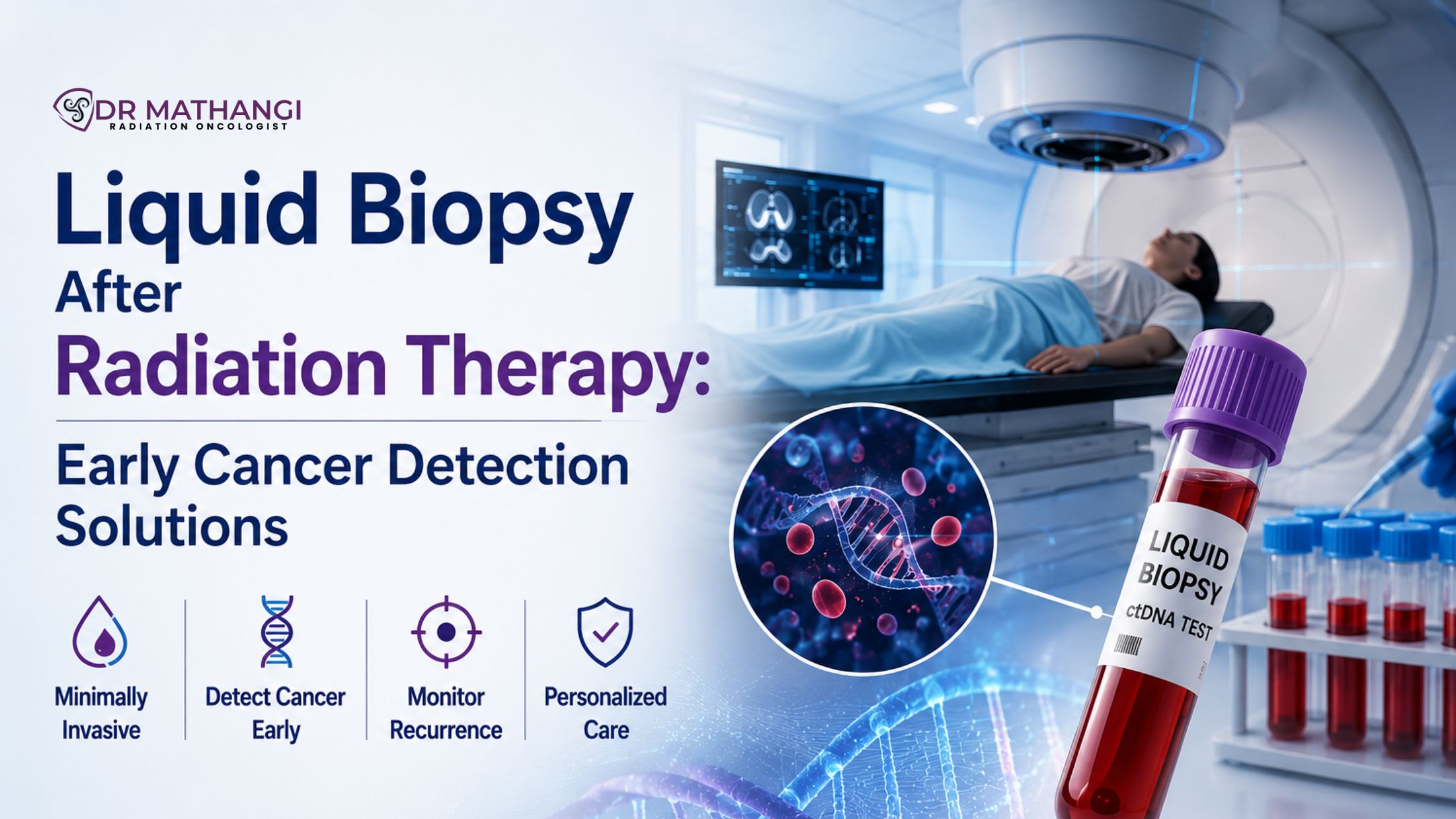
Studies published in global oncology journals indicate that circulating tumor DNA can detect signs of cancer recurrence months before conventional imaging in several cancer types. This advancement has transformed the way specialists approach long-term monitoring after radiation treatment. Today, liquid biopsy after radiation therapy is emerging as one of the most promising tools for identifying residual disease early, improving outcomes, and giving patients a valuable time advantage in treatment planning.
For many patients, the emotional journey does not end after radiation sessions are completed. The fear of recurrence, uncertainty during follow-up visits, and anxiety while waiting for scan reports can be overwhelming. This is where Dr. Mathangi J, one of the most respected names in radiation oncology Bengaluru, offers advanced, evidence-based cancer monitoring strategies that combine clinical expertise with precision technology.
Dr. Mathangi J is a Senior Consultant and In-charge of Radiation Oncology at Gleneagles Cancer Institute, Bengaluru, with more than 20 years of experience and over 12,000 successfully treated patients. Her expertise spans advanced radiation techniques for head and neck cancers, lung cancers, brain tumors, breast cancers, prostate cancers, cervical cancer, uterine cancers, bladder cancers, anal canal cancers, penile cancers, liver cancers, vulval cancers, spine tumors, esophagus cancers, and rectal cancers.
What is liquid biopsy after radiation therapy?
Liquid biopsy after radiation therapy is a minimally invasive blood-based test that helps detect traces of cancer cells or tumor DNA remaining in the body after treatment. Unlike traditional biopsies that require tissue removal, liquid biopsy evaluates circulating biomarkers from a simple blood sample.
This advanced approach allows oncologists to monitor treatment response, identify microscopic disease, and detect recurrence earlier than many imaging techniques. For patients who have completed radiation treatment, this technology can become an essential part of long-term follow-up care.
Why is early detection after radiation therapy important?
Early detection after radiation treatment can significantly improve survival rates and treatment outcomes. Cancer recurrence identified at an earlier stage often allows doctors to intervene before the disease spreads extensively.
Many patients mistakenly believe that completing radiation therapy means the journey is fully over. However, some cancers may leave behind microscopic residual disease that cannot always be seen immediately on scans. Waiting for symptoms to appear may delay critical intervention.
This is why modern post-radiation surveillance strategies are evolving rapidly. Dr. Mathangi J emphasizes proactive follow-up protocols that prioritize precision detection rather than reactive treatment.
How does ctDNA testing work?
ctDNA testing evaluates circulating tumor DNA fragments shed by cancer cells into the bloodstream. These fragments provide molecular clues about the presence of active cancer cells even when imaging appears normal.
When radiation therapy destroys tumor cells, small DNA fragments may enter circulation. Advanced laboratory analysis can identify whether residual tumor activity remains. This enables doctors to:
- Monitor treatment effectiveness
- Detect recurrence earlier
- Track tumor mutations
- Guide personalized treatment decisions
- Reduce unnecessary invasive procedures
For cancers such as lung cancer, breast cancer, head and neck cancer, colorectal cancers, prostate cancer, and gynecological cancers, ctDNA testing is increasingly becoming part of advanced oncology care worldwide.
What is MRD detection and why does it matter?
MRD detection refers to identifying minimal residual disease — tiny amounts of cancer cells that remain in the body after treatment and may eventually lead to recurrence.
Minimal residual disease is often impossible to identify using routine imaging during early stages. However, modern molecular diagnostics can detect microscopic disease activity through blood-based biomarkers.
This is especially valuable because recurrence may begin silently long before physical symptoms develop. Patients who undergo MRD detection may receive earlier intervention strategies, closer monitoring, or additional therapies before the disease advances further.
Dr. Mathangi J integrates evidence-driven surveillance planning with personalized cancer care protocols, helping patients feel more confident and informed during recovery.
Which cancers benefit from advanced post-radiation surveillance?
Several cancers treated with radiation therapy may benefit from advanced monitoring approaches including liquid biopsy and molecular follow-up techniques.
| Cancer Type | Potential Benefit of Liquid Biopsy |
|---|---|
| Head and neck cancers | Early recurrence identification |
| Lung cancers | Monitoring treatment response |
| Breast cancers | Residual disease tracking |
| Prostate cancers | Long-term molecular surveillance |
| Brain tumors | Adjunct monitoring support |
| Cervical cancer | Improved follow-up evaluation |
| Rectal cancers | Earlier recurrence assessment |
| Liver cancers | Treatment response monitoring |
Why patients are increasingly choosing advanced cancer recurrence monitoring
The biggest concern after cancer treatment is uncertainty. Patients often ask:
- Has the treatment worked completely?
- Could the cancer come back?
- Will scans catch recurrence early enough?
- Am I truly cancer-free?
Modern cancer recurrence monitoring provides an additional layer of reassurance and precision. Instead of waiting passively between imaging appointments, patients can benefit from a more dynamic and personalized follow-up strategy.
This is particularly important because some recurrences become visible on imaging only after significant progression. Molecular monitoring may identify warning signs earlier, allowing oncologists to respond faster.
Patients who delay or ignore follow-up evaluations may unknowingly lose valuable treatment opportunities. This is one reason why comprehensive post-radiation surveillance is becoming a critical component of advanced oncology care.
How Dr. Mathangi J combines expertise with advanced radiation oncology
Choosing the right oncologist is just as important as choosing the right technology. Dr. Mathangi J is recognized for combining extensive clinical expertise with advanced radiation treatment planning and precision follow-up care.
Her training includes:
- Stereotactic techniques (SRS/SBRT) from Germany
- IGRT and RapidArc training from Denmark
- Intraoperative radiotherapy expertise
- Advanced image-guided radiotherapy techniques
She also played a pioneering role in installing the Asia Pacific region’s first TrueBeam STx machine. Her commitment to technological excellence ensures patients receive globally aligned treatment standards.
Patients seeking radiation oncology Bengaluru services often prioritize:
- Experience
- Precision technology
- Personalized care
- Comprehensive follow-up
- Transparent communication
Dr. Mathangi’s approach addresses all these expectations while focusing strongly on long-term patient outcomes.
What makes liquid biopsy different from conventional scans?
Traditional scans remain essential in oncology, but they may not always detect microscopic disease early. Liquid biopsy introduces molecular-level analysis that complements imaging techniques.
| Traditional Imaging | Liquid Biopsy |
|---|---|
| Detects structural changes | Detects molecular changes |
| May require visible tumor growth | Can identify microscopic disease |
| Periodic evaluation | Potential for dynamic monitoring |
| Radiological interpretation | Biomarker-based analysis |
This does not mean scans are replaced. Instead, advanced oncology increasingly combines imaging with molecular diagnostics for stronger clinical decision-making.
Why personalized surveillance matters after cancer treatment
No two cancers behave exactly alike. Some tumors recur aggressively, while others remain dormant for years. This is why individualized monitoring plans matter.
Dr. Mathangi J develops tailored follow-up pathways based on:
- Cancer type
- Tumor stage
- Treatment response
- Radiation technique used
- Patient risk factors
- Molecular indicators
This patient-centric model strengthens both clinical outcomes and emotional reassurance during survivorship.
How patients can book an appointment with Dr. Mathangi J
Patients seeking advanced follow-up care, precision radiation therapy, or guidance regarding molecular cancer monitoring can connect with Dr. Mathangi J through her official website.
To schedule an appointment, patients can submit their contact details through the appointment form at:
https://drmathangi.com/contact/
After submission, Dr. Mathangi’s team will coordinate the appointment and notify the patient accordingly.
About Dr. Mathangi J
Dr. Mathangi J is a Senior Consultant and In-charge of Radiation Oncology at Gleneagles Cancer Institute, Bengaluru. With more than two decades of experience and over 12,000 successfully treated patients, she is regarded as a leading expert in precision radiation oncology and advanced cancer management.
Her areas of specialization include:
- Head and neck cancers
- Brain tumors
- Lung cancers
- Breast cancers
- Prostate cancers
- Cervical cancer
- Uterine cancers
- Bladder cancers
- Anal canal cancers
- Penile cancers
- Liver cancers
- Esophagus cancers
- Rectal cancers
- Spine tumors
- Vulval cancers
Her commitment to technological innovation, patient-centered oncology, and precision-guided treatment has positioned her among the most trusted names in advanced cancer care.
Final thoughts on liquid biopsy after radiation therapy
The future of oncology is increasingly shifting toward precision monitoring, early detection, and personalized survivorship care. Liquid biopsy after radiation therapy represents an important advancement that may help identify disease activity earlier, support informed treatment decisions, and improve patient confidence after therapy.
When combined with expert-led care from specialists like Dr. Mathangi J, technologies such as ctDNA testing, MRD detection, cancer recurrence monitoring, and comprehensive post-radiation surveillance become powerful tools in the fight against cancer recurrence.
For patients and families navigating life after cancer treatment, timely monitoring may be one of the most important decisions they make. Under the guidance of Dr. Mathangi J, patients gain access not only to advanced technology but also to compassionate, evidence-based oncology care designed for long-term confidence and recovery.
Frequently Asked Questions
What is liquid biopsy after radiation therapy and why is it important?
liquid biopsy after radiation therapy is an advanced blood-based testing approach used to detect tiny traces of cancer-related genetic material that may remain in the body after treatment. Unlike traditional imaging alone, this method can help identify molecular changes much earlier, even before visible symptoms or scan findings appear.
Dr. Mathangi uses this technology as part of a personalized cancer follow-up strategy to improve early intervention, support treatment planning, and provide reassurance during recovery. For patients undergoing long-term monitoring, this approach can become an important part of modern post-treatment care.
How does ctDNA testing help after radiation treatment?
ctDNA testing analyzes fragments of tumor-derived DNA circulating in the bloodstream. After radiation therapy, these microscopic fragments may reveal whether cancer cells are still active, even when routine scans appear stable.
Dr. Mathangi may recommend this test for selected patients who require closer surveillance due to cancer type, stage, or treatment history. The results can help guide future imaging schedules, additional therapy decisions, and individualized follow-up plans while reducing uncertainty during recovery.
What is MRD detection and why does it matter in cancer follow-up?
MRD detection refers to the identification of minimal residual disease, which means extremely small numbers of cancer cells that may remain in the body after treatment. These cells are often too small to detect through conventional scans during the early stages.
By integrating advanced blood-based monitoring with clinical evaluation, Dr. Mathangi helps patients understand whether there may be a need for closer observation or additional medical support. Early identification of residual disease can create opportunities for more timely and targeted interventions.
Can liquid biopsy help with cancer recurrence monitoring?
Yes. One of the major benefits of advanced liquid biopsy technologies is their role in cancer recurrence monitoring. Small molecular changes in the blood may appear before physical symptoms develop or before abnormalities become visible on imaging studies.
Dr. Mathangi focuses on combining laboratory findings, clinical assessments, and imaging results to build a comprehensive monitoring strategy for every patient. This integrated approach may improve confidence during survivorship and support faster medical decision-making if recurrence risks are identified.
Who may benefit from advanced post-radiation surveillance?
post-radiation surveillance can be valuable for patients with cancers that have a higher risk of recurrence, those who require long-term follow-up, or individuals seeking more precise monitoring after completing radiation therapy.
Dr. Mathangi evaluates several factors before recommending surveillance strategies, including the type of cancer, treatment response, prior imaging findings, and overall clinical condition. The goal is to create a personalized roadmap that balances careful monitoring with patient comfort and quality of life.
Why do patients choose Dr. Mathangi for radiation oncology Bengaluru services?
Patients seeking radiation oncology Bengaluru services often look for expertise that combines precision treatment with compassionate long-term care. Dr. Mathangi is known for focusing not only on radiation delivery but also on personalized recovery planning and advanced monitoring solutions.
Her patient-centered approach includes detailed consultations, evidence-based treatment recommendations, and the use of evolving technologies such as liquid biopsy-based assessments when clinically appropriate. This comprehensive care model helps patients feel informed and supported throughout their cancer journey.
Are liquid biopsy tests safer and less invasive than repeated tissue biopsies?
In many situations, liquid biopsy tests are considered less invasive because they usually require only a blood sample. Traditional tissue biopsies may involve surgical procedures or image-guided interventions that can be more physically demanding for patients.
While liquid biopsy does not replace all imaging or tissue-based evaluations, it can provide valuable supplementary information during follow-up care. Dr. Mathangi carefully determines when these tests may be useful as part of a broader surveillance and treatment strategy.
What should patients expect during follow-up after radiation therapy?
Follow-up after radiation therapy generally includes physical evaluations, imaging studies, symptom reviews, and laboratory assessments depending on the patient’s diagnosis and treatment history. The purpose is to monitor healing, evaluate treatment response, and detect any concerning changes at the earliest possible stage.
Dr. Mathangi develops individualized follow-up schedules tailored to each patient’s condition. In selected cases, advanced blood-based monitoring technologies may be included to strengthen long-term surveillance and support proactive cancer care management.