Preventing Dry Mouth After Radiation: Salivary Gland Sparing Techniques in Head and Neck Cancer
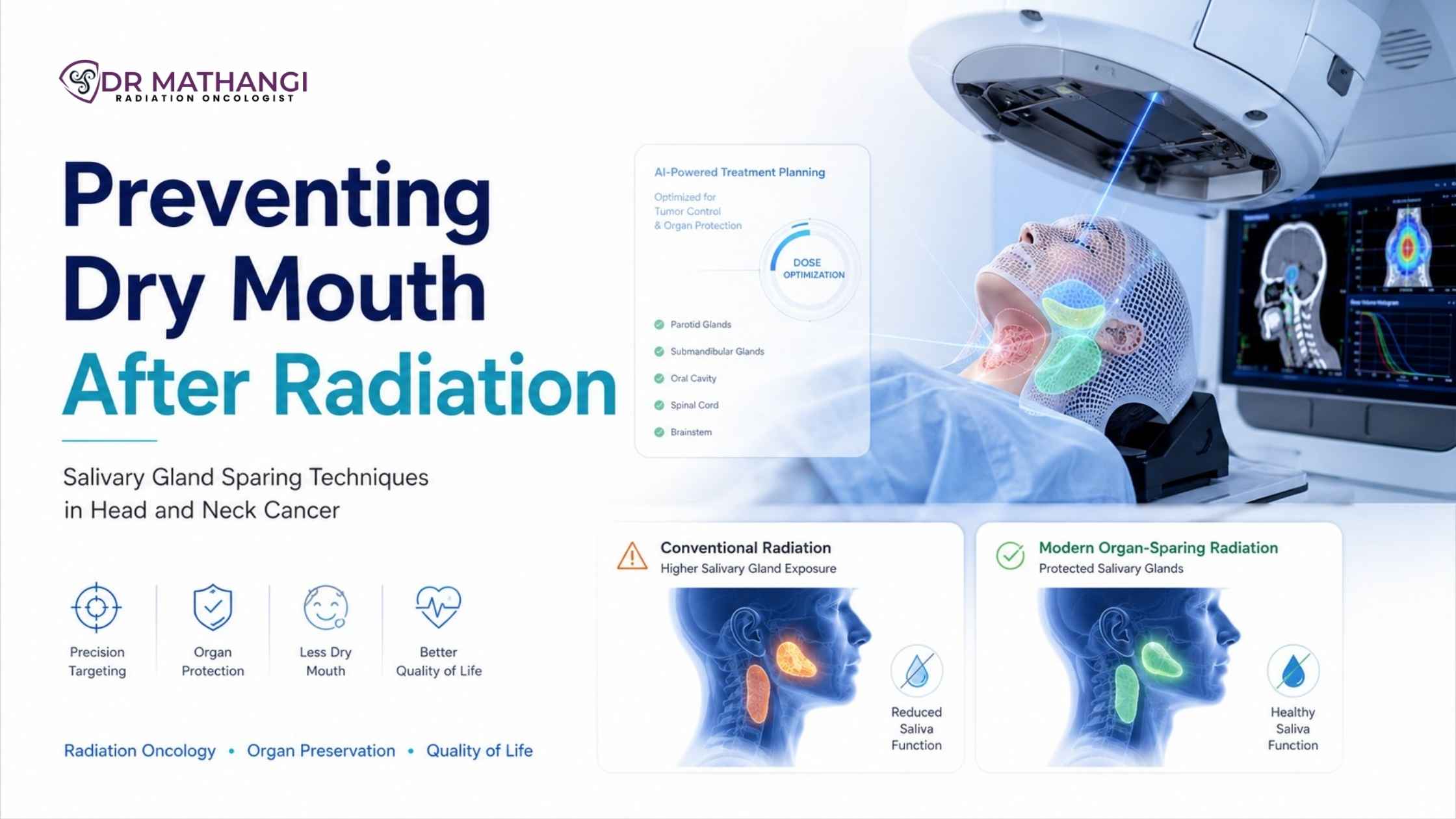
How can you prevent dry mouth after radiation therapy? The most effective way to prevent dry mouth after radiation therapy is through advanced salivary gland sparing radiation techniques, which precisely target cancer while minimizing exposure to salivary glands. This significantly reduces the risk of xerostomia, a common and life-altering side effect in head and neck cancer patients. According to recent studies, up to 80% of patients receiving head and neck radiotherapy experience some degree of dry mouth, impacting their quality of life, nutrition, and overall health. Understanding and implementing modern solutions is crucial for optimal cancer care outcomes.
What Is Salivary Gland Sparing Radiation And Why Is It Important?
Salivary gland sparing radiation is a cutting-edge approach in radiation oncology specifically designed to reduce radiation-induced damage to the major salivary glands during treatment of head and neck cancers. By utilizing highly focused radiation delivery systems, this technique ensures that essential glands such as the parotid and submandibular glands receive the lowest possible dose, thereby preserving their function.
- Reduces the risk of dry mouth after radiation therapy (xerostomia)
- Improves patients’ speech, taste, oral health, and swallowing
- Promotes better nutrition and overall well-being
The significance of salivary gland sparing radiation cannot be overstated. Saliva is vital for oral hygiene, digestion, and comfort. When its production is compromised, patients face increased risk of dental decay, infections, and a marked decrease in their quality of life. For these reasons, leading centers like Gleneagles Cancer Institute, under the expertise of Dr Mathangi, have pioneered the adoption of these advanced techniques, setting new standards in cancer care.
How Does Head And Neck Radiotherapy Affect Salivary Glands?
Head and neck radiotherapy is essential for treating cancers of the oral cavity, pharynx, larynx, and related regions. However, traditional radiation techniques often expose the delicate salivary glands to high doses of radiation, leading to irreversible damage and reduced saliva production.
The effects can include:
- Persistent dry mouth (xerostomia)
- Difficulty swallowing and speaking
- Altered sense of taste
- Increased dental and gum problems
- Higher susceptibility to oral infections
To address these challenges, Dr Mathangi utilizes advanced planning and delivery methods such as parotid sparing IMRT and submandibular gland contouring, which are designed to protect the salivary glands while effectively targeting the tumor.
What Is Xerostomia And How Can Prevention Strategies Help?
Xerostomia is the medical term for dry mouth caused by reduced or absent saliva flow. This side effect is particularly common after radiation therapy for head and neck cancers. Xerostomia prevention is critical, as persistent dry mouth can hinder basic functions such as chewing, swallowing, speaking, and even sleeping.
Prevention strategies implemented by Dr Mathangi include:
- Precision-targeted radiation with modern technology
- Implementation of salivary gland dose constraints during treatment planning
- Careful submandibular gland contouring to avoid unnecessary exposure
- Patient-specific protocols, adjusting treatment to minimize risk
These measures collectively reduce the incidence of xerostomia, leading to better treatment tolerance and improved patient satisfaction.
How Does Parotid Sparing IMRT Work In Head And Neck Cancer?
Parotid sparing IMRT (Intensity-Modulated Radiation Therapy) is a sophisticated form of radiotherapy that allows for precise modulation of radiation beams. By shaping the dose distribution and optimizing angles, IMRT targets cancer cells while minimizing exposure to the parotid glands, which are major producers of saliva.
Key benefits of parotid sparing IMRT include:
- Significantly lower rates of dry mouth after radiation therapy
- Preservation of saliva production, taste, and oral comfort
- Less need for lifelong saliva substitutes or medications
Dr Mathangi’s expertise with IMRT, backed by her international training and technology leadership, ensures that every patient receives individualized care with the highest chance of preserving salivary gland function.
What Is Submandibular Gland Contouring And Why Is It Vital?
Submandibular gland contouring is a specialized technique in radiation planning where the submandibular glands are carefully mapped and delineated on imaging scans. This allows clinicians to set precise boundaries and avoid unnecessary radiation exposure to these glands.
The importance of submandibular gland contouring includes:
- Enhancing the accuracy of salivary gland sparing radiation
- Reducing the risk of dry mouth after radiation therapy
- Protecting both major and minor salivary glands for optimal oral health
At Gleneagles Cancer Institute, Dr Mathangi utilizes advanced imaging and planning software to achieve optimal contouring, ensuring comprehensive cancer treatment without compromising quality of life.
What Are Salivary Gland Dose Constraints And How Do They Help?
Salivary gland dose constraints are scientifically established limits on the amount of radiation that salivary glands can safely receive during head and neck radiotherapy. By adhering to these constraints, the risk of permanent xerostomia is greatly minimized.
Typical dose constraints include:
| Salivary Gland | Recommended Dose Constraint | Clinical Benefit |
|---|---|---|
| Parotid | <26 Gy (mean dose) | Preserves saliva secretion |
| Submandibular | <39 Gy (mean dose) | Reduces severe dry mouth |
Dr Mathangi’s advanced planning protocols incorporate these dose constraints into every treatment plan, maximizing cancer control while minimizing side effects.
Why Choose Dr Mathangi For Head And Neck Radiotherapy?
Dr Mathangi J is a Senior Consultant & In-charge of Radiation Oncology at Gleneagles Cancer Institute, Bangalore. With over 20 years of experience and more than 12,000 patients successfully treated, she is a recognized authority in head and neck cancer management. Her commitment to excellence is reflected in her adoption of the latest technologies, including Stereotactic techniques (SRS/SBRT), Gated RapidArc, DIBH gated Radiotherapy, and image-guided Interstitial Brachytherapy.
Key reasons to trust Dr Mathangi with your care:
- Pioneer in salivary gland sparing radiation techniques
- Internationally trained in modern radiotherapy methods
- Director of Fellowship in Advanced Radiotherapy
- Leader in installing Asia Pacific’s first TrueBeam STx Machine
- Personalized patient-centric approach
Choosing Dr Mathangi means opting for a future where head and neck cancer treatment does not come at the cost of your quality of life. Her expertise ensures every patient benefits from state-of-the-art care, meticulous planning, and compassionate support.
Who Needs Radiation Therapy?
According to Dr Mathangi, cancers that need radiation therapy (RT) include:
- Head and neck cancers
- Brain tumors
- Spine tumors
- Esophagus and rectal cancers
- Lung cancers
- Liver cancers
- Breast cancers
- Bladder cancers
- Prostate cancers
- Uterine cancers
- Cervical cancer
- Vulval cancers
- Anal canal cancers
- Penile cancers
If you or a loved one are facing any of these diagnoses, timely consultation with a radiation oncology expert is crucial. Advanced techniques in head and neck radiotherapy can make a significant difference in both cancer control and post-treatment quality of life.
How To Book A Consultation With Dr Mathangi?
Don’t let the fear of dry mouth after radiation therapy prevent you from seeking the best cancer care. With proven methods in salivary gland sparing radiation, parotid sparing IMRT, and submandibular gland contouring, Dr Mathangi is dedicated to both curing your cancer and preserving your quality of life.
Take the first step: Submit your contact information on the appointment form at https://drmathangi.com/contact/. Dr Mathangi’s team will promptly schedule your consultation and guide you through every step of your treatment journey.
About Dr Mathangi
Dr Mathangi J is a leading Radiation Oncologist based in Bangalore, heading the department at Gleneagles Cancer Institute. Renowned for her proficiency in advanced radiation techniques and her patient-centric philosophy, she has earned a reputation for delivering world-class cancer care. Her achievements, leadership roles, and commitment to ongoing education make her a trusted name for head and neck cancer treatment in South and North India.
Frequently Asked Questions
What is salivary gland sparing radiation and how does it help prevent dry mouth after radiation therapy?
Salivary gland sparing radiation is an advanced technique used during head and neck radiotherapy to minimize radiation exposure to the salivary glands. By carefully planning the treatment to avoid or limit radiation to these glands, the risk of developing dry mouth after radiation therapy—also known as xerostomia—can be significantly reduced. Dr. Mathangi specializes in using these approaches to protect your quality of life during and after cancer treatment.
Why is xerostomia prevention important for patients undergoing head and neck radiotherapy?
Xerostomia, or persistent dry mouth, is a common side effect of head and neck radiotherapy that can affect speech, taste, swallowing, and dental health. Preventing xerostomia is crucial because it improves comfort, nutrition, and overall well-being. Dr. Mathangi’s protocols focus on xerostomia prevention as a key part of comprehensive cancer care, using advanced planning and precision techniques.
How does parotid sparing IMRT work?
Parotid sparing IMRT (Intensity Modulated Radiation Therapy) is a method that shapes radiation beams to avoid the parotid glands, which are major sources of saliva. By precisely targeting tumors while sparing these glands, this technique significantly lowers the chances of severe dry mouth. Dr. Mathangi frequently uses parotid sparing IMRT to optimize both cancer control and quality of life outcomes for her patients.
What is submandibular gland contouring and why is it important?
Submandibular gland contouring involves accurately identifying and outlining the submandibular glands during radiation planning. This enables clinicians to limit the radiation dose these glands receive, preserving their function and reducing xerostomia. Dr. Mathangi emphasizes the importance of submandibular gland contouring as part of her comprehensive approach to salivary gland preservation.
What are salivary gland dose constraints, and how are they determined?
Salivary gland dose constraints are specific limits set on the amount of radiation that salivary glands should receive during treatment planning. These constraints are based on research evidence and international guidelines, aiming to balance effective tumor control with minimizing side effects. Dr. Mathangi meticulously applies these constraints in each patient’s plan to ensure the best possible salivary gland function after treatment.
Can all patients benefit from salivary gland sparing techniques?
Most patients with head and neck cancer can benefit from salivary gland sparing techniques, but the suitability depends on the tumor’s location and stage. Dr. Mathangi assesses each case individually to determine how best to apply these methods for maximum benefit without compromising cancer control.
What additional strategies does Dr. Mathangi offer for managing dry mouth after radiation therapy?
In addition to advanced radiotherapy planning, Dr. Mathangi offers supportive measures such as saliva substitutes, oral care guidance, and regular follow-up to monitor and manage dry mouth after radiation therapy. Her holistic approach ensures that patients receive comprehensive care throughout their treatment journey.
How can I discuss salivary gland sparing options with Dr. Mathangi before starting treatment?
Dr. Mathangi encourages open communication and shared decision-making. During your consultation, she will explain all available options, including salivary gland sparing radiation, and answer any questions you may have about side effect prevention and quality of life after treatment.
Are these salivary gland sparing techniques available for all types of head and neck radiotherapy?
While most modern head and neck radiotherapy treatments can incorporate salivary gland sparing approaches, the feasibility will depend on your individual case. Dr. Mathangi uses the latest evidence-based techniques, including advanced imaging and planning, to maximize the use of these strategies whenever appropriate.