Managing Low Blood Counts During Radiotherapy
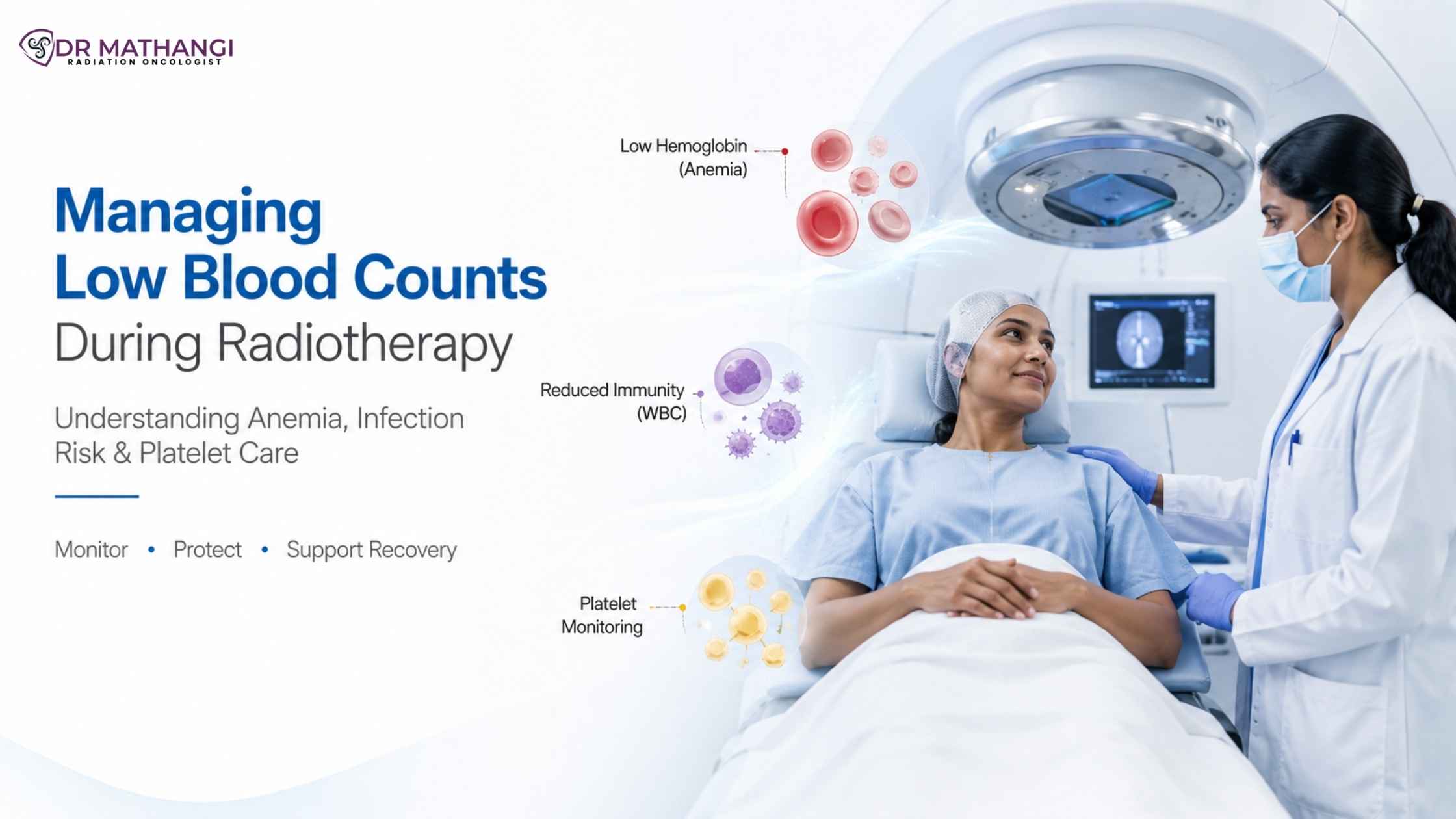
Did you know? Nearly one in three cancer patients experience low blood counts during radiotherapy, a challenge that can impact treatment effectiveness, recovery, and overall well-being. If you or your loved one is about to undergo radiotherapy, understanding how to manage low blood counts radiotherapy is crucial for safe and successful cancer care.
What Are Low Blood Counts During Radiotherapy?
Low blood counts radiotherapy refers to the decrease in red cells, white cells, or platelets that commonly occurs during radiation treatment. Radiotherapy, while targeting cancer, may temporarily affect bone marrow function, leading to:
- Anemia: Reduced red blood cells, causing fatigue and weakness.
- Leukopenia (Low WBC): Lowered white blood cells, increasing infection risk.
- Thrombocytopenia: Decreased platelets, leading to increased bleeding or bruising.
These changes are often monitorable and, with expert care, manageable—allowing patients to continue their treatment safely.
Why Is Managing Low Blood Counts Critical During Radiotherapy?
Brief Answer: Effective management of low blood counts during radiotherapy ensures that patients can continue their cancer treatment as planned, reduces the risk of infections, bleeding, and fatigue, and improves overall outcomes.
When blood counts drop, there is a higher chance of interruptions in your treatment schedule. Each missed or delayed session can reduce the effectiveness of your overall therapy. Addressing low blood counts promptly is not merely about comfort—it’s about giving cancer patients the best possible chance for a cure.
What Causes Low Blood Counts During Radiotherapy?
Quick Insight: The most common cause is the effect of radiation on bone marrow, where blood cells are made. Some cancers and their locations (such as those requiring large field irradiation or involving the pelvis, spine, or long bones) increase this risk.
Additional factors include:
- Concurrent chemotherapy
- Pre-existing low blood counts
- Poor nutritional status
- Advanced age or other medical conditions
Dr Mathangi pays meticulous attention to these risk factors during oncology monitoring, ensuring that each patient receives an individualized risk assessment before and during treatment.
How Does Dr Mathangi Approach Low Blood Counts Radiotherapy?
Direct Answer: Dr Mathangi uses a combination of advanced monitoring, patient education, and evidence-based interventions to minimize the risks and impacts of low blood counts during radiotherapy.
- Regular monitoring of blood counts before and during treatment
- Early identification of symptoms and side effects
- Proactive adjustments to treatment plans when necessary
- Multidisciplinary collaboration with hematologists and nutritionists
This comprehensive approach is the result of Dr Mathangi’s two decades of expertise, her global training in radiation oncology, and her commitment to delivering patient-centered care at Gleneagles Cancer Institute.
What Is Anemia Cancer Treatment During Radiotherapy?
Snippet-Ready Answer: Anemia cancer treatment during radiotherapy involves correcting low red blood cell counts through dietary, medical, and sometimes procedural interventions to ensure patients stay strong and continue their therapy as planned.
Dr Mathangi’s strategy for anemia cancer treatment includes:
- Identifying the underlying cause of anemia (radiation effect, nutritional deficiency, or cancer itself)
- Optimizing nutrition with iron-rich and protein-rich foods
- Prescribing iron, vitamin B12, or folic acid supplements if needed
- Using medications called erythropoiesis-stimulating agents (ESAs) where appropriate
- Arranging blood transfusions in severe cases
With this approach, patients experience less fatigue, better oxygenation, and improved ability to tolerate ongoing therapy.
How Is WBC Low Management Done During Radiotherapy?
Quick Summary: WBC low management aims to prevent infections and support immune function by monitoring, medications, and lifestyle modifications.
WBC low management is especially important for those undergoing head and neck, lung, or pelvic radiotherapy, or those receiving concurrent chemotherapy. Dr Mathangi’s protocol includes:
- Routine white blood cell (WBC) count checks before and during radiotherapy
- Prompt use of medications such as granulocyte-colony stimulating factors (G-CSF) if counts drop
- Strict hygiene and infection prevention education
- Immediate evaluation and treatment for fever or signs of infection
This vigilance not only protects the patient from infections but also ensures that radiotherapy schedules are maintained as planned.
What Is Oncology Monitoring And Why Is It Important?
Direct Answer: Oncology monitoring involves continuous assessment of a patient’s health and treatment response, including blood counts, to catch and address problems early.
At Gleneagles Cancer Institute, Dr Mathangi’s oncology monitoring protocol includes:
- Comprehensive baseline assessments before starting radiotherapy
- Weekly or bi-weekly blood tests depending on risk
- Symptom tracking and patient-reported outcome measures
- Integration of advanced imaging and laboratory data
- Regular multidisciplinary team reviews
This proactive approach minimizes complications, maximizes treatment benefits, and gives patients the peace of mind that comes from expert oversight.
Which Cancers Require Special Attention To Blood Counts During Radiotherapy?
Brief Answer: Cancers that commonly need radiotherapy and require extra vigilance regarding blood counts include:
- Head and neck cancers
- Brain tumors
- Spine tumors
- Esophagus and rectal cancers
- Lung cancers
- Liver cancers
- Breast cancers
- Bladder cancers
- Prostate cancers
- Uterine cancers
- Cervical cancer
- Vulval cancers
- Anal canal cancers
- Penile cancers
Dr Mathangi’s extensive experience in these cancer types places her at the forefront of safe, effective radiotherapy for patients across South and North India.
What Are The Signs And Symptoms Of Low Blood Counts?
Snippet-Ready Answer: Early warning signs of low blood counts include fatigue, frequent infections, unexplained bruising, pale appearance, and prolonged bleeding. Recognizing these symptoms early allows for prompt intervention.
- Extreme tiredness or shortness of breath (anemia)
- Frequent fevers, sore throat, or infections (low WBC)
- Easy bruising or bleeding gums (low platelets)
- Pale or yellowish skin
- Dizziness or rapid heartbeat
Dr Mathangi educates every patient and caregiver on monitoring for these signs and encourages immediate communication with her care team for fast response.
How Can Patients And Families Support Blood Count Recovery?
Quick Tip: Support recovery by following your doctor’s advice, eating well, practicing good hygiene, and attending all scheduled check-ups.
Key strategies include:
- Consuming a balanced diet rich in iron, protein, and vitamins
- Staying hydrated
- Getting enough rest and sleep
- Avoiding crowds or sick contacts during periods of low WBC
- Reporting any unusual symptoms immediately
How To Book An Appointment With Dr Mathangi?
Don’t risk your health or compromise the success of your cancer treatment by overlooking the importance of expert blood count management. Dr Mathangi’s internationally recognized expertise ensures that you receive the safest and most effective radiotherapy care.
Book Your Appointment With Dr Mathangi Now
Simply submit your contact information on the form linked above. Dr Mathangi’s team will promptly schedule your appointment and notify you of the details.
About Dr Mathangi
Sr Consultant & In-charge - Radiation Oncology, Gleneagles Cancer Institute, Bangalore

Dr Mathangi is a renowned senior radiation oncologist with over 20 years of experience, specializing in head and neck cancers, prostate cancers, brain tumors, lung cancers, and women’s cancers. With advanced training in Stereotactic techniques (SRS/SBRT), IGRT/RapidArc, and IORT from some of the world’s top institutions, she leads the radiation oncology department at Gleneagles Cancer Institute, Bangalore.
She is celebrated for her pioneering work, including installing Asia Pacific’s first TrueBeam STx Machine, and has treated over 12,000 patients successfully. Her dedication to cutting-edge, compassionate care ensures that every patient receives internationally benchmarked cancer treatment.
Why Trust Dr Mathangi For Managing Low Blood Counts Radiotherapy?
- Over 20 years’ experience in radiation oncology
- 12,000+ successfully treated patients
- Global training in advanced radiotherapy techniques
- Personalized, evidence-based management of side effects
- Comprehensive patient education and support
- Seamless appointment scheduling and patient care
Don’t leave your cancer care to chance. Experience the difference that world-class expertise and proactive care can make in your treatment journey. Book your consultation with Dr Mathangi today and take the next step toward a healthier tomorrow.
Frequently Asked Questions
What are low blood counts during radiotherapy and why do they occur?
Low blood counts during radiotherapy refer to a decrease in the number of red blood cells, white blood cells, or platelets caused by the effects of radiation on the bone marrow. Since the bone marrow is responsible for producing blood cells, radiation—especially if directed near bones—can temporarily reduce its function. This is a common side effect in cancer treatments and requires careful management.
How does Dr. Mathangi monitor and manage low blood counts radiotherapy patients?
Dr. Mathangi uses regular blood tests and advanced oncology monitoring to assess blood cell counts throughout radiotherapy. If counts drop, she tailors the treatment plan by adjusting radiation doses, coordinating with hematologists, or scheduling breaks to allow recovery. Early detection and intervention are key to minimizing complications and ensuring treatment can continue safely.
What symptoms should I watch for if my blood counts are low during radiotherapy?
Symptoms of low blood counts may include fatigue, weakness, shortness of breath (due to anemia), frequent infections, fever (from low white blood cells), easy bruising, or unusual bleeding (from low platelets). Dr. Mathangi advises reporting any such symptoms promptly for timely intervention.
What is anemia cancer treatment and how is it managed during radiotherapy?
Anemia cancer treatment involves addressing low red blood cell levels, which can occur during radiotherapy. Dr. Mathangi may recommend dietary adjustments, iron supplements, erythropoiesis-stimulating agents, or blood transfusions depending on severity. The goal is to improve oxygen delivery and reduce fatigue, ensuring patients tolerate ongoing cancer therapy.
How is WBC low management handled during radiotherapy?
WBC low management focuses on boosting the body’s ability to fight infection. Dr. Mathangi may prescribe growth factors to stimulate white blood cell production, recommend infection prevention strategies, and adjust treatment schedules. Patients are closely monitored for signs of infection, and immediate action is taken if fevers or other symptoms develop.
Are there lifestyle or dietary changes that can help support healthy blood counts?
Yes. Dr. Mathangi advises a balanced diet rich in proteins, leafy greens, and foods high in iron, B12, and folate. Staying well-hydrated, avoiding crowds to reduce infection risk, and getting adequate rest are also important. She provides personalized guidance based on each patient's needs and medical status.
Can radiotherapy be continued if my blood counts drop significantly?
In cases of significant drops in blood counts, Dr. Mathangi may recommend pausing or adjusting radiotherapy until levels improve. This decision is made to ensure patient safety and the effectiveness of treatment. She works collaboratively with a multidisciplinary team to determine the safest and most effective path forward.
How often are blood counts checked during radiotherapy?
Frequency depends on individual risk factors and the type of cancer treatment. Typically, Dr. Mathangi orders weekly or bi-weekly blood tests during radiotherapy, with more frequent checks if abnormalities are detected. Consistent oncology monitoring is crucial for early detection and intervention.
What makes Dr. Mathangi’s approach unique for managing blood counts during cancer treatment?
Dr. Mathangi provides individualized care, using the latest evidence-based protocols for monitoring and managing low blood counts radiotherapy patients. She prioritizes patient education, multidisciplinary collaboration, and rapid response to changes in blood counts, ensuring optimal outcomes and minimal disruptions to cancer treatment.