Side Effects of Radiation Therapy on Blood Cells

Quick Answer:
Radiation therapy blood side effects can significantly impact cancer patients, especially by reducing white and red blood cell counts, leading to increased risk of infection and fatigue. Close monitoring and expert care are essential for managing these side effects and ensuring the best possible treatment outcomes.
Did you know that up to 60% of cancer patients undergoing radiation therapy experience some degree of blood-related side effects? This staggering statistic highlights the critical importance of understanding how radiation therapy impacts blood cells, and why choosing the right oncologist can make all the difference. Dr Mathangi J, a Senior Consultant and Head of Radiation Oncology at Gleneagles Cancer Institute in Bangalore, brings over two decades of experience in advanced cancer care. Her expertise ensures that patients receive not only cutting-edge treatment, but also thorough guidance on managing the side effects that may arise during their cancer journey.
What Are The Key Side Effects Of Radiation Therapy On Blood Cells?
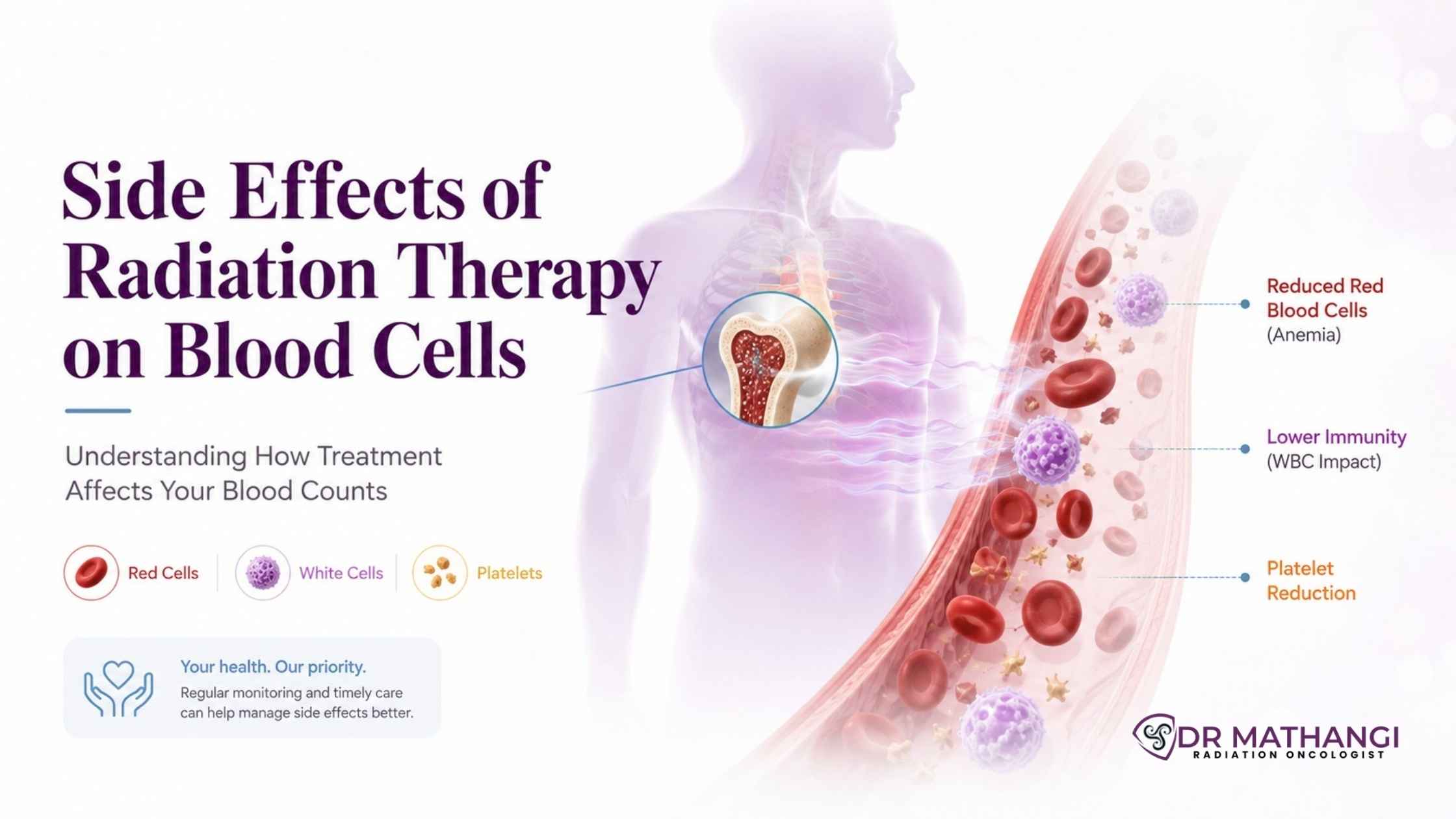
The primary blood-related side effects of radiation therapy include WBC reduction, anemia, and immune suppression. These effects stem from the therapy’s impact on the bone marrow, where blood cells are produced. Understanding and managing these cancer treatment effects is crucial for maintaining health and optimizing cancer outcomes.
- WBC Reduction: Lowered white blood cell counts increase infection risk.
- Anemia: Reduced red blood cells cause fatigue and weakness.
- Immune Suppression: Compromised immunity makes fighting infections harder.
How Does Radiation Therapy Affect Blood Cells?
Radiation therapy works by targeting rapidly dividing cells, including both cancerous and healthy cells in the treatment field. The bone marrow, responsible for producing vital blood cells, is especially sensitive to radiation exposure. When the bone marrow is included in the radiation field—such as treatments involving the pelvis, spine, or large bones—patients are more likely to experience radiation therapy blood side effects.
The severity of these side effects depends on:
- The location and volume of bone marrow exposed
- Total radiation dose and fractionation schedule
- Combination with chemotherapy or other systemic treatments
- Patient’s baseline health and nutritional status
Advanced techniques, like those used by Dr Mathangi J (including Stereotactic Ablative Body Radiotherapy and Gated RapidArc), minimize exposure to healthy bone marrow, thereby reducing the risk and severity of blood cell side effects.
Why Is WBC Reduction Significant During Cancer Treatment?
WBC reduction refers to a decrease in white blood cell counts, particularly neutrophils, during radiation therapy. White blood cells are essential for combating infections.
- Patients with low WBCs are more susceptible to bacterial, viral, and fungal infections.
- Fever during treatment is a red flag and requires immediate medical attention.
- Severe WBC reduction may result in treatment delays or dose adjustments, potentially impacting cancer control.
Dr Mathangi’s protocol involves regular blood count monitoring, early intervention with medications like G-CSF (Granulocyte-Colony Stimulating Factor), and strict infection prevention measures to ensure patient safety and uninterrupted therapy.
What Is Anemia And How Does It Impact Cancer Patients?
Anemia is a condition characterized by a decrease in red blood cells or hemoglobin, leading to reduced oxygen transport throughout the body. In the context of radiation therapy, anemia can arise due to direct suppression of bone marrow or as a cumulative effect of combined treatments.
- Common symptoms include persistent fatigue, weakness, shortness of breath, and palpitations.
- Anemia can impair treatment tolerance and recovery, affecting quality of life.
- Severe anemia may require blood transfusions or the use of erythropoiesis-stimulating agents under strict medical supervision.
Dr Mathangi’s comprehensive approach includes nutritional counseling, iron supplementation, and individualized transfusion protocols to manage anemia effectively, helping patients stay on track with their cancer treatment.
How Does Immune Suppression Affect Cancer Treatment Outcomes?
Immune suppression is a direct consequence of radiation therapy’s effect on white blood cells and other immune components. This suppression can:
- Increase risk of opportunistic infections
- Delay healing from surgical interventions or wounds
- Complicate the administration of subsequent chemotherapy or immunotherapy
Dr Mathangi’s vigilant monitoring and proactive strategies—such as vaccination guidance, infection control education, and timely medical interventions—are essential in minimizing immune suppression risks.
What Are The Long-Term Cancer Treatment Effects On Blood Cells?
While many blood-related side effects improve after treatment, some patients may experience prolonged or late-onset cancer treatment effects. These can include:
- Chronic anemia or persistent low WBC counts
- Bone marrow fibrosis or scarring
- Increased risk of secondary blood cancers, such as leukemia (rare)
At Gleneagles Cancer Institute, Dr Mathangi’s long-term follow-up protocols are designed to detect and address late effects early, ensuring ongoing wellness and peace of mind for survivors.
Which Cancers Require Radiation Therapy That May Affect Blood Cells?
Radiation therapy is commonly used for several cancer types where blood cell side effects may be relevant, including:
- Head and neck cancers
- Brain tumors
- Spine tumors
- Esophagus and rectal cancers
- Lung cancers
- Liver cancers
- Breast cancers
- Bladder cancers
- Prostate cancers
- Uterine cancers
- Cervical cancer
- Vulval cancers
- Anal canal cancers
- Penile cancers
The proximity of these cancers to bone marrow-rich structures means that expert planning and delivery of radiation is vital. Dr Mathangi employs advanced imaging and precision techniques to minimize collateral damage to blood-forming tissues.
How Can Patients Minimize Radiation Therapy Blood Side Effects?
The best outcomes are achieved when patients partner with an experienced oncologist like Dr Mathangi. Strategies include:
- Pre-treatment assessment of blood counts and nutritional status
- Personalized treatment planning to spare bone marrow
- Regular monitoring during and after therapy
- Prompt management of symptoms and side effects
- Patient education on infection prevention and when to seek help
By leveraging the latest technology and a patient-centric approach, Dr Mathangi ensures that blood cell side effects are managed proactively and effectively.
Why Choose Dr Mathangi For Managing Radiation Therapy Side Effects?
With over 20 years of expertise, Dr Mathangi J has successfully treated more than 12,000 patients, earning a reputation for clinical excellence and compassionate care in Bangalore and across India. Her advanced training in stereotactic techniques (SRS/SBRT), IGRT/RapidArc, and intraoperative radiotherapy, combined with her leadership at Gleneagles Cancer Institute, sets her apart as a leading authority in radiation oncology.
Patients under Dr Mathangi’s care benefit from:
- Access to India’s most advanced radiotherapy technology
- Comprehensive management of side effects, including all blood cell complications
- Personalized support and education
- Collaborative care with nutritionists and hematologists
- Streamlined appointment scheduling and responsive follow-up
About Dr Mathangi J
Dr Mathangi J is a Senior Radiation Oncologist and In-charge at the prestigious Gleneagles Cancer Institute in Bangalore. With her MBBS, DMRT, and DNB qualifications, and global training in advanced radiotherapy, she specializes in the management of head and neck, brain, prostate, lung, and women’s cancers. Her patient-first philosophy and technological expertise have set new standards in cancer care across South and North India.
Frequently Asked Questions
What are the common radiation therapy blood side effects?
Radiation therapy can affect blood cells, leading to several side effects such as reduced white blood cells (WBC), low red blood cells (anemia), and decreased platelet count. These changes can make patients more prone to infections, fatigue, and bleeding. Dr. Mathangi closely monitors blood counts during cancer treatment to address any issues early and ensure patient safety.
How does radiation therapy cause WBC reduction?
Radiation therapy can target rapidly dividing cells, including those in the bone marrow where WBCs are produced. This can result in WBC reduction, which may weaken the immune system. Dr. Mathangi addresses this by adjusting treatment plans, recommending supportive care, and, if necessary, prescribing medications to stimulate white cell production.
What is anemia and how can it result from cancer treatment effects?
Anemia is a condition where the body has fewer red blood cells than normal, leading to fatigue, weakness, and shortness of breath. It is a common side effect of cancer treatment effects, including radiation therapy, as it can suppress the bone marrow. Dr. Mathangi manages anemia with dietary advice, iron supplements, or blood transfusions if required, to help patients maintain their strength during treatment.
Can radiation therapy lead to immune suppression?
Yes, immune suppression can occur when radiation therapy lowers WBC counts, especially lymphocytes that are crucial for fighting infections. Dr. Mathangi provides specific guidance to minimize infection risks and may recommend supportive therapies to boost immunity during and after radiation sessions.
How are blood cell counts monitored during radiation therapy?
Dr. Mathangi conducts regular blood tests to track WBCs, red blood cells, and platelets throughout the course of radiation therapy. This helps detect early signs of any blood-related side effects. If abnormal results are found, the treatment plan may be adjusted or supportive interventions provided.
What supportive treatments does Dr. Mathangi offer for low blood counts?
Supportive treatments include medications to stimulate blood cell production, nutrition counseling, and, if needed, blood transfusions. Dr. Mathangi customizes these interventions to each patient's needs, aiming to minimize radiation therapy blood side effects and help patients complete their cancer treatment safely.
Are all cancer patients at risk of blood-related side effects from radiation?
Not every patient experiences significant blood side effects. The risk depends on the radiation dose, area treated, and prior chemotherapy. Dr. Mathangi evaluates each case individually and tailors the care plan to minimize the risk of WBC reduction, anemia, or other complications.
What symptoms should I watch for during radiation therapy?
Symptoms like unusual fatigue, frequent infections, easy bruising, or bleeding could indicate blood cell changes. Dr. Mathangi encourages patients to report these symptoms promptly so that appropriate investigations and interventions can be started without delay.
How can I reduce the risk of blood side effects during cancer treatment?
Maintaining a healthy diet, staying hydrated, and following Dr. Mathangi’s advice on rest and hygiene can help lower the risk of blood cell changes. Attending all scheduled check-ups and promptly reporting any new symptoms are also key measures for managing cancer treatment effects safely.