Lung Cancer and Lymphocyte Count
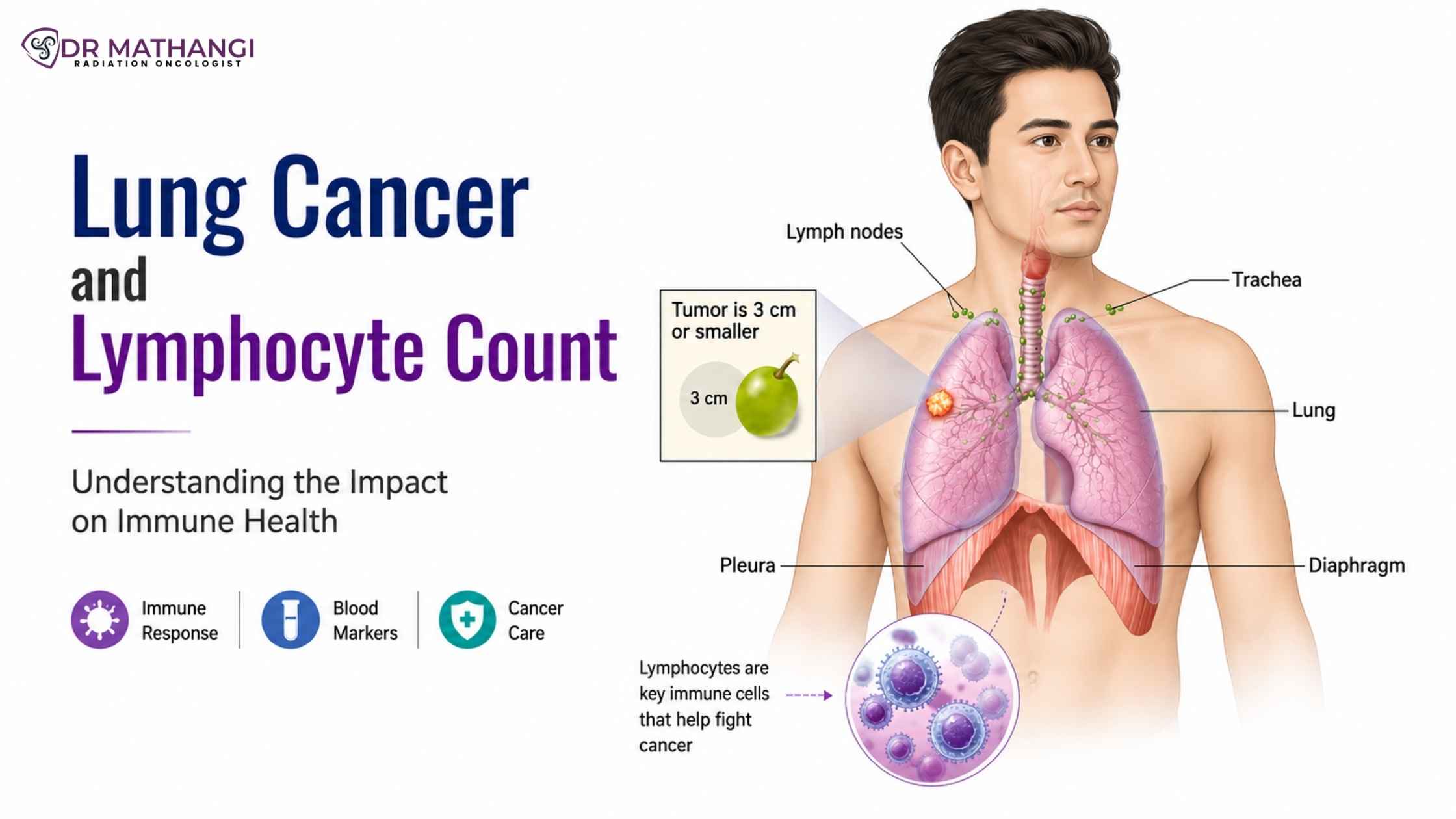
Lung cancer is the leading cause of cancer-related deaths worldwide, accounting for nearly 2.2 million cases and 1.8 million deaths each year, according to the World Health Organization. One of the lesser-known but crucial aspects influencing lung cancer prognosis and treatment is the lung cancer lymphocyte count. This critical biomarker provides insight into a patient’s immune status and can profoundly affect treatment strategies, survival, and recovery. Understanding this connection is essential for patients and caregivers aiming for the best possible outcomes.
What Is Lung Cancer Lymphocyte Count And Why Does It Matter?
The lung cancer lymphocyte count refers to the number of lymphocytes — a type of white blood cell — present in the blood of a lung cancer patient. Lymphocytes are key players in the immune system, responsible for targeting and destroying abnormal cells, including cancer cells. A low lymphocyte count in lung cancer patients often signals a weakened immune system, potentially resulting in poorer response to treatment and increased risk of complications.
- Quick Answer: The lymphocyte count in lung cancer is a vital indicator of a patient’s immune health and can predict treatment success and overall prognosis.
- Key Fact: Studies show that low lymphocyte counts before or during treatment are associated with reduced survival rates in lung cancer patients.
How Does Immunity Lung Cancer Interact With Disease Progression?
Immunity lung cancer is a concept that underscores the role of the body’s natural defenses in controlling or eliminating cancerous cells. The immune system, with the help of lymphocytes, continuously scans for and destroys abnormal cells. However, in many lung cancer cases, the immune response is blunted or overwhelmed, which can allow tumors to grow and spread unchecked.
- Key Insight: A robust immune system, reflected in a healthy lymphocyte count, can help slow tumor progression and improve chances of remission.
- Expert View: According to Dr Mathangi, optimizing immunity in lung cancer through lifestyle, nutrition, and targeted therapies can complement conventional treatments like radiation and chemotherapy.
Why Is Lymphocyte Count Important In Lung Cancer Prognosis?
The lymphocyte count is increasingly recognized as a prognostic marker in lung cancer. Low lymphocyte counts have been linked to advanced disease stage, increased risk of infection, and diminished ability to withstand aggressive treatments. Measuring this count is now a routine part of cancer assessment and ongoing monitoring.
| Status | Lymphocyte Count | Prognostic Implication |
|---|---|---|
| Normal | >1,500 cells/μL | Better immunity, potentially improved response to treatment |
| Low (Lymphopenia) | <1,000 cells/μL | Higher risk of infection, poorer prognosis, reduced treatment tolerance |
What Causes WBC Changes Cancer In Lung Cancer Patients?
WBC changes cancer, or changes in white blood cell counts, are common in lung cancer. These changes can be due to the cancer itself, treatments like chemotherapy and radiation, infections, or other underlying conditions. A drop in WBCs, including lymphocytes, compromises the body’s ability to fight off pathogens and recover from therapy.
- Cancer-driven effects: Tumors may release substances that suppress blood cell production.
- Treatment side effects: Radiation and chemotherapy can damage bone marrow, reducing WBCs.
- Infection risk: Low WBC counts heighten susceptibility to infections, which can delay or complicate cancer treatment.
How Do Radiation Effects Lung Impact Lymphocyte Count?
Radiation effects lung are significant because radiation therapy, while targeting cancerous tissue, can also inadvertently damage healthy immune cells, including lymphocytes. The degree of lymphocyte depletion depends on the dose, frequency, and area being treated.
- Direct impact: Radiation can lower lymphocyte counts, especially when large volumes of the lung or mediastinum are irradiated.
- Clinical relevance: Dr Mathangi employs advanced techniques like Stereotactic Ablative Body Radiotherapy (SBRT) and Gated RapidArc to precisely target tumors, sparing healthy tissue and minimizing immune suppression.
By choosing a center that uses state-of-the-art technologies under the supervision of experienced professionals like Dr Mathangi, patients can mitigate these side effects and maintain better immune health during treatment.
What Are The Best Practices For Monitoring And Managing Lymphocyte Count In Lung Cancer?
Proactive monitoring and management of lymphocyte counts are essential for optimizing lung cancer treatment outcomes. Here is how patients can ensure their immune system remains robust:
- Regular blood tests: Frequent monitoring helps detect decreases in WBCs early, allowing timely intervention.
- Nutrition and lifestyle: A balanced diet, adequate sleep, and stress management can support immune function.
- Infection prevention: Good hygiene and avoiding crowded places reduce the risk of infection when WBC counts are low.
- Personalized treatment: Advanced radiation techniques and immunotherapy can be tailored to preserve immune function.
Dr Mathangi and her team at Gleneagles Cancer Institute in Bangalore excel in integrating these best practices with cutting-edge technology to deliver optimal care for lung cancer patients.
How Can Patients Benefit From Dr Mathangi’s Expertise In Managing Lung Cancer Lymphocyte Count?
Dr Mathangi, Sr Consultant & In-charge of Radiation Oncology at Gleneagles Cancer Institute, Bangalore, has over 20 years of experience and has successfully treated more than 12,000 patients. Her expertise spans advanced radiation therapies, including SBRT, Gated RapidArc, and image-guided interstitial brachytherapy, all of which are designed to maximize cancer control while preserving immune function.
- Recipient of advanced international training in radiation oncology from top European centers.
- Director of Fellowship in Advanced Radiotherapy Techniques, shaping the next generation of oncologists.
- Pioneered the installation of Asia Pacific’s first TrueBeam STx Machine, setting new standards in cancer care.
By opting for Dr Mathangi’s care, patients not only gain access to world-class technology but also benefit from a holistic, evidence-based approach to cancer management that prioritizes the immune system and overall well-being.
Why Should You Prioritize Lung Cancer Lymphocyte Count In Your Treatment Plan?
Prioritizing the lung cancer lymphocyte count in your treatment plan means taking control of your prognosis and quality of life. It allows for more personalized, adaptive treatment strategies that can improve survival, reduce complications, and support faster recovery.
- Improved survival rates with proactive immune monitoring.
- Fewer infections and treatment delays.
- Access to the latest therapies and supportive care under one roof.
Don’t leave your cancer outcome to chance. Choose a center led by an expert like Dr Mathangi, where cutting-edge science meets compassionate care.
How To Book An Appointment With Dr Mathangi?
Booking your consultation with Dr Mathangi is simple and efficient. Just visit the official contact page and submit your contact information. Her dedicated team will promptly schedule your appointment and keep you informed every step of the way.
- Personalized attention from the moment you reach out.
- Swift appointment scheduling and follow-up.
- Holistic, evidence-based care tailored to your needs.
About Dr Mathangi
Dr Mathangi J is a Senior Radiation Oncologist and In-charge of Gleneagles Cancer Institute, Bangalore, India. With over two decades of experience and more than 12,000 patients treated, she is a trailblazer in the field of radiation oncology. Her specialties include head and neck cancers, prostate cancers, brain tumors, lung cancers, and women’s cancers. Dr Mathangi is known for her commitment to the latest evidence-based cancer care, her international training, and her patient-centered approach, making her one of the most trusted names in oncology in South India and North India.
Frequently Asked Questions
What is the significance of lymphocyte count in lung cancer?
The lymphocyte count in the blood, often measured as part of a complete blood count (CBC), is an important indicator of your immune system’s strength. In lung cancer, a low lymphocyte count may reflect weakened immunity, which can affect the body’s ability to fight infections and respond to treatment. Monitoring lung cancer lymphocyte count helps Dr. Mathangi assess the patient’s immune status and tailor supportive therapies accordingly.
How does lung cancer affect immunity?
Immunity can be compromised in patients with lung cancer due to both the disease itself and the treatments involved, such as chemotherapy and radiation. The cancer and its treatment can lower the number of immune cells, including lymphocytes, making patients more susceptible to infections. Dr. Mathangi emphasizes regular immune monitoring and provides guidance on maintaining immunity lung cancer patients need for better outcomes.
What are the effects of radiation therapy on the lungs and lymphocyte count?
Radiation therapy, while effective in targeting lung tumors, can contribute to a reduction in lymphocyte count and sometimes cause inflammation or scarring in lung tissue. These radiation effects lung may lead to decreased immune function and increased risk of infection. Dr. Mathangi closely monitors blood counts during treatment and adopts strategies to minimize these side effects, ensuring comprehensive patient care.
How does lung cancer influence changes in WBC count?
Lung cancer and the treatments used can cause significant WBC changes cancer patients may notice, including both increases and decreases in white blood cell (WBC) counts. This can affect the body’s ability to handle infections. Dr. Mathangi tracks WBC and lymphocyte trends and may recommend medications, supplements, or lifestyle changes to support immune function during therapy.
What solutions does Dr. Mathangi offer to address low lymphocyte counts in lung cancer patients?
Dr. Mathangi offers a holistic approach to boost immune health in lung cancer patients. This includes personalized nutritional advice, immune-supportive therapies, and close monitoring of blood counts. She works alongside your oncology team to adjust treatments and may recommend supplements or medications to help maintain an optimal lung cancer lymphocyte count.
Can improving lymphocyte counts enhance response to lung cancer treatment?
Yes. Studies suggest that patients with a healthier lymphocyte count may respond better to certain treatments, including immunotherapy and chemotherapy. By supporting immunity lung cancer patients have, Dr. Mathangi aims to optimize your body’s response to cancer therapies and reduce complications.
What lifestyle changes can help support lymphocyte counts during lung cancer treatment?
Dr. Mathangi recommends a balanced diet rich in proteins, vitamins, and antioxidants, regular but gentle physical activity, adequate sleep, and stress management. Avoiding infections and regular monitoring are also key. She provides individualized guidance to ensure these steps are adapted to each patient’s situation, thus supporting optimal lung cancer lymphocyte count.
How often should lymphocyte and WBC counts be monitored in lung cancer patients?
Monitoring frequency depends on the stage of disease and type of treatment. Typically, Dr. Mathangi recommends checking lymphocyte and overall WBC changes cancer patients may have at the start of each treatment cycle and as clinically indicated. More frequent checks are done if counts are low or symptoms develop.
When should I contact Dr. Mathangi about changes in my blood counts?
Contact Dr. Mathangi promptly if you experience symptoms like fever, persistent cough, unexplained fatigue, or notice any sudden changes in your health. She encourages open communication and regular blood tests to monitor lung cancer lymphocyte count and ensure timely intervention for your safety.