Difference Between Lymphocytes and White Blood Cells
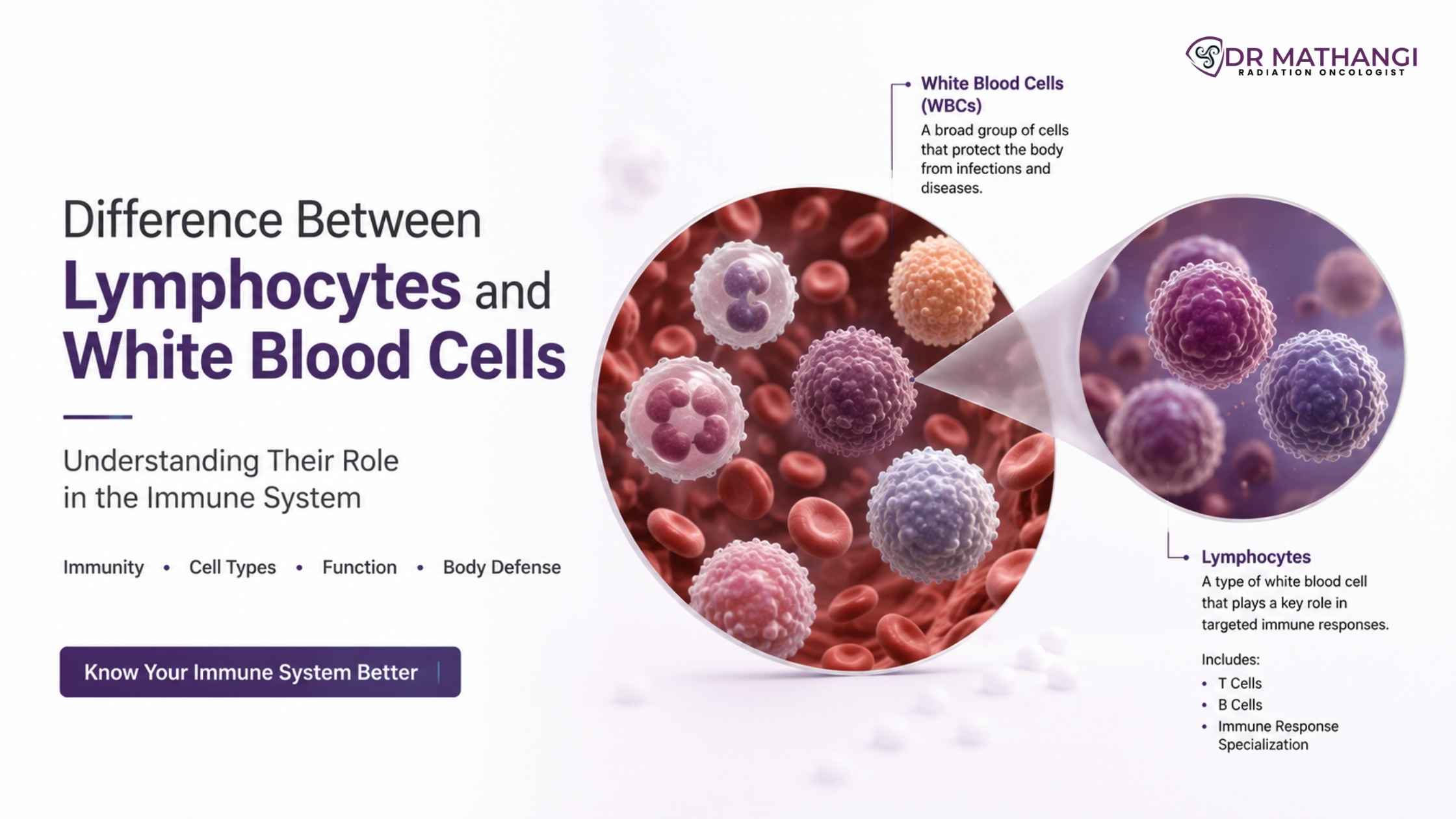
To quickly clarify: The main difference between lymphocytes and white blood cells is that lymphocytes are a specific subtype of white blood cells, responsible primarily for targeted immune responses, whereas white blood cells (WBCs) include several types of immune cells with varied functions in the body’s defense system. If you're seeking to understand your blood reports or cancer care, this guide by Dr Mathangi provides clear insights you won’t want to miss.
Did you know? According to the World Health Organization, abnormalities in white blood cell counts are among the most common findings in routine blood tests worldwide, often serving as early indicators of infection, inflammation, or diseases like cancer. Understanding lymphocytes vs white blood cells can help you interpret these results and take proactive steps for your health.
What Are White Blood Cells?
White blood cells are a crucial component of the hematologic system, acting as the primary defenders against infection and disease. They circulate in the blood and lymphatic system, ready to respond to pathogens, foreign invaders, and abnormal cells.
- Also known as: Leukocytes
- Main function: Protect the body from infections and foreign substances
- Normal range: Typically 4,000 to 11,000 cells per microliter of blood in adults
- Where found: Bloodstream, lymph nodes, spleen, and tissues throughout the body
What Are Lymphocytes?
Lymphocytes are a specialized subset of white blood cells, best known for their role in the adaptive immune response. They recognize specific antigens and mount tailored responses to infections and cancer cells.
- Subtypes: T cells, B cells, and natural killer (NK) cells
- Main function: Targeted destruction of infected or malignant cells, antibody production
- Normal range: 1,000 to 4,800 cells per microliter of blood in adults
- Where found: Blood, lymphatic organs, and tissues
How To Distinguish Between Lymphocytes And White Blood Cells?
White blood cells are the umbrella group, while lymphocytes are a specific type within this group. In simple terms, all lymphocytes are white blood cells, but not all white blood cells are lymphocytes. Here’s a quick comparison:
| Parameter | White Blood Cells | Lymphocytes |
|---|---|---|
| Definition | All immune cells circulating in blood (leukocytes) | Subtype of WBCs involved in specific immunity |
| Subtypes | Neutrophils, lymphocytes, monocytes, eosinophils, basophils | T cells, B cells, NK cells |
| Main Function | General defense against pathogens, inflammation, allergy | Targeted immune response, antibody production, immune memory |
| Normal Percentage in WBCs | 100% | 20–40% |
| Clinical Significance | Broad indicator of infection, immune status, and blood cancers | Specific marker for viral infections, immune disorders, lymphomas |
Why Is Understanding Lymphocytes Vs White Blood Cells Important In Cancer Care?
Accurate interpretation of lymphocytes vs white blood cells is vital for cancer diagnosis, prognosis, and treatment. Changes in lymphocyte counts can signal immune system compromise or relapse in cancers like lymphoma and leukemia. Dr Mathangi at Gleneagles Cancer Institute, Bangalore, specializes in integrating blood test results with advanced cancer therapies, ensuring each patient receives personalized, evidence-based care.
What Are The Immune Cells Types In Human Blood?
The immune system is composed of various white blood cell types. Among the immune cells types found in the blood:
- Neutrophils: Rapid responders to bacterial infection; most abundant WBC
- Lymphocytes: Key players in adaptive immunity (T cells, B cells, NK cells)
- Monocytes: Largest WBCs; become macrophages in tissues to engulf pathogens
- Eosinophils: Defend against parasites; involved in allergy and asthma
- Basophils: Release histamine during allergic reactions
Each immune cell type contributes uniquely to WBC functions, ensuring a multi-layered defense mechanism for the human body.
WBC Functions: What Roles Do White Blood Cells Play?
WBC functions encompass a broad spectrum of activities critical for health:
- Identifying and destroying pathogens (bacteria, viruses, fungi, parasites)
- Removing dead or damaged cells
- Producing antibodies (B lymphocytes)
- Regulating inflammation and allergic responses
- Launching immune memory for long-term protection (T and B lymphocytes)
- Attacking cancerous or abnormal cells (NK cells, cytotoxic T cells)
Each WBC subtype has specialized functions, making the complete white blood cell count (WBC count) a powerful diagnostic and prognostic tool in clinical medicine and oncology.
Hematology Basics: What Should You Know About Blood And Immunity?
Understanding hematology basics is essential for every patient and caregiver, especially when navigating cancer care or chronic illness. Hematology is the branch of medicine that studies blood, blood-forming organs, and blood diseases. Key points include:
- Blood composition: Red blood cells, white blood cells, platelets, plasma
- WBCs as immune defenders: Only about 1% of your blood volume, but crucial for survival
- Normal values and deviations: Both high and low WBC or lymphocyte counts can indicate disease
- Role in cancer: Many cancers and treatments (chemotherapy, radiotherapy) affect blood counts, making regular monitoring vital
Recognizing deviations in blood counts is central to early detection and effective management of infections and cancers. At Gleneagles Cancer Institute, Dr Mathangi and her team leverage these fundamentals to optimize patient outcomes.
Which Cancers Need Radiation Therapy—And Why Blood Counts Matter
Dr Mathangi emphasizes that certain cancers require radiation therapy as a core part of their management. These include:
- Head and neck cancers
- Brain tumors
- Spine tumors
- Esophagus and rectal cancers
- Lung cancers
- Liver cancers
- Breast cancers
- Bladder cancers
- Prostate cancers
- Uterine cancers
- Cervical cancer
- Vulval cancers
- Anal canal cancers
- Penile cancers
For patients with these conditions, precise monitoring of white blood cell and lymphocyte levels is essential, as both the disease and the treatment can impact immune competence and healing.
How Does Dr Mathangi’s Expertise Benefit You?
Under the leadership of Dr Mathangi, Gleneagles Cancer Institute, Bangalore, has pioneered advanced cancer care, integrating the latest in hematology and immunology. Her unique blend of experience, international training, and commitment to patient-centered care translates into better outcomes for patients across South India and North India.
- Over 20 years of clinical expertise in oncology
- 12,000+ patients successfully treated
- Advanced technology: Stereotactic techniques, TrueBeam STx Machine, Gated RapidArc, and more
- Personalized care plans that factor in immune cell profiles and cancer biology
Choosing Dr Mathangi means choosing precision, compassion, and a relentless commitment to your well-being.
Book Your Expert Consultation With Dr Mathangi Now
Key Takeaways: Why You Should Care About Lymphocytes And White Blood Cells
- Lymphocytes vs white blood cells: Lymphocytes form a special subset of WBCs crucial for targeted immunity and cancer defense.
- WBC functions: Encompass wide-ranging defense roles, from infection control to cancer surveillance.
- Immune cells types: Each plays a unique part – understanding them helps in diagnostics and treatment planning.
- Hematology basics: Foundational for interpreting blood tests and maximizing cancer treatment success.
- Your choice of oncologist can make all the difference: Dr Mathangi’s expertise ensures you get the most accurate diagnosis, the safest therapies, and the best possible results.
Don’t leave your health to chance. For trusted, world-class care and the latest in cancer science, schedule your consultation with Dr Mathangi today. Your journey to recovery and wellness starts with understanding your own immune system—and having the right expert by your side.
Click To Book An Appointment With Dr Mathangi
Frequently Asked Questions
What is the difference between lymphocytes and white blood cells?
Lymphocytes are a specific type of white blood cell (WBC) that play a crucial role in the immune response. While all lymphocytes are white blood cells, not all white blood cells are lymphocytes. White blood cells include several immune cells types, such as neutrophils, eosinophils, basophils, monocytes, and lymphocytes. Understanding the distinction is essential for grasping hematology basics and interpreting blood test results. Dr. Mathangi helps patients understand their lab values and what the presence or levels of lymphocytes vs white blood cells indicate for their health.
Why are lymphocytes important in the immune system?
Lymphocytes are vital because they help the body recognize and fight infections and abnormal cells. They include B cells, T cells, and natural killer (NK) cells, each with unique roles in immune defense. These cells are a core part of the immune cells types discussed in immunology and hematology basics. Dr. Mathangi provides detailed consultations to explain how lymphocytes contribute to a healthy immune system and what abnormal counts may signify.
What are the main types of white blood cells besides lymphocytes?
White blood cells (WBCs) encompass several types: neutrophils, eosinophils, basophils, monocytes, and lymphocytes. Each has distinct functions: neutrophils fight bacterial infections, eosinophils and basophils are involved in allergic reactions and parasite defense, and monocytes help with inflammation and tissue repair. Dr. Mathangi educates patients about the roles of each cell type, helping them understand WBC functions and their significance in blood reports.
How do blood tests report lymphocytes vs white blood cells?
Blood tests typically report the total white blood cell count as well as the percentage and absolute number of lymphocytes. A high or low lymphocyte count can have different implications compared to changes in the overall WBC count. Dr. Mathangi assists patients with interpreting these values, ensuring they understand what their results mean for their health and when further investigation is necessary.
What can cause elevated or decreased lymphocyte levels?
Elevated lymphocyte levels (lymphocytosis) can be caused by viral infections, certain bacterial infections, or blood disorders. Decreased levels (lymphocytopenia) may result from immune deficiencies, some medications, or bone marrow issues. Dr. Mathangi offers personalized evaluations to determine the underlying cause, provide guidance, and recommend next steps based on your unique medical history and laboratory findings.
How do the functions of lymphocytes compare to other WBC functions?
Lymphocytes are primarily responsible for targeted immune responses, including antibody production and destroying infected or cancerous cells. Other WBCs, like neutrophils, are more involved in immediate, non-specific responses such as engulfing bacteria. Understanding these differences helps highlight why both lymphocytes and other white blood cells are essential for a balanced immune response. Dr. Mathangi discusses WBC functions and their relevance to your health during consultations.
Can changes in lymphocytes or WBCs indicate underlying health issues?
Yes, variations in lymphocyte or overall WBC counts can be early signs of infections, immune system disorders, allergic reactions, or even certain cancers. Recognizing these changes is a key part of hematology basics. Dr. Mathangi specializes in identifying the significance of these changes and creating a tailored plan for further investigation or management if required.
How does Dr. Mathangi help patients with abnormal lymphocyte or WBC counts?
Dr. Mathangi offers comprehensive consultations to review your blood test results, explain the difference between lymphocytes and white blood cells, and guide you through necessary follow-up steps. She leverages her expertise in immune cells types and hematology basics to create personalized solutions, whether that involves further testing, lifestyle recommendations, or referrals to specialists.