Cardiac Rhabdomyosarcoma: Symptoms, Diagnosis & Treatment
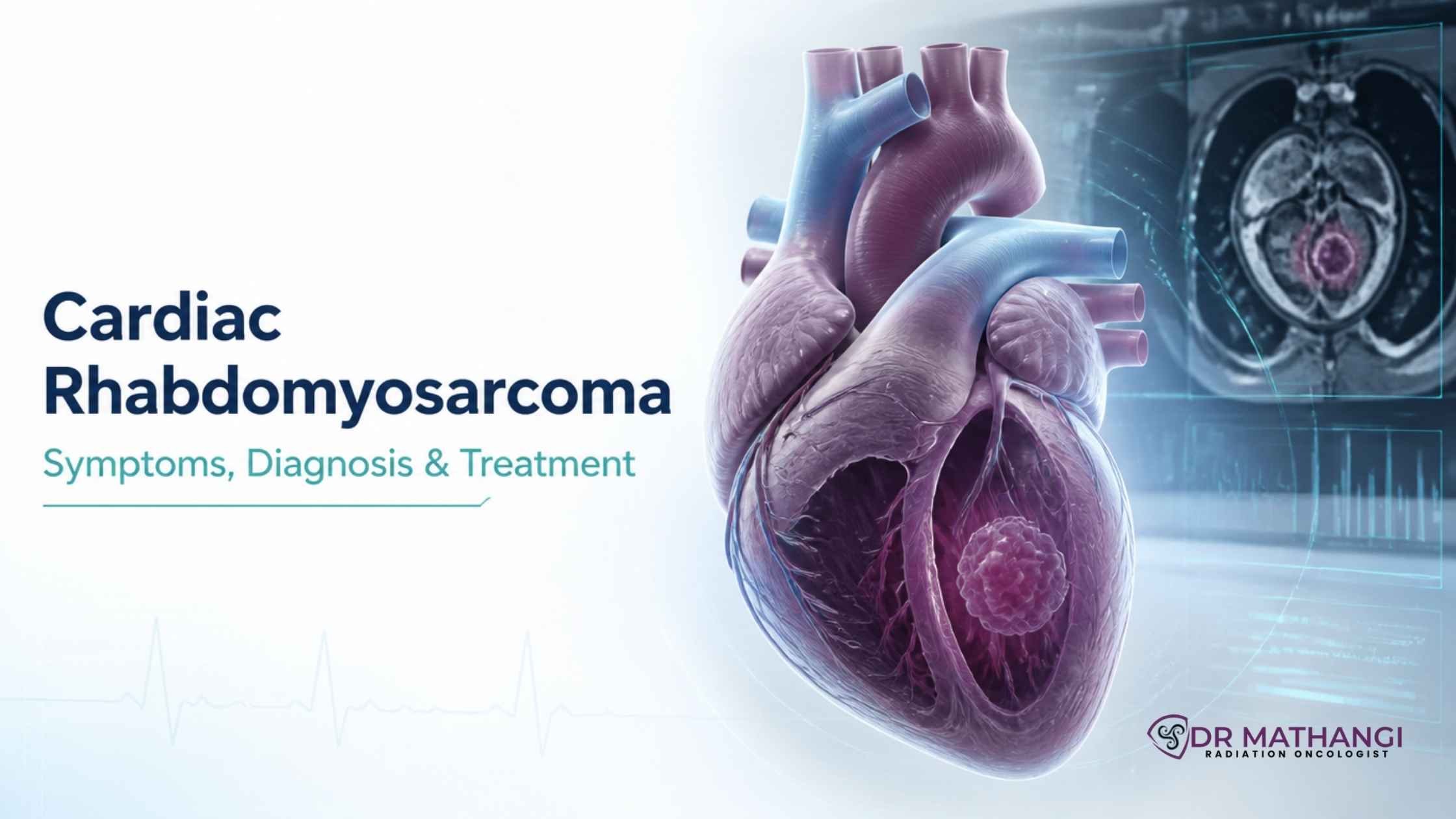
Cardiac rhabdomyosarcoma is an exceptionally rare and aggressive cardiac soft tissue tumor, accounting for only 0.2% of all primary heart tumors worldwide. Despite its rarity, its rapid progression and nonspecific symptoms make early detection and specialized care critical. If you or a loved one are seeking expert cardiac tumor treatment, understanding this condition and accessing the right medical expertise can make all the difference in outcomes and quality of life.
What Is Cardiac Rhabdomyosarcoma?
Cardiac rhabdomyosarcoma is a malignant tumor arising from striated muscle cells within the heart or its surrounding tissues. While cardiac tumors themselves are rare, cardiac rhabdomyosarcoma is one of the most aggressive forms, affecting both adults and children, although it is more common in younger individuals. This tumor can develop in any chamber of the heart but often involves the left atrium or ventricle, leading to obstruction, arrhythmias, and systemic symptoms.
How Does Cardiac Rhabdomyosarcoma Differ From Other Cardiac Tumors?
Unlike benign cardiac tumors (e.g., myxomas), cardiac rhabdomyosarcoma is malignant, rapidly growing, and prone to invade surrounding heart structures. It belongs to the broader class of cardiac soft tissue tumor and is a subset of cardiac sarcoma, which includes other subtypes like angiosarcoma and fibrosarcoma. Its muscle origin distinguishes it from other sarcomas, and its aggressive nature necessitates prompt and comprehensive therapy.
What Are The Symptoms Of Cardiac Rhabdomyosarcoma?
What Are The Most Common Signs And Symptoms?
The symptoms of heart rhabdomyosarcoma are often subtle at first, making early diagnosis challenging. However, as the tumor grows, patients may present with:
- Shortness of breath (dyspnea) or difficulty breathing, especially when lying down
- Chest pain or pressure
- Palpitations or irregular heartbeats
- Fatigue and weakness
- Swelling in the legs, ankles, or abdomen due to fluid buildup
- Unexplained weight loss or fever
- Fainting (syncope) due to impeded blood flow
- Heart failure symptoms, including persistent cough and fluid retention
Because these symptoms overlap with more common cardiac conditions, patients often face delays in receiving a precise diagnosis. This highlights the importance of consulting a specialist like Dr Mathangi, who is skilled in recognizing and managing rare cardiac tumors.
How Is Cardiac Rhabdomyosarcoma Diagnosed?
How Do Doctors Confirm The Presence Of Cardiac Soft Tissue Tumor?
The diagnostic process for cardiac rhabdomyosarcoma involves a combination of clinical evaluation, advanced imaging, and tissue analysis. Here’s a structured overview of the steps:
- Clinical Assessment: Detailed medical history and physical examination are crucial to identify suspicious symptoms and exclude other causes.
- Imaging Studies:
- Echocardiography: The first-line, noninvasive ultrasound test to visualize cardiac tumors, assess size, location, and impact on blood flow.
- Cardiac MRI: Offers detailed images of the tumor’s composition, extension, and relation to heart structures.
- CT Scan: Useful for assessing tumor spread to nearby tissues and distant organs.
- Biopsy: A sample of the tumor is obtained (where feasible) via minimally invasive techniques or during surgery for histopathological confirmation.
- Laboratory Tests: Blood work and tumor markers may be ordered to support the diagnosis and check for systemic involvement.
Multidisciplinary expertise is vital at this stage to ensure accurate diagnosis and staging, guiding the most effective treatment plan.
What Are The Available Cardiac Tumor Treatment Options?
What Are The Best Approaches For Rhabdomyosarcoma Treatment?
Given the aggressive nature of cardiac sarcoma and cardiac rhabdomyosarcoma, a multimodal approach is essential. Dr Mathangi, with her extensive expertise in radiation oncology, advocates for personalized, evidence-based therapies that maximize survival and quality of life.
Surgical Resection
Surgery remains the cornerstone for localized cardiac soft tissue tumor removal. Complete excision is ideal but may not always be feasible due to the tumor’s proximity to vital heart structures. In cases where surgery is possible, it is usually the first step, followed by adjuvant therapies.
Advanced Radiation Therapy
As the Senior Consultant & In-charge of Radiation Oncology at Gleneagles Cancer Institute, Dr Mathangi offers world-class rhabdomyosarcoma treatment options using the latest radiation technologies:
- Stereotactic Body Radiotherapy (SBRT): Delivers highly focused, high-dose radiation to the tumor while sparing healthy tissue.
- Image-Guided Radiotherapy (IGRT) & RapidArc: Advanced imaging ensures precise targeting, reducing side effects and improving outcomes.
- Gated Radiotherapy & DIBH: Techniques that synchronize radiation delivery with breathing or heart motion, enhancing safety and efficacy.
- Interstitial Brachytherapy: Delivers radiation directly to the tumor site for select cases.
Dr Mathangi’s expertise in these modalities—honed through international training and hands-on experience with over 12,000 patients—ensures that each patient receives tailored, state-of-the-art care for cardiac tumor treatment.
Systemic Therapy (Chemotherapy & Targeted Therapy)
Chemotherapy plays an important role, especially when the tumor has spread or is inoperable. Newer targeted therapies and immunotherapies are under investigation and may be considered in select cases, often as part of clinical trials.
Supportive And Palliative Care
Symptom management, psychological support, and close follow-up are crucial throughout the cancer journey. Dr Mathangi’s team emphasizes holistic care, helping patients and families navigate every stage with confidence and comfort.
What Makes Dr Mathangi The Trusted Choice For Cardiac Rhabdomyosarcoma Care?
When it comes to managing rare and complex cancers like cardiac rhabdomyosarcoma, expertise, technology, and compassionate care are paramount. Here’s why patients across India trust Dr Mathangi and Gleneagles Cancer Institute:
- Unmatched Expertise: Over 20 years in oncology with international training in advanced radiation techniques.
- Comprehensive Multidisciplinary Care: Collaboration with top cardiologists, cardiothoracic surgeons, and medical oncologists.
- Innovative Technology: First in Asia Pacific to install the TrueBeam STx Machine, offering precision radiotherapy.
- Personalized Approach: Every patient receives a customized treatment plan based on the latest evidence and individual needs.
- Proven Track Record: Over 12,000 cancer patients successfully treated.
- Transparent Communication: Clear explanations, compassionate guidance, and ongoing patient education.
Don’t leave your health to chance—choose the experience and dedication of Dr Mathangi for the best possible outcomes.
Which Cancers May Require Radiation Therapy?
According to Dr Mathangi, the following cancers often need radiation therapy as part of their treatment:
- Head and neck cancers
- Brain tumors
- Spine tumors
- Esophagus and rectal cancers
- Lung cancers
- Liver cancers
- Breast cancers
- Bladder cancers
- Prostate cancers
- Uterine cancers
- Cervical cancer
- Vulval cancers
- Anal canal cancers
- Penile cancers
If you or your loved one has any of these conditions, or a rare tumor like cardiac rhabdomyosarcoma, timely consultation with a radiation oncology expert is vital.
What Is The Outlook For Cardiac Rhabdomyosarcoma?
Is Cardiac Rhabdomyosarcoma Curable?
The prognosis for cardiac rhabdomyosarcoma depends on several factors, including tumor size, location, extent of spread, and response to therapy. Early detection and aggressive, multimodal treatment can improve survival rates and preserve heart function. With ongoing advances in surgical and radiation technologies, outcomes continue to improve for patients managed by experts like Dr Mathangi.
How To Book A Consultation With Dr Mathangi
Ready To Take The Next Step?
Early intervention is critical for rare heart tumors like cardiac rhabdomyosarcoma. Don’t wait until symptoms worsen—get the clarity and confidence you deserve from one of India’s most trusted cancer specialists. To book an appointment with Dr Mathangi, simply submit your contact information on the form at https://drmathangi.com/contact/. Her dedicated team will promptly schedule your consultation and notify you of the details.
About Dr Mathangi – Your Partner In Advanced Cancer Care
Dr Mathangi J is a Senior Radiation Oncologist and In-charge of Gleneagles Cancer Institute, Bangalore, with over two decades of distinguished experience in treating head and neck, brain, lung, prostate, and women cancers. She is a pioneer in advanced radiation techniques, educator, and leader in her field, having installed Asia Pacific’s first TrueBeam STx Machine. Her commitment to excellence and patient-centric care has transformed the lives of over 12,000 cancer patients and their families.
Dr Mathangi’s mission is to bring world-class cancer care to every patient, combining cutting-edge science, compassionate support, and unwavering dedication. When you choose Dr Mathangi, you choose hope, expertise, and a brighter future.
Summary Table: Cardiac Rhabdomyosarcoma At A Glance
| Aspect | Details |
|---|---|
| Disease | Cardiac rhabdomyosarcoma (malignant cardiac soft tissue tumor) |
| Symptoms | Shortness of breath, chest pain, palpitations, fatigue, swelling, heart failure |
| Diagnosis | Echocardiography, MRI, CT, biopsy, lab tests |
| Treatment | Surgery, advanced radiation (SBRT, IGRT, RapidArc), chemotherapy |
| Expert in Care | Dr Mathangi J, Gleneagles Cancer Institute, Bangalore |
| Booking | Book Appointment Online |
Your health is your most valuable asset. Don’t miss out on the specialized care you deserve—consult Dr Mathangi for the most advanced and compassionate cardiac tumor treatment in India.
Frequently Asked Questions
What is cardiac rhabdomyosarcoma?
Cardiac rhabdomyosarcoma is a rare malignant tumor that arises from the striated muscle cells of the heart. It is a form of cardiac soft tissue tumor and is considered one of the most aggressive types of primary cardiac sarcoma. This tumor can occur in any chamber of the heart and may quickly affect heart function due to its location and growth.
What are the common symptoms of heart rhabdomyosarcoma?
Symptoms of heart rhabdomyosarcoma can vary based on the tumor's size and location. Common symptoms include shortness of breath, chest pain, palpitations, swelling of the legs, fatigue, and sometimes fainting. Some patients may also experience arrhythmias or signs of heart failure as the tumor obstructs blood flow or invades heart tissue.
How is a cardiac soft tissue tumor like rhabdomyosarcoma diagnosed?
Diagnosis of a cardiac soft tissue tumor such as rhabdomyosarcoma typically involves a combination of imaging studies and tissue biopsy. Common imaging techniques include echocardiography, MRI, and CT scans, which help visualize the tumor's size, location, and spread. A biopsy may be required for a definitive diagnosis, and Dr. Mathangi ensures a thorough and minimally invasive diagnostic process tailored to each patient.
What makes cardiac sarcoma, including rhabdomyosarcoma, challenging to treat?
Cardiac sarcoma, such as rhabdomyosarcoma, is challenging to treat due to its aggressive nature and the critical structures involved. The heart's constant movement and complex anatomy make surgical removal difficult, and the tumors often present at an advanced stage. Additionally, the risk of interfering with heart function limits some treatment options, so a highly specialized and multidisciplinary approach is crucial.
What rhabdomyosarcoma treatment options are available for cardiac tumors?
Rhabdomyosarcoma treatment for cardiac tumors generally includes a combination of surgical resection (when feasible), chemotherapy, and sometimes radiation therapy. Dr. Mathangi utilizes advanced cardiac tumor treatment protocols, including minimally invasive surgical techniques and tailored chemotherapy regimens, to maximize survival and improve quality of life while minimizing the risk to heart function.
How does Dr. Mathangi approach cardiac tumor treatment for patients?
Dr. Mathangi adopts a personalized approach to cardiac tumor treatment, beginning with accurate diagnosis and staging. She collaborates with a multidisciplinary team of cardiologists, oncologists, and cardiac surgeons to plan the most effective course of action, whether surgery, chemotherapy, or a combination. Her emphasis is always on patient safety, optimal outcomes, and compassionate care throughout the treatment journey.
Are there risks or side effects associated with cardiac rhabdomyosarcoma treatments?
As with any treatment, there are potential risks and side effects. Surgery may carry risks such as bleeding, infection, or impact on heart function. Chemotherapy and radiation can lead to fatigue, lowered immunity, and other systemic effects. Dr. Mathangi ensures that patients and their families understand all risks and are supported throughout the process, with side effects managed proactively.
What is the prognosis for patients with cardiac rhabdomyosarcoma?
The prognosis for cardiac rhabdomyosarcoma depends on several factors, including the tumor's size, location, stage at diagnosis, and response to treatment. Early detection and a comprehensive, multidisciplinary approach can improve outcomes. Dr. Mathangi is committed to providing advanced care and support to help patients achieve the best possible quality of life.
How can I consult Dr. Mathangi for cardiac rhabdomyosarcoma evaluation and management?
You can schedule a consultation with Dr. Mathangi by contacting her clinic directly or through the hospital's appointment system. She offers a compassionate and thorough evaluation for suspected cardiac tumors, including cardiac rhabdomyosarcoma, and will guide you through every step of diagnosis, treatment planning, and ongoing care.