AI in Radiation Oncology 2026: Future of Cancer Treatment
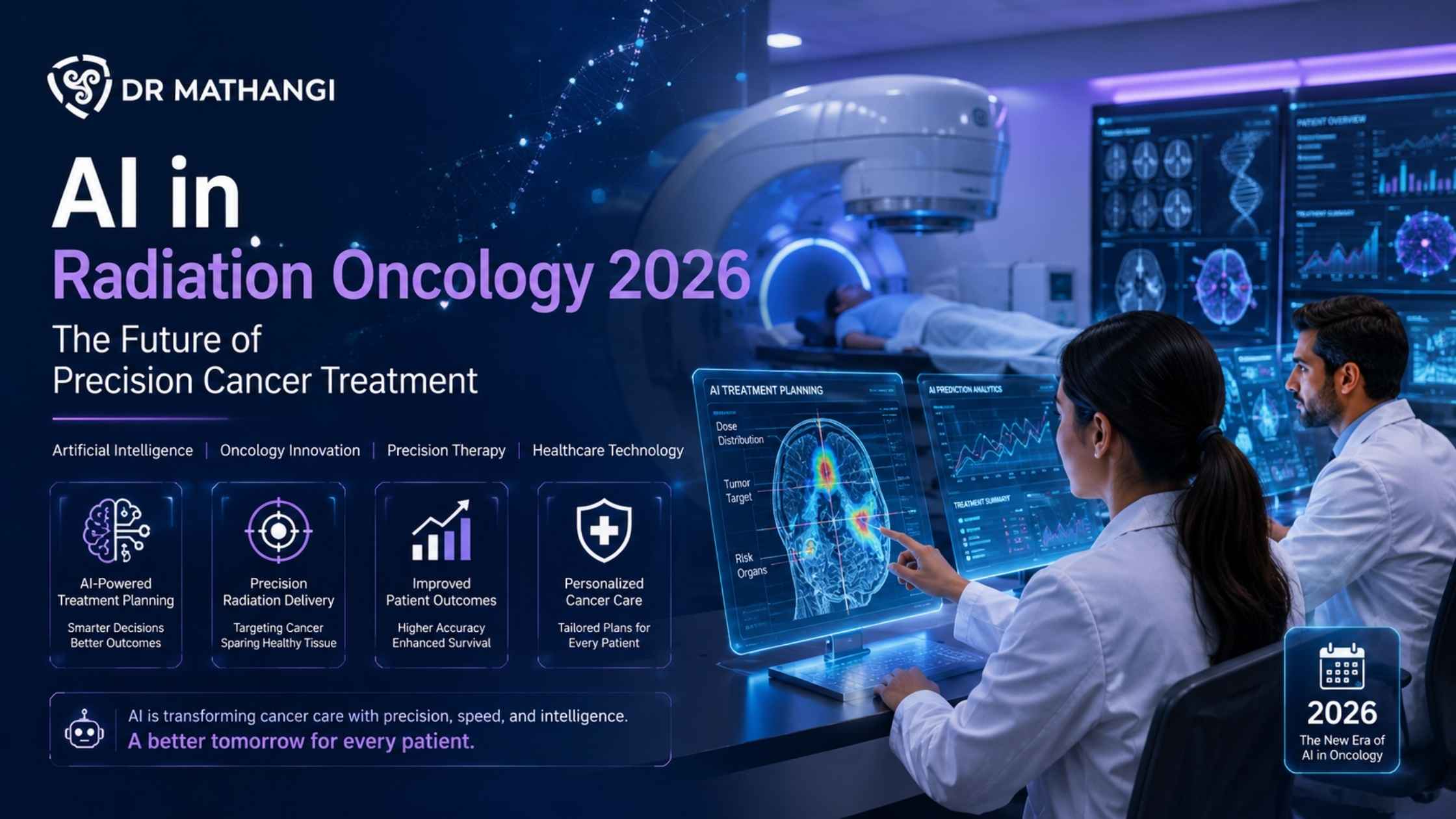
According to global oncology reports, artificial intelligence is expected to improve radiation therapy precision by over 30% by 2026, significantly enhancing patient outcomes. This rapid evolution of AI in Radiation Oncology 2026 is not just a technological upgrade—it is a transformative shift in how cancer is detected, planned, and treated with unprecedented accuracy.
At the forefront of this transformation is Dr. Mathangi J, a Senior Consultant and In-charge of Radiation Oncology at Gleneagles Cancer Institute, Bangalore. With over 20 years of experience and more than 12,000 successfully treated patients, Dr Mathangi combines clinical excellence with cutting-edge advancements like AI cancer treatment to deliver highly personalized care.
What is AI in radiation oncology 2026 and why does it matter?
AI in Radiation Oncology 2026 refers to the integration of artificial intelligence into every stage of radiation therapy—from diagnosis and imaging to treatment planning and delivery. It enables oncologists to analyze vast datasets, predict tumor behavior, and tailor treatment strategies with remarkable precision.
- Automated tumor detection and contouring
- Real-time adaptive treatment planning
- Improved safety and reduced side effects
- Enhanced decision-making through predictive analytics
Without AI, traditional radiation therapy often relies on generalized protocols. This creates variability in outcomes. With AI, however, treatment becomes individualized, reducing uncertainty and increasing effectiveness.
How does AI cancer treatment improve patient outcomes?
AI cancer treatment leverages machine learning algorithms to analyze patient-specific data, including imaging, genetics, and treatment history. This allows oncologists like Dr Mathangi to create highly customized treatment plans.
The benefits include:
- Early detection of tumor changes
- Adaptive radiation dosing based on tumor response
- Minimized damage to surrounding healthy tissues
- Faster treatment planning and execution
These advancements are particularly critical in treating cancers such as head and neck cancers, brain tumors, lung cancers, breast cancers, prostate cancers, cervical cancer, and more—areas where precision directly impacts survival and quality of life.
What are the key AI radiotherapy benefits in modern oncology?
The AI radiotherapy benefits extend far beyond speed and automation. They redefine the entire treatment experience for patients.
| Feature | Traditional Radiotherapy | AI-Driven Radiotherapy |
|---|---|---|
| Planning Time | Hours to Days | Minutes to Hours |
| Accuracy | Standard Precision | High Precision with radiation accuracy AI |
| Adaptability | Limited | Real-Time Adjustments |
| Side Effects | Higher Risk | Reduced Risk |
With these advantages, patients who delay adopting AI-enabled treatments risk missing out on safer, more effective care.
How does IGRT AI enhance precision in radiation therapy?
IGRT AI (Image-Guided Radiation Therapy powered by AI) uses advanced imaging combined with intelligent algorithms to track tumor position in real time. This is especially crucial for cancers affected by movement, such as lung or abdominal tumors.
Dr Mathangi’s expertise in IGRT, combined with AI integration, ensures:
- Accurate tumor targeting during each session
- Reduced exposure to healthy tissues
- Improved treatment consistency
This level of precision is what defines the future of smart radiotherapy.
What role does oncology automation play in cancer care?
Oncology automation streamlines repetitive and time-intensive processes such as treatment planning, dose calculation, and imaging analysis. This allows specialists like Dr Mathangi to focus more on patient care and complex decision-making.
Key impacts include:
- Reduced waiting times for patients
- Improved workflow efficiency in cancer centers
- Consistent and standardized treatment protocols
Automation also minimizes human error, ensuring safer and more reliable outcomes.
Why is smart radiotherapy the future of cancer treatment?
Smart radiotherapy integrates AI, imaging, and advanced delivery systems to create a dynamic treatment environment. Unlike conventional methods, it adapts continuously based on patient response.
Under Dr Mathangi’s leadership, technologies like:
- Stereotactic ablative body radiotherapy (SBRT)
- Gated RapidArc
- DIBH gated Radiotherapy
- Image-guided Interstitial Brachytherapy
are enhanced by AI to deliver superior results. Her achievement of installing Asia Pacific’s first TrueBeam STx Machine highlights her commitment to innovation.
How does radiation accuracy AI improve safety and effectiveness?
Radiation accuracy AI ensures that radiation doses are delivered with millimeter-level precision. This is critical in protecting vital organs while effectively targeting tumors.
Benefits include:
- Reduced side effects and complications
- Higher tumor control rates
- Enhanced patient comfort during treatment
For patients, this means not just better survival rates but also improved quality of life during and after treatment.
Which cancers benefit most from AI-driven radiation therapy?
AI-enhanced radiation therapy is highly effective for a wide range of cancers, including:
- Head and neck cancers
- Brain tumors
- Spine tumors
- Esophagus and rectal cancers
- Lung cancers
- Liver cancers
- Breast cancers
- Bladder cancers
- Prostate cancers
- Uterine cancers
- Cervical cancer
- Vulval cancers
- Anal canal cancers
- Penile cancers
Each of these conditions requires precision and personalization—areas where AI excels.
Why choose Dr Mathangi for AI-driven radiation oncology?
Dr Mathangi J is a leading radiation oncologist based in Bangalore, specializing in advanced radiotherapy techniques and AI-integrated cancer care. Her extensive training in Germany and Denmark, combined with decades of clinical experience, positions her as a pioneer in modern oncology.
Patients who choose Dr Mathangi benefit from:
- Personalized treatment plans powered by AI
- Access to world-class technology
- Comprehensive cancer care under one expert
- Proven track record of successful outcomes
Delaying advanced treatment options can limit outcomes. Choosing AI-driven care today ensures you are not left behind in the future of oncology.
How to book an appointment with Dr Mathangi?
Taking the next step is simple. To consult Dr Mathangi and explore advanced AI in Radiation Oncology 2026, submit your contact details through the official form:
https://drmathangi.com/contact/
Once submitted, her team will promptly schedule your appointment and guide you through the next steps.
About Dr Mathangi
Dr Mathangi J is a Senior Consultant and Head of Radiation Oncology at Gleneagles Cancer Institute, Bangalore. With qualifications including MBBS, DMRT, and DNB, she has trained at prestigious institutions such as Madras Medical College and Apollo Cancer Specialty Hospital. Her international training and leadership in advanced radiotherapy techniques make her one of the most trusted names in cancer care today.
Frequently Asked Questions
What is AI in Radiation Oncology 2026 and how is it transforming cancer care?
AI in Radiation Oncology 2026 represents a new era where advanced algorithms assist oncologists in planning, delivering, and monitoring radiation therapy with greater precision. It enables faster decision-making, improved personalization, and better patient outcomes. Under Dr. Mathangi’s care, this approach ensures that treatment plans are tailored using intelligent data analysis, helping patients receive more targeted and efficient therapy.
What are the key AI radiotherapy benefits for patients?
The AI radiotherapy benefits include enhanced precision, reduced side effects, shorter treatment times, and improved tumor targeting. By minimizing exposure to healthy tissues, patients experience fewer complications and faster recovery. Dr. Mathangi integrates these benefits into her clinical approach to ensure both safety and effectiveness in every treatment plan.
How does AI cancer treatment improve accuracy compared to traditional methods?
AI cancer treatment uses predictive modeling and real-time imaging analysis to identify tumor boundaries with exceptional clarity. This reduces human error and allows for adaptive treatment adjustments. With Dr. Mathangi’s expertise, patients benefit from a combination of clinical experience and cutting-edge technology for optimal outcomes.
What role does IGRT AI play in modern radiation therapy?
IGRT AI (Image-Guided Radiation Therapy with AI) enhances imaging accuracy during treatment sessions. It continuously tracks tumor position and adjusts radiation delivery in real time. This ensures that even small movements, such as breathing, do not affect treatment precision. Dr. Mathangi uses IGRT AI to deliver highly controlled and effective therapy.
What is oncology automation and how does it benefit patients?
Oncology automation streamlines complex processes such as treatment planning, dose calculation, and workflow management. This reduces delays and ensures consistency in care. For patients, this means quicker treatment initiation and fewer errors. Dr. Mathangi’s adoption of oncology automation helps deliver timely and reliable cancer care.
What is smart radiotherapy and how is it different from conventional radiation therapy?
Smart radiotherapy uses AI-driven insights to adapt treatment in real time based on patient response and tumor changes. Unlike conventional methods, it is dynamic and personalized. Dr. Mathangi leverages smart radiotherapy techniques to ensure that each session is optimized for maximum effectiveness and minimal harm.
How does radiation accuracy AI improve treatment outcomes?
Radiation accuracy AI ensures that radiation beams are delivered precisely to the tumor while sparing surrounding healthy tissues. This leads to better tumor control and fewer side effects. With Dr. Mathangi’s expertise, patients benefit from highly accurate treatments that enhance both safety and success rates.
Why should patients choose Dr. Mathangi for AI-driven radiation oncology treatments?
Dr. Mathangi combines advanced AI technologies with personalized patient care. Her approach focuses on precision, safety, and holistic treatment planning. By integrating innovations like AI cancer treatment, IGRT AI, and smart radiotherapy, she ensures that patients receive the most advanced and effective care available in 2026.