Alveolar Rhabdomyosarcoma: Symptoms, Treatment & Prognosis
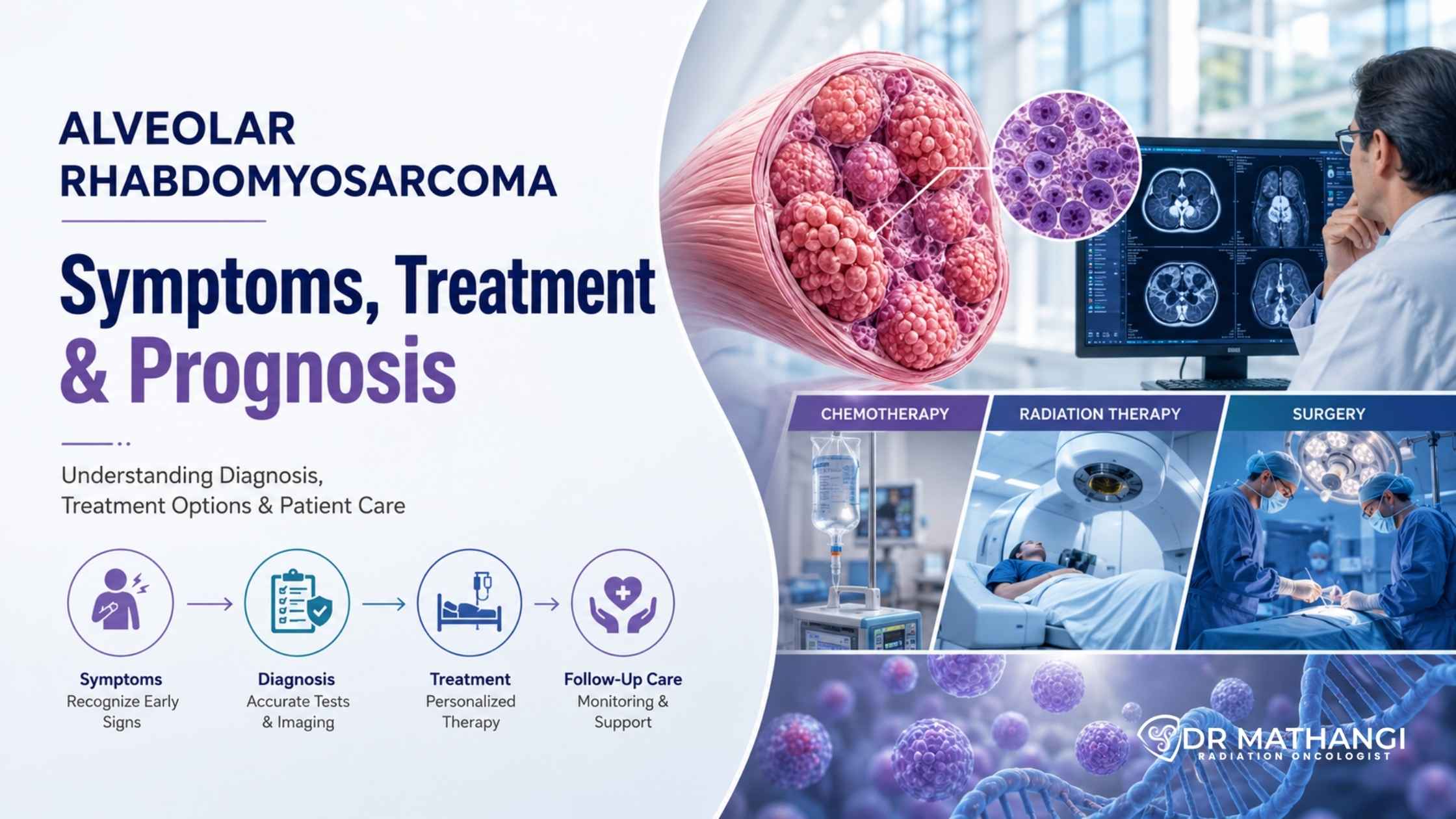
What Is Alveolar Rhabdomyosarcoma?
Alveolar rhabdomyosarcoma is a rare and aggressive type of soft tissue cancer, accounting for approximately 20-30% of all rhabdomyosarcoma cases globally. This form of cancer predominantly affects adolescents and young adults, but can also be seen across other age groups. Alveolar rhabdo arises from the skeletal muscle lineage and is characterized by its rapid growth and potential for early metastasis.
If you or a loved one are facing a diagnosis of alveolar rhabdomyosarcoma, understanding the disease, its symptoms, available treatments, and prognosis is crucial. Expert guidance from an experienced oncologist such as Dr Mathangi, Senior Consultant & In-charge of Radiation Oncology at Gleneagles Cancer Institute, Bangalore, can make all the difference in treatment outcomes and quality of life.
What Are The Symptoms Of Alveolar Rhabdomyosarcoma?
The symptoms of alveolar rhabdomyosarcoma (alveolar RMS) often depend on the tumor's location in the body. In the early stages, the symptoms might be subtle or easily mistaken for other common conditions.
- Painless Lump or Swelling: Most commonly, patients notice a growing mass, often painless, in the limbs, trunk, or head and neck region.
- Pain or Tenderness: If the tumor compresses nerves or adjacent structures, discomfort, pain, or tenderness may be present.
- Limited Mobility: Tumors near joints can restrict movement or cause stiffness.
- Signs of Metastasis: When alveolar RMS spreads, symptoms can include respiratory difficulties (lung involvement), headaches or neurological deficits (brain/spine involvement), or abnormal bleeding.
Early detection is challenging due to the non-specific nature of these symptoms. Persistent, unexplained lumps or pain should prompt an evaluation by a specialized oncologist such as Dr Mathangi, especially when occurring in high-risk age groups.
How Is Alveolar Rhabdomyosarcoma Diagnosed?
Diagnosis of rhabdomyosarcoma alveolar type is based on a combination of clinical evaluation, imaging, and tissue biopsy. Accurate diagnosis and staging are critical for crafting the most effective treatment plan.
- Imaging Studies: MRI and CT scans help in defining the tumor extent and detecting metastasis.
- Biopsy: A tissue sample is examined under the microscope to confirm the diagnosis and subtype—alveolar rhabdo is identified by its unique cell arrangement resembling pulmonary alveoli.
- Molecular Testing: Genetic analysis often reveals characteristic translocations (PAX3-FOXO1 or PAX7-FOXO1 fusions), setting alveolar RMS apart from embryonal rhabdomyosarcoma.
Alveolar rhabdomyosarcoma pathology plays a definitive role in distinguishing this subtype from others, guiding personalized therapy decisions.
Treatment Options for Alveolar Rhabdomyosarcoma
Alveolar rhabdomyosarcoma treatment requires a multidisciplinary approach due to its aggressive nature. Under the expert leadership of Dr Mathangi at Gleneagles Cancer Institute, each patient receives a tailored plan based on the tumor’s location, size, genetic profile, and extent of spread.
Surgery
Whenever feasible, surgical removal of the tumor is considered the first line of defense. The goal is to achieve complete resection with negative margins, minimizing the risk of recurrence.
Radiation Therapy
Radiation therapy is crucial, particularly when surgical removal is incomplete or not possible. Dr Mathangi specializes in cutting-edge modalities such as:
- Stereotactic Ablative Body Radiotherapy (SBRT)
- Gated RapidArc and DIBH Gated Radiotherapy
- Image-guided Interstitial Brachytherapy
These advanced techniques allow for higher precision, sparing healthy tissues and reducing side effects—essential for tumors located near critical structures.
Chemotherapy
Systemic chemotherapy is a backbone of alveolar rhabdomyosarcoma treatment, targeting both the primary tumor and potential micrometastases. Commonly used drugs include vincristine, dactinomycin, and cyclophosphamide.
Targeted Therapy and Clinical Trials
Recent advances in targeted therapies and novel agents are being explored, especially for relapsed or refractory cases. Patients under Dr Mathangi’s care benefit from access to clinical trials and the latest evidence-based protocols.
The Importance of Early Detection
Early detection of alveolar RMS significantly improves treatment outcomes and overall prognosis. Tumors detected before metastasis have a distinctly higher survival rate. Delays in diagnosis can result in advanced disease, reducing the efficacy of available therapies.
Dr Mathangi’s extensive experience ensures that subtle signs are not overlooked and that the most advanced diagnostic tools are utilized, giving patients the best chance at recovery.
Prognosis for Alveolar Rhabdomyosarcoma
Prognosis in alveolar rhabdomyosarcoma is influenced by several factors:
- Stage at Diagnosis: Localized tumors fare better than those with distant spread.
- Patient Age: Outcomes are generally better in younger patients.
- Genetic Factors: Certain gene fusions are associated with more aggressive disease.
- Treatment Response: Complete response to initial therapy correlates with improved survival.
On average, the 5-year survival rate for localized alveolar RMS is approximately 65-75%, but drops significantly (to 20-30%) for metastatic disease. Timely, expert intervention from a leading specialist like Dr Mathangi can tilt these odds favorably.
Alveolar Rhabdomyosarcoma in Childhood
Alveolar rhabdomyosarcoma in childhood can be particularly aggressive. While the principles of diagnosis and treatment remain similar, children may present with tumors in unique locations and require age-adjusted treatment protocols.
Dr Mathangi’s practice, based at Gleneagles Cancer Institute in Bangalore, is equipped with pediatric-friendly facilities and multidisciplinary support to ensure comprehensive care for young patients diagnosed with alveolar RMS.
Radiation Therapy for Alveolar Rhabdomyosarcoma
Radiation therapy is indispensable for local control of rhabdomyosarcoma alveolar type, especially when surgical margins are inadequate or when the tumor is inoperable. With advanced technology such as TrueBeam STx and IGRT/RapidArc, Dr Mathangi delivers high-precision treatments that maximize tumor destruction while sparing healthy tissues.
Cancers that need RT include head and neck cancers, brain tumors, spine tumors, esophagus and rectal cancers, lung, liver, breast, bladder, prostate, uterine, cervical, vulval, anal canal, and penile cancers—many of which are managed expertly at Gleneagles Cancer Institute by Dr Mathangi and her team.
Expertise of Dr Mathangi in Alveolar Rhabdomyosarcoma Care
Navigating an alveolar rhabdomyosarcoma diagnosis requires more than medical expertise—it demands compassion, innovation, and unwavering support. Dr Mathangi brings over 20 years of experience, advanced international training, and a legacy of more than 12,000 successfully treated patients.
- Comprehensive, Personalized Care: Each patient receives a tailored treatment plan, combining surgery, radiation, and chemotherapy as appropriate.
- Access to the Latest Technology: State-of-the-art equipment ensures precise, effective, and minimally invasive treatment.
- Multidisciplinary Support: Coordination with surgeons, pathologists, radiologists, and rehabilitation specialists ensures optimal outcomes.
- Patient-Centric Philosophy: Dr Mathangi believes in holistic care, addressing not just the disease but also the emotional, psychological, and social needs of each patient.
Choosing Dr Mathangi means securing the highest standard of care for yourself or your loved one.
Booking an Appointment with Dr Mathangi
If you suspect symptoms or have been diagnosed with alveolar rhabdomyosarcoma, early intervention can be life-saving. To schedule a personalized consultation with Dr Mathangi, simply submit your contact information on the appointment form. Her dedicated team will promptly reach out to coordinate your visit.
About Dr Mathangi
Dr Mathangi J is a Senior Consultant and In-charge of Radiation Oncology at Gleneagles Cancer Institute, Bangalore. With MBBS, DMRT, and DNB qualifications, and advanced training from Germany and Denmark, she is a trailblazer in radiation oncology. Her expertise spans the latest radiotherapy technologies, and she is especially acclaimed for her work in head and neck, prostate, brain, lung, and women’s cancers.
Dr Mathangi’s leadership and commitment to excellence have positioned Gleneagles Cancer Institute as a premier cancer care destination in South India and beyond.
Frequently Asked Questions
What is alveolar rhabdomyosarcoma and how is it different from other types?
Alveolar rhabdomyosarcoma is a rare and aggressive form of soft tissue cancer that originates from skeletal muscle cells. It is one of the main subtypes of rhabdomyosarcoma and is characterized by its unique cellular arrangement that resembles the small air sacs (alveoli) in the lungs. This subtype tends to occur more often in older children, adolescents, and young adults. Compared to other types, like embryonal rhabdomyosarcoma, the alveolar rhabdo variant usually grows and spreads more quickly, making early diagnosis and treatment particularly important.
What are the common symptoms of alveolar rhabdo?
Symptoms of alveolar rhabdo often depend on the tumor's location. Common signs include a rapidly growing lump or swelling that may or may not be painful, unexplained weight loss, and reduced function in the affected area. In some cases, symptoms like bruising, fever, or limited movement can occur, especially if the tumor presses against nerves or muscles. Because alveolar RMS can develop in various parts of the body, symptoms can vary greatly, so it's crucial to consult a specialist like Dr. Mathangi if any persistent or unusual lumps are noticed, particularly in children or adolescents.
How is alveolar RMS diagnosed?
The diagnosis of alveolar RMS typically involves a combination of imaging studies (like MRI or CT scans), a biopsy of the tumor, and laboratory tests. Alveolar rhabdomyosarcoma pathology is confirmed when specialists examine tissue samples under a microscope and look for characteristic features of the rhabdomyosarcoma alveolar type. Additionally, genetic testing may be performed to identify specific chromosomal changes that are often present in this subtype, which helps guide treatment planning.
What are the main treatment options for alveolar rhabdomyosarcoma?
Alveolar rhabdomyosarcoma treatment usually involves a multidisciplinary approach. This may include chemotherapy, surgery to remove the tumor (if possible), and radiation therapy for local control. Dr. Mathangi’s expertise lies in designing personalized treatment protocols that maximize effectiveness while minimizing side effects, especially for young patients. She also offers advanced therapies, including targeted treatments and supportive care, tailored to the needs of each patient and their family.
What is the prognosis for rhabdomyosarcoma alveolar type?
The prognosis for rhabdomyosarcoma alveolar type depends on several factors, such as the tumor's size, location, whether it has spread (metastasized), and the patient's overall health. Alveolar RMS is generally more aggressive than other types, but outcomes have improved with advances in therapy. Dr. Mathangi provides ongoing support and the latest treatment options to help improve survival rates and quality of life for her patients. Early diagnosis and comprehensive care are key to achieving the best possible outcomes.
Is alveolar rhabdomyosarcoma in childhood different from adult cases?
Alveolar rhabdomyosarcoma in childhood is more common than in adults and may present differently. Children and adolescents often have better tolerance for intensive therapy, and the biology of pediatric tumors can differ. Dr. Mathangi specializes in pediatric oncology and understands the unique challenges facing younger patients, providing child-friendly care plans and family-centered support throughout the treatment journey.
What role does pathology play in the management of alveolar rhabdomyosarcoma?
Alveolar rhabdomyosarcoma pathology is crucial for accurate diagnosis and treatment planning. Pathologists use specialized staining techniques and genetic tests to confirm the rhabdomyosarcoma alveolar type and to distinguish it from other tumors. This information helps Dr. Mathangi and her team to tailor therapy specifically to the tumor’s characteristics, ensuring the most effective and targeted approach.
How does Dr. Mathangi support patients and families during treatment?
Dr. Mathangi is dedicated to providing compassionate, holistic care for every patient and their family. She offers thorough education about the diagnosis, helps navigate complex treatment decisions, and coordinates care with a multidisciplinary team. Emotional and psychological support, pain management, and access to the latest clinical trials are integral parts of her approach, which aims to reduce the burden of illness and improve outcomes for those facing alveolar rhabdomyosarcoma.