ASTRO AI Guidelines 2026: What Oncologists Must Know
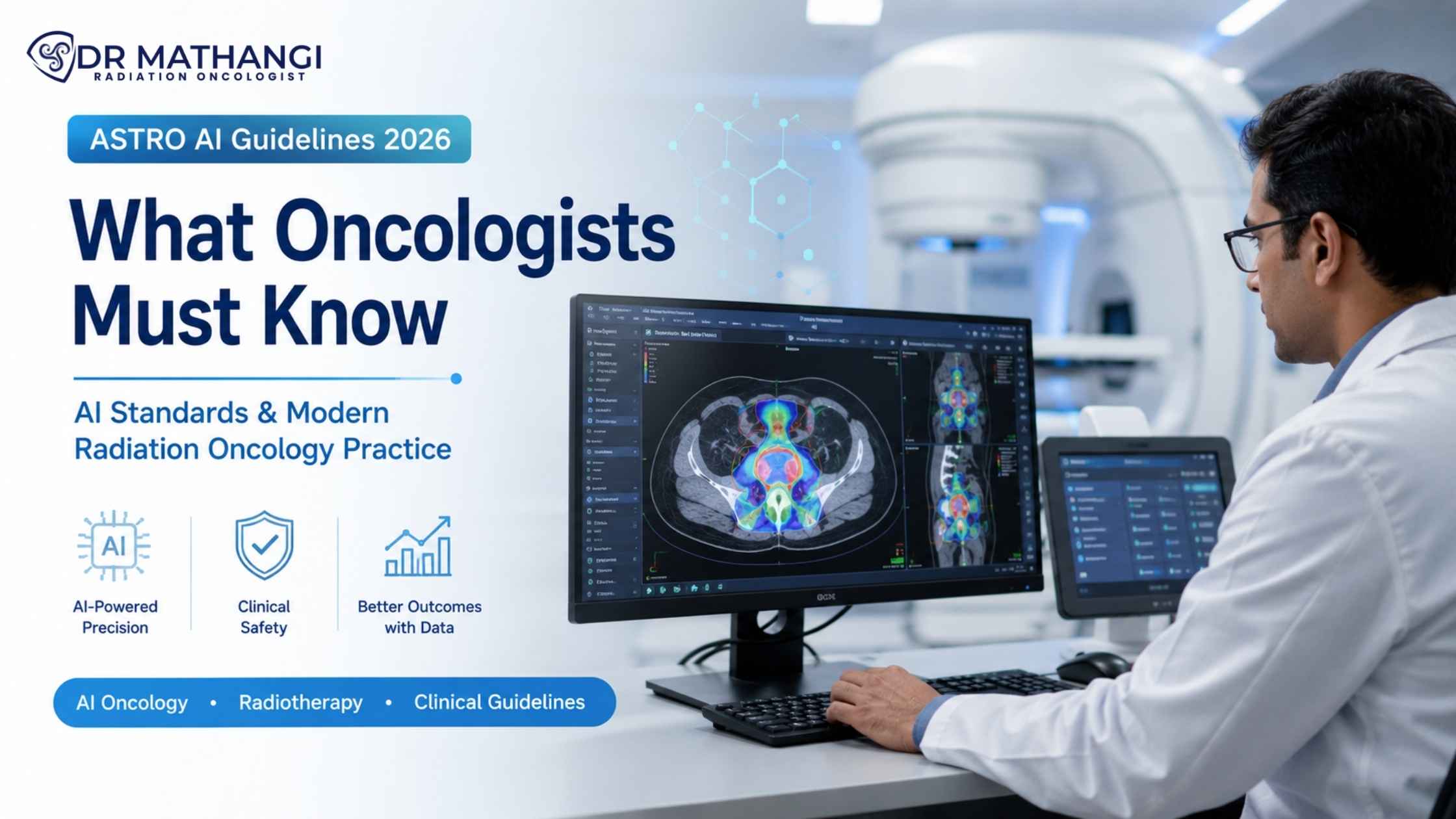
ASTRO AI Guidelines 2026 represent a transformative shift in radiation oncology, with global studies suggesting that AI-assisted radiotherapy planning can improve treatment precision by up to 30% while reducing human error significantly. For oncologists, ignoring these evolving standards is no longer an option—it could mean falling behind in delivering optimal patient outcomes.
In an era where AI oncology standards are rapidly shaping clinical protocols, patients increasingly seek specialists who integrate advanced intelligence-driven approaches into treatment. This is where the expertise of Dr Mathangi stands apart. With over two decades of experience and more than 12,000 successfully treated patients, she combines cutting-edge technology with clinical excellence to deliver superior cancer care.
What are astro ai guidelines 2026 and why do they matter?
The ASTRO AI Guidelines 2026 are a set of advanced clinical frameworks developed to integrate artificial intelligence into radiation oncology. These guidelines define how AI should be used responsibly and effectively in diagnosis, treatment planning, and outcome prediction.
They matter because:
- They standardize the use of AI in cancer care
- They improve accuracy in tumor targeting
- They reduce variability in treatment outcomes
- They ensure patient safety and ethical AI use
For oncologists, adhering to ASTRO recommendations ensures alignment with global best practices, while patients benefit from more precise and personalized treatment strategies.
How astro recommendations influence modern radiotherapy guidelines
Modern radiotherapy guidelines are no longer static—they evolve dynamically with data-driven insights. ASTRO recommendations emphasize integrating AI tools for:
- Automated contouring of tumors and organs at risk
- Adaptive radiotherapy planning
- Real-time imaging and motion tracking
- Outcome prediction using machine learning models
Dr Mathangi’s clinical approach reflects these advancements. Having trained internationally in Germany and Denmark, she brings global expertise into practice, ensuring that every patient benefits from next-generation radiotherapy techniques aligned with AI-enhanced standards.
Why ai oncology standards are redefining cancer treatment
AI oncology standards are redefining how cancer is diagnosed and treated by enabling:
- Early detection through predictive analytics
- Personalized treatment plans based on patient-specific data
- Reduced treatment toxicity through precise targeting
- Faster decision-making with automated systems
This shift creates a critical gap between conventional oncology practices and AI-driven care. Patients who opt for outdated methods risk suboptimal outcomes, while those treated under advanced standards experience improved survival rates and quality of life.
Dr Mathangi bridges this gap by incorporating technologies such as:
- Stereotactic ablative body radiotherapy (SBRT)
- Gated RapidArc therapy
- DIBH gated radiotherapy
- Image-guided interstitial brachytherapy
What is cancer protocol ai and how does it improve outcomes?
Cancer protocol AI refers to the use of artificial intelligence in designing, optimizing, and executing cancer treatment protocols. It ensures that every step—from diagnosis to follow-up—is data-driven and evidence-based.
Key benefits include:
- Precision: AI identifies tumor boundaries with high accuracy
- Efficiency: Treatment planning time is significantly reduced
- Consistency: Standardized protocols minimize human variability
- Adaptability: Plans can be modified in real-time based on patient response
In clinical practice, this means better tumor control and fewer side effects—outcomes that Dr Mathangi consistently delivers through her advanced radiation oncology expertise.
Which cancers benefit most from ai-driven radiotherapy guidelines?
The integration of radiotherapy guidelines with AI is particularly beneficial for:
- Head and neck cancers
- Brain tumors
- Spine tumors
- Lung cancers
- Liver cancers
- Breast cancers
- Prostate cancers
- Bladder cancers
- Cervical and uterine cancers
- Anal canal and penile cancers
Each of these conditions requires precision targeting and adaptive planning—areas where AI-driven protocols excel. Under Dr Mathangi’s care, patients receive tailored treatments that align with both ASTRO AI Guidelines 2026 and individual clinical needs.
How dr mathangi integrates astro ai guidelines 2026 into practice
Dr Mathangi is a Senior Radiation Oncologist and In-charge of Gleneagles Cancer Institute in Bangalore. She is recognized for her leadership in adopting advanced radiotherapy technologies and aligning them with global standards.
Her approach includes:
- Using AI-assisted planning systems for precision radiotherapy
- Implementing image-guided radiotherapy (IGRT)
- Leveraging stereotactic techniques (SRS/SBRT)
- Applying adaptive treatment strategies based on patient response
Her installation of the Asia Pacific’s first TrueBeam STx machine highlights her commitment to innovation. Patients under her care gain access to technologies that many centers have yet to adopt.
What risks do oncologists face by ignoring astro recommendations?
Failing to adopt ASTRO recommendations and AI-driven standards can result in:
- Outdated treatment protocols
- Lower treatment accuracy
- Increased risk of complications
- Reduced patient trust and satisfaction
In today’s competitive and rapidly evolving healthcare landscape, staying aligned with AI oncology standards is not just beneficial—it is essential.
Why patients should choose ai-guided oncology care today
Patients today are more informed and seek advanced care options. Choosing a specialist who follows cancer protocol AI ensures:
- Better survival outcomes
- Reduced side effects
- Shorter treatment durations
- Access to global best practices
Dr Mathangi’s extensive experience, combined with her adoption of ASTRO AI Guidelines 2026, positions her as a trusted leader in radiation oncology.
About dr mathangi
Dr Mathangi J is a Senior Consultant and In-charge of Radiation Oncology at Gleneagles Cancer Institute, Bangalore. With over 20 years of experience, she has treated more than 12,000 patients successfully. She holds MBBS, DMRT, and DNB qualifications and has received advanced international training in Germany and Denmark.
She specializes in:
- Head and neck cancers
- Brain tumors
- Lung cancers
- Prostate cancers
- Women cancers including breast, cervix, and endometrium
Her commitment to excellence, innovation, and patient-centered care makes her a leading authority in modern radiation oncology.
Take the next step toward advanced cancer care
The future of oncology lies in AI-driven precision medicine. Delaying access to these advancements could mean missing out on the best possible outcomes. With Dr Mathangi, patients receive care that is aligned with global standards, backed by experience, and driven by innovation.
To book an appointment, visit https://drmathangi.com/contact/ and submit your details. Her team will schedule your consultation and guide you through the next steps toward advanced cancer treatment.
Frequently Asked Questions
What are ASTRO AI Guidelines 2026 and why are they important for oncologists?
ASTRO AI Guidelines 2026 represent a major evolution in how artificial intelligence is integrated into clinical oncology workflows. These guidelines help standardize the safe, ethical, and effective use of AI tools across diagnosis, treatment planning, and follow-up care. For oncologists, they provide a clear framework that aligns with modern radiotherapy guidelines while ensuring patient safety, data integrity, and improved clinical outcomes.
How do AI oncology standards impact daily clinical decision-making?
AI oncology standards ensure that AI-driven recommendations are evidence-based, transparent, and clinically validated. In practice, this means oncologists can rely on AI for contouring, dose optimization, and treatment predictions while still maintaining full clinical control. These standards reduce variability and help create consistent treatment pathways aligned with ASTRO recommendations.
What role does cancer protocol AI play in radiotherapy planning?
Cancer protocol AI plays a critical role in automating and optimizing treatment workflows. It helps generate personalized protocols based on tumor type, stage, and patient-specific factors. When integrated with radiotherapy guidelines, it ensures that treatment plans are both precise and compliant with global best practices, reducing planning time and improving accuracy.
How do ASTRO recommendations guide the ethical use of AI in oncology?
ASTRO recommendations emphasize transparency, accountability, and patient-centric care when using AI. They require clinicians to understand AI outputs, validate results, and ensure that final decisions are clinically justified. This approach prevents over-reliance on automation and maintains trust in AI-assisted oncology practices.
How does Dr. Mathangi incorporate ASTRO AI Guidelines 2026 into her treatment approach?
Dr. Mathangi integrates ASTRO AI Guidelines 2026 into her clinical workflows by combining advanced AI tools with evidence-based radiotherapy guidelines. Her approach ensures that every treatment plan is personalized, data-driven, and aligned with the latest AI oncology standards, offering patients cutting-edge care with a strong focus on safety and outcomes.
Can AI improve treatment outcomes in complex cancer cases?
Yes, AI significantly enhances treatment precision, especially in complex cases. By leveraging cancer protocol AI, clinicians can analyze large datasets, predict treatment responses, and refine radiation delivery. This leads to better tumor control while minimizing damage to healthy tissues, ultimately improving patient outcomes.
What should oncologists consider before adopting AI-based systems?
Oncologists should evaluate whether AI tools comply with AI oncology standards and align with established radiotherapy guidelines. They should also assess data quality, system validation, and integration capabilities. Following ASTRO recommendations ensures that AI adoption enhances clinical practice without compromising safety or ethical standards.
How does AI integration benefit patient experience in oncology care?
AI integration streamlines treatment planning, reduces waiting times, and enables more personalized care. With tools guided by ASTRO AI Guidelines 2026, patients benefit from accurate diagnoses, optimized treatment plans, and improved communication. This leads to a more efficient and reassuring treatment journey.