B Cells vs T Cells: Understanding the Difference
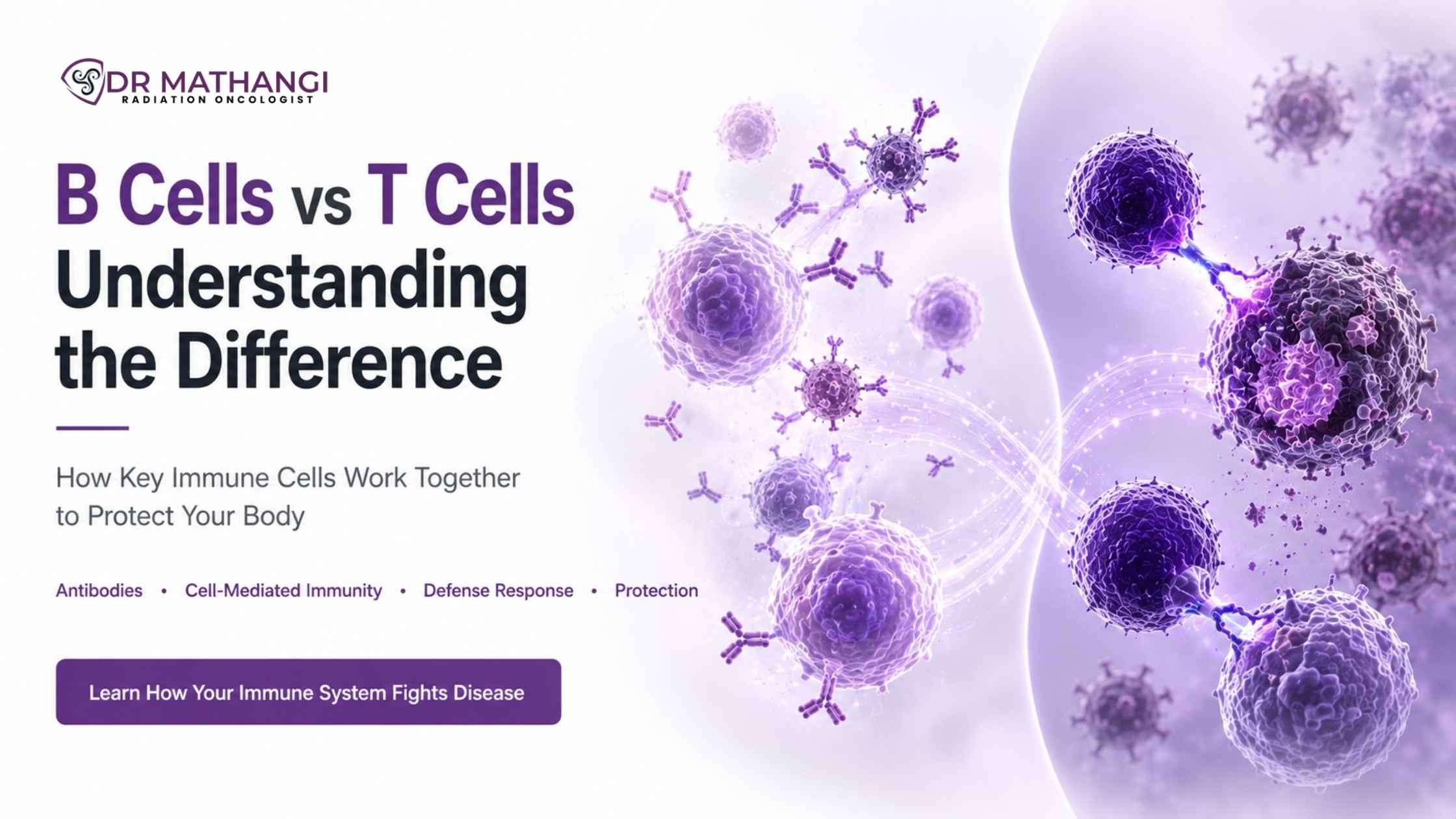
 B cells vs T cells is a fundamental topic in immunology, shaping our understanding of how the body defends itself against diseases, including cancer. Did you know that more than 70% of immune cells in the human body are lymphocytes, with B cells and T cells forming the backbone of adaptive immunity? Understanding their differences is crucial not only for academic interest but also for practical reasons—especially when it comes to effective treatment strategies for complex diseases like cancer.
What is the difference between B cells and T cells?
The key distinction between B cells and T cells lies in their origins, functions, and roles in the immune response. B cells are primarily responsible for antibody production, while T cells are the orchestrators and executors of cell-mediated immunity, directly attacking infected or malignant cells. Both are essential lymphocyte types that together create a robust and adaptable immune defense system.
- B cells: Produce antibodies to neutralize pathogens.
- T cells: Recognize and destroy infected or abnormal cells.
Origins and maturation of B cells and T cells
All lymphocytes originate from hematopoietic stem cells in the bone marrow. However, their maturation differs:
- B cells: Mature in the bone marrow itself. Once mature, they circulate in the blood and lymphatic system, ready to respond to specific antigens.
- T cells: Leave the bone marrow at an immature stage and migrate to the thymus gland, where they undergo rigorous selection to ensure they can distinguish between self and non-self antigens.
This divergence in maturation is critical because it dictates their specialization and ensures the immune system is both effective and safe from attacking the body's own tissues.
Main lymphocyte types and their functions
There are three primary lymphocyte types:
- B cells: Responsible for antibody production and humoral immunity.
- T cells: Mediate cellular immunity and regulate immune responses.
- Natural Killer (NK) cells: Act independently to kill virally infected or transformed cells without prior sensitization.
The interplay between these lymphocyte types creates a layered defense, adapting to a wide variety of threats.
The role of B cells in antibody production
Antibody production is the hallmark of B cell function. Upon encountering a specific antigen, B cells become activated and differentiate into plasma cells, which are specialized for producing large quantities of antibodies. These antibodies then bind to pathogens, marking them for destruction by other immune cells or neutralizing them directly.
- Each B cell produces a unique antibody targeting a specific antigen.
- Antibodies can neutralize toxins, block viral entry, and facilitate phagocytosis.
- Some B cells become memory cells, providing long-lasting immunity.
This mechanism is the foundation for many vaccines and is crucial in defending against recurring infections.
How T cells coordinate and execute immune responses
T cells are central to the adaptive immune response. There are several T cell subtypes, each with specialized roles:
- Helper T cells (CD4+): Coordinate the immune response by releasing cytokines that signal other immune cells, including B cells and cytotoxic T cells.
- Cytotoxic T cells (CD8+): Seek out and destroy virus-infected cells, tumor cells, and cells displaying abnormal antigens.
- Regulatory T cells: Prevent autoimmune reactions by suppressing overactive immune responses.
This orchestration ensures a balanced and targeted attack against pathogens and cancer cells, while minimizing damage to healthy tissues.
Importance of B cells and T cells in cancer therapy
The distinction between B cells vs T cells is critical in the context of cancer care. Many advanced cancer therapies, including immunotherapies, are designed to either enhance T cell activity or manipulate B cell responses. For example:
- CAR-T cell therapy: Genetically modifies T cells to better recognize and attack cancer cells.
- Monoclonal antibodies: Mimic natural antibodies produced by B cells, targeting specific cancer markers.
At Gleneagles Cancer Institute, Bangalore, under the expert guidance of Dr Mathangi J, sophisticated treatment approaches utilize the latest insights into immune cell function to provide personalized, effective cancer care.
Cancers that may benefit from immune-based therapies
According to Dr Mathangi, cancers that need radiation therapy (RT) often also intersect with immune-based approaches. These include:
- Head and neck cancers
- Brain tumors
- Spine tumors
- Esophagus and rectal cancers
- Lung cancers
- Liver cancers
- Breast cancers
- Bladder cancers
- Prostate cancers
- Uterine cancers
- Cervical cancer
- Vulval cancers
- Anal canal cancers
- Penile cancers
These cancers are managed with multidisciplinary strategies that harness the strengths of both the immune system and state-of-the-art radiation techniques.
About Dr Mathangi J and her approach to cancer care in Bangalore
Dr Mathangi J is a Senior Consultant and In-charge of Radiation Oncology at Gleneagles Cancer Institute, Bangalore. With over 20 years of experience and more than 12,000 patients treated, she brings expertise in advanced radiotherapy and immuno-oncology. Her credentials include:
- MBBS, DMRT from Madras Medical College, Chennai
- DNB residency at Apollo Cancer Specialty Hospital, Chennai
- Advanced training in Stereotactic techniques (SRS/SBRT), IGRT/RapidArc, and Intraoperative radiotherapy (IORT) from leading European centers
- First in Asia Pacific to install the TrueBeam STx Machine
- Specialization in head and neck, prostate, brain, lung, and women’s cancers
Her approach combines clinical excellence with compassion, ensuring each patient receives personalized, evidence-based care. Patients benefit from leading-edge technology and the latest scientific insights into immune response and lymphocyte types.
To schedule a consultation, submit your contact details at Dr Mathangi’s Contact Form. Her team will assist you in arranging your appointment and guide you through the next steps.
Key differences between B cells and T cells
| Feature | B cells | T cells |
|---|---|---|
| Origin | Bone marrow | Bone marrow (then matures in thymus) |
| Main function | Antibody production, humoral immunity | Cell-mediated immunity, immune regulation |
| Surface markers | CD19, CD20 | CD3, CD4, CD8 |
| Response to antigens | Directly recognize free antigens | Recognize antigens presented by MHC molecules |
| Role in cancer therapy | Basis for monoclonal antibody therapies | Basis for CAR-T and adoptive immunotherapies |
Profile of Dr Mathangi J
Dr Mathangi J is a distinguished Senior Radiation Oncologist and In-charge of the Gleneagles Cancer Institute in Bangalore, India. With two decades of experience in oncology, she is recognized for her work in advanced radiotherapy, her knowledge of B cells vs T cells, and her commitment to patient-centered care. She currently leads one of India’s prominent radiation oncology departments and mentors cancer specialists as Director of Fellowship in Advanced Radiotherapy Techniques (RGUHS).
Her clinical focus spans head and neck, prostate, brain, lung, and women’s cancers, applying the latest science on immune response and innovative therapies to achieve positive patient outcomes.
Frequently Asked Questions
What is the main difference between B cells and T cells?
The primary distinction in the b cells vs t cells debate is their role in the immune response. B cells are responsible for antibody production, targeting pathogens directly, while T cells specialize in recognizing and destroying infected cells. Both are essential lymphocyte types, but their functions complement each other to provide comprehensive immune protection.
How do B cells contribute to immunity?
B cells play a crucial role in antibody production, releasing antibodies that bind to specific antigens on pathogens. This process helps neutralize invaders and marks them for destruction by other immune cells. Dr. Mathangi provides personalized strategies to strengthen B cell function as part of a holistic immune health program.
What are the main lymphocyte types in the human immune system?
The main lymphocyte types are B cells, T cells, and natural killer (NK) cells. B cells and T cells are central to adaptive immunity, while NK cells are important for innate immune responses. Dr. Mathangi emphasizes the importance of understanding each lymphocyte type for a balanced immune response.
How do T cells fight infections?
T cells identify and destroy infected or abnormal cells. There are different T cell subtypes, such as helper T cells, which activate other immune cells, and cytotoxic T cells, which directly kill infected cells. Dr. Mathangi’s approach includes education on T cell activation and practical tips for optimal immune response.
Can B cells and T cells work together in fighting diseases?
Absolutely! B cells and T cells coordinate their actions for a stronger immune response. For example, helper T cells can stimulate B cells to enhance antibody production. Dr. Mathangi’s solutions focus on supporting both arms of the immune system for optimal health.
What are common issues when B cells or T cells malfunction?
Malfunction of B cells can lead to poor antibody production, increasing susceptibility to infections. T cell deficiencies may result in inadequate clearance of infected or cancerous cells. Dr. Mathangi offers diagnostic and lifestyle guidance to address imbalances in these lymphocyte types.
How does Dr. Mathangi help patients understand B cells vs T cells?
Dr. Mathangi provides clear explanations about the roles of B cells and T cells, helping patients make informed decisions about their health. Her practice includes immune assessments, personalized recommendations, and educational resources to empower individuals in managing their immune response.
Why is antibody production important in immunity?
Antibody production is essential because antibodies neutralize pathogens and help prevent the spread of infections. B cells are the primary source of antibodies. Dr. Mathangi’s programs include nutritional and lifestyle advice proven to enhance antibody production and overall immune resilience.
Can lifestyle changes improve the function of B and T cells?
Yes, lifestyle factors such as balanced nutrition, stress management, and regular exercise can positively influence both B cells and T cells. Dr. Mathangi offers tailored lifestyle interventions and evidence-based strategies to optimize immune response for her clients.