Brain Tumors and Immune System Changes
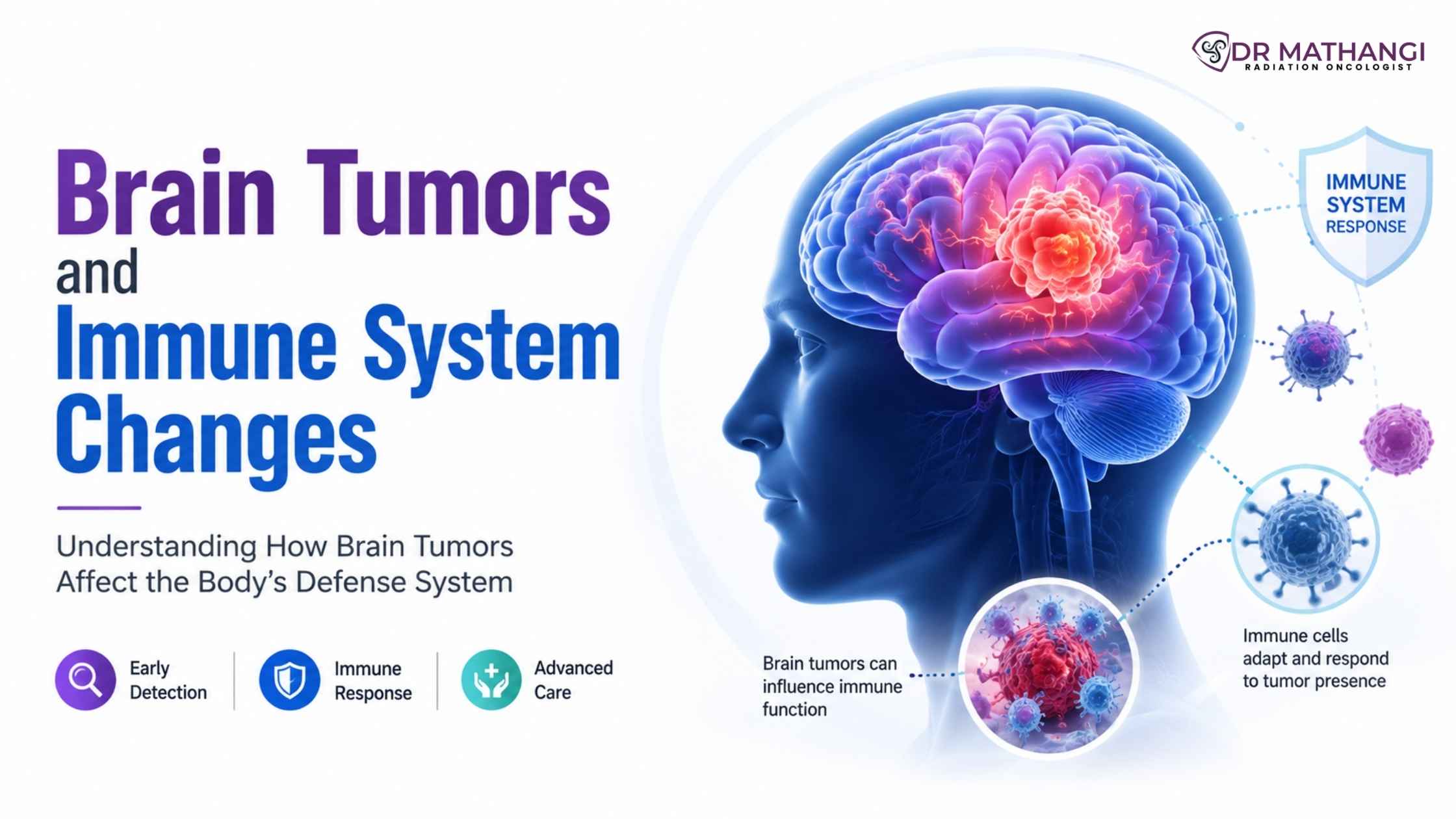

What Is The Connection Between Brain Tumors And Immune System Changes?
Brain tumors can significantly alter the body’s immune system, making it harder for patients to fight infections and respond to treatment. According to the American Brain Tumor Association, more than 700,000 people in the United States are living with a primary brain tumor, and every year, over 85,000 new cases are diagnosed worldwide. Understanding how brain tumors interact with the immune system is crucial for effective treatment and better outcomes.
When a brain tumor develops, it not only disrupts neurological functions but also triggers a cascade of immune system changes. These changes can affect a patient’s ability to mount an effective immune response, influence how tumors grow or respond to therapy, and impact overall health and quality of life.
How Do Brain Tumors Affect The Immune System?
Brain tumor immune system interactions are complex and multifaceted. Tumors in the brain can release specific proteins and chemicals that suppress the local immune response, creating an environment where the tumor can grow unchecked. This suppression can lead to:
- Reduced activity of T-cells (key immune cells responsible for attacking cancer cells)
- Increased production of immunosuppressive factors by tumor cells
- Impaired communication between the brain and peripheral immune system
- Heightened risk of infections due to weakened immune surveillance
These immune system changes can influence how a patient responds to treatments such as surgery, chemotherapy, and especially radiation therapy.
Why Is Neurology Oncology Critical In Managing Brain Tumors?
Neurology oncology bridges the gap between brain-specific medical knowledge and cancer care. This field focuses on understanding how brain tumors interact with both the nervous and immune systems, ensuring that treatments are tailored to each patient’s unique needs.
As a Senior Consultant and In-charge of Radiation Oncology at Gleneagles Cancer Institute, Dr Mathangi specializes in integrating the latest advances in neurology oncology to offer individualized care. Her expertise ensures that each patient receives a multidisciplinary approach—combining neurosurgery, medical oncology, and radiation oncology—to maximize treatment effectiveness and minimize side effects.
What Are The Radiation Effects Brain Patients Should Know?
Radiation effects brain tissue and immune function in several ways. While radiation therapy is a cornerstone in brain tumor management, it can also impact the healthy cells surrounding the tumor, including those involved in immune regulation.
- Short-term effects: Fatigue, headaches, and mild swelling.
- Long-term effects: Changes in cognitive function, hormonal balance, and, crucially, immune system modulation.
Dr Mathangi’s advanced techniques—such as Stereotactic Radiosurgery (SRS), Stereotactic Body Radiotherapy (SBRT), and Gated RapidArc—aim to minimize radiation exposure to healthy brain tissue, preserving immune function while delivering precise, high-dose treatments to the tumor.
The Immune Response In Brain Tumor Patients
The immune response tumors generate is often altered in the context of brain tumors. Unlike other cancers, the brain is a unique immune-privileged site, meaning it has special mechanisms to limit inflammation and immune activity. While this protects delicate neural tissues, it also allows tumor cells to evade immune detection more effectively.
In brain tumor patients, the immune response tumors trigger can be blunted or misdirected, leading to slower clearance of malignant cells. Current research focuses on immunotherapy—stimulating the body’s immune system to recognize and attack tumor cells—as a promising adjunct to standard treatments.
Advances In Radiation Oncology For Brain Tumors
Advanced radiation oncology techniques, such as those pioneered by Dr Mathangi, are revolutionizing brain tumor care. Utilizing technologies like Image-Guided Radiation Therapy (IGRT), Deep Inspiration Breath Hold (DIBH) gating, and Interstitial Brachytherapy, these methods ensure that radiation is delivered with sub-millimeter accuracy, sparing healthy tissue and supporting immune recovery.
- High-precision targeting reduces collateral damage to immune cells
- Shorter treatment times and fewer sessions minimize immune suppression
- Integration with immunotherapies offers synergistic benefits
Dr Mathangi’s leadership at Gleneagles Cancer Institute, including the installation of Asia Pacific’s first TrueBeam STx Machine, underscores her commitment to providing world-class care and access to the latest innovations.
Cancers Commonly Treated With Radiation Therapy
According to Dr Mathangi, the following cancers commonly require radiation therapy (RT) as a part of their treatment protocol:
- Head and neck cancers
- Brain tumors
- Spine tumors
- Esophagus and rectal cancers
- Lung cancers
- Liver cancers
- Breast cancers
- Bladder cancers
- Prostate cancers
- Uterine cancers
- Cervical cancer
- Vulval cancers
- Anal canal cancers
- Penile cancers
With her vast experience and advanced training from renowned centers in Germany and Denmark, Dr Mathangi ensures that each patient’s treatment plan is evidence-based, safe, and effective.
Dr Mathangi’s Approach To Brain Tumor And Immune System Care
Dr Mathangi is a renowned Senior Radiation Oncologist, recognized for her expertise in treating complex brain tumors and understanding their impact on the immune system. With over 20 years of clinical experience and more than 12,000 patients successfully treated, she combines deep knowledge in neurology oncology with compassionate patient care.
Her track record in pioneering advanced radiation techniques, leading a top-tier cancer institute, and training the next generation of oncologists makes her an authority in brain tumor immune system management in South India.
- Personalized care: Every treatment is tailored to the patient’s cancer type, stage, and immune profile.
- Cutting-edge technology: Access to the latest radiation equipment and protocols.
- Holistic approach: Multidisciplinary collaboration for optimal outcomes.
- Location advantage: Centrally based at Gleneagles Cancer Institute, Bangalore—accessible to patients across South and North India.
Take the next step toward evidence-based brain tumor care. Book a consultation with Dr Mathangi and start your journey toward recovery and improved quality of life.
About Dr Mathangi
| Name | Dr Mathangi J |
|---|---|
| Title | Sr Consultant & In-charge - Radiation Oncology |
| Experience | 20+ years, 12,000+ patients treated |
| Specialization | Brain tumors, Head and Neck, Prostate, Lung, Breast, Cervix, Endometrium cancers |
| Institute | Gleneagles Cancer Institute, Bangalore |
Conclusion
Understanding the interplay between brain tumors and immune system changes is the key to successful cancer management. By choosing a leader like Dr Mathangi, you gain access to expertise that blends cutting-edge science with a compassionate, patient-centered approach. Reach out today for a comprehensive evaluation and a personalized treatment plan.
Frequently Asked Questions
How does a brain tumor affect the immune system?
Brain tumors can disrupt the delicate balance of the immune system, both locally within the brain and throughout the body. The presence of a brain tumor may suppress normal immune responses or trigger abnormal immune activity. This is often termed as "brain tumor immune system interaction," where the tumor may evade detection or dampen the body’s natural defenses. Dr. Mathangi works closely with patients to monitor immune function and provides guidance to support immune health during brain tumor treatment.
What is the connection between neurology oncology and immune system changes?
Neurology oncology focuses on the diagnosis and treatment of brain and nervous system tumors. Many therapies in this field, such as surgery, chemotherapy, and immunotherapy, directly interact with the immune system. These treatments can either suppress or stimulate immune response tumors, affecting how the body fights cancer. Dr. Mathangi provides comprehensive care that includes monitoring neurological and immunological changes to optimize outcomes.
How do radiation effects on the brain impact the immune system?
Radiation therapy is commonly used to treat brain tumors, but "radiation effects brain" can include changes to the blood-brain barrier and immune cells within the brain. This may lead to inflammation, reduced ability to fight infections, or changes in the way the immune system responds to tumor cells. Dr. Mathangi utilizes advanced planning to minimize unwanted immune suppression and offers supportive strategies to help patients recover their immune balance.
What is the immune response to brain tumors, and how is it measured?
The "immune response tumors" refers to how the body recognizes and reacts to tumor cells. In brain tumors, this response can be limited due to the brain’s unique environment and the presence of protective barriers. Dr. Mathangi may use blood tests, imaging, and clinical assessments to evaluate immune function and tailor treatments that enhance the body’s natural defenses against tumor cells.
Can immune therapies be used to treat brain tumors?
Yes, immunotherapies are an emerging area in neurology oncology. These treatments aim to boost the brain tumor immune system response, helping the body to better recognize and destroy tumor cells. Dr. Mathangi evaluates each patient’s case to determine if immunotherapy is appropriate and monitors for any potential immune-related side effects.
Are there side effects on the immune system from brain tumor treatments?
Many brain tumor treatments, including chemotherapy, radiation, and steroids, can suppress immune function and increase the risk of infections or other complications. Dr. Mathangi proactively manages these risks by monitoring immune health, recommending vaccines, and guiding patients on lifestyle modifications to protect their immunity during treatment.
What supportive care does Dr. Mathangi offer for immune system health?
Dr. Mathangi offers holistic support, including nutritional advice, infection prevention, and strategies to maintain a healthy immune system during and after brain tumor therapy. She educates patients about early signs of immune changes and works with a multidisciplinary team to address complications promptly.
How can I improve my immune system if I have a brain tumor?
While some immune changes are unavoidable, Dr. Mathangi encourages patients to focus on balanced nutrition, adequate rest, stress management, and regular follow-up. She may recommend specific supplements or therapies based on individual needs and treatment plans to help optimize the brain tumor immune system response.
When should I contact Dr. Mathangi about immune-related symptoms?
Patients should reach out promptly if they experience frequent infections, unexplained fever, persistent fatigue, or any unusual symptoms during or after brain tumor treatment. Dr. Mathangi is committed to providing timely evaluation and interventions to ensure immune health is maintained alongside cancer care.