Breast Cancer Statistics India 2026 and Early Detection
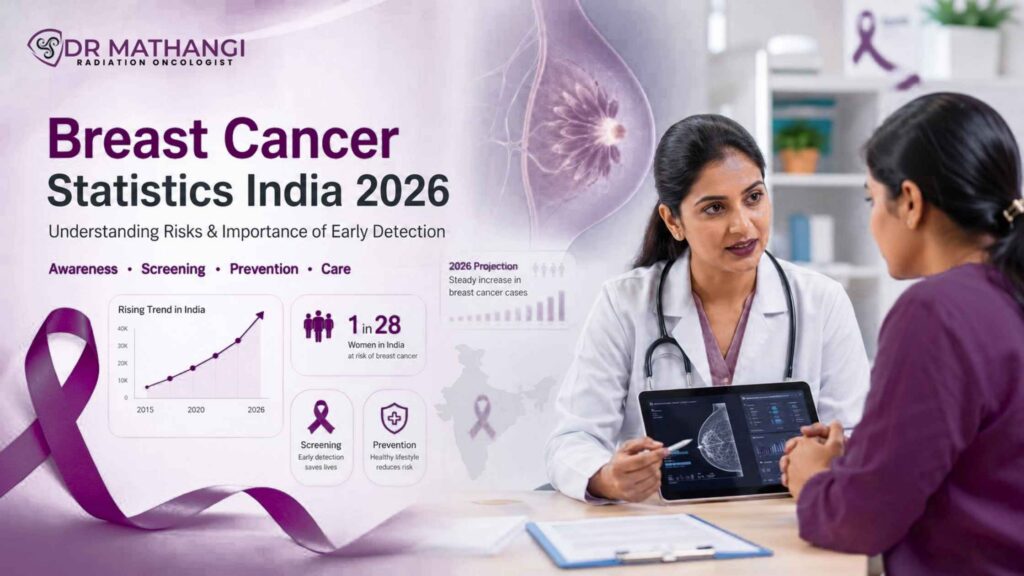
Breast cancer statistics India 2026 indicate that nearly 1 in 28 women in India are at risk of developing breast cancer during their lifetime, with urban areas showing even higher incidence rates. This rising burden is not just a statistic—it is a reality affecting families, careers, and futures across the country. Understanding these numbers is the first step toward timely action.
In a landscape marked by a steady breast cancer rise India, the urgency for awareness, prevention, and expert-guided care has never been greater. At the forefront of this fight is Dr Mathangi J, a Senior Radiation Oncologist with over two decades of experience, currently leading advanced cancer care at Gleneagles Cancer Institute, part of Gleneagles Hospitals.
Ignoring these screenings can lead to late-stage diagnoses, where treatment becomes more complex and outcomes less predictable.
What do breast cancer statistics India 2026 reveal?
The current cancer incidence trends India highlight a concerning upward trajectory in breast cancer diagnoses, especially among women aged 30–55. Factors such as lifestyle changes, delayed childbirth, and increasing stress levels are contributing significantly to this pattern.- Breast cancer accounts for nearly 14% of all cancers in Indian women
- Urban incidence is almost double that of rural areas
- Mortality rates remain high due to late diagnosis
- Awareness gaps continue to delay early intervention
Why is early breast cancer detection so important?
Early breast cancer detection significantly improves survival rates, often exceeding 90% when diagnosed at Stage 1. The difference between early and late detection can mean the difference between minimally invasive treatment and complex, aggressive therapies. Dr Mathangi emphasizes that early diagnosis enables:- Less intensive treatment approaches
- Higher chances of complete recovery
- Preservation of quality of life
- Reduced emotional and financial burden
What are the key breast cancer risk factors?
Understanding breast cancer risk factors is essential for prevention and timely screening. While some risks are unavoidable, many can be managed through lifestyle and medical vigilance.Common risk factors include:
- Family history of breast or ovarian cancer
- Hormonal imbalances or prolonged hormone therapy
- Obesity and sedentary lifestyle
- Alcohol consumption and smoking
- Late pregnancies or no pregnancies
- Exposure to radiation
How does screening importance women impact survival?
The concept of screening importance women cannot be overstated. Regular screenings such as mammograms and clinical breast exams can detect abnormalities before symptoms appear. Recommended screening guidelines:| Age Group | Screening Recommendation |
|---|---|
| 20–39 years | Clinical breast exam every 1–3 years |
| 40–49 years | Annual mammogram (based on risk) |
| 50+ years | Annual or biennial mammogram |
What role does cancer awareness India play in prevention?
Cancer awareness India is the foundation of prevention. Awareness campaigns, community outreach, and education programs empower women to take proactive steps toward their health.- Educating women about self-breast examination
- Promoting routine screenings
- Reducing stigma around cancer diagnosis
- Encouraging open conversations about symptoms
How does Dr Mathangi lead advanced cancer care?
Dr Mathangi J is a Senior Consultant and In-charge of Radiation Oncology with over 20 years of experience. She has successfully treated more than 12,000 patients using cutting-edge technologies such as:- Stereotactic ablative body radiotherapy (SBRT)
- Gated RapidArc
- DIBH gated Radiotherapy
- Image-guided Interstitial Brachytherapy
What cancers are treated with radiation therapy?
- Head and neck cancers
- Brain tumors
- Spine tumors
- Esophagus and rectal cancers
- Lung cancers
- Liver cancers
- Breast cancers
- Bladder cancers
- Prostate cancers
- Uterine cancers
- Cervical cancer
- Vulval cancers
- Anal canal cancers
- Penile cancers
Why delaying action could cost more than you think
The reality behind breast cancer statistics India 2026 is not just about numbers—it’s about missed opportunities. Every delayed screening, every ignored symptom, and every postponed consultation increases the risk of advanced disease.- More aggressive treatments required
- Higher financial burden
- Reduced survival chances
- Impact on family and dependents
How to take the next step toward early detection
- Schedule a screening or consultation
- Discuss your personal risk profile
- Follow a structured screening plan
- Stay informed and proactive
About Dr Mathangi
Dr Mathangi J is a leading Radiation Oncologist based in Bangalore, specializing in advanced cancer treatments. With over 12,000 successful cases and international training, she is recognized for delivering precision-driven, patient-centric care. She currently heads the Radiation Oncology department at Gleneagles Cancer Institute and serves as Director of Fellowship in Advanced Radiotherapy techniques affiliated with RGUHS. Her mission is clear: to reduce the impact of breast cancer rise India through early detection, advanced treatment, and widespread awareness.Frequently Asked Questions
What do the latest breast cancer statistics India 2026 reveal?
The latest breast cancer statistics India 2026 indicate a steady increase in cases across both urban and rural populations. This reflects broader cancer incidence trends India, where lifestyle, delayed diagnosis, and lack of awareness are contributing factors. Early consultation with specialists like Dr. Mathangi helps in interpreting these statistics at an individual level and planning timely care.
Why is there a noticeable breast cancer rise India in recent years?
The breast cancer rise India is linked to changing lifestyles, increased stress, dietary habits, and late pregnancies. Additionally, improved detection methods have also contributed to higher reported cases. Dr. Mathangi emphasizes proactive screening and personalized risk assessment to counter this growing concern.
What are the most common breast cancer risk factors women should know?
Some of the key breast cancer risk factors include age, genetic predisposition, hormonal imbalances, obesity, and lifestyle habits such as smoking or alcohol consumption. Understanding these breast cancer risk factors early allows individuals to take preventive steps under expert guidance from Dr. Mathangi.
How important is early breast cancer detection?
Early breast cancer detection significantly improves survival rates and reduces the need for aggressive treatments. When detected early, treatment options are more effective and less invasive. Dr. Mathangi advocates routine screenings and awareness to ensure timely diagnosis.
What is the screening importance women should understand?
The screening importance women must recognize lies in detecting abnormalities before symptoms appear. Regular mammograms and clinical breast exams can identify issues early, improving outcomes. Dr. Mathangi provides structured screening programs tailored to individual risk profiles.
How does cancer awareness India impact early diagnosis?
Improved cancer awareness India plays a crucial role in encouraging individuals to seek timely medical advice. Awareness campaigns help people understand symptoms, risk factors, and the value of screening. Dr. Mathangi actively promotes education and awareness to bridge gaps in early detection.
What role do cancer incidence trends India play in treatment planning?
Analyzing cancer incidence trends India helps doctors understand patterns, risk groups, and emerging challenges. This data allows specialists like Dr. Mathangi to design personalized treatment and prevention strategies based on evolving trends.
How can Dr. Mathangi help with prevention and early care?
Dr. Mathangi offers comprehensive care that includes risk assessment, screening guidance, early breast cancer detection strategies, and individualized treatment plans. Her approach focuses on prevention, timely diagnosis, and patient education to address the growing burden reflected in breast cancer statistics India 2026.