Cancer and Immune System Suppression Explained
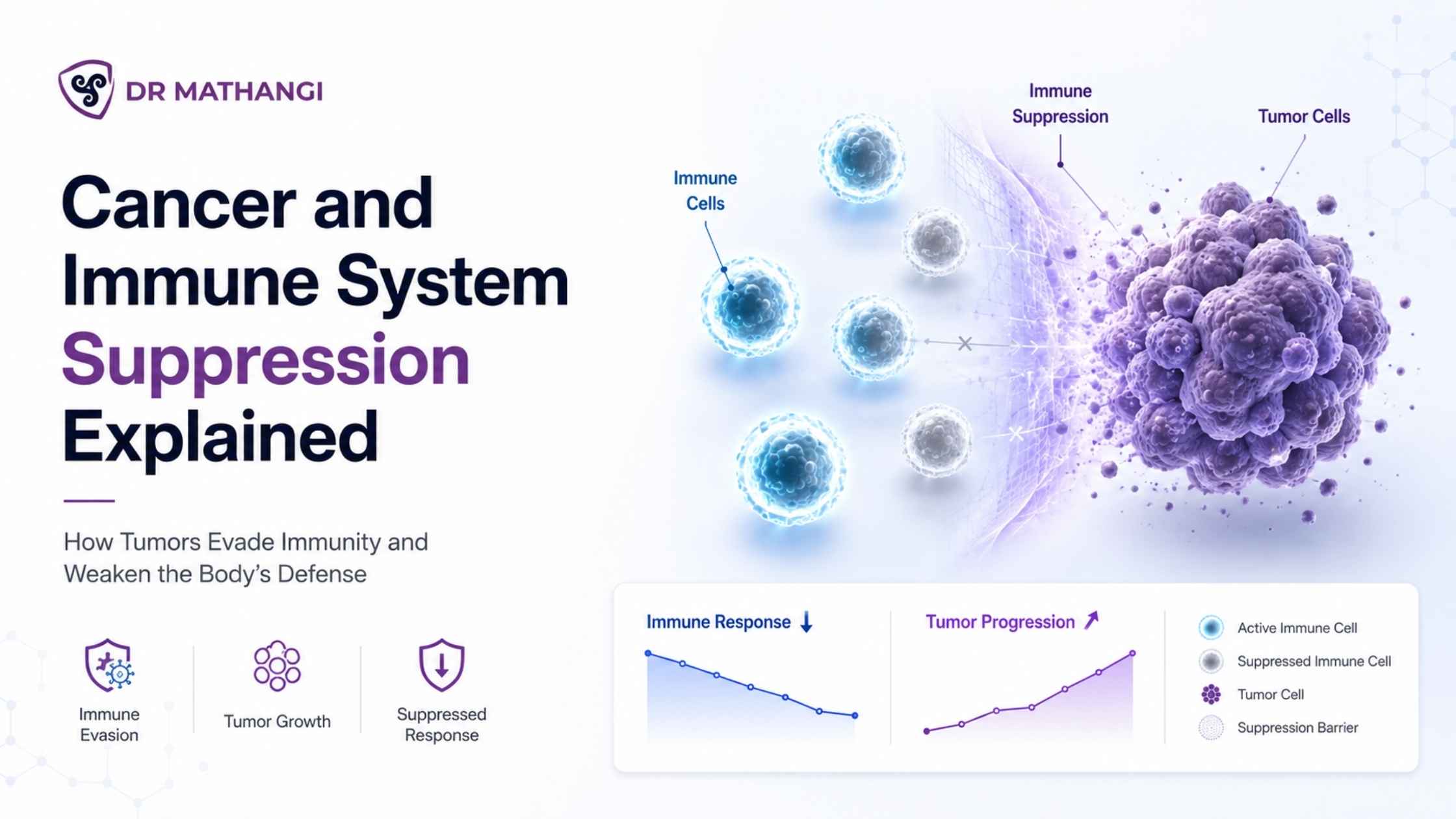
Did you know? According to the World Health Organization, cancer is responsible for nearly 10 million deaths annually, and its impact goes far beyond the tumor itself. One of the most critical but less understood aspects is cancer immune suppression—a process by which cancer weakens the body’s natural defenses, making recovery and treatment more challenging. In this comprehensive guide, Dr Mathangi, Senior Consultant & In-charge of Radiation Oncology at Gleneagles Cancer Institute, Bangalore, unravels how cancer affects the immune system, what this means for patients, and why expert care is essential for optimal outcomes.
What Is Cancer Immune Suppression?
Cancer immune suppression refers to the way cancer disrupts and weakens the body’s immune system. In simple terms, the immune system—our body’s defense network—becomes less able to recognize and destroy cancer cells. This suppression can be caused directly by the cancer itself, by certain treatments, or by a combination of both. As a result, patients face increased risks of infections, treatment complications, and even poorer outcomes if not managed expertly.
How Does Cancer Cause Immune Suppression?
- Direct Tumor Effects: Some cancers produce substances that inhibit immune cell activity or “hide” from immune detection.
- Bone Marrow Involvement: Certain cancers, like leukemia or lymphomas, invade the bone marrow and reduce the production of vital immune cells.
- Treatment Side Effects: Chemotherapy, radiation, and steroids can all depress immune function, making the body more vulnerable.
Why Is Cancer Immune Suppression Dangerous?
Cancer immune suppression increases the likelihood of secondary infections, delays recovery, and can lower the success rate of treatments. For patients undergoing intensive therapies, a suppressed immune system means even minor infections can become life-threatening emergencies.
What Are The Signs Of Weak Immunity Cancer?
Weak immunity cancer manifests with increased susceptibility to infections, slow wound healing, persistent fatigue, and poor treatment response. Patients often report frequent fevers, mouth sores, or skin infections—warning signals that the immune system is underperforming due to cancer’s effects.
Recognizing Weak Immunity Cancer: Key Symptoms
- Recurrent infections (respiratory, urinary, or skin)
- Unusual tiredness
- Prolonged recovery from common illnesses
- Persistent low-grade fever
- Slow healing after surgery or injury
How Does Cancer Cause WBC Reduction?
WBC reduction is a significant concern in cancer care. White blood cells (WBCs) are the immune warriors fighting infections. Both cancer and its treatments—especially chemotherapy and radiation—can damage bone marrow, leading to a drop in WBC count (a condition called leukopenia).
Consequences Of WBC Reduction
- Higher risk of bacterial, viral, and fungal infections
- Potential for delayed or interrupted cancer treatments
- Longer hospital stays and increased morbidity
What Are The Tumor Immunity Effects?
Tumor immunity effects describe how tumors manipulate the body’s immune response to their advantage. Tumors can:
- Release chemicals that suppress immune cell activity
- Attract regulatory T-cells that “turn off” immune responses
- Alter antigen presentation, making them invisible to immune cells
These effects not only help cancer evade detection but also create an environment where infections thrive and recovery slows down.
Which Cancers Need Radiation Therapy And Why?
Radiation therapy (RT) plays a pivotal role in controlling cancer and minimizing immune suppression when expertly managed. Dr Mathangi specializes in RT for the following cancers:
- Head and neck cancers
- Brain tumors
- Spine tumors
- Esophagus and rectal cancers
- Lung cancers
- Liver cancers
- Breast cancers
- Bladder cancers
- Prostate cancers
- Uterine cancers
- Cervical cancer
- Vulval cancers
- Anal canal cancers
- Penile cancers
Each of these cancers can produce significant immune suppression if left unchecked. Timely and precise radiation therapy can control tumor growth, reduce immune suppression, and improve patient outcomes dramatically.
How Does Expert Care Help Manage Cancer Immune Suppression?
The key to overcoming cancer immune suppression lies in expert, personalized care. Here’s how Dr Mathangi ensures patient safety and optimal outcomes:
- Comprehensive Assessment: Every patient is evaluated for baseline immunity, risk of WBC reduction, and tumor immunity effects.
- Advanced Radiation Techniques: Use of Stereotactic Radiotherapy, Gated RapidArc, and DIBH minimizes collateral damage to healthy tissues and preserves immune function.
- Close Monitoring: Regular blood counts and infection monitoring allow for early intervention.
- Supportive Care: Preventive antibiotics, growth factors to boost WBCs, and nutritional support help maintain immunity.
What Steps Can Patients Take To Protect Their Immunity During Cancer?
While expert medical care is crucial, patients can also take active steps to reduce the risks of immune suppression:
- Maintain strict hygiene and avoid crowded places
- Follow vaccination schedules as advised by your oncologist
- Eat a balanced, protein-rich diet to support blood cell production
- Report any signs of infection to your doctor immediately
- Stay compliant with all prescribed treatments and medications
How To Choose The Right Cancer Specialist For Immune Suppression Management?
When it comes to cancer immune suppression, experience matters. Dr Mathangi brings:
- Over 20 years of oncology expertise
- Advanced training from world-renowned centers in Germany and Denmark
- A record of 12,000+ patients successfully treated with modern radiotherapy
- Leadership in pioneering technologies, including Asia Pacific’s first TrueBeam STx Machine
- Personalized care for complex cancers across South and North India
Choosing a specialist like Dr Mathangi ensures that every aspect of your care, from managing weak immunity cancer to addressing WBC reduction and tumor immunity effects, is handled with world-class precision.
Why Book Your Consultation With Dr Mathangi?
- Expertise you can trust: Decades of focused experience in radiation oncology.
- Cutting-edge care: Access to the latest and safest radiotherapy techniques.
- Holistic approach: Complete immune monitoring and personalized supportive care.
Don’t risk your health with generalized cancer care. Experience the difference of specialized, evidence-based treatment tailored for your unique needs.
To book an appointment: Submit your contact details at this form. Dr Mathangi’s team will schedule your consultation and notify you promptly.
Table: Cancer Types, Treatment, And Immune Suppression Risk
| Cancer Type | Common Treatment | Immune Suppression Risk |
|---|---|---|
| Head and neck | Radiation, Chemotherapy | High (due to mucosal barrier injury and WBC reduction) |
| Brain & Spine Tumors | Radiation, Surgery | Moderate to High (especially with steroids) |
| Lung Cancer | Radiation, Chemotherapy | High (lung infections common) |
| Breast, Prostate, Cervix | Radiation, Hormone therapy | Moderate (site-specific immune effects) |
| Liver, Bladder, Anal Canal | Radiation, Surgery | Moderate |
About Dr Mathangi J
Dr Mathangi J is a Senior Radiation Oncologist and In-charge of Gleneagles Cancer Institute in Bangalore, India. With an MBBS, DMRT, and DNB, she brings over 20 years of experience and has treated more than 12,000 patients. Trained at leading institutions in Chennai, Germany, and Denmark, she specializes in advanced radiation techniques including Stereotactic Ablative Body Radiotherapy, Gated RapidArc, and image-guided Interstitial Brachytherapy. Dr Mathangi is recognized as a pioneer in her field, both for her clinical skill and her leadership in introducing new technologies like the TrueBeam STx Machine to Asia Pacific.
Her clinical expertise covers Head and Neck, Prostate, Brain, Lung, and Women’s Cancers, making her a trusted name in cancer care for patients across South and North India.
For more details, visit drmathangi.com or follow her on Facebook and Instagram.
Frequently Asked Questions
What is cancer immune suppression and why does it happen?
Cancer immune suppression refers to the process by which cancer cells evade or weaken the body’s natural immune response. Tumors can produce certain substances that suppress immune cell activity, making it harder for your body to recognize and destroy cancer cells. This is a key reason why some cancers can progress even when the immune system is otherwise healthy.
How does weak immunity affect cancer progression?
Weak immunity cancer situations arise when the immune system is unable to mount a strong defense against abnormal cell growth. This can allow tumors to grow unchecked and may reduce the effectiveness of certain treatments. Maintaining a strong immune system is therefore crucial for better outcomes in cancer care.
What is WBC reduction and how is it related to cancer?
WBC reduction refers to a decrease in white blood cell (WBC) count, which is common during cancer treatments such as chemotherapy and radiation. White blood cells are essential for fighting infections. A reduced WBC count can make patients more susceptible to infections and slow down recovery, so monitoring and managing WBC levels is an important part of cancer care.
What are tumor immunity effects and how do they impact treatment?
Tumor immunity effects refer to the ways in which a tumor interacts with and sometimes manipulates the immune system. Some tumors can hide from or actively suppress immune cells, making it more challenging for treatments to work effectively. Understanding these effects allows doctors like Dr. Mathangi to tailor therapies that can overcome these immune barriers.
How does Dr. Mathangi help restore immune function during cancer treatment?
Dr. Mathangi employs a holistic and evidence-based approach to support the immune system during cancer treatment. This may include nutritional guidance, personalized exercise plans, stress management, and specific interventions to boost white blood cell production. Her integrative strategies are designed to help patients better tolerate treatments and recover faster.
Are there natural ways to support immunity when dealing with cancer?
Yes, Dr. Mathangi recommends several natural strategies such as maintaining a balanced diet rich in antioxidants, regular moderate exercise, adequate sleep, and stress reduction techniques. These lifestyle modifications can help support immune function and overall well-being, especially when facing cancer immune suppression.
Can immune suppression caused by cancer treatments be reversed?
In many cases, immune suppression from cancer therapies can be managed and partially reversed with timely interventions. Dr. Mathangi works closely with each patient to monitor blood counts and immune function, adjusting treatments and recommending supportive care as needed to help the immune system recover.
How do I know if my immune system is weak due to cancer?
Signs of weak immunity cancer patients may experience include frequent infections, slow wound healing, persistent fatigue, and low white blood cell counts revealed in blood tests. If you notice these symptoms, it’s important to consult with a specialist like Dr. Mathangi for a comprehensive evaluation and personalized care plan.
What is Dr. Mathangi’s approach to overcoming tumor-induced immune suppression?
Dr. Mathangi combines advanced medical therapies with integrative care to target tumor immunity effects. She may recommend immunomodulatory drugs, nutritional support, and lifestyle changes that are tailored to each patient’s unique needs. Her goal is to empower the immune system to recognize and fight cancer cells more effectively.