AI in Cancer Prognosis: Predicting Treatment Outcomes

According to studies published in global oncology journals, artificial intelligence models can improve cancer diagnosis and prediction accuracy by more than 30% in certain cancer care workflows. This remarkable advancement is reshaping how oncologists evaluate treatment plans, estimate recovery possibilities, and improve patient outcomes. Today, AI Cancer Prognosis is becoming one of the most transformative developments in modern oncology, helping specialists like Dr Mathangi provide highly personalized and data-driven cancer care.

For many patients and families, one of the most emotionally overwhelming questions after a cancer diagnosis is, “Will this treatment work?” Traditional treatment planning has always relied on imaging, pathology, clinical judgment, and patient history. While these methods remain essential, the introduction of oncology data analytics and machine learning tools now allows doctors to identify hidden patterns that human analysis alone may miss.

Under the leadership of Dr Mathangi J, Senior Consultant & In-charge - Radiation Oncology at Gleneagles Cancer Institute, Bangalore, advanced radiation oncology is being combined with modern predictive technologies to improve treatment precision. With more than 20 years of expertise and over 12,000 successfully treated patients, Dr Mathangi continues to integrate innovation with compassionate care for patients battling complex cancers.

What is AI Cancer Prognosis and why is it important?

AI Cancer Prognosis refers to the use of artificial intelligence systems to analyze patient data, tumor behavior, imaging scans, genetic profiles, and treatment responses to estimate how cancer may progress and how patients may respond to specific therapies.

The importance of this technology lies in its ability to support faster, more personalized, and more accurate medical decisions. Instead of relying solely on generalized treatment pathways, doctors can now use predictive insights to tailor therapies based on the individual characteristics of each patient.

  • Predict likely treatment response
  • Identify high-risk cancer progression
  • Improve radiation therapy planning
  • Support personalized oncology care
  • Reduce unnecessary treatment exposure
  • Enhance long-term monitoring strategies

For patients, this means greater confidence in treatment planning and potentially better outcomes. For oncologists like Dr Mathangi, it means access to deeper clinical insights that can strengthen therapeutic decision-making.

How does cancer survival prediction AI improve treatment planning?

cancer survival prediction AI helps doctors estimate how likely a patient is to respond positively to a treatment plan based on clinical patterns observed in thousands of previous cases.

Advanced AI systems process enormous volumes of medical data, including:

  • Tumor size and location
  • Histopathology reports
  • Genetic mutations
  • Radiology imaging
  • Previous treatment response patterns
  • Patient age and overall health
  • Radiation sensitivity markers

This level of analysis can help determine whether aggressive treatment, targeted therapy, radiation, or combined treatment modalities may offer the best chance of success.

Dr Mathangi’s expertise in advanced radiation oncology techniques such as SBRT, Gated RapidArc, DIBH gated Radiotherapy, and image-guided Interstitial Brachytherapy positions patients to benefit from modern precision-focused oncology approaches. These techniques become even more impactful when integrated with intelligent predictive systems.

Why are oncology data analytics changing modern cancer care?

oncology data analytics is revolutionizing cancer treatment because it converts complex clinical information into actionable medical insights that can guide personalized care.

Cancer treatment today involves massive amounts of information. Every scan, biopsy, blood marker, pathology report, and treatment response contributes to a growing database of knowledge. AI-driven systems can process this information at extraordinary speed and identify meaningful trends that may influence outcomes.

This is particularly valuable in cancers that require highly precise radiation therapy planning, including:

  • Head and neck cancers
  • Brain tumors
  • Spine tumors
  • Lung cancers
  • Liver cancers
  • Breast cancers
  • Bladder cancers
  • Prostate cancers
  • Uterine cancers
  • Cervical cancer
  • Vulval cancers
  • Anal canal cancers
  • Penile cancers
  • Esophagus and rectal cancers

Radiation oncology requires extreme accuracy because healthy tissues surrounding tumors must be protected while maximizing tumor destruction. By combining oncology data analytics with advanced radiation delivery systems, treatment can become safer, more targeted, and potentially more effective.

How does treatment outcome prediction benefit cancer patients?

treatment outcome prediction helps oncologists forecast how patients may respond to treatment, enabling more informed and personalized medical decisions.

One of the greatest fears cancer patients experience is uncertainty. Patients often wonder:

  • Will the treatment work?
  • Will side effects be manageable?
  • Will radiation damage nearby organs?
  • Is recurrence likely?
  • Am I receiving the best available treatment?

Modern predictive technologies can help answer these concerns more accurately by combining clinical expertise with intelligent computational analysis. This does not replace an oncologist’s judgment. Instead, it strengthens clinical confidence through evidence-backed insights.

At Gleneagles Cancer Institute, Dr Mathangi focuses on precision-driven oncology care that aligns advanced medical technology with individualized treatment planning. Her extensive international training in Germany and Denmark enables her to bring globally recognized radiotherapy techniques into patient care in India.

What makes Dr Mathangi a trusted expert in advanced cancer care?

Dr Mathangi J is one of the most experienced radiation oncologists in Bangalore, recognized for combining clinical expertise, innovation, and patient-centered care.

Her professional achievements reflect decades of commitment to advancing oncology treatment:

  • Over 20 years of experience in radiation oncology
  • More than 12,000 successfully treated patients
  • Director of Fellowship in Advanced Radiotherapy techniques affiliated with RGUHS
  • Advanced international training in stereotactic radiotherapy and IGRT
  • Installed Asia Pacific’s first TrueBeam STx Machine
  • Specialized expertise in complex cancer management

Patients seeking advanced oncology care often realize that timely access to experienced specialists can make a meaningful difference in treatment outcomes. Delaying expert evaluation may reduce opportunities for highly targeted intervention strategies that modern cancer care now makes possible.

This is why many patients across South India and North India increasingly seek consultation with specialists who understand both technological innovation and personalized treatment planning.

How is artificial intelligence supporting radiation oncology?

Artificial intelligence is helping radiation oncologists improve tumor targeting accuracy, reduce radiation exposure to healthy tissues, and optimize treatment delivery.

Radiation oncology has evolved dramatically over the past decade. Traditional methods have now been enhanced by technologies capable of:

  1. Mapping tumors with greater precision
  2. Predicting radiation response patterns
  3. Adjusting dosage recommendations
  4. Monitoring treatment effectiveness
  5. Identifying recurrence risks earlier
  6. Improving adaptive treatment planning

For cancers involving sensitive anatomical regions such as the brain, head and neck, lungs, prostate, and cervix, precision becomes critically important. Even millimeter-level accuracy can influence both effectiveness and quality of life outcomes.

Dr Mathangi’s expertise in image-guided radiotherapy and stereotactic radiation techniques allows patients to access some of the most sophisticated treatment methodologies available today.

Can AI improve personalized cancer treatment?

Yes. AI-driven systems are increasingly helping oncologists create individualized treatment plans based on unique patient characteristics rather than generalized treatment models.

Every cancer behaves differently. Even patients with the same cancer type may respond differently to identical therapies. Personalized oncology aims to understand:

  • Genetic variations
  • Tumor biology
  • Treatment tolerance
  • Radiation sensitivity
  • Likelihood of recurrence
  • Expected recovery patterns

This shift toward precision medicine is changing how cancer care is delivered globally. Patients no longer want generic treatment experiences. They want highly individualized care led by specialists who understand advanced oncology innovation.

By combining compassionate clinical judgment with evolving predictive technologies, Dr Mathangi continues to help patients navigate some of the most challenging moments of their lives with greater clarity and confidence.

Why early expert intervention matters in cancer prognosis

Early evaluation by an experienced radiation oncologist can significantly influence treatment planning, disease control, and long-term prognosis.

Many patients lose valuable time because symptoms are ignored or treatment decisions are delayed. Unfortunately, cancer progression does not wait. The earlier a comprehensive oncology assessment is performed, the more opportunities exist for precision-targeted interventions.

Advanced technologies such as AI Cancer Prognosis and cancer survival prediction AI are most effective when integrated early in the treatment planning process. Early-stage intervention often allows:

  • More precise tumor targeting
  • Lower radiation exposure to healthy tissues
  • Improved treatment tolerability
  • Potentially higher control rates
  • Better long-term quality of life

Patients who proactively seek specialized oncology consultation often gain access to more advanced treatment pathways that may not always be available in generalized care settings.

About Dr Mathangi

Dr Mathangi J is a Senior Consultant & In-charge - Radiation Oncology at Gleneagles Cancer Institute, Bangalore. She specializes in advanced radiation oncology and precision cancer treatment for head and neck cancers, brain tumors, lung cancers, prostate cancers, breast cancers, cervical cancer, uterine cancers, and several other complex malignancies.

Her approach combines cutting-edge technology with individualized patient care, ensuring that treatment strategies are guided by both scientific precision and compassionate understanding. Her international training, extensive clinical experience, and commitment to advanced oncology innovation have positioned her among the respected names in modern radiation oncology.

Patients seeking consultation with Dr Mathangi can submit their contact details through the appointment form available at:

https://drmathangi.com/contact/

Following submission, Dr Mathangi’s team will schedule the appointment and notify the patient accordingly.

Conclusion

The future of cancer care is increasingly being shaped by intelligent technologies that improve precision, personalization, and predictive accuracy. AI Cancer Prognosis, oncology data analytics, cancer survival prediction AI, and treatment outcome prediction are no longer distant innovations—they are actively influencing how modern oncology care is delivered.

Patients today have access to advanced treatment possibilities that were unimaginable only a decade ago. However, technology alone is not enough. The true advantage comes when these innovations are guided by the expertise of highly experienced specialists like Dr Mathangi, whose commitment to precision oncology continues to help patients pursue better outcomes with confidence and hope.

Frequently Asked Questions

What is AI Cancer Prognosis and how is it changing cancer care?

AI Cancer Prognosis refers to the use of artificial intelligence tools to evaluate patient data, imaging, pathology reports, genetic markers, and treatment histories in order to estimate how a cancer may progress and how a patient may respond to therapy. Instead of relying only on traditional clinical observations, AI systems can process large volumes of information quickly and identify subtle patterns that may otherwise go unnoticed.

In modern oncology practice, this technology supports earlier intervention, more accurate risk assessment, and personalized treatment planning. Dr. Mathangi integrates evidence-based diagnostic evaluation with advanced analytical approaches to help patients better understand their treatment pathways and expected outcomes.

How does cancer survival prediction AI help doctors and patients?

cancer survival prediction AI helps clinicians estimate survival probabilities by analyzing clinical records, tumor characteristics, molecular data, and patient response trends from similar cases. These systems are designed to support clinical judgment by offering additional predictive insights that can guide treatment selection and follow-up planning.

For patients, this can provide greater clarity about expected treatment progress, possible complications, and long-term management strategies. Dr. Mathangi focuses on translating complex predictive findings into understandable discussions so patients and families can make informed healthcare decisions with confidence.

What role does oncology data analytics play in cancer prognosis?

oncology data analytics plays a major role in identifying trends across large cancer datasets. By evaluating laboratory findings, imaging reports, genomic information, and treatment responses, healthcare teams can detect meaningful correlations that support more personalized care planning.

These insights may help determine which therapies are more likely to work for specific patient profiles, which side effects may require closer monitoring, and how disease progression could change over time. Dr. Mathangi emphasizes a patient-centered approach where data-driven insights are combined with clinical expertise and compassionate care.

Can AI improve treatment outcome prediction for cancer patients?

Yes, AI technologies are increasingly being used for treatment outcome prediction in oncology. Machine learning models can compare patient-specific data with outcomes from thousands of previous cases to estimate how likely a patient is to benefit from chemotherapy, immunotherapy, radiation therapy, or targeted treatment.

While no predictive model can guarantee a specific outcome, these tools can help physicians make more informed recommendations and adapt treatment plans more efficiently when conditions change. Dr. Mathangi uses comprehensive clinical evaluation alongside evolving predictive technologies to support individualized cancer management strategies.

Is AI-based cancer prognosis suitable for all cancer types?

AI-based prognosis tools are being developed and refined for many cancer types, including breast cancer, lung cancer, colorectal cancer, prostate cancer, and blood-related malignancies. However, the effectiveness of predictive systems depends on the quality of available clinical data, imaging accuracy, and the specific characteristics of each cancer subtype.

Dr. Mathangi carefully evaluates whether predictive modeling tools are appropriate for each patient’s condition and combines these insights with detailed clinical examinations, pathology interpretation, and ongoing monitoring throughout treatment.

How accurate are AI-driven cancer outcome predictions?

AI-driven prediction systems have shown promising accuracy in many research studies and clinical applications, particularly when large and well-structured datasets are available. These tools can identify complex relationships between biomarkers, imaging patterns, and patient outcomes that may not be immediately obvious through traditional analysis alone.

However, predictive accuracy can vary depending on the cancer type, stage, and available patient information. AI tools are best used as supportive clinical aids rather than replacements for physician expertise. Dr. Mathangi ensures that every prognosis assessment includes thorough medical interpretation and personalized consultation.

How does Dr. Mathangi use advanced technologies in patient care?

Dr. Mathangi combines advanced diagnostic evaluation, evidence-based oncology practices, and evolving predictive technologies to support individualized treatment planning. This includes reviewing imaging studies, pathology findings, biomarker analysis, and AI-assisted insights when clinically appropriate.

The goal is not simply to use technology for automation, but to improve patient understanding, streamline treatment decisions, and provide more personalized care recommendations. Patients benefit from a balanced approach that integrates modern innovation with compassionate medical guidance.

Why is personalized cancer prognosis important for long-term treatment planning?

Personalized prognosis helps patients and healthcare providers prepare for the likely course of treatment based on individual health factors rather than generalized averages. By understanding expected responses, recurrence risks, and potential complications, clinicians can develop more targeted follow-up schedules and supportive care plans.

Advanced predictive methods, including AI-supported analysis, can help identify treatment opportunities earlier and support better coordination across oncology teams. Dr. Mathangi prioritizes personalized communication and patient education so individuals feel informed and supported throughout every stage of cancer care.


SBRT for Lung Cancer: Latest Precision Treatment

According to the World Health Organization, lung cancer remains one of the leading causes of cancer-related deaths worldwide, accounting for nearly 1.8 million deaths annually. Yet modern radiation oncology is rapidly changing survival outcomes through highly targeted therapies like SBRT Lung Cancer 2026. For many patients who once believed surgery was their only hope, advanced precision radiation now offers a safer, faster, and remarkably effective path toward recovery.

For patients and families navigating the fear, uncertainty, and emotional burden of lung cancer, choosing the right specialist can significantly influence outcomes. Dr Mathangi J, Senior Consultant and In-charge of Radiation Oncology at Gleneagles Cancer Institute, Bangalore, brings more than 20 years of expertise in advanced radiation techniques and has successfully treated over 12,000 patients. Her experience with sophisticated technologies such as TrueBeam STx, IGRT, RapidArc, and stereotactic treatments positions her among the leading experts in precision cancer care in India.

What is SBRT for lung cancer?

SBRT for lung cancer is an advanced form of high-precision radiation therapy that delivers extremely focused doses of radiation directly to lung tumors while minimizing exposure to healthy surrounding tissues. This treatment is particularly valuable for early-stage lung cancers, medically inoperable patients, and selected metastatic lesions.

Unlike conventional radiation that may require several weeks of treatment, SBRT typically completes therapy in three to five highly targeted sessions. The precision of this technology allows oncologists to destroy cancer cells with extraordinary accuracy while reducing damage to nearby organs such as the heart, esophagus, and healthy lung tissue.

The evolution of stereotactic body radiotherapy lung treatment has transformed the management of lung cancers by offering:

  • Shorter treatment duration
  • Higher precision radiation delivery
  • Reduced hospital visits
  • Improved patient comfort
  • Lower risk of complications
  • Better preservation of lung function
  • Excellent tumor control rates

Why is precision important in lung tumor radiation?

Precision in radiation oncology directly impacts treatment effectiveness and patient safety. Lung tumors move naturally during breathing, making accurate targeting one of the biggest challenges in radiation therapy. Even slight movement can affect treatment delivery if advanced technologies are not used.

This is where Dr Mathangi’s expertise becomes especially important. Her advanced international training in stereotactic techniques from Germany and IGRT/RapidArc from Denmark allows her to deliver highly accurate lung tumor radiation with sophisticated image guidance and respiratory motion management.

At Gleneagles Cancer Institute, cutting-edge systems continuously track tumor positioning during treatment. This enables:

  1. Sub-millimeter precision targeting
  2. Reduced radiation exposure to healthy tissues
  3. Safer treatment near critical organs
  4. Improved treatment outcomes
  5. Lower risk of side effects

Patients often underestimate how important this level of precision truly is. In lung cancer care, precision does not simply improve convenience; it can directly influence tumor control, breathing function, and long-term quality of life.

Who is eligible for non-surgical lung cancer treatment?

Many patients diagnosed with lung cancer may not be ideal candidates for surgery due to age, reduced lung function, cardiac conditions, or other medical concerns. In such cases, non-surgical lung cancer treatment using SBRT can offer excellent outcomes with minimal disruption to daily life.

SBRT is often recommended for:

  • Early-stage non-small cell lung cancer
  • Patients medically unfit for surgery
  • Elderly patients seeking less invasive treatment
  • Patients with small localized lung tumors
  • Selected metastatic lung lesions
  • Patients requiring shorter treatment schedules

For many individuals, discovering that surgery may not be necessary brings enormous emotional relief. Traditional thoracic surgery can involve hospitalization, prolonged recovery, postoperative pain, and respiratory complications. SBRT changes this narrative by allowing many patients to return home the same day after treatment.

How does stereotactic body radiotherapy lung treatment work?

The process of stereotactic body radiotherapy lung treatment involves detailed imaging, motion tracking, and highly customized radiation planning. Every treatment is individually designed based on the patient’s anatomy, tumor size, and breathing patterns.

Initial consultation and evaluation

Dr Mathangi begins with a thorough review of imaging studies, pathology reports, pulmonary function, and overall health status. The goal is to determine whether SBRT is the most effective and safest treatment strategy.

Advanced imaging and simulation

A planning CT scan is performed to map the tumor precisely. Motion management technologies help account for breathing-related tumor movement.

Personalized treatment planning

Sophisticated software calculates how radiation beams should be shaped and delivered to maximize tumor destruction while protecting nearby tissues.

Precision treatment delivery

Treatment sessions are painless and usually completed within 30 to 60 minutes. Advanced image guidance ensures accurate targeting before every session.

What makes Dr Mathangi different in advanced radiation oncology?

Experience, technology, and precision matter profoundly in cancer treatment. Dr Mathangi combines all three at an exceptional level.

She is internationally trained in advanced stereotactic radiation techniques and has extensive experience managing complex cancers including:

  • Head and neck cancers
  • Brain tumors
  • Spine tumors
  • Lung cancers
  • Liver cancers
  • Breast cancers
  • Bladder cancers
  • Prostate cancers
  • Uterine cancers
  • Cervical cancer
  • Anal canal cancers
  • Penile cancers

Her installation of Asia Pacific’s first TrueBeam STx Machine reflects her commitment to delivering globally advanced cancer care in India. This technology enables ultra-precise radiation treatments with remarkable speed and accuracy.

Patients seeking SBRT Lung Cancer 2026 solutions often search extensively before making a decision. Many discover too late that not all radiation oncology centers possess the same expertise, planning accuracy, or motion-management capabilities. Choosing an experienced radiation oncologist at the beginning of treatment can significantly influence outcomes and reduce unnecessary complications.

What are the benefits of SBRT compared to conventional radiation?

SBRT offers several advantages over traditional radiation therapy, especially for carefully selected lung cancer patients.

SBRT Conventional Radiation
3–5 treatment sessions 20–35 treatment sessions
Highly focused radiation beams Broader radiation exposure
Minimal interruption to daily life Longer treatment schedules
Lower exposure to healthy tissue Higher exposure to surrounding organs
Advanced image guidance Less precise targeting
Potentially fewer side effects Higher cumulative radiation exposure

For patients already overwhelmed by a cancer diagnosis, fewer treatment visits and faster recovery can dramatically reduce emotional and physical stress.

How safe is lung tumor radiation using SBRT?

When performed by experienced specialists using modern technology, lung tumor radiation with SBRT is considered highly safe and effective. Side effects are generally manageable and may include mild fatigue, temporary cough, or mild chest discomfort.

The safety profile improves significantly when advanced technologies such as:

  • Image-guided radiotherapy (IGRT)
  • Respiratory gating
  • RapidArc technology
  • TrueBeam STx systems
  • Motion management protocols

are used under expert supervision.

Dr Mathangi’s extensive experience in precision radiation oncology helps minimize unnecessary radiation exposure and optimize patient safety throughout the treatment journey.

Why are more patients choosing non-surgical lung cancer treatment in 2026?

Modern cancer care is increasingly shifting toward minimally invasive and patient-friendly therapies. The growing demand for non-surgical lung cancer treatment reflects changing patient priorities:

  • Reduced hospitalization
  • Faster recovery
  • Lower procedural risk
  • Better quality of life
  • Shorter treatment timelines
  • Advanced precision technologies

Patients today are better informed and increasingly aware that advanced radiation oncology can achieve outstanding outcomes without invasive surgery in selected cases.

Unfortunately, some individuals delay consultation because symptoms appear mild or manageable initially. Lung cancer, however, can progress silently. Early evaluation dramatically improves treatment possibilities and long-term outcomes. Timely consultation with a specialist like Dr Mathangi can make the difference between limited and expanded treatment options.

About Dr Mathangi

Dr Mathangi J is a Senior Consultant and In-charge of Radiation Oncology at Gleneagles Cancer Institute, Bangalore. With over two decades of experience and more than 12,000 successfully treated patients, she is recognized for excellence in precision radiation oncology and advanced stereotactic treatments.

She completed her DMRT at Madras Medical College, Chennai, followed by DNB residency training at Apollo Cancer Specialty Hospital, Chennai. Her advanced international training includes:

  • Stereotactic techniques (SRS/SBRT) from Klinikum Frankfurt (Oder), Germany
  • IGRT/RapidArc from Copenhagen University Hospital, Denmark
  • Intraoperative radiotherapy training from 4EIEVSEN

Dr Mathangi currently heads the radiation oncology department at her center and serves as Director of Fellowship in Advanced Radiotherapy Techniques affiliated with RGUHS.

How to book an appointment with Dr Mathangi

Patients seeking advanced precision radiation oncology and expert-guided stereotactic body radiotherapy lung treatment can schedule an appointment through the official contact page on Dr Mathangi’s website.

To book a consultation:

  1. Visit https://drmathangi.com/contact/
  2. Submit your contact information
  3. Dr Mathangi’s team will review your request
  4. You will receive appointment confirmation and scheduling details

Choosing the right radiation oncologist is one of the most important decisions a lung cancer patient will ever make. Expertise, technology, planning precision, and clinical judgment all matter enormously. For patients searching for advanced SBRT Lung Cancer 2026 treatment solutions, Dr Mathangi’s combination of international training, advanced technology access, and extensive clinical experience offers reassurance during one of life’s most difficult journeys.

Frequently Asked Questions

What is SBRT and how does it help treat lung cancer?

SBRT, or stereotactic body radiotherapy lung treatment, is a highly advanced form of radiation therapy designed to target lung tumors with exceptional precision. Unlike traditional radiation schedules that may require several weeks of treatment, SBRT delivers concentrated doses in fewer sessions while minimizing exposure to healthy tissue.

For patients diagnosed with early-stage lung cancer or limited metastatic disease, this technique can provide excellent tumor control with fewer interruptions to daily life. Dr. Mathangi carefully evaluates imaging, tumor location, breathing motion, and overall health before recommending SBRT Lung Cancer 2026 treatment plans tailored to each patient’s condition.

Who is considered a suitable candidate for SBRT?

SBRT is often recommended for patients with small, localized lung tumors who may not be ideal candidates for surgery because of age, reduced lung function, cardiac concerns, or other medical conditions. It is also considered for selected recurrent tumors or oligometastatic disease.

Dr. Mathangi conducts a comprehensive assessment that includes PET scans, CT imaging, pulmonary evaluation, and prior treatment history to determine whether non-surgical lung cancer treatment through SBRT is the most effective and safest option.

How is SBRT different from conventional lung tumor radiation?

Traditional lung tumor radiation usually involves lower daily doses delivered over several weeks. SBRT, on the other hand, uses highly focused beams and advanced imaging guidance to administer stronger doses in a shorter timeframe while protecting nearby organs and healthy lung tissue.

The precision of SBRT allows better targeting accuracy, especially for small tumors that move during breathing. Under Dr. Mathangi’s supervision, patients benefit from detailed treatment planning, respiratory motion management, and image-guided radiation delivery for improved precision and comfort.

How many treatment sessions are usually required for SBRT?

Most SBRT protocols are completed in three to five treatment sessions, although the exact number depends on tumor size, location, and the patient’s overall health. Because the radiation dose is highly concentrated, fewer visits are generally needed compared to conventional therapy.

During consultation, Dr. Mathangi explains the complete schedule, expected outcomes, and follow-up imaging timeline so patients understand every stage of the treatment journey. Many patients appreciate the shorter treatment duration and faster return to daily routines.

What are the advantages of choosing SBRT as a non-surgical option?

One of the biggest advantages of non-surgical lung cancer treatment using SBRT is that it avoids surgical incisions and lengthy hospital recovery. Patients often experience less physical strain, minimal downtime, and lower risk of complications compared to invasive procedures.

SBRT may also preserve lung function more effectively in suitable candidates. Dr. Mathangi focuses on precision-driven care that balances tumor control with quality of life, helping patients receive effective therapy while maintaining daily comfort and independence.

Are there side effects associated with SBRT treatment?

Most patients tolerate SBRT well, but some may experience mild fatigue, temporary cough, chest discomfort, or skin irritation. Rarely, inflammation in the lungs or nearby tissues can occur depending on tumor location and previous treatments.

Dr. Mathangi closely monitors patients throughout the treatment process and during follow-up visits to identify and manage side effects early. Advanced planning techniques help reduce unnecessary radiation exposure to surrounding healthy structures.

How effective is SBRT for early-stage lung cancer?

Clinical studies have shown excellent local tumor control rates for early-stage lung cancer treated with SBRT. In many medically inoperable patients, outcomes can be highly favorable, especially when the disease is detected early and treated promptly.

Dr. Mathangi uses evidence-based protocols, precision imaging, and individualized treatment strategies to optimize outcomes for patients receiving stereotactic body radiotherapy lung therapy. Regular follow-up imaging is performed after treatment to assess tumor response and long-term disease control.

What should patients expect during consultation and follow-up with Dr. Mathangi?

During the initial consultation, Dr. Mathangi reviews diagnostic reports, explains treatment options in detail, and discusses whether SBRT is appropriate for the patient’s condition. Patients receive guidance about simulation scans, treatment positioning, expected outcomes, and post-treatment monitoring.

Follow-up care remains an essential part of the process. Imaging studies and clinical evaluations are scheduled periodically to monitor healing, assess treatment response, and support long-term lung health after SBRT Lung Cancer 2026 therapy.


Immunotherapy + Radiotherapy Combination: New Cancer Protocols

According to data published by the World Health Organization, cancer remains one of the leading causes of death globally, accounting for millions of deaths every year. What is changing rapidly, however, is the way modern oncology is approaching treatment. One of the most promising breakthroughs today is the Immunotherapy Radiotherapy Combination, a precision-driven approach that helps the immune system identify and attack cancer cells more effectively while radiotherapy precisely targets tumors. Patients who once had limited treatment possibilities are now being evaluated for newer protocols that can significantly improve disease control, symptom relief, and quality of life.

At the forefront of this transformation is Dr Mathangi J, Senior Consultant & In-charge of Radiation Oncology at Gleneagles Cancer Institute, Bangalore. With more than 20 years of experience and over 12,000 successfully treated patients, Dr Mathangi is recognized for bringing highly specialized radiation oncology techniques to patients who require sophisticated, evidence-based care. Her expertise in stereotactic radiation techniques, IGRT, RapidArc, DIBH gated Radiotherapy, and advanced precision therapies has made her one of the most trusted names in oncology care.

What is Immunotherapy Radiotherapy Combination?

The Immunotherapy Radiotherapy Combination refers to a modern oncology protocol in which immunotherapy drugs are used alongside radiation therapy to enhance the body’s immune response against cancer cells. While radiotherapy destroys or damages cancer cells directly, immunotherapy helps the immune system recognize hidden tumor cells that may otherwise escape detection.

This dual-action strategy is becoming increasingly important in modern oncology because cancer treatment today is no longer only about shrinking tumors. It is about improving long-term disease control, reducing recurrence risks, preserving organ function, and supporting better survival outcomes.

Why are oncologists combining immunotherapy with radiation therapy?

Oncologists are increasingly using combined cancer treatment protocols because research has shown that radiation may help expose tumor antigens, making cancer cells more visible to the immune system. This creates an opportunity for immunotherapy drugs to work more effectively.

In simpler terms, radiation therapy can “unmask” cancer cells, while immunotherapy strengthens the body’s ability to attack them. This interaction is one of the major reasons why newer cancer treatment protocols are showing encouraging outcomes in selected patients.

Some important goals of this approach include:

  • Improving local tumor control
  • Reducing cancer recurrence
  • Enhancing immune system response
  • Managing advanced-stage cancers more effectively
  • Supporting better quality of life
  • Delivering precision-focused treatment

What are the radioimmunotherapy benefits for cancer patients?

The major radioimmunotherapy benefits include improved targeting of cancer cells, enhanced immune activation, and the possibility of achieving better outcomes in difficult-to-treat cancers. Many patients also benefit from highly personalized treatment planning that takes into account tumor type, stage, genetics, and overall health condition.

Some of the most discussed radioimmunotherapy benefits in oncology include:

Potential Benefit How It Helps Patients
Enhanced immune response Helps the body recognize cancer cells more effectively
Precision treatment Targets tumors while minimizing damage to healthy tissues
Improved local control Helps reduce tumor progression in selected cancers
Reduced recurrence risk May lower the chances of cancer returning
Organ preservation Supports less invasive treatment planning in some cases

While outcomes vary from patient to patient, the integration of advanced radiation techniques with immunotherapy is opening doors that were unavailable just a decade ago.

Which cancers may benefit from advanced oncology treatment protocols?

Many cancers today are being evaluated for advanced oncology treatment strategies involving radiation therapy and immunotherapy combinations. Dr Mathangi specializes in precision radiation protocols for several cancers requiring sophisticated multidisciplinary planning.

These include:

  • Head and neck cancers
  • Brain tumors
  • Spine tumors
  • Esophagus cancers
  • Rectal cancers
  • Lung cancers
  • Liver cancers
  • Breast cancers
  • Bladder cancers
  • Prostate cancers
  • Uterine cancers
  • Cervical cancer
  • Vulval cancers
  • Anal canal cancers
  • Penile cancers

Each patient requires a highly individualized assessment before deciding whether immunotherapy and radiation should be combined. Factors such as tumor biology, stage, previous treatments, immune profile, and treatment goals are carefully evaluated.

How does precision radiotherapy improve treatment outcomes?

Precision radiotherapy techniques are changing the future of oncology. Traditional radiation methods have evolved significantly, allowing specialists like Dr Mathangi to target tumors with remarkable accuracy while preserving surrounding healthy tissues.

Dr Mathangi’s expertise includes:

  • Stereotactic ablative body radiotherapy (SBRT)
  • Image-guided radiotherapy (IGRT)
  • RapidArc technology
  • DIBH gated Radiotherapy
  • Image-guided Interstitial Brachytherapy
  • Stereotactic radiosurgery (SRS)

These technologies are especially important in cancers located close to critical organs such as the brain, lungs, liver, spine, and pelvis. Greater precision often means:

  • Reduced side effects
  • Improved treatment tolerance
  • Higher treatment accuracy
  • Better preservation of healthy tissues
  • Shorter treatment sessions in some protocols

Why experience matters in combined cancer treatment

Cancer care is becoming increasingly sophisticated. Choosing the right specialist can significantly influence treatment planning, technology access, multidisciplinary coordination, and long-term outcomes.

Dr Mathangi’s career reflects extensive expertise in radiation oncology innovation. She completed advanced international training in:

  • Stereotactic techniques from Klinikum Frankfurt (Oder), Germany
  • IGRT/RapidArc from Copenhagen University Hospital, Denmark
  • Intraoperative radiotherapy (IORT) training

She is also celebrated for installing the Asia Pacific region’s first TrueBeam STx Machine, reinforcing her commitment to introducing world-class oncology technologies in India.

Patients today are more informed than ever before. They understand that modern oncology requires more than routine treatment. They seek:

  • Evidence-based protocols
  • Technology-driven precision
  • Personalized treatment planning
  • Compassionate communication
  • Long-term survivorship strategies

This is exactly where Dr Mathangi’s expertise stands apart.

How does immunotherapy support the immune system against cancer?

Immunotherapy works by helping the immune system recognize and attack cancer cells more effectively. Certain cancers develop mechanisms to “hide” from immune surveillance. Immunotherapy drugs help reactivate the immune system so it can identify these abnormal cells.

When paired with radiation therapy, treatment may become more effective because radiation can trigger immune signaling pathways that make tumor cells more vulnerable to immune attack.

Researchers continue studying how different immunotherapy agents interact with radiation schedules, dose intensities, and tumor biology to optimize outcomes for patients.

What makes advanced oncology treatment different from conventional cancer therapy?

Modern advanced oncology treatment focuses on precision, personalization, and multidisciplinary care rather than relying solely on traditional one-size-fits-all protocols.

Key differences include:

  • Use of genomic and molecular insights
  • Precision-guided radiation technologies
  • Integration of immunotherapy
  • Organ-preserving treatment strategies
  • Advanced imaging and treatment planning
  • Multidisciplinary tumor board discussions

For many patients, these innovations can mean more effective disease management with improved quality of life.

Why delaying expert cancer evaluation can be risky

One of the biggest challenges in oncology is delayed treatment planning. Many patients continue with outdated protocols without realizing that newer options may now exist for their specific cancer type.

The reality is that oncology evolves rapidly. A treatment protocol considered standard a few years ago may now have significantly improved alternatives involving precision radiotherapy, immunotherapy integration, or stereotactic approaches.

Delaying evaluation may lead to:

  • Disease progression
  • Reduced treatment opportunities
  • More complex management later
  • Lower chances of organ preservation
  • Increased emotional and financial stress

This is why consultation with an experienced specialist like Dr Mathangi can become critically important at the right time.

About Dr Mathangi

Dr Mathangi J is a Senior Consultant and In-charge of Radiation Oncology at Gleneagles Cancer Institute, Bangalore. She holds MBBS, DMRT, and DNB qualifications and has more than two decades of experience in advanced radiation oncology.

Known for her expertise in precision radiation techniques and multidisciplinary oncology care, Dr Mathangi has successfully treated over 12,000 patients and continues to lead innovation-driven cancer protocols in India.

Her areas of specialization include:

  • Head and neck cancers
  • Brain tumors
  • Lung cancers
  • Prostate cancers
  • Breast cancers
  • Cervical cancers
  • Women cancers

Patients seeking highly personalized oncology care can book an appointment by submitting their details through the contact form at:

https://drmathangi.com/contact/

Once the information is submitted, Dr Mathangi’s team will coordinate the appointment and provide the required guidance.

Conclusion

The future of oncology is rapidly moving toward precision-driven, immune-focused therapies that combine technological sophistication with individualized care. The Immunotherapy Radiotherapy Combination represents one of the most promising developments in this evolution, especially for patients requiring modern, evidence-based cancer management.

With extensive expertise in precision radiation oncology, international training, and access to advanced treatment technologies, Dr Mathangi continues to deliver sophisticated cancer care protocols designed around patient-specific needs. For patients exploring newer treatment possibilities, expert evaluation today could make a significant difference in tomorrow’s outcomes.

Frequently Asked Questions

What is Immunotherapy Radiotherapy Combination in modern cancer care?

Immunotherapy Radiotherapy Combination is an emerging approach in oncology where radiation therapy is combined with immune-based treatments to improve how the body recognizes and attacks cancer cells. Radiotherapy helps damage or destroy tumor cells locally, while immunotherapy strengthens the immune system’s ability to identify cancer throughout the body.

Dr. Mathangi carefully evaluates each patient’s diagnosis, cancer stage, molecular profile, overall health, and treatment history before recommending this integrated approach. The goal is to create a more personalized and effective treatment pathway for suitable patients.

Which cancers may benefit from a combined cancer treatment approach?

A combined cancer treatment strategy may be considered for several cancers, including lung cancer, head and neck cancers, melanoma, cervical cancer, gastrointestinal cancers, and certain advanced or recurrent tumors. The suitability depends on many medical factors such as tumor biology, spread of disease, and prior treatments.

Dr. Mathangi uses a multidisciplinary planning process to determine whether combining therapies can improve tumor control, symptom relief, or long-term disease management while balancing safety and quality of life.

What are the major radioimmunotherapy benefits for patients?

Some of the key radioimmunotherapy benefits include improved immune activation, enhanced tumor response, and the possibility of targeting cancer cells beyond the original radiation site. In selected cases, this dual approach may help reduce tumor progression and improve treatment outcomes.

Patients also appreciate that treatment plans are becoming more personalized. Dr. Mathangi focuses on evidence-based protocols designed to optimize effectiveness while minimizing unnecessary toxicity wherever possible.

Is advanced oncology treatment with immunotherapy and radiation safe?

advanced oncology treatment involving both radiation and immunotherapy is generally performed under close specialist supervision. While many patients tolerate therapy well, side effects can vary depending on the cancer type, treatment intensity, and individual immune response.

Dr. Mathangi prioritizes detailed pre-treatment assessment, ongoing monitoring, and supportive care to help manage fatigue, inflammation, skin reactions, immune-related symptoms, and other potential complications during therapy.

How does Dr. Mathangi personalize treatment protocols for cancer patients?

Dr. Mathangi develops individualized protocols by considering diagnostic imaging, pathology reports, biomarker testing, patient age, existing medical conditions, and prior therapies. Every treatment plan is tailored to the patient’s specific cancer profile rather than using a one-size-fits-all model.

This personalized approach helps identify when immunotherapy, radiotherapy, chemotherapy, or targeted therapies should be used independently or together for the best possible clinical outcome.

Can immunotherapy and radiotherapy be used after surgery or chemotherapy?

Yes. In many oncology protocols, immunotherapy and radiotherapy may be used after surgery or chemotherapy to reduce recurrence risk, improve disease control, or target residual cancer cells. The exact sequencing depends on the cancer type and treatment goals.

Dr. Mathangi works closely with surgical oncologists, medical oncologists, and radiation specialists to coordinate timing and ensure that therapies complement each other effectively.

What should patients expect during treatment planning and follow-up?

Patients usually undergo detailed consultations, imaging scans, laboratory evaluations, and treatment simulations before therapy begins. During treatment, progress is monitored regularly through clinical reviews and diagnostic assessments.

Dr. Mathangi emphasizes patient education, symptom management, nutritional guidance, and emotional support throughout the cancer journey. Follow-up care is designed to evaluate response, monitor recovery, and detect any recurrence early.

Why are newer combination protocols gaining attention in oncology?

Newer combination protocols are gaining attention because cancer treatment is increasingly moving toward precision medicine and immune-focused strategies. Combining therapies can sometimes improve overall effectiveness compared to single-modality treatment alone.

With ongoing clinical research and technological advancements, specialists like Dr. Mathangi are able to offer more refined and patient-centered cancer care options that align with current oncology standards and evolving treatment evidence.


AI-Based Tumor Segmentation in Radiotherapy

According to studies published in leading oncology journals, nearly 50% of all cancer patients require radiation therapy during the course of treatment. Yet, one of the biggest challenges in radiotherapy remains accurately identifying and outlining tumors without affecting healthy tissues. This is where AI Tumor Segmentation Radiotherapy is revolutionizing modern cancer care. Advanced artificial intelligence systems now assist radiation oncologists in detecting tumor boundaries faster, improving treatment precision, and reducing human error. Under the expertise of Dr Mathangi, one of Bangalore’s leading radiation oncologists with over 20 years of experience and more than 12,000 successfully treated patients, patients now have access to some of the most advanced radiotherapy technologies available today.

Cancer treatment is no longer only about removing or shrinking tumors. It is about precision, preserving quality of life, minimizing side effects, and ensuring that every radiation beam is delivered with remarkable accuracy. Patients who delay access to advanced imaging-guided radiotherapy often risk unnecessary complications, incomplete targeting, or damage to surrounding healthy organs. This is why advanced imaging, intelligent planning systems, and cutting-edge oncology AI tools have become essential in modern radiation oncology.

What is AI-based tumor segmentation in radiotherapy?

AI-based tumor segmentation in radiotherapy refers to the use of artificial intelligence algorithms to identify, outline, and map tumors on medical imaging scans such as CT, MRI, and PET scans. These AI-assisted systems help radiation oncologists create highly precise treatment plans in significantly less time while improving consistency and accuracy.

Traditional tumor contouring can take several hours and often depends heavily on the experience of the clinician. With modern auto contouring AI systems, complex tumors can now be identified with exceptional precision, helping doctors make faster and more confident treatment decisions. However, technology alone is never enough. The expertise of an experienced radiation oncologist like Dr Mathangi is critical in validating, refining, and optimizing every treatment plan.

Why accurate tumor segmentation matters in cancer treatment

The success of radiotherapy depends largely on accurately identifying the tumor margins. Even a small deviation can affect treatment outcomes. Precise tumor segmentation ensures maximum radiation reaches the cancer while sparing nearby healthy tissues.

  • Reduces unnecessary radiation exposure to healthy organs
  • Improves treatment precision and effectiveness
  • Minimizes side effects and complications
  • Supports faster treatment planning workflows
  • Enhances consistency across complex cancer cases
  • Allows adaptive treatment modifications during therapy

This level of precision becomes especially important in cancers involving the brain, head and neck region, lungs, prostate, cervix, breast, liver, rectum, bladder, spine, vulval region, anal canal, and esophagus. Many of these cancers are located close to vital organs, making accurate segmentation critical for successful treatment outcomes.

How does auto contouring AI improve radiotherapy planning?

auto contouring AI uses deep learning algorithms trained on thousands of imaging datasets to automatically identify tumor boundaries and surrounding organs at risk. This significantly reduces the manual workload involved in radiation planning while increasing consistency.

Dr Mathangi combines advanced AI-assisted contouring systems with sophisticated imaging protocols and years of clinical expertise to ensure every patient receives highly individualized treatment. While AI accelerates contouring, expert physician oversight remains indispensable. Dr Mathangi carefully reviews every contour to ensure anatomical accuracy and clinical appropriateness.

Patients often assume that all cancer centers offer the same level of radiotherapy precision. In reality, there are vast differences in expertise, planning quality, imaging protocols, and technology integration. Access to advanced radiation planning AI systems under the supervision of a highly trained specialist can directly influence treatment success and long-term outcomes.

What cancers benefit most from AI-assisted radiotherapy?

Many cancers can benefit significantly from AI-assisted radiation therapy planning and segmentation technologies. Dr Mathangi specializes in several complex cancer types where imaging precision is critically important.

Cancer Type Why AI Segmentation Helps
Brain tumors Protects delicate brain structures while targeting tumor tissues precisely
Head and neck cancers Improves accuracy around speech, swallowing, and salivary organs
Lung cancers Accounts for respiratory motion and moving targets
Breast cancers Reduces exposure to heart and lungs during radiation
Prostate cancers Enhances targeting while preserving bladder and rectal function
Cervical and uterine cancers Supports precise image-guided brachytherapy and external beam planning
Liver cancers Improves targeting near sensitive abdominal organs
Rectal and anal canal cancers Optimizes dose distribution in anatomically complex regions

How does tumor detection imaging support precision radiotherapy?

tumor detection imaging forms the foundation of every successful radiation therapy plan. Without accurate imaging, even the most advanced radiation machines cannot deliver optimal results. Modern imaging technologies help identify tumor size, depth, shape, and spread with far greater clarity than traditional methods.

Dr Mathangi utilizes advanced imaging integration techniques that combine CT, MRI, and PET scans to create highly detailed treatment maps. This allows for improved visualization of cancer tissues and nearby organs. In complex tumors involving the brain, head and neck, lungs, and pelvis, this level of imaging precision can make a substantial difference in treatment outcomes.

One of the reasons patients across South India and North India seek Dr Mathangi’s expertise is her extensive experience with advanced radiation technologies such as:

  • Stereotactic radiosurgery (SRS)
  • Stereotactic body radiotherapy (SBRT)
  • Gated RapidArc therapy
  • DIBH gated radiotherapy
  • Image-guided interstitial brachytherapy
  • Image-guided radiotherapy (IGRT)
  • RapidArc treatment planning

Her international training from Germany and Denmark further strengthens her ability to deliver globally aligned treatment standards in India.

What makes radiation planning AI important in modern oncology?

radiation planning AI helps optimize radiation dose distribution by analyzing tumor geometry, nearby organs, patient anatomy, and imaging data. This allows radiation oncologists to create highly efficient treatment plans tailored to each patient’s condition.

In conventional planning workflows, clinicians manually design radiation fields, evaluate organ constraints, and calculate dose distributions. AI-assisted systems can now automate many repetitive tasks while improving efficiency and treatment consistency. However, the best outcomes still depend on the expertise of the oncologist leading the treatment.

Dr Mathangi’s leadership in advanced radiotherapy techniques ensures patients benefit from both technological sophistication and clinical judgment. Her role in installing the Asia Pacific’s first TrueBeam STx machine demonstrates her commitment to bringing advanced oncology care to patients in India.

How oncology AI tools are transforming patient outcomes

oncology AI tools are changing how radiation oncologists diagnose, plan, monitor, and adapt cancer treatments. These systems can analyze enormous amounts of imaging and clinical data much faster than traditional workflows.

Benefits of oncology AI tools include:

  1. Improved contouring consistency
  2. Faster treatment initiation
  3. Adaptive treatment planning capabilities
  4. Enhanced image registration accuracy
  5. Better dose optimization
  6. Reduced planning variability
  7. Improved patient workflow efficiency

Patients often underestimate the importance of timely treatment planning. Delays in starting radiotherapy can impact disease progression in certain cancers. AI-assisted systems help reduce unnecessary waiting periods while maintaining high standards of accuracy.

Why patients trust Dr Mathangi for advanced radiation oncology

Dr Mathangi J is a Senior Consultant and In-charge of Radiation Oncology at Gleneagles Cancer Institute, Bangalore. With more than two decades of experience, she has successfully treated over 12,000 cancer patients using advanced radiotherapy techniques.

Her expertise includes:

  • Head and neck cancers
  • Brain tumors
  • Spine tumors
  • Lung cancers
  • Breast cancers
  • Prostate cancers
  • Cervical cancers
  • Uterine cancers
  • Liver cancers
  • Bladder cancers
  • Esophageal cancers
  • Rectal cancers
  • Anal canal cancers
  • Vulval cancers
  • Penile cancers

Patients seeking cancer treatment today are not only looking for machines or hospitals. They are looking for confidence, precision, experience, and compassionate guidance during one of the most difficult phases of life. Dr Mathangi’s combination of advanced training, technological expertise, and patient-centered care makes her one of the most sought-after radiation oncologists in Bangalore.

How advanced radiotherapy reduces side effects

One of the biggest fears cancer patients have is the possibility of severe side effects from radiation therapy. Modern AI-guided radiotherapy techniques are specifically designed to reduce this risk by improving targeting precision.

Advanced technologies help:

  • Reduce radiation exposure to healthy tissues
  • Lower chances of long-term complications
  • Improve patient comfort during treatment
  • Allow higher precision doses when needed
  • Enhance tumor control while preserving organ function

For example, in breast cancer treatment, DIBH gated radiotherapy can help minimize radiation exposure to the heart. In prostate cancer treatment, advanced planning techniques help preserve bladder and rectal function. These technological refinements can have a lasting impact on patient quality of life.

Why early consultation with a radiation oncologist matters

Many patients delay meeting a radiation oncologist until late in their cancer journey. Early consultation allows patients to understand all available treatment options, including how advanced radiotherapy may fit into their care plan.

Patients who seek expert guidance earlier often benefit from:

  • Better treatment planning timelines
  • More personalized treatment approaches
  • Improved multidisciplinary coordination
  • Greater clarity about expected outcomes
  • Access to advanced technologies sooner

Cancer care is evolving rapidly. Patients who continue relying on outdated treatment pathways may miss opportunities for more precise, safer, and technologically advanced therapy options.

About Dr Mathangi

Dr Mathangi J is a leading Radiation Oncologist based in Bangalore, India, specializing in advanced radiotherapy techniques for complex cancers. She serves as Senior Consultant and In-charge of Radiation Oncology at Gleneagles Cancer Institute. Her expertise spans stereotactic radiotherapy, image-guided radiotherapy, gated radiotherapy, and advanced precision-based cancer treatments.

With international training in Germany and Denmark and more than 12,000 successfully treated patients, Dr Mathangi is recognized for delivering highly advanced radiation oncology care with precision, compassion, and evidence-based treatment planning.

Book an appointment with Dr Mathangi

Patients looking for advanced AI-assisted radiotherapy planning and precision cancer care can book an appointment with Dr Mathangi through the official website. To schedule a consultation, patients can submit their contact information through the appointment form available at:

https://drmathangi.com/contact/

Once the form is submitted, Dr Mathangi’s team will coordinate the appointment and notify the patient accordingly.

Frequently Asked Questions

What is AI-Based Tumor Segmentation in Radiotherapy?

AI-Based Tumor Segmentation in Radiotherapy refers to the use of advanced artificial intelligence systems to identify and outline tumors and surrounding organs during radiation treatment planning. These systems help radiation oncologists improve precision while reducing the time needed for manual contouring.

Dr. Mathangi integrates modern AI-supported workflows to support accurate treatment planning, especially for complex cancer cases where consistency and precision are critical for better clinical outcomes.

How does AI Tumor Segmentation Radiotherapy improve treatment accuracy?

AI Tumor Segmentation Radiotherapy improves accuracy by helping clinicians identify tumor boundaries more consistently across imaging scans. This minimizes the risk of missing microscopic disease while also reducing unnecessary radiation exposure to healthy tissues.

Under Dr. Mathangi’s guidance, these technologies are combined with expert clinical review to ensure every contour is carefully validated before treatment begins. This balanced approach supports safer and more personalized radiotherapy planning.

What is auto contouring AI and why is it important in oncology?

auto contouring AI is a technology that automatically outlines tumors and nearby organs on CT, MRI, or PET scans used in radiotherapy planning. Traditionally, this process required extensive manual work from radiation oncologists and medical physicists.

By using intelligent automation, Dr. Mathangi’s treatment workflow can improve efficiency, reduce contour variability, and support faster treatment preparation without compromising quality. The final contours are always reviewed and adjusted by specialists to maintain clinical safety standards.

Can radiation planning AI help reduce side effects during cancer treatment?

radiation planning AI can help optimize how radiation doses are distributed around the tumor while protecting nearby healthy organs. This may lower the risk of side effects such as tissue damage, swallowing difficulties, bowel irritation, or fatigue depending on the treatment area.

Dr. Mathangi uses advanced planning strategies that combine AI-assisted analysis with clinical expertise to create highly targeted treatment plans designed around each patient’s anatomy and cancer type.

How does tumor detection imaging support modern radiotherapy?

tumor detection imaging plays a central role in identifying the exact location, shape, and spread of cancer before radiotherapy begins. High-resolution imaging technologies such as MRI, CT, and PET scans provide essential information for precise targeting.

Dr. Mathangi uses detailed imaging evaluation alongside AI-assisted segmentation tools to ensure treatment plans are based on accurate anatomical and functional information. This improves confidence in targeting difficult or irregular tumors.

Are oncology AI tools replacing radiation oncologists?

oncology AI tools are designed to support radiation oncologists, not replace them. These systems help improve workflow efficiency, automate repetitive tasks, and assist with image interpretation and treatment planning.

Dr. Mathangi emphasizes that human clinical judgment remains essential in every stage of cancer care. AI technologies act as decision-support tools, while experienced specialists continue to make final treatment decisions based on patient-specific needs.

Which cancers can benefit from AI-assisted tumor segmentation?

AI-assisted tumor segmentation can be useful for many cancer types including brain tumors, head and neck cancers, prostate cancer, lung cancer, breast cancer, gynecological cancers, and gastrointestinal tumors.

Dr. Mathangi evaluates each patient individually to determine whether AI-supported segmentation and planning technologies can improve treatment precision, workflow efficiency, and overall care quality for their condition.

What should patients expect during an AI-assisted radiotherapy planning process?

Patients typically undergo imaging scans such as CT or MRI before treatment planning begins. AI-assisted systems may then help outline tumors and nearby structures, allowing clinicians to prepare radiation plans more efficiently.

At every stage, Dr. Mathangi and her team carefully review imaging data, validate contours, and customize the radiation plan according to the patient’s diagnosis, treatment goals, and safety requirements. The process remains patient-centered while benefiting from advanced technological support.


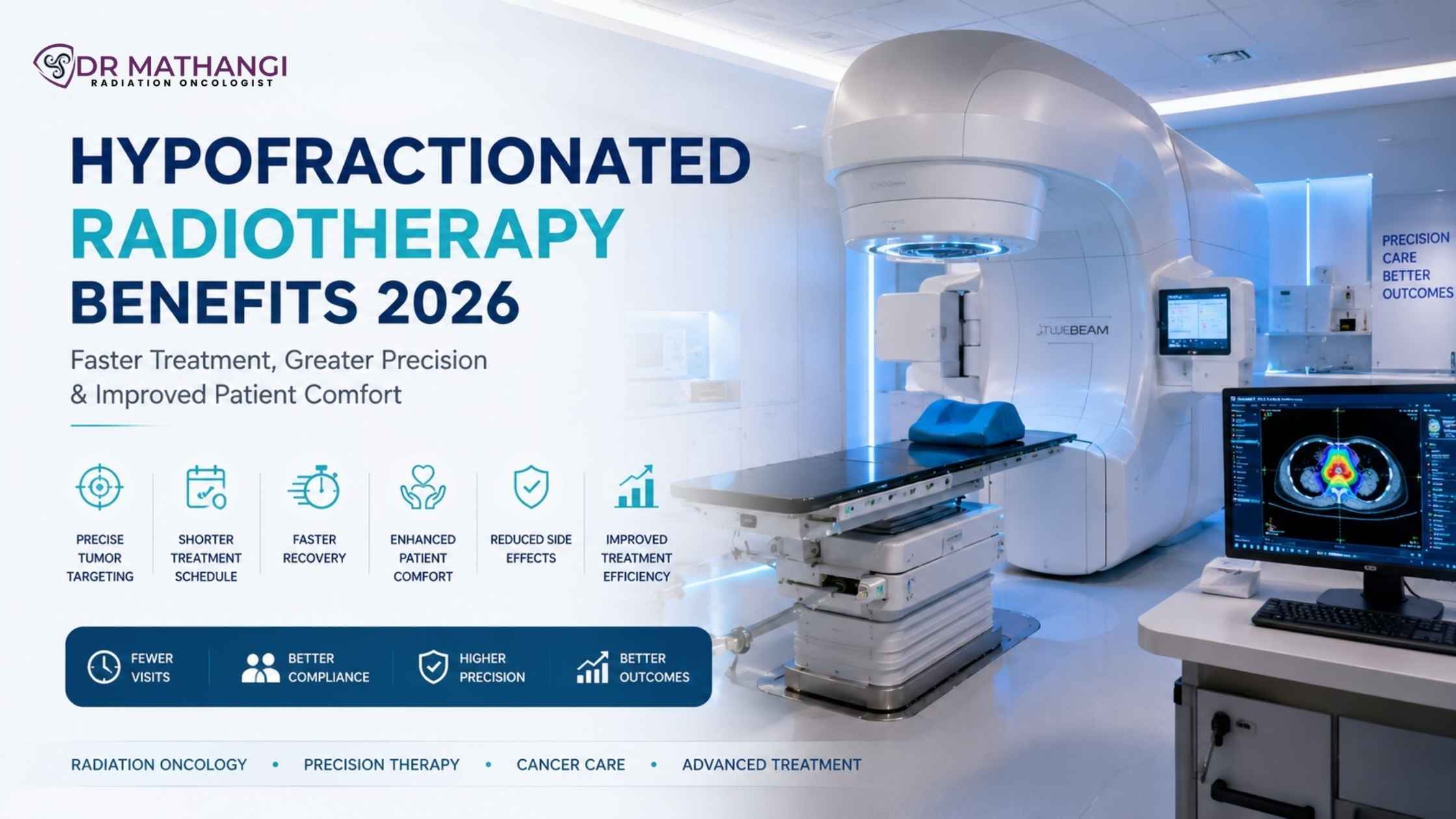
Hypofractionated Radiotherapy Benefits 2026

Recent international oncology studies indicate that modern Hypofractionated Radiotherapy protocols can reduce treatment duration by nearly 30% to 50% for selected cancers while maintaining excellent tumor control and minimizing side effects. In 2026, this advancement is transforming how patients approach cancer care, especially those seeking faster recovery, better convenience, and highly precise treatment outcomes. Under the leadership of Dr Mathangi J, Senior Consultant and In-charge of Radiation Oncology at Gleneagles Cancer Institute, Bangalore, patients now have access to some of the most advanced radiation oncology technologies available globally.

Cancer treatment can feel overwhelming emotionally, physically, and financially. Many patients fear long hospital visits, interruptions to family life, missed work opportunities, and prolonged fatigue. This is exactly where modern radiation oncology has evolved dramatically. Today, carefully planned fewer radiation sessions supported by advanced imaging and precision-guided systems are helping patients complete treatment in significantly less time without compromising treatment effectiveness.

For patients dealing with breast cancer, prostate cancer, head and neck cancers, brain tumors, lung cancers, cervical cancer, uterine cancers, rectal cancers, liver cancers, bladder cancers, spine tumors, anal canal cancers, penile cancers, vulval cancers, and esophageal cancers, advanced radiation protocols are changing survival journeys in remarkable ways.

What is hypofractionated radiotherapy and why is it important in 2026?

Hypofractionated radiotherapy is an advanced radiation treatment approach where higher doses of radiation are delivered in fewer sessions while maintaining treatment precision and safety. In 2026, it is considered one of the most patient-friendly developments in oncology because it enables effective cancer management with shorter overall treatment duration.

Traditional radiation therapy often required patients to visit the hospital daily for several weeks. While effective, prolonged schedules could affect quality of life, travel, work commitments, and emotional well-being. With the rise of short course radiotherapy, many eligible patients can now complete treatment much faster.

The importance of this advancement cannot be overstated because modern cancer patients increasingly seek:

  • Reduced hospital visits
  • Better convenience for families and caregivers
  • Lower emotional stress
  • Faster return to normal routines
  • Enhanced treatment precision
  • Reduced overall healthcare burden
  • Improved patient compliance

At Gleneagles Cancer Institute, Dr Mathangi combines advanced radiotherapy expertise with evidence-based planning protocols to ensure that patients receive highly individualized treatment pathways rather than generalized treatment schedules.

Why are more cancer specialists recommending fewer radiation sessions?

Modern oncology research demonstrates that carefully selected patients can safely benefit from fewer radiation sessions because advanced imaging, treatment planning software, and motion-management technologies now allow radiation to target tumors with exceptional accuracy.

This evolution is particularly important for patients who previously struggled with:

  • Long-distance travel for daily radiation therapy
  • Treatment fatigue over multiple weeks
  • Work and family disruptions
  • Transportation and accommodation costs
  • Anxiety associated with prolonged therapy

Dr Mathangi’s advanced training in SRS, SBRT, IGRT, RapidArc, DIBH gated Radiotherapy, and image-guided Interstitial Brachytherapy enables her to design sophisticated treatment plans that maximize tumor targeting while protecting nearby healthy tissues.

Her international training from Germany and Denmark further strengthens her ability to deliver modern radiation oncology solutions aligned with global best practices.

How does cancer treatment time reduction improve patient quality of life?

One of the greatest advantages of modern radiation oncology is cancer treatment time reduction, which helps patients complete therapy more efficiently while maintaining confidence in treatment quality and outcomes.

When treatment schedules become shorter, patients often experience:

Traditional Long Schedules Modern Hypofractionated Approaches
Extended weeks of therapy Reduced treatment duration
Frequent hospital visits Better convenience
Higher travel burden Reduced logistical stress
More interruptions to work Faster return to routine life
Extended emotional fatigue Improved psychological comfort

For many patients, especially elderly individuals and those traveling from other cities in South India and North India, shorter schedules provide substantial emotional and practical relief.

This is where Dr Mathangi’s patient-centered approach becomes especially valuable. Every treatment plan is personalized after detailed evaluation of:

  • Cancer type
  • Tumor stage
  • Patient age
  • Organ sensitivity
  • Previous treatments
  • Imaging findings
  • Overall health status

Which cancers commonly benefit from hypofractionated radiotherapy?

Several cancers now benefit significantly from modern Hypofractionated Radiotherapy approaches when clinically appropriate and carefully planned.

Dr Mathangi specializes in advanced radiation management for:

  • Head and neck cancers
  • Brain tumors
  • Spine tumors
  • Lung cancers
  • Liver cancers
  • Breast cancers
  • Bladder cancers
  • Prostate cancers
  • Uterine cancers
  • Cervical cancer
  • Vulval cancers
  • Anal canal cancers
  • Penile cancers
  • Esophageal cancers
  • Rectal cancers

Among these, breast cancer and prostate cancer have shown particularly encouraging results globally with modern short course radiotherapy strategies.

Patients often feel reassured knowing that these treatments are not experimental shortcuts but evidence-based protocols backed by extensive international oncology research.

Why does advanced technology matter in radiation oncology?

Advanced technology is the foundation that makes modern radiation oncology safer, more effective, and more precise. Without cutting-edge systems, delivering higher doses in shorter schedules would not be possible with the same level of confidence.

Dr Mathangi is widely recognized for her contribution to advanced oncology technology adoption, including the installation of the Asia Pacific’s first TrueBeam STx Machine.

Her expertise includes:

  • Stereotactic ablative body radiotherapy (SBRT)
  • Stereotactic radiosurgery (SRS)
  • Image-guided radiotherapy (IGRT)
  • RapidArc technology
  • DIBH gated Radiotherapy
  • Image-guided Interstitial Brachytherapy
  • Motion management techniques

These technologies help deliver radiation with sub-millimeter precision, reducing exposure to nearby healthy tissues and enhancing patient safety.

How does Dr Mathangi personalize radiation treatment plans?

Every patient’s cancer journey is unique, which is why individualized planning is essential in modern oncology care.

Dr Mathangi has successfully treated more than 12,000 patients over her distinguished career spanning over two decades. Her treatment planning philosophy focuses on combining:

  1. Scientific evidence
  2. Advanced imaging
  3. Patient comfort
  4. Tumor biology
  5. Precision targeting
  6. Long-term quality of life

Instead of applying a one-size-fits-all model, she carefully evaluates whether patients are suitable candidates for fewer radiation sessions or specialized short course radiotherapy strategies.

This level of personalization is especially critical because inappropriate treatment planning can increase side effects or compromise outcomes. Patients seeking expert-guided decision-making often value the reassurance that comes from consulting a highly experienced radiation oncologist with international exposure and leadership credentials.

Why are patients increasingly choosing modern radiation oncology in Bangalore?

Bangalore has rapidly emerged as one of India’s leading destinations for advanced oncology care because of its access to sophisticated medical technologies, internationally trained specialists, and multidisciplinary cancer management systems.

Patients from across India increasingly choose Dr Mathangi because of:

  • Advanced radiotherapy expertise
  • Global training exposure
  • Comprehensive cancer management
  • Patient-focused care pathways
  • Modern infrastructure
  • Precision-based treatment planning
  • Strong clinical outcomes

For many patients, delaying advanced treatment can mean losing valuable opportunities for improved outcomes and convenience. Early evaluation by an experienced radiation oncologist helps patients understand the latest treatment possibilities available in 2026.

What should patients expect during modern hypofractionated treatment?

Modern Hypofractionated Radiotherapy treatment is carefully structured to maximize efficiency while maintaining patient comfort and safety.

The process usually includes:

  1. Detailed consultation and diagnosis review
  2. Advanced imaging and simulation scans
  3. Personalized radiation planning
  4. Precision-guided treatment delivery
  5. Regular monitoring and follow-up

Many patients are surprised to learn how streamlined modern radiation oncology has become compared to older treatment experiences.

The focus on cancer treatment time reduction not only benefits convenience but can also improve overall treatment adherence because patients are more likely to complete shorter schedules successfully.

About Dr Mathangi

Dr Mathangi J is a Senior Consultant and In-charge of Radiation Oncology at Gleneagles Cancer Institute, Bangalore. With over 20 years of experience and more than 12,000 successfully treated patients, she is recognized as one of the leading experts in advanced radiation oncology techniques in India.

She completed her DMRT at Madras Medical College, Chennai, and pursued DNB residency training at Apollo Cancer Specialty Hospital, Chennai. Her advanced international training includes:

  • SRS/SBRT training from Klinikum Frankfurt (Oder), Germany
  • IGRT/RapidArc training from Copenhagen University Hospital, Denmark
  • Intraoperative radiotherapy training from 4EIEVSEN

Her areas of specialization include:

  • Head and Neck Cancers
  • Brain Tumors
  • Lung Cancers
  • Breast Cancers
  • Prostate Cancers
  • Cervical Cancer
  • Women Cancers

Patients seeking advanced radiation oncology care in 2026 increasingly value her combination of compassion, technical expertise, international exposure, and evidence-based treatment planning.

How to book an appointment with Dr Mathangi

Patients and caregivers who wish to explore advanced radiation oncology options, including Hypofractionated Radiotherapy, can submit their contact details through the appointment form on Dr Mathangi’s official website.

Appointment booking link:
https://drmathangi.com/contact/

Once the form is submitted, Dr Mathangi’s team will coordinate the appointment schedule and notify the patient accordingly.

In 2026, cancer care is no longer only about treatment. It is about precision, speed, safety, quality of life, and access to globally advanced expertise. Choosing the right radiation oncologist at the right time can make a meaningful difference in both treatment experience and long-term outcomes.

Frequently Asked Questions

What is Hypofractionated Radiotherapy and how does it work?

Hypofractionated Radiotherapy is an advanced radiation treatment approach where higher doses of radiation are delivered over a smaller number of sessions compared to conventional therapy schedules. Instead of spreading treatment across many weeks, patients receive carefully planned doses in a shorter duration while maintaining precision and safety.

Dr. Mathangi evaluates each patient individually using imaging, tumour staging, and overall health assessment to determine whether this treatment plan is suitable. The goal is to provide effective tumour control while reducing unnecessary burden on the patient’s daily life.

What are the main benefits of fewer radiation sessions for cancer patients?

One of the biggest advantages of modern radiation oncology is the possibility of fewer radiation sessions without compromising treatment quality for selected cancers. Patients often appreciate the reduced number of hospital visits, lower travel stress, and improved convenience for work and family responsibilities.

Dr. Mathangi focuses on creating patient-friendly treatment pathways that support both medical outcomes and quality of life. For many individuals, fewer hospital appointments can also help reduce emotional fatigue associated with prolonged cancer care.

Is short course radiotherapy suitable for all cancer types?

short course radiotherapy may be recommended for several cancer types, including selected breast, prostate, rectal, lung, and metastatic cancers. However, it is not automatically suitable for every patient or every diagnosis.

Dr. Mathangi carefully reviews tumour characteristics, prior treatments, imaging findings, and patient health factors before recommending an appropriate protocol. The treatment decision is always personalised to maximise effectiveness and minimise risks.

How does cancer treatment time reduction improve patient comfort?

cancer treatment time reduction can significantly improve the overall patient experience. Shorter treatment schedules often mean less disruption to personal routines, fewer days away from work, and reduced travel requirements for patients coming from distant locations.

Dr. Mathangi believes that modern oncology care should balance clinical effectiveness with emotional and practical comfort. By reducing overall treatment duration where medically appropriate, patients may feel more in control of their recovery journey.

Does Hypofractionated Radiotherapy cause more side effects?

When planned correctly using advanced radiation technology and evidence-based protocols, Hypofractionated Radiotherapy does not necessarily lead to higher side effects for eligible patients. In many situations, studies have shown comparable safety outcomes to traditional radiation schedules.

Dr. Mathangi uses detailed treatment planning, precision targeting, and continuous monitoring to help protect nearby healthy tissues. Patients are also educated about expected temporary side effects and supportive care options during therapy.

What technologies support modern hypofractionated radiation treatment?

Advanced technologies such as image-guided radiotherapy (IGRT), intensity-modulated radiotherapy (IMRT), and precision treatment planning systems play an important role in modern hypofractionated treatment strategies. These tools help ensure accurate radiation delivery while minimising exposure to surrounding healthy tissue.

Dr. Mathangi’s approach combines clinical expertise with modern oncology protocols to create customised treatment plans that prioritise safety, precision, and patient comfort throughout the treatment journey.

Why are more patients considering shorter radiation schedules in 2026?

In 2026, many patients are seeking efficient and evidence-based cancer care solutions that fit better into their lifestyles. Shorter radiation schedules are increasingly popular because they can reduce repeated hospital visits while still delivering clinically effective outcomes for selected cancers.

Dr. Mathangi helps patients understand the latest developments in radiation oncology and guides them through treatment choices with clear communication, compassionate support, and personalised recommendations tailored to their diagnosis and goals.

What should patients expect during consultation with Dr. Mathangi for radiation therapy?

During the consultation, Dr. Mathangi reviews medical records, pathology reports, scans, and prior treatment history to determine the most suitable radiation therapy approach. Patients are guided through treatment timelines, expected outcomes, potential side effects, and follow-up care plans.

The consultation process is designed to help patients make informed decisions with confidence. Every treatment recommendation is tailored to the individual’s condition, comfort level, and long-term care needs.


MR-Linac Technology in Radiation Oncology Explained

Studies published in leading oncology journals have shown that MRI-guided adaptive radiation therapy can significantly improve treatment precision while reducing radiation exposure to nearby healthy tissues. This advancement is transforming how cancers are treated worldwide. Today, MR-Linac Radiotherapy is redefining cancer care by combining MRI imaging with radiation delivery in one integrated platform. Under the expertise of Dr Mathangi, one of Bangalore’s most experienced radiation oncologists, patients now have access to next-generation precision cancer treatment that was once available only at select international centers.

Cancer treatment is no longer only about destroying tumors. Modern oncology focuses equally on preserving quality of life, reducing side effects, protecting healthy organs, and helping patients recover with confidence. This is where MRI guided radiotherapy has emerged as a breakthrough innovation. For patients dealing with complex cancers involving the brain, head and neck, lung, prostate, liver, cervix, bladder, rectum, or spine, precision can make a life-changing difference.

Dr Mathangi J, Senior Consultant and In-charge of Radiation Oncology at Gleneagles Cancer Institute, Bangalore, has over 20 years of experience and has successfully treated more than 12,000 patients. Her expertise in advanced radiation technologies makes her one of the trusted names for patients seeking sophisticated and evidence-based cancer care in India.

What is MR-Linac Radiotherapy?

MR-Linac Radiotherapy is an advanced form of radiation treatment that combines a magnetic resonance imaging (MRI) scanner with a linear accelerator. This allows doctors to see the tumor continuously during treatment and adapt the radiation plan in real time.

Traditional radiation therapy often relies on scans taken before treatment sessions begin. However, tumors can shift slightly due to breathing, digestion, bladder filling, or body movement. MR-Linac technology solves this challenge through real-time tumor imaging, helping radiation oncologists monitor tumors continuously during treatment delivery.

This advanced radiation machine is particularly valuable for cancers located near sensitive organs because it allows radiation beams to be adjusted with extraordinary accuracy.

Why is MRI guided radiotherapy considered revolutionary?

MRI guided radiotherapy is considered revolutionary because it allows clinicians to visualize soft tissues with exceptional clarity while radiation is being delivered. This improves targeting accuracy and minimizes unnecessary radiation exposure to healthy tissues.

Many conventional imaging systems used in radiation oncology rely on CT-based imaging, which may not always clearly differentiate tumors from nearby organs. MRI technology provides superior soft tissue contrast, making it easier to identify tumors accurately during every treatment session.

For patients, this can mean:

  • Higher treatment precision
  • Reduced damage to surrounding healthy organs
  • Potentially fewer side effects
  • Better tumor control
  • Improved patient comfort and confidence
  • Adaptive treatment planning when anatomy changes

The emotional reassurance is equally important. Patients often feel anxious wondering whether radiation is reaching the exact tumor location. With real-time tumor imaging, there is continuous visualization throughout the procedure, providing greater confidence in treatment precision.

How does real-time tumor imaging improve cancer treatment?

real-time tumor imaging improves treatment by allowing radiation oncologists to track tumor movement during therapy and adapt treatment instantly if changes occur.

Certain tumors move naturally inside the body. Lung tumors may shift while breathing. Prostate tumors may move depending on bladder or bowel filling. Liver tumors can also change position during respiration. In conventional systems, these movements can create uncertainty.

MR-Linac technology helps overcome this limitation by continuously imaging the tumor while treatment is being delivered. If the tumor moves beyond acceptable boundaries, radiation can be paused or adjusted immediately.

This advanced capability is especially important in:

  • Lung cancers
  • Prostate cancers
  • Liver cancers
  • Pancreatic tumors
  • Bladder cancers
  • Cervical cancers
  • Head and neck cancers

For patients who require highly focused treatment near delicate structures, such as the spinal cord, bowel, optic nerves, or heart, this precision can be critically important.

What are the major MR Linac benefits for patients?

The major MR Linac benefits include greater treatment precision, fewer side effects, adaptive radiation planning, and improved protection of healthy tissues.

Many patients today actively research treatment technologies before selecting a cancer center. This is because advanced technology can influence treatment comfort, recovery, and long-term outcomes. The ability to receive highly personalized treatment has become one of the defining advantages of modern oncology.

Feature Conventional Radiation Therapy MR-Linac Technology
Imaging during treatment Limited Continuous MRI visualization
Tumor tracking Indirect Real-time monitoring
Adaptive treatment Less flexible Daily adaptation possible
Soft tissue visibility Moderate Excellent clarity
Protection of healthy tissues Standard Highly optimized

The MR Linac benefits extend beyond technology alone. Patients often experience improved confidence knowing that treatment is personalized to their anatomy every single day.

Which cancers can benefit from MR-Linac technology?

MR-Linac systems can benefit several cancer types where precision is critical and nearby organs need maximum protection.

According to Dr Mathangi, radiation therapy plays a vital role in treating:

  • Head and neck cancers
  • Brain tumors
  • Spine tumors
  • Esophagus cancers
  • Rectal cancers
  • Lung cancers
  • Liver cancers
  • Breast cancers
  • Bladder cancers
  • Prostate cancers
  • Uterine cancers
  • Cervical cancer
  • Vulval cancers
  • Anal canal cancers
  • Penile cancers

For many of these cancers, treatment success depends heavily on balancing tumor destruction with organ preservation. This is precisely where MRI guided radiotherapy offers significant clinical advantages.

Why experience matters in advanced radiation oncology

Technology alone is not enough in cancer care. The expertise of the radiation oncologist remains one of the most important factors influencing treatment quality and patient outcomes.

Dr Mathangi has undergone advanced international training in:

  • Stereotactic techniques (SRS/SBRT) in Germany
  • IGRT and RapidArc in Denmark
  • Intraoperative radiotherapy techniques
  • Advanced image-guided radiotherapy

Her experience with sophisticated radiation delivery systems allows patients to benefit from precision-driven treatment planning tailored to individual tumor characteristics.

She is also recognized for helping install the Asia Pacific region’s first TrueBeam STx Machine, highlighting her involvement in bringing cutting-edge cancer technology to patients in India.

How does an advanced radiation machine personalize treatment?

An advanced radiation machine personalizes treatment by adapting radiation delivery based on daily imaging, tumor position, and patient anatomy changes.

Cancer treatment is not static. Tumors may shrink during therapy. Internal anatomy may change from one session to another. Conventional systems may not always account for these daily variations effectively.

With MR-Linac technology, treatment plans can be modified according to real-time anatomical information. This process is called adaptive radiotherapy.

Adaptive treatment may help:

  • Improve dose accuracy
  • Reduce unnecessary radiation exposure
  • Protect nearby healthy organs
  • Optimize treatment effectiveness
  • Support better long-term quality of life

This level of personalization represents the future of radiation oncology.

What can patients expect during treatment?

Patients undergoing MR-Linac treatment generally experience a non-invasive and carefully monitored radiation session with continuous imaging guidance.

The treatment process usually involves:

  1. Detailed consultation and evaluation
  2. Advanced imaging and treatment planning
  3. Personalized radiation mapping
  4. Daily MRI-guided treatment sessions
  5. Continuous monitoring during therapy
  6. Follow-up assessments and supportive care

Many patients appreciate the reassurance that their treatment is being continuously monitored with precision imaging technology.

Why patients across India seek advanced radiation oncology care

Patients from South India and North India increasingly travel to advanced oncology centers because access to modern precision radiotherapy technologies can significantly influence treatment quality and confidence.

Cancer patients today are more informed than ever. They understand that selecting the right specialist and the right technology can directly impact treatment experience and recovery outcomes.

When patients delay consultation or settle for outdated treatment methods, they may miss opportunities for more precise and organ-preserving treatment approaches. Early access to experienced radiation oncology specialists can help patients explore advanced options before disease progression limits flexibility.

About Dr Mathangi

Dr Mathangi J is a Senior Consultant and In-charge of Radiation Oncology at Gleneagles Cancer Institute, Bangalore. She holds MBBS, DMRT, and DNB qualifications and has more than two decades of experience in advanced cancer treatment.

Her clinical focus includes:

  • Head and neck cancers
  • Brain tumors
  • Lung cancers
  • Prostate cancers
  • Breast cancers
  • Cervical cancers
  • Women’s cancers
  • Advanced stereotactic radiotherapy

Her patient-centered approach combines evidence-based treatment planning with compassionate oncology care. Patients seeking highly specialized radiation oncology expertise often choose Dr Mathangi because of her extensive experience, advanced technical training, and commitment to precision-driven cancer treatment.

Book an appointment with Dr Mathangi

Cancer treatment decisions should never be delayed when advanced precision care options are available. Patients and caregivers who want to understand whether MR-Linac Radiotherapy or MRI guided radiotherapy may be suitable for their condition can connect with Dr Mathangi for a detailed evaluation.

To book an appointment, patients can submit their contact information through the appointment form at:

https://drmathangi.com/contact/

Once the form is submitted, Dr Mathangi’s team will schedule the appointment and notify the patient accordingly.

Frequently Asked Questions

What is MR-Linac Technology in radiation oncology?

MR-Linac Technology combines high-quality MRI imaging with a precision radiation delivery system in a single platform. This advanced approach allows oncologists like Dr. Mathangi to visualize tumors clearly during treatment and make highly accurate adjustments while therapy is being delivered.

Unlike conventional radiation systems, MR-Linac Radiotherapy offers continuous soft tissue imaging, helping specialists adapt treatment plans based on changes in tumor size, shape, or position. This improves treatment precision while helping protect nearby healthy organs and tissues.

How does MRI guided radiotherapy improve cancer treatment accuracy?

MRI guided radiotherapy provides superior visualization of soft tissues compared to standard imaging methods used during radiation therapy. This means tumors can be tracked more clearly, especially in areas that move during breathing or digestion.

Dr. Mathangi uses this technology to adapt treatment delivery in real time. By accurately identifying the tumor boundaries during every session, radiation can be focused more precisely on cancer cells while reducing unnecessary exposure to surrounding healthy structures.

What are the major MR Linac benefits for patients?

Some of the most important MR Linac benefits include improved treatment precision, reduced radiation exposure to healthy organs, adaptive therapy planning, and enhanced tumor tracking during each session.

Patients may also benefit from fewer side effects and greater confidence that the treatment is accurately targeting the cancer throughout the therapy course. Dr. Mathangi carefully evaluates each case to determine whether MR-Linac Technology is the right solution for the patient’s cancer type and treatment goals.

What role does real-time tumor imaging play during radiation therapy?

real-time tumor imaging allows doctors to continuously monitor the tumor during treatment delivery. This is especially valuable for cancers located in organs that naturally move, such as the lungs, liver, pancreas, or prostate.

With guidance from Dr. Mathangi, the radiation beam can be adjusted instantly if the tumor shifts position. This added precision helps ensure the radiation stays focused on the intended target while minimizing exposure to nearby healthy tissues.

Which cancers can be treated using MR-Linac Radiotherapy?

MR-Linac Radiotherapy may be used for several cancer types, including prostate cancer, pancreatic cancer, liver tumors, lung cancer, abdominal tumors, pelvic cancers, and selected recurrent cancers where precise targeting is essential.

Dr. Mathangi evaluates factors such as tumor location, movement, prior treatments, and overall patient condition before recommending this technology. Every treatment plan is personalized to achieve the safest and most effective outcomes possible.

Why is an advanced radiation machine important in modern oncology care?

An advanced radiation machine enables oncologists to deliver highly targeted treatment with greater confidence and flexibility. Modern cancer care increasingly depends on technologies that can adapt to daily anatomical changes and provide better imaging clarity during therapy.

Dr. Mathangi uses advanced treatment planning strategies along with cutting-edge radiation systems to improve precision, enhance patient safety, and support better long-term treatment outcomes whenever possible.

Is MR-Linac treatment comfortable and safe for patients?

MR-Linac treatment is designed to be non-invasive and highly precise. Most patients can return home shortly after each session and continue many of their regular daily activities during treatment.

Because the technology continuously monitors the treatment area, it may reduce unnecessary radiation exposure to healthy tissues. Under the guidance of Dr. Mathangi, patients receive individualized care, close monitoring, and detailed treatment planning focused on both effectiveness and safety.

How can patients consult Dr. Mathangi for MR-Linac based treatment options?

Patients can consult Dr. Mathangi for a detailed evaluation of their diagnosis, imaging reports, and previous treatments to understand whether MR-Linac Technology may be suitable for their condition.

During the consultation process, Dr. Mathangi explains treatment goals, expected outcomes, potential side effects, and the role of adaptive precision therapy in the patient’s cancer care journey. This helps patients make informed decisions with clarity and confidence.


Liquid Biopsy vs Radiomics: Future of Early Cancer Detection

According to the World Health Organization, cancer accounts for nearly 10 million deaths globally every year, and one of the biggest reasons is delayed diagnosis. This is precisely why technologies like Liquid Biopsy vs Radiomics are becoming the center of modern oncology conversations. These advanced approaches are changing how clinicians identify tumors, predict treatment response, and improve survival rates through faster and more accurate diagnosis.

For patients and families, the greatest fear is often not cancer itself, but discovering it too late. Traditional diagnostic approaches sometimes detect tumors only after symptoms become severe. Today, however, breakthroughs in non-invasive cancer detection and imaging analytics are opening a new chapter in precision oncology. Under the guidance of highly experienced specialists like Dr Mathangi J at Gleneagles Cancer Institute, Bangalore, patients now have access to advanced technologies that combine medical expertise with modern innovation.

What is Liquid Biopsy vs Radiomics?

Liquid Biopsy vs Radiomics refers to two cutting-edge approaches used in oncology to identify, analyze, and monitor cancer earlier and more accurately. Liquid biopsy focuses on analyzing cancer-related material in blood samples, while radiomics extracts detailed imaging data from CT, MRI, or PET scans using advanced algorithms and AI systems.

Both technologies support earlier interventions, personalized treatment planning, and improved monitoring. Instead of relying only on invasive surgical biopsies, specialists can now combine imaging intelligence with molecular analysis to understand cancer behavior in remarkable detail.

Technology Primary Function Key Benefit
Liquid Biopsy Analyzes cancer cells or DNA in blood Early molecular detection
Radiomics Extracts data from medical imaging AI-driven tumor analysis
Combined Precision Oncology Merges imaging and molecular insights Personalized treatment strategies

Why are early cancer screening methods becoming essential?

early cancer screening methods are no longer optional in high-risk populations. They are becoming essential because cancers detected at Stage 1 or Stage 2 are significantly more treatable than cancers discovered later. Early diagnosis often means less aggressive treatment, reduced complications, and higher survival rates.

The challenge is that many cancers remain silent during their initial phases. Lung cancer, cervical cancer, prostate cancer, and several gastrointestinal cancers may not produce noticeable symptoms until progression occurs. This is where advanced imaging and molecular diagnostics create a major advantage.

Dr Mathangi has extensive expertise in managing:

  • Head and neck cancers
  • Brain tumors
  • Spine tumors
  • Esophagus cancers
  • Rectal cancers
  • Lung cancers
  • Liver cancers
  • Breast cancers
  • Bladder cancers
  • Prostate cancers
  • Uterine cancers
  • Cervical cancer
  • Vulval cancers
  • Anal canal cancers
  • Penile cancers

Many of these cancers show dramatically improved outcomes when detected early and treated with precision-focused radiation oncology techniques.

How does a blood cancer detection test work?

A blood cancer detection test works by identifying circulating tumor DNA (ctDNA), cancer cells, proteins, or other biomarkers present in the bloodstream. These markers can provide critical clues about the existence and progression of cancer without requiring invasive tissue removal.

Liquid biopsy technology is particularly promising because it allows doctors to:

  • Detect cancers earlier
  • Monitor treatment effectiveness
  • Track recurrence risks
  • Understand tumor mutations
  • Personalize therapies

For patients already undergoing radiation oncology treatments, this information can help specialists fine-tune therapy protocols with remarkable precision. The ability to monitor molecular changes in real time is one of the reasons oncology is rapidly evolving toward personalized care.

Why is AI cancer diagnosis transforming oncology?

AI cancer diagnosis is transforming oncology because artificial intelligence can analyze complex imaging and molecular data far faster than traditional manual interpretation alone. AI tools help detect subtle abnormalities that may otherwise be overlooked in conventional evaluations.

Radiomics uses sophisticated algorithms to convert imaging scans into quantitative data. This data helps specialists understand:

  • Tumor aggressiveness
  • Potential spread patterns
  • Treatment responsiveness
  • Risk of recurrence
  • Radiation planning optimization

For example, AI-assisted imaging can help distinguish between healthy tissue and microscopic tumor involvement with greater precision. In radiation oncology, this becomes critically important because highly targeted treatment protects surrounding healthy organs while maximizing tumor control.

Dr Mathangi’s expertise in advanced technologies such as:

  • Stereotactic ablative body radiotherapy (SBRT)
  • Gated RapidArc
  • DIBH gated Radiotherapy
  • Image-guided Interstitial Brachytherapy
  • SRS and SBRT techniques

ensures that patients benefit from globally aligned cancer treatment standards backed by years of clinical excellence.

What makes non-invasive cancer detection the future?

non-invasive cancer detection is considered the future because it reduces patient discomfort, lowers procedural risks, and enables repeated monitoring without surgery. Patients increasingly prefer safer diagnostic methods that deliver accurate insights with minimal disruption.

Traditional biopsies, while important, may sometimes:

  • Cause discomfort
  • Require hospitalization
  • Carry bleeding risks
  • Delay treatment planning
  • Fail to capture tumor heterogeneity

In contrast, liquid biopsies and radiomics can provide ongoing insights during treatment journeys. This is especially important for cancers that evolve quickly or respond unpredictably to therapy.

Patients today are more informed than ever before. They actively search for advanced cancer solutions, precision medicine approaches, and modern radiation oncology expertise. Waiting for symptoms to worsen can result in lost opportunities for earlier interventions.

How are radiomics and liquid biopsy improving radiation oncology?

Radiomics and liquid biopsy are helping radiation oncologists personalize treatment plans with unprecedented accuracy. Instead of a one-size-fits-all approach, specialists can tailor therapies based on imaging patterns, tumor biology, and molecular behavior.

This level of precision is especially valuable in:

  • Brain tumors
  • Head and neck cancers
  • Lung cancers
  • Prostate cancers
  • Breast cancers
  • Cervical cancer

Dr Mathangi’s leadership at Gleneagles Cancer Institute reflects this evolution toward intelligent oncology care. Having successfully treated over 12,000 patients, she combines clinical experience with advanced treatment technologies that many centers are only beginning to adopt.

Her achievements include installing Asia Pacific’s first TrueBeam STx Machine, a milestone that highlights her commitment to innovation-driven cancer care.

What should patients know before choosing advanced cancer diagnostics?

Patients should understand that early detection technologies are most effective when guided by experienced oncology specialists. Technology alone cannot replace clinical judgment. The interpretation of imaging, molecular patterns, and treatment implications requires deep expertise.

When evaluating cancer care providers, patients should consider:

  1. Experience in advanced radiation oncology
  2. Access to precision technologies
  3. Multidisciplinary treatment planning
  4. Track record of successful outcomes
  5. Availability of personalized care

This is where Dr Mathangi’s profile becomes especially reassuring for patients across Bangalore, South India, and North India. Her international training in Germany and Denmark, combined with two decades of oncology experience, positions her among the highly experienced radiation oncologists in the region.

Why are patients increasingly choosing precision oncology?

Patients are increasingly choosing precision oncology because they want treatments that are targeted, effective, and evidence-based. Generic treatment approaches are rapidly being replaced by personalized strategies informed by imaging intelligence and molecular diagnostics.

The emotional burden of cancer is enormous. Families often wonder:

  • Was the cancer detected too late?
  • Could treatment have started earlier?
  • Are there more advanced options available?
  • Is the therapy being precisely targeted?

Modern technologies help answer these concerns with greater clarity. Early intervention frequently means:

  • Higher cure probabilities
  • Reduced treatment toxicity
  • Shorter recovery timelines
  • Better quality of life
  • Improved long-term survival

Ignoring early warning signs or postponing specialist consultations may lead to disease progression that becomes significantly harder to manage later.

About Dr Mathangi

Dr Mathangi J is a Senior Consultant and In-charge of Radiation Oncology at Gleneagles Cancer Institute, Bangalore. She holds MBBS, DMRT, and DNB qualifications and has more than 20 years of experience in advanced oncology care.

She completed her DMRT at Madras Medical College, Chennai, followed by DNB residency at Apollo Cancer Specialty Hospital, Chennai. Her advanced international training includes:

  • Stereotactic techniques from Klinikum Frankfurt (Oder), Germany
  • IGRT/RapidArc training from Copenhagen University Hospital, Denmark
  • Intraoperative radiotherapy training from 4EIEVSEN

Her commitment to advanced precision oncology has helped thousands of patients receive highly personalized and technologically advanced radiation therapy solutions.

Take the next step toward early cancer detection

The future of oncology is moving rapidly toward intelligent diagnostics, precision therapies, and patient-centered care. Technologies associated with Liquid Biopsy vs Radiomics are no longer futuristic concepts. They are actively shaping how cancers are identified and treated today.

For patients seeking advanced oncology guidance, timely intervention can make a life-changing difference. Whether it is understanding the role of a blood cancer detection test, exploring AI cancer diagnosis, or evaluating early cancer screening methods, consulting an experienced radiation oncologist is an important first step.

To book an appointment with Dr Mathangi, patients can submit their contact information through the official contact form at:

https://drmathangi.com/contact/

Her team will schedule the appointment and notify patients accordingly.

Frequently Asked Questions

What is the difference between Liquid Biopsy vs Radiomics in cancer diagnosis?

Liquid Biopsy vs Radiomics is an increasingly important discussion in modern oncology because both technologies support earlier and more accurate cancer detection in different ways. Liquid biopsy focuses on identifying cancer-related markers in blood samples, while radiomics uses advanced imaging analysis and data extraction from CT, MRI, or PET scans.

Dr. Mathangi evaluates how these technologies can complement each other for better clinical decision-making. In many cases, combining imaging insights with molecular findings helps create a more personalized treatment pathway while improving patient comfort and reducing unnecessary invasive procedures.

How does a blood cancer detection test help in identifying cancer early?

A blood cancer detection test can identify circulating tumor DNA, cancer-associated proteins, or abnormal cellular activity before symptoms become severe. These tests are becoming valuable tools for monitoring high-risk patients and detecting disease recurrence at an earlier stage.

Dr. Mathangi emphasizes evidence-based screening strategies and helps patients understand when blood-based diagnostics may be useful alongside imaging studies and clinical evaluations. Early interpretation of results can significantly improve treatment planning and patient outcomes.

What role does AI cancer diagnosis play in modern oncology?

AI cancer diagnosis technologies are transforming how physicians interpret imaging scans, pathology reports, and molecular data. Artificial intelligence systems can identify patterns that may not always be immediately visible during manual review, helping improve speed and diagnostic precision.

Dr. Mathangi incorporates advanced diagnostic approaches with careful clinical expertise to ensure that technology supports, rather than replaces, individualized patient care. AI-assisted analysis is especially valuable in radiomics, where large imaging datasets can reveal subtle indicators of early disease progression.

Are non-invasive cancer detection methods reliable for routine screening?

Non-invasive cancer detection methods have improved significantly over the past decade and are now widely studied for their ability to identify cancers earlier while minimizing discomfort for patients. These methods may include blood-based biomarkers, imaging technologies, radiomics analysis, and genetic profiling.

While no single test is universally suitable for every patient, Dr. Mathangi carefully assesses family history, symptoms, age, and risk factors before recommending a diagnostic pathway. The goal is to improve early identification while reducing unnecessary invasive procedures whenever possible.

Which early cancer screening methods are considered most effective today?

The most effective early cancer screening methods often depend on the type of cancer being evaluated and the patient’s individual risk profile. Mammography, low-dose CT scans, MRI imaging, colonoscopy, genetic testing, and liquid biopsy technologies are all contributing to improved detection rates.

Dr. Mathangi believes that combining clinical expertise with advanced diagnostics offers the best opportunity for earlier intervention. Personalized screening strategies can help detect abnormalities before they progress into advanced disease stages.

Can radiomics improve treatment planning after cancer is detected?

Yes, radiomics can provide detailed information about tumor behavior, tissue characteristics, and treatment response using advanced imaging analytics. By extracting quantitative data from scans, physicians can better understand tumor aggressiveness and monitor therapy effectiveness over time.

Dr. Mathangi uses a patient-centered approach that integrates radiological findings with pathology and clinical evaluations. This helps create more accurate treatment strategies and supports ongoing monitoring throughout the patient journey.

Who should consider advanced cancer screening technologies?

Individuals with a family history of cancer, genetic predisposition, long-term smoking history, chronic inflammatory conditions, or persistent unexplained symptoms may benefit from advanced screening approaches. Early consultation is especially important for people at elevated risk.

Dr. Mathangi guides patients through available diagnostic options and recommends appropriate evaluations based on medical history and clinical indicators. The focus is always on timely detection, informed decisions, and personalized care planning.

Why is early cancer detection becoming more technology-driven?

Early cancer detection is becoming more technology-driven because advanced imaging, molecular diagnostics, and artificial intelligence can identify abnormalities long before traditional symptoms appear. These innovations help physicians detect smaller lesions, monitor biological changes, and improve overall accuracy.

Dr. Mathangi stays updated with evolving diagnostic advancements to provide patients with modern, evidence-based oncology care. Integrating innovative screening technologies with compassionate medical guidance can significantly improve long-term outcomes and treatment success.


AI-Powered Adaptive Radiotherapy 2026: Real-Time Cancer Treatment

According to global oncology research, nearly 50% of all cancer patients require radiation therapy during the course of treatment, and advanced AI-guided technologies are rapidly changing survival outcomes through higher precision and lower toxicity. In 2026, the emergence of Adaptive Radiotherapy AI 2026 is redefining how radiation oncology responds to tumors in real time, enabling clinicians to adapt treatment based on daily anatomical changes, tumor shrinkage, breathing motion, and organ movement.

For patients and families facing cancer, this evolution is more than technological progress. It represents hope for safer treatment, improved quality of life, faster recovery, and higher precision in targeting cancer cells while protecting healthy tissues. At the forefront of this transformation is Dr Mathangi J, Senior Consultant and In-charge of Radiation Oncology at Gleneagles Cancer Institute Bangalore, who has successfully treated more than 12,000 patients using some of the world’s most advanced radiation oncology systems and protocols.

From head and neck cancers to prostate cancers, lung cancers, brain tumors, cervical cancer, uterine cancers, breast cancers, bladder cancers, anal canal cancers, liver cancers, vulval cancers, penile cancers, spine tumors, and esophageal cancers, the future of radiation treatment is increasingly dependent on intelligent precision systems powered by real-time analytics and AI-guided decision-making.

What is AI-powered adaptive radiotherapy?

AI-powered adaptive radiotherapy is an advanced form of radiation treatment where artificial intelligence continuously analyzes imaging data and modifies radiation delivery in response to changes in tumor position, patient anatomy, and organ motion during the treatment course.

Traditional radiation therapy plans are usually created before treatment begins and may not fully account for daily biological variations. However, modern real-time radiotherapy systems can dynamically adapt treatment plans to ensure that radiation is delivered with exceptional precision each day.

This innovation combines:

  • Artificial intelligence algorithms
  • Advanced imaging systems
  • Machine learning analytics
  • Daily adaptive planning
  • Precision dose optimization
  • Motion management systems
  • tumor tracking AI

The result is a smarter and safer treatment ecosystem that minimizes radiation exposure to healthy tissues while maximizing cancer control.

Why is Adaptive Radiotherapy AI 2026 considered a breakthrough?

Adaptive Radiotherapy AI 2026 is considered revolutionary because it enables radiation oncologists to personalize treatment in near real time instead of relying on static plans created weeks earlier.

Cancer tumors do not remain unchanged during therapy. Tumors can shrink, shift, or respond differently based on the patient’s biological behavior. Weight loss, breathing movement, swelling reduction, bladder filling, and bowel motion can all affect radiation accuracy. Without adaptive correction, even minor shifts can influence treatment precision.

This is where Dr Mathangi’s expertise becomes critically important. With advanced international training in IGRT, RapidArc, SBRT, gated radiotherapy, and image-guided therapies from Germany and Denmark, she combines clinical judgment with intelligent oncology systems to ensure treatment remains accurate throughout the patient journey.

Patients who delay access to advanced adaptive radiation technologies may unknowingly lose opportunities for:

  • Reduced radiation side effects
  • Improved tumor targeting
  • Better organ preservation
  • Shorter treatment durations
  • Enhanced treatment personalization
  • Higher precision dose delivery

How does real-time radiotherapy improve cancer treatment?

real-time radiotherapy improves treatment outcomes by continuously monitoring tumor position and adapting radiation delivery instantly during therapy sessions.

This is especially valuable in cancers affected by motion, including:

  • Lung cancers
  • Liver cancers
  • Breast cancers
  • Prostate cancers
  • Spine tumors
  • Head and neck cancers

For example, lung tumors move while a patient breathes. In conventional systems, physicians often increase treatment margins to ensure tumor coverage, but this can expose nearby healthy tissues to unnecessary radiation. Using gated therapy and adaptive systems, Dr Mathangi can synchronize radiation delivery with breathing cycles for significantly greater precision.

This intelligent synchronization forms the backbone of smart cancer therapy, where technology responds to patient-specific anatomy instead of forcing patients into rigid treatment templates.

How does AI treatment planning help patients?

AI treatment planning helps create optimized radiation plans faster, more accurately, and with greater consistency compared to manual-only planning approaches.

Modern oncology centers generate enormous amounts of imaging and treatment data. Artificial intelligence systems can analyze:

  • Tumor contours
  • Organ-at-risk boundaries
  • Dose distributions
  • Previous treatment responses
  • Historical outcome patterns
  • Motion characteristics

These insights assist radiation oncologists in building highly refined plans that reduce unnecessary radiation exposure to surrounding tissues such as:

  • Heart
  • Lungs
  • Spinal cord
  • Salivary glands
  • Bladder
  • Bowel structures

However, technology alone is not enough. The experience of the treating oncologist remains the defining factor. Dr Mathangi’s leadership in installing Asia Pacific’s first TrueBeam STx Machine reflects her commitment to combining advanced systems with evidence-based patient care.

What is adaptive IGRT and why is it important?

adaptive IGRT refers to adaptive image-guided radiation therapy where imaging is used before and during treatment to verify tumor location and modify therapy when required.

The ability to visualize the tumor daily provides a major advantage in cancers where anatomy changes frequently during treatment. Instead of continuing with outdated treatment assumptions, adaptive systems allow oncologists to recalibrate radiation delivery with precision.

Benefits of adaptive IGRT include:

Clinical Advantage Patient Benefit
Improved targeting precision Better tumor control
Reduced healthy tissue exposure Fewer side effects
Daily anatomical adaptation Personalized treatment
Motion tracking integration Safer radiation delivery
AI-assisted optimization Faster treatment workflows

For cancers located close to critical organs, adaptive technologies may significantly influence treatment safety and quality of life outcomes.

How does tumor tracking AI work during radiation therapy?

tumor tracking AI uses imaging and predictive algorithms to monitor tumor motion continuously and guide radiation beams with high accuracy.

This is especially useful for tumors affected by:

  • Breathing motion
  • Digestive movement
  • Bladder filling changes
  • Body position shifts

Instead of irradiating large treatment areas “just to be safe,” AI-guided tracking allows the radiation beam to remain aligned with the tumor itself. This can dramatically improve precision in:

  • Lung cancer radiotherapy
  • Liver tumor treatment
  • Prostate cancer management
  • Spine radiosurgery
  • Brain tumor stereotactic therapy

Dr Mathangi’s expertise in stereotactic ablative body radiotherapy (SBRT) and gated RapidArc treatment protocols enables patients to benefit from highly focused radiation strategies that reduce collateral tissue damage.

Why are patients increasingly choosing smart cancer therapy?

Patients are increasingly choosing smart cancer therapy because they want treatments that are personalized, accurate, minimally invasive, and technologically advanced.

Today’s cancer patients are informed. They actively search for:

  • Precision oncology
  • Reduced side effects
  • Shorter treatment schedules
  • Advanced imaging guidance
  • Personalized treatment pathways
  • Evidence-backed specialists

The emotional burden of cancer is already overwhelming. The fear of treatment-related complications often intensifies anxiety for patients and families. Advanced adaptive systems help address these concerns by improving treatment confidence and reducing unnecessary radiation exposure.

Patients who continue relying solely on outdated radiation approaches may miss access to modern oncology advancements that can influence treatment accuracy and quality of life.

Which cancers benefit the most from adaptive radiotherapy?

Many complex cancers can benefit from AI-driven adaptive radiation techniques, particularly tumors located near critical organs or those affected by body movement.

Dr Mathangi commonly treats cancers requiring advanced radiation precision, including:

  • Head and neck cancers
  • Brain tumors
  • Spine tumors
  • Esophagus cancers
  • Rectal cancers
  • Lung cancers
  • Liver cancers
  • Breast cancers
  • Bladder cancers
  • Prostate cancers
  • Uterine cancers
  • Cervical cancer
  • Vulval cancers
  • Anal canal cancers
  • Penile cancers

Each cancer behaves differently, which is why individualized planning is essential. Adaptive systems allow treatment refinement throughout therapy rather than locking patients into a fixed radiation path.

Why does expertise matter even more in AI-guided oncology?

Even the most advanced oncology machine depends on the expertise of the physician interpreting data, validating decisions, and guiding patient care.

Dr Mathangi’s experience spans more than two decades in radiation oncology with advanced international training in:

  • SRS and SBRT techniques
  • RapidArc and IGRT systems
  • Gated radiotherapy
  • Image-guided brachytherapy
  • Intraoperative radiotherapy

Her role as Director of Fellowship in Advanced Radiotherapy Techniques further reflects her commitment to clinical excellence, innovation, and continuous education in evolving oncology technologies.

Patients are not simply choosing a machine. They are choosing:

  • Clinical judgment
  • Experience-driven planning
  • Precision execution
  • Advanced oncology leadership
  • Compassionate multidisciplinary care

About Dr Mathangi

Dr Mathangi J is a Senior Consultant and In-charge of Radiation Oncology at Gleneagles Cancer Institute Bangalore. She holds qualifications including MBBS, DMRT, and DNB, and has more than 20 years of experience in advanced cancer care.

Recognized for treating over 12,000 patients successfully, Dr Mathangi specializes in:

  • Head and neck cancers
  • Prostate cancers
  • Brain tumors
  • Lung cancers
  • Women cancers including breast, cervix, and endometrium

Her pioneering achievements include installing the Asia Pacific’s first TrueBeam STx Machine and leading advanced radiation oncology initiatives focused on precision, personalization, and patient-centered outcomes.

How to book an appointment with Dr Mathangi

Patients seeking advanced AI-driven radiation oncology care can submit their contact information through the appointment form available on Dr Mathangi’s official website.

Appointment booking link:
https://drmathangi.com/contact/

Once the form is submitted, Dr Mathangi’s team will schedule the consultation and notify the patient regarding the appointment details.

Final thoughts on the future of AI-powered radiation oncology

The future of oncology is rapidly moving toward intelligent, personalized, and dynamically adaptive cancer care. Adaptive Radiotherapy AI 2026 represents a major leap in how radiation therapy is planned, delivered, monitored, and optimized.

As precision oncology evolves, patients increasingly need specialists who combine technological expertise with deep clinical experience. Dr Mathangi’s leadership in advanced radiation oncology positions patients to access some of the most sophisticated cancer treatment strategies available today.

In cancer care, timing matters. Precision matters. Expertise matters. Choosing advanced adaptive radiation therapy early can significantly influence treatment accuracy, side-effect reduction, and overall patient confidence during one of life’s most challenging journeys.

Frequently Asked Questions

What is Adaptive Radiotherapy AI 2026 and how does it improve cancer treatment?

Adaptive Radiotherapy AI 2026 refers to the next generation of radiation oncology systems that use artificial intelligence to continuously adjust treatment delivery based on changes in a patient’s anatomy, tumor size, breathing pattern, and daily imaging results. Unlike conventional treatment methods that rely on a fixed radiation plan created at the beginning of therapy, adaptive systems can modify the treatment approach in near real time.

Under the guidance of Dr. Mathangi, these advanced protocols help create more personalized and precise treatment strategies. AI-driven analysis allows clinicians to reduce unnecessary radiation exposure to healthy tissues while maintaining strong tumor targeting accuracy. This improves treatment efficiency, supports safer dose escalation where appropriate, and can potentially reduce side effects for eligible patients.

How does real-time radiotherapy work during a treatment session?

real-time radiotherapy uses continuous imaging and AI-supported monitoring to track anatomical changes while radiation is being delivered. Tumors can shift slightly during treatment because of breathing, digestion, or natural body movement. Traditional systems may not always respond dynamically to these changes, but modern adaptive platforms are designed to respond instantly.

Dr. Mathangi’s approach focuses on integrating imaging data with intelligent treatment delivery systems so radiation beams remain aligned with the intended target. This allows greater precision in cancers affecting the lung, abdomen, pelvis, and other areas where movement can influence treatment accuracy.

What role does AI treatment planning play in personalized oncology care?

AI treatment planning helps radiation oncologists evaluate complex patient data more efficiently and accurately. Artificial intelligence algorithms can assess tumor contours, nearby organs, previous imaging scans, and dose distribution patterns to support highly customized treatment plans.

In Dr. Mathangi’s cancer care workflow, AI-assisted planning helps streamline decision-making while maintaining physician oversight at every stage. This technology can reduce planning time, improve consistency, and enhance dose optimization for patients requiring advanced radiation therapy techniques.

What is adaptive IGRT and why is it important in modern radiotherapy?

adaptive IGRT stands for adaptive image-guided radiation therapy. It combines daily imaging with adaptive treatment adjustments so clinicians can respond to changes that occur throughout the course of therapy. These changes may include tumor shrinkage, patient weight changes, or shifts in organ position.

By using adaptive imaging workflows, Dr. Mathangi can evaluate whether treatment modifications are needed to maintain precision throughout the patient’s therapy schedule. This is particularly valuable in long treatment courses where anatomy may evolve significantly between the first and final sessions.

Can smart cancer therapy reduce side effects during radiation treatment?

smart cancer therapy aims to improve treatment precision while minimizing radiation exposure to surrounding healthy tissues. By combining AI analytics, adaptive imaging, and automated treatment verification, clinicians can make more informed decisions throughout the treatment process.

Dr. Mathangi’s treatment philosophy emphasizes balancing effectiveness with patient comfort and long-term quality of life. Smart technologies can support this goal by reducing unnecessary radiation spillover, helping preserve nearby organs, and improving confidence in treatment accuracy for selected patients.

How does tumor tracking AI improve radiation accuracy?

tumor tracking AI uses imaging, predictive modeling, and motion analysis to monitor tumor position continuously during treatment delivery. This is especially useful for cancers affected by breathing motion, such as lung and liver tumors.

Instead of delivering radiation to a broad treatment area, tumor tracking systems help focus the beam more precisely on the intended target. Dr. Mathangi uses advanced planning and imaging protocols to improve treatment confidence and support accurate dose delivery even when tumors move naturally during a session.

Which cancer patients may benefit from AI-powered adaptive radiotherapy?

AI-powered adaptive radiotherapy may benefit patients with cancers that are difficult to target precisely or tumors located near critical organs. It is commonly explored in lung, prostate, head and neck, gastrointestinal, gynecologic, and liver cancers where anatomy can shift during treatment.

Dr. Mathangi evaluates each patient individually to determine whether adaptive workflows, advanced imaging, or AI-supported planning techniques are suitable. Treatment recommendations are based on tumor type, disease stage, imaging findings, and overall patient health.

Why are patients increasingly choosing Dr. Mathangi for advanced radiation oncology care?

Patients seeking advanced radiation oncology care often look for a combination of clinical expertise, modern technology integration, and personalized attention. Dr. Mathangi focuses on evidence-based cancer care supported by advanced imaging systems, precision radiation strategies, and patient-centered treatment planning.

Her approach combines technological innovation with compassionate care, helping patients better understand their treatment journey while benefiting from modern developments in adaptive and AI-supported radiotherapy. The goal is not only effective cancer treatment, but also improved confidence, comfort, and continuity throughout the entire treatment process.


Oncology Patient Navigation Apps

Studies published in the public domain suggest that patients who receive structured navigation support during cancer treatment are significantly more likely to complete therapy on time and experience improved satisfaction throughout their journey. This is precisely why Oncology Patient Navigation Apps are rapidly becoming an essential part of modern cancer care. From appointment coordination and symptom tracking to treatment education and emotional support, these platforms are redefining how patients and caregivers manage complex oncology journeys. Under the expertise of Dr Mathangi, Senior Consultant and In-charge of Radiation Oncology at Gleneagles Cancer Institute Bangalore, patients gain access to advanced, patient-focused treatment pathways that combine clinical excellence with technology-driven guidance.

Cancer treatment can feel overwhelming. Patients often struggle with understanding radiation schedules, interpreting medical terminology, remembering medication timelines, coordinating with specialists, and coping emotionally with uncertainty. This confusion can lead to delayed treatments, missed appointments, increased anxiety, and poor treatment adherence. The integration of cancer care apps and personalized guidance systems helps bridge this gap by keeping patients informed, empowered, and connected throughout every stage of treatment.

What are Oncology Patient Navigation Apps?

Oncology Patient Navigation Apps are specialized digital platforms designed to guide cancer patients through diagnosis, treatment, follow-up care, and survivorship. These applications combine communication tools, treatment schedules, educational resources, and patient engagement systems into a single, accessible platform.

Unlike generic healthcare applications, oncology-focused systems are designed specifically around the complexity of cancer treatment. Radiation therapy, chemotherapy, imaging, pathology reports, follow-up consultations, nutrition support, and symptom monitoring all require coordinated management. These applications simplify that experience for patients and caregivers.

Core functions of Oncology Patient Navigation Apps

  • Appointment reminders and scheduling support
  • Medication tracking and treatment adherence monitoring
  • Radiation therapy preparation guidance
  • Secure communication with oncology teams
  • Symptom and side-effect tracking
  • Educational resources tailored to cancer type
  • Caregiver coordination and updates
  • Digital storage of reports and prescriptions
  • Mental wellness and emotional support resources

For patients receiving advanced radiation oncology treatment under Dr Mathangi, these systems can become valuable companions during treatment planning and recovery.

Why are digital oncology tools becoming essential in cancer treatment?

digital oncology tools are becoming essential because cancer treatment today is more sophisticated, personalized, and data-driven than ever before. Modern oncology care involves multiple specialists, advanced imaging, precision radiation technologies, and ongoing follow-up. Managing all these moving parts manually can become stressful for patients and families.

Dr Mathangi’s expertise in advanced radiation oncology techniques such as SBRT, Gated RapidArc, DIBH gated Radiotherapy, and image-guided Interstitial Brachytherapy reflects the evolving nature of precision cancer care. When combined with intelligent navigation systems, patients experience greater clarity and confidence during treatment.

Patients undergoing therapy for:

  • Head and neck cancers
  • Brain tumors
  • Spine tumors
  • Esophagus and rectal cancers
  • Lung cancers
  • Liver cancers
  • Breast cancers
  • Bladder cancers
  • Prostate cancers
  • Uterine cancers
  • Cervical cancer
  • Vulval cancers
  • Anal canal cancers
  • Penile cancers

often benefit from structured treatment coordination because these conditions frequently require multidisciplinary management.

How do cancer care apps improve patient outcomes?

cancer care apps improve patient outcomes by reducing communication gaps, encouraging treatment adherence, improving symptom reporting, and helping patients remain actively involved in their care decisions.

One of the most overlooked problems in oncology is delayed reporting of symptoms. Patients may dismiss fatigue, swallowing difficulty, skin irritation, nausea, or pain until the condition worsens. Modern navigation systems encourage earlier reporting, allowing oncology teams to intervene faster.

Benefits patients commonly experience

Feature Patient Benefit
Treatment reminders Reduces missed radiation sessions
Symptom tracking Enables early clinical intervention
Educational modules Improves understanding of therapy
Secure communication Enhances trust and reduces anxiety
Care coordination Simplifies multidisciplinary treatment
Caregiver integration Strengthens family support systems

For patients already coping with emotional and physical stress, these digital systems create a sense of direction and reassurance that is often difficult to achieve through traditional fragmented communication methods.

Why patients trust Dr Mathangi for advanced oncology care

Dr Mathangi J is one of Bangalore’s most experienced radiation oncologists with over 20 years of expertise and more than 12,000 successfully treated patients. She currently serves as Senior Consultant and In-charge of Radiation Oncology at Gleneagles Cancer Institute Bangalore.

Her training includes advanced radiation oncology specialization from internationally recognized institutions, including:

  • Klinikum Frankfurt (Oder), Germany
  • Copenhagen University Hospital (Rigshospitalet), Denmark
  • 4EIEVSEN for Intraoperative Radiotherapy

She is particularly recognized for implementing highly advanced technologies such as:

  • Stereotactic ablative body radiotherapy (SBRT)
  • SRS/SBRT techniques
  • Gated RapidArc
  • DIBH gated Radiotherapy
  • Image-guided Interstitial Brachytherapy

Dr Mathangi is also celebrated for installing the Asia Pacific region’s first TrueBeam STx Machine, reflecting her commitment to technological excellence in cancer care.

Patients searching for oncology support today are not simply looking for treatment. They are searching for confidence, expertise, guidance, and continuity of care. That is where the integration of human expertise and patient support apps becomes truly transformative.

How patient support apps reduce stress during radiation therapy

patient support apps can significantly reduce stress by helping patients understand what to expect before, during, and after radiation therapy sessions.

Radiation oncology often involves carefully timed schedules that may extend across several weeks. Missing sessions or misunderstanding instructions can impact treatment effectiveness. Navigation systems help maintain consistency while keeping patients informed about:

  • Treatment preparation instructions
  • Dietary precautions
  • Hydration recommendations
  • Skin care guidance
  • Managing treatment side effects
  • Follow-up imaging timelines
  • Recovery milestones

Patients receiving treatment for breast cancer, prostate cancer, lung cancer, or head and neck cancer frequently require continuous education throughout therapy. Navigation platforms simplify access to this information, reducing confusion and emotional fatigue.

What makes modern digital oncology tools different from traditional healthcare systems?

The biggest difference is personalization. Traditional systems often focus only on record storage or appointment management. Modern digital oncology tools are designed around the patient journey itself.

Advanced systems can now:

  1. Provide customized treatment education based on cancer type
  2. Track symptoms in real time
  3. Integrate caregiver communication
  4. Offer multilingual accessibility
  5. Enable teleconsultation support
  6. Send treatment milestone alerts
  7. Improve coordination across departments

For patients traveling from South India, North India, or international destinations to Bangalore for treatment, these systems become even more valuable because they streamline communication and reduce logistical stress.

Why delaying expert-guided cancer care can be risky

Many patients spend valuable time searching online, comparing fragmented information, or postponing consultations because they feel uncertain or afraid. Unfortunately, delays in oncology treatment can reduce treatment effectiveness and increase complexity.

Patients often underestimate:

  • The speed at which some cancers progress
  • The importance of timely radiation therapy
  • The benefits of multidisciplinary planning
  • The role of precision imaging and advanced radiotherapy
  • The impact of structured follow-up care

Under the guidance of Dr Mathangi, patients receive evidence-based, technology-driven care designed around precision and compassion. Combining this expertise with evolving Oncology Patient Navigation Apps ensures patients are not left navigating cancer alone.

How to choose the right oncology care experience

When selecting an oncology specialist or treatment center, patients should evaluate more than just infrastructure. The quality of communication, continuity of care, technology integration, radiation expertise, and patient guidance systems are equally important.

Questions patients should ask before choosing cancer treatment

  • Does the oncology team specialize in advanced radiation therapy?
  • Is personalized treatment planning available?
  • Are modern imaging and precision technologies used?
  • Can patients easily communicate with care teams?
  • Are digital navigation systems available?
  • Does the specialist have extensive clinical experience?

Dr Mathangi’s leadership in radiation oncology, combined with patient-centered support systems, provides reassurance for individuals seeking structured and advanced cancer care solutions.

About Dr Mathangi

Dr Mathangi J is a leading Radiation Oncologist based in Bangalore and serves as Senior Consultant & In-charge of Radiation Oncology at Gleneagles Cancer Institute. With over two decades of experience and more than 12,000 treated patients, she is known for her expertise in advanced radiotherapy techniques and precision oncology care.

Her specialization includes treatment planning and radiation management for:

  • Head and neck cancers
  • Brain tumors
  • Lung cancers
  • Breast cancers
  • Prostate cancers
  • Cervical cancer
  • Women cancers including endometrium cancers

Her commitment to integrating clinical excellence with modern patient-centered technologies continues to position her among the most respected names in oncology care.

Book an appointment with Dr Mathangi

Cancer treatment decisions should never be delayed because of uncertainty or lack of guidance. Patients and caregivers seeking advanced oncology consultation, precision radiation therapy, and structured treatment navigation can connect with Dr Mathangi through her official website.

To book an appointment, patients can submit their contact details through the official contact page at https://drmathangi.com/contact/. Her team will schedule the consultation and notify the patient regarding the appointment details.

In today’s rapidly evolving healthcare landscape, combining compassionate oncology expertise with intelligent navigation systems is no longer optional—it is becoming the gold standard in patient-centered cancer care. With advanced treatment capabilities, international training, and a strong focus on personalized support, Dr Mathangi continues to help patients move through their cancer journey with greater confidence, clarity, and hope.

Frequently Asked Questions

What are Oncology Patient Navigation Apps and how do they help cancer patients?

Oncology Patient Navigation Apps are digital platforms designed to guide patients through every stage of diagnosis, treatment, recovery, and follow-up care. These apps help patients organize appointments, monitor treatment schedules, access educational resources, communicate with healthcare providers, and receive reminders for medications or tests.

Dr. Mathangi recommends structured navigation systems because they reduce confusion during complex cancer treatment journeys. By using modern cancer care apps, patients and caregivers can stay informed, improve treatment adherence, and feel more confident while managing medical decisions.

Why are digital oncology tools becoming important in modern cancer treatment?

digital oncology tools are transforming the way patients interact with healthcare systems. They help streamline communication between oncologists, nurses, caregivers, and patients while improving access to personalized treatment information.

Dr. Mathangi emphasizes that technology-driven care coordination can reduce delays, improve follow-up compliance, and support better symptom tracking. These tools are especially valuable for patients managing chemotherapy schedules, post-surgical recovery, second opinions, or long-term survivorship care.

How can patient support apps improve communication between patients and doctors?

patient support apps make communication more organized and accessible. Patients can record symptoms, upload reports, track medication side effects, and share updates with their oncology team in real time.

Dr. Mathangi encourages clear and timely communication because early reporting of symptoms often helps avoid treatment complications. Many patients also feel more comfortable asking questions through secure app-based systems, which improves engagement and overall confidence during treatment.

Are cancer care apps useful for caregivers and family members as well?

Yes. Many cancer care apps are designed not only for patients but also for caregivers who assist with appointments, medications, nutrition planning, transportation, and emotional support.

Dr. Mathangi understands that caregivers play a critical role in oncology care. Navigation apps can help family members coordinate treatment calendars, monitor symptom updates, and stay informed about the patient’s care plan without relying on scattered paperwork or manual reminders.

Can Oncology Patient Navigation Apps help reduce treatment delays?

One of the major advantages of Oncology Patient Navigation Apps is improved treatment coordination. Automated reminders for appointments, laboratory tests, imaging scans, medications, and follow-up visits help patients stay on schedule.

Dr. Mathangi believes that organized care pathways are essential for better oncology outcomes. When patients receive timely reminders and structured guidance, the chances of missed consultations or delayed treatment cycles can be significantly reduced.

What features should patients look for in modern cancer navigation platforms?

Patients should look for secure messaging, appointment scheduling, treatment reminders, symptom tracking, access to medical records, educational resources, and caregiver support options. Integration with hospitals or oncology clinics can also improve continuity of care.

Dr. Mathangi advises patients to choose reliable and user-friendly systems that simplify communication and support informed decision-making throughout treatment and recovery.

How do digital tools support emotional wellness during cancer treatment?

Emotional stress is common during cancer treatment, and many digital platforms now include mental wellness resources, guided education, support communities, and counseling access.

Dr. Mathangi recognizes the importance of emotional health as part of comprehensive oncology care. When patients feel supported emotionally and medically, they are often better prepared to manage treatment challenges and maintain a stronger sense of control during recovery.

Are Oncology Patient Navigation Apps suitable for long-term cancer survivorship care?

Yes. Survivorship care often involves regular screenings, lifestyle monitoring, rehabilitation, and long-term follow-up consultations. Navigation platforms can help survivors maintain structured records and stay consistent with preventive care recommendations.

Dr. Mathangi supports long-term follow-up strategies that combine clinical expertise with accessible technology. With the right tools in place, patients can continue managing their health proactively even after completing active treatment.


AI Medical Scribe in Oncology: Future of Consultations

Studies published in leading healthcare journals indicate that physicians can spend nearly 35% to 50% of their workday on clinical documentation and electronic health records instead of direct patient interaction. In oncology, where every minute of communication matters emotionally and medically, this administrative burden can affect the overall patient experience. This is precisely why AI Medical Scribe Oncology systems are rapidly becoming one of the most important advancements in modern cancer care.

For cancer patients and families, consultations are often filled with anxiety, complex medical terminology, treatment planning, and emotionally significant decisions. Under the expertise of Dr Mathangi J, Senior Consultant and In-charge of Radiation Oncology at Gleneagles Cancer Institute Bangalore, technology is being embraced not to replace the human touch, but to strengthen it. Through advanced oncology automation, modern consultation systems are helping specialists focus more deeply on patients while ensuring highly accurate medical documentation.

As cancer care evolves, patients who continue relying only on traditional consultation systems may unknowingly miss out on a smoother, more informed, and more personalized oncology experience. The future of cancer consultations is no longer distant—it is already transforming how leading oncology experts like Dr Mathangi deliver precision care.

What is AI Medical Scribe Oncology and why is it important?

AI Medical Scribe Oncology refers to advanced artificial intelligence systems designed specifically to assist oncologists with real-time medical documentation during consultations. These systems capture clinical discussions, organize treatment notes, summarize findings, and streamline workflows without disrupting doctor-patient communication.

In oncology, consultations are significantly more detailed compared to many other medical specialties. Discussions frequently involve:

  • Radiation therapy planning
  • Tumor staging
  • Side effect management
  • Imaging review
  • Multidisciplinary treatment coordination
  • Long-term follow-up planning
  • Survivorship care

Without intelligent support systems, specialists can become overwhelmed by repetitive administrative tasks. This is where AI documentation healthcare solutions create a major shift. Instead of spending excessive time typing notes or navigating digital records, oncologists can prioritize direct communication, empathy, and treatment precision.

How does oncology automation improve cancer consultations?

oncology automation improves consultations by reducing documentation burden, increasing workflow efficiency, and enhancing communication accuracy during cancer care.

Cancer consultations are uniquely complex because they involve multiple treatment modalities such as radiation therapy, chemotherapy, imaging, pathology reports, and surgical coordination. Administrative inefficiencies can delay workflows and increase physician fatigue.

With intelligent systems integrated into digital health oncology, consultations become more streamlined in several ways:

Traditional Workflow Challenges Benefits of AI-Assisted Oncology Consultations
Time-consuming note-taking Automated clinical documentation
Reduced eye contact with patients Improved patient engagement
Risk of incomplete records Structured and consistent documentation
Physician burnout Reduced administrative fatigue
Fragmented treatment records Integrated cancer care workflows

For patients undergoing emotionally demanding treatments such as radiation therapy, these improvements can dramatically change their consultation experience. They feel heard, understood, and reassured when their oncologist remains fully attentive instead of continuously focusing on documentation screens.

Why is human expertise still essential in AI-driven oncology care?

Artificial intelligence supports oncology consultations, but expert clinical judgment remains irreplaceable. Technology can assist with workflow efficiency, yet it cannot replicate decades of oncology expertise, emotional intelligence, and nuanced clinical decision-making.

This is where Dr Mathangi’s experience becomes exceptionally important. With more than 20 years of oncology expertise and over 12,000 successfully treated patients, she combines advanced technological integration with highly personalized cancer care.

Dr Mathangi specializes in:

  • Head and neck cancers
  • Brain tumors
  • Spine tumors
  • Esophagus cancers
  • Rectal cancers
  • Lung cancers
  • Liver cancers
  • Breast cancers
  • Bladder cancers
  • Prostate cancers
  • Uterine cancers
  • Cervical cancer
  • Vulval cancers
  • Anal canal cancers
  • Penile cancers

Her advanced international training in technologies such as SRS, SBRT, IGRT, RapidArc, DIBH gated Radiotherapy, and image-guided Interstitial Brachytherapy allows her to integrate innovation responsibly while maintaining patient-centered care.

How does digital health oncology improve patient confidence?

digital health oncology improves patient confidence by making consultations more organized, transparent, and interactive while reducing communication gaps.

Many cancer patients struggle to remember every detail discussed during appointments. Treatment plans often involve:

  • Multiple radiation sessions
  • Imaging timelines
  • Medication adjustments
  • Follow-up scheduling
  • Lifestyle recommendations
  • Side effect monitoring

Advanced consultation systems supported by AI documentation healthcare can help maintain accurate records, improve treatment continuity, and reduce misunderstandings. Patients gain greater clarity regarding:

  • Their diagnosis
  • Treatment expectations
  • Potential side effects
  • Radiation schedules
  • Recovery milestones
  • Follow-up requirements

When patients feel informed, their emotional stress often decreases significantly. In cancer care, emotional reassurance is not merely comforting—it directly impacts treatment adherence and overall well-being.

What makes oncology consultations different from other medical specialties?

Oncology consultations involve highly personalized, emotionally sensitive, and technically advanced discussions that require exceptional communication and documentation precision.

Unlike routine medical appointments, oncology visits frequently involve life-changing decisions. Discussions may include:

  • Treatment sequencing
  • Radiation dosage planning
  • Tumor response monitoring
  • Survival outcomes
  • Quality-of-life considerations
  • Advanced imaging interpretation
  • Clinical trial evaluations

Because of this complexity, oncology specialists benefit immensely from intelligent support technologies. However, patients also need confidence that their doctor is fully present emotionally and clinically.

At leading institutions like Gleneagles Cancer Institute Bangalore, advanced systems are increasingly becoming part of the broader strategy to deliver compassionate and precision-focused cancer care.

Why are patients increasingly seeking technology-enabled oncology care?

Patients today are more informed than ever before. Many actively research treatment technologies, hospital infrastructure, radiation precision systems, and physician expertise before choosing their oncology specialist.

Modern patients expect:

  • Efficient consultations
  • Clear communication
  • Minimal delays
  • Comprehensive treatment records
  • Advanced radiation technology
  • Personalized treatment planning

This growing expectation is one reason why AI Medical Scribe Oncology systems are gaining momentum globally. Patients recognize that when doctors spend less time on repetitive documentation, they can dedicate more energy to clinical excellence and patient reassurance.

For individuals facing serious diagnoses such as brain tumors, breast cancers, prostate cancers, or lung cancers, access to advanced consultation ecosystems can become a major differentiator in their treatment journey.

How does Dr Mathangi combine technology with compassionate oncology care?

Dr Mathangi’s approach to cancer treatment balances advanced technology with deeply personalized care. Her leadership in radiation oncology reflects not only technical excellence but also a strong commitment to patient trust and communication.

She is recognized for achievements including:

  • Over 12,000 successfully treated patients
  • Leadership at Gleneagles Cancer Institute
  • Installation of Asia Pacific’s first TrueBeam STx Machine
  • Advanced training from Germany and Denmark
  • Expertise in precision radiation techniques
  • Academic leadership in advanced radiotherapy fellowships

While technology enhances efficiency, it is her experience and clinical judgment that guide every treatment recommendation. Patients benefit from both innovation and human-centered oncology expertise.

What is the future of AI documentation healthcare in oncology?

The future of AI documentation healthcare in oncology will likely include smarter treatment coordination, predictive analytics, enhanced consultation summaries, and deeper integration with precision medicine.

Emerging developments may include:

  • Real-time treatment recommendations
  • Improved multidisciplinary coordination
  • Automated follow-up reminders
  • Integrated imaging analysis
  • Personalized survivorship planning
  • Enhanced patient education systems

As cancer incidence continues rising globally, oncology departments must manage increasing patient volumes while maintaining quality care standards. Intelligent systems will become essential in supporting efficiency without compromising compassion.

However, patients should remember that technology alone does not define successful cancer treatment. Choosing an experienced specialist remains the most important factor in achieving optimal outcomes.

About Dr Mathangi

Dr Mathangi J is a Senior Consultant and In-charge of Radiation Oncology at Gleneagles Cancer Institute Bangalore. She holds qualifications including MBBS, DMRT, and DNB, with more than two decades of experience in advanced cancer care.

She completed her DMRT at Madras Medical College, Chennai, and pursued DNB residency training at Apollo Cancer Specialty Hospital, Chennai. Her advanced international training includes stereotactic radiation techniques from Germany, IGRT and RapidArc training from Denmark, and expertise in intraoperative radiotherapy.

Dr Mathangi is widely respected for her specialization in:

  • Head and neck cancers
  • Breast cancers
  • Brain tumors
  • Lung cancers
  • Prostate cancers
  • Gynecologic cancers

Patients seeking advanced radiation oncology care combined with modern consultation excellence can connect with Dr Mathangi through her official website.

How to book an appointment with Dr Mathangi?

To book an appointment with Dr Mathangi, patients or caregivers can submit their contact details through the official consultation form available at:

https://drmathangi.com/contact/

Once the details are submitted, Dr Mathangi’s team will schedule the appointment and notify the patient accordingly.

In an era where cancer care is rapidly evolving, choosing a specialist who combines clinical expertise, precision radiation technology, compassionate communication, and forward-looking consultation systems can make a meaningful difference in the treatment journey. Patients who delay access to advanced oncology care may unknowingly miss opportunities for more personalized, efficient, and reassuring cancer consultations.

Frequently Asked Questions

What is an AI Medical Scribe in oncology consultations?

An AI Medical Scribe Oncology solution is a technology-driven documentation system designed to support oncologists during patient consultations. It listens to conversations securely, organizes clinical details, and creates structured notes that physicians can review and finalize quickly.

In Dr. Mathangi’s practice, this approach helps reduce the administrative burden associated with cancer care documentation while allowing more attention to remain focused on patient interaction, treatment planning, and compassionate communication during appointments.

How does AI help improve oncology consultations?

Oncology consultations often involve complex discussions about diagnosis, imaging findings, treatment cycles, side effects, and long-term care planning. With oncology automation, much of the repetitive note-taking and record organization can be streamlined in real time.

Dr. Mathangi’s workflow uses technology to support more efficient consultations without replacing physician judgment. Patients benefit from improved continuity of records, fewer documentation delays, and more meaningful face-to-face communication during appointments.

Is AI documentation safe and secure for cancer patients?

Security and confidentiality remain essential in every cancer consultation. Modern AI documentation healthcare systems are designed with strict privacy protocols, encrypted data handling, and controlled access to patient records.

Dr. Mathangi emphasizes responsible technology adoption by ensuring that all clinical documentation processes align with healthcare privacy expectations while still improving efficiency and reducing manual administrative work.

Will AI replace oncologists in the future?

No. AI tools are intended to support oncologists, not replace them. Cancer care requires clinical expertise, emotional intelligence, ethical decision-making, and personalized treatment discussions that technology alone cannot provide.

In Dr. Mathangi’s approach, AI functions as a supportive assistant that improves workflow efficiency, documentation accuracy, and clinical organization so physicians can devote more time to patient-centered care and treatment guidance.

What are the benefits of digital health tools in oncology care?

The growth of digital health oncology solutions has transformed how cancer clinics manage records, follow-up schedules, treatment tracking, and communication between healthcare teams.

Patients consulting with Dr. Mathangi may experience smoother documentation workflows, faster access to organized consultation notes, improved coordination across care teams, and better continuity throughout chemotherapy, radiation therapy, immunotherapy, or survivorship planning.

Can AI help reduce physician burnout in oncology practice?

Oncology specialists often spend significant time completing clinical notes, updating electronic medical records, and reviewing treatment histories. These administrative responsibilities can contribute to physician fatigue and reduced consultation efficiency.

By incorporating intelligent documentation support into daily practice, Dr. Mathangi aims to reduce repetitive tasks and create a more balanced workflow that allows greater focus on patient care, treatment decision-making, and long-term cancer management.

How does Dr. Mathangi integrate technology into patient care?

Dr. Mathangi combines modern oncology expertise with carefully selected healthcare technologies to improve efficiency and patient experience. Technology is used to support consultation documentation, care coordination, and clinical organization while preserving a compassionate and personalized approach to treatment.

The focus remains on delivering accurate, efficient, and patient-friendly oncology consultations supported by advanced digital systems that enhance communication and continuity of care.

What does the future of AI-assisted oncology consultations look like?

The future of oncology consultations is expected to include smarter clinical documentation, predictive analytics, improved treatment coordination, and more integrated patient communication systems.

As healthcare technology continues to evolve, Dr. Mathangi’s commitment is to adopt innovations that genuinely improve patient outcomes, consultation quality, and clinical efficiency while maintaining trust, transparency, and compassionate cancer care.


Cancer Survivorship Support 2026

According to global cancer statistics, millions of people now survive cancer for years after treatment, creating a rapidly growing need for structured Cancer Survivorship Support 2026. While survival rates have improved dramatically because of advancements in radiation oncology, chemotherapy, immunotherapy, and precision medicine, many survivors continue to face physical, emotional, hormonal, neurological, and lifestyle-related challenges long after treatment ends. This is exactly where expert-led survivorship care becomes life-changing.

Dr Mathangi J, Senior Consultant and In-charge of Radiation Oncology at Gleneagles Cancer Institute, Bangalore, has helped over 12,000 patients through advanced cancer therapies and evidence-based recovery planning. Her patient-centered approach focuses not only on defeating cancer but also on helping survivors regain confidence, functionality, emotional balance, and long-term health.

For many survivors, the final radiation session or surgery is not the end of the journey. It is the beginning of a new chapter that requires expert monitoring, personalized rehabilitation, nutritional guidance, emotional support, and proactive prevention of future complications. Patients who delay survivorship-focused follow-up often miss early signs of treatment-related complications that can affect quality of life later.

What is Cancer Survivorship Support 2026?

Cancer Survivorship Support 2026 refers to a comprehensive, medically guided recovery framework designed to help cancer survivors manage life after active treatment. It includes physical recovery, emotional healing, lifestyle optimization, symptom monitoring, and long-term wellness planning.

Modern survivorship support goes far beyond routine follow-up appointments. Today’s survivors require:

  • Personalized monitoring after radiation therapy
  • Management of fatigue and chronic pain
  • Nutritional rehabilitation
  • Psychological and emotional counseling
  • Hormonal and metabolic assessments
  • Functional rehabilitation support
  • Monitoring for recurrence and secondary cancers
  • Advanced imaging and evaluation when necessary
  • Family and caregiver guidance

Dr Mathangi’s survivorship-focused care integrates advanced oncology expertise with compassionate patient engagement. This dual approach helps survivors feel medically secure while also emotionally empowered.

Why is cancer recovery care becoming increasingly important?

cancer recovery care has become one of the most essential pillars of oncology because more people are surviving cancer than ever before. However, surviving cancer does not always mean returning immediately to normal health.

Many survivors experience:

  • Persistent tiredness
  • Difficulty swallowing after head and neck cancer treatment
  • Breathing difficulties after lung cancer therapy
  • Hormonal changes after pelvic radiation
  • Lymphedema following breast cancer treatment
  • Memory and concentration issues
  • Anxiety regarding recurrence
  • Sleep disturbances
  • Loss of confidence and social withdrawal

Without structured recovery guidance, these challenges can silently reduce quality of life. Dr Mathangi emphasizes that survivorship should focus on helping patients reclaim independence, emotional resilience, and physical vitality.

Her extensive experience in advanced radiation techniques such as SBRT, IGRT, DIBH gated radiotherapy, RapidArc, and image-guided brachytherapy enables her to create highly individualized post-treatment pathways for patients across multiple cancer types.

Which cancers often require long-term survivorship monitoring?

Several cancers treated with radiation therapy may require structured survivorship planning due to the possibility of delayed side effects or ongoing rehabilitation needs.

These commonly include:

Cancer type Potential survivorship focus areas
Head and neck cancers Speech, swallowing, nutrition, oral care
Brain tumors Cognitive rehabilitation and neurological monitoring
Spine tumors Pain management and mobility support
Lung cancers Breathing function and fatigue management
Breast cancers Lymphedema prevention and emotional wellness
Prostate cancers Hormonal health and urinary function
Cervical and uterine cancers Pelvic health and hormonal balance
Esophagus and rectal cancers Nutritional recovery and digestive health

Dr Mathangi’s clinical expertise across these cancer categories allows survivors to receive continuity of care that is both technologically advanced and deeply personalized.

How does long-term toxicity management improve survivorship outcomes?

long-term toxicity management is one of the most important yet overlooked aspects of survivorship care. Some treatment effects may appear months or even years after therapy, especially following radiation treatment.

Examples may include:

  • Fibrosis or tissue stiffness
  • Dry mouth after head and neck radiation
  • Bowel or bladder irritation
  • Hormonal dysfunction
  • Persistent neuropathy
  • Bone weakness
  • Fatigue and reduced stamina
  • Cardiac or lung function concerns

Advanced survivorship monitoring helps identify these concerns early before they significantly impact everyday life. Dr Mathangi’s approach emphasizes proactive evaluations, evidence-based interventions, rehabilitation referrals where needed, and patient education to reduce long-term complications.

Because she has trained internationally in Germany and Denmark in cutting-edge radiation techniques, Dr Mathangi brings a global perspective to survivorship-focused oncology care in India.

Why do modern survivorship programs matter in 2026?

survivorship programs are becoming a standard of excellence in modern cancer care because they bridge the gap between active treatment and long-term wellness.

Patients today want more than survival statistics. They want:

  • Confidence about the future
  • Better quality of life
  • Clear recovery plans
  • Guidance for nutrition and fitness
  • Mental health support
  • Access to advanced follow-up care
  • A trusted specialist who understands survivorship challenges

Comprehensive survivorship support can help survivors return to work, rebuild relationships, regain energy, and participate fully in daily life. This is especially important for younger survivors and working professionals who may struggle with long-term treatment effects despite being considered “cancer-free.”

Under Dr Mathangi’s leadership, survivorship planning becomes highly individualized rather than generic. Every patient’s cancer type, radiation exposure, recovery pattern, emotional state, and future risk profile are carefully considered.

What makes Dr Mathangi’s approach unique?

Dr Mathangi combines over two decades of oncology experience with advanced radiation expertise and compassionate survivorship planning. Her approach stands apart because she focuses on both precision treatment and life after treatment.

Key strengths include:

  • Over 12,000 successfully treated patients
  • Leadership in advanced radiation oncology
  • Experience with TrueBeam STx technology
  • International training in stereotactic techniques
  • Expertise in image-guided therapies
  • Patient-centric communication
  • Emphasis on recovery and quality of life
  • Structured long-term monitoring strategies

Many survivors feel uncertain after completing cancer treatment because routine life suddenly resumes while emotional fear continues internally. Dr Mathangi’s guidance helps patients transition from fear-driven recovery into confidence-driven survivorship.

How does emotional survivorship support help cancer patients?

Emotional wellness is a critical but often underestimated part of survivorship. Cancer survivors may experience anxiety before scans, fear of recurrence, social isolation, altered body image, or difficulty adjusting emotionally after treatment.

Supportive survivorship care may help patients:

  • Manage emotional stress
  • Improve sleep quality
  • Build resilience
  • Strengthen family communication
  • Reduce feelings of uncertainty
  • Regain self-confidence

Dr Mathangi believes that healing must address both the body and the mind. Survivorship support therefore extends beyond medical evaluations into meaningful patient reassurance and long-term emotional empowerment.

What should cancer survivors prioritize after treatment?

After treatment, survivors should focus on consistent follow-up and holistic recovery. The most successful survivorship journeys usually involve active participation from both the patient and the oncology team.

Important priorities include:

  1. Attending scheduled follow-up appointments
  2. Reporting new symptoms early
  3. Maintaining proper nutrition
  4. Staying physically active within medical guidance
  5. Managing stress and sleep
  6. Avoiding tobacco and excessive alcohol
  7. Tracking medications and recovery milestones
  8. Continuing long-term monitoring

Ignoring survivorship care can delay detection of complications or recurrence. Early intervention often leads to better outcomes and improved quality of life.

About Dr Mathangi

Dr Mathangi J is a Senior Consultant and In-charge of Radiation Oncology at Gleneagles Cancer Institute, Bangalore. She completed her DMRT at Madras Medical College and pursued DNB residency training at Apollo Cancer Specialty Hospital, Chennai.

She has received international training in:

  • SRS and SBRT techniques from Germany
  • IGRT and RapidArc from Denmark
  • Advanced intraoperative radiotherapy techniques

Dr Mathangi is widely recognized for her expertise in:

  • Head and neck cancers
  • Brain tumors
  • Lung cancers
  • Breast cancers
  • Prostate cancers
  • Cervical and uterine cancers

She also serves as Director of Fellowship in Advanced Radiotherapy Techniques affiliated with RGUHS and played a major role in installing the Asia Pacific region’s first TrueBeam STx Machine.

Why timely survivorship support can make a life-changing difference

Many cancer survivors wait until symptoms become severe before seeking specialized follow-up care. Unfortunately, delayed intervention can lead to avoidable complications, emotional distress, and reduced quality of life.

Choosing expert survivorship guidance early allows patients to:

  • Detect complications sooner
  • Improve long-term wellness
  • Strengthen emotional recovery
  • Reduce uncertainty
  • Maintain independence and confidence
  • Receive individualized care strategies

Patients across South India and North India increasingly seek survivorship-focused oncology guidance because they understand that recovery is not a single event. It is a carefully guided process requiring expertise, technology, empathy, and continuity of care.

How to book an appointment with Dr Mathangi

Patients and caregivers seeking expert survivorship guidance, advanced radiation oncology support, or personalized recovery planning can book a consultation with Dr Mathangi through her official website.

To schedule an appointment, submit your contact information through the form at:

https://drmathangi.com/contact/

Once the details are submitted, Dr Mathangi’s team will coordinate the appointment and notify you accordingly.

For survivors navigating uncertainty after cancer treatment, expert guidance today can profoundly influence long-term health tomorrow. Survivorship is no longer only about living longer. It is about living better, stronger, and with confidence.

Frequently Asked Questions

What does Cancer Survivorship Support 2026 mean for patients and families?

Cancer Survivorship Support 2026 focuses on helping patients move beyond active treatment and into a healthier, more stable phase of life. Survivorship today is not limited to follow-up scans or medical reviews alone. It also includes emotional wellness, nutrition guidance, rehabilitation, lifestyle planning, and support for long-term health concerns after chemotherapy, radiation, surgery, or immunotherapy.

Dr. Mathangi offers a patient-centered approach that helps survivors regain confidence, improve quality of life, and manage the physical and emotional effects that can continue after treatment ends. Her care plans are designed to support both survivors and caregivers through every stage of recovery and long-term wellness.

Why is cancer recovery care important after treatment is completed?

Many people assume recovery ends when cancer treatment stops, but survivors often continue to experience fatigue, anxiety, hormonal changes, nutritional deficiencies, nerve pain, sleep disturbances, and reduced immunity. Proper cancer recovery care helps patients manage these concerns while gradually rebuilding strength and returning to daily routines.

Dr. Mathangi emphasizes regular monitoring, supportive therapies, emotional counselling, and personalized guidance to help survivors maintain long-term health. By identifying issues early and creating realistic recovery goals, patients can experience a smoother transition back into personal, social, and professional life.

What types of survivorship programs does Dr. Mathangi provide?

Dr. Mathangi offers comprehensive survivorship programs that focus on physical health, mental wellbeing, nutrition, symptom management, and preventive care. These programs are tailored according to the survivor’s cancer history, treatment type, age, lifestyle, and future health goals.

Survivorship support may include periodic health evaluations, dietary planning, exercise recommendations, psychological support, pain management guidance, hormonal health monitoring, and education about recurrence prevention. The goal is to help survivors maintain long-term wellness while improving overall quality of life.

How does long-term toxicity management help cancer survivors?

Some cancer treatments can create side effects that continue months or even years after therapy has ended. long-term toxicity management helps identify and reduce the lasting effects of treatment on organs, nerves, hormones, bones, heart health, and overall energy levels.

Dr. Mathangi carefully evaluates symptoms that survivors may overlook, such as chronic fatigue, cognitive difficulties, neuropathy, digestive discomfort, or cardiovascular changes. Through ongoing assessments and supportive medical care, she helps patients improve comfort, reduce complications, and maintain healthier long-term outcomes.

Can emotional and mental health support be part of survivorship care?

Yes. Emotional wellbeing is an essential part of survivorship care. Many survivors experience fear of recurrence, stress, depression, social isolation, or difficulty adjusting to life after treatment. Addressing emotional health can greatly improve recovery and daily functioning.

Dr. Mathangi encourages open communication and supportive counselling as part of her survivorship approach. She works with patients to build emotional resilience, restore confidence, and create healthier coping strategies that support long-term wellness and peace of mind.

How often should cancer survivors attend follow-up appointments?

Follow-up schedules vary depending on the type of cancer, treatment received, medical history, and overall health condition of the survivor. In the early recovery phase, appointments may be more frequent, while long-term survivors may transition to periodic monitoring visits.

Dr. Mathangi develops individualized follow-up plans that focus on recurrence monitoring, symptom management, preventive screenings, and ongoing wellness support. These appointments also provide survivors with the opportunity to discuss lifestyle concerns, medication side effects, nutrition, and mental health needs.

What lifestyle changes can improve life after cancer treatment?

Healthy lifestyle habits can significantly improve recovery and long-term wellbeing after cancer treatment. Balanced nutrition, regular physical activity, quality sleep, stress management, hydration, and avoiding tobacco or excessive alcohol are all important parts of survivorship care.

Dr. Mathangi helps survivors adopt practical and sustainable lifestyle adjustments that fit their medical condition and daily routine. Her guidance focuses on improving energy, strengthening immunity, supporting emotional balance, and reducing future health risks through realistic wellness strategies.

Who can benefit from survivorship support services?

Survivorship support services can benefit anyone who has completed or is nearing the end of active cancer treatment. This includes survivors of breast cancer, colorectal cancer, gynecologic cancers, blood cancers, lung cancer, and many other conditions.

Whether a patient is dealing with physical recovery challenges, emotional stress, nutritional concerns, or long-term health monitoring, Dr. Mathangi’s supportive care approach is designed to help survivors navigate life with greater confidence, stability, and ongoing medical guidance.


Cancer Interception Technologies Explained

According to global cancer statistics, millions of new cancer cases are diagnosed every year, and experts consistently emphasize that early diagnosis dramatically improves survival outcomes. This is where Cancer Interception Technologies are changing the future of oncology. Instead of waiting for cancer to advance, modern interception methods identify warning signs at the earliest possible stage, helping specialists intervene before the disease becomes aggressive or life-threatening.

At the forefront of this transformation is Dr Mathangi J, Senior Consultant and In-charge of Radiation Oncology at Gleneagles Cancer Institute, Bangalore. With over 20 years of experience and more than 12,000 successfully treated patients, Dr Mathangi combines precision radiation oncology with advanced diagnostic innovations to deliver highly personalized cancer care. Patients across South India and North India increasingly seek her expertise because modern cancer treatment is no longer only about treatment—it is about intelligent interception, precision timing, and targeted care.

What are Cancer Interception Technologies?

Cancer Interception Technologies refer to advanced medical systems designed to identify cancer risk, detect cancer earlier, predict disease progression, and guide highly personalized treatment decisions. These technologies combine artificial intelligence, imaging analytics, molecular biology, genetic profiling, and precision radiation planning to improve patient outcomes.

Unlike conventional approaches that often identify cancer after symptoms appear, interception-focused oncology aims to:

  • Detect microscopic disease earlier
  • Identify high-risk individuals
  • Track tumor behavior accurately
  • Improve treatment precision
  • Reduce unnecessary treatment delays
  • Enhance survival rates and quality of life

This approach is especially valuable in cancers requiring radiation therapy, including:

  • Head and neck cancers
  • Brain tumors
  • Spine tumors
  • Esophagus cancers
  • Rectal cancers
  • Lung cancers
  • Liver cancers
  • Breast cancers
  • Bladder cancers
  • Prostate cancers
  • Uterine cancers
  • Cervical cancer
  • Vulval cancers
  • Anal canal cancers
  • Penile cancers

How does early diagnosis improve cancer survival?

Early diagnosis often means tumors are smaller, localized, and more responsive to targeted therapies. When cancer is detected before widespread progression, specialists can use more focused treatment strategies with improved outcomes and fewer complications.

Patients frequently underestimate how rapidly cancer can evolve. A small lesion can become invasive within months depending on the cancer type. This delay creates emotional distress, increases treatment complexity, and raises the risk of metastasis. The ability to intercept cancer early is therefore not merely an innovation—it can be life-changing.

Dr Mathangi’s expertise in advanced radiation oncology techniques allows patients to access modern interventions such as:

  • Stereotactic ablative body radiotherapy (SBRT)
  • Image-guided radiotherapy (IGRT)
  • RapidArc technology
  • DIBH gated Radiotherapy
  • Image-guided Interstitial Brachytherapy
  • Advanced stereotactic techniques (SRS/SBRT)

Her installation of the Asia Pacific region’s first TrueBeam STx Machine reflects a commitment to delivering globally advanced cancer care in India.

How does early cancer detection AI help oncologists?

early cancer detection AI uses machine learning algorithms and predictive analytics to identify subtle abnormalities in scans, pathology reports, and patient data that may not be immediately visible through traditional review methods.

Artificial intelligence is becoming increasingly important in oncology because it can process enormous amounts of medical data quickly and accurately. AI-assisted systems help specialists:

  • Detect suspicious tissue changes
  • Analyze imaging patterns
  • Predict tumor progression
  • Improve radiation targeting
  • Reduce human diagnostic variability
  • Personalize treatment planning

For patients, this means faster insights, improved precision, and more confidence in clinical decisions.

Dr Mathangi’s extensive experience with image-guided therapies and precision radiation platforms places her among specialists capable of integrating advanced diagnostic intelligence into comprehensive cancer care pathways.

What is radiomics cancer analysis?

radiomics cancer analysis refers to the extraction of advanced quantitative data from medical imaging scans such as CT, MRI, and PET scans. These hidden imaging features help specialists understand tumor biology, aggressiveness, and treatment response.

Traditional scans show tumor size and location. Radiomics goes much deeper by analyzing:

  • Tumor texture
  • Shape variations
  • Cellular density patterns
  • Microenvironment characteristics
  • Treatment response indicators
  • Potential recurrence risks

This technology is especially impactful in:

Cancer Type Radiomics Benefit
Brain tumors Helps distinguish aggressive versus less aggressive lesions
Lung cancers Supports treatment planning and recurrence prediction
Breast cancers Improves imaging precision and response evaluation
Prostate cancers Enhances targeted radiation strategies
Head and neck cancers Assists in precision contouring and treatment optimization

When combined with advanced radiotherapy systems, radiomics-driven insights can improve both treatment accuracy and long-term outcomes.

How does blood cancer detection support early intervention?

blood cancer detection technologies are increasingly transforming modern oncology by identifying cancer-related markers through minimally invasive blood tests. These tests may detect circulating tumor DNA, abnormal proteins, or cancer-associated molecular signals.

The advantages include:

  • Earlier detection possibilities
  • Less invasive screening methods
  • Monitoring treatment effectiveness
  • Tracking recurrence risks
  • Supporting personalized oncology care

For patients who fear delayed diagnosis, blood-based diagnostics offer hope for identifying disease before major symptoms emerge. In many cases, earlier intervention can reduce the need for extensive procedures and improve quality of life.

Why are precision radiation technologies important?

Radiation oncology has evolved dramatically over the past decade. Modern systems no longer deliver generalized radiation exposure. Instead, technologies now focus radiation precisely on cancer tissue while minimizing exposure to surrounding healthy organs.

This is particularly important in cancers affecting critical anatomical structures such as:

  • Brain tumors near neurological pathways
  • Head and neck cancers near swallowing structures
  • Lung cancers close to the heart
  • Prostate cancers near bladder and bowel tissue
  • Cervical cancer involving pelvic organs

Dr Mathangi’s international training in Germany and Denmark has strengthened her expertise in advanced radiation precision techniques. Her work with IGRT, RapidArc, and stereotactic systems demonstrates how modern oncology can deliver highly targeted treatment with improved patient comfort and clinical effectiveness.

What makes modern cancer care different today?

Modern oncology is increasingly personalized. Two patients with the same cancer type may receive completely different treatment strategies depending on tumor genetics, imaging characteristics, staging, overall health, and treatment goals.

Today’s comprehensive cancer management combines:

  • Advanced imaging
  • Precision diagnostics
  • AI-assisted planning
  • Targeted radiation delivery
  • Interdisciplinary collaboration
  • Continuous treatment monitoring

This integrated approach helps improve not only survival rates but also patient experience during treatment.

Patients often delay consultations because they fear uncertainty or assume symptoms will disappear. Unfortunately, delayed evaluation can limit future treatment options. Accessing experienced oncology specialists early creates opportunities for more effective intervention strategies.

Why do patients choose Dr Mathangi?

Patients across India seek Dr Mathangi’s expertise because of her combination of clinical experience, advanced technology exposure, and patient-focused treatment philosophy.

Key highlights of her profile include:

  • Over 20 years of oncology experience
  • More than 12,000 successfully treated patients
  • Leadership at Gleneagles Cancer Institute
  • Advanced international radiation oncology training
  • Expertise in stereotactic and image-guided therapies
  • Director of Fellowship in Advanced Radiotherapy techniques affiliated with RGUHS
  • Specialization in complex cancers including brain, lung, breast, prostate, and head and neck cancers

Her patient-centered approach ensures that treatment planning considers not just the disease, but also long-term quality of life, treatment tolerance, emotional well-being, and precision outcomes.

How can patients take the next step?

Cancer outcomes often depend on timing. The earlier patients seek expert evaluation, the greater the opportunity for precision-guided intervention. Waiting for symptoms to worsen may reduce treatment flexibility and increase complexity.

Patients interested in consulting Dr Mathangi can submit their contact information through the appointment form at:

https://drmathangi.com/contact/

Following submission, Dr Mathangi’s team will schedule the appointment and notify patients accordingly.

About Dr Mathangi

Dr Mathangi J is a Senior Consultant and In-charge of Radiation Oncology at Gleneagles Cancer Institute, Bangalore. She holds qualifications including MBBS, DMRT, and DNB, and has undergone advanced international training in stereotactic radiotherapy, IGRT/RapidArc, and intraoperative radiotherapy techniques.

She is widely recognized for expertise in:

  • Head and neck cancers
  • Brain tumors
  • Lung cancers
  • Breast cancers
  • Prostate cancers
  • Cervical cancer
  • Women cancers

Her commitment to innovation, precision oncology, and compassionate patient care has positioned her among respected radiation oncology specialists in India.

Frequently Asked Questions

What are Cancer Interception Technologies and why are they important?

Cancer Interception Technologies are advanced medical approaches designed to identify cancer risk, detect abnormal cellular activity early, and intervene before the disease progresses into advanced stages. These technologies combine imaging tools, molecular diagnostics, AI-driven analysis, genetic insights, and preventive oncology strategies to support earlier and more precise care.

Dr. Mathangi focuses on helping patients understand how early identification can significantly improve treatment outcomes. Instead of waiting for symptoms to become severe, interception-based strategies allow patients to take proactive steps toward monitoring, prevention, and timely medical intervention.

How does early cancer detection AI support better diagnosis?

early cancer detection AI uses machine learning and data analysis to evaluate imaging scans, pathology reports, biomarkers, and patient health patterns with remarkable speed and precision. These systems can identify subtle abnormalities that may not always be visible during routine evaluation.

Under the guidance of Dr. Mathangi, AI-assisted evaluation is viewed as a support tool that complements clinical expertise rather than replacing it. The goal is to reduce diagnostic delays, improve screening accuracy, and help patients receive more personalized recommendations based on their individual risk profiles.

What is radiomics cancer analysis and how is it used in modern oncology?

radiomics cancer analysis involves extracting detailed quantitative information from medical imaging such as CT scans, MRI scans, or PET scans. Advanced software studies patterns, textures, shapes, and imaging signatures that may indicate tumor behavior or early-stage disease activity.

Dr. Mathangi educates patients on how radiomics-based assessments can contribute to more informed treatment planning, risk evaluation, and monitoring strategies. By combining imaging intelligence with clinical evaluation, physicians can make more data-driven decisions tailored to each patient’s condition.

Can blood cancer detection methods identify disease before symptoms appear?

blood cancer detection methods have advanced considerably in recent years. Certain blood-based tests can identify abnormal cells, circulating tumor DNA, biomarkers, or molecular changes associated with leukemia, lymphoma, and other hematologic cancers even before major symptoms develop.

Dr. Mathangi emphasizes the value of routine monitoring for individuals with family history, unexplained fatigue, persistent infections, or other risk indicators. Early detection often creates more treatment options and can improve long-term patient outcomes significantly.

Who should consider advanced cancer interception screening?

Advanced cancer interception screening may benefit individuals with a strong family history of cancer, genetic predisposition, lifestyle-related risk factors, previous cancer history, chronic inflammatory conditions, or long-term exposure to environmental toxins.

Dr. Mathangi works closely with patients to assess individual risk factors and recommend suitable screening pathways. Personalized screening plans help avoid unnecessary testing while ensuring that higher-risk individuals receive appropriate monitoring at the right intervals.

Are AI-driven cancer screening tools reliable for routine care?

AI-driven screening systems are becoming increasingly reliable when used alongside expert medical review. These tools can process large amounts of imaging and diagnostic data efficiently, helping specialists identify suspicious findings earlier and with greater consistency.

Dr. Mathangi believes that technology should always work hand in hand with experienced clinical judgment. Patients receive the greatest benefit when advanced diagnostic systems are integrated into a comprehensive medical evaluation rather than used in isolation.

How does Dr. Mathangi personalize cancer prevention and monitoring strategies?

Dr. Mathangi takes a personalized approach by evaluating medical history, family history, lifestyle factors, imaging reports, laboratory results, and individual risk indicators. Based on these findings, patients may receive tailored recommendations for screening frequency, lifestyle changes, preventive care, and follow-up evaluations.

This patient-centered strategy ensures that care plans are practical, evidence-based, and aligned with each person’s long-term health goals. The emphasis remains on early action, informed decision-making, and continuous monitoring when necessary.

What are the long-term benefits of early cancer interception approaches?

Early interception approaches can lead to earlier diagnosis, less aggressive treatment requirements, improved survival rates, reduced healthcare burden, and better quality of life for patients. Detecting abnormalities at an earlier stage often allows doctors to intervene before widespread progression occurs.

Dr. Mathangi encourages patients to view preventive oncology as an ongoing health partnership rather than a one-time screening process. Consistent follow-up, awareness, and access to advanced diagnostic technologies can play a vital role in maintaining long-term health and wellness.


Latest Lung Cancer Treatment 2026

According to global cancer statistics, lung cancer continues to remain one of the leading causes of cancer-related deaths worldwide, affecting millions every year. However, the encouraging reality of Latest Lung Cancer Treatment 2026 is that survival outcomes are steadily improving because of precision oncology, advanced radiation delivery systems, molecular diagnostics, and personalized treatment planning. Patients today are no longer limited to conventional therapies alone. Modern innovations are creating new hope, especially when treatment is guided by an experienced radiation oncologist like Dr Mathangi.

Dr Mathangi J, Senior Consultant and In-charge of Radiation Oncology at Gleneagles Cancer Institute, Bangalore, brings more than two decades of clinical expertise and over 12,000 successfully treated patients to advanced cancer care. Her experience in sophisticated technologies such as SBRT, IGRT, RapidArc, DIBH gated radiotherapy, and image-guided therapies places her among the leading specialists for complex thoracic cancers in India. For patients searching for highly personalized lung cancer management, her approach combines technology, precision, safety, and compassionate care.

What is changing in Latest Lung Cancer Treatment 2026?

The biggest transformation in lung cancer care is the move toward highly targeted and minimally invasive treatment strategies. Instead of generalized cancer treatment approaches, oncologists now use imaging, molecular testing, genomic profiling, and precision radiation planning to design individualized treatment pathways.

The Latest Lung Cancer Treatment 2026 approach focuses on:

  • Earlier and more accurate diagnosis
  • Precision-guided radiation techniques
  • Reduced damage to healthy tissue
  • Personalized treatment combinations
  • Improved quality of life during therapy
  • Better local tumor control rates
  • Shorter recovery periods
  • Advanced imaging-guided interventions

For many patients, this means they can continue working, maintaining family responsibilities, and preserving a better lifestyle during treatment compared to older conventional methods.

Why is lung cancer radiotherapy becoming more precise?

Modern lung cancer radiotherapy has evolved dramatically over the last decade. Earlier radiation techniques exposed larger areas of healthy tissue to radiation. Today, advanced systems can accurately focus radiation beams directly onto tumors while minimizing exposure to surrounding organs such as the heart, spinal cord, and healthy lungs.

At Gleneagles Cancer Institute, Dr Mathangi utilizes advanced radiation planning systems that help improve targeting accuracy and treatment effectiveness. Her expertise in image-guided and gated radiotherapy allows precise synchronization of treatment delivery with the patient’s breathing cycle, which is especially important for lung tumors that move during respiration.

Benefits of advanced lung cancer radiotherapy include:

Advanced Feature Patient Benefit
Image-guided radiotherapy More accurate tumor targeting
RapidArc technology Shorter treatment sessions
Respiratory gating Improved precision during breathing motion
SBRT techniques Higher radiation dose with fewer sessions
Adaptive planning Treatment adjustments based on tumor response

How does targeted therapy lung cancer treatment work?

One of the major breakthroughs in modern oncology is targeted therapy lung cancer management. Unlike traditional chemotherapy that affects both healthy and cancerous cells, targeted therapies attack specific molecular mutations or proteins responsible for cancer growth.

Many lung cancers now undergo biomarker testing to identify actionable mutations. This allows oncologists to recommend therapies that are specifically designed for those genetic alterations.

Targeted therapy lung cancer approaches may be recommended for patients with:

  • EGFR mutations
  • ALK rearrangements
  • ROS1 mutations
  • MET amplification
  • BRAF mutations
  • RET mutations

When appropriately selected, targeted therapies can provide:

  • Better disease control
  • Reduced systemic toxicity
  • Improved progression-free survival
  • More personalized treatment pathways
  • Potentially improved quality of life

Dr Mathangi works collaboratively within multidisciplinary cancer teams to ensure patients receive integrated treatment recommendations that may include radiation oncology, medical oncology, imaging, pathology, and thoracic care planning.

What is SBRT lung cancer treatment?

SBRT lung cancer treatment refers to Stereotactic Body Radiation Therapy, one of the most advanced forms of precision radiation therapy available today. This technique delivers extremely high doses of radiation directly to small lung tumors with sub-millimeter accuracy.

Dr Mathangi has extensive expertise in advanced stereotactic techniques and has undergone specialized international training in SBRT. Her experience with advanced TrueBeam STx technology significantly enhances precision treatment delivery for suitable lung cancer patients.

SBRT lung cancer therapy is often considered for:

  • Early-stage lung cancers
  • Patients unfit for surgery
  • Small localized lung tumors
  • Selected metastatic lung lesions
  • Recurrent disease in specific situations

Advantages of SBRT lung cancer therapy

  • Fewer treatment sessions
  • Non-invasive treatment
  • Minimal interruption to daily life
  • High local control rates
  • Reduced hospitalization requirements
  • Enhanced precision

For many patients, SBRT offers a highly effective alternative when surgery is not feasible because of age, medical conditions, or tumor location.

How does Dr Mathangi personalize lung cancer treatment?

Every lung cancer case is biologically different. Tumor size, staging, molecular profile, patient age, lung function, and overall health all influence treatment decisions. Dr Mathangi’s approach focuses on individualized care rather than standardized treatment templates.

Her personalized treatment planning process typically includes:

  1. Comprehensive clinical evaluation
  2. Detailed imaging assessment
  3. Review of biopsy and pathology findings
  4. Molecular and genomic testing coordination
  5. Multidisciplinary tumor board discussion
  6. Precision radiation planning
  7. Supportive care optimization
  8. Continuous treatment monitoring

This comprehensive strategy helps improve both clinical outcomes and patient confidence throughout the treatment journey.

Why are advanced technologies important in lung cancer care?

Cancer treatment technology directly affects treatment precision, patient safety, side effect reduction, and long-term outcomes. Dr Mathangi’s expertise with cutting-edge radiation systems provides significant advantages in managing thoracic malignancies.

Her advanced training includes:

  • Stereotactic techniques from Germany
  • IGRT and RapidArc training from Denmark
  • Advanced image-guided radiotherapy expertise
  • Precision motion management technologies
  • High-dose focused radiation delivery systems

These technologies are particularly critical in lung cancers because lung tumors move continuously during breathing. Sophisticated tracking and gating systems help ensure that radiation is delivered accurately even during respiratory motion.

What symptoms should never be ignored?

Many lung cancer cases are diagnosed late because early symptoms are often ignored or mistaken for common respiratory illnesses. Seeking timely evaluation may improve treatment opportunities and outcomes.

Symptoms that require medical attention include:

  • Persistent cough lasting several weeks
  • Coughing up blood
  • Unexplained weight loss
  • Shortness of breath
  • Persistent chest pain
  • Recurrent respiratory infections
  • Hoarseness of voice
  • Fatigue without clear cause

Patients experiencing these symptoms should not delay specialist consultation, especially individuals with smoking history, occupational exposure risks, or family history of cancer.

Why does multidisciplinary care improve outcomes?

Modern lung cancer treatment is rarely managed by a single specialist alone. The best outcomes often come from coordinated care involving radiation oncologists, medical oncologists, pulmonologists, thoracic surgeons, radiologists, pathologists, and rehabilitation experts.

Dr Mathangi’s leadership role at Gleneagles Cancer Institute ensures patients receive integrated treatment planning designed around evidence-based protocols and individualized care pathways.

This collaborative model helps patients benefit from:

  • More accurate diagnosis
  • Optimized treatment sequencing
  • Advanced imaging interpretation
  • Better supportive care
  • Improved treatment coordination
  • Enhanced long-term monitoring

What makes Gleneagles Cancer Institute a preferred destination for advanced cancer care?

Gleneagles Cancer Institute in Bangalore has become recognized for comprehensive oncology services, advanced treatment infrastructure, and experienced specialist teams. Under the guidance of specialists like Dr Mathangi, patients gain access to sophisticated cancer treatment technologies that may not be available universally.

Key strengths include:

  • Advanced radiation oncology systems
  • Precision-guided treatment planning
  • Comprehensive diagnostic capabilities
  • Multidisciplinary cancer management
  • Internationally trained specialists
  • Patient-centered oncology care

For many patients from South India and North India, accessing modern precision oncology can significantly influence treatment quality and confidence.

About Dr Mathangi

Dr Mathangi J is a Senior Consultant and In-charge of Radiation Oncology at Gleneagles Cancer Institute, Bangalore. With over 20 years of experience and more than 12,000 successfully treated patients, she is widely recognized for expertise in advanced radiation oncology techniques including SBRT, RapidArc, IGRT, gated radiotherapy, and image-guided therapies.

She has received specialized international training in Germany and Denmark and is known for implementing cutting-edge treatment technologies in India, including the Asia Pacific region’s first TrueBeam STx installation. Her areas of specialization include lung cancers, head and neck cancers, brain tumors, prostate cancers, breast cancers, cervical cancers, uterine cancers, liver cancers, bladder cancers, anal canal cancers, penile cancers, vulval cancers, spine tumors, and esophageal and rectal cancers.

Patients seeking advanced lung cancer care often choose Dr Mathangi because of her combination of technological expertise, precision-driven treatment planning, compassionate patient interaction, and commitment to evidence-based oncology.

How to book an appointment with Dr Mathangi?

Patients and caregivers looking for expert consultation regarding Latest Lung Cancer Treatment 2026 can submit their details through the appointment form available at:

https://drmathangi.com/contact/

Once the form is submitted, Dr Mathangi’s team will coordinate the appointment schedule and provide further assistance regarding consultation and treatment planning.

Frequently Asked Questions

What makes Latest Lung Cancer Treatment 2026 different from older treatment approaches?

Latest Lung Cancer Treatment 2026 focuses on precision-based care that is customized to the stage, molecular profile, and overall health condition of each patient. Unlike traditional one-size-fits-all approaches, modern lung cancer care combines advanced diagnostics, minimally invasive procedures, immunotherapy, radiation planning, and targeted medicines to improve treatment accuracy and recovery outcomes.

Dr. Mathangi emphasizes multidisciplinary evaluation before creating a treatment roadmap. This helps patients understand whether surgery, chemotherapy, immunotherapy, lung cancer radiotherapy, or a combination of treatments would provide the best possible results while preserving quality of life.

When is lung cancer radiotherapy recommended for patients?

lung cancer radiotherapy may be recommended in several situations, including early-stage tumors, locally advanced disease, symptom relief, or when surgery is not the best option. Radiation technology in 2026 is more precise than before, helping doctors target tumors while minimizing exposure to surrounding healthy tissues.

Dr. Mathangi carefully evaluates imaging reports, biopsy findings, and patient health conditions before recommending radiation treatment. Her approach focuses on improving treatment effectiveness while reducing common side effects such as fatigue, irritation, or breathing discomfort.

How does targeted therapy lung cancer treatment work?

targeted therapy lung cancer treatment works by identifying specific genetic mutations or biomarkers that help cancer cells grow. Instead of attacking all rapidly dividing cells like conventional chemotherapy, targeted medicines focus on the exact pathways responsible for tumor progression.

Patients may undergo molecular testing to determine whether mutations such as EGFR, ALK, ROS1, or other biomarkers are present. Dr. Mathangi uses evidence-based treatment planning to help eligible patients receive therapies that are more personalized and potentially associated with improved response rates and fewer systemic side effects.

What is SBRT lung cancer treatment and who can benefit from it?

SBRT lung cancer refers to Stereotactic Body Radiation Therapy, an advanced radiation technique that delivers highly focused radiation doses to tumors with exceptional precision. It is often considered for patients with early-stage lung cancer, especially those who may not be suitable candidates for surgery.

One of the major benefits of SBRT lung cancer treatment is that it can often be completed in fewer sessions compared to traditional radiation schedules. Dr. Mathangi uses advanced planning and imaging protocols to ensure accurate targeting, helping maximize tumor control while protecting nearby organs and healthy lung tissue.

Can modern lung cancer treatments improve quality of life during treatment?

Yes. Modern lung cancer care increasingly focuses not only on extending survival but also on maintaining comfort, mobility, and emotional well-being during treatment. Better imaging, precision radiation, supportive medications, nutritional guidance, and personalized therapies have significantly improved patient experience.

Dr. Mathangi believes in comprehensive cancer care that includes symptom management, treatment education, emotional support, and regular follow-up monitoring. Patients are guided through every stage so they can make informed decisions with confidence and clarity.

How important is early diagnosis in lung cancer treatment success?

Early diagnosis plays a major role in improving treatment outcomes. When lung cancer is identified in its initial stages, patients may have access to more treatment options, including minimally invasive procedures, precision radiation techniques, and focused therapies that can provide better disease control.

Dr. Mathangi encourages timely screening and medical evaluation for individuals experiencing persistent cough, unexplained weight loss, chest discomfort, or breathing changes. Early consultation can help create a more effective and less aggressive treatment pathway.

What should patients expect during their consultation with Dr. Mathangi?

During the consultation, Dr. Mathangi reviews previous medical records, imaging studies, pathology reports, and current symptoms in detail. Patients receive a clear explanation of their diagnosis, stage of disease, and the treatment options that may be suitable for their condition.

The consultation process also focuses on discussing possible benefits, treatment timelines, side effect management, and long-term follow-up care. This patient-centered approach helps individuals and families feel more informed and prepared throughout their cancer journey.

Are combination treatments becoming more common in lung cancer care?

Yes, combination treatment strategies are increasingly common in advanced cancer care. Depending on the stage and biology of the disease, patients may receive combinations of radiation therapy, chemotherapy, immunotherapy, or precision medicines to improve overall effectiveness.

Dr. Mathangi develops individualized treatment strategies that integrate the latest clinical advancements with patient-specific needs. The goal is to create balanced treatment plans that optimize outcomes while maintaining safety, comfort, and long-term monitoring.


Endometrial Cancer Radiation 2026 Treatment Guide

Endometrial cancer is now one of the fastest-rising gynecological cancers globally, with increasing diagnosis rates among women over 45. According to global oncology data, uterine cancer incidence continues to rise steadily due to lifestyle, hormonal, metabolic, and genetic factors. This makes timely diagnosis and advanced radiation therapy more important than ever before. The latest advancements in Endometrial Cancer Radiation 2026 are transforming survival outcomes, helping women receive highly targeted care with fewer side effects and improved quality of life.

For many women and families, a diagnosis of endometrial cancer creates uncertainty, fear, and overwhelming questions about survival, fertility, recurrence, and treatment safety. Choosing the right specialist can make the difference between standard care and truly personalized cancer treatment. Dr Mathangi J, Senior Consultant and In-charge of Radiation Oncology at Gleneagles Cancer Institute, Bangalore, has emerged as one of the leading experts in advanced radiation therapy techniques for women cancers including endometrial cancer.

With more than 20 years of clinical expertise and over 12,000 successfully treated patients, Dr Mathangi combines precision-driven technology with compassionate cancer care. Her advanced training from Germany and Denmark in image-guided radiotherapy, stereotactic radiotherapy, and interstitial brachytherapy places her among the most experienced specialists delivering high-end gynecologic oncology treatment in India.

What is endometrial cancer?

Endometrial cancer develops in the inner lining of the uterus, known as the endometrium. It is the most common type of uterine cancer affecting women worldwide. In many cases, abnormal vaginal bleeding after menopause becomes the earliest warning sign. Early detection significantly improves treatment success rates.

Common symptoms include:

  • Abnormal vaginal bleeding
  • Pelvic pain or pressure
  • Bleeding after menopause
  • Unexplained weight loss
  • Pain during urination
  • Persistent fatigue

Many women ignore early symptoms assuming they are hormonal changes or menopause-related effects. Delaying evaluation may allow the disease to progress beyond the uterus, making treatment more complex.

Why is radiation therapy important for endometrial cancer?

Radiation therapy plays a critical role in reducing recurrence risk and destroying remaining cancer cells after surgery. In several cases, it may also become the primary treatment option when surgery is not possible.

Modern uterine cancer radiation is designed to:

  • Target cancer cells precisely
  • Protect nearby healthy organs
  • Reduce recurrence risk
  • Improve long-term survival outcomes
  • Minimize treatment-related complications

With the advancements seen in Endometrial Cancer Radiation 2026, treatment is now significantly more accurate than traditional methods used a decade ago.

How does radiotherapy uterus treatment work?

Radiotherapy uterus treatment uses high-energy radiation beams to destroy cancer cells or prevent them from multiplying. Depending on the stage and spread of cancer, radiation may be delivered externally or internally.

External beam radiation therapy (EBRT)

External radiation uses advanced imaging systems and precision-based machines to target cancer areas from outside the body. Technologies such as IGRT, RapidArc, and gated radiotherapy help deliver accurate treatment while minimizing exposure to surrounding organs.

Brachytherapy

Brachytherapy is a specialized internal radiation treatment where radioactive sources are placed close to or inside the tumor area. Dr Mathangi is highly experienced in image-guided interstitial brachytherapy, a sophisticated technique often used in women cancers.

This approach provides:

  • Highly localized radiation delivery
  • Reduced damage to healthy tissue
  • Shorter treatment duration
  • Improved cancer control rates

Who needs radiation treatment for endometrial cancer?

Not every patient requires the same treatment pathway. Dr Mathangi develops individualized treatment plans based on stage, pathology findings, age, recurrence risk, and overall health.

Radiation therapy may be recommended for:

  • Early-stage endometrial cancer after surgery
  • High-risk or aggressive tumors
  • Cancer spread beyond the uterus
  • Recurrent disease
  • Patients medically unfit for surgery
  • Lymph node involvement

Personalized planning is essential because overtreatment and undertreatment can both affect outcomes negatively.

What makes Endometrial Cancer Radiation 2026 different?

The latest oncology advancements have transformed how radiation therapy is delivered. Modern systems now use imaging, motion tracking, artificial intelligence support, and adaptive planning to improve precision.

Key advancements include:

Technology Benefit
IGRT Daily image guidance for accuracy
RapidArc Faster and more precise treatment delivery
SBRT High-dose precision therapy in selected cases
Adaptive planning Customized treatment modifications during therapy
Brachytherapy Focused internal radiation with minimal healthy tissue exposure

Dr Mathangi’s experience with cutting-edge technologies ensures patients receive globally aligned cancer care protocols.

Why choosing the right radiation oncologist matters

Cancer treatment is not only about machines and medications. Expertise in planning, precision, and multidisciplinary coordination directly influences outcomes.

Dr Mathangi is recognized for:

  • Over 20 years of oncology expertise
  • More than 12,000 successfully treated patients
  • Advanced global training in modern radiation oncology
  • Leadership in advanced radiotherapy fellowship programs
  • Expertise in women cancers including endometrial cancer
  • Installation leadership for Asia Pacific’s first TrueBeam STx Machine

Many patients from South India and North India seek treatment guidance from experienced specialists because delays or inappropriate treatment planning can affect survival outcomes and quality of life.

How is gynecologic oncology treatment personalized?

Every woman experiences cancer differently. Modern gynecologic oncology treatment requires multidisciplinary collaboration between radiation oncologists, surgical oncologists, radiologists, pathologists, and supportive care teams.

Dr Mathangi focuses on individualized treatment planning by evaluating:

  • Tumor grade and stage
  • Lymph node involvement
  • Histopathology reports
  • Previous surgeries
  • Overall health condition
  • Fertility considerations where applicable

This patient-centric approach ensures that treatment remains evidence-based while also emotionally supportive.

What are the possible side effects of uterine cancer radiation?

Radiation therapy has become safer and more refined with technological advancements. However, some temporary side effects may still occur during treatment.

Possible short-term side effects include:

  • Fatigue
  • Mild nausea
  • Bladder irritation
  • Bowel changes
  • Skin sensitivity
  • Pelvic discomfort

Long-term complications are now significantly reduced because of modern image-guided radiation techniques. Dr Mathangi carefully monitors patients throughout therapy to minimize complications and improve recovery.

What happens during radiation planning?

Treatment planning is one of the most important phases in radiotherapy uterus care. Advanced imaging scans help identify exact tumor locations and nearby sensitive structures.

The planning process usually includes:

  1. Clinical evaluation
  2. Imaging scans
  3. Simulation session
  4. Target contouring
  5. Radiation dose planning
  6. Treatment verification
  7. Scheduled therapy sessions

Highly detailed planning helps maximize effectiveness while protecting the bladder, rectum, bowel, and reproductive structures.

Can advanced radiation therapy improve survival?

Yes. Modern radiation oncology has significantly improved local disease control and survival rates in endometrial cancer. Early diagnosis combined with precision therapy often leads to highly favorable outcomes.

Patients treated using advanced protocols frequently experience:

  • Better disease control
  • Lower recurrence rates
  • Improved daily functioning
  • Reduced treatment interruptions
  • Enhanced recovery experience

Many women today continue to lead active and fulfilling lives after completing treatment successfully.

What cancers does Dr Mathangi treat with radiation therapy?

Dr Mathangi specializes in advanced radiation treatment for multiple cancer types including:

  • Head and neck cancers
  • Brain tumors
  • Spine tumors
  • Esophagus cancers
  • Rectal cancers
  • Lung cancers
  • Liver cancers
  • Breast cancers
  • Bladder cancers
  • Prostate cancers
  • Uterine cancers
  • Cervical cancer
  • Vulval cancers
  • Anal canal cancers
  • Penile cancers

About Dr Mathangi

Dr Mathangi J is a Senior Consultant and In-charge of Radiation Oncology at Gleneagles Cancer Institute, Bangalore. She holds qualifications including MBBS, DMRT, and DNB, with advanced international training in stereotactic radiotherapy, IGRT, RapidArc, and intraoperative radiotherapy techniques.

Her expertise in women cancers and precision oncology has helped thousands of patients receive modern, evidence-based treatment aligned with international standards. She is widely respected for combining technological excellence with compassionate patient-centered care.

Patients seeking specialized care for Endometrial Cancer Radiation 2026 often choose Dr Mathangi because of her experience in handling complex cancer cases using advanced radiation therapy systems and personalized treatment protocols.

How to book an appointment with Dr Mathangi

Women diagnosed with endometrial cancer should not delay consultation and treatment planning. Early intervention often improves outcomes and expands treatment possibilities.

To book an appointment with Dr Mathangi, patients can submit their contact information through the official contact page:

https://drmathangi.com/contact/

After submission, Dr Mathangi’s team will coordinate the appointment schedule and notify the patient accordingly.

Final thoughts on Endometrial Cancer Radiation 2026

The future of endometrial cancer treatment is increasingly precise, personalized, and technologically advanced. Modern uterine cancer radiation approaches are helping women receive effective care with better comfort, fewer side effects, and stronger survival outcomes.

Choosing an experienced radiation oncologist is one of the most important decisions during cancer care. Dr Mathangi’s expertise in advanced gynecologic oncology treatment, combined with globally trained skills in radiotherapy uterus techniques, offers patients access to comprehensive and compassionate cancer management.

For women seeking confidence, clarity, and precision in cancer care, timely consultation with an experienced specialist can make all the difference.

Frequently Asked Questions

What is included in the Endometrial Cancer Radiation 2026 treatment approach?

The Endometrial Cancer Radiation 2026 treatment approach focuses on personalized care plans based on cancer stage, overall health, pathology findings, and recovery goals. Radiation therapy may be used after surgery to reduce recurrence risk or as a primary option in select cases where surgery is not suitable.

Dr. Mathangi carefully evaluates imaging results, biopsy findings, and previous treatment history before recommending therapy. The goal is to deliver precise radiation while protecting nearby healthy organs and improving long-term outcomes for patients diagnosed with endometrial cancer.

When is uterine cancer radiation usually recommended?

uterine cancer radiation is commonly recommended after surgery when there is a higher risk of cancer returning in the pelvis or vaginal region. It may also be advised for patients with advanced-stage disease, aggressive tumor types, or lymph node involvement.

In some situations, radiation therapy may be combined with chemotherapy for improved disease control. Dr. Mathangi explains the benefits, expected outcomes, and possible side effects clearly so patients can make informed decisions with confidence and clarity.

What types of radiation therapy are used for endometrial cancer?

Treatment options may include external beam radiation therapy, internal radiation therapy known as brachytherapy, or a combination of both depending on the cancer stage and treatment objectives. These techniques are designed to target cancer cells with high precision.

radiotherapy uterus procedures are planned using advanced imaging and treatment mapping to minimize exposure to surrounding tissues such as the bladder and bowel. Dr. Mathangi works closely with radiation specialists to ensure safe and effective therapy delivery for every patient.

How does Dr. Mathangi support patients during gynecologic oncology treatment?

Dr. Mathangi offers comprehensive gynecologic oncology treatment support that goes beyond medical procedures alone. Patients receive guidance related to diagnosis, staging, surgery coordination, radiation planning, follow-up care, and emotional well-being throughout the treatment journey.

The care process also emphasizes patient education, symptom management, nutritional awareness, and long-term monitoring. This patient-centered approach helps individuals and families feel more prepared and reassured at every stage of treatment and recovery.

What are the possible side effects of radiation therapy for endometrial cancer?

Side effects can vary depending on the radiation area, dose, and overall health of the patient. Common temporary effects may include fatigue, mild skin irritation, urinary discomfort, bowel changes, or vaginal dryness during or after treatment.

Dr. Mathangi closely monitors each patient throughout therapy and provides supportive care recommendations to reduce discomfort wherever possible. Most side effects improve gradually after treatment is completed, especially with proper follow-up and recovery care.

Is radiation therapy always required after surgery for endometrial cancer?

Not every patient requires radiation therapy after surgery. The decision depends on several factors including tumor grade, depth of invasion, lymph node findings, and recurrence risk assessment.

Dr. Mathangi develops individualized treatment recommendations instead of following a one-size-fits-all approach. Some early-stage patients may only need observation and routine follow-up, while others benefit significantly from additional radiation therapy for better disease control.

How long does radiation treatment usually take?

The duration of treatment depends on the radiation technique being used. External radiation may be delivered over several weeks with short daily sessions, while brachytherapy schedules may involve fewer treatment visits.

Before treatment begins, Dr. Mathangi and the oncology team explain the complete timeline, expected appointments, and recovery recommendations so patients understand the process clearly and can plan their routine accordingly.

Why is early consultation important for endometrial cancer treatment planning?

Early consultation allows timely diagnosis, accurate staging, and faster treatment planning, which can improve treatment effectiveness and recovery outcomes. Symptoms such as abnormal bleeding after menopause, pelvic discomfort, or irregular menstrual changes should not be ignored.

Dr. Mathangi emphasizes early evaluation and evidence-based treatment strategies to help patients access the most suitable care options at the right time. Prompt medical attention can make a meaningful difference in treatment success and long-term health.


Breast Cancer Radiation 2026: Latest Safer Approaches

Breast cancer continues to remain one of the most commonly diagnosed cancers among women globally, with public health data indicating that millions of women undergo radiation therapy every year as part of breast cancer treatment. In 2026, however, the landscape of radiation oncology is changing rapidly. Breast Cancer Radiation 2026 is no longer only about destroying cancer cells. It is increasingly focused on precision, safety, organ preservation, improved quality of life, and minimizing complications for long-term survivors.

Patients today are more informed, more proactive, and more concerned about treatment safety than ever before. Many women worry not just about curing cancer, but also about preserving their heart health, protecting the lungs, minimizing fatigue, avoiding skin damage, and returning to normal life sooner. This is exactly where the expertise of Dr Mathangi becomes critically important.

Dr Mathangi J, Senior Consultant and In-charge of Radiation Oncology at Gleneagles Cancer Institute, Bangalore, has over two decades of experience and has successfully treated more than 12,000 patients using advanced radiation oncology techniques. Her expertise in DIBH gated Radiotherapy, IGRT, RapidArc, SBRT, and image-guided therapies places patients at the forefront of safer cancer care in India.

What is changing in Breast Cancer Radiation 2026?

The biggest shift in Breast Cancer Radiation 2026 is the movement toward individualized and safer treatment planning. Instead of using a one-size-fits-all radiation method, modern oncology now tailors radiation based on tumor biology, patient anatomy, cancer stage, and long-term safety goals.

Modern advancements are helping patients receive:

  • Shorter treatment durations
  • More precise tumor targeting
  • Reduced radiation exposure to healthy organs
  • Lower risk of long-term complications
  • Better cosmetic outcomes after breast conservation surgery
  • Enhanced comfort during treatment

This evolution in care is redefining how women experience breast cancer treatment. For many patients, the fear associated with radiation therapy often comes from outdated information. Today’s modern radiation therapy technologies are dramatically safer and more sophisticated than older systems.

Why are safer radiation approaches important for breast cancer patients?

One of the biggest concerns among breast cancer patients is the possibility of breast radiotherapy side effects. While radiation therapy remains one of the most effective tools in cancer control, earlier treatment methods sometimes exposed nearby healthy tissues to unnecessary radiation.

Potential older-generation complications included:

  • Skin irritation and pigmentation
  • Fatigue
  • Heart exposure in left-sided breast cancers
  • Lung irritation
  • Breast firmness or fibrosis
  • Swelling and discomfort

Today, advanced planning systems and image-guided technologies have significantly reduced these risks. Under the guidance of an experienced radiation oncologist like Dr Mathangi, treatment planning becomes highly personalized, ensuring maximum tumor control while protecting surrounding organs.

How does DIBH technology improve breast cancer radiation safety?

DIBH gated Radiotherapy, one of Dr Mathangi’s specialized areas of expertise, has transformed treatment for left-sided breast cancers. During Deep Inspiration Breath Hold (DIBH), the patient takes a controlled deep breath while radiation is delivered.

This simple but highly advanced technique creates greater distance between the breast and the heart, reducing radiation exposure to the heart muscle.

Benefits of DIBH include:

  • Improved cardiac safety
  • Reduced long-term heart risks
  • More accurate radiation delivery
  • Enhanced precision during treatment

For many patients, this advancement represents peace of mind. Knowing that the treatment is designed not only to cure cancer but also to protect future health can significantly reduce emotional stress during therapy.

What role does modern radiation therapy play in breast cancer care?

modern radiation therapy uses advanced imaging, computerized planning, motion management, and highly focused radiation beams to improve treatment outcomes.

Technologies now commonly integrated into advanced cancer care include:

Technology Purpose
IGRT Improves accuracy using imaging guidance before treatment
RapidArc Delivers radiation quickly with high precision
DIBH Protects the heart during left breast radiation
SBRT Delivers highly focused radiation doses
Image-guided planning Customizes therapy according to patient anatomy

Dr Mathangi’s international training in Germany and Denmark in advanced radiation techniques allows patients access to globally aligned treatment standards closer to home.

What is de-escalation therapy in breast cancer treatment?

de-escalation therapy is among the most important advancements shaping modern oncology in 2026. This approach focuses on safely reducing treatment intensity for selected patients without compromising cure rates.

Not every patient requires prolonged radiation schedules or extensive treatment fields. Depending on cancer biology, age, stage, and surgery outcomes, some patients may benefit from:

  • Short-course radiation schedules
  • Smaller radiation treatment areas
  • Lower radiation exposure to healthy tissues
  • Reduced treatment sessions

The goal of de-escalation therapy is to maintain excellent cancer control while improving overall quality of life.

For carefully selected patients, this can mean:

  • Less disruption to daily routines
  • Reduced physical stress
  • Lower emotional burden
  • Faster recovery timelines

However, successful de-escalation requires expertise, careful evaluation, and precise patient selection. This is why choosing an experienced radiation oncologist is critically important.

How does personalized radiation planning benefit patients?

Every breast cancer case is biologically unique. Personalized radiation planning ensures that therapy is customized based on:

  • Tumor location
  • Breast size and anatomy
  • Lymph node involvement
  • Surgical outcomes
  • Age and general health
  • Hormonal and molecular characteristics

At advanced cancer centers, sophisticated planning software maps the tumor area in three dimensions before treatment begins. This precision helps avoid unnecessary radiation exposure while improving targeting accuracy.

Patients often underestimate how much planning and expertise influence outcomes. Radiation therapy is not simply about turning on a machine. It involves detailed medical judgment, advanced imaging interpretation, motion assessment, dose calculation, and constant monitoring.

Why does expertise matter in radiation oncology?

Technology alone does not guarantee excellent outcomes. The expertise of the radiation oncologist significantly influences treatment safety, precision, and effectiveness.

Dr Mathangi’s profile reflects a rare combination of:

  • More than 20 years of experience
  • Advanced international training
  • Leadership in radiation oncology
  • Experience treating over 12,000 patients
  • Expertise in advanced breast cancer radiation techniques
  • Academic leadership as Director of Fellowship in Advanced Radiotherapy techniques

Her involvement in installing the Asia Pacific’s first TrueBeam STx Machine further reflects her commitment to cutting-edge cancer care.

Patients increasingly seek specialists who combine technology with compassionate decision-making. This becomes especially important when balancing cure rates with long-term quality of life.

What cancers commonly require radiation therapy?

Radiation therapy is used across multiple cancer types and remains one of the pillars of cancer treatment worldwide.

Cancers commonly treated with radiation therapy include:

  • Head and neck cancers
  • Brain tumors
  • Spine tumors
  • Esophagus cancers
  • Rectal cancers
  • Lung cancers
  • Liver cancers
  • Breast cancers
  • Bladder cancers
  • Prostate cancers
  • Uterine cancers
  • Cervical cancer
  • Vulval cancers
  • Anal canal cancers
  • Penile cancers

Among these, breast cancer remains one of the areas where precision radiation has dramatically improved patient outcomes and safety.

How are breast radiotherapy side effects managed today?

Advanced treatment planning has significantly lowered breast radiotherapy side effects compared to older techniques. Modern supportive care protocols also help patients tolerate treatment better.

Strategies used today may include:

  • Advanced skin protection protocols
  • Heart-sparing techniques
  • Lung dose reduction planning
  • Nutritional support
  • Fatigue management guidance
  • Image-guided radiation verification

Patients are also monitored closely throughout therapy, allowing doctors to make adjustments if required.

Many women today continue daily activities, professional work, and family responsibilities during treatment due to improved radiation protocols.

What should patients expect during radiation treatment?

The process usually begins with consultation and planning scans. The radiation oncology team then designs a personalized treatment strategy before therapy starts.

Typical stages include:

  1. Initial consultation
  2. Imaging and simulation scans
  3. Customized treatment planning
  4. Daily radiation sessions
  5. Regular progress reviews
  6. Post-treatment follow-up

Most sessions are painless and relatively short. Advanced systems like RapidArc also reduce treatment time, improving patient comfort.

About Dr Mathangi

Dr Mathangi J is a Senior Consultant and In-charge of Radiation Oncology at Gleneagles Cancer Institute, Bangalore. She specializes in advanced radiation oncology techniques including SBRT, DIBH gated Radiotherapy, IGRT, RapidArc, and image-guided therapies.

She completed her DMRT at Madras Medical College, Chennai, and pursued DNB residency at Apollo Cancer Specialty Hospital, Chennai. She further underwent advanced international training in Germany and Denmark for sophisticated radiation oncology techniques.

Her expertise spans multiple cancer specialties including breast cancers, lung cancers, prostate cancers, brain tumors, cervical cancer, uterine cancers, and head and neck cancers.

Patients seeking advanced and safer radiation therapy approaches increasingly choose Dr Mathangi because of her experience, precision-focused treatment philosophy, and commitment to compassionate cancer care.

Why timely consultation can make a difference

Breast cancer outcomes improve significantly with early diagnosis, evidence-based treatment planning, and expert multidisciplinary care. Delaying consultation due to fear, confusion, or misinformation may reduce available treatment options.

In 2026, patients have access to safer and more advanced radiation approaches than ever before. Choosing a specialist experienced in advanced precision radiation oncology can influence not only survival outcomes but also long-term quality of life.

To book an appointment with Dr Mathangi, patients can submit their contact information through the official contact page at https://drmathangi.com/contact/. Her team will schedule the appointment and provide further guidance.

Frequently Asked Questions

What is changing in Breast Cancer Radiation 2026 treatment approaches?

Breast Cancer Radiation 2026 focuses on making treatment more precise, shorter in duration, and safer for healthy tissues surrounding the breast. Advanced planning software, image-guided treatment delivery, and targeted dosing techniques are helping doctors minimize unnecessary radiation exposure while maintaining excellent cancer control outcomes.

Dr. Mathangi emphasizes individualized care plans where radiation schedules are customized according to tumor stage, breast size, surgical outcomes, age, and overall health condition. This patient-focused approach improves comfort and supports faster recovery.

Are breast radiotherapy side effects becoming easier to manage?

Yes. One of the biggest advancements in current cancer care is the reduction of breast radiotherapy side effects through better targeting and safer radiation delivery systems. Many patients today experience fewer severe skin reactions, less fatigue, and lower risks of long-term tissue damage compared to older treatment methods.

Dr. Mathangi closely monitors patients throughout treatment and provides supportive care guidance for skin protection, nutrition, hydration, and fatigue management. Early intervention and regular follow-up significantly improve treatment tolerance and patient confidence during therapy.

What does modern radiation therapy mean for breast cancer patients?

modern radiation therapy refers to advanced techniques that deliver highly accurate radiation while protecting nearby organs such as the heart and lungs. Technologies like IMRT, IGRT, Deep Inspiration Breath Hold, and hypofractionated schedules are increasingly being used to improve both safety and effectiveness.

Under Dr. Mathangi’s care, patients receive detailed treatment planning that prioritizes precision and comfort. This helps ensure that radiation reaches the intended cancer area while minimizing unnecessary exposure to healthy tissues.

What is de-escalation therapy in breast cancer treatment?

de-escalation therapy is an evolving approach where selected patients receive less intensive treatment without compromising treatment success. In breast cancer radiation care, this may involve shorter radiation schedules, reduced treatment fields, or avoiding unnecessary radiation in carefully chosen low-risk cases.

Dr. Mathangi evaluates multiple clinical factors before recommending any reduced-intensity treatment plan. The goal is always to maintain strong cancer control while reducing treatment burden and improving quality of life.

How long does radiation treatment usually take today?

Radiation schedules are becoming shorter than in previous years. Many patients who once required several weeks of treatment may now complete therapy in fewer sessions depending on the type and stage of cancer. Shorter treatment protocols are designed to be equally effective while reducing disruption to daily life.

Dr. Mathangi carefully assesses each patient’s pathology reports and recovery status after surgery before deciding on the most suitable treatment duration.

Can radiation therapy affect the heart or lungs?

Older radiation techniques carried a greater possibility of incidental exposure to nearby organs. However, today’s advanced methods are designed to significantly reduce risks to the heart and lungs, especially in left-sided breast cancers.

Dr. Mathangi uses detailed imaging and precision-based planning strategies to improve safety margins and protect healthy tissues as much as possible throughout treatment.

Is radiation therapy painful during the procedure?

Radiation therapy itself is not painful. Patients do not feel the radiation during the actual session. Each treatment is usually quick, and most individuals are able to continue many of their regular daily activities throughout the treatment period.

Dr. Mathangi and her team provide supportive counseling and treatment education so patients understand what to expect at every stage of care, helping reduce anxiety and improve overall treatment experience.

Why should patients choose a personalized radiation treatment plan?

Every breast cancer case is different. Factors such as age, tumor biology, surgical margins, lymph node involvement, previous medical history, and lifestyle considerations all influence treatment decisions. A personalized plan helps balance effectiveness with long-term safety and comfort.

Dr. Mathangi believes in evidence-based and patient-centered oncology care, where treatment recommendations are tailored to the individual rather than following a one-size-fits-all approach. This helps patients feel informed, supported, and confident throughout their cancer journey.


Proton Therapy Precision: Bragg Peak Explained

Proton Therapy Precision represents one of the most advanced breakthroughs in modern oncology, with studies showing that proton therapy can reduce radiation exposure to surrounding healthy tissues by up to 60% compared to conventional radiation techniques. This remarkable advancement is largely due to the unique phenomenon known as bragg peak radiation, which allows clinicians like Dr Mathangi to deliver highly controlled and effective cancer treatment.

For patients navigating the uncertainty of a cancer diagnosis, the difference between conventional radiation and targeted cancer therapy can significantly impact both outcomes and quality of life. Under the leadership of Dr Mathangi, a Senior Radiation Oncologist with over two decades of experience, patients gain access to cutting-edge precision treatments that prioritize both effectiveness and safety.

What is proton therapy precision and why does it matter?

Proton Therapy Precision refers to the ability of proton beams to deliver radiation directly to a tumor with minimal damage to surrounding healthy tissues. Unlike traditional radiation, which passes through the body, proton beams stop precisely at the tumor site.

This level of proton beam accuracy is critical because it:

  • Reduces side effects significantly
  • Protects vital organs and tissues
  • Allows higher radiation doses to tumors safely
  • Improves long-term outcomes for patients

Patients who overlook advanced therapies like this may unknowingly expose themselves to unnecessary complications. With Dr Mathangi’s expertise, patients receive personalized care that leverages the full potential of modern radiation science.

What is bragg peak radiation and how does it work?

Bragg peak radiation is a physical phenomenon where protons release the majority of their energy at a specific depth in tissue, corresponding exactly to the tumor location. After this peak, the radiation dose sharply drops to nearly zero.

This means:

  • The tumor receives the maximum dose
  • Healthy tissues beyond the tumor remain unaffected
  • Side effects are minimized compared to traditional radiation

This precision is what defines true targeted cancer therapy. It is not just about treating cancer—it is about doing so intelligently, minimizing harm while maximizing results.

How proton beam accuracy transforms cancer treatment outcomes

Proton beam accuracy allows oncologists to sculpt radiation doses around complex tumor shapes. This is particularly important for cancers located near critical organs.

Dr Mathangi applies this advanced accuracy in treating:

  • Head and neck cancers
  • Brain tumors
  • Spine tumors
  • Lung cancers
  • Prostate cancers
  • Breast cancers
  • Cervical and uterine cancers
  • Bladder cancers
  • Liver cancers
  • Anal canal cancers
  • Penile cancers

Without such precision, patients risk unnecessary exposure to radiation, leading to complications that could otherwise be avoided. This is where choosing the right specialist becomes crucial.

Why targeted cancer therapy is the future of oncology

Targeted cancer therapy focuses on attacking cancer cells while sparing healthy tissues. Proton therapy, powered by Proton Therapy Precision, is one of the most effective examples of this approach.

Key advantages include:

  • Lower risk of secondary cancers
  • Reduced fatigue and recovery time
  • Better preservation of organ function
  • Improved quality of life during and after treatment

Patients who delay adopting advanced treatments often face more aggressive interventions later. Acting early with precision-based therapy can make a significant difference.

How dr mathangi delivers advanced proton therapy precision

Dr Mathangi is a highly experienced radiation oncologist with over 20 years of clinical expertise and more than 12,000 successfully treated patients. She serves as the Senior Consultant and In-charge of Radiation Oncology at Gleneagles Cancer Institute, Bangalore.

Her advanced training includes:

  • Stereotactic techniques (SRS/SBRT) from Germany
  • IGRT and RapidArc from Denmark
  • Intraoperative radiotherapy (IORT)

She is also recognized for installing the Asia Pacific’s first TrueBeam STx Machine, reflecting her commitment to innovation and excellence in cancer care.

Her approach integrates:

  • Advanced imaging for precise tumor mapping
  • Customized radiation planning
  • State-of-the-art delivery systems
  • Continuous patient monitoring

This ensures that every patient benefits from the highest level of proton beam accuracy and treatment effectiveness.

What happens if you delay advanced radiation therapy?

Delaying access to precision-based treatments like Proton Therapy Precision can lead to:

  • Tumor progression and increased complexity
  • Greater damage to surrounding tissues
  • Reduced treatment success rates
  • Higher likelihood of complications

This is not just a medical concern—it is a life-impacting decision. Patients who act early with expert guidance often experience better outcomes and fewer long-term challenges.

How to get started with dr mathangi’s treatment approach

Taking the first step toward advanced cancer care is simple. Patients can begin their journey toward recovery by connecting with Dr Mathangi’s team.

To book an appointment:

  • Visit the contact page on her official website
  • Submit your details through the form
  • Her team will schedule your consultation and notify you

Every moment matters in cancer treatment. Choosing the right specialist and the right technology can redefine your treatment experience.

About dr mathangi

Dr Mathangi J is a leading radiation oncologist based in Bangalore, specializing in advanced cancer treatments. With extensive international training and leadership in cutting-edge radiotherapy techniques, she is recognized for delivering highly precise and effective care.

Her expertise spans multiple cancer types, and her commitment to innovation ensures patients receive world-class treatment aligned with global standards.

Frequently Asked Questions

What is Proton Therapy Precision and why is it important?

Proton Therapy Precision refers to the ability to deliver radiation therapy with exceptional control over where the energy is deposited inside the body. Unlike traditional radiation, proton therapy allows oncologists to focus treatment directly on tumors while minimizing exposure to surrounding healthy tissues. This level of precision is especially important for treating tumors located near critical organs.

Dr. Mathangi emphasizes this approach to ensure patients receive effective treatment with fewer side effects and improved quality of life during and after therapy.

How does bragg peak radiation work in cancer treatment?

bragg peak radiation is a unique physical property of proton beams where the majority of energy is released at a specific depth inside the body. This allows doctors to target tumors precisely without delivering unnecessary radiation beyond the tumor site.

Dr. Mathangi uses this principle to customize treatment plans, ensuring that cancer cells receive the maximum dose while protecting surrounding healthy tissues from damage.

What makes proton beam accuracy superior to conventional radiation?

proton beam accuracy allows radiation to be delivered with millimeter-level precision. Unlike X-rays, which pass through the body and affect tissues before and after the tumor, proton beams stop exactly at the tumor location.

Under the guidance of Dr. Mathangi, this accuracy helps reduce complications, especially in sensitive areas such as the brain, spine, or pediatric cases where long-term safety is critical.

Who can benefit from targeted cancer therapy using proton treatment?

targeted cancer therapy using proton treatment is beneficial for patients with tumors located near vital organs, children with developing tissues, and cases where minimizing radiation exposure is crucial.

Dr. Mathangi carefully evaluates each case to determine whether this advanced therapy offers the best outcomes based on tumor type, location, and patient health.

Is proton therapy safer compared to traditional radiation therapy?

Proton therapy is generally considered safer because it reduces unnecessary radiation exposure to healthy tissues. This results in fewer side effects, lower risk of complications, and better long-term outcomes.

Dr. Mathangi integrates advanced planning technologies to further enhance safety and ensure each treatment session is precisely delivered.

How does Dr. Mathangi personalize proton therapy treatment plans?

Dr. Mathangi uses advanced imaging, tumor mapping, and patient-specific data to design highly individualized treatment plans. This ensures that the radiation dose is tailored to match the exact shape, size, and depth of the tumor.

The approach combines scientific precision with clinical expertise to maximize treatment effectiveness while minimizing side effects.

What types of cancers are commonly treated with proton therapy?

Proton therapy is commonly used for brain tumors, head and neck cancers, pediatric cancers, spinal tumors, and certain lung or prostate cancers. It is particularly useful when tumors are located near sensitive structures.

Dr. Mathangi evaluates each diagnosis carefully to determine whether proton therapy offers a clear advantage over other treatment methods.

What should patients expect during proton therapy sessions?

Proton therapy sessions are non-invasive and typically painless. Patients lie on a treatment table while the machine delivers precise radiation beams to the targeted area. Each session usually lasts a short duration, and most patients can resume normal activities afterward.

With Dr. Mathangi’s patient-focused care, individuals receive guidance and support throughout the treatment journey to ensure comfort and confidence.


Pencil Beam Scanning Benefits vs Proton Therapy

Modern oncology has seen a dramatic evolution, with studies showing that precision-based radiation like Pencil Beam Scanning Benefits can reduce unnecessary radiation exposure to surrounding tissues by up to 60% compared to older techniques. This shift is transforming how cancers are treated—making outcomes safer, faster, and more effective.

If you are evaluating proton therapy vs PBS, understanding the real differences could directly influence treatment success, side effects, and recovery time. Under the expert guidance of Dr Mathangi J, patients receive access to cutting-edge care rooted in decades of experience and globally trained expertise.

What is pencil beam scanning and how does it work?

Pencil Beam Scanning (PBS) is an advanced form of proton therapy that delivers radiation in highly controlled, thin beams. Instead of exposing a broad area, it “paints” the tumor layer by layer with pinpoint accuracy.

  • Uses magnetic scanning to guide proton beams
  • Targets tumor cells with sub-millimeter precision
  • Minimizes exposure to surrounding healthy tissues
  • Adapts dynamically to tumor shape and size

This approach is one of the most refined advanced radiotherapy techniques available today, enabling clinicians to treat even complex tumors near critical organs.

What is proton therapy and how is PBS different?

Proton therapy is a type of radiation that uses charged particles (protons) instead of X-rays. While traditional proton therapy already offers improved targeting, PBS takes it a step further.

Feature Conventional Proton Therapy Pencil Beam Scanning
Delivery Method Broad beam Focused beam scanning
Precision High Ultra-high
Healthy Tissue Sparing Moderate Maximum
Tumor Conformity Limited Highly adaptive

This radiation precision comparison highlights why PBS is rapidly becoming the preferred option in advanced cancer care centers.

Why is precision critical in radiation therapy?

Precision is not just a technical feature—it directly impacts patient outcomes. Inaccurate radiation can damage healthy tissues, leading to complications, prolonged recovery, and reduced quality of life.

With PBS:

  • Side effects are significantly reduced
  • Higher radiation doses can be safely delivered to tumors
  • Critical organs like brain, heart, and lungs are protected
  • Recovery time is shorter

This is especially crucial in cancers such as brain tumors, prostate cancer, lung cancer, and head and neck cancers—areas where Dr Mathangi specializes.

Which cancers benefit the most from pencil beam scanning?

PBS is particularly effective for tumors located near sensitive structures. According to clinical practice, it is highly beneficial in:

  • Brain tumors
  • Head and neck cancers
  • Lung cancers
  • Prostate cancers
  • Breast cancers
  • Cervical and uterine cancers
  • Liver cancers
  • Bladder cancers

These cancers require precise targeting, making Pencil Beam Scanning Benefits clinically significant.

How does proton therapy vs PBS impact side effects?

When comparing proton therapy vs PBS, one of the most important considerations is side effects.

  • PBS reduces radiation spillover
  • Lower risk of long-term complications
  • Reduced fatigue and tissue damage
  • Better preservation of organ function

Patients often underestimate how much side effects influence overall treatment experience. Choosing a more precise option like PBS can dramatically improve quality of life during and after treatment.

Why choose advanced radiotherapy techniques under expert care?

Technology alone does not guarantee results. The expertise of the oncologist plays a decisive role in treatment success.

Dr Mathangi J brings over 20 years of experience and has successfully treated more than 12,000 patients. She has received advanced training from global institutions such as:

  • Klinikum Frankfurt (Oder), Germany
  • Copenhagen University Hospital, Denmark
  • Apollo Cancer Specialty Hospital, Chennai

Her leadership at Gleneagles Cancer Institute ensures patients receive world-class care using technologies like TrueBeam STx and image-guided therapies.

What makes PBS superior in radiation precision comparison?

The biggest advantage of PBS lies in its ability to deliver radiation exactly where it is needed—no more, no less.

  • Sub-millimeter accuracy
  • Layer-by-layer tumor targeting
  • Reduced radiation dose to healthy tissues
  • Adaptive planning for tumor changes

In any radiation precision comparison, PBS consistently outperforms conventional methods, particularly for complex cases.

What are patients missing by not choosing PBS?

Many patients are unaware that more precise options exist. Choosing conventional radiation without exploring PBS can mean:

  • Higher risk of side effects
  • Less targeted treatment
  • Longer recovery periods
  • Potential compromise in outcomes

How to get started with treatment under Dr Mathangi?

Taking the first step is simple. Patients can share their details via the official consultation form:

https://drmathangi.com/contact/

Once submitted, her team will review the case and schedule a personalized consultation.

About Dr Mathangi

Dr Mathangi J is a Senior Consultant and In-charge of Radiation Oncology with over two decades of experience. She specializes in cutting-edge advanced radiotherapy techniques, including SBRT, IGRT, RapidArc, and brachytherapy.

Her expertise spans:

  • Head and neck cancers
  • Brain tumors
  • Lung cancers
  • Prostate cancers
  • Women cancers (breast, cervix, endometrium)

She is also known for installing the Asia Pacific’s first TrueBeam STx system, reinforcing her commitment to innovation and patient-centric care.

Frequently Asked Questions

What are Pencil Beam Scanning Benefits in modern cancer treatment?

Pencil Beam Scanning Benefits include highly targeted radiation delivery that minimizes exposure to surrounding healthy tissues. This technique allows radiation oncologists like Dr. Mathangi to sculpt the dose precisely to match tumor shape, which is especially useful for complex or sensitive tumor locations. It also reduces side effects and supports faster recovery for patients.

How does proton therapy vs PBS differ in clinical outcomes?

When comparing proton therapy vs PBS, it’s important to understand that Pencil Beam Scanning is an advanced form of proton therapy. While traditional proton therapy delivers radiation in broader beams, PBS uses a narrow beam to "paint" the tumor layer by layer. Dr. Mathangi uses this distinction to customize treatment plans based on tumor type, location, and patient needs for better precision and outcomes.

Why is radiation precision comparison important for cancer patients?

A radiation precision comparison helps determine how accurately a treatment targets cancer cells while sparing healthy tissue. Techniques like PBS outperform conventional methods in this aspect. Dr. Mathangi emphasizes precision because it directly impacts treatment effectiveness, side effects, and long-term patient quality of life.

What makes advanced radiotherapy techniques better than traditional radiation?

Advanced radiotherapy techniques such as Pencil Beam Scanning provide superior targeting, adaptability, and reduced toxicity compared to older radiation methods. These innovations allow doctors like Dr. Mathangi to deliver higher doses to tumors while minimizing damage to nearby organs, making treatment safer and more effective.

Is Pencil Beam Scanning suitable for all types of cancer?

While Pencil Beam Scanning Benefits are significant, it may not be suitable for every cancer type. It is particularly effective for tumors near critical organs, pediatric cancers, and recurrent tumors. Dr. Mathangi evaluates each patient individually to determine whether PBS or another approach offers the best results.

How does Dr. Mathangi personalize treatment using PBS?

Dr. Mathangi uses detailed imaging, tumor mapping, and patient-specific data to design personalized treatment plans using advanced radiotherapy techniques like PBS. This ensures that each patient receives the optimal dose distribution tailored to their condition, improving outcomes and reducing unnecessary radiation exposure.

Are there fewer side effects with PBS compared to traditional methods?

Yes, one of the key advantages highlighted in radiation precision comparison studies is the reduced side effect profile of PBS. By targeting only the tumor and avoiding surrounding tissues, patients often experience less fatigue, fewer complications, and better overall tolerance during treatment under Dr. Mathangi’s care.

What should patients consider when choosing between proton therapy vs PBS?

Patients should consider tumor location, treatment goals, potential side effects, and available technology when evaluating proton therapy vs PBS. Consulting an experienced specialist like Dr. Mathangi ensures that the most suitable approach is selected based on clinical evidence and individual health factors.

ASTRO AI Guidelines 2026: What Oncologists Must Know

ASTRO AI Guidelines 2026 represent a transformative shift in radiation oncology, with global studies suggesting that AI-assisted radiotherapy planning can improve treatment precision by up to 30% while reducing human error significantly. For oncologists, ignoring these evolving standards is no longer an option—it could mean falling behind in delivering optimal patient outcomes.

In an era where AI oncology standards are rapidly shaping clinical protocols, patients increasingly seek specialists who integrate advanced intelligence-driven approaches into treatment. This is where the expertise of Dr Mathangi stands apart. With over two decades of experience and more than 12,000 successfully treated patients, she combines cutting-edge technology with clinical excellence to deliver superior cancer care.

What are astro ai guidelines 2026 and why do they matter?

The ASTRO AI Guidelines 2026 are a set of advanced clinical frameworks developed to integrate artificial intelligence into radiation oncology. These guidelines define how AI should be used responsibly and effectively in diagnosis, treatment planning, and outcome prediction.

They matter because:

  • They standardize the use of AI in cancer care
  • They improve accuracy in tumor targeting
  • They reduce variability in treatment outcomes
  • They ensure patient safety and ethical AI use

For oncologists, adhering to ASTRO recommendations ensures alignment with global best practices, while patients benefit from more precise and personalized treatment strategies.

How astro recommendations influence modern radiotherapy guidelines

Modern radiotherapy guidelines are no longer static—they evolve dynamically with data-driven insights. ASTRO recommendations emphasize integrating AI tools for:

  • Automated contouring of tumors and organs at risk
  • Adaptive radiotherapy planning
  • Real-time imaging and motion tracking
  • Outcome prediction using machine learning models

Dr Mathangi’s clinical approach reflects these advancements. Having trained internationally in Germany and Denmark, she brings global expertise into practice, ensuring that every patient benefits from next-generation radiotherapy techniques aligned with AI-enhanced standards.

Why ai oncology standards are redefining cancer treatment

AI oncology standards are redefining how cancer is diagnosed and treated by enabling:

  • Early detection through predictive analytics
  • Personalized treatment plans based on patient-specific data
  • Reduced treatment toxicity through precise targeting
  • Faster decision-making with automated systems

This shift creates a critical gap between conventional oncology practices and AI-driven care. Patients who opt for outdated methods risk suboptimal outcomes, while those treated under advanced standards experience improved survival rates and quality of life.

Dr Mathangi bridges this gap by incorporating technologies such as:

  • Stereotactic ablative body radiotherapy (SBRT)
  • Gated RapidArc therapy
  • DIBH gated radiotherapy
  • Image-guided interstitial brachytherapy

What is cancer protocol ai and how does it improve outcomes?

Cancer protocol AI refers to the use of artificial intelligence in designing, optimizing, and executing cancer treatment protocols. It ensures that every step—from diagnosis to follow-up—is data-driven and evidence-based.

Key benefits include:

  1. Precision: AI identifies tumor boundaries with high accuracy
  2. Efficiency: Treatment planning time is significantly reduced
  3. Consistency: Standardized protocols minimize human variability
  4. Adaptability: Plans can be modified in real-time based on patient response

In clinical practice, this means better tumor control and fewer side effects—outcomes that Dr Mathangi consistently delivers through her advanced radiation oncology expertise.

Which cancers benefit most from ai-driven radiotherapy guidelines?

The integration of radiotherapy guidelines with AI is particularly beneficial for:

  • Head and neck cancers
  • Brain tumors
  • Spine tumors
  • Lung cancers
  • Liver cancers
  • Breast cancers
  • Prostate cancers
  • Bladder cancers
  • Cervical and uterine cancers
  • Anal canal and penile cancers

Each of these conditions requires precision targeting and adaptive planning—areas where AI-driven protocols excel. Under Dr Mathangi’s care, patients receive tailored treatments that align with both ASTRO AI Guidelines 2026 and individual clinical needs.

How dr mathangi integrates astro ai guidelines 2026 into practice

Dr Mathangi is a Senior Radiation Oncologist and In-charge of Gleneagles Cancer Institute in Bangalore. She is recognized for her leadership in adopting advanced radiotherapy technologies and aligning them with global standards.

Her approach includes:

  • Using AI-assisted planning systems for precision radiotherapy
  • Implementing image-guided radiotherapy (IGRT)
  • Leveraging stereotactic techniques (SRS/SBRT)
  • Applying adaptive treatment strategies based on patient response

Her installation of the Asia Pacific’s first TrueBeam STx machine highlights her commitment to innovation. Patients under her care gain access to technologies that many centers have yet to adopt.

What risks do oncologists face by ignoring astro recommendations?

Failing to adopt ASTRO recommendations and AI-driven standards can result in:

  • Outdated treatment protocols
  • Lower treatment accuracy
  • Increased risk of complications
  • Reduced patient trust and satisfaction

In today’s competitive and rapidly evolving healthcare landscape, staying aligned with AI oncology standards is not just beneficial—it is essential.

Why patients should choose ai-guided oncology care today

Patients today are more informed and seek advanced care options. Choosing a specialist who follows cancer protocol AI ensures:

  • Better survival outcomes
  • Reduced side effects
  • Shorter treatment durations
  • Access to global best practices

Dr Mathangi’s extensive experience, combined with her adoption of ASTRO AI Guidelines 2026, positions her as a trusted leader in radiation oncology.

About dr mathangi

Dr Mathangi J is a Senior Consultant and In-charge of Radiation Oncology at Gleneagles Cancer Institute, Bangalore. With over 20 years of experience, she has treated more than 12,000 patients successfully. She holds MBBS, DMRT, and DNB qualifications and has received advanced international training in Germany and Denmark.

She specializes in:

  • Head and neck cancers
  • Brain tumors
  • Lung cancers
  • Prostate cancers
  • Women cancers including breast, cervix, and endometrium

Her commitment to excellence, innovation, and patient-centered care makes her a leading authority in modern radiation oncology.

Take the next step toward advanced cancer care

The future of oncology lies in AI-driven precision medicine. Delaying access to these advancements could mean missing out on the best possible outcomes. With Dr Mathangi, patients receive care that is aligned with global standards, backed by experience, and driven by innovation.

To book an appointment, visit https://drmathangi.com/contact/ and submit your details. Her team will schedule your consultation and guide you through the next steps toward advanced cancer treatment.

Frequently Asked Questions

What are ASTRO AI Guidelines 2026 and why are they important for oncologists?

ASTRO AI Guidelines 2026 represent a major evolution in how artificial intelligence is integrated into clinical oncology workflows. These guidelines help standardize the safe, ethical, and effective use of AI tools across diagnosis, treatment planning, and follow-up care. For oncologists, they provide a clear framework that aligns with modern radiotherapy guidelines while ensuring patient safety, data integrity, and improved clinical outcomes.

How do AI oncology standards impact daily clinical decision-making?

AI oncology standards ensure that AI-driven recommendations are evidence-based, transparent, and clinically validated. In practice, this means oncologists can rely on AI for contouring, dose optimization, and treatment predictions while still maintaining full clinical control. These standards reduce variability and help create consistent treatment pathways aligned with ASTRO recommendations.

What role does cancer protocol AI play in radiotherapy planning?

Cancer protocol AI plays a critical role in automating and optimizing treatment workflows. It helps generate personalized protocols based on tumor type, stage, and patient-specific factors. When integrated with radiotherapy guidelines, it ensures that treatment plans are both precise and compliant with global best practices, reducing planning time and improving accuracy.

How do ASTRO recommendations guide the ethical use of AI in oncology?

ASTRO recommendations emphasize transparency, accountability, and patient-centric care when using AI. They require clinicians to understand AI outputs, validate results, and ensure that final decisions are clinically justified. This approach prevents over-reliance on automation and maintains trust in AI-assisted oncology practices.

How does Dr. Mathangi incorporate ASTRO AI Guidelines 2026 into her treatment approach?

Dr. Mathangi integrates ASTRO AI Guidelines 2026 into her clinical workflows by combining advanced AI tools with evidence-based radiotherapy guidelines. Her approach ensures that every treatment plan is personalized, data-driven, and aligned with the latest AI oncology standards, offering patients cutting-edge care with a strong focus on safety and outcomes.

Can AI improve treatment outcomes in complex cancer cases?

Yes, AI significantly enhances treatment precision, especially in complex cases. By leveraging cancer protocol AI, clinicians can analyze large datasets, predict treatment responses, and refine radiation delivery. This leads to better tumor control while minimizing damage to healthy tissues, ultimately improving patient outcomes.

What should oncologists consider before adopting AI-based systems?

Oncologists should evaluate whether AI tools comply with AI oncology standards and align with established radiotherapy guidelines. They should also assess data quality, system validation, and integration capabilities. Following ASTRO recommendations ensures that AI adoption enhances clinical practice without compromising safety or ethical standards.

How does AI integration benefit patient experience in oncology care?

AI integration streamlines treatment planning, reduces waiting times, and enables more personalized care. With tools guided by ASTRO AI Guidelines 2026, patients benefit from accurate diagnoses, optimized treatment plans, and improved communication. This leads to a more efficient and reassuring treatment journey.


Advanced SRS Bangalore: Case Study & Latest Innovations

Advanced SRS Bangalore is transforming cancer care, with global data indicating that modern stereotactic radiosurgery techniques can achieve tumor control rates exceeding 85–95% in select brain tumors. This remarkable precision is redefining outcomes for patients seeking brain tumor treatment Bangalore, especially when guided by experienced specialists like Dr Mathangi.

If you or your loved one has been advised radiation therapy, the challenge is not just treatment—it is choosing the right expertise, technology, and personalized approach. The difference between conventional care and advanced stereotactic radiosurgery Bangalore can significantly impact recovery, quality of life, and long-term prognosis.

What is Advanced SRS Bangalore and why is it important?

Advanced SRS Bangalore refers to cutting-edge stereotactic radiosurgery techniques that deliver high-dose radiation with sub-millimeter precision to tumors while sparing surrounding healthy tissue. Unlike traditional radiation therapy, it is non-invasive, highly targeted, and often completed in fewer sessions.

  • No surgical incision required
  • Minimal damage to surrounding tissues
  • Faster recovery times
  • High SRS success rate in suitable cases

At the forefront of this innovation is Dr Mathangi, a senior radiation oncologist with over 20 years of experience and more than 12,000 successfully treated patients. Her leadership in implementing advanced technologies has positioned her center among the most trusted for brain tumor treatment Bangalore.

How does stereotactic radiosurgery Bangalore work?

Stereotactic radiosurgery Bangalore uses advanced imaging and computer-guided systems to deliver precise radiation beams directly to the tumor. The process involves:

  1. High-resolution imaging (MRI/CT scans)
  2. 3D tumor mapping
  3. Customized radiation planning
  4. Precision radiation delivery using systems like TrueBeam STx

Dr Mathangi’s expertise in technologies such as IGRT, RapidArc, and gated radiotherapy ensures that each treatment is tailored to the patient’s anatomy and tumor characteristics.

Case study: Transforming outcomes with Advanced SRS Bangalore

Patient profile

A 52-year-old patient diagnosed with a metastatic brain tumor presented with symptoms of severe headaches, dizziness, and neurological deficits. Surgical intervention was considered high-risk due to tumor location.

Challenge

  • Tumor located near critical brain structures
  • High risk of neurological damage
  • Need for rapid symptom relief

Solution with Advanced SRS Bangalore

Dr Mathangi recommended stereotactic radiosurgery Bangalore using advanced planning protocols. The treatment was delivered in a single high-precision session.

Outcome

  • Significant tumor shrinkage within weeks
  • Improved neurological function
  • No surgical complications
  • Excellent SRS success rate outcome

This case highlights how advanced technology combined with clinical expertise can redefine patient outcomes in brain tumor treatment Bangalore.

What are the latest innovations in Advanced SRS Bangalore?

Innovation is at the core of modern radiation oncology. Dr Mathangi has been instrumental in adopting and implementing the latest advancements, including:

1. TrueBeam STx technology

Asia Pacific’s first installation under her leadership allows ultra-precise radiation delivery with reduced treatment time.

2. Image-guided radiotherapy (IGRT)

Ensures real-time tracking of tumor position, improving accuracy and safety.

3. RapidArc technology

Delivers radiation in a continuous arc, reducing exposure time while maximizing precision.

4. DIBH gated radiotherapy

Enhances treatment accuracy by synchronizing radiation delivery with patient breathing.

5. Integration with SBRT techniques

Combining SRS with stereotactic ablative body radiotherapy expands treatment possibilities beyond brain tumors.

What is the SRS success rate and what influences it?

The SRS success rate depends on multiple factors including tumor type, size, location, and patient health. However, modern techniques have significantly improved outcomes.

Factor Impact on SRS success rate
Tumor size Smaller tumors show higher control rates
Location Accessible tumors respond better
Technology used Advanced systems improve precision
Expertise of oncologist Critical for planning and execution

Under Dr Mathangi’s care, patients benefit from a combination of advanced technology and personalized treatment strategies that optimize outcomes.

Who should consider brain tumor treatment Bangalore with SRS?

SRS is ideal for patients with:

  • Primary brain tumors
  • Metastatic brain lesions
  • Small to medium-sized tumors
  • Inoperable or high-risk surgical cases

Additionally, radiation therapy under Dr Mathangi is effective for a wide range of cancers including head and neck cancers, spine tumors, lung cancers, breast cancers, prostate cancers, and more.

Why choose Dr Mathangi for Advanced SRS Bangalore?

Choosing the right specialist is the most critical decision in your cancer journey. Dr Mathangi stands out due to:

  • Over 20 years of clinical experience
  • 12,000+ successfully treated patients
  • International training in Germany and Denmark
  • Pioneering advanced radiotherapy techniques in India
  • Leadership at Gleneagles Cancer Institute

Her patient-centric approach ensures that every treatment plan is customized, evidence-based, and aligned with the latest global standards.

What happens if you delay advanced treatment?

Delaying advanced care can lead to:

  • Tumor progression
  • Increased complications
  • Reduced treatment effectiveness
  • Lower overall survival rates

This is why timely intervention with Advanced SRS Bangalore is crucial. The difference between early and delayed treatment can be life-changing.

How to book an appointment with Dr Mathangi?

Taking the first step toward advanced cancer care is simple. Patients can submit their contact details through the official form:

https://drmathangi.com/contact/

Once submitted, Dr Mathangi’s team will coordinate and schedule your consultation, ensuring a seamless and supportive experience.

About Dr Mathangi

Dr Mathangi is a Senior Consultant & In-charge of Radiation Oncology with extensive expertise in advanced radiotherapy techniques. Based in Bangalore, she leads one of the most advanced cancer care programs in India, specializing in stereotactic radiosurgery Bangalore and comprehensive oncology care.

Her commitment to innovation, precision, and patient outcomes has made her a trusted name for brain tumor treatment Bangalore and beyond.

Frequently Asked Questions

What is Advanced SRS Bangalore and how does it differ from traditional treatments?

Advanced SRS Bangalore refers to highly precise, non-invasive radiation techniques used to treat brain and spine conditions. Unlike traditional radiation therapy, stereotactic radiosurgery Bangalore delivers focused, high-dose radiation in fewer sessions while minimizing damage to surrounding healthy tissue. This approach improves patient comfort, reduces treatment time, and enhances overall clinical outcomes under expert care like that provided by Dr. Mathangi.

Who is an ideal candidate for stereotactic radiosurgery Bangalore?

Patients with small to medium-sized brain tumors, metastases, arteriovenous malformations, or certain neurological conditions are typically suitable for stereotactic radiosurgery Bangalore. Dr. Mathangi carefully evaluates imaging, tumor type, and patient health to determine whether this advanced approach is appropriate.

What is the SRS success rate for brain tumor treatment?

The SRS success rate is generally high, especially for well-defined tumors. Success depends on tumor type, size, and location, but many patients experience effective tumor control and symptom relief. With expert planning and delivery by specialists like Dr. Mathangi, outcomes continue to improve with the latest innovations in precision radiotherapy.

How does brain tumor treatment Bangalore benefit from SRS technology?

Brain tumor treatment Bangalore has advanced significantly with SRS technology, allowing for non-invasive procedures that reduce hospital stays and recovery time. Patients benefit from targeted therapy, fewer side effects, and the ability to resume normal activities sooner compared to conventional surgery.

What innovations are included in Advanced SRS Bangalore treatments?

Advanced SRS Bangalore incorporates innovations such as real-time imaging, adaptive radiation planning, and high-precision delivery systems. These technologies enhance accuracy and allow clinicians like Dr. Mathangi to tailor treatment plans based on individual patient anatomy and tumor characteristics.

Is stereotactic radiosurgery Bangalore a safe procedure?

Yes, stereotactic radiosurgery Bangalore is considered very safe when performed by experienced specialists. It is a non-surgical treatment that avoids incisions, reducing risks associated with anesthesia and infection while maintaining high precision in targeting abnormal tissue.

How long does recovery take after SRS treatment?

Recovery after SRS is typically quick, with most patients resuming normal activities within a day or two. Since the procedure is non-invasive, there is minimal downtime, making it an attractive option for those seeking efficient brain tumor treatment Bangalore solutions.

Why choose Dr. Mathangi for Advanced SRS Bangalore?

Dr. Mathangi combines clinical expertise with cutting-edge technology to deliver personalized care. Her approach to Advanced SRS Bangalore focuses on precision, patient safety, and improved outcomes, making her a trusted specialist for complex neurological and oncological cases.


Post-Op Spine SBRT: Faster Recovery & Precision Care

Post-Op Spine SBRT is an advanced radiation therapy technique designed to deliver high-dose, precision-targeted radiation to spinal tumors after surgery, significantly improving local tumor control rates—often exceeding 85–90% in many clinical settings. This means patients experience faster recovery, reduced recurrence risk, and improved quality of life compared to conventional radiation methods.

For patients recovering from spine tumor surgery, the journey does not end in the operating room. Residual cancer cells, microscopic disease, and recurrence risks remain critical concerns. This is where Post-Op Spine SBRT emerges as a transformative solution—offering unmatched precision, minimized side effects, and accelerated healing.

Under the expert care of Dr Mathangi J, Senior Consultant & In-charge - Radiation Oncology at Gleneagles Cancer Institute, patients gain access to globally advanced radiation techniques backed by over two decades of experience and more than 12,000 successfully treated cases.


What is Post-Op Spine SBRT and how does it work?

Post-Op Spine SBRT is a highly advanced form of radiation therapy that delivers concentrated radiation doses to the spine with sub-millimeter accuracy after surgical tumor removal.

Unlike traditional spine tumor radiotherapy, which exposes larger areas of healthy tissue, SBRT uses sophisticated imaging and motion-tracking systems to:

  • Target only the tumor bed or residual disease
  • Protect the spinal cord and nearby organs
  • Deliver higher doses in fewer sessions
  • Reduce treatment duration significantly

This precision makes it a cornerstone of modern targeted spine therapy, especially in complex or previously treated cases.


Why is Post-Op Spine SBRT essential after spine surgery?

Even after successful tumor removal, microscopic cancer cells may remain. Without proper follow-up treatment, these can lead to recurrence, pain, or neurological complications.

Post surgery radiation spine treatments like SBRT address this critical gap by:

  • Eliminating residual cancer cells
  • Preventing tumor regrowth
  • Maintaining spinal stability and function
  • Reducing long-term complications

This makes it not just an option—but often a necessity in comprehensive cancer care.


What are the key SBRT benefits for spine tumor patients?

The advantages of SBRT go beyond convenience—they directly impact survival, recovery, and quality of life.

Major SBRT benefits include:

  • High precision: Minimizes damage to healthy tissues
  • Fewer sessions: Typically completed in 1–5 treatments
  • Faster recovery: Patients resume normal life sooner
  • Improved tumor control: Higher success rates than conventional therapy
  • Reduced side effects: Less fatigue, skin damage, and complications

These SBRT benefits make it particularly valuable for patients who have already undergone surgery and need effective yet gentle follow-up care.


How does targeted spine therapy improve patient outcomes?

Targeted spine therapy represents a shift from generalized radiation approaches to highly individualized treatment plans.

With advanced technologies like TrueBeam STx—introduced in the Asia Pacific region under the leadership of Dr Mathangi—patients benefit from:

  • Real-time imaging for precise tumor tracking
  • Adaptive radiation planning tailored to each patient
  • Reduced radiation exposure to critical structures
  • Enhanced safety in complex spinal cases

This approach ensures that every patient receives care that is not only effective but also optimized for their unique condition.


Who is the ideal candidate for Post-Op Spine SBRT?

Patients who may benefit from Post-Op Spine SBRT include:

  • Individuals with residual tumor after spine surgery
  • Patients with metastatic spine tumors
  • Cases where conventional radiation is not suitable
  • Patients requiring re-irradiation of the spine
  • Those seeking faster recovery and fewer hospital visits

Dr Mathangi carefully evaluates each case to determine the most effective treatment plan, ensuring optimal outcomes.


What makes Dr Mathangi a trusted expert in spine tumor radiotherapy?

Dr Mathangi J is a highly respected radiation oncologist with extensive international training and clinical excellence.

Her credentials include:

  • Over 20 years of experience in radiation oncology
  • Advanced training in SRS/SBRT from Germany
  • Expertise in IGRT and RapidArc from Denmark
  • Leadership in installing advanced radiation systems
  • Director of Fellowship in Advanced Radiotherapy techniques

Her approach combines cutting-edge technology with compassionate care—ensuring patients feel confident and supported throughout their treatment journey.


What cancers can benefit from radiation therapy?

Radiation therapy, including SBRT, is widely used for various cancers such as:

  • Head and neck cancers
  • Brain tumors
  • Spine tumors
  • Lung cancers
  • Liver cancers
  • Breast cancers
  • Bladder cancers
  • Prostate cancers
  • Uterine cancers
  • Cervical cancer
  • Vulval cancers
  • Anal canal cancers
  • Penile cancers

This versatility underscores the importance of advanced techniques like spine tumor radiotherapy in comprehensive oncology care.


How does treatment planning work for Post surgery radiation spine?

The process of post surgery radiation spine using SBRT involves meticulous planning to ensure precision and safety.

Step-by-step process:

  1. Imaging: High-resolution MRI and CT scans are performed
  2. Target delineation: Tumor bed and risk areas are identified
  3. Treatment planning: Customized radiation plan is created
  4. Simulation: Patient positioning is optimized
  5. Delivery: Radiation is administered with real-time monitoring

This structured approach ensures maximum effectiveness with minimal risk.


Why delaying advanced radiation therapy could cost more than you think

Delaying or opting for less precise treatments can lead to:

  • Tumor recurrence
  • Increased pain and disability
  • Need for additional surgeries
  • Higher long-term healthcare costs

Choosing Post-Op Spine SBRT early ensures better outcomes, faster recovery, and peace of mind.


About Dr Mathangi

Dr Mathangi J is a leading radiation oncologist based in Bangalore, specializing in advanced cancer treatments including SBRT, SRS, and image-guided radiotherapy. As the head of radiation oncology at Gleneagles Cancer Institute, she is known for delivering precision-driven, patient-centric care using globally recognized technologies.

Her commitment to innovation, combined with her extensive clinical expertise, has positioned her as one of the most trusted names in targeted spine therapy and modern oncology.


Take the next step toward precision care

If you or a loved one is recovering from spine tumor surgery, now is the time to explore the benefits of Post-Op Spine SBRT. Early intervention can make a significant difference in recovery, comfort, and long-term outcomes.

To book an appointment, submit your details at:
https://drmathangi.com/contact/

Dr Mathangi’s team will connect with you to schedule a consultation and guide you through your treatment journey.

Frequently Asked Questions

What is Post-Op Spine SBRT and when is it recommended?

Post-Op Spine SBRT is an advanced form of spine tumor radiotherapy used after surgery to precisely target any remaining tumor cells. It is typically recommended when complete surgical removal is not possible or when there is a risk of recurrence. Dr. Mathangi uses this approach to ensure high precision while protecting nearby spinal cord structures.

How does spine tumor radiotherapy differ from conventional radiation?

Spine tumor radiotherapy using SBRT delivers highly focused radiation in fewer sessions compared to traditional methods. This allows for better tumor control, minimal exposure to healthy tissues, and improved patient comfort. It is particularly effective in complex spinal cases managed by specialists like Dr. Mathangi.

What are the key SBRT benefits for spine tumor patients?

SBRT benefits include shorter treatment duration, reduced damage to surrounding tissues, faster recovery, and high precision targeting. Patients often experience fewer side effects and better quality of life, making it a preferred choice for post-operative spine care.

Is post surgery radiation spine treatment safe?

Yes, post surgery radiation spine treatment using SBRT is designed to be extremely safe. Advanced imaging and planning technologies ensure that radiation is delivered only to the intended area, minimizing risks to the spinal cord and nearby organs.

How does targeted spine therapy improve recovery time?

Targeted spine therapy focuses radiation precisely on tumor areas, reducing unnecessary exposure to healthy tissue. This leads to quicker healing, fewer complications, and a smoother recovery process after surgery.

How many sessions are required for Post-Op Spine SBRT?

Most Post-Op Spine SBRT treatments are completed in 1 to 5 sessions, depending on the size and location of the tumor. This is significantly fewer than conventional radiation therapy schedules.

Who is an ideal candidate for this treatment?

Patients who have undergone spinal tumor surgery but may still have residual disease, or those at high risk of recurrence, are ideal candidates. A detailed evaluation by Dr. Mathangi helps determine suitability.

What makes Dr. Mathangi’s approach unique?

Dr. Mathangi combines clinical expertise with advanced technology to deliver personalized care. Her focus on precision, safety, and patient-centered planning ensures optimal outcomes in spine tumor radiotherapy and post-operative care.


Frameless SRS for Brain Metastasis: Advanced Treatment in Bangalore

Frameless SRS Brain Metastasis represents a major advancement in modern oncology, offering highly precise and effective treatment for patients diagnosed with metastatic brain tumors. As cancer care continues to evolve, this approach is redefining the standards of brain tumor radiation by combining accuracy, safety, and patient comfort in a way that traditional methods cannot match.

When faced with a diagnosis of brain metastasis, patients and families often encounter confusion and urgency. The fear of invasive surgery, long recovery periods, and uncertain outcomes can be overwhelming. However, innovations like frameless stereotactic radiosurgery have created new possibilities—offering a path that is not only effective but also far less disruptive to everyday life.

Understanding frameless SRS brain metastasis treatment

Frameless SRS Brain Metastasis treatment is a sophisticated form of radiation therapy designed to target tumors in the brain with extreme precision. Unlike traditional techniques, this method eliminates the need for rigid head frames, making the procedure significantly more comfortable for patients.

The treatment works by delivering concentrated beams of radiation directly to the tumor site. Advanced imaging technologies ensure that the radiation is accurately focused, minimizing exposure to surrounding healthy tissues. This makes it a highly effective form of non-invasive brain treatment for patients seeking safer alternatives to surgery.

Because of its precision, frameless SRS can be used to treat both single and multiple brain metastases, making it a versatile option for a wide range of cases.

Comparing SRS vs surgery in modern oncology

The decision between SRS vs surgery is one of the most critical considerations in brain metastasis treatment. While surgery may still be necessary in certain situations, stereotactic radiosurgery offers several compelling advantages that are difficult to ignore.

In traditional brain surgery, the process involves opening the skull, removing the tumor, and managing a recovery period that can extend over several weeks. This approach carries inherent risks such as infection, bleeding, and neurological complications.

On the other hand, SRS is a completely non-invasive procedure. There are no incisions, no stitches, and no extended hospital stays. Patients typically undergo treatment on an outpatient basis and can resume normal activities much sooner.

For many patients, especially those with multiple lesions or tumors located in sensitive areas of the brain, SRS offers a safer and more practical alternative. The comparison of SRS vs surgery increasingly highlights the role of advanced radiation techniques in improving patient outcomes.

The science behind stereotactic radiosurgery Bangalore

Stereotactic radiosurgery Bangalore utilizes cutting-edge technology to deliver high-dose radiation with pinpoint accuracy. The process begins with detailed imaging, including MRI and CT scans, which are used to map the exact location and shape of the tumor.

Once the tumor is identified, specialized software creates a customized treatment plan. This plan guides the delivery of radiation beams from multiple angles, converging precisely at the tumor site. The result is a high dose of radiation delivered to the tumor while sparing healthy brain tissue.

Advanced systems such as the TrueBeam STx machine further enhance the precision and efficiency of the treatment. These technologies ensure that patients receive world-class care through stereotactic radiosurgery Bangalore, setting new benchmarks in cancer treatment.

Who benefits from brain tumor radiation using frameless SRS

Brain tumor radiation through frameless SRS is particularly beneficial for patients with metastatic brain tumors originating from cancers such as lung, breast, and melanoma. It is also suitable for individuals who may not be ideal candidates for surgery due to medical conditions or tumor location.

This approach is effective for:

  • Patients with one or multiple brain metastases
  • Tumors located in critical or hard-to-reach areas
  • Individuals seeking shorter recovery times
  • Patients who prefer non-invasive treatment options

Radiation therapy also plays a crucial role in the management of several other cancers, including head and neck cancers, spine tumors, lung cancers, liver cancers, breast cancers, bladder cancers, prostate cancers, uterine cancers, cervical cancer, vulval cancers, anal canal cancers, and penile cancers.

Why non-invasive brain treatment is transforming patient care

The shift toward non-invasive brain treatment reflects a broader trend in modern medicine—prioritizing patient comfort without compromising effectiveness. Frameless SRS embodies this philosophy by offering a treatment that is both powerful and patient-friendly.

One of the most significant advantages is the preservation of quality of life. Patients do not have to endure the physical and emotional stress associated with surgery. Instead, they can undergo treatment in a controlled and comfortable environment, often returning home the same day.

This approach also reduces the risk of complications and allows for quicker recovery, enabling patients to resume their daily routines with minimal interruption.

The importance of timely brain tumor radiation

Delaying treatment for brain metastasis can have serious consequences. As tumors grow, they can interfere with critical brain functions, leading to symptoms such as headaches, seizures, cognitive decline, and loss of coordination.

Timely brain tumor radiation is essential to control tumor growth and prevent further complications. Early intervention not only improves the effectiveness of treatment but also enhances the chances of preserving neurological function.

Choosing the right specialist and treatment approach at the right time can make a significant difference in outcomes.

Why Dr Mathangi stands out in frameless SRS treatment

Dr Mathangi J is a highly experienced radiation oncologist with over 20 years of expertise in advanced cancer treatments. As the Senior Consultant and In-charge of Radiation Oncology at Gleneagles Cancer Institute in Bangalore, she has treated more than 12,000 patients with a strong focus on precision and personalized care.

Her extensive training in advanced radiotherapy techniques from leading international institutions equips her with the knowledge and skills required to deliver exceptional results. She has been at the forefront of introducing cutting-edge technologies, including the TrueBeam STx system, which enhances the accuracy and effectiveness of Frameless SRS Brain Metastasis treatment.

Her areas of specialization include head and neck cancers, brain tumors, prostate cancers, lung cancers, and cancers affecting women such as breast, cervix, and endometrium.

Taking the next step toward advanced cancer care

Access to advanced treatments like Frameless SRS Brain Metastasis can make a meaningful difference in how patients experience cancer care. With the availability of stereotactic radiosurgery Bangalore, patients no longer have to rely solely on invasive procedures.

Seeking expert guidance is the first and most important step. With the right approach, it is possible to manage brain metastasis effectively while maintaining a good quality of life.

To book an appointment, patients can visit https://drmathangi.com/contact/ and submit their contact information. The team will assist in scheduling a consultation and guiding patients through the next steps.

About Dr Mathangi

Dr Mathangi J is a leading radiation oncologist based in Bangalore, known for her expertise in advanced radiotherapy techniques including Frameless SRS Brain Metastasis. She leads the radiation oncology department at Gleneagles Cancer Institute and is committed to delivering comprehensive and patient-centered cancer care.

Her dedication to innovation, combined with her extensive clinical experience, has established her as a trusted name in oncology, helping patients access some of the most advanced non-invasive brain treatment options available today.

Frequently Asked Questions

What is Frameless SRS Brain Metastasis treatment and how does it work?

Frameless SRS Brain Metastasis is an advanced form of brain tumor radiation that delivers highly precise, high-dose radiation beams to cancerous lesions in the brain without the need for a rigid head frame. This non-invasive brain treatment uses advanced imaging and computer-guided targeting to focus radiation on tumors while sparing surrounding healthy tissue. Under the care of Dr. Mathangi, patients benefit from cutting-edge techniques that improve accuracy, comfort, and outcomes.

How does SRS vs surgery compare for brain metastasis treatment?

When considering SRS vs surgery, the choice depends on factors such as tumor size, location, number of metastases, and overall health. Stereotactic radiosurgery Bangalore options like those offered by Dr. Mathangi provide a non-invasive brain treatment alternative that avoids incisions, reduces hospital stays, and allows quicker recovery. Surgery may still be recommended in certain cases, but SRS is increasingly preferred for its precision and minimal disruption to daily life.

Is stereotactic radiosurgery Bangalore safe for patients?

Yes, stereotactic radiosurgery Bangalore treatments are considered highly safe when performed by experienced specialists like Dr. Mathangi. This advanced brain tumor radiation approach minimizes exposure to healthy brain tissue, reducing side effects. Patients typically undergo thorough evaluation, imaging, and planning to ensure the safest and most effective delivery of radiation.

What are the benefits of choosing a non-invasive brain treatment?

A non-invasive brain treatment like Frameless SRS Brain Metastasis offers several advantages, including no surgical incisions, reduced risk of infection, minimal pain, and faster recovery. Patients can often return to normal activities within a short period. Additionally, this approach allows precise targeting of tumors, improving treatment outcomes while preserving cognitive function.

How many sessions are required for brain tumor radiation using SRS?

Brain tumor radiation using stereotactic radiosurgery Bangalore is typically delivered in one to five sessions, depending on the size and number of tumors. Frameless SRS Brain Metastasis allows flexibility in treatment planning, and Dr. Mathangi customizes each plan to suit the patient’s condition, ensuring optimal results with minimal side effects.

Who is an ideal candidate for Frameless SRS Brain Metastasis?

Ideal candidates for Frameless SRS Brain Metastasis include patients with small to medium-sized brain metastases, multiple lesions, or those who are not suitable for surgery. This non-invasive brain treatment is also beneficial for patients seeking quicker recovery and fewer complications. Dr. Mathangi conducts detailed assessments to determine suitability and personalize care.

What side effects can be expected from stereotactic radiosurgery Bangalore?

Side effects from stereotactic radiosurgery Bangalore are generally mild and may include fatigue, temporary headaches, or localized swelling. Since this brain tumor radiation technique is highly targeted, it minimizes damage to healthy tissue. Dr. Mathangi closely monitors patients before, during, and after treatment to manage any side effects effectively.

Why choose Dr. Mathangi for SRS treatment in Bangalore?

Dr. Mathangi is known for her expertise in advanced brain tumor radiation techniques, including Frameless SRS Brain Metastasis. Her patient-centric approach, combined with access to cutting-edge stereotactic radiosurgery Bangalore technology, ensures precise diagnosis, customized treatment plans, and compassionate care. Patients benefit from a comprehensive approach that prioritizes safety, effectiveness, and quality of life.


AI Radiotherapy Alignment Score Explained

What is AI Radiotherapy Alignment Score? AI Radiotherapy Alignment Score is a data-driven metric that evaluates how precisely radiation beams align with a tumor target during treatment. Studies indicate that even a 2–5 mm misalignment in radiotherapy can significantly impact outcomes, making alignment scoring a critical innovation in modern cancer care.

In today’s oncology landscape, precision is everything. Patients often assume that radiation therapy is inherently accurate—but the reality is far more complex. Even the smallest deviation can mean the difference between effective tumor control and damage to surrounding healthy tissue. This is where the AI Radiotherapy Alignment Score transforms treatment planning and delivery.

Why is alignment critical in modern radiotherapy?

Radiotherapy is designed to destroy cancer cells while preserving healthy tissues. However, tumors can shift due to breathing, digestion, or patient movement. Without precise alignment, radiation may miss its intended target.

  • Improper targeting reduces treatment effectiveness
  • Healthy tissues may receive unnecessary radiation
  • Side effects and complications increase
  • Multiple sessions may be required for correction

Through advanced IGRT alignment, clinicians can monitor and adjust positioning in real-time, ensuring optimal delivery of radiation doses.

How does AI Radiotherapy Alignment Score work?

The AI Radiotherapy Alignment Score integrates imaging data, treatment planning systems, and real-time feedback to assess how accurately radiation beams are aligned.

  1. Pre-treatment imaging maps tumor location
  2. AI algorithms compare planned vs actual positioning
  3. Continuous adjustments are made during therapy
  4. A score is generated to evaluate precision

This process enhances radiotherapy accuracy and enables oncologists to make informed decisions during treatment sessions.

What role does tumor targeting AI play?

tumor targeting AI is at the core of modern radiation oncology. It uses machine learning models trained on thousands of cases to identify tumor boundaries and predict movement patterns.

Benefits include:

  • Better delineation of tumor margins
  • Real-time adaptation to patient movement
  • Improved dose distribution
  • Reduced exposure to critical organs

By combining tumor targeting AI with alignment scoring, oncologists achieve a level of precision that was previously unattainable.

How does AI planning oncology improve outcomes?

AI planning oncology automates and enhances treatment planning by analyzing vast datasets and optimizing radiation delivery strategies.

Traditional Planning AI Planning Oncology
Manual adjustments Automated optimization
Time-consuming Faster planning cycles
Limited data usage Data-driven precision
Higher variability Consistent accuracy

This advancement directly contributes to radiation error reduction, ensuring safer and more effective treatments.

Why radiation error reduction matters more than ever

Errors in radiation therapy can lead to serious consequences. Even minor inaccuracies can affect outcomes.

Key reasons why radiation error reduction is essential:

  • Protects healthy tissues
  • Enhances tumor control rates
  • Reduces treatment-related complications
  • Improves patient quality of life

With AI-driven systems, error margins are minimized, making treatments safer and more reliable.

How Dr Mathangi delivers advanced AI-driven radiotherapy

Dr Mathangi J is a Senior Radiation Oncologist based in Bangalore, leading advanced cancer treatment at Gleneagles Cancer Institute. With over 20 years of experience and more than 12,000 successfully treated patients, she is a pioneer in integrating AI-driven technologies into clinical practice.

Her expertise includes:

  • Stereotactic ablative body radiotherapy (SBRT)
  • Gated RapidArc techniques
  • DIBH gated Radiotherapy
  • Image-guided Interstitial Brachytherapy

She has received international training from Germany and Denmark and is recognized for installing the Asia Pacific’s first TrueBeam STx Machine.

Which cancers benefit from AI-guided radiotherapy?

Radiation therapy is crucial in treating a wide range of cancers, including:

  • Head and neck cancers
  • Brain tumors
  • Spine tumors
  • Lung cancers
  • Liver cancers
  • Breast cancers
  • Bladder cancers
  • Prostate cancers
  • Uterine cancers
  • Cervical cancer
  • Anal canal cancers

With AI-enhanced precision, outcomes for these conditions are significantly improved.

What makes AI Radiotherapy Alignment Score a breakthrough?

The AI Radiotherapy Alignment Score is not just a metric—it is a transformative approach to cancer treatment.

  • Ensures real-time precision
  • Enhances treatment personalization
  • Reduces human error
  • Improves long-term survival rates

Patients who undergo treatment without such advanced technologies may unknowingly compromise their outcomes. This is why choosing the right oncologist and facility is critical.

Why patients trust Dr Mathangi

Patients choose Dr Mathangi because of her commitment to precision, innovation, and compassionate care. Her approach combines cutting-edge AI technologies with personalized treatment plans tailored to each patient.

Missing out on such advanced care could mean settling for less accurate treatment. With cancer, there is no room for compromise.

How to book an appointment

To experience advanced AI-driven radiotherapy and benefit from the expertise of Dr Mathangi, patients can submit their contact details through the official website:

https://drmathangi.com/contact/

Once submitted, her team will schedule your appointment and guide you through the next steps.

About Dr Mathangi

Dr Mathangi J is a leading Radiation Oncologist in India, specializing in advanced radiotherapy techniques. She serves as the Senior Consultant and In-charge of Radiation Oncology at Gleneagles Cancer Institute, Bangalore. With a strong academic background (MBBS, DMRT, DNB) and global training, she is dedicated to delivering world-class cancer care using the latest innovations in AI and radiation therapy.

Frequently Asked Questions

What is the AI Radiotherapy Alignment Score and why is it important?

The AI Radiotherapy Alignment Score is a data-driven metric used to evaluate how accurately radiation beams align with a tumor during treatment. It combines imaging, machine learning insights, and clinical parameters to ensure optimal radiotherapy accuracy. A higher score indicates better alignment, which directly translates to improved treatment outcomes and reduced exposure to surrounding healthy tissues.
Dr. Mathangi integrates this scoring approach into clinical workflows to help patients benefit from precision-focused treatment planning and continuous monitoring.

How does IGRT alignment contribute to better treatment results?

IGRT alignment (Image-Guided Radiotherapy alignment) uses real-time imaging before and during radiation delivery to confirm tumor position. This ensures that each session is precisely targeted, even if there are small shifts in patient positioning or internal organ movement.
When combined with AI-based scoring systems, IGRT alignment becomes even more powerful, enabling clinicians like Dr. Mathangi to refine treatment delivery and maintain consistent accuracy across sessions.

How does tumor targeting AI improve precision in radiotherapy?

tumor targeting AI leverages advanced algorithms to identify tumor boundaries, track movement, and predict positioning changes. This allows radiation beams to be directed with exceptional precision, minimizing guesswork and human error.
Dr. Mathangi uses AI-powered targeting systems to personalize each treatment plan, ensuring that radiation is delivered exactly where it is needed while protecting healthy tissue.

What role does AI planning oncology play in treatment design?

AI planning oncology involves using artificial intelligence to design optimized radiation treatment plans. These systems analyze patient anatomy, tumor characteristics, and historical outcomes to recommend the most effective radiation dose and delivery strategy.
With AI planning oncology, Dr. Mathangi ensures that each patient receives a highly customized plan that balances effectiveness with safety, enhancing overall radiotherapy accuracy.

How does AI help in radiation error reduction?

AI systems continuously analyze imaging data, machine calibration, and treatment delivery parameters to detect even minor deviations. This proactive monitoring leads to significant radiation error reduction by correcting issues before they impact the patient.
In Dr. Mathangi’s practice, AI tools act as an additional safety layer, ensuring that every treatment session adheres to the highest standards of precision and reliability.

Can the AI Radiotherapy Alignment Score change during treatment?

Yes, the AI Radiotherapy Alignment Score can evolve throughout the treatment course. Factors such as tumor shrinkage, patient movement, or anatomical changes can influence alignment.
Dr. Mathangi continuously monitors these changes and adapts treatment plans accordingly, ensuring that radiotherapy accuracy remains consistently high from the first session to the last.

Is AI-based radiotherapy safe for patients?

AI-based radiotherapy is designed to enhance safety by improving precision, reducing variability, and minimizing unnecessary radiation exposure. Technologies such as tumor targeting AI and IGRT alignment work together to ensure accurate delivery.
Under the guidance of experienced specialists like Dr. Mathangi, these technologies are carefully implemented to provide safe, effective, and patient-centered care.

How do Dr. Mathangi’s solutions improve overall radiotherapy outcomes?

Dr. Mathangi combines advanced technologies such as AI planning oncology, IGRT alignment, and AI Radiotherapy Alignment Score monitoring to deliver highly precise treatments. This integrated approach enhances radiotherapy accuracy, supports radiation error reduction, and improves patient outcomes.
By focusing on personalization and continuous optimization, patients receive care that is both technologically advanced and clinically effective.


AI in Radiation Oncology 2026: Future of Cancer Treatment

According to global oncology reports, artificial intelligence is expected to improve radiation therapy precision by over 30% by 2026, significantly enhancing patient outcomes. This rapid evolution of AI in Radiation Oncology 2026 is not just a technological upgrade—it is a transformative shift in how cancer is detected, planned, and treated with unprecedented accuracy.

At the forefront of this transformation is Dr. Mathangi J, a Senior Consultant and In-charge of Radiation Oncology at Gleneagles Cancer Institute, Bangalore. With over 20 years of experience and more than 12,000 successfully treated patients, Dr Mathangi combines clinical excellence with cutting-edge advancements like AI cancer treatment to deliver highly personalized care.

What is AI in radiation oncology 2026 and why does it matter?

AI in Radiation Oncology 2026 refers to the integration of artificial intelligence into every stage of radiation therapy—from diagnosis and imaging to treatment planning and delivery. It enables oncologists to analyze vast datasets, predict tumor behavior, and tailor treatment strategies with remarkable precision.

  • Automated tumor detection and contouring
  • Real-time adaptive treatment planning
  • Improved safety and reduced side effects
  • Enhanced decision-making through predictive analytics

Without AI, traditional radiation therapy often relies on generalized protocols. This creates variability in outcomes. With AI, however, treatment becomes individualized, reducing uncertainty and increasing effectiveness.

How does AI cancer treatment improve patient outcomes?

AI cancer treatment leverages machine learning algorithms to analyze patient-specific data, including imaging, genetics, and treatment history. This allows oncologists like Dr Mathangi to create highly customized treatment plans.

The benefits include:

  1. Early detection of tumor changes
  2. Adaptive radiation dosing based on tumor response
  3. Minimized damage to surrounding healthy tissues
  4. Faster treatment planning and execution

These advancements are particularly critical in treating cancers such as head and neck cancers, brain tumors, lung cancers, breast cancers, prostate cancers, cervical cancer, and more—areas where precision directly impacts survival and quality of life.

What are the key AI radiotherapy benefits in modern oncology?

The AI radiotherapy benefits extend far beyond speed and automation. They redefine the entire treatment experience for patients.

Feature Traditional Radiotherapy AI-Driven Radiotherapy
Planning Time Hours to Days Minutes to Hours
Accuracy Standard Precision High Precision with radiation accuracy AI
Adaptability Limited Real-Time Adjustments
Side Effects Higher Risk Reduced Risk

With these advantages, patients who delay adopting AI-enabled treatments risk missing out on safer, more effective care.

How does IGRT AI enhance precision in radiation therapy?

IGRT AI (Image-Guided Radiation Therapy powered by AI) uses advanced imaging combined with intelligent algorithms to track tumor position in real time. This is especially crucial for cancers affected by movement, such as lung or abdominal tumors.

Dr Mathangi’s expertise in IGRT, combined with AI integration, ensures:

  • Accurate tumor targeting during each session
  • Reduced exposure to healthy tissues
  • Improved treatment consistency

This level of precision is what defines the future of smart radiotherapy.

What role does oncology automation play in cancer care?

Oncology automation streamlines repetitive and time-intensive processes such as treatment planning, dose calculation, and imaging analysis. This allows specialists like Dr Mathangi to focus more on patient care and complex decision-making.

Key impacts include:

  • Reduced waiting times for patients
  • Improved workflow efficiency in cancer centers
  • Consistent and standardized treatment protocols

Automation also minimizes human error, ensuring safer and more reliable outcomes.

Why is smart radiotherapy the future of cancer treatment?

Smart radiotherapy integrates AI, imaging, and advanced delivery systems to create a dynamic treatment environment. Unlike conventional methods, it adapts continuously based on patient response.

Under Dr Mathangi’s leadership, technologies like:

  • Stereotactic ablative body radiotherapy (SBRT)
  • Gated RapidArc
  • DIBH gated Radiotherapy
  • Image-guided Interstitial Brachytherapy

are enhanced by AI to deliver superior results. Her achievement of installing Asia Pacific’s first TrueBeam STx Machine highlights her commitment to innovation.

How does radiation accuracy AI improve safety and effectiveness?

Radiation accuracy AI ensures that radiation doses are delivered with millimeter-level precision. This is critical in protecting vital organs while effectively targeting tumors.

Benefits include:

  • Reduced side effects and complications
  • Higher tumor control rates
  • Enhanced patient comfort during treatment

For patients, this means not just better survival rates but also improved quality of life during and after treatment.

Which cancers benefit most from AI-driven radiation therapy?

AI-enhanced radiation therapy is highly effective for a wide range of cancers, including:

  • Head and neck cancers
  • Brain tumors
  • Spine tumors
  • Esophagus and rectal cancers
  • Lung cancers
  • Liver cancers
  • Breast cancers
  • Bladder cancers
  • Prostate cancers
  • Uterine cancers
  • Cervical cancer
  • Vulval cancers
  • Anal canal cancers
  • Penile cancers

Each of these conditions requires precision and personalization—areas where AI excels.

Why choose Dr Mathangi for AI-driven radiation oncology?

Dr Mathangi J is a leading radiation oncologist based in Bangalore, specializing in advanced radiotherapy techniques and AI-integrated cancer care. Her extensive training in Germany and Denmark, combined with decades of clinical experience, positions her as a pioneer in modern oncology.

Patients who choose Dr Mathangi benefit from:

  • Personalized treatment plans powered by AI
  • Access to world-class technology
  • Comprehensive cancer care under one expert
  • Proven track record of successful outcomes

Delaying advanced treatment options can limit outcomes. Choosing AI-driven care today ensures you are not left behind in the future of oncology.

How to book an appointment with Dr Mathangi?

Taking the next step is simple. To consult Dr Mathangi and explore advanced AI in Radiation Oncology 2026, submit your contact details through the official form:

https://drmathangi.com/contact/

Once submitted, her team will promptly schedule your appointment and guide you through the next steps.

About Dr Mathangi

Dr Mathangi J is a Senior Consultant and Head of Radiation Oncology at Gleneagles Cancer Institute, Bangalore. With qualifications including MBBS, DMRT, and DNB, she has trained at prestigious institutions such as Madras Medical College and Apollo Cancer Specialty Hospital. Her international training and leadership in advanced radiotherapy techniques make her one of the most trusted names in cancer care today.

Frequently Asked Questions

What is AI in Radiation Oncology 2026 and how is it transforming cancer care?

AI in Radiation Oncology 2026 represents a new era where advanced algorithms assist oncologists in planning, delivering, and monitoring radiation therapy with greater precision. It enables faster decision-making, improved personalization, and better patient outcomes. Under Dr. Mathangi’s care, this approach ensures that treatment plans are tailored using intelligent data analysis, helping patients receive more targeted and efficient therapy.

What are the key AI radiotherapy benefits for patients?

The AI radiotherapy benefits include enhanced precision, reduced side effects, shorter treatment times, and improved tumor targeting. By minimizing exposure to healthy tissues, patients experience fewer complications and faster recovery. Dr. Mathangi integrates these benefits into her clinical approach to ensure both safety and effectiveness in every treatment plan.

How does AI cancer treatment improve accuracy compared to traditional methods?

AI cancer treatment uses predictive modeling and real-time imaging analysis to identify tumor boundaries with exceptional clarity. This reduces human error and allows for adaptive treatment adjustments. With Dr. Mathangi’s expertise, patients benefit from a combination of clinical experience and cutting-edge technology for optimal outcomes.

What role does IGRT AI play in modern radiation therapy?

IGRT AI (Image-Guided Radiation Therapy with AI) enhances imaging accuracy during treatment sessions. It continuously tracks tumor position and adjusts radiation delivery in real time. This ensures that even small movements, such as breathing, do not affect treatment precision. Dr. Mathangi uses IGRT AI to deliver highly controlled and effective therapy.

What is oncology automation and how does it benefit patients?

Oncology automation streamlines complex processes such as treatment planning, dose calculation, and workflow management. This reduces delays and ensures consistency in care. For patients, this means quicker treatment initiation and fewer errors. Dr. Mathangi’s adoption of oncology automation helps deliver timely and reliable cancer care.

What is smart radiotherapy and how is it different from conventional radiation therapy?

Smart radiotherapy uses AI-driven insights to adapt treatment in real time based on patient response and tumor changes. Unlike conventional methods, it is dynamic and personalized. Dr. Mathangi leverages smart radiotherapy techniques to ensure that each session is optimized for maximum effectiveness and minimal harm.

How does radiation accuracy AI improve treatment outcomes?

Radiation accuracy AI ensures that radiation beams are delivered precisely to the tumor while sparing surrounding healthy tissues. This leads to better tumor control and fewer side effects. With Dr. Mathangi’s expertise, patients benefit from highly accurate treatments that enhance both safety and success rates.

Why should patients choose Dr. Mathangi for AI-driven radiation oncology treatments?

Dr. Mathangi combines advanced AI technologies with personalized patient care. Her approach focuses on precision, safety, and holistic treatment planning. By integrating innovations like AI cancer treatment, IGRT AI, and smart radiotherapy, she ensures that patients receive the most advanced and effective care available in 2026.


AI in Radiation Oncology Benefits for Cancer Patients

Cancer care is undergoing a revolutionary transformation, and AI in radiation oncology benefits are at the center of this evolution. Studies suggest that the integration of artificial intelligence cancer treatment can improve treatment accuracy by up to 30% while significantly reducing planning time. For patients, this means faster, safer, and more personalized therapy—something that was nearly unimaginable just a decade ago.

At the forefront of this transformation is Dr Mathangi J, Senior Consultant and In-charge of Radiation Oncology at Gleneagles Cancer Institute, Bangalore. With over 20 years of experience and more than 12,000 successfully treated patients, she combines clinical excellence with advanced smart oncology systems to deliver world-class care.

What Is AI In Radiation Oncology And Why Does It Matter?

AI in radiation oncology refers to the use of advanced algorithms and machine learning tools to enhance every stage of cancer treatment—from diagnosis to radiation delivery. This integration of future oncology technology ensures that patients receive highly targeted therapy with minimal damage to surrounding healthy tissues.

Traditional radiation therapy, while effective, often depends heavily on manual planning and human interpretation. AI changes this by introducing automated radiation planning, predictive modeling, and real-time treatment adjustments. The result is a system that is not only faster but also more precise and consistent.

How AI Radiotherapy Accuracy Improves Treatment Outcomes

One of the most impactful AI in radiation oncology benefits is the significant improvement in AI radiotherapy accuracy. Precision is critical in cancer treatment because even a slight deviation can affect outcomes.

  • AI algorithms analyze imaging data with extreme detail
  • They identify tumor boundaries more accurately
  • They adapt treatment plans based on patient-specific anatomy
  • They reduce radiation exposure to healthy tissues

Dr Mathangi leverages these capabilities using advanced technologies such as TrueBeam STx, IGRT, and RapidArc. Her expertise in stereotactic techniques ensures that patients receive high-dose radiation precisely where it is needed, improving tumor control while minimizing side effects.

What Makes Precision Cancer Care AI A Game-Changer?

Precision cancer care AI is redefining personalized medicine. Every cancer patient is unique, and AI enables treatment plans tailored to individual biology, tumor behavior, and response patterns.

Instead of a one-size-fits-all approach, precision cancer care AI allows:

  1. Customized radiation doses based on tumor sensitivity
  2. Adaptive treatment plans that evolve over time
  3. Better prediction of treatment response
  4. Reduced complications and faster recovery

Under the guidance of Dr Mathangi, patients benefit from this personalized approach, ensuring that their treatment is optimized at every stage.

How Automated Radiation Planning Saves Time And Improves Safety

Automated radiation planning is another critical advancement powered by artificial intelligence cancer treatment. Traditionally, treatment planning could take several hours or even days. AI reduces this time dramatically while improving accuracy.

Key advantages include:

  • Faster turnaround times for treatment initiation
  • Consistent plan quality across patients
  • Reduction in human errors
  • Enhanced workflow efficiency for oncology teams

This means patients can begin treatment sooner—an essential factor in improving survival rates and outcomes.

What Types Of Cancers Benefit From AI In Radiation Oncology?

AI-driven radiation therapy is highly effective across a wide range of cancers. Dr Mathangi specializes in treating:

  • Head and neck cancers
  • Brain tumors
  • Spine tumors
  • Lung cancers
  • Liver cancers
  • Breast cancers
  • Bladder cancers
  • Prostate cancers
  • Uterine cancers
  • Cervical cancer
  • Vulval cancers
  • Anal canal cancers
  • Penile cancers
  • Esophagus and rectal cancers

The integration of smart oncology systems ensures that each of these conditions is treated with the highest level of precision and care.

Why Smart Oncology Systems Are The Future Of Cancer Care

Smart oncology systems combine AI, imaging, and advanced radiation delivery technologies to create a seamless and intelligent treatment ecosystem.

These systems enable:

  • Real-time tumor tracking during treatment
  • Adaptive therapy based on patient response
  • Integration of imaging and treatment planning
  • Enhanced decision-making support for oncologists

Dr Mathangi’s training from leading global institutions in Germany and Denmark allows her to implement these advanced systems effectively, ensuring patients receive globally benchmarked care right here in India.

How Future Oncology Technology Is Transforming Patient Experience

Future oncology technology is not just about better machines—it is about improving the overall patient experience. From shorter treatment sessions to fewer side effects, AI is making cancer care more patient-friendly.

Patients often face anxiety, uncertainty, and physical discomfort during treatment. AI helps address these challenges by:

  • Reducing treatment duration
  • Minimizing side effects through precise targeting
  • Improving communication through data-driven insights
  • Providing confidence through accurate and predictable outcomes

This transformation ensures that patients not only survive but also maintain a better quality of life during and after treatment.

Why Choose Dr Mathangi For AI-Driven Radiation Therapy?

Choosing the right oncologist can make all the difference. Dr Mathangi stands out due to her unmatched expertise, global training, and commitment to innovation.

Key highlights include:

  • Over 20 years of clinical experience
  • More than 12,000 successfully treated patients
  • Installation of Asia Pacific’s first TrueBeam STx machine
  • Advanced training in SRS, SBRT, IGRT, RapidArc, and IORT
  • Leadership in advanced radiotherapy education and training

Her approach combines cutting-edge technology with compassionate care, ensuring that every patient receives the best possible treatment.

How To Start Your Treatment Journey

Delaying cancer treatment can significantly impact outcomes. With AI in radiation oncology benefits now accessible, patients have an opportunity to receive world-class care that is faster, safer, and more precise.

To book an appointment with Dr Mathangi, simply submit your contact information through the official website:

https://drmathangi.com/contact/

Her team will promptly schedule your consultation and guide you through the next steps.

About Dr Mathangi

Dr Mathangi J is a leading Radiation Oncologist based in Bangalore, serving as the Senior Consultant and In-charge of Radiation Oncology at Gleneagles Cancer Institute. She specializes in advanced radiation techniques and is recognized for her contributions to precision cancer care AI and future oncology technology.

With a strong focus on innovation, patient-centered care, and clinical excellence, she continues to redefine cancer treatment standards in India.

Frequently Asked Questions

What are the AI in radiation oncology benefits for cancer patients?

The AI in radiation oncology benefits include more personalized treatment plans, reduced side effects, and faster decision-making. With the integration of advanced analytics, Dr. Mathangi leverages intelligent systems to tailor therapies to each patient’s unique tumor profile, improving outcomes and overall treatment experience.

How does artificial intelligence cancer treatment improve therapy outcomes?

Artificial intelligence cancer treatment enhances the ability to analyze complex imaging and clinical data quickly. This allows oncologists like Dr. Mathangi to identify optimal radiation doses and target areas with greater precision, leading to improved tumor control while preserving healthy tissue.

What role does AI radiotherapy accuracy play in treatment planning?

AI radiotherapy accuracy ensures that radiation is delivered exactly where it is needed. By minimizing human error and continuously learning from previous cases, AI tools used by Dr. Mathangi help refine targeting, resulting in safer and more effective treatments.

What are smart oncology systems and how do they help patients?

Smart oncology systems integrate imaging, patient history, and predictive analytics into a unified platform. These systems assist Dr. Mathangi in making faster and more informed decisions, improving workflow efficiency and ensuring patients receive timely, high-quality care.

How does automated radiation planning benefit cancer patients?

Automated radiation planning reduces the time required to design treatment plans while maintaining high precision. This means patients can begin therapy sooner, and the plans created under Dr. Mathangi’s supervision are consistently optimized for both effectiveness and safety.

What is precision cancer care AI and why is it important?

Precision cancer care AI focuses on customizing treatment based on individual patient data, including genetics and tumor characteristics. Dr. Mathangi uses this approach to ensure each patient receives highly targeted therapy, improving success rates and minimizing unnecessary exposure.

Is future oncology technology already being used in current treatments?

Yes, future oncology technology is already transforming modern cancer care. Techniques powered by AI are actively used by specialists like Dr. Mathangi to enhance diagnostics, streamline treatment workflows, and continuously improve patient outcomes through data-driven insights.

How does Dr. Mathangi integrate AI into patient care?

Dr. Mathangi integrates AI tools across every stage of radiation oncology, from diagnosis to treatment delivery. By combining clinical expertise with advanced technologies, patients benefit from faster planning, improved accuracy, and a more personalized approach to cancer treatment.


Lattice Radiation Therapy in India Explained

Cancer cases in India are projected to rise to over 1.5 million annually, with a significant number involving bulky or advanced tumors that are difficult to treat using conventional methods. This is where lattice radiation therapy India is transforming outcomes by offering a powerful and targeted solution for complex cases. Under the expertise of Dr Mathangi, patients now have access to one of the most advanced and effective radiation innovations available today.

At the forefront of innovative cancer care, Dr Mathangi combines decades of clinical expertise with cutting-edge technologies to deliver highly personalized treatment plans that prioritize both effectiveness and patient safety.

What is lattice radiation therapy and how does it work?

Lattice radiation therapy India is an advanced form of spatially fractionated radiotherapy designed to treat large, complex tumors that are otherwise resistant to conventional radiation. Unlike traditional methods that uniformly distribute radiation, this technique delivers high doses to specific regions within the tumor while sparing surrounding healthy tissue.

This structured “lattice” pattern creates zones of intense radiation within the tumor, triggering enhanced biological responses, including immune activation and improved tumor shrinkage. It is especially effective in large tumor radiation treatment, where standard radiation may fall short.

Key principles behind this treatment

  • Selective high-dose radiation within tumor cores
  • Protection of surrounding normal tissues
  • Stimulation of systemic anti-tumor immune response
  • Enhanced tumor control in bulky cancers

Why is lattice radiation therapy gaining popularity in India?

The rise of new cancer therapy India is driven by the need for better outcomes in challenging cases. Traditional radiation often struggles with large tumors due to toxicity risks and limited effectiveness. Lattice therapy addresses these issues through precision radiotherapy methods that allow oncologists to safely escalate doses where needed.

Patients seeking advanced care are increasingly turning to specialists like Dr Mathangi, who integrates global expertise with local accessibility, ensuring world-class treatment within India.

Which cancers benefit from lattice radiation therapy?

This approach is particularly beneficial for tumors that are large, resistant, or located in sensitive areas. Dr Mathangi applies this technique as part of a broader strategy involving advanced oncology techniques.

Common cancers treated include:

  • Head and neck cancers
  • Brain tumors
  • Spine tumors
  • Lung cancers
  • Liver cancers
  • Breast cancers
  • Bladder cancers
  • Prostate cancers
  • Uterine cancers
  • Cervical cancer
  • Vulval cancers
  • Anal canal cancers
  • Penile cancers
  • Esophagus and rectal cancers

These conditions often require a combination of therapies, and spatially fractionated radiotherapy plays a crucial role in improving outcomes for patients with advanced disease.

What makes Dr Mathangi a leading expert in this field?

Dr Mathangi J is a Senior Radiation Oncologist with over 20 years of experience and more than 12,000 successfully treated patients. As the head of radiation oncology at Gleneagles Cancer Institute, she brings unmatched expertise in precision radiotherapy methods and advanced cancer technologies.

Her global training in Germany and Denmark, along with her leadership in installing Asia Pacific’s first TrueBeam STx machine, places her at the forefront of innovative cancer care. Patients under her care benefit from a combination of technical excellence, compassionate treatment, and evidence-based protocols.

How does lattice radiation therapy compare to conventional radiation?

Feature Conventional Radiation Lattice Radiation Therapy
Dose Distribution Uniform Spatially targeted
Suitability for Large Tumors Limited Highly effective
Tissue Protection Moderate High precision
Immune Response Minimal Enhanced

This comparison highlights why lattice radiation therapy India is becoming a preferred option for complex cancer cases.

What are the advantages of lattice radiation therapy?

  • Improved tumor control in bulky cancers
  • Reduced damage to healthy tissues
  • Enhanced patient tolerance
  • Potential immune system activation
  • Compatibility with other advanced oncology techniques

These benefits make it a cornerstone of new cancer therapy India, especially for patients who have limited options.

How is the treatment planned and delivered?

Dr Mathangi follows a meticulous, patient-centric approach to ensure optimal outcomes:

  1. Detailed imaging and tumor mapping
  2. Customized lattice design within the tumor
  3. Integration with precision radiotherapy methods
  4. Delivery using advanced machines like TrueBeam STx
  5. Continuous monitoring and follow-up

This structured process ensures that every patient receives truly personalized innovative cancer care.

Why delaying advanced treatment could cost more than you think

Many patients continue with outdated or less effective treatments, unaware that better options exist. The reality is that untreated or poorly treated large tumors can grow rapidly, limiting future treatment possibilities.

By choosing lattice radiation therapy India under Dr Mathangi’s guidance, patients gain access to cutting-edge care that can significantly improve survival and quality of life. Waiting too long may mean missing the opportunity for effective intervention.

How to book a consultation with Dr Mathangi

Taking the first step toward advanced cancer treatment is simple. Patients can submit their contact details through the official website:

https://drmathangi.com/contact/

Once the form is submitted, Dr Mathangi’s team will schedule the appointment and guide patients through the next steps.

About Dr Mathangi

Dr Mathangi J is a leading radiation oncologist based in Bangalore, specializing in advanced oncology techniques and high-precision cancer treatments. She serves as the Senior Consultant and In-charge of Radiation Oncology at Gleneagles Cancer Institute.

Her expertise includes stereotactic radiotherapy, IGRT, RapidArc, and brachytherapy, making her one of the most trusted names in new cancer therapy India. With a strong focus on patient outcomes and innovation, she continues to redefine standards in large tumor radiation treatment.

Frequently Asked Questions

What is lattice radiation therapy India and how does it work?

lattice radiation therapy India is an advanced form of radiation that delivers high doses of radiation to specific regions within a tumor while sparing surrounding healthy tissues. It is based on the concept of spatially fractionated radiotherapy, where radiation is distributed in a patterned manner to maximize tumor control while minimizing side effects. This approach is particularly useful for large and resistant tumors.

Who can benefit from large tumor radiation treatment using this approach?

Patients with bulky or advanced-stage tumors that may not respond well to conventional radiation are ideal candidates for large tumor radiation treatment using lattice techniques. Dr. Mathangi evaluates each case carefully to determine whether this method can improve outcomes, especially when tumors are difficult to shrink with standard therapies.

How is spatially fractionated radiotherapy different from traditional radiation therapy?

spatially fractionated radiotherapy differs by delivering radiation in a non-uniform pattern, targeting specific tumor zones with higher intensity while leaving surrounding areas with lower exposure. This enhances tumor destruction while reducing toxicity, making it one of the most promising advanced oncology techniques available today.

Is this considered a new cancer therapy India patients can trust?

Yes, it is regarded as a new cancer therapy India is adopting in leading oncology centers. With growing clinical evidence and technological advancements, it offers new hope for patients with complex or late-stage cancers. Under the guidance of experts like Dr. Mathangi, patients can access cutting-edge treatment with a personalized approach.

What role do precision radiotherapy methods play in this treatment?

precision radiotherapy methods are crucial in ensuring that radiation is delivered exactly where it is needed. Advanced imaging and planning systems allow Dr. Mathangi to map the tumor precisely, ensuring optimal dose distribution while protecting nearby organs and tissues.

What makes this approach part of innovative cancer care?

This technique represents innovative cancer care because it combines scientific research, advanced technology, and patient-centric treatment planning. By tailoring therapy to each patient’s tumor characteristics, it improves effectiveness while reducing side effects, which is a major advancement in oncology.

How does Dr. Mathangi personalize treatment using advanced oncology techniques?

Dr. Mathangi uses advanced oncology techniques to assess tumor size, location, and patient health before designing a customized treatment plan. This includes selecting the right radiation pattern, dose intensity, and combination therapies to achieve the best possible outcomes.

Are there fewer side effects compared to conventional treatments?

One of the key advantages of this approach is the potential for reduced side effects. By focusing radiation on specific tumor zones and sparing healthy tissue, patients often experience better tolerance and improved quality of life during treatment.


Cervical Cancer Prevention Tips and Screening Guide

Cervical cancer remains one of the most preventable yet still prevalent cancers among women. According to global health data, nearly 99% of cervical cancer cases are linked to persistent infection with high-risk HPV strains. This makes understanding cervical cancer prevention tips not just helpful—but life-saving. Under the expert guidance of Dr Mathangi J, patients gain access to advanced, evidence-based strategies that prioritize early detection, prevention, and long-term well-being.

What are cervical cancer prevention tips and why are they important?

Cervical cancer prevention tips refer to medically recommended strategies that reduce the risk of developing cervical cancer. These include vaccination, routine screening, and lifestyle changes. The importance lies in the fact that cervical cancer develops slowly, allowing ample opportunity for early detection and intervention.

Without proper awareness, many women miss early warning signs. This is where expert-led care becomes critical. The institute, under Dr Mathangi’s leadership, emphasizes proactive screening and advanced oncology care.

How do HPV vaccine benefits contribute to prevention?

The HPV vaccine benefits are profound and well-documented. The vaccine protects against high-risk HPV strains responsible for most cervical cancer cases. It is most effective when administered before exposure to the virus, typically in adolescence, but adults can also benefit.

  • Prevents infection from high-risk HPV strains
  • Reduces incidence of precancerous cervical lesions
  • Contributes significantly to women cancer prevention

Dr Mathangi strongly advocates vaccination as part of a comprehensive prevention plan, especially in India, where awareness is steadily improving but still needs reinforcement.

What is the role of cervical cancer screening India?

Cervical cancer screening India plays a crucial role in identifying abnormal cell changes before they become cancerous. Screening programs in India are expanding, but participation remains inconsistent.

Common screening methods include:

  • Pap smear test
  • HPV DNA testing
  • Visual inspection with acetic acid (VIA)

Regular screening ensures early detection cervical cancer, which dramatically improves survival rates. At Dr Mathangi’s center, screening protocols are tailored to each patient’s risk profile.

Why is pap smear importance emphasized in early diagnosis?

The pap smear importance cannot be overstated. It is a simple, quick, and highly effective test that detects precancerous changes in cervical cells.

Key benefits include:

  • Early identification of abnormal cells
  • Prevention of cancer progression
  • Minimally invasive and cost-effective screening

Many women delay testing due to fear or misinformation. Dr Mathangi’s patient-centric approach ensures comfort, clarity, and confidence throughout the process.

How does early detection cervical cancer improve outcomes?

Early detection cervical cancer significantly increases treatment success rates. When diagnosed at an early stage, cervical cancer is highly treatable with minimally invasive therapies.

Dr Mathangi utilizes advanced radiation oncology techniques such as:

  • Stereotactic ablative body radiotherapy (SBRT)
  • Image-guided interstitial brachytherapy
  • Gated RapidArc technology

These cutting-edge treatments ensure precision targeting of cancer cells while preserving healthy tissue, improving both survival and quality of life.

What are the best lifestyle tips cancer prevention strategies?

Adopting lifestyle tips cancer prevention can significantly reduce the risk of cervical and other cancers. Prevention is not just medical—it is behavioral.

  • Maintain a healthy diet rich in fruits and vegetables
  • Avoid tobacco use in any form
  • Practice safe sexual habits
  • Exercise regularly to boost immunity
  • Manage stress effectively

These habits support overall women cancer prevention and enhance the body’s natural defense mechanisms.

How does Dr Mathangi deliver comprehensive women cancer prevention care?

Dr Mathangi J is a Senior Consultant and In-charge of Radiation Oncology with over 20 years of experience and more than 12,000 successfully treated patients. She specializes in women cancers including cervical cancer, offering a blend of prevention, early detection, and advanced treatment.

Her expertise includes:

  • Advanced radiotherapy techniques
  • Personalized screening programs
  • Holistic patient care approach

Her leadership ensures access to world-class oncology care, making patients feel reassured that they are in capable hands.

What cancers require radiation therapy and how is cervical cancer included?

Radiation therapy is a cornerstone in cancer treatment. According to Dr Mathangi, cancers that benefit from radiation therapy include:

  • Head and neck cancers
  • Brain tumors
  • Spine tumors
  • Esophagus and rectal cancers
  • Lung cancers
  • Liver cancers
  • Breast cancers
  • Bladder cancers
  • Prostate cancers
  • Uterine cancers
  • Cervical cancer
  • Vulval cancers
  • Anal canal cancers
  • Penile cancers

Her expertise ensures that cervical cancer patients receive highly targeted, effective treatment with minimal side effects.

Why choosing expert care matters more than ever?

Delaying screening or ignoring symptoms can lead to advanced-stage diagnosis, which is harder to treat. Many women underestimate their risk until it is too late. This creates a critical gap between awareness and action.

Choosing Dr Mathangi means:

  • Access to cutting-edge oncology technology
  • Personalized treatment strategies
  • Compassionate and experienced care

Patients who act early often experience better outcomes, shorter recovery times, and improved quality of life.

How to take the next step toward prevention and care?

If you have not yet prioritized screening or vaccination, now is the time. Ignoring early warning signs or postponing routine tests can have serious consequences.

To book an appointment, visit: https://drmathangi.com/contact/

Submit your contact details, and Dr Mathangi’s team will schedule your consultation promptly. Taking action today could be the most important health decision you make.

About Dr Mathangi

Dr Mathangi J is a leading Radiation Oncologist based in Bangalore, India. She serves as the Senior Consultant and In-charge of Radiation Oncology with advanced international training and extensive experience. Her commitment to excellence and patient-centered care makes her a trusted name in cancer treatment and prevention.

Frequently Asked Questions

What are the most effective cervical cancer prevention tips?

The most effective cervical cancer prevention tips include regular screening, timely vaccination, and maintaining a healthy lifestyle. Dr. Mathangi emphasizes routine check-ups, practicing safe hygiene, and avoiding tobacco use as key aspects of women cancer prevention. Combining these strategies significantly reduces risk and promotes long-term reproductive health.

Why are HPV vaccine benefits important for prevention?

Understanding HPV vaccine benefits is crucial because the vaccine protects against high-risk HPV strains responsible for most cervical cancer cases. Dr. Mathangi recommends vaccination at the appropriate age to build immunity early, making it a cornerstone of effective women cancer prevention strategies.

How often should women undergo cervical cancer screening India guidelines suggest?

According to cervical cancer screening India recommendations, women should begin screening from the age of 21 and continue at regular intervals based on medical advice. Dr. Mathangi customizes screening schedules based on individual risk factors, ensuring early detection cervical cancer remains achievable and effective.

What is the pap smear importance in detecting cervical cancer early?

The pap smear importance lies in its ability to detect abnormal cervical cells before they develop into cancer. Dr. Mathangi uses this simple and minimally invasive test as a primary tool for early detection cervical cancer, helping patients receive timely and effective treatment.

What role does early detection cervical cancer play in treatment success?

Early detection cervical cancer greatly improves treatment outcomes and survival rates. When identified at an early stage, treatment is less invasive and more effective. Dr. Mathangi focuses on proactive screening and patient education to ensure timely diagnosis and better health outcomes.

Are there specific lifestyle tips cancer prevention experts recommend?

Yes, several lifestyle tips cancer prevention experts suggest include maintaining a balanced diet, staying physically active, avoiding smoking, and managing stress. Dr. Mathangi integrates these lifestyle modifications into her care plans to support overall women cancer prevention and reduce long-term health risks.

Who should consider screening and vaccination for cervical cancer?

Screening and vaccination are recommended for most women, particularly those within reproductive age groups. Dr. Mathangi evaluates individual health profiles to determine the best approach, combining cervical cancer prevention tips with personalized care strategies for optimal protection.

How does Dr. Mathangi support patients in cervical cancer prevention?

Dr. Mathangi provides comprehensive care that includes education, screening, vaccination guidance, and personalized treatment plans. Her approach integrates cervical cancer screening India standards, pap smear importance, and HPV vaccine benefits to ensure holistic and effective prevention for every patient.


Breast Cancer Statistics India 2026 and Early Detection

Breast cancer statistics India 2026 indicate that nearly 1 in 28 women in India are at risk of developing breast cancer during their lifetime, with urban areas showing even higher incidence rates. This rising burden is not just a statistic—it is a reality affecting families, careers, and futures across the country. Understanding these numbers is the first step toward timely action.

In a landscape marked by a steady breast cancer rise India, the urgency for awareness, prevention, and expert-guided care has never been greater. At the forefront of this fight is Dr Mathangi J, a Senior Radiation Oncologist with over two decades of experience, currently leading advanced cancer care at Gleneagles Cancer Institute, part of Gleneagles Hospitals.

What do breast cancer statistics India 2026 reveal?

The current cancer incidence trends India highlight a concerning upward trajectory in breast cancer diagnoses, especially among women aged 30–55. Factors such as lifestyle changes, delayed childbirth, and increasing stress levels are contributing significantly to this pattern.

  • Breast cancer accounts for nearly 14% of all cancers in Indian women
  • Urban incidence is almost double that of rural areas
  • Mortality rates remain high due to late diagnosis
  • Awareness gaps continue to delay early intervention

This evolving scenario makes cancer awareness India not just important—but critical for survival.

Why is early breast cancer detection so important?

Early breast cancer detection significantly improves survival rates, often exceeding 90% when diagnosed at Stage 1. The difference between early and late detection can mean the difference between minimally invasive treatment and complex, aggressive therapies.

Dr Mathangi emphasizes that early diagnosis enables:

  • Less intensive treatment approaches
  • Higher chances of complete recovery
  • Preservation of quality of life
  • Reduced emotional and financial burden

Despite these benefits, many women delay screenings due to fear, stigma, or lack of awareness, reinforcing the need for stronger screening importance women initiatives.

What are the key breast cancer risk factors?

Understanding breast cancer risk factors is essential for prevention and timely screening. While some risks are unavoidable, many can be managed through lifestyle and medical vigilance.

Common risk factors include:

  • Family history of breast or ovarian cancer
  • Hormonal imbalances or prolonged hormone therapy
  • Obesity and sedentary lifestyle
  • Alcohol consumption and smoking
  • Late pregnancies or no pregnancies
  • Exposure to radiation

Dr Mathangi’s approach integrates personalized risk assessment, ensuring that each patient receives tailored screening and prevention strategies.

How does screening importance women impact survival?

The concept of screening importance women cannot be overstated. Regular screenings such as mammograms and clinical breast exams can detect abnormalities before symptoms appear.

Recommended screening guidelines:

Age Group Screening Recommendation
20–39 years Clinical breast exam every 1–3 years
40–49 years Annual mammogram (based on risk)
50+ years Annual or biennial mammogram

Ignoring these screenings can lead to late-stage diagnoses, where treatment becomes more complex and outcomes less predictable.

What role does cancer awareness India play in prevention?

Cancer awareness India is the foundation of prevention. Awareness campaigns, community outreach, and education programs empower women to take proactive steps toward their health.

  • Educating women about self-breast examination
  • Promoting routine screenings
  • Reducing stigma around cancer diagnosis
  • Encouraging open conversations about symptoms

Dr Mathangi actively contributes to awareness initiatives, ensuring that knowledge reaches both urban and rural populations.

How does Dr Mathangi lead advanced cancer care?

Dr Mathangi J is a Senior Consultant and In-charge of Radiation Oncology with over 20 years of experience. She has successfully treated more than 12,000 patients using cutting-edge technologies such as:

  • Stereotactic ablative body radiotherapy (SBRT)
  • Gated RapidArc
  • DIBH gated Radiotherapy
  • Image-guided Interstitial Brachytherapy

Her training spans globally reputed institutions including Madras Medical College, Apollo Cancer Specialty Hospital, Klinikum Frankfurt (Oder), and Copenhagen University Hospital (Rigshospitalet).

Her leadership at Gleneagles Cancer Institute ensures access to world-class treatment protocols for patients across India.

What cancers are treated with radiation therapy?

  • Head and neck cancers
  • Brain tumors
  • Spine tumors
  • Esophagus and rectal cancers
  • Lung cancers
  • Liver cancers
  • Breast cancers
  • Bladder cancers
  • Prostate cancers
  • Uterine cancers
  • Cervical cancer
  • Vulval cancers
  • Anal canal cancers
  • Penile cancers

Why delaying action could cost more than you think

The reality behind breast cancer statistics India 2026 is not just about numbers—it’s about missed opportunities. Every delayed screening, every ignored symptom, and every postponed consultation increases the risk of advanced disease.

  • More aggressive treatments required
  • Higher financial burden
  • Reduced survival chances
  • Impact on family and dependents

How to take the next step toward early detection

  1. Schedule a screening or consultation
  2. Discuss your personal risk profile
  3. Follow a structured screening plan
  4. Stay informed and proactive

To book an appointment, submit your details at https://drmathangi.com/contact/, and the team will assist you promptly.

About Dr Mathangi

Dr Mathangi J is a leading Radiation Oncologist based in Bangalore, specializing in advanced cancer treatments. With over 12,000 successful cases and international training, she is recognized for delivering precision-driven, patient-centric care.

She currently heads the Radiation Oncology department at Gleneagles Cancer Institute and serves as Director of Fellowship in Advanced Radiotherapy techniques affiliated with RGUHS.

Her mission is clear: to reduce the impact of breast cancer rise India through early detection, advanced treatment, and widespread awareness.

Frequently Asked Questions

What do the latest breast cancer statistics India 2026 reveal?

The latest breast cancer statistics India 2026 indicate a steady increase in cases across both urban and rural populations. This reflects broader cancer incidence trends India, where lifestyle, delayed diagnosis, and lack of awareness are contributing factors. Early consultation with specialists like Dr. Mathangi helps in interpreting these statistics at an individual level and planning timely care.

Why is there a noticeable breast cancer rise India in recent years?

The breast cancer rise India is linked to changing lifestyles, increased stress, dietary habits, and late pregnancies. Additionally, improved detection methods have also contributed to higher reported cases. Dr. Mathangi emphasizes proactive screening and personalized risk assessment to counter this growing concern.

What are the most common breast cancer risk factors women should know?

Some of the key breast cancer risk factors include age, genetic predisposition, hormonal imbalances, obesity, and lifestyle habits such as smoking or alcohol consumption. Understanding these breast cancer risk factors early allows individuals to take preventive steps under expert guidance from Dr. Mathangi.

How important is early breast cancer detection?

Early breast cancer detection significantly improves survival rates and reduces the need for aggressive treatments. When detected early, treatment options are more effective and less invasive. Dr. Mathangi advocates routine screenings and awareness to ensure timely diagnosis.

What is the screening importance women should understand?

The screening importance women must recognize lies in detecting abnormalities before symptoms appear. Regular mammograms and clinical breast exams can identify issues early, improving outcomes. Dr. Mathangi provides structured screening programs tailored to individual risk profiles.

How does cancer awareness India impact early diagnosis?

Improved cancer awareness India plays a crucial role in encouraging individuals to seek timely medical advice. Awareness campaigns help people understand symptoms, risk factors, and the value of screening. Dr. Mathangi actively promotes education and awareness to bridge gaps in early detection.

What role do cancer incidence trends India play in treatment planning?

Analyzing cancer incidence trends India helps doctors understand patterns, risk groups, and emerging challenges. This data allows specialists like Dr. Mathangi to design personalized treatment and prevention strategies based on evolving trends.

How can Dr. Mathangi help with prevention and early care?

Dr. Mathangi offers comprehensive care that includes risk assessment, screening guidance, early breast cancer detection strategies, and individualized treatment plans. Her approach focuses on prevention, timely diagnosis, and patient education to address the growing burden reflected in breast cancer statistics India 2026.


TrueBeam STx Advantages Over Traditional Radiation Machines

Radiation therapy plays a crucial role in cancer care, with studies indicating that nearly 50–60% of cancer patients require radiation at some stage of treatment. In this rapidly evolving field, understanding the TrueBeam STx advantages 2026 becomes essential for patients seeking safer, faster, and more effective outcomes. Compared to older systems, TrueBeam STx represents a significant leap forward in precision, efficiency, and patient comfort—transforming how cancer is treated today.

At the forefront of this transformation is Dr Mathangi J, a highly experienced radiation oncologist who has pioneered the use of this technology in India. With over 20 years of experience and more than 12,000 successfully treated patients, she brings unparalleled expertise in delivering cutting-edge cancer care.

What makes TrueBeam STx different from traditional radiation machines?

The core difference between TrueBeam vs conventional radiotherapy lies in precision, speed, and adaptability. Traditional machines often require longer sessions and may expose surrounding healthy tissues to unnecessary radiation. In contrast, TrueBeam STx integrates advanced imaging and motion management to deliver radiation with sub-millimeter accuracy.

  • Real-time tumor tracking for dynamic targeting
  • Shorter treatment sessions with enhanced comfort
  • Minimal exposure to surrounding healthy tissues
  • Seamless integration of imaging and therapy

This shift is not just technological—it directly impacts survival rates, recovery time, and quality of life.

Why is high precision cancer therapy important?

Cancer treatment demands accuracy. Even a slight deviation can affect outcomes or lead to complications. This is where high precision cancer therapy becomes vital. TrueBeam STx uses advanced imaging and delivery systems to ensure that radiation targets only cancerous cells while preserving healthy tissues.

For patients dealing with complex cancers such as brain tumors, lung cancers, prostate cancers, and head and neck cancers, this level of precision can make a significant difference in treatment success.

Key benefits of precision-based radiation

  • Improved tumor control rates
  • Reduced damage to surrounding organs
  • Better long-term outcomes
  • Enhanced patient safety

How does faster radiation treatment improve patient experience?

One of the standout advanced radiation technology benefits of TrueBeam STx is its speed. Traditional radiation sessions can be lengthy and uncomfortable, especially for patients who need to remain still for extended periods.

With faster radiation treatment, sessions are significantly shorter—often completed in minutes rather than hours. This not only improves patient comfort but also reduces anxiety and fatigue associated with prolonged procedures.

Additionally, faster sessions minimize the chances of patient movement, further enhancing treatment accuracy.

Can modern radiation reduce side effects?

A major concern for patients undergoing radiation therapy is the risk of side effects. Traditional methods often lead to complications such as fatigue, skin irritation, and damage to nearby organs. However, with reduced side effects radiotherapy, TrueBeam STx changes this narrative.

By focusing radiation precisely on the tumor and limiting exposure to healthy tissues, patients experience fewer complications and recover more quickly. This advancement is especially important for cancers located near sensitive organs.

Commonly reduced side effects include:

  • Lower risk of tissue damage
  • Reduced inflammation and pain
  • Faster post-treatment recovery
  • Improved overall quality of life

What role does modern oncology equipment play in cancer care?

The evolution of modern oncology equipment has redefined cancer treatment standards globally. TrueBeam STx stands as a prime example of how innovation can directly impact patient outcomes.

Unlike older machines, modern systems integrate imaging, planning, and treatment into a single platform. This reduces errors, enhances coordination, and ensures that each treatment session is tailored to the patient’s unique condition.

At Gleneagles Cancer Institute, under the leadership of Dr Mathangi, patients benefit from some of the most advanced radiation technologies available in the Asia-Pacific region.

Which cancers benefit most from TrueBeam STx technology?

Radiation therapy is essential in treating a wide range of cancers. TrueBeam STx is particularly effective for:

  • Head and neck cancers
  • Brain tumors
  • Spine tumors
  • Lung cancers
  • Liver cancers
  • Breast cancers
  • Bladder cancers
  • Prostate cancers
  • Uterine cancers
  • Cervical cancer
  • Vulval cancers
  • Anal canal cancers
  • Penile cancers

How does Dr Mathangi ensure better outcomes with TrueBeam STx?

Experience and technology must go hand in hand. While TrueBeam STx offers unmatched capabilities, it is the expertise of the oncologist that determines how effectively it is used.

Dr Mathangi combines her extensive training—from institutions in Germany and Denmark—with hands-on experience treating thousands of patients. Her specialization in techniques such as SBRT, IGRT, and RapidArc ensures that patients receive the most precise and effective care possible.

Her patient-centric approach focuses not just on treatment, but on overall well-being—ensuring that every individual receives personalized care tailored to their condition.

Why choosing advanced radiation technology matters today

Cancer treatment is no longer just about eliminating tumors—it’s about preserving quality of life. Choosing outdated methods when advanced options are available can mean longer recovery times, higher risks, and unnecessary discomfort.

The TrueBeam STx advantages 2026 highlight a clear shift toward smarter, safer, and more efficient cancer care. Patients who opt for modern solutions benefit from:

  • Shorter treatment cycles
  • Greater precision and safety
  • Improved success rates
  • Better overall experience

This is not just a technological upgrade—it’s a life-changing decision.

About Dr Mathangi

Dr Mathangi is a Senior Consultant and In-charge of Radiation Oncology at Gleneagles Cancer Institute, Bangalore. With over two decades of experience, she is recognized as one of the leading experts in advanced radiation therapy. She has been instrumental in introducing cutting-edge technologies, including the TrueBeam STx system, to deliver world-class cancer care in India.

Her commitment to excellence, combined with her extensive clinical expertise, makes her a trusted choice for patients seeking advanced and reliable cancer treatment.

Take the next step toward advanced cancer care

Delaying the right treatment can have serious consequences. With access to advanced technology and expert care, patients today have better chances than ever before. Choosing TrueBeam STx under the guidance of Dr Mathangi ensures that you are opting for precision, safety, and innovation.

To book an appointment, submit your contact details through the official form at:
https://drmathangi.com/contact/

Frequently Asked Questions

What makes TrueBeam STx different from traditional radiation machines?

The comparison between TrueBeam vs conventional radiotherapy highlights a major leap in precision, speed, and patient comfort. Unlike older systems, TrueBeam STx integrates modern oncology equipment that allows highly targeted radiation delivery with minimal exposure to surrounding healthy tissues. This results in improved accuracy and better treatment outcomes for a wide range of cancers.

What are the key TrueBeam STx advantages 2026 patients should know?

The TrueBeam STx advantages 2026 include enhanced imaging, real-time tumor tracking, and highly adaptive radiation delivery. These advancements translate into high precision cancer therapy that adjusts to patient movement, ensuring optimal targeting. Patients also benefit from shorter sessions and more effective treatment planning under expert care.

How does TrueBeam STx help reduce side effects during cancer treatment?

One of the biggest advantages is reduced side effects radiotherapy patients experience. Because the system delivers radiation with extreme precision, there is significantly less damage to nearby healthy tissues. This means fewer complications such as fatigue, skin irritation, and long-term tissue damage, improving overall quality of life during and after treatment.

Is TrueBeam STx treatment faster compared to traditional methods?

Yes, faster radiation treatment is one of the standout benefits. Sessions that once took 20–30 minutes with older machines can often be completed in just a few minutes using TrueBeam STx. This not only improves patient comfort but also reduces the chances of movement during therapy, further enhancing accuracy.

How does Dr. Mathangi utilize TrueBeam STx for patient care?

Dr. Mathangi leverages advanced radiation technology benefits by combining clinical expertise with cutting-edge systems like TrueBeam STx. Each treatment plan is personalized, ensuring precise targeting of tumors while preserving healthy tissues. Her approach focuses on both effectiveness and patient comfort, making the treatment journey smoother and more efficient.

What types of cancers can be treated using TrueBeam STx?

TrueBeam STx is versatile and can be used for treating brain tumors, lung cancer, prostate cancer, breast cancer, and more. Its ability to deliver high precision cancer therapy makes it especially effective for tumors located near critical organs, where accuracy is essential for safety and success.

Does TrueBeam STx improve treatment outcomes compared to older machines?

Yes, the integration of modern oncology equipment and intelligent imaging significantly enhances treatment outcomes. Patients often experience better tumor control rates, fewer side effects, and quicker recovery times. This makes TrueBeam STx a preferred choice for advanced radiation therapy in modern cancer care.

Is TrueBeam STx safe for patients concerned about radiation exposure?

Safety is a key advantage. With its targeted approach, TrueBeam STx minimizes unnecessary radiation exposure. Combined with reduced side effects radiotherapy protocols, patients receive only the required dose with high accuracy, making it a safer and more controlled treatment option under expert supervision.

TrueBeam for Osteoarthritis Pain Relief in Bengaluru

Osteoarthritis affects nearly 10% of men and 18% of women over 60 globally, making it one of the leading causes of disability and reduced quality of life. In Bengaluru, many individuals are now exploring TrueBeam for osteoarthritis Bengaluru as an advanced, effective solution when traditional therapies fail to deliver lasting relief.

If you are living with persistent knee or joint pain, you already understand how it gradually limits mobility, independence, and confidence. The constant discomfort, swelling, and stiffness can turn even simple daily tasks into challenges. While medications and surgeries are often considered, not everyone is ready—or medically suited—for invasive procedures. This is where radiation therapy for arthritis pain using cutting-edge TrueBeam technology emerges as a breakthrough.

What is TrueBeam knee therapy and how does it work?

TrueBeam knee therapy is an advanced form of targeted radiation treatment that uses precise, low-dose radiation to reduce inflammation in affected joints. It is especially beneficial for osteoarthritis patients who seek non surgical knee pain relief without undergoing invasive procedures.

The therapy works by:

  • Reducing inflammatory responses in joint tissues
  • Improving blood flow to affected areas
  • Decreasing pain signals from nerve endings
  • Enhancing mobility and joint function over time

Unlike conventional radiation used in cancer treatment, low dose radiation arthritis protocols are specifically designed to be safe, gentle, and effective for chronic pain conditions.

Why consider radiation therapy for arthritis pain?

For patients struggling with long-term discomfort, radiation therapy for arthritis pain offers a clinically backed alternative that bridges the gap between medication and surgery. It is particularly helpful for those who:

  • Have not responded well to physiotherapy or medications
  • Wish to avoid joint replacement surgery
  • Have medical conditions that make surgery risky
  • Experience chronic inflammation and stiffness

The growing adoption of chronic joint pain treatment using radiation highlights its effectiveness in improving quality of life while minimizing side effects.

What are the osteoarthritis radiotherapy benefits?

The osteoarthritis radiotherapy benefits extend beyond simple pain relief. Patients often report noticeable improvements in mobility, reduced stiffness, and enhanced overall comfort.

Benefit Impact on Patient
Pain Reduction Decreases chronic discomfort significantly
Improved Mobility Enhances joint flexibility and movement
Non-Invasive No surgery, no hospitalization required
Minimal Side Effects Safe low-dose approach
Long-Term Relief Gradual but sustained improvement

These advantages make TrueBeam for osteoarthritis Bengaluru a compelling option for patients seeking modern, evidence-based care.

Who is the right candidate for TrueBeam therapy?

While highly effective, this treatment is best suited for individuals who:

  • Have moderate to severe osteoarthritis
  • Experience persistent knee or joint pain
  • Are not ideal candidates for surgery
  • Prefer non surgical knee pain relief options

A detailed consultation helps determine whether TrueBeam knee therapy aligns with your specific medical condition and goals.

Why choose Dr Mathangi for osteoarthritis radiotherapy in Bengaluru?

Dr Mathangi J is a Senior Consultant and In-charge of Radiation Oncology with over 20 years of experience and more than 12,000 successfully treated patients. She leads one of the most advanced radiation oncology centers in Bengaluru, offering cutting-edge technologies including TrueBeam systems.

Her expertise includes:

  • Advanced radiation techniques such as SBRT and IGRT
  • Precision-driven treatment planning
  • Personalized patient care protocols
  • Global training from Germany and Denmark

Notably, she played a pioneering role in installing the Asia Pacific’s first TrueBeam STx system, reinforcing her leadership in advanced radiotherapy solutions.

Choosing Dr Mathangi means accessing:

  • Proven clinical expertise
  • State-of-the-art infrastructure
  • Compassionate, patient-centric care
  • Globally aligned treatment standards

What to expect during TrueBeam treatment?

The process of low dose radiation arthritis therapy is straightforward and patient-friendly.

  1. Initial Consultation: Detailed evaluation of joint condition
  2. Treatment Planning: Customized radiation mapping
  3. Therapy Sessions: Short, painless sessions over a few days
  4. Follow-Up: Monitoring improvement and mobility

Most patients experience gradual improvement over weeks, with minimal disruption to daily life.

How does TrueBeam compare with traditional treatments?

Treatment Invasiveness Recovery Time Effectiveness
Medications Non-invasive Immediate Temporary relief
Surgery Highly invasive Weeks to months Long-term but risky
TrueBeam Therapy Non-invasive Minimal Long-term relief

This comparison highlights why many patients are shifting toward chronic joint pain treatment options like TrueBeam.

Why delaying treatment could cost you more than pain

Ignoring osteoarthritis symptoms can lead to worsening joint damage, reduced mobility, and eventual dependence on surgical interventions. The longer inflammation persists, the harder it becomes to reverse damage.

By choosing TrueBeam for osteoarthritis Bengaluru early, patients can:

  • Slow disease progression
  • Avoid invasive procedures
  • Maintain independence longer
  • Improve quality of life significantly

How to book an appointment with Dr Mathangi?

Taking the first step toward relief is simple. Patients can submit their contact details through the official website form. Once submitted, the team will schedule your consultation and guide you through the next steps.

Visit: https://drmathangi.com/contact/

About Dr Mathangi

Dr Mathangi J is a leading radiation oncologist based in Bengaluru, specializing in advanced radiotherapy techniques. With extensive international training and decades of clinical experience, she is known for delivering precision-driven treatments using technologies like TrueBeam.

She currently heads the radiation oncology department at a premier cancer institute and serves as Director of Fellowship in Advanced Radiotherapy techniques. Her work continues to transform patient outcomes across multiple conditions requiring radiation-based interventions.

Frequently Asked Questions

What is TrueBeam for osteoarthritis Bengaluru and how does it work?

TrueBeam for osteoarthritis Bengaluru is an advanced, highly precise treatment approach that uses low-dose targeted radiation to reduce inflammation in affected joints. Delivered under expert supervision by Dr. Mathangi, this technique focuses on calming the inflammatory processes responsible for pain and stiffness, offering a modern alternative for patients who have not found relief with conventional therapies.

Is radiation therapy for arthritis pain safe?

Yes, radiation therapy for arthritis pain is considered safe when administered in controlled, low doses by trained specialists. Dr. Mathangi uses advanced protocols to ensure that only the affected joint is treated, minimizing exposure to surrounding tissues while delivering effective pain relief.

Can this treatment be a non surgical knee pain relief option?

Absolutely. Many patients choose this therapy as a non surgical knee pain relief option, especially when they want to avoid or delay joint replacement surgery. It is particularly helpful for individuals with moderate to severe osteoarthritis who are seeking effective pain management without invasive procedures.

What are the key osteoarthritis radiotherapy benefits?

The osteoarthritis radiotherapy benefits include reduction in inflammation, improved joint mobility, long-lasting pain relief, and minimal downtime. Patients treated by Dr. Mathangi often report gradual but sustained improvement in joint function, allowing them to resume daily activities with greater ease.

What is low dose radiation arthritis treatment and who is it for?

Low dose radiation arthritis treatment involves delivering carefully measured radiation doses to inflamed joints to suppress pain-causing inflammatory responses. It is ideal for patients with chronic osteoarthritis, especially those who have not responded well to medications, physiotherapy, or injections.

How effective is this as a chronic joint pain treatment?

As a chronic joint pain treatment, this therapy has shown promising results in reducing persistent pain and improving quality of life. Under the care of Dr. Mathangi, patients receive personalized treatment plans designed to target their specific joint concerns and achieve optimal outcomes.

What should I expect during TrueBeam knee therapy sessions?

TrueBeam knee therapy sessions are quick, painless, and non-invasive. Each session typically lasts only a few minutes, and patients can resume normal activities immediately afterward. The treatment is delivered over multiple sessions as planned by Dr. Mathangi to ensure maximum effectiveness.

How soon can patients see results after treatment?

Results can vary from patient to patient, but many individuals begin to notice improvement within a few weeks after completing their treatment course. Pain reduction continues gradually over time as inflammation decreases, making this therapy a reliable long-term solution.


Complete Blood Count (CBC) Tests: Key Markers Explained

A Complete Blood Count (CBC) test is one of the most commonly ordered diagnostic tests worldwide, with millions conducted every day to detect infections, anemia, and even early signs of cancer. Yet, despite its routine nature, many patients struggle to understand what these results truly mean—and more importantly, what they might be missing.

This is where expert interpretation becomes critical. Under the guidance of Dr Mathangi, a senior radiation oncologist with over 20 years of experience, CBC results are not just numbers—they are early signals that can guide life-saving decisions. Ignoring subtle abnormalities today can mean missing early warning signs of serious conditions tomorrow.

What is a complete blood count (CBC) test?

A Complete Blood Count (CBC) test is a blood investigation that measures different components of blood, including red blood cells, white blood cells, and platelets. It helps detect a wide range of disorders, from infections to blood cancers, and is often the first step in medical diagnosis.

  • Evaluates overall health status
  • Detects infections and inflammation
  • Identifies anemia and blood disorders
  • Monitors response to treatments, including cancer therapies

When interpreted by an experienced specialist like Dr Mathangi, CBC reports can reveal patterns that go beyond surface-level abnormalities.

Why is CBC interpretation critical in cancer care?

Many cancers—especially those affecting the blood, bone marrow, or immune system—first show subtle changes in CBC parameters. Early detection significantly improves outcomes, and this is where expertise matters.

Dr Mathangi specializes in cancers such as head and neck cancers, brain tumors, lung cancers, prostate cancers, and breast cancers. In these conditions, CBC markers often provide crucial baseline and monitoring data throughout treatment.

What does hemoglobin indicate?

Hemoglobin is a protein in red blood cells responsible for carrying oxygen throughout the body. Low hemoglobin levels indicate anemia, while high levels may suggest dehydration or underlying disorders.

  • Low hemoglobin: fatigue, weakness, possible nutritional deficiencies
  • High hemoglobin: dehydration or rare blood disorders

In oncology, hemoglobin levels are closely monitored, as they can influence treatment tolerance and recovery.

What is hematocrit and why does it matter?

Hematocrit measures the proportion of red blood cells in your blood. It provides insight into blood volume and oxygen-carrying capacity.

  • Low hematocrit: anemia or blood loss
  • High hematocrit: dehydration or polycythemia

For patients undergoing radiation therapy, maintaining optimal hematocrit levels is essential for effective treatment delivery.

What is mean corpuscular volume (MCV)?

Mean corpuscular volume measures the average size of red blood cells. It helps classify different types of anemia.

MCV Level Interpretation
Low Iron deficiency anemia
Normal Chronic disease anemia
High Vitamin B12 or folate deficiency

Accurate interpretation of mean corpuscular volume can prevent misdiagnosis and ensure timely treatment.

What is red cell distribution width (RDW)?

Red cell distribution width measures the variation in size of red blood cells. It helps detect mixed types of anemia and underlying conditions.

When patients see terms like rdw cv high means or rdw sd high means in reports, it often indicates increased variability in red blood cell size, which may signal nutritional deficiencies, chronic disease, or bone marrow issues.

  • Normal RDW: uniform red blood cell size
  • High RDW: possible anemia or underlying systemic condition

Ignoring abnormal red cell distribution width values can delay diagnosis of serious health concerns.

What does platelet count reveal?

Platelet count measures the number of platelets responsible for blood clotting. It is crucial in detecting bleeding disorders and monitoring cancer treatments.

  • Low platelet count: risk of bleeding, possible bone marrow suppression
  • High platelet count: inflammation or risk of clotting disorders

In patients undergoing chemotherapy or radiation, platelet count is carefully monitored to avoid complications.

What is erythrocyte sedimentation rate (ESR)?

Erythrocyte sedimentation rate is a marker of inflammation in the body. While not specific, it helps identify ongoing inflammatory or malignant processes.

  • Elevated ESR: infection, autoimmune disease, or cancer
  • Normal ESR: absence of significant inflammation

When combined with other CBC parameters, ESR can provide a broader picture of underlying health conditions.

How do these markers work together?

Individually, CBC markers provide valuable insights. However, the real diagnostic power lies in interpreting them collectively.

For example:

  • Low hemoglobin + high RDW = possible iron deficiency anemia
  • Abnormal platelet count + high ESR = potential inflammatory or malignant condition
  • Altered MCV + abnormal hematocrit = deeper investigation required

This level of integrated analysis is where expert clinicians like Dr Mathangi make a significant difference.

Why patients often misunderstand CBC reports

Most patients receive lab reports filled with numbers and abbreviations but lack context. This leads to either unnecessary panic or dangerous complacency.

The problem:

  • Self-interpretation using online resources
  • Ignoring borderline abnormalities
  • Delaying medical consultation

The risk is clear—missed early diagnosis can lead to advanced disease stages.

How Dr Mathangi ensures accurate diagnosis and care

Dr Mathangi is a Senior Consultant and In-charge of Radiation Oncology with over 20 years of experience and more than 12,000 successfully treated patients. Based in Bangalore, she leads advanced cancer care with precision-driven approaches.

Her expertise includes:

  • Stereotactic ablative body radiotherapy (SBRT)
  • Image-guided radiation therapy (IGRT)
  • Advanced brachytherapy techniques

She specializes in treating:

  • Head and neck cancers
  • Brain tumors
  • Lung cancers
  • Breast cancers
  • Prostate cancers

In all these conditions, CBC interpretation plays a vital role in diagnosis, treatment planning, and monitoring.

Why early action on CBC results matters

Every abnormal value in a CBC report is a signal. Ignoring these signals can allow diseases to progress silently.

Consider this:

  • Early-stage cancer may only show subtle blood changes
  • Anemia can worsen without visible symptoms
  • Inflammatory markers may precede clinical diagnosis

Delaying action could mean missing the window where treatment is most effective.

How to take the next step

If you have received a CBC report or are experiencing unexplained symptoms, the most important step is expert evaluation.

To book an appointment with Dr Mathangi:

  • Visit: https://drmathangi.com/contact/
  • Submit your contact details
  • Her team will schedule and confirm your appointment

This simple step could be the difference between early detection and delayed diagnosis.

About Dr Mathangi

Dr Mathangi J is a Senior Radiation Oncologist and In-charge of a leading cancer institute in Bangalore. With extensive international training and decades of clinical experience, she is recognized for delivering advanced, patient-centered cancer care.

Her approach combines clinical precision with compassionate care, ensuring that every patient receives not just treatment, but clarity and confidence in their health journey.

Frequently Asked Questions

What does a CBC test measure and why is it important?

A Complete Blood Count (CBC) evaluates multiple components of your blood, including hemoglobin, hematocrit, and platelet count. These markers help assess oxygen-carrying capacity, blood volume, and clotting ability. Under Dr. Mathangi’s care, CBC reports are not just numbers—they are interpreted in context to identify underlying conditions early and guide appropriate treatment.

What is red cell distribution width and why does it matter?

red cell distribution width reflects the variation in size of red blood cells. A higher variation can indicate nutritional deficiencies or bone marrow disorders. Dr. Mathangi uses this parameter alongside other indices to differentiate types of anemia and create a targeted treatment plan.

What does rdw cv high means in a CBC report?

rdw cv high means there is a significant variation in red blood cell sizes, which may suggest iron deficiency anemia, vitamin deficiencies, or recovery from blood loss. Dr. Mathangi correlates this finding with clinical symptoms and other CBC parameters to determine the exact cause and guide therapy.

What does rdw sd high means and how is it different?

rdw sd high means there is a broader distribution in red blood cell size measured directly in femtoliters. Unlike RDW-CV, it is not influenced by mean corpuscular volume. Dr. Mathangi evaluates both values together for a more precise diagnosis of blood disorders.

What is mean corpuscular volume and how does it help diagnose anemia?

mean corpuscular volume measures the average size of red blood cells. It helps classify anemia into microcytic, normocytic, or macrocytic types. Dr. Mathangi combines this value with hemoglobin and red cell distribution width to pinpoint the root cause and recommend effective treatment.

What role do hemoglobin and hematocrit play in health assessment?

hemoglobin indicates how well oxygen is transported in the blood, while hematocrit reflects the proportion of red blood cells in total blood volume. Abnormal values can indicate anemia, dehydration, or other systemic issues. Dr. Mathangi ensures these values are interpreted alongside symptoms and lifestyle factors for accurate diagnosis.

What is erythrocyte sedimentation rate and when is it used?

erythrocyte sedimentation rate is a marker of inflammation in the body. While not specific to a single disease, it helps detect infections, autoimmune conditions, or chronic inflammatory disorders. Dr. Mathangi integrates this value with CBC findings to provide a comprehensive clinical picture.

What does an abnormal platelet count indicate?

platelet count reflects the blood’s ability to clot. Low levels may increase bleeding risk, while high levels could indicate inflammation or bone marrow conditions. With Dr. Mathangi’s expertise, abnormal results are carefully evaluated to determine whether they are temporary or require further investigation.


Types of Lymphocytes: B Cells, T Cells & Their Role

The human immune system relies on specialized cells to defend against infections and cancer, and among them, types of lymphocytes play a central role. Studies show that lymphocytes make up nearly 20–40% of white blood cells, highlighting their critical importance in maintaining immune health. Understanding how immune cell types function is not just academic—it can directly influence early diagnosis, treatment decisions, and long-term health outcomes.

At Gleneagles Cancer Institute, Bangalore, Dr Mathangi J, a Senior Consultant & In-charge of Radiation Oncology with over 20 years of experience and more than 12,000 successfully treated patients, integrates deep immunological understanding into advanced cancer care. Her expertise ensures that patients receive treatments aligned with how the body’s adaptive immunity cells respond to disease.

What are lymphocytes and why are they important?

Lymphocytes are a category of white blood cells essential for identifying and eliminating pathogens, abnormal cells, and cancerous growths. They are the backbone of the body’s adaptive immune response, meaning they can “remember” past infections and respond more efficiently over time.

  • They detect foreign antigens
  • They produce targeted immune responses
  • They create immunological memory
  • They regulate immune balance to prevent overreaction

Without proper lymphocyte classification, the immune system would fail to distinguish between harmful and harmless agents, leading to infections or autoimmune disorders.

What are the main types of lymphocytes?

The major immune cell types within lymphocytes are broadly divided into three categories:

Type Primary Function Key Role
B cells Antibody production Humoral immunity
T cells Cell-mediated response Destroy infected or cancerous cells
Natural Killer (NK) cells Immediate immune defense Target abnormal cells

Among these, b lymphocytes and T cells form the core of adaptive immunity cells.

What are b lymphocytes and how do they function?

b lymphocytes are responsible for producing antibodies that specifically target pathogens such as bacteria and viruses. Once activated, they differentiate into plasma cells that release antibodies into the bloodstream.

Key roles of b lymphocytes

  • Produce antigen-specific antibodies
  • Form memory B cells for long-term immunity
  • Neutralize toxins and pathogens
  • Assist in immune signaling

In cancer care, understanding B cell responses can help in immunotherapy strategies, which are increasingly integrated into advanced oncology practices under experts like Dr Mathangi.

What is t lymphocytes function in the immune system?

The t lymphocytes function revolves around identifying and destroying infected or abnormal cells. Unlike B cells, T cells do not produce antibodies but instead directly attack or regulate immune responses.

Types of T cells and their roles

  • Helper T cells (CD4+): Coordinate immune response
  • Cytotoxic T cells (CD8+): Kill infected or cancer cells
  • Regulatory T cells: Maintain immune tolerance
  • Memory T cells: Provide long-term protection

This layered functionality makes T cells indispensable in both infection control and cancer therapy.

What are naive cd8 cells and why are they important?

naive cd8 cells are immature cytotoxic T cells that have not yet encountered an antigen. Once activated, they transform into powerful cells capable of targeting infected or malignant cells.

The importance of naive CD8 cells includes:

  • Serving as a reserve for immune response
  • Enabling adaptability against new infections
  • Playing a key role in cancer immunosurveillance

In oncology, therapies often aim to activate these cells to recognize and destroy tumor cells more effectively.

What role do regulatory t cells play in immunity?

regulatory t cells are essential for maintaining immune balance. While other immune cells attack threats, regulatory T cells ensure that the immune system does not overreact and damage healthy tissues.

Functions of regulatory t cells

  • Suppress excessive immune responses
  • Prevent autoimmune diseases
  • Maintain tolerance to self-antigens
  • Regulate inflammation

However, in cancer, these cells can sometimes suppress beneficial immune responses, making tumors harder to fight. This is where expert-guided treatment strategies become critical.

How does lymphocyte classification help in cancer treatment?

Accurate lymphocyte classification is vital in modern oncology. It allows clinicians to understand how the immune system is interacting with cancer cells and tailor treatments accordingly.

Benefits include:

  • Personalized immunotherapy approaches
  • Better prediction of treatment outcomes
  • Monitoring immune response during therapy
  • Identifying immune suppression mechanisms

Dr Mathangi leverages advanced diagnostic and radiation techniques such as SBRT, IGRT, and RapidArc to complement the body’s immune response, ensuring optimal patient outcomes.

Why are adaptive immunity cells crucial in fighting cancer?

adaptive immunity cells, including B and T lymphocytes, provide targeted and long-lasting immune responses. Unlike innate immunity, adaptive immunity learns and evolves, making it highly effective against recurring threats.

In cancer treatment:

  • They identify tumor-specific antigens
  • They create long-term immune memory
  • They enhance the effectiveness of radiation therapy

Combining immunological insights with advanced radiation oncology, as practiced by Dr Mathangi, offers a comprehensive approach to cancer care.

Conditions where lymphocytes play a key role

Lymphocytes are involved in a wide range of conditions, including:

  • Infections (viral, bacterial)
  • Autoimmune diseases
  • Immunodeficiency disorders
  • Cancers such as:
  • Head and neck cancers
  • Brain tumors
  • Spine tumors
  • Esophagus and rectal cancers
  • Lung cancers
  • Liver cancers
  • Breast cancers
  • Bladder cancers
  • Prostate cancers
  • Uterine cancers
  • Cervical cancer
  • Vulval cancers
  • Anal canal cancers
  • Penile cancers

Understanding how immune cell types behave in these diseases can significantly improve treatment precision and outcomes.

Why choosing the right expert matters

Many patients underestimate the importance of immune system understanding in cancer care. This can lead to delayed diagnosis, ineffective treatments, or missed opportunities for advanced therapies.

With over two decades of expertise, global training, and leadership in advanced radiotherapy, Dr Mathangi ensures:

  • Precision-driven treatment plans
  • Integration of immunological insights
  • Access to cutting-edge technology
  • Compassionate, patient-centered care

Delaying expert consultation could mean missing out on life-saving, advanced treatment options.

How to book an appointment with Dr Mathangi

Taking the first step toward expert cancer care is simple. Patients can submit their details through the official contact form:

https://drmathangi.com/contact/

Once submitted, Dr Mathangi’s team will schedule the appointment and notify you promptly.

About Dr Mathangi

Dr Mathangi J is a Senior Radiation Oncologist and In-charge at Gleneagles Cancer Institute, Bangalore. With qualifications including MBBS, DMRT, and DNB, she has received international training in advanced techniques such as SRS, SBRT, IGRT, RapidArc, and IORT.

She is recognized for installing Asia Pacific’s first TrueBeam STx Machine and currently leads advanced radiotherapy programs affiliated with RGUHS. Her specialties include head and neck cancers, brain tumors, lung cancers, prostate cancers, and women cancers.

Frequently Asked Questions

What are the main immune cell types involved in lymphocyte activity?

The primary immune cell types involved in adaptive immune responses include b lymphocytes and T cells. These cells play specialized roles such as producing antibodies, killing infected cells, and regulating immune reactions. Understanding these immune cell types is essential for diagnosing immune disorders and planning personalized treatments offered by Dr. Mathangi.

What is the difference between b lymphocytes and T cells?

b lymphocytes primarily produce antibodies that target pathogens, while T cells are involved in directly attacking infected cells and coordinating immune responses. This distinction forms a key part of lymphocyte classification and helps guide targeted therapies that Dr. Mathangi may recommend for immune-related conditions.

What is t lymphocytes function in the human body?

The t lymphocytes function includes identifying infected or abnormal cells, activating other immune cells, and maintaining immune balance. These cells are central to adaptive immunity cells, ensuring that the body responds efficiently to infections and remembers pathogens for future protection.

What role do naive cd8 cells play in immunity?

naive cd8 cells are immature cytotoxic T cells that have not yet encountered an antigen. Once activated, they differentiate into powerful cells that destroy virus-infected or cancerous cells. Monitoring these cells can help Dr. Mathangi assess immune readiness and disease progression in patients.

How do regulatory t cells help maintain immune balance?

regulatory t cells prevent excessive immune responses that could damage healthy tissues. They are crucial for avoiding autoimmune diseases and maintaining tolerance. Dr. Mathangi often evaluates the function of regulatory t cells when addressing chronic inflammation or immune dysregulation.

What is lymphocyte classification and why is it important?

lymphocyte classification refers to categorizing lymphocytes into types such as B cells, helper T cells, cytotoxic T cells, and regulatory subsets. This classification helps clinicians like Dr. Mathangi identify abnormalities and tailor treatments based on specific immune deficiencies or overactive responses.

How do adaptive immunity cells protect the body?

adaptive immunity cells, including B and T lymphocytes, provide targeted and long-lasting protection against pathogens. They remember previous infections and respond more efficiently upon re-exposure. This mechanism is crucial in vaccination strategies and immune therapies recommended by Dr. Mathangi.

When should I consult Dr. Mathangi for lymphocyte-related concerns?

You should consult Dr. Mathangi if you experience recurrent infections, autoimmune symptoms, or unexplained inflammation. Detailed evaluation of immune cell types, including b lymphocytes and T cell subsets, can help diagnose underlying issues and guide effective treatment plans.


Neutrophil Lymphocyte Ratio: Meaning & Clinical Importance

Did you know that the neutrophil lymphocyte ratio (NLR) has been shown in multiple global studies to predict cancer outcomes with remarkable accuracy? Research indicates that patients with elevated NLR levels may have significantly poorer survival rates in various cancers. This simple blood-derived marker is quietly transforming how oncologists assess disease progression, treatment response, and overall prognosis.

At the forefront of leveraging such advanced diagnostic insights is Dr Mathangi, a highly experienced Radiation Oncologist who integrates cutting-edge clinical data with personalized care. If you are unaware of how this simple ratio can influence treatment decisions, you may be missing a crucial piece of your health puzzle.

What is neutrophil lymphocyte ratio and why does it matter?

The neutrophil lymphocyte ratio is a calculation derived from a routine blood test that compares the number of neutrophils to lymphocytes. It serves as a powerful indicator of the body’s inflammatory and immune response balance.

  • Neutrophils: First responders to inflammation or infection
  • Lymphocytes: Key players in adaptive immunity

This balance reflects the body’s internal state, particularly in conditions like cancer. When inflammation increases and immunity weakens, the ratio shifts—often signaling a more aggressive disease state.

Why is immune ratio significance crucial in cancer care?

Understanding immune ratio significance is essential because cancer thrives in environments where inflammation dominates and immune defense weakens. A high NLR often indicates:

  • Increased systemic inflammation
  • Suppressed immune response
  • Higher tumor progression risk

Dr Mathangi integrates these insights into treatment planning, ensuring that therapy is not just reactive but strategically aligned with the patient’s biological profile.

What does absolute neutrophil count high indicate?

An absolute neutrophil count high often reflects acute inflammation, infection, or stress. In oncology, it may also indicate tumor-driven inflammation, which can promote cancer growth.

When combined with low lymphocyte levels, this imbalance results in a high NLR—an important warning sign that requires clinical attention. Dr Mathangi evaluates this alongside imaging and clinical findings to ensure precise diagnosis and treatment optimization.

How does NLR influence cancer prognosis?

The role of nlr cancer prognosis is increasingly recognized in modern oncology. A high NLR has been associated with:

  • Poor survival outcomes
  • Reduced response to treatment
  • Higher recurrence rates

This makes NLR not just a diagnostic marker but a predictive tool. Patients under the care of Dr Mathangi benefit from this layered approach, where every data point contributes to better outcomes.

How are inflammation markers linked to disease progression?

Inflammation markers like NLR provide insight into how the body is responding to disease. Chronic inflammation can:

  • Promote tumor growth
  • Suppress immune surveillance
  • Increase resistance to therapy

By monitoring these markers, Dr Mathangi ensures that treatment strategies adapt dynamically to the patient’s condition.

Understanding neutrophils across languages and awareness

To improve patient awareness, it’s helpful to understand how neutrophils are described in different languages:

  • neutrophils meaning in hindi: न्यूट्रोफिल्स सफेद रक्त कोशिकाएं होती हैं जो संक्रमण से लड़ती हैं
  • neutrophils in tamil: நியூட்ரோபில்கள் என்பது தொற்றுகளை எதிர்க்கும் வெள்ளை இரத்த அணுக்கள்

This multilingual understanding ensures better communication and patient engagement, especially in diverse regions.

Which cancers require radiation therapy and how NLR plays a role?

Radiation therapy is a cornerstone in treating multiple cancers. Dr Mathangi specializes in advanced radiotherapy for:

  • Head and neck cancers
  • Brain tumors
  • Spine tumors
  • Esophagus and rectal cancers
  • Lung cancers
  • Liver cancers
  • Breast cancers
  • Bladder cancers
  • Prostate cancers
  • Uterine cancers
  • Cervical cancer
  • Vulval cancers
  • Anal canal cancers
  • Penile cancers

In each of these conditions, NLR helps refine treatment decisions, making therapy more targeted and effective.

Why choosing the right oncologist makes a difference

With over 20 years of experience and more than 12,000 successfully treated patients, Dr Mathangi stands out for her expertise in advanced radiation techniques such as:

  • Stereotactic ablative body radiotherapy (SBRT)
  • Image-guided Interstitial Brachytherapy
  • Gated RapidArc
  • DIBH gated Radiotherapy

She also led the installation of Asia Pacific’s first TrueBeam STx Machine—highlighting her commitment to innovation.

If you are not leveraging such expertise, you risk missing out on precision-driven cancer care that could significantly impact outcomes.

How to take the next step toward better cancer care

Understanding your neutrophil lymphocyte ratio is just the beginning. The real value lies in how it is interpreted and applied in treatment.

To experience personalized, data-driven oncology care, you can book an appointment by submitting your details at:
https://drmathangi.com/contact/

Once submitted, Dr Mathangi’s team will schedule your consultation and guide you through the next steps.

About Dr Mathangi

Dr Mathangi is a Senior Consultant and In-charge of Radiation Oncology at Gleneagles Cancer Institute, Bangalore. She is a highly respected oncologist with global training in Germany and Denmark, specializing in advanced radiotherapy techniques. Her patient-centric approach, combined with technological excellence, makes her one of the most trusted names in cancer care.

Frequently Asked Questions

What is neutrophil lymphocyte ratio and why is it important?

The neutrophil lymphocyte ratio is a simple blood test marker that reflects the balance between two important white blood cells. It is widely used to assess inflammation markers in the body and gives insight into immune response, infections, and chronic diseases. Under the guidance of Dr. Mathangi, this ratio is interpreted in context with symptoms to provide accurate diagnosis and treatment planning.

What does it mean if absolute neutrophil count high?

If your report shows absolute neutrophil count high, it may indicate infection, inflammation, stress response, or certain medical conditions. Dr. Mathangi evaluates this along with neutrophil lymphocyte ratio and other inflammation markers to identify the root cause and recommend appropriate treatment.

Can neutrophils meaning in hindi or regional language help patients understand reports better?

Yes, understanding neutrophils meaning in hindi or explanations in local languages helps patients better grasp their health reports. Similarly, guidance on neutrophils in tamil or other regional contexts ensures clarity. Dr. Mathangi emphasizes patient education so individuals clearly understand their immune ratio significance.

How is nlr cancer prognosis used in clinical practice?

The concept of nlr cancer prognosis is increasingly used to evaluate how the immune system responds to cancer. A higher neutrophil lymphocyte ratio may indicate poorer outcomes in some cases. Dr. Mathangi integrates this parameter with other diagnostic tools to guide personalized cancer care and monitoring strategies.

What is the immune ratio significance in everyday health monitoring?

The immune ratio significance lies in its ability to reflect how your body is responding to stress, infection, or chronic disease. Regular monitoring of neutrophil lymphocyte ratio helps detect early imbalance. Dr. Mathangi uses this approach for preventive health assessments and long-term wellness tracking.

Are inflammation markers like NLR reliable for diagnosis?

Inflammation markers such as neutrophil lymphocyte ratio are highly useful but should not be used alone for diagnosis. They provide supportive evidence. Dr. Mathangi combines these markers with clinical evaluation, imaging, and history to ensure accurate and comprehensive diagnosis.

When should I consult Dr. Mathangi regarding abnormal NLR values?

You should consult Dr. Mathangi if your neutrophil lymphocyte ratio is persistently abnormal, or if accompanied by symptoms such as fatigue, fever, or unexplained weight loss. Early evaluation helps detect underlying conditions and ensures timely treatment.

How are NLR-based findings treated or managed?

Treatment depends on the underlying cause of abnormal neutrophil lymphocyte ratio. It may involve managing infections, reducing inflammation, or addressing chronic diseases. Dr. Mathangi provides personalized care plans focusing on correcting immune imbalances and improving overall health.


Lymphocyte Normal Range & Blood Test Interpretation

Did you know that lymphocytes typically make up about 20% to 40% of your total white blood cells? Understanding this lymphocytes normal range percentage is not just a lab number—it is a powerful indicator of your immune strength, early disease detection, and even cancer-related insights. Yet, most people overlook what their reports truly mean.

This is where expert guidance from Dr Mathangi J becomes critical. With over 20 years of experience and more than 12,000 patients treated, she helps patients decode complex blood reports into actionable health decisions.

What is lymphocyte normal range percentage?

The lymphocytes normal range percentage refers to the proportion of lymphocytes among total white blood cells in a complete blood count (CBC). Typically, it falls between:

  • 20% to 40% in adults
  • Higher values in children due to developing immunity

However, this number alone is not enough. It must always be evaluated alongside cbc lymphocyte values, patient history, and other immune health markers.

Lymphocytes kitna hona chahiye?

A common question patients ask is: lymphocytes kitna hona chahiye? In simple terms:

  • Normal lymphocyte count: 1,000 to 4,800 lymphocytes per microliter of blood
  • Below range: Indicates possible immune suppression
  • Above range: May signal infection, inflammation, or malignancy

But numbers alone can be misleading. A slightly abnormal value may not always indicate disease, and a “normal” value may still hide underlying issues. This is why expert lymphocytes test interpretation is essential.

How to read blood test lymphocytes range correctly?

The blood test lymphocytes range is part of a CBC report and should always be interpreted in context. Here’s how professionals like Dr Mathangi analyze it:

  1. Absolute count: Measures total lymphocytes in blood
  2. Percentage: Indicates proportion among white blood cells
  3. Trend analysis: Comparing previous reports
  4. Clinical symptoms: Fatigue, infections, weight loss
  5. Associated markers: Hemoglobin, platelets, neutrophils

Ignoring these layers can lead to misinterpretation and delayed diagnosis.

Understanding cbc lymphocyte values in detail

cbc lymphocyte values are not standalone numbers—they are part of a broader diagnostic picture. They help identify:

  • Viral infections (e.g., increased lymphocytes)
  • Autoimmune disorders
  • Bone marrow dysfunction
  • Early signs of cancers such as leukemia or lymphoma

In oncology, lymphocyte levels can also reflect how well the immune system is responding to cancer or treatment.

Why normal lymphocyte count matters for immune health

Maintaining a normal lymphocyte count is essential for:

  • Fighting infections effectively
  • Detecting abnormal cells (including cancer cells)
  • Supporting recovery during treatments like radiation therapy

When lymphocyte levels fall outside the normal range, it may indicate compromised immunity—something that must never be ignored.

Low vs high lymphocytes: what do they mean?

Low lymphocytes (lymphocytopenia)

  • Weakened immune system
  • Chronic illness or infections
  • Side effects of treatments like chemotherapy or radiation

High lymphocytes (lymphocytosis)

  • Viral infections
  • Inflammatory conditions
  • Possible blood cancers

This is where expert evaluation becomes critical. A delay in proper interpretation could mean missing early warning signs of serious conditions.

Role of immune health markers in diagnosis

Immune health markers go beyond lymphocytes. They include:

  • Neutrophils
  • Monocytes
  • Platelet count
  • C-reactive protein (CRP)

Together, these markers provide a complete picture of immune function. Dr Mathangi integrates these parameters to ensure precise diagnosis and personalized treatment planning.

Why expert lymphocytes test interpretation is critical

Many patients rely on generic lab reports or online searches to understand their results. This often leads to confusion or unnecessary panic.

Dr Mathangi’s approach ensures:

  • Accurate interpretation of blood test lymphocytes range
  • Early detection of serious conditions
  • Integration with oncology insights when needed
  • Personalized guidance based on patient history

Connection between lymphocytes and cancer care

Lymphocytes play a vital role in identifying and destroying abnormal cells. In cancer care:

  • Low levels may indicate weakened immunity
  • High levels may require further investigation
  • Monitoring helps track treatment response

Dr Mathangi specializes in cancers that require radiation therapy, including:

  • Head and neck cancers
  • Brain tumors
  • Spine tumors
  • Esophagus and rectal cancers
  • Lung cancers
  • Liver cancers
  • Breast cancers
  • Bladder cancers
  • Prostate cancers
  • Uterine cancers
  • Cervical cancer
  • Vulval cancers
  • Anal canal cancers
  • Penile cancers

When should you consult a specialist?

  • Your lymphocyte levels are consistently abnormal
  • You experience unexplained fatigue or infections
  • You have a history of cancer or chronic illness
  • Your report shows fluctuating cbc lymphocyte values

How Dr Mathangi helps you stay ahead

  • Precision-driven diagnosis
  • Advanced radiation techniques like SBRT and IGRT
  • Holistic evaluation of immune health markers
  • Personalized care plans

Take the next step towards clarity

Understanding your lymphocytes normal range percentage is essential for your long-term health.

To book an appointment, visit:
https://drmathangi.com/contact/

About Dr Mathangi

Dr Mathangi is a Senior Radiation Oncologist and In-charge of Gleneagles Cancer Institute with over two decades of experience. She is known for pioneering advanced radiotherapy techniques and delivering precision-driven cancer care.

Frequently Asked Questions

What is the lymphocytes normal range percentage in a blood test?

The lymphocytes normal range percentage typically falls between 20% to 40% of the total white blood cells in a healthy adult. However, this range may vary slightly depending on age, laboratory standards, and individual health conditions. Dr. Mathangi carefully evaluates these values in context with your symptoms and overall health profile to ensure accurate diagnosis and guidance.

Lymphocytes kitna hona chahiye for a healthy individual?

If you are wondering lymphocytes kitna hona chahiye, the typical count ranges between 1,000 to 4,800 lymphocytes per microliter of blood in adults. This value is referred to as the normal lymphocyte count. Dr. Mathangi helps patients understand these numbers in simple terms and correlates them with lifestyle, infections, or chronic conditions.

How is lymphocytes test interpretation done correctly?

Lymphocytes test interpretation involves analyzing both percentage and absolute values alongside other blood parameters. It is not just about a single number but how it fits into your overall blood profile. Dr. Mathangi considers infection history, immune responses, and chronic health conditions while interpreting results, ensuring a comprehensive and accurate understanding.

What is the normal lymphocyte count and why does it matter?

The normal lymphocyte count is essential because it reflects the strength of your immune system. A count within the standard range indicates balanced immune activity, while deviations may suggest infections, immune disorders, or other health concerns. Dr. Mathangi provides personalized insights to identify whether changes are temporary or require further investigation.

What does blood test lymphocytes range indicate about my health?

The blood test lymphocytes range helps doctors understand how well your immune system is functioning. Elevated levels may indicate viral infections or immune activation, while low levels could suggest immune suppression or nutritional deficiencies. Dr. Mathangi uses this data to recommend further tests or lifestyle adjustments when necessary.

How are cbc lymphocyte values different from percentage readings?

cbc lymphocyte values include both absolute counts and percentage proportions within a complete blood count test. While percentages show relative distribution, absolute counts give a clearer picture of immune cell levels. Dr. Mathangi evaluates both to avoid misinterpretation and ensure accurate clinical decisions.

What are immune health markers and how do lymphocytes relate to them?

Immune health markers include various indicators such as lymphocyte levels, white blood cell counts, and inflammatory markers. Lymphocytes play a crucial role in fighting infections and maintaining immunity. Dr. Mathangi integrates these markers into a holistic evaluation to assess your immune strength and recommend preventive or corrective care.

When should I consult Dr. Mathangi for abnormal lymphocyte levels?

You should consult Dr. Mathangi if your lymphocyte levels are consistently high or low, or if you experience symptoms like fatigue, frequent infections, or unexplained illness. Early evaluation and proper lymphocytes test interpretation can help detect underlying issues and guide timely treatment.

Low Lymphocytes: Causes, Risks & Recovery

Low lymphocytes—also known as lymphopenia—affect a significant number of patients worldwide, especially those undergoing cancer treatment. Studies suggest that up to 40–70% of cancer patients may experience a measurable absolute lymphocyte count low during therapy. This is not just a lab number—it reflects how strong or vulnerable your immune system truly is.

If your blood report shows that your lymphocytes decrease, it is essential to understand why this happens, what risks it carries, and how you can safely move toward effective lymphocyte recovery. Under the expert care of Dr Mathangi, patients receive highly personalized guidance that not only treats cancer but also supports immune health—something many overlook until complications arise.

What does low lymphocytes mean?

Low lymphocytes refer to a reduced number of lymphocytes—a type of white blood cell responsible for protecting the body against infections, viruses, and abnormal cell growth. In simple terms, low immune cells mean your body’s defense system is weakened.

For those searching for clarity, lymphocytes low means in hindi is often explained as “रक्त में लिम्फोसाइट्स की कमी,” indicating a reduced immune capacity and increased vulnerability to infections.

Why do lymphocytes decrease?

Lymphocytes decrease due to a variety of medical and lifestyle-related factors. Understanding the root cause is crucial for proper treatment and recovery.

  • Infections: Viral infections such as HIV, COVID-19, and hepatitis can significantly reduce lymphocyte levels.
  • Autoimmune disorders: Conditions like lupus can destroy immune cells.
  • Malnutrition: Deficiency in essential nutrients weakens immune production.
  • Medications: Steroids and chemotherapy can suppress immune function.
  • Cancer treatments: Especially radiation therapy, which can lead to radiation induced lymphopenia causes.

Among these, cancer-related causes require the most specialized care, as improper management can delay treatment outcomes.

What are lymphopenia causes in cancer patients?

Lymphopenia causes in oncology patients are often multifactorial. While the disease itself can suppress immunity, treatments play a significant role.

Key lymphopenia causes include:

  • Tumor burden affecting bone marrow function
  • Chemotherapy destroying rapidly dividing immune cells
  • Radiation therapy impacting circulating lymphocytes
  • Chronic inflammation and immune exhaustion

Dr Mathangi, with over 20 years of experience and more than 12,000 successfully treated patients, uses advanced radiation techniques that aim to minimize immune damage while maximizing cancer control.

How does radiation therapy affect lymphocytes?

Radiation therapy is one of the most effective cancer treatments, but it can also lead to a temporary or prolonged drop in lymphocyte levels.

The term radiation induced lymphopenia causes refers to the reduction in lymphocytes due to exposure to radiation fields, especially when large volumes of blood circulation pass through treated areas.

Why this happens:

  • Lymphocytes are highly sensitive to radiation
  • Blood circulates through irradiated regions
  • Repeated exposure leads to cumulative damage

However, with modern techniques such as SBRT, IGRT, and RapidArc—expertly delivered by Dr Mathangi—the exposure to healthy tissues and immune cells is significantly reduced.

What are the risks of low immune cells?

When you have low immune cells, your body becomes vulnerable in multiple ways. Ignoring this condition can lead to serious complications.

Major risks include:

  • Frequent infections (bacterial, viral, fungal)
  • Delayed recovery from illness
  • Poor response to cancer treatment
  • Increased hospitalization risk
  • Higher fatigue and reduced quality of life

This is where timely intervention becomes critical. Patients who proactively manage lymphocyte levels often experience better treatment outcomes and faster recovery.

How is absolute lymphocyte count low diagnosed?

The condition is diagnosed through a routine blood test called a Complete Blood Count (CBC).

Parameter Normal Range Low Level Indication
Lymphocyte count 1000–4800 cells/µL Below 1000 cells/µL

An absolute lymphocyte count low should never be ignored, especially in patients undergoing cancer therapy.

How to improve lymphocyte recovery?

Lymphocyte recovery depends on addressing the underlying cause and supporting the immune system through medical and lifestyle interventions.

Steps to support lymphocyte recovery:

  1. Optimized cancer treatment: Using advanced radiation techniques to preserve immune function
  2. Nutritional support: Protein-rich diet, vitamins (B12, D), and antioxidants
  3. Infection control: Preventive care and hygiene
  4. Medical monitoring: Regular blood tests and immune tracking
  5. Stress management: Reducing cortisol levels that suppress immunity

Under Dr Mathangi’s supervision, patients receive a comprehensive approach that integrates cutting-edge oncology with immune preservation strategies.

Why early action on lymphocytes decrease matters

Here’s the reality many patients overlook: when lymphocytes decrease, the body silently loses its ability to fight not just infections—but also cancer cells.

This creates a dangerous cycle:

  • Weakened immunity
  • Reduced treatment tolerance
  • Delayed recovery
  • Increased complications

Taking early action ensures that you stay ahead of these risks rather than reacting to them later.

Advanced cancer care with immune preservation

Dr Mathangi leads one of the most advanced radiation oncology programs, offering treatments for:

  • Head and neck cancers
  • Brain tumors
  • Spine tumors
  • Lung cancers
  • Liver cancers
  • Breast cancers
  • Bladder cancers
  • Prostate cancers
  • Uterine and cervical cancers
  • Anal canal and penile cancers

Her expertise in technologies such as TrueBeam STx, SBRT, and image-guided brachytherapy ensures that treatment is not only effective but also safer for your immune system.

About Dr Mathangi

Dr Mathangi J is a Senior Consultant and In-charge of Radiation Oncology with over two decades of experience. She has trained internationally in Germany and Denmark and is recognized for bringing advanced radiation technologies to India, including Asia Pacific’s first TrueBeam STx installation.

Her approach is rooted in precision, compassion, and innovation—ensuring that every patient receives individualized care that balances cancer control with overall well-being.

Take the next step toward recovery

If you or a loved one has been diagnosed with low lymphocytes or are undergoing cancer treatment, delaying action can compromise outcomes. The right guidance at the right time can make all the difference.

To begin your journey toward better health and stronger immunity, you can submit your details through the contact form:

https://drmathangi.com/contact/

Once submitted, Dr Mathangi’s team will schedule your consultation and guide you through the next steps.

Frequently Asked Questions

What does it mean if my absolute lymphocyte count low?

An absolute lymphocyte count low indicates that your body has fewer lymphocytes than normal, which may reduce your ability to fight infections. Dr. Mathangi evaluates this condition by correlating lab values with symptoms and underlying conditions to ensure accurate diagnosis and targeted care.

Why do lymphocytes decrease in the body?

Lymphocytes decrease due to infections, autoimmune disorders, medications, poor nutrition, or chronic stress. Understanding why lymphocytes decrease is crucial, and Dr. Mathangi focuses on identifying root causes through comprehensive testing and personalized treatment plans.

What are the common lymphopenia causes?

Some common lymphopenia causes include viral infections, chemotherapy, radiation exposure, autoimmune diseases, and severe malnutrition. Dr. Mathangi provides a structured approach to evaluate these causes and offers supportive therapies to restore immune balance.

How do low immune cells affect overall health?

Low immune cells can increase susceptibility to infections, delay healing, and weaken overall immunity. With expert guidance from Dr. Mathangi, patients receive immune-supportive strategies including nutrition, lifestyle changes, and medical interventions.

What are radiation induced lymphopenia causes?

Radiation induced lymphopenia causes include damage to bone marrow and immune tissues during radiation therapy. Dr. Mathangi helps manage such cases with careful monitoring and recovery-focused therapies to protect immune function.

How can lymphocyte recovery be achieved?

Lymphocyte recovery depends on treating the underlying cause, improving nutrition, reducing stress, and sometimes medical supplementation. Dr. Mathangi emphasizes a holistic plan combining medical care and lifestyle optimization to support effective lymphocyte recovery.

lymphocytes low means in hindi – what does it indicate?

The phrase lymphocytes low means in hindi refers to "कम लिम्फोसाइट्स", which indicates a reduced immune defense in the body. Dr. Mathangi ensures patients understand their reports clearly and provides guidance in simple, patient-friendly language.

When should I consult Dr. Mathangi for low lymphocytes?

You should consult Dr. Mathangi if you have persistent abnormal reports, frequent infections, fatigue, or unexplained immune issues. Early evaluation helps identify lymphopenia causes and supports faster recovery with a tailored treatment plan.


Lymphocytes High: Causes, Symptoms & Treatment

Lymphocytes high is a condition that often signals an active immune response in the body, and studies suggest that abnormal lymphocyte levels can be detected in up to 30% of routine blood tests in individuals undergoing medical evaluation. If you’ve ever wondered what if lymphocytes are high, the answer could range from mild infections to serious underlying conditions—including cancers that require expert evaluation.

This is where the expertise of Dr. Mathangi becomes critical. With over 20 years of experience and more than 12,000 successfully treated patients, she offers advanced diagnostic insight and precision-based treatment strategies that ensure no critical condition goes unnoticed or untreated.

What does lymphocytes high mean?

Lymphocytes are a type of white blood cell that play a key role in protecting your body against infections and diseases. When your blood report shows lymphocytes high, it means your immune system is actively responding to a trigger.

In simple terms, immune response high lymphocytes indicates that your body is fighting something—this could be an infection, inflammation, or in some cases, a more serious disorder.

Normal vs high lymphocyte levels

  • Normal range: 20%–40% of total white blood cells
  • Mild elevation: 40%–50%
  • High concern: Above 50%

If your report mentions lymphocytes 44 means, it indicates a slightly elevated count that may require monitoring or further investigation.

What are the common high lymphocyte count causes?

Understanding high lymphocyte count causes is crucial to identifying whether the condition is temporary or requires immediate medical attention.

1. Infections

  • Viral infections like flu, hepatitis, or dengue
  • Bacterial infections such as tuberculosis

2. Chronic inflammation

  • Autoimmune diseases
  • Long-term inflammatory conditions

3. Blood disorders and cancers

  • Leukemia
  • Lymphoma

This is where many patients delay action, assuming it’s just a minor issue. However, ignoring persistent lymphocytes increase could lead to delayed diagnosis of serious conditions.

What if lymphocytes are high for a long time?

If lymphocytes high persists over multiple tests, it may indicate a chronic or serious underlying condition. This is not something to ignore.

Persistent elevation can be associated with:

  • Chronic infections
  • Immune system disorders
  • Early signs of cancer

Dr. Mathangi specializes in identifying whether elevated lymphocyte levels are linked to cancers such as:

  • Head and neck cancers
  • Brain tumors
  • Lung cancers
  • Breast cancers
  • Prostate cancers
  • Cervical cancer

Her advanced diagnostic approach ensures early detection, which significantly improves survival outcomes.

Symptoms associated with lymphocytes high

In many cases, lymphocytes high may not show obvious symptoms. However, when symptoms do appear, they can include:

  • Fatigue and weakness
  • Fever or night sweats
  • Unexplained weight loss
  • Swollen lymph nodes
  • Frequent infections

These symptoms should never be ignored, especially when combined with immune response high lymphocytes in blood reports.

Understanding lymphocytes high in hindi

For those searching for lymphocytes high in hindi, it is commonly explained as “रक्त में लिम्फोसाइट्स का बढ़ना,” which means an increase in infection-fighting cells. However, this simple explanation often misses the deeper clinical significance.

Only a specialist like Dr. Mathangi can accurately interpret whether this increase is harmless or a warning sign of a more serious condition.

How is lymphocytes increase diagnosed?

Diagnosis goes beyond just a blood test. When lymphocytes increase is detected, a comprehensive evaluation is required.

Diagnostic steps include:

  1. Complete blood count (CBC)
  2. Peripheral smear analysis
  3. Imaging tests (CT, MRI, PET scans)
  4. Bone marrow biopsy (if required)

Dr. Mathangi uses advanced imaging and precision oncology techniques to ensure accurate diagnosis and staging.

Treatment options for lymphocytes high

The treatment of lymphocytes high depends entirely on the underlying cause.

1. Infection-related cases

  • Antiviral or antibiotic medications
  • Supportive care

2. Autoimmune conditions

  • Immunosuppressive therapy

3. Cancer-related cases

  • Radiation therapy
  • Chemotherapy
  • Targeted therapy

Dr. Mathangi is globally recognized for her expertise in advanced radiation oncology techniques such as:

  • Stereotactic Body Radiotherapy (SBRT)
  • RapidArc technology
  • Image-guided radiotherapy (IGRT)
  • Brachytherapy

These cutting-edge treatments offer higher precision, fewer side effects, and better outcomes.

Why early intervention matters

Many patients underestimate the seriousness of lymphocytes high, assuming it will resolve on its own. This delay can lead to missed opportunities for early diagnosis and treatment.

Early consultation with a specialist like Dr. Mathangi ensures:

  • Accurate diagnosis
  • Timely treatment
  • Improved survival rates
  • Peace of mind

Every day you wait increases uncertainty. Acting early gives you control.

About Dr Mathangi

Dr. Mathangi J is a Senior Consultant and In-charge of Radiation Oncology with over 20 years of experience. She leads one of the most advanced cancer care units and has successfully treated more than 12,000 patients.

She is known for:

  • Installing Asia Pacific’s first TrueBeam STx Machine
  • Advanced training in Germany and Denmark
  • Expertise in complex cancer treatments

Her patient-first approach ensures that every diagnosis is thorough and every treatment is personalized.

Take the next step toward clarity and care

If your reports show lymphocytes high, do not leave it to guesswork. Whether it’s a minor issue or a serious condition, getting the right diagnosis at the right time can make all the difference.

To book an appointment, submit your details at:

https://drmathangi.com/contact/

Dr. Mathangi’s team will schedule your consultation and guide you toward the best possible care.

Frequently Asked Questions

What does lymphocytes high mean in a blood test?

When your report shows lymphocytes high, it means your body is actively fighting something like an infection or inflammation. According to Dr. Mathangi, this is often a sign of your immune system working efficiently, but persistent elevation needs medical evaluation to rule out underlying conditions.

What are the common reasons behind lymphocytes increase?

Lymphocytes increase can occur due to viral infections, chronic inflammation, stress, autoimmune disorders, or certain blood conditions. Dr. Mathangi emphasizes identifying the root cause through proper diagnosis before starting any treatment.

What if lymphocytes are high for a long time?

If you are wondering what if lymphocytes are high for an extended period, it may indicate chronic infection, immune disorders, or rarely blood-related diseases. Dr. Mathangi recommends timely investigations and personalized care to prevent complications.

How can I understand lymphocytes high in hindi for better clarity?

Many patients search for lymphocytes high in hindi to understand their reports. In simple terms, it means “शरीर में लिम्फोसाइट्स की मात्रा सामान्य से अधिक होना,” which usually reflects an active immune response. Dr. Mathangi ensures patients understand their reports clearly in their preferred language.

Is lymphocytes 44 means something serious?

If your report shows lymphocytes 44 means the percentage is slightly above normal in many labs. This is not always serious but should be correlated with symptoms and other parameters. Dr. Mathangi evaluates the complete clinical picture before concluding.

What are the high lymphocyte count causes?

High lymphocyte count causes include viral infections like flu, hepatitis, or dengue, as well as autoimmune diseases and certain cancers. Dr. Mathangi uses advanced diagnostic methods to accurately identify these causes and guide treatment.

How does immune response high lymphocytes affect health?

An immune response high lymphocytes situation means your body is actively defending itself. While this is generally beneficial, excessive or prolonged immune activation can lead to fatigue, inflammation, or underlying disorders, which require medical attention.

What treatment does Dr. Mathangi offer for high lymphocytes?

Dr. Mathangi provides a personalized treatment approach that includes accurate diagnosis, lifestyle guidance, infection management, and monitoring. The treatment is tailored based on whether the cause is temporary or chronic, ensuring safe and effective recovery.


What Are Lymphocytes? Meaning, Types & Function

Did you know that lymphocytes make up approximately 20–40% of your total white blood cells, playing a crucial role in defending your body against infections and diseases? Understanding what are lymphocytes is not just a medical curiosity—it is central to knowing how your immune system protects you and how advanced treatments like radiation therapy may impact your health.

In modern cancer care, especially under the expertise of Dr Mathangi, understanding immune response is essential. Patients undergoing radiation therapy often face changes in their immune profile, making it vital to understand the lymphocyte role in body and how to preserve it.

What are lymphocytes and why are they important?

Lymphocytes are a type of white blood cell that form the backbone of your immune system. They identify and destroy harmful pathogens such as bacteria, viruses, and even cancer cells. Simply put, if you’re wondering what are lymphocytes, they are specialized defenders that maintain your body's internal security.

The immune cells function of lymphocytes is highly advanced—they can remember past infections and respond faster upon re-exposure. This makes them critical not only in everyday immunity but also in cancer treatment outcomes.

Lymph meaning and its connection to lymphocytes

To understand lymphocytes better, we must first explore lymph meaning. Lymph is a clear fluid that circulates through the lymphatic system, carrying immune cells, including lymphocytes, throughout the body.

  • Lymph transports infection-fighting cells
  • It removes toxins and waste
  • It supports immune surveillance

Thus, lymphocytes travel within lymph, constantly scanning for threats. This interconnected system is essential for maintaining immunity, especially in patients undergoing cancer therapies.

Lymphocytes kya hota hai? Understanding in simple terms

For those asking lymphocytes kya hota hai, lymphocytes ek prakaar ke white blood cells hote hain jo body ko infection aur disease se bachate hain. Yeh immune system ka important hissa hain.

Cancer patients often experience fluctuations in lymphocyte levels, especially during radiation therapy. Under the care of Dr Mathangi, careful planning ensures that treatment targets cancer cells while preserving healthy immune function as much as possible.

Lymphocytes meaning in Hindi and Gujarati

Understanding medical terms in regional languages improves awareness:

  • lymphocytes meaning in hindi: लिंफोसाइट्स शरीर की प्रतिरक्षा प्रणाली की कोशिकाएं हैं जो संक्रमण से लड़ती हैं।
  • lymphocytes meaning in gujarati: લિમ્ફોસાઇટ્સ એ શરીરની રોગપ્રતિકારક શક્તિ માટે જવાબદાર કોષો છે.

This awareness is particularly helpful for patients and families navigating complex cancer treatments, enabling better communication and informed decision-making.

Types of lymphocytes and their functions

There are three main types of lymphocytes, each with a distinct immune cells function:

1. B lymphocytes (B cells)

  • Produce antibodies
  • Help neutralize pathogens
  • Remember past infections

2. T lymphocytes (T cells)

  • Destroy infected or cancerous cells
  • Coordinate immune responses

3. Natural killer (NK) cells

  • Provide rapid response to infected cells
  • Play a role in tumor surveillance

Each type contributes significantly to the lymphocyte role in body, especially in detecting and eliminating abnormal cells, including cancer cells.

How lymphocytes support cancer treatment

Cancer treatments like radiation therapy can affect lymphocyte levels, leading to conditions such as lymphopenia. This is where expert care becomes crucial.

Dr Mathangi, a Senior Radiation Oncologist with over 20 years of experience, has successfully treated more than 12,000 patients using advanced technologies like SBRT, RapidArc, and IGRT. Her approach ensures optimal tumor control while minimizing damage to healthy immune cells.

The balance between effective cancer treatment and preserving immune cells function is delicate—and this is where patients risk losing out if they do not choose experienced specialists.

Why lymphocyte levels matter during radiation therapy

Radiation therapy targets rapidly dividing cells, which can include lymphocytes. Reduced lymphocyte counts may:

  • Weaken immunity
  • Increase infection risk
  • Impact recovery outcomes

Dr Mathangi’s expertise ensures precise targeting using cutting-edge machines like TrueBeam STx, reducing unnecessary exposure and helping preserve the lymphocyte role in body.

Signs of low lymphocyte count

  • Frequent infections
  • Fatigue
  • Delayed healing

Early detection and management are key. Patients under Dr Mathangi’s care receive comprehensive monitoring to maintain optimal immune health throughout treatment.

How Dr Mathangi enhances patient outcomes

Dr Mathangi leads the radiation oncology department at Gleneagles Cancer Institute, Bangalore. Her global training in Germany and Denmark ensures that patients receive world-class treatment.

Her specialties include:

  • Head and neck cancers
  • Brain tumors
  • Lung cancers
  • Breast and cervical cancers
  • Prostate cancers

By integrating advanced radiotherapy techniques with a deep understanding of immune biology, she ensures patients receive the best possible care.

Why delaying expert care can cost you

Ignoring immune health during cancer treatment can lead to complications, delayed recovery, and reduced treatment effectiveness. Patients who delay consulting experienced oncologists risk missing out on advanced, life-saving technologies.

This is where the AIDA principle becomes real:

  • Attention: Your immune system is your first defense
  • Interest: Lymphocytes determine treatment success
  • Desire: Expert care improves outcomes
  • Action: Book your consultation now

If you are considering radiation therapy, understanding what are lymphocytes and protecting them should be a priority—not an afterthought.

About Dr Mathangi

Dr Mathangi J is a Senior Consultant and In-charge of Radiation Oncology with over two decades of experience. She is recognized for her pioneering work in advanced radiotherapy techniques and her patient-centric approach.

Her leadership in installing Asia Pacific’s first TrueBeam STx machine and her role as Director of Fellowship in Advanced Radiotherapy techniques reflect her commitment to excellence.

Patients across India trust her for precise, effective, and compassionate cancer care.

Book your consultation

If you want expert guidance on cancer treatment while preserving your immune health, take action today. Submit your details at:

https://drmathangi.com/contact/

Dr Mathangi’s team will schedule your appointment and guide you through the next steps toward recovery.

Frequently Asked Questions

What are lymphocytes and why are they important?

The question what are lymphocytes is fundamental to understanding immunity. Lymphocytes are a type of white blood cell that play a critical role in protecting the body against infections, viruses, and abnormal cells. These immune cells function as defenders by recognizing harmful invaders and responding accordingly.
Under the expert guidance of Dr. Mathangi, patients are educated about how lymphocytes contribute to overall health and how maintaining their balance supports long-term immunity.

What is the lymph meaning and how does it relate to lymphocytes?

The lymph meaning refers to a clear fluid that circulates through the lymphatic system, carrying immune cells, nutrients, and waste products. Lymphocytes are found in this fluid and in lymphatic tissues, making them essential for immune surveillance and response.
Dr. Mathangi emphasizes that understanding lymph meaning helps patients better grasp how infections spread and how the body naturally defends itself.

Lymphocytes kya hota hai and how can patients understand it simply?

If you are wondering lymphocytes kya hota hai, it simply means white blood cells that help fight infections. These cells identify harmful bacteria and viruses and destroy them to keep the body safe.
Dr. Mathangi often explains this in simple language to patients, ensuring clarity and confidence in understanding their reports and immune health.

What is lymphocytes meaning in hindi and why is it useful for patients?

The lymphocytes meaning in hindi refers to “लिम्फोसाइट्स,” which are प्रतिरक्षा कोशिकाएं (immune cells) that protect the body. Understanding medical terms in your native language helps patients better engage with their diagnosis and treatment.
Dr. Mathangi ensures that explanations are accessible in multiple languages to improve patient understanding and comfort.

What is lymphocytes meaning in gujarati?

The lymphocytes meaning in gujarati refers to “લિમ્ફોસાઇટ્સ,” which are protective cells in the immune system. They help the body recognize and eliminate harmful pathogens.
Dr. Mathangi’s patient-centered approach includes explaining such terms clearly so individuals from different linguistic backgrounds can fully understand their health.

What are the types of lymphocytes and their immune cells function?

Lymphocytes are mainly classified into B cells, T cells, and Natural Killer (NK) cells. Each type has a unique immune cells function. B cells produce antibodies, T cells destroy infected cells, and NK cells attack abnormal or cancerous cells.
Dr. Mathangi provides detailed evaluations to assess how well each type is functioning, especially in patients undergoing treatments like radiation or chemotherapy.

What is the lymphocyte role in body for overall health?

The lymphocyte role in body includes identifying pathogens, producing antibodies, and maintaining immune memory. This ensures that the body responds faster to previously encountered infections.
Dr. Mathangi highlights that maintaining a healthy lymphocyte count is crucial for preventing infections and supporting recovery during medical treatments.

How does Dr. Mathangi help manage lymphocyte-related conditions?

Dr. Mathangi offers personalized care plans that include diagnostic evaluation, monitoring lymphocyte levels, and recommending therapies to support immune health. This may involve lifestyle changes, nutritional guidance, or medical interventions depending on the patient’s condition.
Her approach ensures that patients not only understand what are lymphocytes but also how to maintain their optimal levels for long-term wellness.


Lymphocytes and Radiation Therapy: Effects, Risks & Recovery

Studies show that up to 70% of cancer patients undergoing radiation therapy may experience some degree of immune suppression, particularly affecting lymphocytes radiation therapy outcomes. This critical yet often overlooked aspect of treatment can influence recovery, infection risk, and long-term survival—making it essential to understand and manage effectively.

If you or a loved one is preparing for radiation therapy, understanding how your immune system responds could make the difference between an average recovery and an optimized, guided healing journey under expert care like that of Dr Mathangi.

What are lymphocytes and why are they important during radiation therapy?

Lymphocytes are a type of white blood cell essential for immune defense. They play a crucial role in identifying and destroying cancer cells, infections, and abnormal tissues.

  • T-cells: Attack cancer cells directly
  • B-cells: Produce antibodies
  • Natural Killer (NK) cells: Destroy abnormal cells without prior exposure

During lymphocytes radiation therapy, these immune cells can be affected due to their high sensitivity to radiation exposure. This interaction forms the foundation of understanding cancer radiotherapy immunity.

How does radiation therapy affect lymphocytes?

Radiation therapy, while highly effective at targeting tumors, can also impact healthy immune cells circulating in the body. This leads to a phenomenon known as radiation induced lymphopenia.

The key mechanisms include:

  • Direct destruction of circulating lymphocytes
  • Damage to bone marrow where lymphocytes are produced
  • Impact on lymphoid organs such as the spleen and thymus

This process, often referred to as lymphocyte depletion radiation, can reduce the body's ability to fight infections and even influence cancer treatment outcomes.

Why are lymphocytes highly sensitive to radiation?

Lymphocyte sensitivity radiation is significantly higher compared to other cells because lymphocytes have minimal DNA repair capacity. Even low doses of radiation can trigger apoptosis (cell death) in these immune cells.

Key reasons include:

  • High nuclear-to-cytoplasmic ratio
  • Rapid response mechanisms that trigger self-destruction when damaged
  • Limited ability to repair radiation-induced DNA breaks

This makes immune cells radiation effects particularly important in treatment planning.

What are the risks of radiation induced lymphopenia?

Radiation induced lymphopenia is not just a laboratory finding—it has real clinical consequences.

Risk Impact
Increased infections Reduced immune defense
Poor treatment response Lower effectiveness of therapy
Delayed recovery Prolonged healing period
Higher recurrence risk Weakened immune surveillance

Understanding these risks allows for better planning and mitigation strategies—something that distinguishes advanced cancer centers from conventional approaches.

How does modern radiation therapy minimize immune damage?

Not all radiation therapy is the same. Advanced techniques significantly reduce lymphocyte depletion radiation and preserve cancer radiotherapy immunity.

Dr Mathangi utilizes cutting-edge technologies such as:

  • Stereotactic ablative body radiotherapy (SBRT)
  • Image-guided radiation therapy (IGRT)
  • Gated RapidArc technology
  • DIBH gated radiotherapy

These approaches precisely target tumors while sparing surrounding healthy tissues and circulating immune cells.

This precision directly reduces immune cells radiation effects and improves patient outcomes.

Which cancers require radiation therapy?

Radiation therapy is a cornerstone treatment for multiple cancers. Under the expertise of Dr Mathangi, the following cancers are commonly treated:

  • Head and neck cancers
  • Brain tumors
  • Spine tumors
  • Esophagus and rectal cancers
  • Lung cancers
  • Liver cancers
  • Breast cancers
  • Bladder cancers
  • Prostate cancers
  • Uterine cancers
  • Cervical cancer
  • Vulval cancers
  • Anal canal cancers
  • Penile cancers

Each case is approached with a personalized strategy to balance tumor control and immune preservation.

How long does lymphocyte recovery after radiation take?

Lymphocyte recovery after radiation varies depending on treatment type, dose, and individual health factors.

Typical recovery timelines:

  • Mild depletion: 2–4 weeks
  • Moderate depletion: 1–3 months
  • Severe depletion: 3–12 months

However, with advanced techniques and proper supportive care, recovery can be significantly improved.

Factors influencing recovery

  • Total radiation dose
  • Treatment duration
  • Patient’s baseline immunity
  • Nutritional status
  • Concurrent therapies

How to support lymphocyte recovery after radiation?

Supporting lymphocyte recovery after radiation requires a multi-dimensional approach.

Medical strategies

  • Precision radiation planning
  • Monitoring blood counts regularly
  • Adjusting treatment protocols when needed

Lifestyle and supportive care

  • Protein-rich diet
  • Antioxidant intake
  • Adequate sleep and stress management
  • Infection prevention measures

Under expert supervision, these steps can significantly enhance immune recovery and overall treatment success.

Why expertise matters in managing immune effects during radiation therapy

The difference between standard care and expert-led care lies in how well immune preservation is integrated into treatment planning.

With over 20 years of experience and more than 12,000 successfully treated patients, Dr Mathangi brings unmatched expertise in balancing effective cancer treatment with immune system protection.

Her advanced international training—from Germany, Denmark, and leading institutions in India—ensures patients receive world-class care tailored to their unique needs.

Missing out on such expertise could mean:

  • Higher risk of complications
  • Slower recovery
  • Suboptimal treatment outcomes

Choosing the right oncologist is not just a decision—it’s a critical turning point in your cancer journey.

About Dr Mathangi

Dr Mathangi J is a Senior Consultant and In-charge of Radiation Oncology at Gleneagles Cancer Institute, Bangalore. She holds MBBS, DMRT, and DNB qualifications and is recognized for her expertise in advanced radiation techniques.

She has pioneered the use of cutting-edge technologies such as SBRT, IGRT, and interstitial brachytherapy. She is also credited with installing Asia Pacific’s first TrueBeam STx Machine.

Her specialization includes:

  • Head and neck cancers
  • Prostate cancers
  • Brain tumors
  • Lung cancers
  • Women cancers (breast, cervix, endometrium)

She currently leads the radiation oncology department and serves as Director of Fellowship in Advanced Radiotherapy techniques.

Take the next step toward safer and more effective cancer treatment

Your immune system is your strongest ally in fighting cancer. Ensuring its protection during radiation therapy can significantly influence your recovery and long-term health.

To receive personalized guidance and advanced treatment under expert care, you can submit your details at:

https://drmathangi.com/contact/

Once submitted, Dr Mathangi’s team will schedule your consultation and guide you through the next steps.

Frequently Asked Questions

What happens to lymphocytes radiation therapy?

Lymphocytes radiation therapy can significantly affect the body’s immune system because lymphocytes are highly sensitive cells. During treatment, radiation can damage or destroy these immune cells, which may reduce the body's ability to fight infections and support cancer recovery.
Dr. Mathangi focuses on carefully planning treatment to minimize unnecessary immune damage while still effectively targeting cancer cells.

What is radiation induced lymphopenia and why is it important?

Radiation induced lymphopenia refers to a condition where lymphocyte levels drop significantly after radiation therapy. This can weaken the immune system and may influence how well a patient responds to treatment.
Dr. Mathangi evaluates patient-specific risks and integrates supportive care strategies to reduce complications associated with radiation induced lymphopenia.

How does lymphocyte depletion radiation impact recovery?

Lymphocyte depletion radiation can slow immune recovery, making patients more vulnerable to infections and fatigue. The extent depends on radiation dose, treatment area, and overall health.
Dr. Mathangi emphasizes personalized radiation techniques and monitoring to support faster recovery and minimize long-term immune suppression.

What are the immune cells radiation effects during treatment?

Immune cells radiation effects include reduced lymphocyte count, altered immune response, and temporary suppression of the body's defense mechanisms. These effects can vary widely among patients.
With advanced planning and precision therapy, Dr. Mathangi works to limit exposure to healthy tissues and preserve immune function as much as possible.

Why is lymphocyte sensitivity radiation a concern?

Lymphocyte sensitivity radiation is a key concern because these cells are among the most radiation-sensitive in the body. Even low doses can reduce their numbers.
Dr. Mathangi uses targeted radiation approaches to protect circulating lymphocytes and reduce unnecessary exposure whenever possible.

How does cancer radiotherapy immunity affect treatment outcomes?

Cancer radiotherapy immunity plays a crucial role in determining how effectively the body responds to treatment. A stronger immune system can enhance the body's ability to eliminate cancer cells.
Dr. Mathangi integrates immune-conscious treatment planning to balance tumor control with preservation of immune strength.

How long does lymphocyte recovery after radiation take?

Lymphocyte recovery after radiation varies from patient to patient. Some individuals may recover within weeks, while others may take several months depending on treatment intensity and overall health.
Dr. Mathangi closely monitors recovery and may recommend supportive measures such as nutrition guidance and follow-up assessments to help restore immune balance.

Can radiation therapy be adjusted to protect immune health?

Yes, modern radiation therapy techniques can be optimized to reduce unnecessary exposure to immune cells. This includes advanced targeting and dose planning.
Dr. Mathangi specializes in precision-based radiotherapy that aims to treat cancer effectively while preserving immune function and improving patient quality of life.


Ovarian & Endometrial Carcinoma: Types, Diagnosis & Staging

Ovarian and endometrial cancers are among the most significant gynecologic malignancies affecting women worldwide. According to global cancer statistics, ovarian cancer alone accounts for over 300,000 new cases annually, while endometrial carcinoma continues to rise steadily due to lifestyle and hormonal factors. Early detection and expert-led treatment can dramatically improve survival outcomes—yet many patients miss timely care due to lack of awareness.

This is where the expertise of Dr Mathangi J, Senior Consultant & In-charge of Radiation Oncology at Gleneagles Cancer Institute, becomes crucial. With over 20 years of experience and more than 12,000 successfully treated patients, she offers advanced, evidence-based care tailored to each patient’s condition.

What are ovarian and endometrial carcinomas?

Ovarian carcinoma originates in the ovaries, while carcinoma endometrium develops in the inner lining of the uterus. Both cancers may present with subtle or nonspecific symptoms, making early diagnosis challenging but critical.

  • Ovarian carcinoma: Often diagnosed at advanced stages due to vague symptoms.
  • Carcinoma endometrium: Frequently detected earlier due to abnormal uterine bleeding.

Why early diagnosis of gynecologic cancers is critical?

Delayed diagnosis can significantly reduce treatment success. Many women ignore early warning signs, assuming them to be minor hormonal changes. However, this delay allows the cancer to progress.

Problem: Lack of awareness and delayed medical consultation.

Agitation: Progression to advanced stages requiring aggressive treatment.

Solution: Early screening, accurate diagnosis, and expert intervention by specialists like Dr Mathangi.

What are the main types of ovarian carcinoma?

Ovarian cancers are classified based on histological subtypes. Understanding these types is essential for precise treatment planning.

1. Epithelial ovarian cancers

  • high grade serous carcinoma ovary pathology outlines
  • mucinous carcinoma ovary pathology outlines
  • clear cell carcinoma ovary pathology outlines

High grade serous carcinoma is the most common and aggressive subtype. It often presents at an advanced stage and requires a combination of surgery and advanced radiotherapy.

Mucinous carcinoma tends to grow larger but may remain localized longer.

Clear cell carcinoma is less common but known for resistance to certain treatments, making specialized care essential.

2. Germ cell tumors

These arise from egg-producing cells and are more common in younger women.

3. Stromal tumors

These develop from connective tissue cells and may produce hormones.

What are the types of endometrial carcinoma?

Carcinoma endometrium is broadly classified into:

  • Type I (Endometrioid): Estrogen-dependent, better prognosis
  • Type II (Non-endometrioid): More aggressive, includes serous and clear cell variants

Accurate classification helps determine the most effective treatment strategy.

How is ovarian tumor imaging performed?

Ovarian tumor imaging plays a vital role in diagnosis and staging. It helps detect tumor size, spread, and involvement of surrounding structures.

  • Ultrasound (first-line screening tool)
  • CT scans for detailed anatomical assessment
  • MRI for soft tissue evaluation
  • PET scans for detecting metastasis

Advanced imaging techniques used under expert supervision ensure precise diagnosis, reducing unnecessary interventions.

What are the key diagnostic methods?

Diagnosis involves a combination of clinical evaluation, imaging, and laboratory tests:

  1. Detailed medical history and physical examination
  2. Blood tests including tumor markers (CA-125)
  3. Biopsy for histopathological confirmation
  4. Ovarian tumor imaging for accurate assessment

Dr Mathangi integrates advanced diagnostic protocols to ensure early and accurate detection.

What is gynecologic cancer staging and why is it important?

Gynecologic cancer staging determines the extent of cancer spread and guides treatment decisions.

Stage Description
Stage I Confined to ovaries or uterus
Stage II Spread within pelvis
Stage III Spread to abdominal lining or lymph nodes
Stage IV Distant metastasis

Accurate gynecologic cancer staging ensures that patients receive the most appropriate treatment—whether surgery, chemotherapy, or radiation therapy.

How does radiation therapy help in treatment?

Radiation therapy plays a crucial role, especially in:

  • Post-surgical treatment to eliminate residual cancer cells
  • Advanced-stage disease management
  • Palliative care to relieve symptoms

Dr Mathangi specializes in advanced techniques such as:

  • Stereotactic Ablative Body Radiotherapy (SBRT)
  • Image-Guided Radiotherapy (IGRT)
  • RapidArc Technology
  • Interstitial Brachytherapy

These cutting-edge methods ensure precision targeting while minimizing damage to healthy tissues.

What makes Dr Mathangi the right choice?

Choosing the right oncologist can significantly impact treatment outcomes. Dr Mathangi stands out due to:

  • 20+ years of experience in radiation oncology
  • Expertise in treating women cancers including carcinoma endometrium
  • Training from leading global institutions in Germany and Denmark
  • Leadership in advanced radiotherapy techniques
  • Over 12,000 successful patient treatments

Her patient-centric approach ensures compassionate care combined with clinical excellence.

How to book an appointment?

Delaying treatment can reduce your chances of recovery. Take action today.

To consult Dr Mathangi, submit your details through the contact form:

https://drmathangi.com/contact/

Her team will promptly schedule your appointment and guide you through the next steps.

About Dr Mathangi

Dr Mathangi J is a Senior Radiation Oncologist and In-charge at Gleneagles Cancer Institute, Bangalore. She holds MBBS, DMRT, and DNB qualifications and has undergone advanced international training in stereotactic and image-guided radiotherapy techniques. She is recognized for installing Asia Pacific’s first TrueBeam STx Machine and leads fellowship programs in advanced radiotherapy.

Her expertise spans multiple cancers including head and neck, lung, prostate, and women cancers such as ovarian and endometrial carcinoma.

Frequently Asked Questions

What are the main types of ovarian carcinoma?

Ovarian carcinoma includes several histological subtypes, each with distinct biological behavior. The most common is high grade serous carcinoma ovary pathology outlines, followed by mucinous carcinoma ovary pathology outlines and clear cell carcinoma ovary pathology outlines. These subtypes differ in their origin, molecular profile, response to treatment, and prognosis, which is why accurate classification by a specialist like Dr. Mathangi is essential for personalized care.

How is carcinoma endometrium diagnosed?

Carcinoma endometrium is typically diagnosed through a combination of clinical evaluation, transvaginal ultrasound, and endometrial biopsy. In some cases, hysteroscopy may be recommended to directly visualize the uterine cavity. Dr. Mathangi ensures a precise and minimally invasive diagnostic approach, allowing for early detection and improved treatment outcomes.

What role does ovarian tumor imaging play in diagnosis?

Ovarian tumor imaging is a critical step in evaluating suspected ovarian masses. Techniques such as ultrasound, CT scans, and MRI help determine the size, structure, and spread of the tumor. Advanced ovarian tumor imaging also aids in distinguishing benign from malignant lesions and guides surgical planning under expert care.

What is gynecologic cancer staging and why is it important?

Gynecologic cancer staging refers to determining how far the cancer has spread within the body. It involves surgical findings, imaging, and pathology reports. Proper gynecologic cancer staging is crucial because it directly influences treatment decisions, including surgery, chemotherapy, or radiation therapy. Dr. Mathangi follows internationally accepted staging protocols to ensure optimal treatment planning.

How are different ovarian cancer subtypes treated?

Treatment depends on the subtype and stage of the cancer. For example, high grade serous carcinoma ovary pathology outlines often requires aggressive surgery and chemotherapy, while mucinous carcinoma ovary pathology outlines may need tailored surgical approaches. Clear cell carcinoma ovary pathology outlines can be more resistant to conventional therapies, requiring specialized management strategies under expert supervision.

What symptoms should prompt evaluation for endometrial cancer?

The most common symptom of carcinoma endometrium is abnormal uterine bleeding, especially after menopause. Other signs may include pelvic pain or unusual discharge. Early evaluation by a specialist like Dr. Mathangi can lead to prompt diagnosis and significantly better outcomes.

How does Dr. Mathangi approach personalized cancer care?

Dr. Mathangi adopts a patient-centric approach that integrates advanced diagnostics, accurate gynecologic cancer staging, and evidence-based treatments. Each patient receives a customized care plan based on tumor type, stage, and overall health, ensuring the best possible outcomes with compassionate support throughout the journey.

Can early detection improve survival in ovarian and endometrial cancers?

Yes, early detection significantly improves survival rates. Timely ovarian tumor imaging and evaluation of symptoms related to carcinoma endometrium allow for diagnosis at earlier stages. With expert intervention from Dr. Mathangi, patients can benefit from less aggressive treatments and better long-term outcomes.


Breast Carcinoma Types: Ductal, Medullary & Papillary

Breast carcinoma remains one of the most prevalent forms of cancer worldwide, with studies indicating that approximately 1 in 8 women will develop it during their lifetime. Understanding the various breast cancer types—particularly ductal, medullary, and papillary carcinomas—can significantly improve early detection, treatment outcomes, and survival rates.

At the forefront of advanced cancer care, Dr Mathangi J, a Senior Radiation Oncologist with over two decades of expertise, delivers precision-driven treatment strategies tailored to each patient’s diagnosis. With more than 12,000 successful cases and leadership at Gleneagles Cancer Institute, her approach integrates advanced imaging, targeted radiotherapy, and personalized care.

What are breast carcinoma types and why do they matter?

Breast carcinoma types refer to different forms of cancer that originate in breast tissue, each with unique biological behavior, prognosis, and treatment approaches. Identifying the exact type through accurate breast tumor diagnosis allows clinicians to design highly effective, individualized treatment plans.

  • Different growth patterns and aggressiveness
  • Distinct imaging characteristics
  • Varied response to radiation therapy
  • Different long-term survival outcomes

Missing the distinction between these types can delay optimal care—something no patient can afford.

What is ductal carcinoma and how is it diagnosed?

Ductal carcinoma is the most common type of breast cancer, originating in the milk ducts. It can be either non-invasive (DCIS) or invasive (IDC).

Key features of ductal carcinoma

  • Accounts for nearly 70–80% of breast cancer cases
  • Often detected early through screening
  • Can spread beyond ducts if invasive

Role of ductal carcinoma imaging

ductal carcinoma imaging plays a critical role in early detection and staging. Techniques include:

  • Mammography
  • Ultrasound
  • MRI for high-risk patients

These imaging modalities help identify suspicious lesions and guide biopsy decisions.

Mammogram findings carcinoma indicators

Common mammogram findings carcinoma may include:

  • Microcalcifications
  • Irregular masses
  • Architectural distortion

Early identification through these findings can dramatically improve outcomes when treated promptly under expert care.

What is medullary carcinoma of the breast?

Medullary carcinoma is a rare subtype known for its distinct pathological features and relatively better prognosis compared to other invasive cancers.

Understanding medullary carcinoma breast pathology outlines

The term medullary carcinoma breast pathology outlines refers to the structured histological characteristics used by pathologists to identify this cancer type. These include:

  • Well-circumscribed tumor borders
  • High-grade cells
  • Prominent lymphocytic infiltration

Despite its aggressive appearance under the microscope, medullary carcinoma often responds well to treatment, especially when diagnosed early.

Why expert diagnosis matters

Misinterpretation of pathology can lead to overtreatment or undertreatment. With advanced diagnostic precision, Dr Mathangi ensures that patients receive exactly the care they need—no more, no less.

What is papillary carcinoma and how is it different?

Papillary carcinoma is another uncommon type of breast cancer, often seen in older women and typically associated with a favorable prognosis.

Solid papillary carcinoma breast pathology outlines explained

solid papillary carcinoma breast pathology outlines describe the architectural and cellular patterns seen under microscopic examination:

  • Well-defined nodules
  • Fibrovascular cores
  • Low-grade nuclear features

This type is usually slow-growing, but accurate diagnosis is essential to ensure appropriate management.

Clinical behavior and prognosis

Papillary carcinoma tends to:

  • Grow slowly
  • Have lower metastatic potential
  • Respond well to conservative treatment approaches

How is breast tumor diagnosis performed?

Accurate breast tumor diagnosis involves a combination of clinical evaluation, imaging, and pathology.

Step-by-step diagnostic approach

  1. Clinical examination – Identifying lumps or abnormalities
  2. Imaging studies – Mammogram, ultrasound, MRI
  3. Biopsy – Core needle or surgical biopsy
  4. Pathology analysis – Determining cancer type and grade

This comprehensive approach ensures no detail is overlooked.

Why advanced radiation therapy is critical in breast cancer treatment

Radiation therapy plays a vital role in managing breast cancers, particularly after surgery. Dr Mathangi specializes in cutting-edge techniques such as:

  • Stereotactic ablative body radiotherapy (SBRT)
  • DIBH gated Radiotherapy
  • Image-guided Interstitial Brachytherapy
  • RapidArc and IGRT

These technologies allow precise targeting of cancer cells while sparing healthy tissue, significantly reducing side effects.

What cancers require radiation therapy?

Radiation therapy is essential for treating a wide range of cancers, including:

  • Breast cancers
  • Head and neck cancers
  • Lung cancers
  • Prostate cancers
  • Brain tumors
  • Uterine and cervical cancers

Each treatment plan is tailored to the patient’s unique condition, ensuring optimal results.

Why choosing the right oncologist can change everything

Delaying treatment or choosing non-specialized care can lead to disease progression, reduced survival rates, and increased complications. Patients often underestimate the importance of expertise in interpreting imaging, pathology, and treatment planning.

With her extensive training from global institutions and leadership in advanced radiotherapy, Dr Mathangi offers:

  • Personalized treatment plans
  • Access to cutting-edge technology
  • Proven success with thousands of patients

Not choosing the right specialist could mean missing out on life-saving precision care.

How to book an appointment with Dr Mathangi

Taking the first step toward expert cancer care is simple. Patients can submit their contact details via the official form at:

https://drmathangi.com/contact/

Once submitted, her team will promptly schedule and confirm your appointment.

About Dr Mathangi

Dr Mathangi J is a Senior Radiation Oncologist and In-charge at Gleneagles Cancer Institute, Bangalore. With over 20 years of experience and more than 12,000 successfully treated patients, she is a recognized leader in advanced radiotherapy techniques. Her expertise spans breast cancers, lung cancers, brain tumors, and more, making her one of the most trusted names in oncology care in India.

Frequently Asked Questions

What are the main breast cancer types discussed in this article?

The article focuses on key breast cancer types including ductal carcinoma, medullary carcinoma, and papillary carcinoma. Each of these breast cancer types has distinct pathological features, imaging findings, and treatment approaches. Dr. Mathangi provides personalized evaluation and management strategies based on the specific subtype and stage of disease.

How is ductal carcinoma detected through imaging?

Ductal carcinoma imaging plays a crucial role in early detection. Techniques such as mammography, ultrasound, and MRI help identify abnormal tissue patterns. Mammogram findings carcinoma may include microcalcifications or irregular masses. Dr. Mathangi integrates imaging with clinical assessment to ensure accurate diagnosis and timely treatment.

What is medullary carcinoma and how is it identified?

Medullary carcinoma is a rare subtype of breast cancer characterized by well-defined tumor margins and a prominent immune response. References like medullary carcinoma breast pathology outlines help guide diagnosis by highlighting its distinct microscopic features. Dr. Mathangi uses advanced pathology and imaging correlation to confirm the diagnosis and plan treatment.

What should patients know about papillary carcinoma?

Papillary carcinoma is another uncommon form of breast cancer that often presents with unique structural patterns. Resources such as solid papillary carcinoma breast pathology outlines describe its features in detail. Dr. Mathangi ensures careful evaluation through imaging and biopsy to differentiate it from other conditions and provide targeted care.

What are common mammogram findings in carcinoma cases?

Mammogram findings carcinoma may include irregular masses, architectural distortion, or clusters of microcalcifications. These findings often require further evaluation through biopsy. Under Dr. Mathangi’s care, patients receive a comprehensive interpretation of imaging results along with guidance on next steps.

How is a breast tumor diagnosi confirmed?

A breast tumor diagnosi typically involves a combination of imaging, clinical examination, and tissue biopsy. Histopathological analysis confirms the type and grade of cancer. Dr. Mathangi ensures a precise and timely diagnosis, which is essential for selecting the most effective treatment plan.

What treatment options does Dr. Mathangi offer for these carcinoma types?

Dr. Mathangi offers a comprehensive range of treatments including surgery, chemotherapy, radiation therapy, and targeted therapies. The treatment plan is tailored based on the specific breast cancer types, tumor stage, and patient health. A multidisciplinary approach ensures optimal outcomes and patient-centered care.

When should someone consult a specialist like Dr. Mathangi?

It is advisable to consult a specialist if you notice symptoms such as a breast lump, changes in breast shape, or abnormal imaging results. Early consultation allows for prompt diagnosis and management. Dr. Mathangi emphasizes early detection and individualized care for better prognosis.


Nasopharyngeal Carcinoma: Symptoms, Imaging & Treatment

Nasopharyngeal carcinoma is a rare but significant cancer affecting the upper part of the throat behind the nose. According to global cancer statistics, it accounts for over 130,000 new cases annually worldwide, with higher prevalence in certain Asian populations. Early detection and expert-led treatment can dramatically improve outcomes, making awareness and timely intervention critical.

If you or a loved one are experiencing unexplained symptoms like persistent nasal blockage, hearing issues, or neck swelling, ignoring them can lead to delayed diagnosis. This delay can worsen outcomes and limit treatment effectiveness. Under the expert care of Dr Mathangi, a leading radiation oncologist with over 20 years of experience, patients gain access to advanced diagnostics and precision therapies that can make a life-saving difference.

What is nasopharyngeal carcinoma?

Nasopharyngeal carcinoma is a type of cancer that originates in the nasopharynx, the upper part of the throat located behind the nose. It is classified under head and neck cancers and is closely associated with viral infections such as Epstein-Barr Virus (EBV), genetic predisposition, and environmental factors.

Understanding nasopharyngeal carcinoma pathology outlines is essential for accurate diagnosis and treatment planning. These outlines describe the microscopic characteristics of tumor cells, helping oncologists determine the aggressiveness and subtype of the cancer.

What are the symptoms of nasopharyngeal carcinoma?

Symptoms often appear subtle in early stages, which is why many patients are diagnosed later than ideal. Recognizing early signs can significantly improve outcomes.

  • Painless lump in the neck
  • Persistent nasal congestion or blockage
  • Nosebleeds
  • Hearing loss or ringing in the ears
  • Headaches
  • Difficulty swallowing

These symptoms are often mistaken for common conditions, leading to delayed medical consultation. Seeking early evaluation with an expert like Dr Mathangi ensures that potential warning signs are not overlooked.

How is nasopharyngeal carcinoma diagnosed?

Diagnosis involves a combination of clinical evaluation, imaging, and biopsy. Modern head and neck cancer imaging techniques play a crucial role in identifying tumors and determining their spread.

Key diagnostic methods include:

  • Endoscopic examination of the nasopharynx
  • Biopsy for histopathological analysis
  • Advanced imaging techniques

Among imaging tools, tumor detection mri is particularly valuable. MRI scans provide high-resolution images of soft tissues, allowing precise visualization of tumor size, location, and involvement of surrounding structures.

What is npc staging and why is it important?

Npc staging refers to the classification of cancer based on its size, extent, and spread to lymph nodes or distant organs. Accurate staging is critical for determining the most effective treatment strategy.

Stage Description
Stage I Localized tumor confined to nasopharynx
Stage II Spread to nearby tissues or lymph nodes
Stage III Extensive local spread and lymph node involvement
Stage IV Distant metastasis

With expertise in advanced staging techniques, Dr Mathangi ensures accurate diagnosis, which directly impacts treatment success and patient survival.

How does imaging help in treatment planning?

Imaging is not just for diagnosis—it is essential for planning and monitoring treatment. Advanced head and neck cancer imaging combined with tumor detection mri allows oncologists to:

  • Map tumor boundaries precisely
  • Protect critical structures like the brain and spinal cord
  • Monitor response to treatment

This level of precision is particularly important in complex cancers like nasopharyngeal carcinoma.

What are the treatment options for nasopharyngeal carcinoma?

Treatment depends on the stage and overall health of the patient. The most effective approach often involves a combination of therapies.

Radiation therapy npc

Radiation therapy npc is the cornerstone of treatment for nasopharyngeal carcinoma. Advanced radiation techniques target cancer cells while minimizing damage to surrounding healthy tissues.

Dr Mathangi specializes in cutting-edge radiation therapies, including:

  • Stereotactic Body Radiotherapy (SBRT)
  • Image-Guided Radiotherapy (IGRT)
  • RapidArc technology
  • DIBH gated Radiotherapy

These technologies ensure precise delivery of radiation, improving outcomes and reducing side effects.

Chemotherapy

Chemotherapy is often combined with radiation to enhance treatment effectiveness, especially in advanced stages.

Targeted therapy

Targeted drugs may be used to attack specific cancer cells while sparing healthy tissues.

Why choose Dr Mathangi for treatment?

Choosing the right oncologist can make a significant difference in treatment outcomes. Dr Mathangi stands out due to her extensive experience and advanced training.

  • Over 20 years of experience in radiation oncology
  • More than 12,000 successfully treated patients
  • International training in Germany and Denmark
  • Expertise in advanced radiation techniques
  • Leadership at Gleneagles Cancer Institute

Patients who delay or choose less specialized care risk missing out on advanced treatment options that can significantly improve survival and quality of life.

How to book an appointment?

Taking the first step toward treatment is crucial. To consult Dr Mathangi, visit:

https://drmathangi.com/contact/

Submit your contact details, and her team will schedule your appointment promptly.

About Dr Mathangi

Dr Mathangi J is a Senior Consultant and In-charge of Radiation Oncology at Gleneagles Cancer Institute, Bangalore. She is a highly respected expert in treating head and neck cancers, including nasopharyngeal carcinoma.

Her expertise spans advanced radiation techniques such as SBRT, IGRT, RapidArc, and interstitial brachytherapy. She has received international training and is recognized for installing Asia Pacific’s first TrueBeam STx Machine.

Her commitment to patient care, combined with cutting-edge technology, ensures that patients receive world-class treatment tailored to their needs.
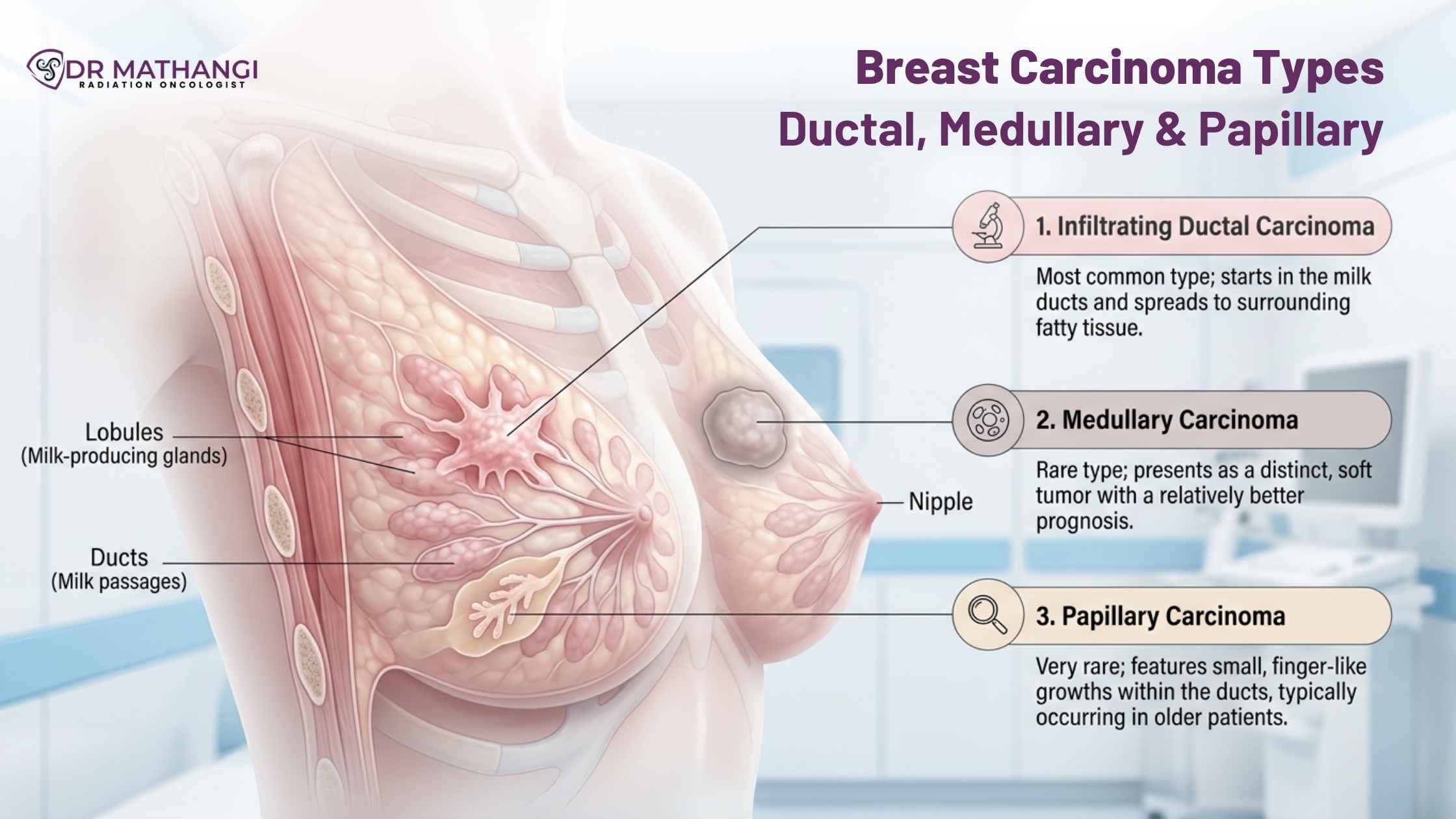
Frequently Asked Questions

What is nasopharyngeal carcinoma and how is it diagnosed?

nasopharyngeal carcinoma is a type of cancer that develops in the nasopharynx, located behind the nose and above the back of the throat. Diagnosis typically involves a combination of clinical examination, biopsy, and advanced imaging techniques. Dr. Mathangi emphasizes early detection through comprehensive evaluation, ensuring accurate diagnosis and timely intervention.

What are the early symptoms patients should watch for?

Common early signs include persistent nasal congestion, nosebleeds, hearing loss, and neck lumps. These symptoms can be subtle, which is why Dr. Mathangi recommends prompt evaluation if they persist. Early recognition plays a key role in improving outcomes.

How does tumor detection mri help in identifying the disease?

tumor detection mri is crucial for visualizing soft tissue structures and identifying tumor extent with precision. It helps detect early-stage lesions, assess spread to nearby structures, and guide treatment planning. Dr. Mathangi uses advanced MRI protocols to ensure accurate imaging results.

What role does head and neck cancer imaging play in treatment planning?

head and neck cancer imaging is essential for determining tumor size, location, and spread. Techniques like MRI, CT, and PET scans provide a complete picture of the disease. Dr. Mathangi integrates these imaging modalities to create personalized treatment strategies for each patient.

What is npc staging and why is it important?

npc staging refers to determining how far the cancer has spread in the body. It helps guide treatment decisions and predict prognosis. Accurate staging, performed by specialists like Dr. Mathangi, ensures patients receive the most appropriate and effective care.

What treatment options are available including radiation therapy npc?

radiation therapy npc is a primary treatment approach, often combined with chemotherapy depending on the stage. It targets cancer cells precisely while preserving surrounding tissues. Dr. Mathangi specializes in advanced radiation planning techniques to maximize effectiveness and minimize side effects.

How does nasopharyngeal carcinoma pathology outlines contribute to diagnosis?

nasopharyngeal carcinoma pathology outlines provide detailed microscopic analysis of tumor cells. This helps confirm the diagnosis, identify cancer subtype, and guide treatment decisions. Dr. Mathangi collaborates with expert pathologists to ensure precise and reliable findings.

Why choose Dr. Mathangi for diagnosis and treatment?

Dr. Mathangi offers a comprehensive approach that combines advanced imaging, accurate staging, and personalized treatment planning. With expertise in imaging and therapy coordination, patients benefit from a streamlined, patient-centric experience focused on better outcomes and long-term care.


Hepatocellular Carcinoma: Imaging, Diagnosis & ICD 10

Hepatocellular carcinoma (HCC) accounts for nearly 90% of all primary liver cancers worldwide and is among the leading causes of cancer-related deaths globally. Early detection through advanced liver cancer imaging and precise liver tumor diagnosis can significantly improve survival outcomes. Yet, many patients delay evaluation—missing a critical window where treatment is most effective.

At the forefront of advanced oncology care, Dr Mathangi, a Senior Radiation Oncologist with over 20 years of experience, delivers cutting-edge treatment solutions for liver cancers using globally trained expertise and state-of-the-art technology. Patients who act early gain access to life-saving precision therapies—while those who delay risk limited treatment options.

What is hepatocellular carcinoma?

Hepatocellular carcinoma is the most common type of primary liver cancer, typically developing in individuals with chronic liver disease such as cirrhosis, hepatitis B, or hepatitis C. According to hepatocellular carcinoma pathology outlines, this malignancy arises from hepatocytes and demonstrates varied histological patterns, making accurate diagnosis essential.

The condition often progresses silently, with symptoms appearing only in advanced stages. This underscores the importance of regular screening and early liver tumor diagnosis in high-risk individuals.

Why is early liver cancer imaging crucial?

Liver cancer imaging plays a pivotal role in detecting hepatocellular carcinoma at an early, treatable stage. Advanced imaging techniques allow clinicians to visualize tumor characteristics, vascular involvement, and disease spread with remarkable accuracy.

  • Detect tumors before symptoms arise
  • Differentiate benign from malignant lesions
  • Guide biopsy decisions
  • Enable precise treatment planning

Delaying imaging can lead to tumor progression, limiting curative treatment options such as stereotactic radiotherapy or targeted therapies offered by experts like Dr Mathangi.

What is dynamic ct liver cancer imaging?

Dynamic ct liver cancer imaging is a specialized technique used to evaluate liver lesions by capturing images during different phases of contrast enhancement. This method is particularly effective in diagnosing hepatocellular carcinoma.

Phases of dynamic ct liver cancer imaging

  1. Arterial phase – highlights hypervascular tumors
  2. Portal venous phase – evaluates washout characteristics
  3. Delayed phase – confirms lesion behavior

HCC typically shows arterial enhancement followed by washout in later phases—hallmark features that help confirm diagnosis without invasive procedures.

How is liver tumor diagnosis performed?

Liver tumor diagnosis involves a combination of clinical evaluation, imaging, and sometimes biopsy. In many cases, imaging alone is sufficient to confirm hepatocellular carcinoma.

Key diagnostic methods

  • Ultrasound screening for high-risk patients
  • CT scan and dynamic ct liver cancer evaluation
  • MRI with contrast for detailed characterization
  • Alpha-fetoprotein (AFP) blood test
  • Biopsy (if imaging is inconclusive)

Under the guidance of Dr Mathangi, patients benefit from a multidisciplinary approach that ensures accurate and timely liver tumor diagnosis, reducing uncertainty and improving outcomes.

What is hcc staging and why does it matter?

Hcc staging determines the extent of cancer spread and guides treatment decisions. Accurate staging ensures that patients receive the most appropriate and effective therapy.

Stage Description Treatment Approach
Early stage Single small tumor Curative therapies (surgery, ablation, SBRT)
Intermediate stage Multiple tumors Locoregional therapies
Advanced stage Vascular invasion or spread Systemic therapy, radiotherapy
Terminal stage Poor liver function Palliative care

Dr Mathangi utilizes advanced imaging and clinical expertise to accurately determine hcc staging, ensuring that every patient receives personalized, evidence-based care.

What is hepatocellular carcinoma icd 10?

The hepatocellular carcinoma icd 10 code is used for medical classification and billing purposes. It falls under:

  • C22.0 – Liver cell carcinoma

Accurate coding ensures proper documentation, insurance processing, and treatment planning. It also helps standardize global reporting and research on liver cancer.

What are the treatment options for hepatocellular carcinoma?

Treatment depends on tumor size, stage, liver function, and overall health. Modern oncology offers multiple options that significantly improve survival rates.

Advanced treatment approaches

  • Stereotactic ablative body radiotherapy (SBRT)
  • Image-guided radiotherapy (IGRT)
  • Gated RapidArc techniques
  • Interventional radiology procedures
  • Systemic therapies

Dr Mathangi is renowned for her expertise in advanced radiation oncology techniques, including SBRT and image-guided therapies. With over 12,000 successfully treated patients, she delivers precision care that maximizes tumor control while preserving healthy tissue.

Why choose Dr Mathangi for liver cancer treatment?

Dr Mathangi is a Senior Radiation Oncologist and In-charge of Gleneagles Cancer Institute in Bangalore, known for delivering world-class cancer care. She has trained internationally in Germany and Denmark and has pioneered advanced radiotherapy techniques in Asia.

Her expertise spans multiple cancers, including liver cancers, lung cancers, brain tumors, and more. She has played a key role in installing the Asia Pacific’s first TrueBeam STx machine, enabling cutting-edge treatment delivery.

Patients under her care benefit from:

  • Personalized treatment planning
  • Advanced imaging and diagnostic precision
  • Global-standard radiotherapy techniques
  • Compassionate, patient-centric care

How to book an appointment?

Taking the first step toward diagnosis and treatment can make all the difference. Patients can book an appointment with Dr Mathangi by submitting their details through the official contact form:

https://drmathangi.com/contact/

Once submitted, her team will schedule the appointment and guide you through the next steps. Delaying this decision could mean missing the opportunity for early, effective treatment.

About Dr Mathangi

Dr Mathangi J is a highly experienced radiation oncologist with over two decades of expertise in cancer treatment. She holds MBBS, DMRT, and DNB qualifications and leads the radiation oncology department at Gleneagles Cancer Institute.

Her advanced training includes stereotactic techniques, IGRT, RapidArc, and intraoperative radiotherapy. She is also the Director of Fellowship in Advanced Radiotherapy techniques affiliated with RGUHS, shaping the next generation of oncology specialists.

Her commitment to excellence, innovation, and patient care makes her one of the most trusted names in cancer treatment today.


Frequently Asked Questions

What is hepatocellular carcinoma and how is it diagnosed?

Hepatocellular carcinoma is the most common primary liver cancer and often develops in patients with chronic liver disease or cirrhosis. A proper liver tumor diagnosis involves clinical evaluation, blood tests such as AFP, and advanced imaging techniques. Dr. Mathangi uses a structured approach combining clinical findings with liver cancer imaging to ensure early and accurate detection.

What role does liver cancer imaging play in detecting HCC?

Liver cancer imaging is essential for identifying tumor characteristics, vascular patterns, and staging. Techniques such as ultrasound, MRI, and dynamic ct liver cancer scans help visualize arterial enhancement and washout patterns that are typical for HCC. Dr. Mathangi specializes in interpreting these imaging findings to guide treatment decisions.

What is dynamic ct liver cancer and why is it important?

Dynamic ct liver cancer imaging involves capturing multiple phases of contrast enhancement—arterial, portal venous, and delayed phases. This allows radiologists to detect hallmark features of hepatocellular carcinoma. Dr. Mathangi relies on this advanced imaging method to differentiate HCC from benign liver lesions with high accuracy.

How is hcc staging performed and why is it critical?

Hcc staging determines the extent of the disease and helps guide treatment strategies. It considers tumor size, number of lesions, vascular invasion, and liver function. Dr. Mathangi integrates imaging findings with clinical data to provide precise staging, ensuring patients receive the most appropriate care.

What is hepatocellular carcinoma icd 10 and why is it used?

Hepatocellular carcinoma icd 10 refers to the standardized diagnostic coding used globally for medical documentation, billing, and research. Accurate coding ensures proper classification of liver cancers and supports treatment planning. Dr. Mathangi ensures all diagnoses are aligned with correct ICD coding standards.

How do hepatocellular carcinoma pathology outlines help in understanding the disease?

Hepatocellular carcinoma pathology outlines provide detailed microscopic and histological insights into tumor structure. These outlines help differentiate HCC from other liver tumors and confirm diagnosis when imaging is inconclusive. Dr. Mathangi collaborates with pathology experts to ensure comprehensive evaluation.

When is biopsy required for liver tumor diagnosis?

In many cases, imaging alone can confirm hepatocellular carcinoma. However, when imaging findings are atypical, a biopsy may be recommended for definitive liver tumor diagnosis. Dr. Mathangi carefully evaluates each case to determine whether invasive testing is necessary or avoidable.

What makes Dr. Mathangi’s approach to HCC diagnosis unique?

Dr. Mathangi combines advanced imaging expertise, precise hcc staging, and multidisciplinary collaboration to deliver accurate and early diagnosis. Her patient-centered approach ensures that every aspect—from liver cancer imaging to final diagnosis—is handled with clarity, precision, and personalized care.


Papillary Thyroid Carcinoma: Symptoms, Staging & Treatment

Papillary thyroid carcinoma is the most common type of thyroid cancer, accounting for nearly 80–85% of all thyroid cancer cases worldwide. Despite its relatively favorable prognosis, delayed diagnosis or inadequate treatment can significantly impact outcomes. Understanding papillary thyroid carcinoma early is essential for effective intervention and long-term survival.

If you or a loved one has been diagnosed with papillary carcinoma of thyroid, the choices you make today can define your recovery journey. Under the expert care of Dr Mathangi J, a Senior Radiation Oncologist with over 20 years of experience, patients gain access to advanced, evidence-based cancer treatments that improve outcomes and quality of life.

What is papillary thyroid carcinoma?

Papillary thyroid carcinoma is a differentiated thyroid cancer that originates in the follicular cells of the thyroid gland. It typically grows slowly and often spreads to nearby lymph nodes but remains highly treatable when detected early.

Among various thyroid cancer types, this form is known for its excellent prognosis when managed appropriately. However, misconceptions about its “slow-growing nature” can lead to delayed care, which may increase complications.

What are the symptoms of papillary carcinoma of thyroid?

Papillary carcinoma of thyroid often develops silently, making early detection challenging. Many patients remain asymptomatic until the tumor grows or spreads.

  • A painless lump or swelling in the neck
  • Difficulty swallowing or breathing
  • Hoarseness or voice changes
  • Swollen lymph nodes in the neck
  • Persistent cough not related to infection

These symptoms can easily be overlooked or mistaken for minor conditions, which is why timely evaluation by a specialist like Dr Mathangi is critical.

Understanding papillary thyroid carcinoma pathology outlines

The term papillary thyroid carcinoma pathology outlines refers to the microscopic and histological features that define this cancer. These include:

  • Characteristic papillary structures
  • Enlarged nuclei with grooves and inclusions
  • Psammoma bodies (calcified deposits)

Accurate pathology assessment plays a vital role in confirming diagnosis and determining the appropriate treatment plan. Advanced diagnostic interpretation ensures that subtle variations are not missed, which can influence prognosis.

What are the different thyroid cancer types?

Understanding thyroid cancer types helps patients appreciate why papillary thyroid carcinoma requires specific treatment approaches.

Type Characteristics Prognosis
Papillary Most common, slow-growing Excellent
Follicular Spreads via bloodstream Good
Medullary Arises from C cells Moderate
Anaplastic Aggressive and rare Poor

Among all thyroid cancer types, papillary carcinoma stands out due to its high survival rates, especially when treated by experienced oncologists.

How is thyroid carcinoma staging determined?

Thyroid carcinoma staging is essential to determine the extent of disease and guide treatment decisions. It is typically based on the TNM system:

  • T (Tumor): Size and extent of the primary tumor
  • N (Nodes): Spread to lymph nodes
  • M (Metastasis): Spread to distant organs

Stages range from Stage I (localized disease) to Stage IV (advanced spread). Age also plays a unique role in staging thyroid cancers, making expert evaluation crucial.

What is papillary carcinoma icd 10 classification?

Papillary carcinoma icd 10 refers to the standardized coding used for medical documentation and insurance purposes. It typically falls under:

  • C73: Malignant neoplasm of thyroid gland

Accurate classification ensures proper treatment planning, documentation, and healthcare coordination.

What are the treatment options for papillary thyroid carcinoma?

Treatment for papillary thyroid carcinoma is highly personalized and depends on staging, tumor size, and patient health. At Gleneagles Cancer Institute, Dr Mathangi provides comprehensive care using advanced technologies.

Surgical treatment

  • Thyroidectomy (partial or total removal of thyroid)
  • Lymph node dissection if cancer has spread

Radioactive iodine therapy

  • Used after surgery to destroy remaining thyroid cells
  • Reduces recurrence risk

Advanced radiation therapy

In select cases, especially advanced or recurrent cancers, radiation therapy becomes essential. Dr Mathangi specializes in cutting-edge techniques such as:

  • Stereotactic Body Radiotherapy (SBRT)
  • Image-Guided Radiotherapy (IGRT)
  • RapidArc and DIBH gated radiotherapy

These technologies allow precise targeting of cancer cells while preserving healthy tissues, improving outcomes and reducing side effects.

Why choosing the right specialist matters

Choosing an experienced oncologist is not just a medical decision—it is a life-defining choice. With over 12,000 successfully treated patients, Dr Mathangi brings unmatched expertise in managing complex cancers, including papillary thyroid carcinoma.

Her international training from Germany and Denmark ensures that patients receive globally benchmarked care right here in India. Missing out on such specialized care can mean compromising on treatment precision and long-term outcomes.

Cancers treated with radiation therapy

Radiation therapy plays a vital role in treating various cancers. Under Dr Mathangi’s expertise, advanced radiotherapy is used for:

  • Head and neck cancers
  • Brain tumors
  • Spine tumors
  • Esophagus and rectal cancers
  • Lung cancers
  • Liver cancers
  • Breast cancers
  • Bladder cancers
  • Prostate cancers
  • Uterine cancers
  • Cervical cancer
  • Vulval cancers
  • Anal canal cancers
  • Penile cancers

How to take the next step

Delaying treatment can lead to disease progression and reduced effectiveness of therapies. Early intervention, guided by expertise, can significantly improve survival and quality of life.

To book an appointment with Dr Mathangi, visit:

https://drmathangi.com/contact/

Once you submit your details, her team will schedule your consultation and guide you through the next steps.

About Dr Mathangi

Dr Mathangi J is a Senior Consultant and In-charge of Radiation Oncology at Gleneagles Cancer Institute, Bangalore. With MBBS, DMRT, and DNB qualifications, she has over two decades of experience in advanced cancer care.

She is internationally trained in stereotactic radiotherapy, IGRT, and intraoperative radiotherapy. Known for installing Asia Pacific’s first TrueBeam STx Machine, Dr Mathangi is a pioneer in precision oncology and a trusted name in cancer treatment.

Frequently Asked Questions

What is papillary thyroid carcinoma and how common is it?

papillary thyroid carcinoma is the most common form among all thyroid cancer types, accounting for nearly 80% of thyroid cancer diagnoses worldwide. It typically grows slowly and often has an excellent prognosis when detected early. Patients may notice a painless lump in the neck or experience subtle symptoms that develop over time.

Under the expert care of Dr. Mathangi, early detection and accurate diagnosis are prioritized, ensuring that patients receive personalized care plans tailored to their specific condition and stage of disease.

What are the common symptoms of papillary carcinoma of thyroid?

papillary carcinoma of thyroid often presents with subtle symptoms, including a small lump in the neck, swelling, hoarseness of voice, difficulty swallowing, or enlarged lymph nodes. In many cases, the condition may remain asymptomatic and is discovered during routine health check-ups.

Dr. Mathangi emphasizes the importance of regular screenings and prompt evaluation of any neck swelling to ensure early diagnosis and effective treatment outcomes.

How is papillary thyroid carcinoma diagnosed?

Diagnosis involves a combination of clinical examination, ultrasound imaging, and fine needle aspiration biopsy. Detailed pathological evaluation plays a critical role, and references such as papillary thyroid carcinoma pathology outlines help in confirming the subtype and characteristics of the tumor.

Dr. Mathangi utilizes advanced diagnostic tools and a multidisciplinary approach to ensure precise and reliable diagnosis for every patient.

What does thyroid carcinoma staging mean?

thyroid carcinoma staging refers to determining the extent of cancer spread within the thyroid gland and beyond. It considers tumor size, lymph node involvement, and distant metastasis. Staging is essential in planning treatment and predicting outcomes.

At Dr. Mathangi’s clinic, staging is carefully evaluated using imaging and clinical findings to create a comprehensive treatment roadmap tailored to each patient.

What are the treatment options available?

Treatment for papillary thyroid carcinoma typically includes surgery (thyroidectomy), radioactive iodine therapy, thyroid hormone therapy, and regular follow-up monitoring. The approach depends on the stage and risk profile of the cancer.

Dr. Mathangi offers comprehensive care, from minimally invasive surgical techniques to long-term follow-up, ensuring optimal recovery and reduced recurrence risk.

What is papillary carcinoma icd 10 and why is it important?

papillary carcinoma icd 10 refers to the standardized medical coding used for documenting and classifying this condition in healthcare systems. It helps in maintaining accurate medical records, insurance claims, and global disease tracking.

Proper documentation under Dr. Mathangi’s care ensures seamless coordination between diagnosis, treatment, and follow-up processes.

Is papillary thyroid carcinoma curable?

Yes, papillary thyroid carcinoma is highly treatable and often curable, especially when diagnosed early. The survival rate is excellent, and many patients lead normal, healthy lives after treatment.

With Dr. Mathangi’s expertise, patients benefit from evidence-based treatments and compassionate care, significantly improving their chances of complete recovery.

How important is follow-up care after treatment?

Follow-up care is crucial to monitor for recurrence and manage thyroid hormone levels. Regular blood tests, imaging, and clinical evaluations are part of long-term care.

Dr. Mathangi ensures structured follow-up programs for every patient, providing continuous support and early intervention if needed.


Basal Cell Carcinoma: Symptoms, Diagnosis & ICD 10

Basal cell carcinoma: symptoms, diagnosis & ICD 10

Basal cell carcinoma is the most common form of skin cancer globally, accounting for nearly 80% of all non melanoma cancer cases. While it rarely spreads to distant organs, delayed diagnosis can lead to significant tissue damage and disfigurement. Recognizing early signs and seeking expert care—such as from Dr Mathangi—can make a critical difference in outcomes.

At Gleneagles Cancer Institute, Dr Mathangi combines over two decades of clinical expertise with cutting-edge radiation oncology techniques to provide precise, patient-centric care. If left unchecked, even a slow-growing cancer like basal cell carcinoma can compromise both health and quality of life.

What is basal cell carcinoma?

Basal cell carcinoma is a type of non melanoma cancer that originates in the basal cells of the skin—the cells responsible for producing new skin cells. It typically develops in sun-exposed areas such as the face, neck, and arms.

Among the various skin cancer types, basal cell carcinoma is considered the least aggressive but the most frequent. However, its high prevalence means that awareness and early intervention are essential.

  • Slow-growing but locally invasive
  • Rarely metastasizes but can damage surrounding tissue
  • Strongly associated with UV exposure
  • Common in individuals with fair skin

What are the early bcc symptoms?

The early bcc symptoms can often be subtle and mistaken for benign skin conditions. Identifying these signs early is crucial for effective treatment.

  • Pearly or waxy bumps on the skin
  • Flat, flesh-colored or brown scar-like lesions
  • Bleeding or scabbing sores that heal and return
  • Visible blood vessels in the lesion
  • Persistent non-healing ulcers

These symptoms may not cause pain initially, which often leads patients to delay consultation. This delay can result in deeper tissue involvement, making treatment more complex.

Why early diagnosis of basal cell carcinoma matters?

Ignoring early signs can allow the tumor to grow deeper into the skin layers, potentially affecting nerves, cartilage, and bone. While basal cell carcinoma rarely spreads, its local destruction can be severe.

Dr Mathangi emphasizes that early detection not only improves treatment outcomes but also minimizes the need for extensive surgical procedures or aggressive therapies.

Consequences of delayed treatment

  • Increased tissue damage
  • Higher treatment complexity
  • Greater cosmetic impact
  • Longer recovery time

How is basal cell carcinoma diagnosed?

Diagnosis typically involves a combination of clinical examination and biopsy. Dr Mathangi ensures a thorough and precise diagnostic approach to determine the exact nature of the lesion.

Diagnostic process

  1. Visual examination: Assessment of suspicious lesions
  2. Dermatoscopy: Detailed evaluation using magnification tools
  3. Biopsy: Confirmation through tissue sampling

Medical professionals may refer to basal cell carcinoma pathology outlines to understand histological patterns and confirm diagnosis accurately.

What is basal cell carcinoma icd 10 classification?

The basal cell carcinoma icd 10 classification is used for medical coding, billing, and documentation. It helps standardize diagnosis across healthcare systems.

Condition ICD 10 Code
Basal cell carcinoma (general) C44
Basal cell carcinoma of skin icd 10 C44.0 – C44.9 (depending on location)

Accurate coding ensures proper treatment planning, insurance processing, and medical record management.

What causes basal cell carcinoma?

The primary cause of basal cell carcinoma is prolonged exposure to ultraviolet (UV) radiation. However, several additional risk factors contribute to its development.

  • Excessive sun exposure or tanning
  • History of sunburns
  • Fair skin, light eyes, or hair
  • Age (more common in older adults)
  • Weakened immune system
  • Exposure to radiation or certain chemicals

How is basal cell carcinoma treated?

Treatment depends on the size, depth, and location of the tumor. Dr Mathangi specializes in advanced radiation therapy techniques that offer precision and minimal side effects.

Treatment options include:

  • Surgical removal: Excision or Mohs surgery
  • Radiation therapy: Ideal for inoperable cases or sensitive areas
  • Topical treatments: For superficial lesions
  • Targeted therapy: In rare advanced cases

Dr Mathangi’s expertise in advanced radiotherapy techniques such as IGRT, RapidArc, and SBRT ensures highly targeted treatment with optimal outcomes.

Which cancers require radiation therapy?

Radiation therapy plays a critical role in treating multiple cancers. Under Dr Mathangi’s leadership, advanced radiotherapy is used for:

  • Head and neck cancers
  • Brain tumors
  • Spine tumors
  • Esophagus and rectal cancers
  • Lung cancers
  • Liver cancers
  • Breast cancers
  • Bladder cancers
  • Prostate cancers
  • Uterine cancers
  • Cervical cancer
  • Vulval cancers
  • Anal canal cancers
  • Penile cancers

How to prevent basal cell carcinoma?

Prevention focuses on minimizing UV exposure and maintaining skin health.

  • Use sunscreen with SPF 30 or higher
  • Avoid direct sun exposure during peak hours
  • Wear protective clothing and hats
  • Regular skin self-examinations
  • Annual dermatological check-ups

Why choose Dr Mathangi for treatment?

Dr Mathangi is a Senior Radiation Oncologist and In-charge at Gleneagles Cancer Institute, Bangalore, with over 20 years of experience and more than 12,000 successfully treated patients.

Her advanced training from Germany and Denmark, combined with her leadership in cutting-edge radiotherapy technologies, ensures that patients receive world-class care tailored to their condition.

Patients who delay treatment risk not only disease progression but also missing the opportunity for minimally invasive and highly effective interventions.

To book an appointment, submit your contact details at:
https://drmathangi.com/contact/

About Dr Mathangi

Dr Mathangi J is a leading radiation oncologist based in Bangalore, specializing in advanced cancer treatments. She serves as the Director of Fellowship in Advanced Radiotherapy techniques and has been instrumental in introducing Asia Pacific’s first TrueBeam STx Machine.

Her expertise spans multiple cancer types, and her patient-first approach ensures compassionate, precise, and effective treatment outcomes.

Frequently Asked Questions

What is basal cell carcinoma and how is it different from other skin cancer types?

Basal cell carcinoma is the most common form of non melanoma cancer that develops in the basal cells of the skin. Among the different skin cancer types, it is typically slow-growing and rarely spreads to distant organs. However, it can cause significant local damage if left untreated. Dr. Mathangi focuses on early detection and personalized treatment plans to ensure the best outcomes for patients.

What are the most common bcc symptoms patients should watch for?

Common bcc symptoms include a pearly or waxy bump, a flat flesh-colored lesion, or a sore that repeatedly heals and reopens. Some patients may also notice visible blood vessels or a scar-like area. Dr. Mathangi encourages prompt evaluation of any unusual skin changes to enable early intervention and prevent complications.

How is basal cell carcinoma diagnosed and what role do pathology reports play?

Diagnosis typically involves a clinical examination followed by a skin biopsy. The biopsy is analyzed using basal cell carcinoma pathology outlines to confirm the type and depth of the tumor. Dr. Mathangi uses these detailed reports to guide treatment decisions and ensure complete removal of cancerous cells.

What is basal cell carcinoma icd 10 and why is it important?

The basal cell carcinoma icd 10 code is part of an internationally recognized system used to classify and document medical diagnoses. It helps standardize communication between healthcare providers, insurance companies, and medical records systems. Dr. Mathangi ensures accurate coding for streamlined treatment planning and insurance processing.

What does basal cell carcinoma of skin icd 10 specifically refer to?

The basal cell carcinoma of skin icd 10 classification refers specifically to cancer originating in the skin’s basal cells. It includes detailed subcategories based on location and severity. This classification helps Dr. Mathangi tailor treatment strategies and maintain precise medical documentation.

What treatment options does Dr. Mathangi offer for basal cell carcinoma?

Dr. Mathangi offers a range of treatments including surgical excision, minimally invasive procedures, and advanced dermatological therapies depending on the size, depth, and location of the tumor. Her approach focuses on complete removal, cosmetic preservation, and reducing recurrence risk, ensuring patients receive comprehensive and compassionate care.

Can basal cell carcinoma become serious if left untreated?

Although basal cell carcinoma is a non melanoma cancer and generally less aggressive than other forms, it can grow deeper into the skin and damage surrounding tissues if ignored. Early diagnosis and treatment by specialists like Dr. Mathangi are essential to prevent complications and ensure optimal recovery.

How can patients reduce their risk of developing basal cell carcinoma?

Preventive measures include limiting sun exposure, using broad-spectrum sunscreen, wearing protective clothing, and scheduling regular skin check-ups. Dr. Mathangi also educates patients on recognizing early warning signs and maintaining long-term skin health to reduce the risk of recurrence.

Squamous Cell Carcinoma: Types, Stages & ICD Codes

Squamous Cell Carcinoma: Types, Stages & ICD Codes

Squamous Cell Carcinoma (SCC) is one of the most common cancers globally, accounting for nearly 20% of all skin cancers and a significant portion of head and neck malignancies. Despite its prevalence, many patients delay seeking treatment, risking progression to advanced stages that require complex interventions. Understanding SCC early can dramatically improve outcomes—and this is where expert care from Dr Mathangi becomes life-changing.

What is squamous cell carcinoma and why is early detection critical?

Squamous cell carcinoma is a malignant tumor arising from squamous cells, which are flat cells found in the skin, respiratory tract, and various organs. Early detection is critical because SCC can invade deeper tissues and metastasize if untreated.

The challenge most patients face is recognizing symptoms early and understanding the seriousness of the condition. Many ignore persistent skin lesions, ulcers, or unusual growths, assuming they are harmless. This delay often leads to complicated treatments later.

At Gleneagles Cancer Institute, Dr Mathangi emphasizes early detection using advanced imaging and precise scc diagnosis protocols, ensuring patients receive timely and effective care.

What are the major skin carcinoma types and how does SCC differ?

There are three primary skin carcinoma types:

  • Basal cell carcinoma (most common, slow growing)
  • Squamous cell carcinoma (moderately aggressive)
  • Melanoma (most aggressive and life-threatening)

Among these, SCC stands out due to its ability to grow deeper into tissues and spread to lymph nodes if not treated promptly. Unlike basal cell carcinoma, SCC requires more aggressive management in advanced stages.

What are the types of squamous cell carcinoma?

Well differentiated squamous cell carcinoma

Well differentiated squamous cell carcinoma refers to tumors that closely resemble normal squamous cells. These cancers tend to grow slower and are often associated with better prognosis when treated early.

Poorly differentiated squamous cell carcinoma

Poorly differentiated squamous cell carcinoma is more aggressive, with cells that appear abnormal and lack structural organization. These tumors have a higher potential for metastasis and require advanced treatment strategies such as precision radiotherapy.

Dr Mathangi’s expertise in advanced radiation techniques such as SBRT and IGRT ensures that even aggressive cancers are treated with high precision while minimizing damage to surrounding tissues.

What are the stages of squamous cell carcinoma?

SCC staging helps determine the extent of the disease and guides treatment decisions:

  1. Stage 0: Cancer is confined to the top layer (also known as carcinoma in situ)
  2. Stage I: Small tumor localized to the origin site
  3. Stage II: Larger tumor with deeper invasion
  4. Stage III: Spread to nearby lymph nodes
  5. Stage IV: Metastasis to distant organs

Early-stage cancers are highly treatable, but advanced stages require multidisciplinary care. This is where Dr Mathangi’s 20+ years of experience and access to cutting-edge radiotherapy technologies provide a critical advantage.

What are the ICD codes for squamous cell carcinoma?

ICD codes are essential for accurate diagnosis, treatment planning, and insurance processing.

  • squamous cell carcinoma in situ icd 10: Typically coded under D04 series
  • Invasive SCC codes vary depending on location (e.g., skin, lung, cervix)

Correct coding ensures streamlined treatment pathways and avoids administrative delays, something that experienced oncology teams like Dr Mathangi’s manage seamlessly.

How is scc diagnosis performed?

Accurate scc diagnosis involves a combination of clinical evaluation and advanced diagnostic tools:

  • Physical examination and history
  • Biopsy and histopathological analysis
  • Imaging (CT, MRI, PET scans)

Medical professionals often refer to squamous cell carcinoma pathology outlines to understand tumor characteristics and confirm diagnosis. These outlines provide detailed insights into cellular differentiation, invasion patterns, and staging.

At her center, Dr Mathangi integrates pathology with advanced imaging and radiation planning systems to ensure precision-driven treatment.

What treatment options are available for squamous cell carcinoma?

Treatment depends on the stage, location, and type of SCC:

  • Surgery (for localized tumors)
  • Radiation therapy (primary or adjuvant)
  • Chemotherapy (for advanced cases)

Radiation therapy plays a vital role in treating:

  • Head and neck cancers
  • Lung cancers
  • Breast cancers
  • Prostate cancers
  • Cervical and uterine cancers

Dr Mathangi specializes in advanced radiation oncology techniques such as:

  • Stereotactic Body Radiotherapy (SBRT)
  • Image-Guided Radiotherapy (IGRT)
  • RapidArc and DIBH gated radiotherapy
  • Interstitial brachytherapy

These techniques allow for highly targeted treatment, improving outcomes while minimizing side effects.

Why choosing the right oncologist can change outcomes

Many patients underestimate the importance of specialized care. In reality, the difference between standard treatment and advanced precision oncology can be life-altering.

With over 12,000 successfully treated patients, Dr Mathangi combines global training with cutting-edge technology, including Asia Pacific’s first TrueBeam STx machine. Her leadership at Gleneagles Cancer Institute ensures that patients receive world-class care right here in India.

Delaying expert consultation can lead to disease progression, increased treatment complexity, and reduced survival rates. Acting early gives patients access to the most effective and least invasive options.

How to take the next step toward treatment

If you or your loved one is experiencing symptoms or has been diagnosed with SCC, taking immediate action is crucial. Early consultation with an experienced radiation oncologist can significantly improve outcomes.

To book an appointment, submit your contact information at:

https://drmathangi.com/contact/

Dr Mathangi’s team will schedule your consultation and guide you through every step of your treatment journey.

About Dr Mathangi

Dr Mathangi J is a Senior Radiation Oncologist and In-charge of Gleneagles Cancer Institute, Bangalore. With over 20 years of experience, she specializes in treating complex cancers using advanced radiotherapy techniques.

Her expertise includes head and neck cancers, lung cancers, breast cancers, prostate cancers, and gynecological cancers. She has received international training in Germany and Denmark and is recognized for pioneering advanced radiation technologies in India.

Her patient-centric approach, combined with technological excellence, ensures that every patient receives personalized and effective cancer care.

Frequently Asked Questions

What are the main skin carcinoma types and where does squamous cell carcinoma fit in?

Among the different skin carcinoma types, the most common are basal cell carcinoma, squamous cell carcinoma, and melanoma. Squamous cell carcinoma develops from the squamous cells in the outer layer of the skin and is considered the second most common type. Dr. Mathangi evaluates each case carefully to distinguish between these types and recommends personalized treatment plans depending on severity, location, and spread.

What is involved in an accurate scc diagnosis?

A proper scc diagnosis involves clinical examination, dermatoscopy, and confirmation through biopsy. The tissue is then analyzed histologically to determine the type and grade of cancer. Dr. Mathangi ensures early and precise scc diagnosis by combining advanced diagnostic tools with expert pathological review, which helps in initiating timely and effective treatment.

What does squamous cell carcinoma pathology outlines mean?

The term squamous cell carcinoma pathology outlines refers to the structured microscopic description used by pathologists to define tumor characteristics such as keratinization, cellular atypia, and invasion depth. These outlines help clinicians like Dr. Mathangi determine the aggressiveness of the tumor and choose the most appropriate treatment strategy.

What is the difference between well differentiated squamous cell carcinoma and poorly differentiated squamous cell carcinoma?

Well differentiated squamous cell carcinoma resembles normal squamous cells and tends to grow more slowly, often with a better prognosis. In contrast, poorly differentiated squamous cell carcinoma appears more abnormal under the microscope and is typically more aggressive with a higher risk of spreading. Dr. Mathangi uses this grading to guide treatment decisions, ensuring patients receive the most appropriate level of care.

What does squamous cell carcinoma in situ icd 10 refer to?

Squamous cell carcinoma in situ icd 10 is a medical coding classification used for billing and documentation. It refers to an early-stage cancer where abnormal cells are confined to the top layer of the skin and have not invaded deeper tissues. Dr. Mathangi emphasizes early detection at this stage, as treatment outcomes are highly favorable when addressed promptly.

How are the stages of squamous cell carcinoma determined?

The staging of squamous cell carcinoma is based on tumor size, depth of invasion, lymph node involvement, and spread to other organs. Early stages are localized, while advanced stages may involve metastasis. Dr. Mathangi uses imaging, biopsy findings, and clinical evaluation to accurately stage the disease and tailor treatment accordingly.

What treatment options does Dr. Mathangi offer for squamous cell carcinoma?

Dr. Mathangi offers a comprehensive range of treatments including surgical excision, Mohs micrographic surgery, topical therapies, radiation therapy, and systemic treatments for advanced cases. Each treatment plan is customized based on tumor type, stage, and patient health to ensure optimal outcomes and minimal recurrence.

Can squamous cell carcinoma be prevented or detected early?

While not all cases can be prevented, reducing sun exposure, using sunscreen, and avoiding tanning beds significantly lowers risk. Regular skin checks and early consultation with specialists like Dr. Mathangi can help detect lesions early, improving treatment success rates and reducing complications.

Carcinoma vs Sarcoma: Key Differences Explained

Carcinoma vs Sarcoma: Key Differences Explained

Cancer affects millions globally, with over 19 million new cases diagnosed each year. Yet, one of the most misunderstood distinctions in oncology is sarcoma vs carcinoma. Knowing the difference can significantly influence early diagnosis, treatment choices, and survival outcomes. Under the expert guidance of Dr Mathangi, patients receive precise diagnosis and advanced radiation therapy tailored to their cancer type.

When it comes to carcinoma vs sarcoma difference, understanding the origin, behavior, and treatment pathways of these cancers is not just informative—it can be life-saving. Missing early signs or choosing generalized care may delay recovery. This is where specialized oncology expertise becomes crucial.

What is the difference between sarcoma vs carcinoma?

The key difference between sarcoma vs carcinoma lies in their tissue of origin. Carcinomas arise from epithelial cells (lining of organs), while sarcomas develop from connective tissues like bone, muscle, or fat.

This fundamental distinction defines how the cancer behaves, spreads, and responds to treatment. Let’s break this down further through a structured cancer types comparison.

Understanding epithelial vs connective cancer

The concept of epithelial vs connective cancer is central to understanding these two cancer types.

Carcinoma (Epithelial cancer)

  • Originates in epithelial cells
  • Affects organs like lungs, breast, prostate, colon
  • Most common type of cancer (about 80–90% of cases)
  • Spreads through lymphatic system

Sarcoma (Connective tissue cancer)

  • Originates in connective tissues
  • Affects bones, muscles, cartilage, fat, blood vessels
  • Rare (less than 1% of adult cancers)
  • Spreads through bloodstream

This distinction in epithelial vs connective cancer impacts diagnosis, imaging, and treatment planning significantly.

Carcinoma vs sarcoma difference explained in detail

Feature Carcinoma Sarcoma
Origin Epithelial cells Connective tissues
Common Sites Breast, lung, prostate, colon Bone, muscle, fat
Frequency Very common Rare
Spread Pattern Lymphatic system Bloodstream
Detection Often early Often late

This structured cancer types comparison highlights why early detection strategies differ between the two.

What is sarcoma definition and why is it important?

Sarcoma definition: Sarcoma is a malignant tumor that arises from connective tissues such as bone, muscle, fat, cartilage, or blood vessels.

Understanding the sarcoma definition is crucial because these cancers are rare and often misdiagnosed. Patients may ignore symptoms like painless swelling, which delays treatment.

Dr Mathangi emphasizes early imaging and biopsy for suspicious soft tissue masses, ensuring accurate diagnosis and timely intervention.

What are common carcinoma examples?

Recognizing carcinoma examples helps patients understand how widespread and varied this cancer type is.

  • Breast carcinoma
  • Lung carcinoma
  • Prostate carcinoma
  • Colorectal carcinoma
  • Skin carcinoma (basal cell, squamous cell)

These carcinoma examples represent cancers that are commonly treated with radiation therapy, an area where Dr Mathangi has extensive expertise.

Why does carcinoma vs sarcoma difference matter for treatment?

The carcinoma vs sarcoma difference directly influences treatment planning.

For carcinoma:

  • Surgery + Radiation therapy
  • Chemotherapy or targeted therapy
  • Often detected early

For sarcoma:

  • Surgery is primary treatment
  • Radiation used for local control
  • Specialized imaging required

Dr Mathangi uses advanced techniques such as SBRT, IGRT, and RapidArc to precisely target tumors while preserving healthy tissue—especially critical in both carcinoma and sarcoma cases.

Symptoms: How do carcinoma and sarcoma present?

Symptoms vary depending on location, but understanding patterns helps in early detection.

Carcinoma symptoms:

  • Persistent cough (lung cancer)
  • Breast lumps
  • Unusual bleeding
  • Changes in bowel habits

Sarcoma symptoms:

  • Painless lump or swelling
  • Bone pain
  • Limited mobility

Ignoring these warning signs can delay diagnosis. Early consultation with an expert like Dr Mathangi ensures timely intervention.

How is diagnosis done in cancer types comparison?

Accurate diagnosis is the foundation of effective treatment.

  • Imaging: MRI, CT scans, PET scans
  • Biopsy: Confirms cancer type
  • Histopathology: Differentiates epithelial vs connective cancer

This detailed cancer types comparison ensures that the right treatment path is chosen from the beginning.

Advanced radiation therapy by Dr Mathangi

Dr Mathangi is a Senior Radiation Oncologist with over 20 years of experience and more than 12,000 successfully treated patients. She leads advanced cancer care at Gleneagles Cancer Institute, Bangalore.

Her expertise includes:

  • Stereotactic Body Radiotherapy (SBRT)
  • Image-Guided Radiotherapy (IGRT)
  • RapidArc technology
  • Brachytherapy

She specializes in treating:

  • Head and neck cancers
  • Brain tumors
  • Lung cancers
  • Breast cancers
  • Prostate cancers
  • Cervical and uterine cancers

Patients who delay expert consultation often face advanced-stage complications. Choosing Dr Mathangi means accessing precision-driven care that improves outcomes and quality of life.

Why choosing the right specialist matters

Many patients underestimate the importance of differentiating sarcoma vs carcinoma. This leads to:

  • Incorrect treatment approaches
  • Delayed recovery
  • Increased risk of recurrence

Dr Mathangi’s experience ensures that every patient receives a tailored treatment plan based on accurate diagnosis and advanced technology.

Missing expert care at the right time could mean missing the window for optimal treatment.

How to book an appointment

To receive personalized consultation and advanced cancer treatment, patients can submit their details through the official contact form:

https://drmathangi.com/contact/

Once submitted, the team will schedule your appointment and guide you through the next steps.

About Dr Mathangi

Dr Mathangi J is a Senior Consultant & In-charge of Radiation Oncology with MBBS, DMRT, and DNB qualifications. She leads one of the most advanced oncology departments in India and has received international training in Germany and Denmark.

Her patient-first approach, combined with cutting-edge technology, ensures world-class cancer care tailored to individual needs.
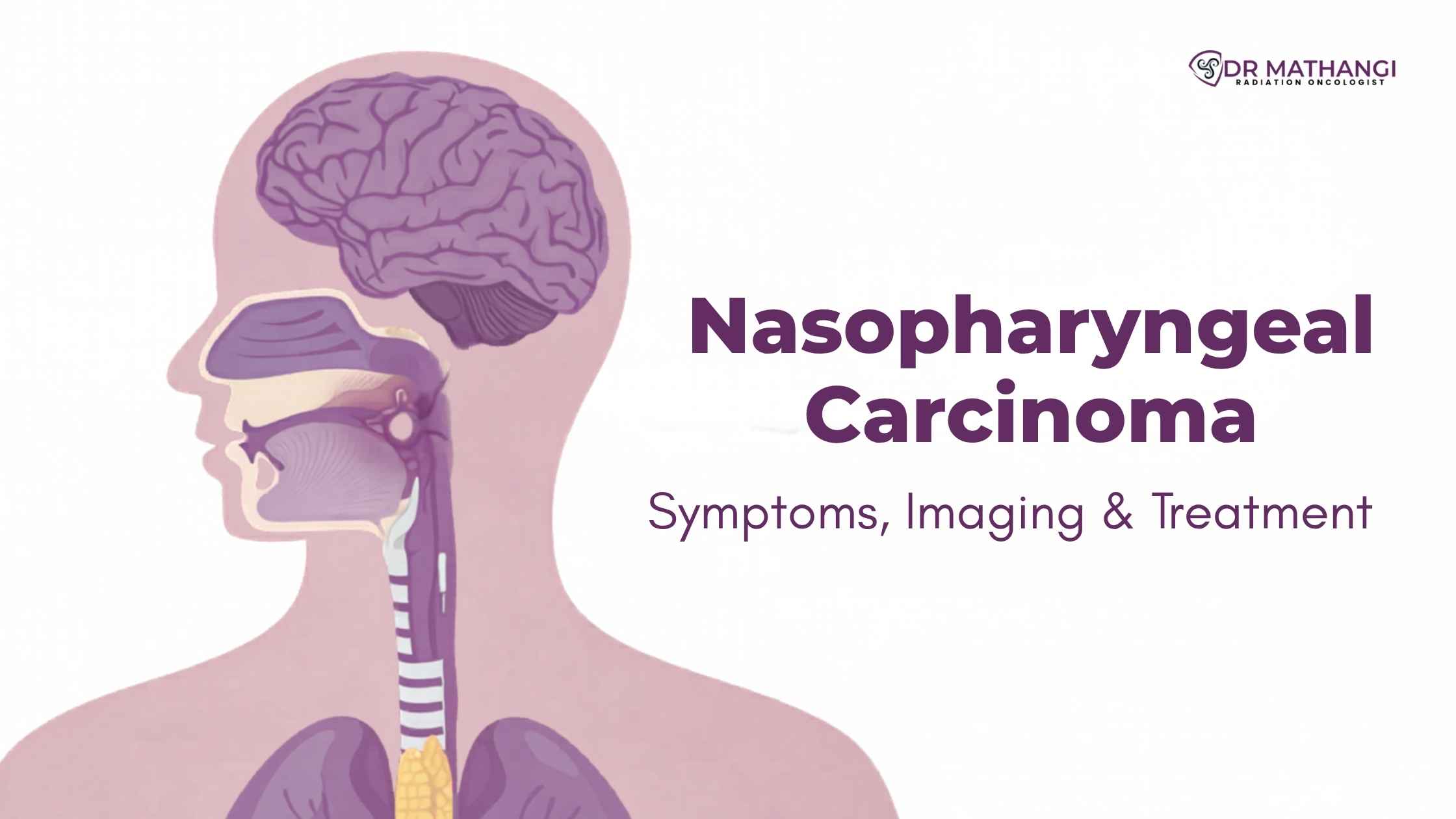
Frequently Asked Questions

What is the main difference between sarcoma vs carcinoma?

The key distinction in sarcoma vs carcinoma lies in the type of tissue where the cancer originates.
Carcinomas arise from epithelial cells that line organs and surfaces such as the skin, lungs, and digestive tract,
while sarcomas develop in connective tissues like bone, muscle, fat, or cartilage. This epithelial vs connective cancer
difference significantly influences how each cancer behaves, spreads, and responds to treatment.

How does understanding carcinoma vs sarcoma difference help in treatment?

Knowing the carcinoma vs sarcoma difference allows specialists like Dr. Mathangi to design precise treatment plans.
Carcinomas are more common and often respond well to chemotherapy, radiation, and targeted therapy.
Sarcomas, on the other hand, may require specialized surgical techniques and tailored therapies due to their rarity and complexity.
Accurate diagnosis ensures better outcomes and avoids unnecessary or ineffective treatments.

What is the sarcoma definition in simple terms?

The sarcoma definition refers to a group of cancers that originate in connective tissues such as bones, muscles, fat, nerves, and blood vessels.
Unlike carcinomas, which are more common, sarcomas are rare and can occur anywhere in the body. Early detection and expert evaluation are crucial
for effective management.

Can you provide some common carcinoma examples?

Some widely known carcinoma examples include breast cancer, lung cancer, prostate cancer, and colorectal cancer.
These cancers begin in epithelial cells and are among the most frequently diagnosed cancer types worldwide.
Recognizing symptoms early and seeking expert care from specialists like Dr. Mathangi can improve prognosis significantly.

Why is epithelial vs connective cancer classification important?

The classification of epithelial vs connective cancer helps doctors understand the origin and behavior of tumors.
Epithelial cancers (carcinomas) tend to spread through lymph nodes, whereas connective tissue cancers (sarcomas)
often spread through the bloodstream. This difference affects staging, diagnosis, and treatment planning.

How does cancer types comparison improve diagnosis accuracy?

A thorough cancer types comparison enables clinicians to distinguish between similar-looking tumors using imaging, biopsy, and pathology.
This ensures that patients receive the correct diagnosis and appropriate therapy. Dr. Mathangi emphasizes a multidisciplinary approach
to ensure each patient benefits from accurate classification and personalized care.

What treatment options does Dr. Mathangi offer for carcinoma and sarcoma?

Dr. Mathangi provides comprehensive cancer care, including early diagnosis, advanced imaging, biopsy guidance,
surgical planning, and coordination with oncology specialists. Depending on whether the condition falls under sarcoma vs carcinoma,
treatment may involve surgery, chemotherapy, radiation therapy, or targeted treatments. Her approach focuses on precision,
patient comfort, and long-term recovery.

When should someone consult a specialist for suspected carcinoma or sarcoma?

You should consult a specialist if you notice persistent lumps, unexplained pain, abnormal bleeding, or changes in skin or organ function.
Early evaluation is critical in both carcinoma and sarcoma cases. Timely consultation with experts like Dr. Mathangi ensures accurate
diagnosis, proper cancer types comparison, and access to effective treatment pathways.

What is Carcinoma? Meaning, Types, Diagnosis & Treatment

What is carcinoma? Meaning, types, diagnosis & treatment

Cancer remains one of the leading causes of death worldwide, accounting for nearly 10 million deaths annually. Among these, carcinoma is the most common form, responsible for approximately 80–90% of all cancer cases. Understanding what is carcinoma is not just medical knowledge—it can be life-saving when early detection and timely treatment are involved.

If you’ve ever wondered about carcinoma meaning or how it differs from other cancers, this comprehensive guide will walk you through everything—from its origin and types to diagnosis and advanced treatment options available under the expertise of Dr Mathangi, a highly experienced radiation oncologist.

What is carcinoma and why is it important to understand?

What is carcinoma? Carcinoma refers to a type of cancer that begins in the epithelial cells—the cells that line the inner and outer surfaces of the body. This form of epithelial cancer can affect organs such as the skin, lungs, breasts, prostate, and colon.

In simple terms, the carcinoma definition is: a malignant tumor that arises from epithelial tissue. This ties directly to the broader malignant tumor meaning, which refers to a growth of abnormal cells that invade surrounding tissues and may spread (metastasize) to other parts of the body.

Carcinoma explanation: how it develops

A clear carcinoma explanation begins with understanding how normal cells behave. Healthy epithelial cells grow, divide, and die in a controlled manner. However, due to genetic mutations or environmental triggers, these cells may begin to multiply uncontrollably.

  • DNA mutations disrupt normal cell cycles
  • Cells evade programmed death (apoptosis)
  • Abnormal growth leads to tumor formation
  • Malignant cells invade nearby tissues
  • In advanced stages, spread occurs through blood or lymph

This is why understanding carcinoma vs cancer is important—while all carcinomas are cancers, not all cancers are carcinomas.

Carcinoma vs cancer: what’s the difference?

Aspect Carcinoma Cancer
Origin Epithelial cells Various cell types
Prevalence Most common type Includes all cancer types
Examples Breast, lung, prostate Leukemia, lymphoma, sarcoma

This comparison simplifies the concept of carcinoma vs cancer and helps patients better understand their diagnosis.

What are the main types of carcinoma?

Carcinomas are classified based on the type of epithelial cells involved. Below are the major types:

1. Adenocarcinoma

Develops in glandular tissues and is common in organs like the lungs, breast, prostate, and colon.

2. Squamous cell carcinoma

Arises from flat epithelial cells and commonly affects the skin, esophagus, and lungs.

3. Basal cell carcinoma

The most common skin cancer, usually caused by prolonged sun exposure.

4. Transitional cell carcinoma

Occurs in the urinary system, especially the bladder.

Each type represents a different manifestation of epithelial cancer, requiring tailored treatment approaches.

What are the symptoms of carcinoma?

Symptoms vary depending on the location, but common warning signs include:

  • Unexplained weight loss
  • Persistent fatigue
  • Changes in skin or moles
  • Chronic cough or hoarseness
  • Abnormal bleeding
  • Lumps or swelling

Recognizing these early can make a critical difference, especially when combined with expert care.

How is carcinoma diagnosed?

Accurate diagnosis is essential for effective treatment. The diagnostic process typically involves:

  1. Medical history and physical examination
  2. Imaging tests: CT scans, MRI, PET scans
  3. Biopsy: Confirming the presence of cancer cells
  4. Laboratory tests: Blood markers and pathology analysis

With over 20 years of experience and more than 12,000 successfully treated patients, Dr Mathangi ensures precise diagnosis using advanced technologies and evidence-based protocols.

What are the treatment options for carcinoma?

Treatment depends on the type, stage, and location of the carcinoma. Common options include:

Radiation therapy

One of the most effective treatments for carcinoma, especially when delivered using advanced techniques. Dr Mathangi specializes in:

  • Stereotactic ablative body radiotherapy (SBRT)
  • Gated RapidArc
  • DIBH gated Radiotherapy
  • Image-guided Interstitial Brachytherapy

Radiation therapy is particularly beneficial for:

  • Head and neck cancers
  • Brain tumors
  • Spine tumors
  • Lung cancers
  • Liver cancers
  • Breast cancers
  • Bladder cancers
  • Prostate cancers
  • Uterine cancers
  • Cervical cancer
  • Vulval cancers
  • Anal canal cancers
  • Penile cancers

Surgery

Removal of the tumor when localized.

Chemotherapy

Systemic treatment to destroy cancer cells.

Targeted therapy and immunotherapy

Advanced treatments focusing on specific cancer pathways.

At Gleneagles Cancer Institute, Dr Mathangi integrates these approaches to deliver personalized care.

Why choosing the right specialist matters

The difference between delayed treatment and expert intervention can be life-altering. Many patients underestimate early symptoms, leading to advanced-stage diagnosis.

This is where the expertise of Dr Mathangi becomes invaluable. As a Senior Radiation Oncologist and In-charge with international training from Germany and Denmark, she brings cutting-edge treatment techniques that significantly improve outcomes.

Her achievements include installing Asia Pacific’s first TrueBeam STx Machine—an advanced system that ensures precise and effective radiation delivery.

How to take the next step towards treatment

If you suspect symptoms or have been diagnosed with carcinoma, timely action is critical. Delaying treatment can allow the disease to progress, reducing the chances of successful recovery.

To consult with Dr Mathangi, you can submit your contact details through the official form:

https://drmathangi.com/contact/

Once submitted, her team will schedule your appointment and guide you through the next steps.

About Dr Mathangi

Dr Mathangi J is a Senior Radiation Oncologist and In-charge of Gleneagles Cancer Institute, Bangalore. With over two decades of experience and more than 12,000 patients treated successfully, she is a trusted name in cancer care.

Her expertise spans:

  • Head and neck cancers
  • Prostate cancers
  • Brain tumors
  • Lung cancers
  • Women cancers (Breast, Cervix, Endometrium)

Her commitment to advanced treatment and compassionate care ensures that patients receive not just treatment, but hope and confidence throughout their journey.

Frequently Asked Questions

What is carcinoma and how is it defined?

The carcinoma meaning refers to a type of cancer that begins in the epithelial cells, which line organs, glands, and body surfaces. When people ask what is carcinoma, they are referring to one of the most common forms of cancer affecting organs such as the skin, lungs, breast, and colon.
The carcinoma definition includes abnormal, uncontrolled growth of epithelial cells that may invade surrounding tissues and spread to other parts of the body.

What is the malignant tumor meaning in carcinoma?

The malignant tumor meaning refers to a growth of cells that is cancerous and has the ability to invade nearby tissues and spread (metastasize) to distant organs. In carcinoma, these malignant tumors originate from epithelial tissue and can progress if not treated early.

How is epithelial cancer different from other cancers?

Epithelial cancer specifically refers to cancers that arise from epithelial cells, which form protective layers over organs and tissues. Carcinoma is the most common type of epithelial cancer, distinguishing it from cancers like sarcomas (which arise from connective tissues) or leukemias (which affect blood cells).

What is the difference between carcinoma vs cancer?

Understanding carcinoma vs cancer is important. Cancer is a broad term that includes many types of diseases involving uncontrolled cell growth. Carcinoma is a specific subtype of cancer that begins in epithelial cells. So, while all carcinomas are cancer, not all cancers are carcinomas.

What are the common types of carcinoma?

Common types include basal cell carcinoma and squamous cell carcinoma of the skin, adenocarcinoma of organs like the lungs and colon, and ductal carcinoma in the breast. Each type differs based on the origin and behavior of the epithelial cells involved.

How is carcinoma diagnosed?

Diagnosis typically involves imaging tests such as CT scans or MRIs, followed by a biopsy to confirm the presence of cancer cells. Early detection plays a crucial role in improving treatment outcomes.

What treatment options does Dr. Mathangi offer for carcinoma?

Dr. Mathangi provides personalized cancer care that may include surgery, chemotherapy, radiation therapy, targeted therapy, and immunotherapy depending on the stage and type of carcinoma. Her approach focuses on accurate diagnosis, individualized treatment planning, and holistic patient support.

Can you give a simple carcinoma explanation for patients?

A simple carcinoma explanation is that it is a cancer that starts in the cells lining the body’s surfaces and organs. These cells begin to grow uncontrollably, forming tumors that may spread if not treated in time. With early diagnosis and expert care from specialists like Dr. Mathangi, many cases can be effectively managed.

Oral cancer treatment options: Surgery, radiation and advanced therapies

Voice and swallowing preservation during head and neck cancer treatment

How Radiation Therapy Preserves Salivary Glands in Oral Cancer

IMRT and IGRT for Head and Neck Cancer Treatment

Oral cancer screening and diagnosis: When to see a specialist

Oral Health And Head & Neck Cancer Risk: Prevention, Early Signs & Treatment

AI & Adaptive Radiation Therapy in Cancer Care

Gastrointestinal & Hepatobiliary Cancer Radiation

Male genito-urinary cancer radiation

Cervical & Female Genito-Urinary Cancer Radiation

Breast Cancer Radiation Therapy

Thoracic (Lung) Cancer Radiation Therapy

Head & neck cancer radiation treatment

Brain tumor radiation therapy: Advanced precision care by Dr Mathangi in Bangalore

Total body & total skin electron therapy in Bangalore

Brachytherapy – Internal radiation therapy for targeted cancer care

Stereotactic radiosurgery (SRS) & SBRT: Precision cancer care led by Dr Mathangi

Intensity modulated radiation therapy (IMRT) & VMAT by Dr Mathangi

Image Guided Radiation Therapy (IGRT) for Cancer

When Radiation Is Used in Stage 4 Metastatic Cancers

Precision Radiation For Breast Cancer Spread To Lungs

Radiation for breast cancer spread to bone

Radiation Therapy for Metastatic Breast Cancer

Managing Prostate Cancer Spread To Liver And Lung With Radiation

Radiation Therapy For Prostate Cancer Spread To Lymph Nodes

Advanced radiation for prostate cancer spread to bones

SBRT & Precision Radiation For Pulmonary Metastases

Radiation Options For Lung Cancer Spread To Bones

Advanced Radiation Therapy For Cancer In Bangalore

Comprehensive guide to radiation therapy for lung metastasis

Prostate Cancer Spread to Bones – What Happens?

Bone metastasis: Symptoms, survival & treatment

Treatment For Brain Metastases From Lung Cancer

Lung cancer spread to the brain: What to expect

Brain Metastases: Symptoms & Treatment Options

What does metastatic spread mean in cancer?

What Is Metastatic Carcinoma Of Unknown Primary?

Metastatic cancer: Causes, symptoms & treatment

What to expect during radiation therapy sessions

Radiation treatment planning & imaging

Primary radiation therapy for cancer cure

Radiation after surgery (Adjuvant therapy): What patients need to know

Radiation before surgery (Neoadjuvant therapy)

Systemic radiation (Radionuclide therapy): How it works

Carcinoma radiation treatment: Types, benefits & results

Neoadjuvant chemotherapy for breast cancer

Molecular markers in papillary thyroid cancer

Internal vs. External Radiation Therapy: Key Differences

Radiotherapy for Lung Cancer: How It Works & Who It Helps

Chemo vs radiation: 8 differences cancer patients must understand

Risk-based treatment approach for papillary thyroid carcinoma

Innovations in radiation oncology: The future of cancer treatment

Post-radiation therapy care and recovery: what to do next for faster healing

Preparing for your first radiotherapy session

Chat