Modern Image-Guided Brachytherapy (IGBT) for Cervical Cancer Stage II and IIIB
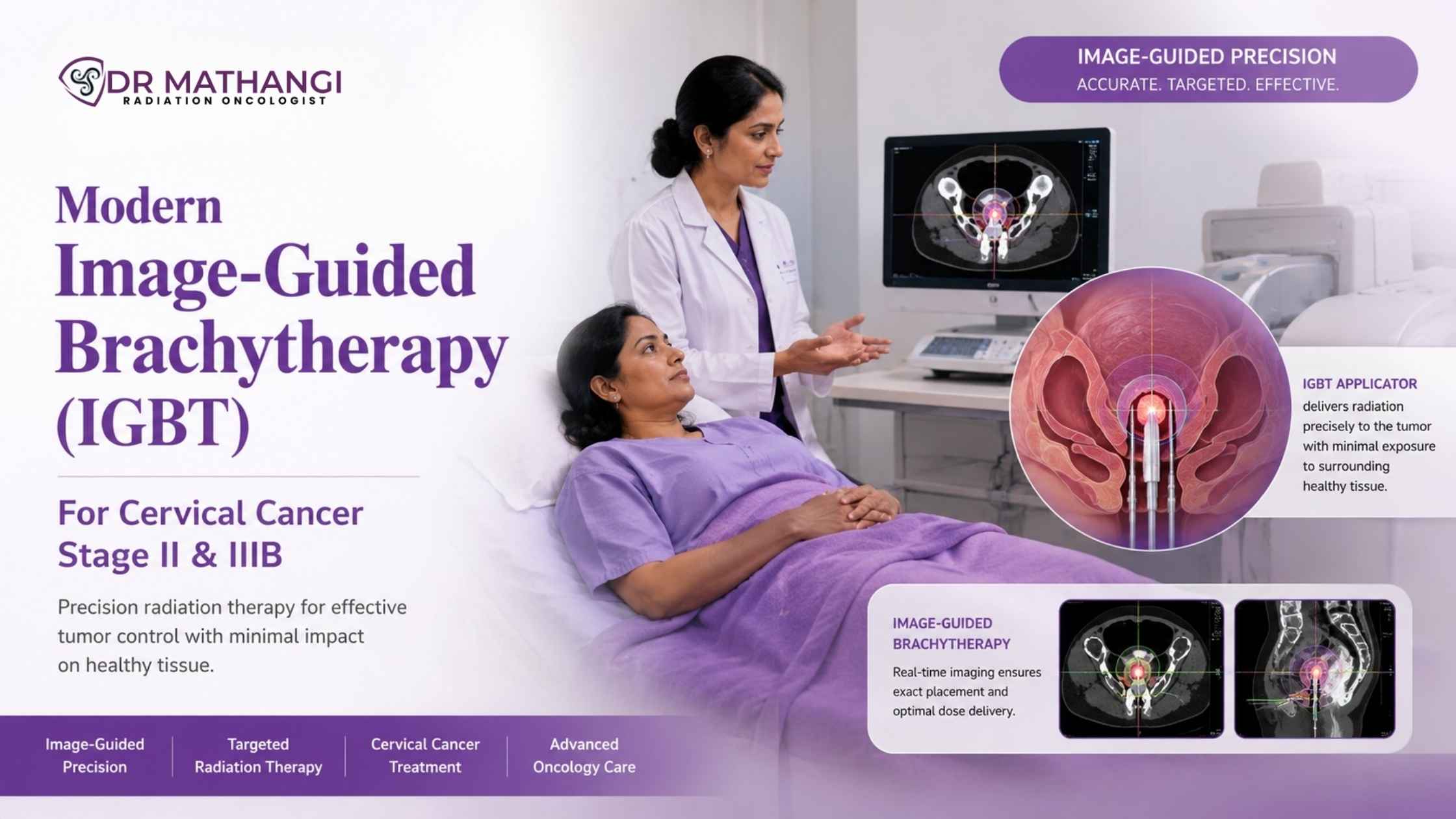
Quick Answer: Modern image-guided brachytherapy (IGBT) for cervical cancer stage II and IIIB combines advanced imaging and precise radiation delivery to maximize tumor control while minimizing side effects. Dr Mathangi J in Bangalore leverages global best practices, including HDR brachytherapy and MRI-guided planning, to achieve superior outcomes for women with these stages of cervical cancer.
According to the World Health Organization, cervical cancer is the fourth most common cancer among women globally, with over 600,000 new cases each year. In India, it remains a leading cause of cancer-related deaths in women. The majority of patients present in locally advanced stages, underscoring the critical need for effective, precise therapies like modern image-guided brachytherapy (IGBT). As a pioneer in cervical cancer radiation therapy, Dr Mathangi J at Gleneagles Cancer Institute, Bangalore, is redefining treatment standards with cutting-edge technology and compassionate expertise.
What Is Modern Image-Guided Brachytherapy (IGBT) For Cervical Cancer?
Modern image-guided brachytherapy (IGBT) for cervical cancer is an advanced radiation technique that delivers high doses of radiation directly to the cervix and surrounding tissues using internal applicators. Unlike traditional methods, IGBT uses real-time imaging—such as MRI or CT scans—to precisely target the tumor, sparing healthy tissue and reducing complications. This approach is especially vital for stage II and IIIB cervical cancers, where the tumor may have spread into the surrounding pelvic area.
- IGBT: Combines imaging (MRI/CT) with internal radiation.
- Higher precision: Targets tumor while minimizing exposure to bladder, rectum, and other organs.
- Improved outcomes: Better tumor control and fewer long-term side effects.
How Does Brachytherapy For Cervical Cancer Work?
Brachytherapy for cervical cancer involves placing a radioactive source close to or inside the tumor using specialized applicators. This allows for a high, localized dose of radiation, maximizing tumor destruction while limiting damage to surrounding tissues.
| Step | Action |
|---|---|
| 1. Applicator Placement | Insertion of tandem and ring applicator or other devices into the uterus and vagina. |
| 2. Imaging | MRI or CT scans to confirm accurate placement and assess tumor size and location. |
| 3. Treatment Planning | MRI-guided planning creates a customized radiation plan targeting the tumor and sparing healthy tissue. |
| 4. Radiation Delivery | HDR brachytherapy or other techniques deliver prescribed radiation dose in one or more sessions. |
| 5. Follow-up | Removal of applicator and post-treatment monitoring. |
Why Is Image-Guided Brachytherapy The Gold Standard For Cervical Cancer Radiation Therapy?
Image-guided brachytherapy has revolutionized cervical cancer radiation therapy by enhancing accuracy, efficacy, and safety. For stage II and IIIB disease, where the tumor may invade the parametrium or pelvic wall, precision is crucial for cure and preserving quality of life.
- Personalized Treatment: MRI-guided planning enables visualization of the tumor and nearby organs in exquisite detail, allowing for individualized dose distributions.
- Reduced Toxicity: By optimizing radiation delivery, the risk of damage to the bladder, rectum, and bowel is minimized.
- Superior Outcomes: Studies show modern IGBT improves local control rates, pelvic tumor eradication, and overall survival compared to conventional methods.
- International Standards: Protocols align with GEC-ESTRO guidelines—the global benchmark for gynecological brachytherapy.
How Does Dr Mathangi Ensure World-Class Brachytherapy For Cervical Cancer?
At Gleneagles Cancer Institute, Dr Mathangi J delivers brachytherapy for cervical cancer using the latest techniques and technology:
- MRI-guided planning: Each patient receives individualized planning using MRI, considered the gold standard for soft tissue visualization.
- Precise Applicators: Use of tandem and ring applicator or specialized interstitial needles for optimal coverage, even in complex cases.
- HDR brachytherapy: High-dose-rate delivery shortens treatment time, enhances convenience, and maintains excellent tumor control.
- Multidisciplinary Care: Collaboration with gynecological oncologists, radiologists, physicists, and nursing staff ensures comprehensive treatment and holistic support.
- Strict Adherence To GEC-ESTRO Guidelines: Every protocol is evidence-based, reflecting the latest research and best practices.
What Is The Role Of Pelvic Radiation In Cervical Cancer Stage II And IIIB?
For stage II and IIIB cervical cancers, pelvic radiation is essential to control both the primary tumor and any microscopic disease in the pelvic lymph nodes. The typical treatment sequence includes:
- External beam radiation (EBRT) to the pelvis—treats the tumor and lymphatic drainage areas.
- Concurrent chemotherapy (cisplatin-based)—enhances radiosensitivity and increases cure rates.
- Brachytherapy for cervical cancer—follows EBRT to deliver a tumoricidal dose directly to the cervix and adjacent tissues, crucial for achieving a cure.
This combined approach is the global standard, with IGBT now regarded as the definitive technique for the brachytherapy component.
Why Choose HDR Brachytherapy Over Other Techniques?
HDR brachytherapy (High Dose Rate) offers several advantages over older, low-dose-rate (LDR) methods:
- Shorter Procedure Times: Outpatient or day-care setting, reducing hospital stays.
- Improved Dosimetry: Precise control over dose delivery, minimizing risk to normal tissues.
- Flexible Applicators: Options like tandem and ring applicator can be adapted for different anatomies and tumor extents.
- Enhanced Patient Comfort: Faster treatment, less immobilization, and quicker recovery.
What Makes Dr Mathangi The Leading Expert In Cervical Cancer Radiation Therapy?
Dr Mathangi J is recognized as a leading authority in cervical cancer radiation therapy across South and North India, especially Bangalore. Her credentials include:
- Over 20 years of experience and 12,000+ successfully treated patients.
- Advanced training in stereotactic, image-guided, and interstitial brachytherapy techniques from India and Europe.
- Director of Fellowship in Advanced Radiotherapy Techniques, influencing the next generation of oncologists.
- Recipient of accolades for installing Asia Pacific’s first TrueBeam STx Machine.
- Expertise in image-guided brachytherapy, MRI-based planning, and GEC-ESTRO compliant protocols.
Patients who choose Dr Mathangi access the best of international science, compassionate care, and holistic support—all under one roof.
Don't let cervical cancer dictate your future. Take charge with world-class image-guided brachytherapy delivered by the region’s most trusted expert. To book your personalized consultation, submit your contact information here. Dr Mathangi’s dedicated team will schedule your appointment and guide you every step of the way.
What Are The Benefits Of MRI-Guided Planning In Image-Guided Brachytherapy?
MRI-guided planning represents the pinnacle of precision in IGBT for cervical cancer. Key benefits include:
- Superior Tumor Visualization: MRI distinguishes tumor tissue from normal cervix and parametria better than CT or X-ray.
- Personalized Dose Escalation: Allows safe delivery of higher, curative doses to the tumor while protecting bladder and rectum.
- Better Outcomes: Multiple studies confirm improved local control and reduced late toxicity with MRI-based IGBT.
How Do GEC-ESTRO Guidelines Influence Cervical Cancer Brachytherapy?
The GEC-ESTRO guidelines set the international standard for image-guided brachytherapy in gynecologic cancers. They provide clear recommendations on:
- Imaging protocols (preferably MRI) for accurate tumor delineation.
- Applicator selection (e.g., tandem and ring applicator) and insertion techniques.
- Dosimetry, target definition, and organ-at-risk sparing.
- Reporting and follow-up protocols to ensure quality and consistency.
Dr Mathangi’s practice is fully compliant with these guidelines, ensuring world-class, evidence-based care for every patient.
Comprehensive Women’s Cancer Care At Gleneagles Cancer Institute
Beyond cervical cancer, Dr Mathangi and her expert team offer advanced radiation therapy for:
- Head and neck cancers
- Brain tumors
- Spine tumors
- Esophagus and rectal cancers
- Lung cancers
- Liver cancers
- Breast, bladder, prostate, uterine, vulval, anal canal, and penile cancers
Her department is equipped with state-of-the-art technology and delivers personalized care, making it a leading destination for cancer treatment in Bangalore and across India.
About Dr Mathangi J
Dr Mathangi J is a Senior Consultant & In-charge of Radiation Oncology at Gleneagles Cancer Institute, Bangalore. With MBBS, DMRT, and DNB qualifications, and advanced fellowships from Germany and Denmark, she is a pioneer in image-guided brachytherapy and other sophisticated radiotherapy techniques. Dr Mathangi’s approach blends technical mastery, international standards, and a patient-centered philosophy—making her the trusted choice for women facing cervical and other cancers in India.
- Senior Radiation Oncologist, 20+ years of expertise
- Director of Fellowship in Advanced Radiotherapy Techniques (RGUHS)
- Pioneered installation of Asia Pacific’s first TrueBeam STx Machine
- Specializes in gynecological, brain, head and neck, lung, liver, and prostate cancers
To experience the difference of expert-led, compassionate care, book your appointment now.
Why Timely Brachytherapy For Cervical Cancer Matters
Delaying or missing advanced brachytherapy for cervical cancer can compromise cure rates and increase the risk of recurrence. Modern image-guided brachytherapy is not just a treatment—it's your best chance at a healthy, cancer-free life. Don’t miss out on the opportunity to be treated by one of India’s most accomplished experts. Schedule your consultation with Dr Mathangi today and step confidently toward recovery.
Frequently Asked Questions
What is image-guided brachytherapy (IGBT) and how does it benefit cervical cancer patients?
Image-guided brachytherapy (IGBT) is an advanced form of brachytherapy for cervical cancer where imaging modalities such as MRI or CT are used to precisely guide the placement of radioactive sources within or near the tumor. This allows for highly accurate targeting, sparing healthy tissues and improving tumor control. Dr. Mathangi utilizes IGBT to maximize treatment effectiveness for both Stage II and IIIB cervical cancer patients, reducing side effects and improving outcomes.
How does HDR brachytherapy differ from conventional brachytherapy methods?
HDR brachytherapy (High Dose Rate brachytherapy) delivers a higher dose of radiation over a shorter period of time compared to conventional low-dose-rate (LDR) methods. This allows for outpatient procedures, shorter treatment times, and greater precision. Dr. Mathangi specializes in HDR brachytherapy for cervical cancer, which can be especially beneficial when integrated with advanced imaging and personalized treatment planning.
Why is MRI-guided planning considered the gold standard for brachytherapy in cervical cancer?
MRI-guided planning provides superior visualization of the tumor and surrounding organs compared to other imaging techniques. This enables clinicians like Dr. Mathangi to define target volumes and critical structures with precision, ensuring optimal dose distribution and minimizing toxicity. MRI-guided planning is particularly important for complex cases, such as Stage IIIB cervical cancer, where tumor extent may be more challenging to assess.
What is the role of the tandem and ring applicator in cervical cancer radiation therapy?
The tandem and ring applicator is a specialized device used during brachytherapy for cervical cancer. It is inserted into the uterus and vaginal vault to accurately position the radiation source close to the tumor. Under Dr. Mathangi's care, the use of the tandem and ring applicator is tailored to each patient's anatomy and tumor size, ensuring effective and safe delivery of cervical cancer radiation therapy.
How are GEC-ESTRO guidelines followed in modern IGBT for cervical cancer?
The GEC-ESTRO guidelines provide evidence-based recommendations for target definition, dose prescription, and treatment planning in image-guided brachytherapy. Dr. Mathangi strictly adheres to these guidelines to ensure international standards of care, enhancing safety and efficacy for patients with Stage II and IIIB cervical cancer.
What are the typical steps involved in pelvic radiation and brachytherapy for cervical cancer?
Treatment typically begins with external beam pelvic radiation to shrink the tumor and treat potential lymph node spread. This is followed by brachytherapy, often using advanced image-guided techniques. Dr. Mathangi coordinates both aspects, personalizing the approach to maximize tumor control and minimize side effects, especially in advanced stages.
How does Dr. Mathangi individualize brachytherapy for cervical cancer patients?
Dr. Mathangi tailors treatment by considering tumor size, stage, patient anatomy, and response to initial therapy. Using tools like image-guided brachytherapy and MRI-guided planning, she adjusts the applicator type, radiation dose, and schedule to best fit each patient's needs, achieving optimal outcomes for both Stage II and IIIB cervical cancer.
What are the expected side effects of image-guided brachytherapy and how are they managed?
Most side effects are localized, such as vaginal irritation, urinary frequency, or mild discomfort, and are generally temporary. With advanced image-guided brachytherapy, the risk of serious complications is reduced. Dr. Mathangi and her team provide comprehensive support and follow-up to promptly address any issues, ensuring patient comfort and safety throughout the process.