Complete Guide to Liquid Biopsy & ctDNA Testing for Cancer Patients
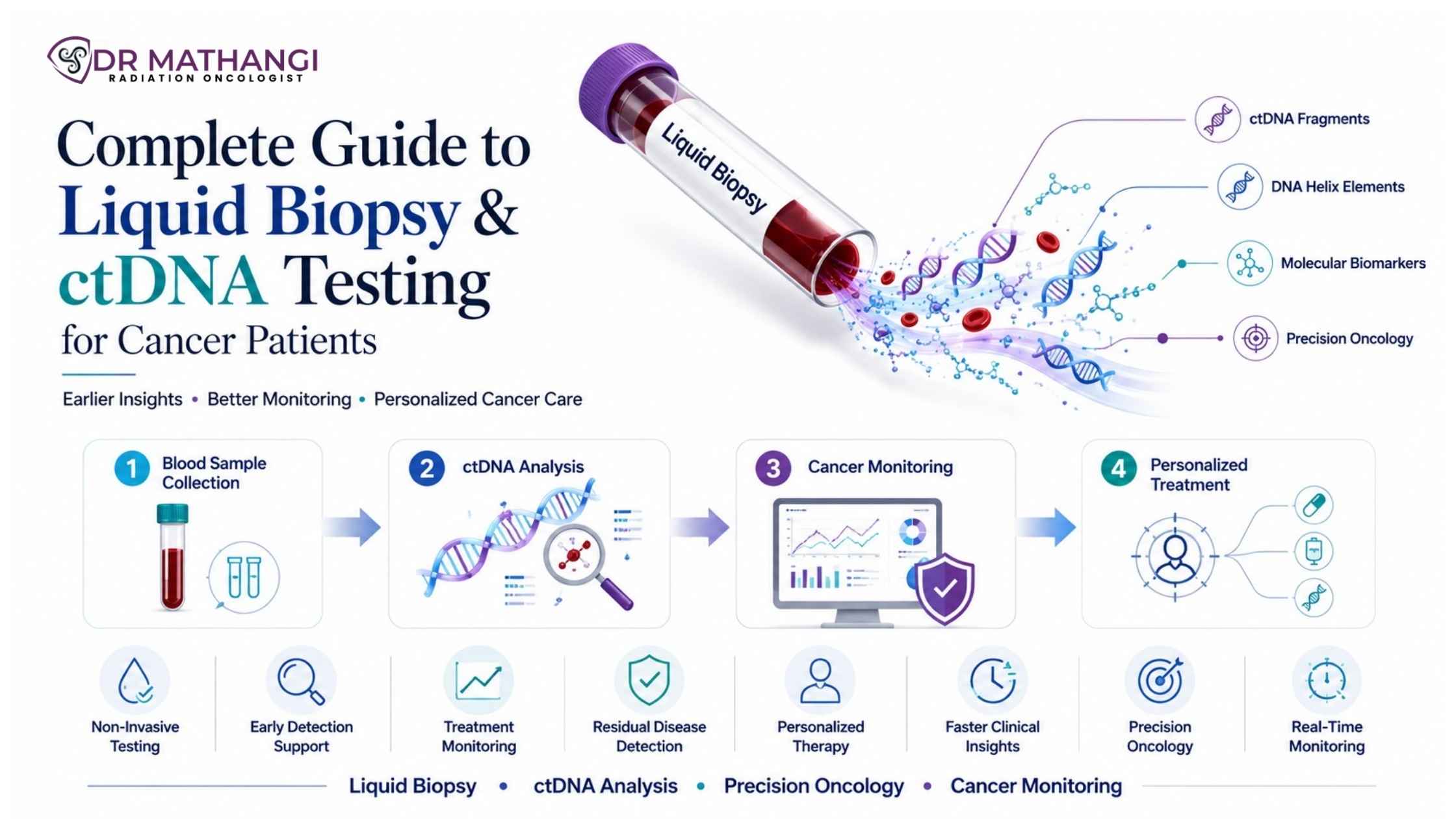
Did you know? According to recent global studies, over 2 million cancer patients have already benefited from liquid biopsy and ctDNA-based cancer blood tests, revolutionizing how cancer is diagnosed and monitored. In India, the adoption of these advanced molecular diagnostics is rapidly improving outcomes for patients who want safer, more personalized, and less invasive cancer care.
What Is Liquid Biopsy And Why Is It Transforming Cancer Care?
Liquid biopsy is a game-changing, minimally invasive diagnostic tool that uses a simple blood sample to detect and analyze genetic material from tumors. Unlike traditional biopsies, which require tissue extraction through surgery or needle insertion, liquid biopsies evaluate circulating tumor DNA (ctDNA) and other biomarkers in your blood. This means no pain, faster results, and the potential to catch changes in your cancer earlier than ever before.
- Quick, safe, and repeatable – no surgical risks or recovery time.
- Monitors your cancer’s genetic evolution in real time.
- Guides targeted treatment and detects resistance early.
For patients treated by Dr Mathangi at Gleneagles Cancer Institute, Bangalore, these cutting-edge techniques are now a core part of advanced, personalized oncology care.
How Does Liquid Biopsy Work? (Complete Guide To Liquid Biopsy)
The complete guide to liquid biopsy begins with understanding how this technology harnesses the power of your blood to provide actionable cancer insights:
- Blood Sample Collection: A small tube of blood is drawn, usually from your arm.
- ctDNA & Biomarker Isolation: Specialized labs extract circulating tumor DNA (ctDNA) and other cancer-related materials.
- Next-Generation Sequencing: High-precision sequencing identifies genetic mutations and alterations linked to your cancer.
- Data Interpretation: Results are analyzed to guide diagnosis, monitor response to treatment, and predict potential relapses.
Why is this important? Liquid biopsy can provide actionable results within days, allowing Dr Mathangi to fine-tune your treatment plan without waiting for invasive procedures or tissue samples.
What Is ctDNA And How Does It Help Cancer Patients? (ctDNA Guide)
The ctDNA guide focuses on circulating tumor DNA, a hallmark fragment of genetic material shed by cancer cells into the bloodstream. By analyzing ctDNA, doctors like Dr Mathangi can:
- Track cancer burden: Quantify how much ctDNA is present, reflecting the size or activity of the tumor.
- Detect recurrence early: Spot relapses before symptoms or imaging changes appear.
- Understand resistance: Identify new mutations that may make your cancer resistant to certain drugs.
- Personalize therapy: Choose targeted treatments based on your tumor’s current genetic profile.
For patients under radiation oncology monitoring, ctDNA provides a sensitive, real-time window into how well therapy is working, and if adjustments are needed.
What Are The Key Advantages Of Cancer Blood Tests Compared To Traditional Biopsies?
Cancer blood tests like liquid biopsy offer several crucial benefits over surgical or needle-based tissue biopsies, especially for patients needing repeated monitoring:
- Less invasive: Only a blood draw, reducing pain, risk, and recovery time.
- Comprehensive: Captures information from the whole body, not just a single tumor site.
- Frequent monitoring: Enables repeated testing throughout your treatment journey.
- Early detection: Catches molecular changes before they appear on scans.
- Cost-effective: Reduces the need for expensive, risky procedures.
These tests are especially valuable for hard-to-reach tumors like brain, spine, and lung cancers, or when repeated biopsies are not feasible.
How Is Molecular Diagnostics Personalizing Cancer Treatment?
Molecular diagnostics represent the future of cancer care. By decoding the genetic makeup of your tumor through blood, doctors like Dr Mathangi can:
- Predict response: Identify which therapies are most likely to work for you.
- Monitor resistance: Detect changes that suggest your cancer is escaping current treatment.
- Guide new options: Suggest clinical trials or new drugs based on emerging mutations.
Personalized medicine is no longer a dream—it's a reality for patients at Gleneagles Cancer Institute, Bangalore, thanks to advanced molecular diagnostics.
What Cancers Benefit Most From Radiation Oncology Monitoring And Liquid Biopsy?
Radiation oncology monitoring with liquid biopsy is particularly impactful for:
- Head and neck cancers
- Brain tumors
- Spine tumors
- Esophagus and rectal cancers
- Lung cancers
- Liver cancers
- Breast cancers
- Bladder cancers
- Prostate cancers
- Uterine cancers
- Cervical cancer
- Vulval cancers
- Anal canal cancers
- Penile cancers
For these cancers, repeat blood-based monitoring allows for timely adjustments in treatment, rapid detection of relapse, and improved overall survival.
Why Should You Choose Dr Mathangi For Liquid Biopsy & ctDNA Testing?
Dr Mathangi J is a Senior Consultant and In-charge of Radiation Oncology at Gleneagles Cancer Institute, Bangalore—one of India's top cancer centers. With over 20 years of experience and 12,000+ patients treated, she is a pioneer in integrating advanced technologies like:
- Stereotactic ablative body radiotherapy (SBRT)
- Gated RapidArc and DIBH gated radiotherapy
- Image-guided interstitial brachytherapy
- Asia Pacific’s first TrueBeam STx Machine installation
Dr Mathangi’s expertise means you get the best of clinical experience, cutting-edge research, and compassionate care. She specializes in cancers where liquid biopsy and ctDNA monitoring are most impactful, ensuring your diagnosis and treatment are always at the forefront of science.
Book Your Appointment With Dr Mathangi Today
What Is The Process For Getting A Liquid Biopsy Or ctDNA Test At Gleneagles Cancer Institute?
Here is a step-by-step overview for patients in Bangalore and across India:
- Consultation: Meet with Dr Mathangi to assess your suitability and discuss the goals of testing.
- Blood Collection: A blood sample is taken at the institute’s advanced diagnostics lab.
- Analysis: The sample undergoes high-sensitivity ctDNA or other molecular diagnostics.
- Results & Discussion: Dr Mathangi discusses your results, implications, and next steps in a personalized care plan.
To get started, simply submit your contact information here, and Dr Mathangi’s team will promptly schedule your appointment.
How Do Liquid Biopsy And ctDNA Testing Compare To Traditional Methods?
| Feature | Liquid Biopsy & ctDNA | Traditional Biopsy |
|---|---|---|
| Invasiveness | Minimally invasive (blood draw) | Invasive (surgery/needle) |
| Repeatability | Can be repeated frequently | Rarely repeatable |
| Turnaround Time | Days | Weeks |
| Whole-Body Assessment | Yes | No (local sample only) |
| Detects Resistance Early | Yes | Limited |
| Risk | Low | Higher (infection, bleeding, complications) |
What Should Patients In India Know About Accessing Liquid Biopsy And ctDNA Testing?
Access to advanced molecular diagnostics is expanding rapidly in India. Bangalore’s Gleneagles Cancer Institute, under Dr Mathangi’s leadership, is helping set national standards for precision oncology. Here’s why Indian patients should consider these tests:
- Improved outcomes: Early relapse detection and personalized treatment options.
- Fewer hospital visits: Less need for invasive procedures and faster recovery times.
- Global-standard care: Access to the same technology used in leading cancer centers worldwide.
Don’t wait for cancer to change—let your treatment adapt first with liquid biopsy and ctDNA monitoring.
Schedule Your Personalized Cancer Blood Test With Dr Mathangi
About Dr Mathangi

Don’t let outdated diagnostics hold back your fight against cancer. Trust Dr Mathangi for the most advanced care in India. Book your appointment today and experience the difference.
Frequently Asked Questions
What is a liquid biopsy and how does it work for cancer patients?
A liquid biopsy is a minimally invasive test that detects cancer-related genetic material—such as circulating tumor DNA (ctDNA)—in a blood sample. This approach allows for real-time monitoring of a patient's cancer without the need for traditional surgical biopsies. Dr. Mathangi provides a complete guide to liquid biopsy, helping patients understand how these tests can be used for early detection, treatment response, and surveillance of cancer progression.
How does ctDNA testing differ from other cancer blood tests?
ctDNA testing specifically analyzes fragments of DNA shed by cancer cells into the bloodstream, providing detailed genetic information about the tumor. Unlike routine cancer blood tests that may look for proteins or general markers, ctDNA tests offer a high level of specificity and sensitivity for detecting mutations and monitoring minimal residual disease. For comprehensive information, Dr. Mathangi’s ctDNA guide outlines the benefits and applications of this advanced testing method.
What types of cancers can be monitored using liquid biopsy?
Liquid biopsy can be used to monitor a wide range of solid tumors, including lung, breast, colorectal, and prostate cancers. Its utility is expanding as research advances. Dr. Mathangi works closely with patients to determine if liquid biopsy is appropriate based on the type and stage of cancer, ensuring personalized and precise care.
Why are molecular diagnostics important in cancer treatment?
Molecular diagnostics allow doctors to analyze the genetic and molecular features of a tumor, enabling customized treatment plans. By identifying specific mutations or biomarkers, therapies can be tailored for maximum effectiveness and minimal side effects. Dr. Mathangi incorporates advanced molecular diagnostics, including ctDNA analysis, to guide targeted therapies and improve patient outcomes.
How can liquid biopsy help in radiation oncology monitoring?
Liquid biopsy offers a non-invasive way to track tumor response during and after radiation therapy. By measuring ctDNA levels, oncologists like Dr. Mathangi can assess treatment effectiveness, detect early signs of recurrence, and modify therapy plans as needed. This approach enhances precision in radiation oncology monitoring and supports timely clinical decisions.
What are the advantages of choosing Dr. Mathangi for liquid biopsy and ctDNA testing?
Dr. Mathangi offers expert guidance through the entire process of liquid biopsy and ctDNA testing, from initial consultation to interpreting results and integrating findings into personalized treatment plans. Her approach is patient-centered, using the latest molecular diagnostics to ensure that each patient receives the most precise and effective cancer care available.
Is liquid biopsy safe and how often should it be performed?
Liquid biopsy is a safe and low-risk procedure, requiring only a standard blood draw. The frequency of testing depends on the cancer type, treatment phase, and clinical objectives. Dr. Mathangi develops individualized monitoring schedules, ensuring that liquid biopsy is used optimally to inform care without unnecessary procedures.
Can liquid biopsy replace traditional tissue biopsy?
While liquid biopsy is a powerful tool, it may not completely replace tissue biopsy in all cases. Tissue biopsies can provide detailed information about tumor histology and microenvironment. However, liquid biopsy, as detailed in the complete guide to liquid biopsy, offers complementary insights—especially for ongoing monitoring and when tissue samples are hard to obtain. Dr. Mathangi guides patients on the best approach based on individual needs.
How can I get started with ctDNA testing and liquid biopsy through Dr. Mathangi?
To get started, book a consultation with Dr. Mathangi. She will review your medical history, discuss the benefits of ctDNA and other cancer blood tests, and recommend the most suitable molecular diagnostics for your cancer type. Her personalized approach ensures that each patient receives state-of-the-art care and support from diagnosis through every stage of treatment and follow-up.