EGFR Gene Mutation Lung Cancer Treatment: Current Approaches
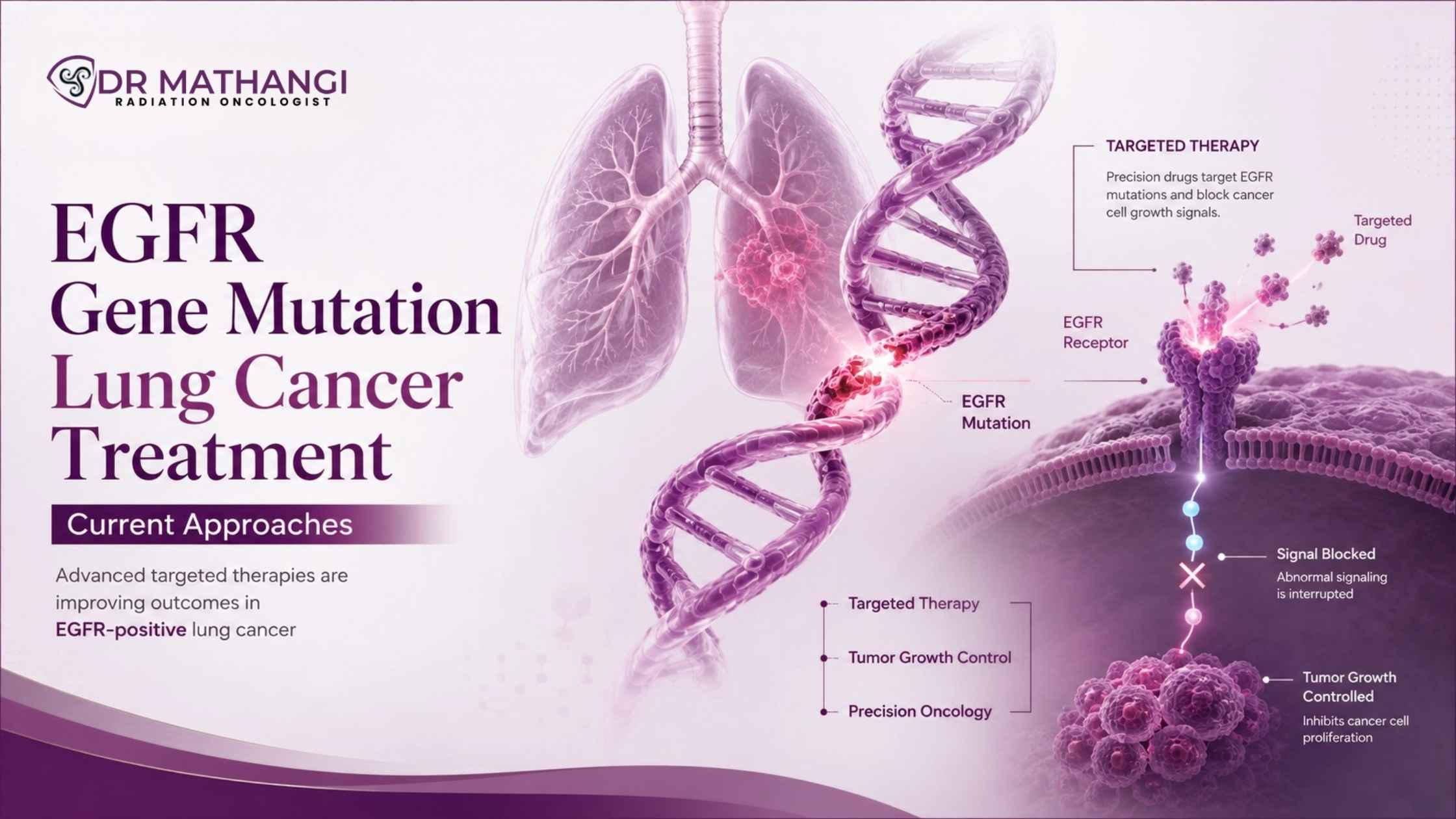
 What is the latest in EGFR gene mutation lung cancer treatment? EGFR gene mutation lung cancer treatment involves advanced diagnostic and therapeutic strategies like targeted therapy, precision medicine, and multidisciplinary care, significantly improving survival for eligible patients. In India, nearly 30% of non-small cell lung cancer (NSCLC) patients harbor EGFR mutations, highlighting the importance of specialized, up-to-date treatment approaches for optimal outcomes.
Why is EGFR gene mutation lung cancer treatment critical for patient outcomes?
EGFR gene mutation lung cancer treatment has revolutionized the management of non-small cell lung cancer (NSCLC) by enabling more effective and less toxic therapies. These advances directly translate to better survival, improved quality of life, and often fewer side effects compared to traditional chemotherapy.
- Precision targeting: EGFR mutations allow for highly specific therapies that attack cancer cells while sparing healthy tissue.
- Better prognosis: Patients with EGFR mutations often respond dramatically to EGFR treatment, with higher response rates and longer progression-free survival.
- Personalized approach: Treatment is tailored according to the individual’s molecular profile, ensuring the best possible results.
What is EGFR and how does it impact lung cancer?
The epidermal growth factor receptor (EGFR) is a protein found on the surface of some cells that helps them grow and divide. Mutations in the EGFR gene can cause cells to multiply uncontrollably, leading to cancer, particularly NSCLC. EGFR mutations are especially common among non-smokers, women, and Asian populations—which includes a significant proportion of patients in India.
Key facts about EGFR mutations in lung cancer:
- Found in about 30% of Indian NSCLC patients (higher than the global average of 10-15%)
- Associated with better response to targeted therapy compared to standard chemotherapy
- Common mutations include exon 19 deletions and L858R point mutations in exon 21
How is mutation testing performed in lung cancer?
Mutation testing is the cornerstone of precision medicine in lung cancer. It involves analyzing tumor tissue or blood samples to detect EGFR gene mutations. This testing is essential because only patients with EGFR mutations will benefit from EGFR treatment such as tyrosine kinase inhibitors (TKIs).
- Tissue biopsy: Standard approach, using a small sample of tumor tissue.
- Liquid biopsy: A non-invasive blood test that detects circulating tumor DNA, especially useful if tissue samples are unavailable.
- Comprehensive genomic profiling: Tests for multiple mutations, guiding personalized oncology strategies.
What are the current approaches in EGFR treatment?
EGFR treatment for lung cancer involves the use of targeted therapy drugs that block the activity of the mutated EGFR protein. The primary options include:
- First-generation TKIs: Erlotinib, gefitinib
- Second-generation TKIs: Afatinib, dacomitinib
- Third-generation TKI: Osimertinib (especially effective for T790M resistance mutation)
These agents provide significant benefits, including higher response rates, longer disease control, and improved tolerability compared to chemotherapy. However, resistance can develop, requiring further testing and potential switch to newer agents or combination therapies.
How does targeted therapy work in EGFR gene mutation lung cancer treatment?
Targeted therapy uses drugs that specifically block the signals from the EGFR protein, halting the growth and proliferation of cancer cells. This approach is less toxic than chemotherapy and can be used as first-line therapy in eligible patients.
- Attacks cancer cells with mutated EGFR
- Spare normal cells, reducing side effects
- Can be combined with other therapies for resistant cases
Dr Mathangi and her team at Gleneagles Cancer Institute specialize in integrating targeted therapy with the latest advances in radiation therapy and systemic treatment, ensuring that each patient receives the most appropriate and effective care.
What is the role of radiation therapy in EGFR gene mutation lung cancer?
Radiation therapy remains a vital component of multidisciplinary care in lung cancer, including cases with EGFR mutations. It is used for:
- Local control of primary lung tumors
- Treating brain or bone metastases
- Palliating symptoms such as pain or breathlessness
Dr Mathangi is renowned for her expertise in advanced radiation techniques such as Stereotactic Ablative Body Radiotherapy (SBRT), Gated RapidArc, and image-guided interstitial brachytherapy. These techniques maximize cancer control while minimizing damage to healthy tissues, embodying the principles of precision medicine.
How does personalized oncology enhance treatment for EGFR-mutated lung cancer?
Personalized oncology tailors treatment to each patient’s unique genetic and clinical profile. For EGFR-mutant NSCLC, this means:
- Using mutation testing to guide therapy choice
- Adapting treatment plans in real-time as new resistance mutations emerge
- Regular monitoring to ensure optimal response and minimal toxicity
Dr Mathangi ensures that every patient receives individualized attention, leveraging her extensive experience and advanced technology to maximize outcomes.
What is multidisciplinary care and why does it matter in EGFR gene mutation lung cancer treatment?
Multidisciplinary care assembles a team of specialists—including medical oncologists, radiation oncologists, pulmonologists, pathologists, and radiologists—to develop and implement a comprehensive treatment plan. This collaborative approach:
- Ensures all aspects of the disease are addressed
- Facilitates seamless integration of surgery, targeted therapy, and radiation therapy
- Improves coordination, reduces delays, and enhances patient support
At Gleneagles Cancer Institute, Dr Mathangi leads a multidisciplinary team dedicated to providing seamless, evidence-based care for every patient with EGFR-mutated lung cancer, ensuring superior outcomes through precision medicine.
How does precision medicine shape the future of EGFR gene mutation lung cancer treatment?
Precision medicine is the cornerstone of modern cancer care, especially for EGFR-mutated lung cancers. By integrating molecular diagnostics, targeted therapies, and advanced radiation techniques, precision medicine achieves:
- Higher survival rates
- Reduced side effects
- Better quality of life for patients
With the pace of research and new drug approvals, staying updated is vital. Dr Mathangi’s commitment to continuous learning and adoption of global best practices ensures her patients benefit from the most current and effective treatments available in India and worldwide.
Why choose Dr Mathangi for EGFR gene mutation lung cancer treatment?
Choosing the right oncologist can be life-changing. Dr Mathangi is a senior consultant and in-charge of Radiation Oncology at Gleneagles Cancer Institute, Bangalore, with over 20 years of experience and 12,000+ patients successfully treated. Her credentials include:
- Advanced international training in stereotactic and image-guided radiation
- Leadership in installing Asia Pacific’s first TrueBeam STx Machine
- Expertise in head and neck, brain, lung, prostate, and women cancers
- Commitment to ongoing education and adoption of breakthrough cancer therapies
Patients who work with Dr Mathangi gain access to world-class facilities, a multidisciplinary team, and the reassurance that their care is guided by one of India’s top cancer specialists. Delaying or missing out on such expertise could mean missing the window for the best possible outcome.
- Book your appointment with Dr Mathangi for an expert opinion on EGFR gene mutation lung cancer treatment.
- Submit your contact information on this form. Her team will contact you promptly to schedule your consultation.
- Benefit from the latest advances in targeted therapy, precision medicine, and comprehensive cancer care.
About Dr Mathangi
Frequently Asked Questions
What is EGFR gene mutation lung cancer treatment, and how does it differ from standard therapies?
EGFR gene mutation lung cancer treatment refers to therapies specifically designed for patients whose lung cancer cells have mutations in the Epidermal Growth Factor Receptor (EGFR) gene. Unlike standard chemotherapy, EGFR treatment directly targets cancer-driving mutations, offering higher response rates and fewer side effects. Dr. Mathangi's approach includes comprehensive molecular profiling and selection of the most effective targeted therapy based on each patient's unique EGFR mutation status, elevating the standard of care for people with non-small cell lung cancer.
How is mutation testing performed, and why is it important for NSCLC treatment?
Mutation testing involves analyzing a sample of tumor tissue or blood to detect genetic changes such as EGFR mutations. This testing is essential for NSCLC treatment because it determines whether targeted therapy is appropriate. Dr. Mathangi prioritizes timely and accurate mutation testing as the first step in personalized oncology, ensuring each patient receives therapies tailored to their tumor biology, which can improve outcomes and minimize unnecessary treatments.
What are the current targeted therapy options available for EGFR-mutated lung cancer?
Targeted therapy options for EGFR-mutated lung cancer include several generations of EGFR tyrosine kinase inhibitors (TKIs) like erlotinib, gefitinib, afatinib, and osimertinib. These drugs inhibit the EGFR protein's activity, blocking signals that cause cancer cells to grow. Dr. Mathangi stays updated with the latest advances in EGFR treatment, recommending the most suitable TKI based on mutation subtype and resistance patterns, optimizing efficacy for each individual patient.
Is radiation therapy still used in treating EGFR-mutated lung cancer?
Yes, radiation therapy remains an important part of the multidisciplinary care for EGFR-mutated lung cancer, especially for patients with localized disease or brain metastases. Dr. Mathangi integrates precision medicine techniques, using advanced imaging and planning to deliver effective and safe radiation therapy, either alone or in combination with targeted agents, depending on the clinical scenario.
What is the role of personalized oncology in EGFR-mutated lung cancer?
Personalized oncology involves tailoring treatment plans to the genetic makeup of each patient's cancer. In EGFR-mutated lung cancer, this means selecting therapies based on specific mutations, monitoring for resistance, and adapting strategies as needed. Dr. Mathangi’s multidisciplinary care team uses personalized oncology approaches to maximize the effectiveness of EGFR treatment and overall NSCLC treatment, improving survival and quality of life.
How does Dr. Mathangi’s approach embody the principles of precision medicine?
Dr. Mathangi applies precision medicine by utilizing cutting-edge diagnostic techniques, comprehensive molecular profiling, and regularly updated clinical protocols. Her approach ensures that each patient’s EGFR gene mutation lung cancer treatment is guided by the latest evidence and individual tumor biology, resulting in more effective and less toxic care.
What happens if resistance develops to EGFR treatment?
Resistance to EGFR treatment can occur over time. When this happens, Dr. Mathangi recommends re-biopsy and repeat mutation testing to identify new mutations or mechanisms of resistance. This enables her to pivot to newer targeted therapy options or combine with other treatments, ensuring continued personalized care for each patient.
Why is multidisciplinary care important in managing EGFR-mutated lung cancer?
Multidisciplinary care brings together oncologists, radiologists, pathologists, surgeons, and other specialists to create a cohesive and comprehensive treatment plan. Dr. Mathangi coordinates this collaborative approach to ensure that each aspect of EGFR gene mutation lung cancer treatment—be it targeted therapy, radiation therapy, or supportive care—is seamlessly integrated for optimal patient outcomes.