Stage 4 EGFR Lung Cancer: Symptoms, Treatment & Survival
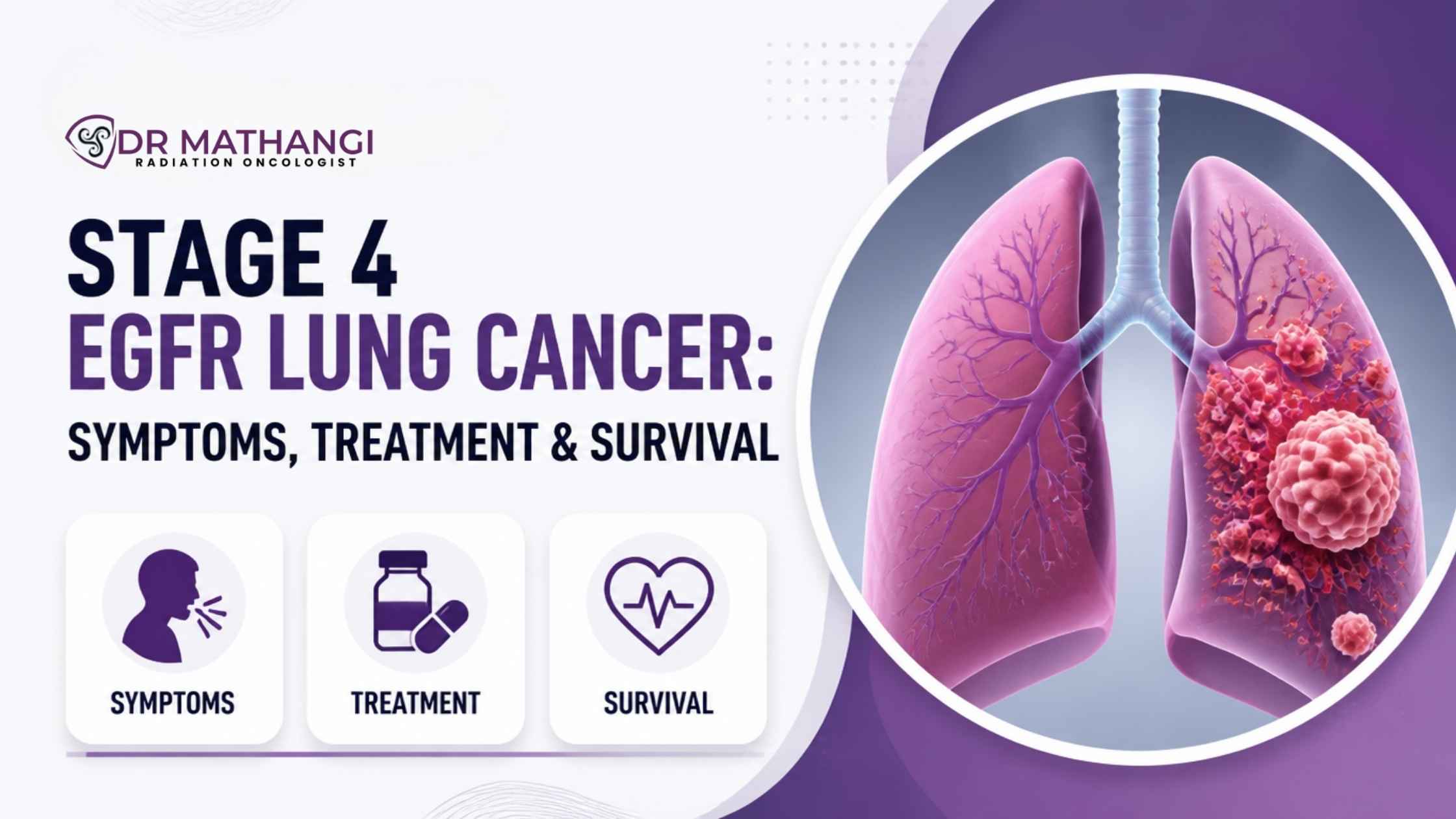
What Is Stage 4 EGFR Lung Cancer?
Stage 4 EGFR lung cancer is an advanced form of non-small cell lung cancer (NSCLC) that has spread beyond the lungs, often involving other organs. This condition is defined by the presence of mutations in the epidermal growth factor receptor (EGFR) gene, which fuels cancer growth. According to global cancer statistics, lung cancer remains the leading cause of cancer-related deaths worldwide, with about 15-20% of NSCLC cases having EGFR mutations. This makes the need for an expert, personalized approach crucial in managing the disease.
- EGFR mutations: These genetic changes are more common in non-smokers, women, and people of Asian descent.
- Stage IV lung cancer: At this stage, the tumor has metastasized (spread) to distant organs such as bones, brain, or liver.
If you or a loved one is facing a diagnosis of EGFR lung cancer stage 4, understanding the symptoms, treatment landscape, and survival outlook is vital. Under the guidance of Dr Mathangi, a seasoned radiation oncologist at Gleneagles Cancer Institute, patients receive the highest standard of care, leveraging the latest advances in precision oncology.
What Are the Key Symptoms of Stage 4 EGFR Lung Cancer?
Recognizing the symptoms of stage 4 EGFR lung cancer early can improve quality of life and guide timely intervention. Typically, symptoms result from the primary tumor in the lungs or from metastasis to other organs.
- Persistent cough, sometimes with blood (hemoptysis)
- Shortness of breath and wheezing
- Unexplained weight loss and loss of appetite
- Fatigue and weakness
- Chest pain or discomfort
- Bone pain (if cancer has spread to bones)
- Headaches, dizziness, or seizures (if brain is involved)
- Jaundice or abdominal pain (if liver is affected)
These symptoms may vary in intensity and are often mistaken for other conditions. If you experience any of these, especially if you have risk factors, consult a specialist like Dr Mathangi promptly for accurate diagnosis and management.
How Is Stage 4 EGFR Lung Cancer Diagnosed?
Accurate and early diagnosis of stage 4 EGFR lung cancer is essential for optimal outcomes. The diagnostic process involves:
- Imaging: Chest X-rays, CT scans, MRI, and PET scans to assess the extent of disease spread.
- Biopsy: Tissue sampling of the lung tumor or metastatic sites to confirm NSCLC and test for EGFR mutations.
- Molecular testing: Detecting EGFR mutations helps classify the cancer as EGFR-positive lung cancer and tailor therapy accordingly.
- Blood tests: To evaluate organ function and overall health.
Dr Mathangi emphasizes the importance of precision oncology, where treatment is based on individual tumor characteristics, ensuring that each patient receives the most effective therapy.
What Is the Best Treatment Approach for Stage 4 EGFR Lung Cancer?
The management of stage 4 EGFR lung cancer has evolved dramatically in recent years, with targeted therapy and radiation therapy now forming the cornerstone of treatment. Dr Mathangi’s approach at Gleneagles Cancer Institute is multidisciplinary and evidence-based.
Targeted Therapy for EGFR Mutations
Targeted therapy is revolutionizing the way metastatic NSCLC is treated, especially in patients with EGFR-positive lung cancer. These therapies block specific pathways that cancer cells use to grow and divide.
- EGFR tyrosine kinase inhibitors (TKIs): Medications such as osimertinib, erlotinib, afatinib, and gefitinib are used as first-line treatments. These drugs often result in rapid symptom relief and tumor shrinkage.
- Personalized dosing: Therapy is tailored to the specific EGFR mutation detected, optimizing outcomes and minimizing side effects.
- Resistance management: Newer generations of TKIs are available if resistance develops.
Role of Radiation Therapy
Radiation therapy plays an essential role in controlling symptoms, treating metastatic sites (such as the brain or bones), and improving quality of life. Under Dr Mathangi’s leadership, advanced techniques such as Stereotactic Ablative Body Radiotherapy (SBRT), Gated RapidArc, and DIBH gated Radiotherapy are utilized at Gleneagles Cancer Institute.
- Symptom control: Relieves pain, bleeding, or neurological symptoms due to metastasis.
- Local control: Targets specific sites with high precision, sparing healthy tissue.
- Integration with systemic therapy: Can be combined with targeted therapy for optimal results.
Not all cancers are suitable for radiation therapy, but in the context of metastatic NSCLC, it remains a critical modality, especially when led by a leading expert like Dr Mathangi.
Additional Treatments and Supportive Care
Besides targeted therapy and radiation therapy, management may include:
- Chemotherapy: Used selectively if targeted therapy fails or is not suitable.
- Immunotherapy: For certain patients without actionable mutations.
- Palliative care: Focuses on improving comfort and quality of life at every stage.
What Is the Prognosis and Survival Rate for Stage 4 EGFR Lung Cancer?
The prognosis of stage 4 EGFR lung cancer has improved significantly with advances in precision oncology. While metastatic NSCLC was once associated with a very poor outlook, the survival rates for EGFR-positive lung cancer patients are now better than ever, thanks to innovative treatments.
| Therapy Type | Median Overall Survival |
|---|---|
| Traditional Chemotherapy | 8-12 months |
| First-Generation EGFR TKIs | 18-24 months |
| Third-Generation EGFR TKIs (e.g., Osimertinib) | 38+ months |
Survival outcomes depend on several factors:
- The specific EGFR mutation present
- How the cancer responds to targeted therapy
- Patient’s overall health and presence of other conditions
- Access to comprehensive, expert-led care
With the expertise of Dr Mathangi and her team, many patients experience prolonged survival and improved quality of life. Her pioneering use of advanced precision oncology ensures that every patient gets a personalized treatment plan with the best possible prognosis.
Why Choose Dr Mathangi for Stage 4 EGFR Lung Cancer Treatment?
Choosing the right oncologist can make a significant difference in your journey with stage IV lung cancer. Dr Mathangi is a renowned leader in the field of radiation oncology, having successfully treated over 12,000 patients. Her expertise includes:
- Pioneering use of advanced radiotherapy techniques, including the installation of Asia Pacific’s first TrueBeam STx Machine
- International training in Stereotactic techniques (SRS/SBRT), IGRT/RapidArc, and Intraoperative Radiotherapy
- Extensive experience in treating head and neck cancers, prostate, brain tumors, lung, and women’s cancers
- Commitment to evidence-based, precision oncology for every patient
Gleneagles Cancer Institute in Bangalore offers state-of-the-art facilities, multidisciplinary teams, and a patient-centric approach. By entrusting your care to Dr Mathangi, you are ensuring access to the latest advances and compassionate support at every step.
“Every patient deserves personalized, cutting-edge care that maximizes survival and quality of life. That’s my promise to you.” – Dr Mathangi
Don’t miss out on the opportunity for world-class care. Book your appointment with Dr Mathangi today and take the first step towards expert-guided recovery.
About Dr Mathangi
Dr Mathangi J is the Senior Consultant and In-charge of Radiation Oncology at Gleneagles Cancer Institute, Bangalore. With over 20 years of experience, she specializes in treating advanced cancers using the latest radiotherapy technologies. Her dedication to research, innovation, and patient care has positioned her as a leading authority in the management of EGFR lung cancer stage 4 and other complex malignancies in South and North India.
Key Achievements:
- Head of Radiation Oncology at Gleneagles Cancer Institute
- Director of Fellowship in Advanced Radiotherapy Techniques (RGUHS)
- First to install TrueBeam STx Machine in Asia Pacific
How to Book an Appointment with Dr Mathangi
To access expert consultation for stage 4 EGFR lung cancer, visit Dr Mathangi’s contact page and submit your information. Her dedicated team will promptly coordinate and confirm your appointment, ensuring that you receive timely, personalized care.
Frequently Asked Questions
What is EGFR lung cancer stage 4 and how does it differ from other types?
EGFR lung cancer stage 4 refers to non-small cell lung cancer (NSCLC) that tests positive for mutations in the EGFR gene and has spread beyond the lungs to distant organs (metastatic disease). This specific subtype, known as EGFR-positive lung cancer, responds differently to certain treatments compared to other lung cancers without this mutation. Stage 4 indicates advanced disease, where the cancer is no longer confined to the chest.
What are the common symptoms of stage 4 EGFR lung cancer?
Symptoms of stage 4 EGFR lung cancer can include persistent cough, shortness of breath, chest pain, unexplained weight loss, fatigue, and sometimes coughing up blood. Because the cancer has often spread (metastasized), additional symptoms may arise based on which organs are involved, such as bone pain, headaches, or neurological changes. Early consultation with a specialist like Dr. Mathangi can help clarify symptoms and guide diagnosis.
How is metastatic NSCLC with EGFR mutation diagnosed and confirmed?
Metastatic NSCLC (non-small cell lung cancer) with EGFR mutation is diagnosed through a combination of imaging tests (such as CT, PET scans), biopsy of the tumor, and specialized molecular testing to identify EGFR mutations. Dr. Mathangi emphasizes the importance of precision oncology—using advanced diagnostics to tailor treatments to the unique genetic profile of each patient's cancer.
What are the main treatment options for stage 4 EGFR lung cancer?
The main treatments for stage 4 EGFR lung cancer include targeted therapy (such as EGFR tyrosine kinase inhibitors), which directly inhibit the signaling pathways driving tumor growth. Additional options may include chemotherapy, immunotherapy (in select cases), and radiation therapy for symptom control or specific metastatic sites. Dr. Mathangi creates personalized treatment plans leveraging the latest advances in targeted and precision oncology.
How effective is targeted therapy for EGFR-positive lung cancer?
Targeted therapy has revolutionized treatment for EGFR-positive lung cancer. These medications (like osimertinib, erlotinib, or gefitinib) specifically target the EGFR mutation, leading to higher response rates and improved quality of life compared to traditional chemotherapy. Dr. Mathangi monitors patients closely for effectiveness and side effects, adjusting therapy as needed for optimal outcomes.
When is radiation therapy used in stage IV lung cancer with EGFR mutation?
Radiation therapy in stage IV lung cancer with EGFR mutation is often used to relieve symptoms such as pain or bleeding, or to control cancer at specific sites like the brain or bones. While not curative at this stage, it can significantly improve quality of life. Dr. Mathangi integrates radiation therapy into multidisciplinary care, ensuring a coordinated approach for maximum benefit.
What is the prognosis for patients with stage 4 EGFR lung cancer?
The prognosis for stage 4 EGFR lung cancer has improved significantly with the advent of targeted therapies. Many patients experience longer survival and better symptom control compared to those without EGFR mutations. However, the disease remains serious and requires ongoing management. Dr. Mathangi provides compassionate, evidence-based care to help patients and families navigate prognosis and make informed treatment decisions.
How does precision oncology benefit patients with metastatic EGFR lung cancer?
Precision oncology uses detailed genetic and molecular analysis to match patients with the most effective, personalized therapies for their cancer. For metastatic EGFR lung cancer, this approach ensures that targeted therapy is selected based on the specific EGFR mutation present. Dr. Mathangi is a leader in precision oncology, helping patients access advanced diagnostics and clinical trials when appropriate.
What support and solutions does Dr. Mathangi offer for stage 4 EGFR lung cancer patients?
Dr. Mathangi provides a holistic, multidisciplinary approach to care for stage 4 EGFR lung cancer patients. This includes expert diagnosis, access to leading-edge targeted therapy, symptom management (including radiation therapy and palliative care), genetic counseling, and psychosocial support. Her team guides patients through every stage of the journey, focusing on both treatment outcomes and quality of life.