Feeding Tube Decisions During Head and Neck Cancer Radiation Therapy
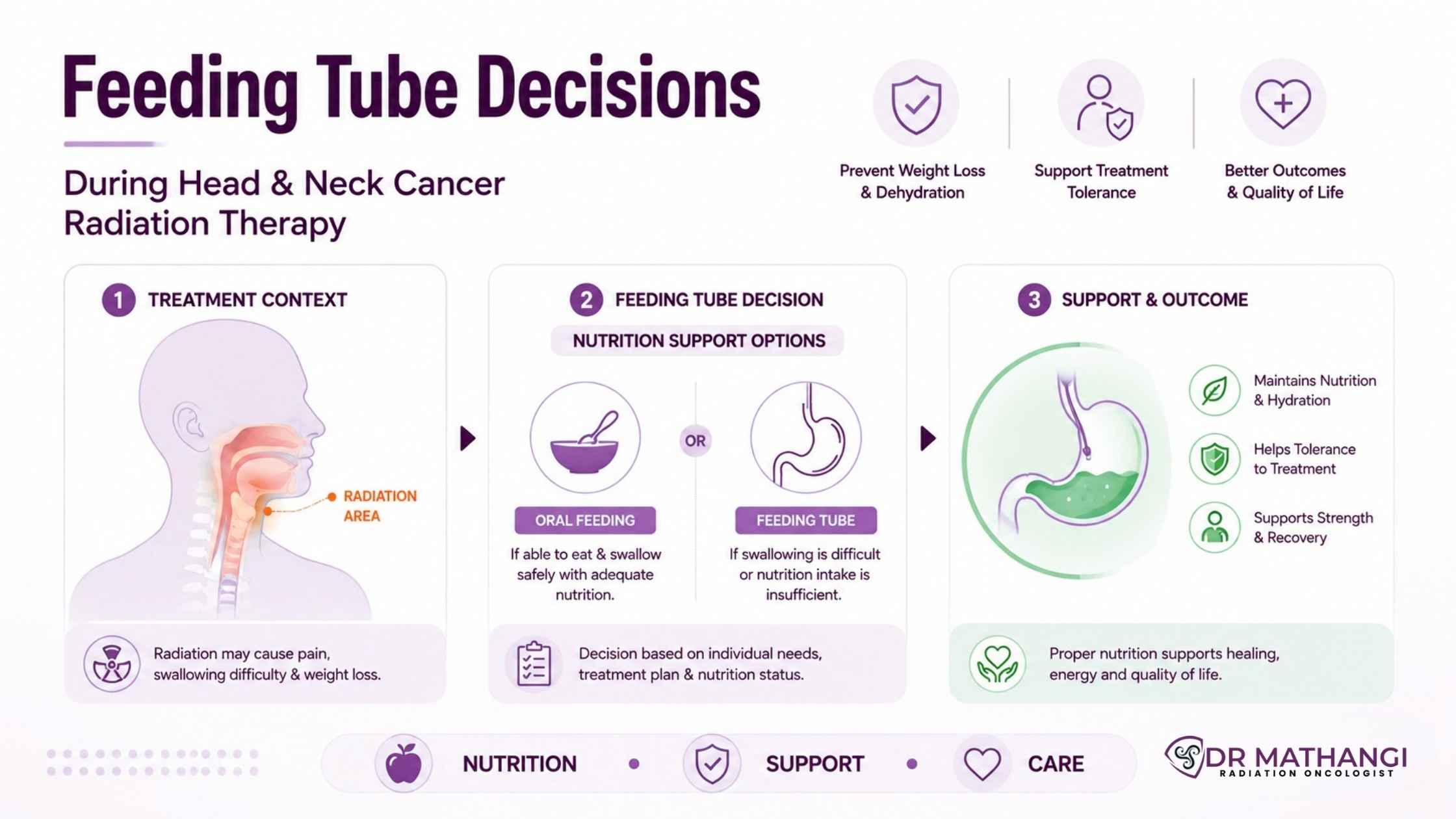
Quick answer: Deciding on a feeding tube during head and neck cancer radiation therapy is crucial for maintaining nutrition and quality of life. Patients may require a PEG tube during radiation therapy to prevent severe weight loss and ensure adequate nutritional support in head and neck cancer, especially when facing dysphagia or swallowing difficulties.
Why Is Feeding Tube Decision Critical During Radiation Therapy Head And Neck?
Head and neck cancers are among the most challenging cancers to treat due to their impact on vital functions such as swallowing and speech. According to global cancer statistics, over 650,000 new cases of head and neck cancers are diagnosed worldwide annually. A significant portion of these patients undergo radiation therapy head and neck as a primary or adjunctive treatment. However, radiation can cause painful mucositis, swelling, and loss of appetite, leading to malnutrition.
Many patients experience difficulty eating and maintaining their weight, with studies showing that up to 60% of individuals treated for head and neck cancers face substantial weight loss during radiation. This not only affects recovery and treatment tolerance but can also delay or interrupt therapy. That's why Dr Mathangi, a leading expert in radiation oncology at Gleneagles Cancer Institute, Bangalore, pays special attention to feeding tube decisions for her patients—ensuring their treatment journey is as smooth and safe as possible.
What Is The Role Of A PEG Tube During Radiation Therapy?
A PEG tube during radiation therapy (Percutaneous Endoscopic Gastrostomy) is a feeding tube placed directly into the stomach. It provides a reliable way to deliver nutrition, fluids, and medications when oral intake becomes difficult or impossible due to radiation side effects. The decision to place a PEG tube is individualized and often recommended for patients who are at high risk of malnutrition, have large tumors obstructing swallowing, or are expected to have severe mucositis.
- Ensures uninterrupted nutritional intake
- Reduces risk of treatment breaks due to weight loss or dehydration
- Can be placed before or during radiation, depending on risk assessment
- Improves overall treatment tolerance and outcomes
Dr Mathangi carefully evaluates each patient’s condition, tumor location, swallowing ability, and treatment plan before recommending a PEG tube. Her vast experience means you receive world-class, evidence-based guidance tailored to your unique needs.
How Is Dysphagia Prevention Addressed During Radiation Therapy?
Dysphagia prevention—the effort to avoid or minimize swallowing difficulties—is a key aspect of supportive care in head and neck cancer. Radiation therapy frequently causes inflammation, soreness, and scarring in the throat, making swallowing painful and inefficient.
- Early assessment of swallowing function before starting radiation
- Proactive swallowing exercises to maintain muscular strength
- Multidisciplinary input from speech and swallowing therapists
- Regular monitoring and adaptation of dietary strategies
Dr Mathangi’s collaborative approach ensures patients receive comprehensive speech therapy support from the outset, which is proven to reduce the severity and duration of dysphagia. Her team works closely with patients, instructing them in exercises and techniques that help preserve swallowing function throughout treatment.
What Are The Benefits Of Nutritional Support In Head And Neck Cancer?
Nutritional support in head and neck cancer is essential for maintaining muscle mass, immune function, and energy levels during the rigors of radiation therapy. Malnutrition can impact wound healing, increase infection risk, and compromise treatment outcomes.
| Benefit | Impact |
|---|---|
| Prevents severe weight loss during radiation | Reduces risk of treatment interruptions and hospitalizations |
| Supports immune system | Lowers infection rates and improves healing |
| Maintains muscle strength | Facilitates faster recovery post-treatment |
| Enhances energy and well-being | Improves quality of life during and after therapy |
Dr Mathangi’s protocol includes early involvement of dietitians, individualized meal planning, and timely intervention with feeding tubes when necessary. This proactive approach is why her patients consistently achieve better outcomes and experience fewer complications.
How To Manage Weight Loss During Radiation Therapy Head And Neck?
Weight loss during radiation is a common and potentially serious challenge for patients with head and neck cancer. The combination of reduced intake, increased metabolic demands, and side effects like mucositis or nausea can rapidly lead to malnutrition.
Tips To Minimize Weight Loss:
- Start nutritional counseling before beginning radiation therapy
- Monitor weight weekly and adjust feeding plans as needed
- Use oral nutritional supplements or PEG tube during radiation therapy as advised
- Work with a multidisciplinary team for comprehensive support
- Address underlying symptoms (pain, nausea, dry mouth) promptly
Dr Mathangi’s patients benefit from a structured monitoring system and rapid response to any signs of weight loss, preventing complications and keeping treatment on track.
What Is The Importance Of Speech Therapy Support In Radiation Therapy Head And Neck?
Speech therapy support is vital for preserving both swallowing and communication abilities. The side effects of radiation can impact vocal cords, tongue mobility, and other structures critical for speech and eating.
- Early involvement of speech therapists helps patients adapt to changes
- Therapists provide exercises that reduce muscle stiffness and maintain range of motion
- Support continues after treatment to aid in long-term recovery
Dr Mathangi’s integrated care model ensures that every patient has access to speech therapy support, maximizing their chances for a full functional recovery, and a better quality of life.
Who Should Consider A Feeding Tube During Radiation Therapy Head And Neck?
Not every patient requires a feeding tube, but it is strongly considered in the following scenarios:
- Large or obstructive tumors affecting swallowing
- Pre-existing difficulty eating or significant weight loss before therapy
- Severe mucositis or oral pain anticipated during treatment
- Patients unable to meet nutritional needs by mouth
Dr Mathangi’s meticulous assessment ensures that no patient is left vulnerable to malnutrition. The goal is always to balance the risks and benefits, empowering patients and families to make informed choices.
How Does Dr Mathangi Ensure Personalized Care In Feeding Tube Decisions?
With more than 20 years of specialized experience and over 12,000 patients successfully treated, Dr Mathangi is a recognized authority in radiation therapy head and neck. Her advanced training in international centers and leadership at Gleneagles Cancer Institute mean she is uniquely qualified to deliver the highest standard of care.
- Individualized risk assessment using the latest evidence
- Collaboration with nutritionists, speech therapists, and palliative care teams
- Clear communication and education for patients and caregivers
- Ongoing support throughout treatment and recovery
By choosing Dr Mathangi, you are opting for a multidisciplinary, patient-centered approach that prioritizes your well-being at every stage.
Ready To Take Control Of Your Head And Neck Cancer Journey?
Don’t let uncertainty about feeding tube decisions compromise your treatment or recovery. With Dr Mathangi’s world-class expertise in radiation therapy head and neck, you gain access to personalized, evidence-based recommendations that ensure your nutritional needs are met every step of the way.
To book an appointment, simply submit your contact information at Dr Mathangi’s Contact Form. Her dedicated team will promptly schedule your consultation and guide you through the next steps.
Key Takeaways On Feeding Tube Decisions During Head And Neck Cancer Radiation Therapy
- Feeding tube decisions are critical for safe, effective radiation therapy in head and neck cancer.
- PEG tube during radiation therapy can prevent malnutrition and treatment interruptions.
- Dysphagia prevention, nutritional support in head and neck cancer, weight loss management, and speech therapy support are all essential pillars of care.
- Dr Mathangi’s expertise and multidisciplinary approach ensure the best outcomes for every patient.
Take control of your cancer care journey—trust in the experience and dedication of Dr Mathangi at Gleneagles Cancer Institute, Bangalore.
Frequently Asked Questions
Why might a feeding tube be recommended during radiation therapy for head and neck cancer?
During radiation therapy head and neck cancer treatments, swallowing can become difficult due to pain, inflammation, or side effects from radiation. To ensure patients maintain adequate nutrition and hydration, a feeding tube may be recommended. Dr. Mathangi assesses each patient’s risks individually and discusses how a PEG tube during radiation therapy can help prevent malnutrition and support recovery.
What is a PEG tube, and when is it placed during cancer treatment?
A PEG tube (Percutaneous Endoscopic Gastrostomy tube) is a soft tube inserted into the stomach to deliver nutrition directly. For some patients, a PEG tube during radiation therapy is proactively placed before or during treatment if there is a high risk of swallowing difficulties. Dr. Mathangi closely collaborates with patients to time PEG tube placement optimally, minimizing interruptions to therapy and maintaining nutritional status.
How does Dr. Mathangi help with dysphagia prevention during radiation therapy?
Dysphagia prevention is a key part of Dr. Mathangi’s approach. She works alongside speech and swallowing therapists to introduce exercises and strategies to maintain swallowing function throughout treatment. Early interventions, tailored exercises, and monitoring reduce the risk of long-term swallowing problems after radiation.
What nutritional support options are available for head and neck cancer patients?
Nutritional support in head and neck cancer involves regular assessments, individualized meal planning, and, if necessary, feeding tube support. Dr. Mathangi collaborates with dietitians to create plans that ensure patients receive enough calories, protein, and fluids to optimize healing and energy during therapy.
How is weight loss during radiation managed or prevented?
Weight loss during radiation is closely monitored, as it can impact recovery and treatment outcomes. Dr. Mathangi emphasizes early intervention, supplements, and, when needed, tube feeding to maintain healthy weight. Regular weigh-ins, symptom tracking, and prompt management of side effects help reduce the risk of excessive weight loss.
Is speech therapy support available during and after head and neck radiation therapy?
Yes, speech therapy support is a crucial component of Dr. Mathangi’s comprehensive care model. Speech and swallowing therapists help patients preserve and regain functional swallowing and clear speech, both during and after treatment, through targeted exercises and rehabilitation strategies.
How does Dr. Mathangi decide if a feeding tube is necessary for a patient?
Dr. Mathangi considers various factors such as tumor location, expected side effects, baseline swallowing ability, and nutritional status. She involves the patient and family in decision-making, aiming to use a feeding tube only when the risks of malnutrition or dehydration outweigh the risks of tube placement.
Can patients continue eating by mouth if they have a PEG tube during radiation therapy?
In many cases, yes. Dr. Mathangi encourages patients to eat and drink by mouth as long as it is safe, using the PEG tube to supplement nutrition as needed. This approach helps maintain swallowing function and can make the transition back to a normal diet smoother after treatment.
What follow-up care is provided for patients with feeding tubes?
Patients receive regular follow-up to monitor tube function, prevent complications, and reassess nutritional needs. Dr. Mathangi coordinates care with dietitians and nurses, ensuring the feeding tube is removed as soon as it’s no longer necessary and helping patients safely return to oral intake.