Gastrointestinal Cancer and Immune Function
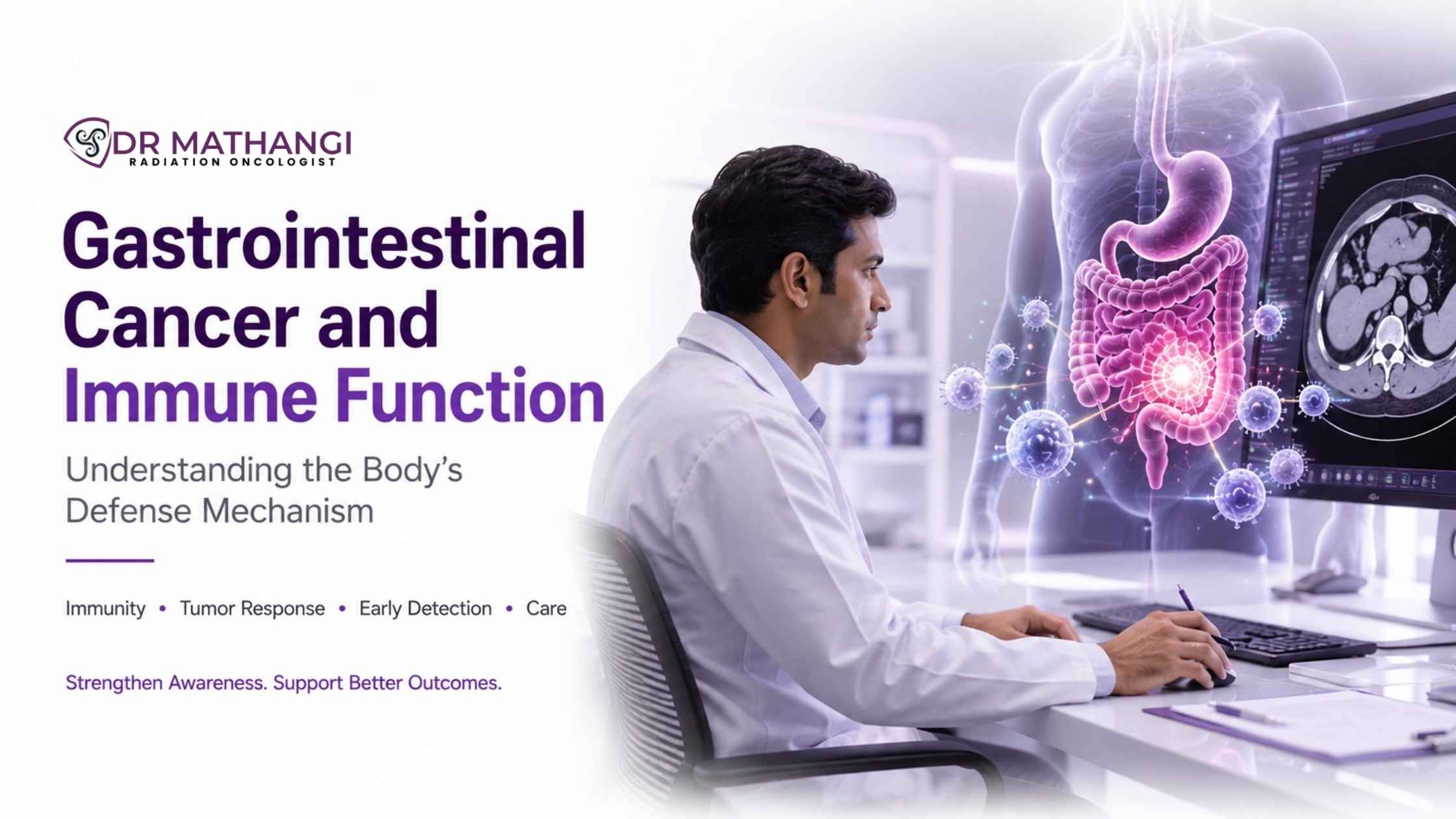

Did you know? Gastrointestinal cancers account for over 26% of global cancer incidence and represent a leading cause of cancer-related deaths worldwide. Understanding gastrointestinal cancer immunity—the body's natural defense against these malignancies—is crucial for effective prevention and treatment. This article, crafted by Dr Mathangi, Senior Consultant and In-charge of Radiation Oncology at Gleneagles Cancer Institute, Bangalore, unpacks the vital relationship between the immune system and gastrointestinal cancers like stomach cancer and liver cancer. Discover the latest advances in radiation therapy, the impact of immune suppression cancer, and how you can benefit from cutting-edge care.
Book your personalized appointment with Dr Mathangi today at https://drmathangi.com/contact/
What Is Gastrointestinal Cancer Immunity?
Gastrointestinal cancer immunity refers to how the immune system recognizes, attacks, and sometimes fails to eliminate cancer cells originating in the digestive tract, including the esophagus, stomach, liver, pancreas, colon, and rectum. The immune system uses specialized cells—like T-cells, natural killer cells, and macrophages—to seek out abnormal or mutated cells. However, cancer cells can develop clever mechanisms to evade detection, leading to immune escape and unchecked tumor growth.
- Gastrointestinal cancer immunity is a dynamic interplay between tumor cells and the body's host defenses.
- Understanding this relationship is the cornerstone of modern oncology care, including immunotherapy and targeted radiation techniques.
- Expert guidance, like that provided by Dr Mathangi, helps patients leverage advances that optimize immune function throughout their treatment journey.
How Does The Immune System Affect Stomach Cancer Outcomes?
The immune response plays a decisive role in both the development and prognosis of stomach cancer. In its early stages, a robust immune system can recognize and destroy precancerous or cancerous cells in the gastric lining. However, as the disease progresses, tumor cells may manipulate the surrounding environment to suppress immune activity, enabling cancer to grow and spread.
- Patients with strong immune infiltration in their stomach tumors often have better survival rates.
- Modern therapies aim to boost the immune system’s ability to recognize and attack stomach cancer cells.
- Dr Mathangi adopts a multi-pronged approach, combining advanced radiation with immune-supportive care to enhance patient outcomes.
What Are The Warning Signs That Immune Suppression Is Occurring?
Immune suppression cancer is a phenomenon where the body’s defense mechanisms are weakened—either due to the cancer itself or as a side effect of treatments like chemotherapy. This can manifest as frequent infections, delayed healing, or reduced response to therapies.
- Key warning signs include persistent fever, repeated infections, unexplained fatigue, and slow recovery from minor illnesses.
- Immune suppression cancer is a critical consideration during liver cancer radiation and other gastrointestinal cancer treatments, requiring expert management to minimize risks.
How Does Liver Cancer Radiation Influence Immune Function?
Liver cancer radiation is a cornerstone in the management of hepatic tumors. With state-of-the-art modalities like Stereotactic Body Radiotherapy (SBRT), pioneered by Dr Mathangi, it’s possible to precisely target cancerous tissue while sparing healthy liver cells and preserving immune competence.
- Targeted radiation can induce “immunogenic cell death,” making cancer cells more visible to the body’s immune system.
- Combining liver cancer radiation with immunotherapies boosts the overall anti-tumor response and may improve survival rates.
- Dr Mathangi’s expertise in advanced radiotherapy ensures that immune function is preserved and even enhanced during treatment.
Can Radiation Therapy Suppress Or Boost Immunity?
While traditional radiation can sometimes cause temporary immune suppression, new techniques like image-guided and gated radiotherapy minimize collateral damage. In fact, high-precision radiation can actually stimulate immune responses against cancer.
- Modern approaches, like those used at Gleneagles Cancer Institute, harness the “abscopal effect”—where local radiation triggers systemic immune responses.
- Careful patient selection and personalized protocols, as offered by Dr Mathangi, reduce the risks of immune suppression cancer and maximize therapeutic benefit.
Which Gastrointestinal Cancers Need Radiation Therapy?
According to Dr Mathangi, radiation therapy is a recommended treatment for several gastrointestinal cancers, particularly when surgery is not feasible or when combined with other modalities for best outcomes. These include:
| Cancer Type | Role of Radiation | Immune Consideration |
|---|---|---|
| Stomach Cancer | Pre/post-surgery, for local control | May enhance immune cell infiltration |
| Esophagus and Rectal Cancers | Neoadjuvant (before surgery) or definitive therapy | Synergistic with immunotherapy |
| Liver Cancer | Local control, palliation, or bridge to transplant | Precision techniques preserve immunity |
| Anal Canal and Colorectal Cancers | Organ preservation, recurrence prevention | May reduce immune suppression cancer risks |
Why Is Immune Suppression Cancer A Major Challenge?
Immune suppression cancer complicates both the management and recovery of patients with gastrointestinal malignancies. Tumors can release immunosuppressive molecules, recruit regulatory T-cells, and alter the microenvironment to escape detection.
- This immune evasion is a leading reason why some cancers recur despite aggressive treatment.
- Patients with pre-existing immune compromise (due to age, comorbidities, or previous therapies) face higher risks and need specialized protocols.
- Dr Mathangi’s approach involves regular immune monitoring, the use of supportive medications, and integration of immunotherapy when indicated.
Addressing immune suppression cancer is not just about treating the tumor—it’s about supporting the entire patient. With over 20 years of experience and 12,000+ successfully treated patients, Dr Mathangi’s protocols are tailored to maximize safety and efficacy.
How Can Patients Optimize Gastrointestinal Cancer Immunity?
There are several steps patients can take to strengthen their immune system during and after cancer treatment:
- Choose a multidisciplinary care team: Ensure your oncologist, like Dr Mathangi, collaborates with immunologists, dietitians, and other specialists.
- Stay updated with vaccinations: Prevent secondary infections that can further suppress immunity.
- Adopt a balanced diet: Nutrients like vitamins A, C, E, and zinc are essential for immune cell function.
- Engage in moderate exercise: Physical activity supports immune surveillance and resilience.
- Monitor blood counts: Regular tests can detect early signs of immune suppression cancer for timely intervention.
- Consider immunotherapy: New drugs can “reawaken” immune cells to target cancer more effectively, especially when combined with targeted radiation.
With world-class facilities and a patient-centric ethos, Dr Mathangi’s clinic is equipped to provide comprehensive guidance on gastrointestinal cancer immunity. Each protocol is customized to the patient’s cancer type, stage, and immune profile.
What Sets Dr Mathangi’s Cancer Care Apart?
Dr Mathangi J is not only a Senior Consultant & In-charge of Radiation Oncology at Gleneagles Cancer Institute in Bangalore, but also a pioneer in advanced radiation techniques. Her credentials include:
- DMRT from Madras Medical College and DNB residency at Apollo Cancer Specialty Hospital, Chennai
- Advanced training in SRS/SBRT (Germany), IGRT/RapidArc (Denmark), and Intraoperative Radiotherapy (IORT)
- Asia Pacific’s first TrueBeam STx Machine installation
- Director of Fellowship in Advanced Radiotherapy (RGUHS)
- Specialization in head and neck, brain, lung, prostate, breast, cervix, endometrium, and gastrointestinal cancers
Patients who choose Dr Mathangi benefit from state-of-the-art diagnostics, precision therapy (including liver cancer radiation), and holistic care that addresses both the cancer and the immune system.
Secure an expert consultation with Dr Mathangi by submitting your details at https://drmathangi.com/contact/
About Dr Mathangi
Key takeaways: Why prioritizing gastrointestinal cancer immunity matters
- Gastrointestinal cancers are among the most prevalent and deadly worldwide.
- The immune system is a powerful ally in both prevention and recovery, but cancers often develop strategies to evade or suppress it.
- Innovative treatments like liver cancer radiation and immunotherapy, when expertly combined, can shift the balance in favor of the patient.
- Immune suppression cancer is a real risk—demand care protocols that proactively monitor and support your immune health.
- With Dr Mathangi’s experience, you receive care rooted in expertise, trust, and advanced technology—improving both survival and quality of life.
Book your appointment with Dr Mathangi at https://drmathangi.com/contact/ and let science and experience work for you.
Frequently Asked Questions
What is the relationship between gastrointestinal cancer and immunity?
Gastrointestinal cancer immunity refers to the body's natural defense mechanisms against cancers of the digestive system, such as those affecting the stomach, liver, colon, and pancreas. A healthy immune system can detect and destroy abnormal cells, but cancer can sometimes evade or suppress these responses. Dr. Mathangi focuses on therapies that support and enhance the immune system in patients diagnosed with gastrointestinal cancers.
How does stomach cancer affect the immune system?
Stomach cancer may weaken the immune system both directly and indirectly. The cancer can produce substances that suppress immune cells, and treatments like chemotherapy may also lower immunity. Dr. Mathangi evaluates each patient’s immune status and offers tailored interventions, including nutritional support and immune-enhancing therapies, to help maintain optimal immune function throughout treatment.
What are the immune-related side effects of liver cancer radiation?
Liver cancer radiation can sometimes impact immune function by affecting healthy liver tissue and immune cells in the area. This may result in increased susceptibility to infections and slower recovery. Dr. Mathangi uses precision radiation techniques to minimize these risks and provides guidance on immune support during and after radiation therapy.
What causes immune suppression in cancer patients?
Immune suppression cancer may result from the cancer itself, which can secrete molecules that inhibit immune responses, or from treatments such as chemotherapy, radiation, or steroids. Dr. Mathangi addresses immune suppression by monitoring immune markers, recommending immunonutrition, and integrating supportive care strategies to help restore immune balance.
How does Dr. Mathangi support immunity in gastrointestinal cancer patients?
Dr. Mathangi adopts a holistic approach to gastrointestinal cancer immunity. She provides comprehensive assessments to identify immune deficits, recommends evidence-based dietary and lifestyle changes, and may suggest immunomodulatory therapies when appropriate. Her goal is to support patients’ immune systems before, during, and after cancer treatment.
Are there specific treatments to boost immunity for stomach and liver cancer?
Yes, several strategies can help support immunity in patients with stomach cancer and those undergoing liver cancer radiation. Dr. Mathangi may recommend immune-boosting nutrition, probiotics, stress management, and advanced immunotherapies tailored to individual needs, all aimed at improving patient outcomes and quality of life.
Can lifestyle changes improve immune function for gastrointestinal cancer patients?
Absolutely. Dr. Mathangi emphasizes the importance of a balanced diet, regular physical activity, adequate sleep, and stress reduction. These lifestyle changes can help optimize immune responses and overall health during the cancer journey.
What role do immunotherapies play in gastrointestinal cancer care?
Immunotherapies are designed to help the immune system better recognize and attack cancer cells. In the context of gastrointestinal cancer, Dr. Mathangi evaluates individual suitability for immunotherapy and may incorporate these treatments as part of a personalized care plan.
How does Dr. Mathangi personalize care for patients with immune suppression from cancer?
By performing a thorough assessment of each patient’s immune health, Dr. Mathangi identifies the causes and extent of immune suppression cancer. She then creates individualized plans that may include nutritional support, medication adjustments, and integrative therapies to help restore immune function and improve resilience throughout cancer treatment.