Understanding Hypofractionated Radiotherapy: Shorter Breast Cancer Treatment Schedules
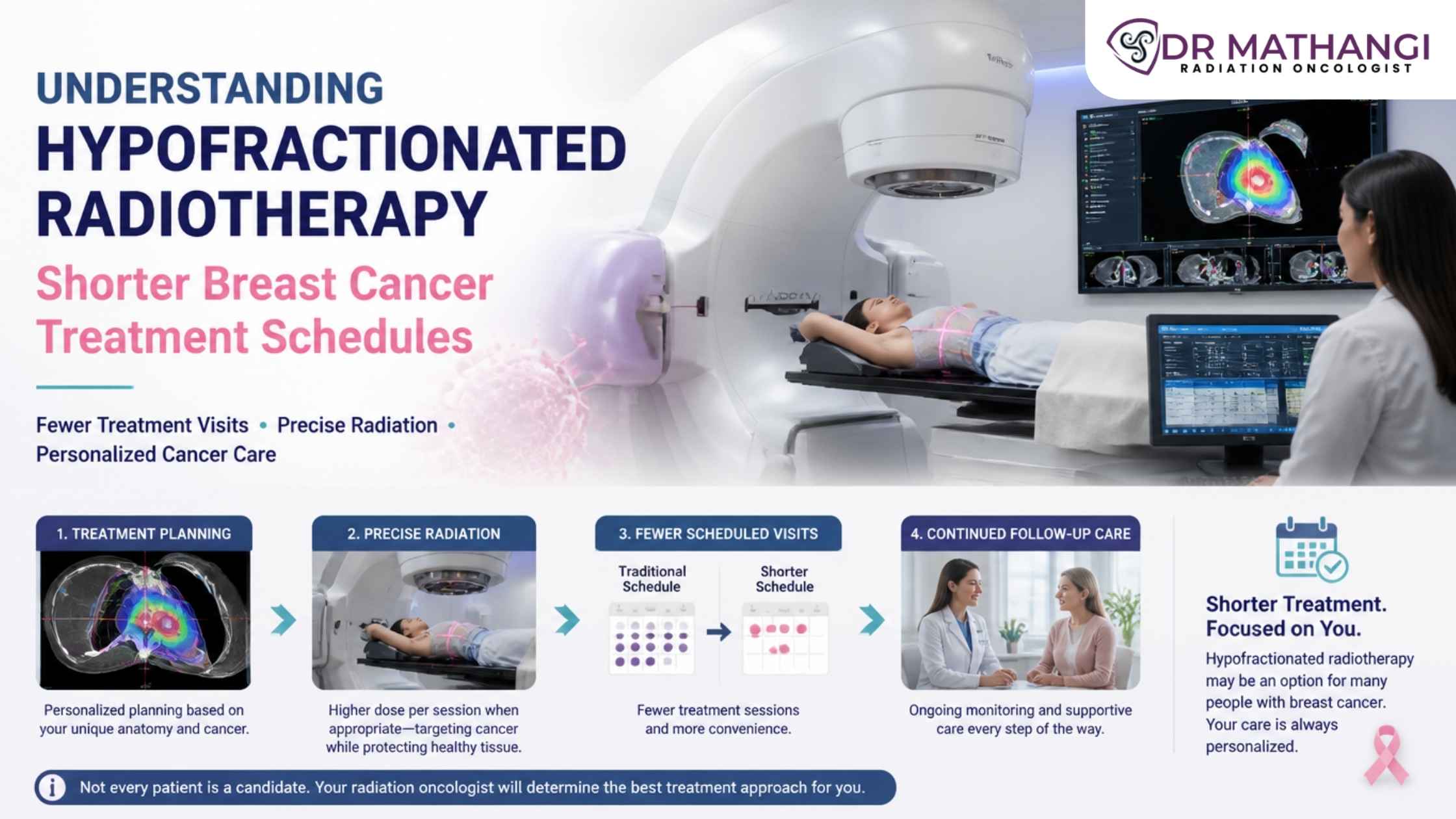
What Is Hypofractionated Radiotherapy And How Does It Benefit Breast Cancer Patients?
Hypofractionated radiotherapy is a modern cancer treatment approach where higher doses of radiation are delivered per session over fewer sessions, effectively shortening the overall treatment duration for breast cancer patients. According to recent global statistics, nearly 2.3 million women are diagnosed with breast cancer every year, making the need for efficient, patient-friendly therapies more critical than ever.
What Is Hypofractionated Radiotherapy?
Hypofractionated radiotherapy represents a transformative shift in radiation oncology. Unlike traditional radiation therapy, which may require 5-7 weeks of daily sessions, this approach compresses the total course into 3-4 weeks or even less. The core principle is to use a higher dose per fraction while maintaining or even improving treatment outcomes and minimizing side effects.
- Shorter treatment time: Patients spend less time away from work and family.
- Comparable efficacy: Clinical trials show that hypofractionated radiotherapy is as effective as conventional protocols for early-stage breast cancer.
- Enhanced convenience: Fewer hospital visits improve overall patient quality of life.
This approach is especially valuable for individuals seeking to maintain their daily routines and minimize disruptions, which is why many patients at Gleneagles Cancer Institute Bangalore choose Dr Mathangi for their care.
How Does Short Course Breast Radiation Work?
Short course breast radiation, another term for hypofractionated radiotherapy, involves delivering the total required radiation dose in fewer sessions. The method is designed to maintain the effectiveness of cancer eradication while reducing the number of hospital visits.
- Standard regimen: Traditionally, breast cancer patients undergo 25-30 sessions spread over 5-6 weeks.
- Short course regimen: With short course breast radiation, the same cumulative dose is delivered in 15-20 sessions over 3-4 weeks, or even as few as 5 sessions in select cases.
- Patient selection: Ideal for early-stage breast cancer and select post-mastectomy patients, following a thorough assessment by experts like Dr Mathangi.
By reducing the duration and frequency of sessions, short course breast radiation leads to better compliance and less psychological and financial burden on patients and their families.
Why Is Accelerated Radiotherapy A Game Changer For Breast Cancer?
Accelerated radiotherapy refers to protocols that deliver radiation in a shorter time frame, often through hypofractionation. This approach is gaining traction in modern cancer care due to its proven benefits:
- Time-saving: Completes essential treatment in weeks instead of months.
- Reduced hospital exposure: Especially valuable during pandemics or for immunocompromised patients.
- Similar or fewer side effects: Studies demonstrate equivalent, if not better, cosmetic and clinical outcomes.
- Cost-effective: Fewer visits mean lower travel and accommodation costs for outstation patients.
Dr Mathangi’s extensive experience and advanced training allow her to tailor accelerated radiotherapy plans for each patient, ensuring optimal cancer control with minimal inconvenience.
What Should Patients Know About Their Breast Cancer Treatment Schedule?
Choosing the right breast cancer treatment schedule is crucial for both clinical success and patient well-being. At Gleneagles Cancer Institute, Dr Mathangi and her team meticulously design individualized schedules based on:
- Cancer stage and biology
- Patient’s age and general health
- Previous treatments (surgery, chemotherapy)
- Personal preferences and logistical needs
Hypofractionated radiotherapy enables a more flexible breast cancer treatment schedule, helping patients resume their normal lives sooner. This approach has gained global acceptance and is now considered the standard of care for many patients.
How Do Modern Radiation Protocols Ensure Safety And Effectiveness?
Modern radiation protocols have revolutionized cancer care by making treatment safer, more precise, and more effective. Dr Mathangi’s expertise in techniques such as Image-Guided Radiotherapy (IGRT), Deep Inspiration Breath Hold (DIBH), Gated RapidArc, and Stereotactic Ablative Body Radiotherapy (SBRT) ensures that every patient receives world-class care.
Key innovations in modern radiation protocols include:
- Real-time imaging for accurate tumor targeting
- Advanced motion management to minimize exposure to healthy tissues
- Customized plans for complex cases (e.g., left-sided breast cancers near the heart)
- Integration of hypofractionated radiotherapy for various cancers: Head and neck, brain, spine, esophagus, rectum, lung, liver, breast, bladder, prostate, uterus, cervix, vulva, anal canal, and penis
These cutting-edge protocols, combined with Dr Mathangi’s unparalleled experience and compassionate approach, make Gleneagles Cancer Institute a top choice for breast cancer patients seeking the latest advances in care.
Who Should Consider Hypofractionated Radiotherapy?
Patients with early-stage breast cancer, post-lumpectomy or post-mastectomy, as well as those with logistical challenges in accessing long-term care, are prime candidates for hypofractionated radiotherapy. However, it’s essential to have a thorough consultation with an experienced oncologist to determine eligibility.
As a leader in the field, Dr Mathangi offers personalized assessments to ensure the safest and most effective course for every individual – a step that has helped over 12,000 patients regain their health and confidence.
How To Book An Appointment With Dr Mathangi?
Ready to explore advanced, patient-friendly breast cancer treatment? Booking a consultation with Dr Mathangi is simple and seamless:
- Visit https://drmathangi.com/contact/
- Submit your contact details via the form provided
- The clinic’s dedicated team will promptly schedule your appointment and notify you with confirmation
Book Your Consultation With Dr Mathangi Today
About Dr Mathangi
 Dr Mathangi J is the Senior Consultant & In-charge of Radiation Oncology at Gleneagles Cancer Institute, Bangalore, with more than two decades of experience. She has treated over 12,000 cancer patients and is celebrated for her proficiency in cutting-edge technologies, including SRS/SBRT, Gated RapidArc, DIBH, and image-guided interstitial brachytherapy. Her international training and leadership in installing Asia Pacific’s first TrueBeam STx Machine demonstrate her status as a pioneer in the field.
Dr Mathangi’s practice is grounded in evidence-based medicine, patient safety, and compassionate care – the hallmarks of EEAT (Experience, Expertise, Authority, and Trustworthiness). Her fellowship and teaching roles further cement her commitment to advancing cancer care in South and North India.
Gleneagles Cancer Institute Bangalore is recognized as a leading cancer care center, offering comprehensive, multidisciplinary services to patients from across India.
Contact: https://drmathangi.com/contact/
Frequently Asked Questions
What is hypofractionated radiotherapy and how does it benefit breast cancer patients?
Hypofractionated radiotherapy refers to a treatment approach where higher doses of radiation are delivered per session over fewer sessions. For breast cancer, this means patients can complete their therapy in a shorter timeframe with equal or better outcomes compared to traditional schedules. This approach reduces the overall burden of the breast cancer treatment schedule, minimizes hospital visits, and has been shown to maintain excellent effectiveness with similar or even fewer side effects.
How does a short course breast radiation schedule differ from conventional treatment?
Short course breast radiation typically involves fewer treatment sessions (often 3 to 4 weeks) compared to the conventional 5 to 7 week approach. This is made possible by giving a slightly higher dose of radiation at each visit, allowing patients to finish treatment faster. Dr. Mathangi offers this option using the latest evidence-based protocols, helping patients resume their normal lives more quickly.
Is accelerated radiotherapy safe and effective for all breast cancer patients?
Accelerated radiotherapy has been extensively studied and is now considered a safe and effective option for many breast cancer patients, especially those with early-stage disease or after breast-conserving surgery. Dr. Mathangi carefully evaluates each patient’s medical history and cancer characteristics to determine if this modern approach is suitable, ensuring personalized and optimal care.
What are the advantages of modern radiation protocols in breast cancer treatment?
Modern radiation protocols, such as hypofractionated radiotherapy and image-guided techniques, focus radiation precisely on the tumor area while minimizing exposure to healthy tissues. This results in fewer side effects, improved cosmetic outcomes, and greater patient comfort. Dr. Mathangi utilizes these advanced protocols to provide safe, effective, and convenient treatment options for her patients.
How does Dr. Mathangi tailor the breast cancer treatment schedule for each patient?
Dr. Mathangi uses a patient-centric approach, considering individual health, cancer stage, and personal preferences to customize the breast cancer treatment schedule. She discusses all available options, including short course breast radiation and accelerated radiotherapy, to ensure each patient receives the most appropriate and effective care.
Are there any side effects associated with hypofractionated radiotherapy?
Side effects with hypofractionated radiotherapy are generally similar or even reduced compared to traditional schedules. Most patients experience mild skin changes, fatigue, or breast discomfort, which are typically temporary. Dr. Mathangi provides supportive care and guidance to help manage any side effects during and after treatment.
Who is eligible for short course breast radiation?
Many women with early-stage breast cancer or those who have undergone breast-conserving surgery are eligible for short course breast radiation. Suitability depends on factors such as age, tumor size, and specific pathology. Dr. Mathangi thoroughly reviews each patient’s case to determine the best course of action according to modern radiation protocols.
What support does Dr. Mathangi provide during accelerated radiotherapy?
Dr. Mathangi ensures patients receive comprehensive support throughout their accelerated radiotherapy journey. This includes clear communication, education about the process, close monitoring for side effects, and timely interventions if needed. Her team remains accessible to address questions and provide comfort at every step.