Infection Risk During Cancer Treatment
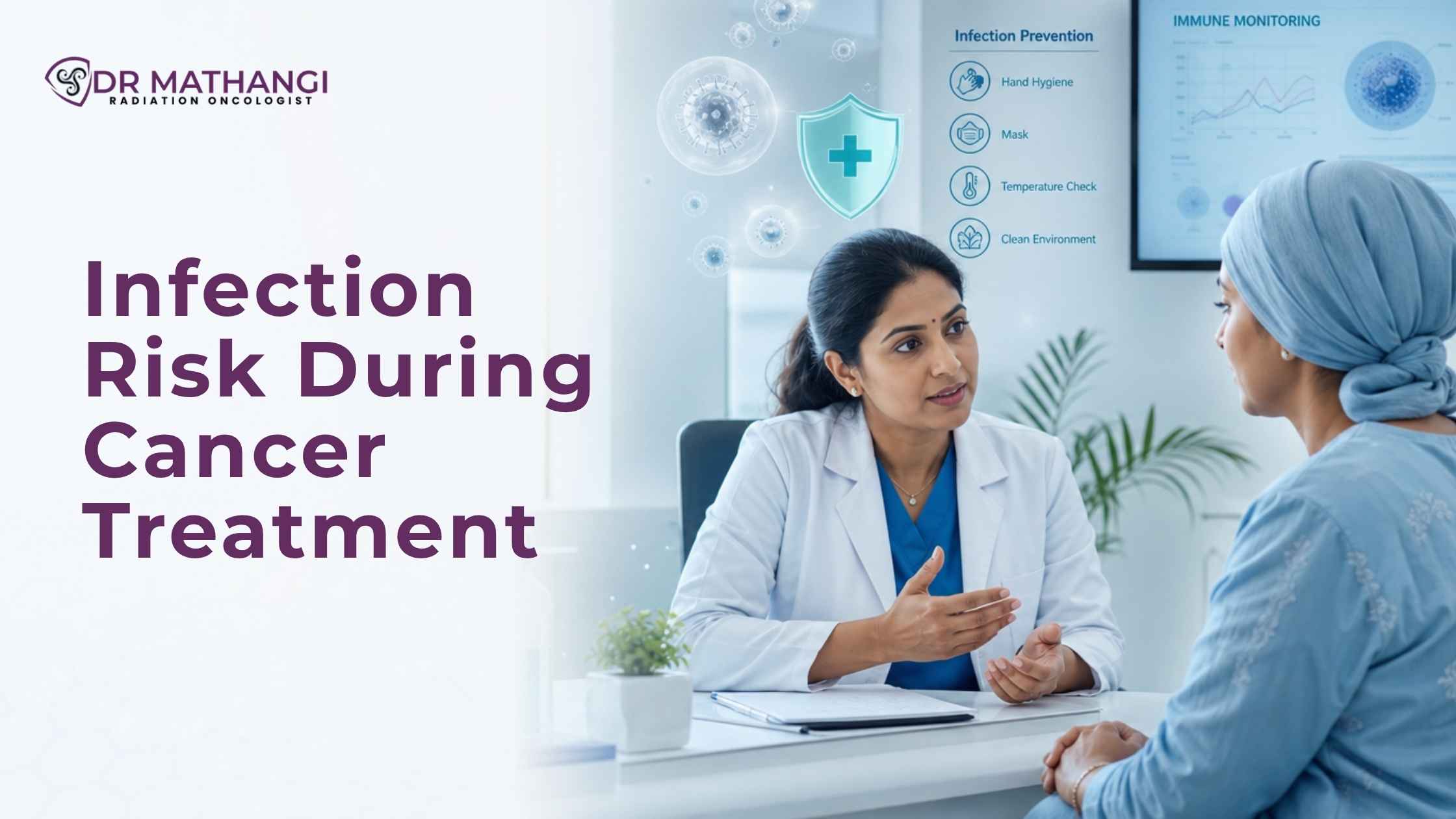

Did you know? According to the American Cancer Society, infections are one of the leading causes of hospitalization and mortality among cancer patients, especially those undergoing intensive treatment. Understanding and proactively managing infection risk cancer treatment is not just vital—it's lifesaving. If you or your loved one is starting or continuing cancer therapy, awareness and prompt action can make all the difference.
What Is Infection Risk During Cancer Treatment?
Infection risk cancer treatment refers to the heightened vulnerability to infections that cancer patients face while undergoing therapies such as chemotherapy, radiation, or targeted treatments. This risk stems from the cancer itself and the treatments that can weaken the immune system, particularly by reducing white blood cells (WBC) that defend the body against pathogens.
- Why is infection risk cancer treatment so high?
- Cancer treatments suppress bone marrow function, leading to weak immunity and WBC low counts.
- Breaks in the skin or mucous membranes from surgery or radiation can be entry points for bacteria and viruses.
- Frequent hospital visits and invasive procedures increase exposure to infectious agents.
At Gleneagles Cancer Institute, Bangalore, Dr Mathangi J—a Senior Consultant and Head of Radiation Oncology with over 20 years of experience—focuses on minimizing these risks while ensuring optimal cancer outcomes.
How Does Weak Immunity Affect Cancer Patients?
Weak immunity arises when the body’s natural defense mechanisms—especially white blood cells—are compromised. This is particularly relevant during infection risk cancer treatment, as therapies such as chemotherapy and radiation can suppress immune function.
What causes weak immunity in cancer treatment?
Weak immunity develops due to multiple factors:
- Direct impact of cancer treatment: Chemotherapy and radiation target rapidly dividing cells, including immune cells.
- Malnutrition: Cancer and its therapy can reduce appetite and nutrient absorption, further weakening immunity.
- Concurrent illnesses: Chronic diseases like diabetes, kidney or liver disorders can exacerbate immune suppression.
Why Is WBC Low During Cancer Treatment And Why Does It Matter?
“WBC low” is a common term seen in blood test reports of cancer patients. White blood cells (WBC) are critical in fighting infections. A drop in WBC, especially neutrophils (neutropenia), leaves patients highly susceptible to bacterial, viral, and fungal infections.
What are the dangers of WBC low?
- Delayed wound healing
- Increased risk of septicemia (blood infection)
- Frequent fevers and need for hospitalization
- Possibility of treatment interruptions, affecting cancer control
What Are The Common Chemotherapy Side Effects Related To Infection?
Chemotherapy side effects extend beyond hair loss and nausea. The most crucial aspect is immune suppression, which dramatically increases infection risk cancer treatment.
How do chemotherapy side effects contribute to infection risk?
- Bone marrow suppression: Leads to WBC low.
- Mucosal damage: Mouth sores, gut lining breakdown, and rectal ulcers create portals for infection.
- Skin changes: Rashes, blisters, and dryness increase vulnerability to bacteria and fungi.
- Fatigue: Reduces physical activity, affecting overall immunity.
How Can Infection Risk Be Minimized During Cancer Treatment?
Proactive management and expert care are the cornerstones of reducing infection risk cancer treatment. Here’s how Dr Mathangi ensures patient safety at every step:
- Personalized treatment protocols: Adjusting chemotherapy or radiation doses to balance efficacy and safety.
- Strict infection control measures: Use of sterile techniques, regular hand hygiene, and protective gear within hospital premises.
- Early identification: Routine blood counts to monitor WBC low and prompt intervention with growth factors or antibiotics if needed.
- Patient education: Teaching patients and caregivers about hygiene, diet, and warning signs of infection.
- Supportive therapies: Vaccinations (if safe), nutritional support, and psychological counseling.
What Cancers Require Radiation Therapy (RT) And Face High Infection Risk?
According to Dr Mathangi, cancers commonly treated with radiation—and where infection risk cancer treatment must be vigilantly managed—include:
- Head and neck cancers
- Brain tumors
- Spine tumors
- Esophagus and rectal cancers
- Lung cancers
- Liver cancers
- Breast cancers
- Bladder cancers
- Prostate cancers
- Uterine cancers
- Cervical cancer
- Vulval cancers
- Anal canal cancers
- Penile cancers
Each of these requires tailored infection prevention strategies to ensure uninterrupted and effective cancer therapy.
What Steps Should Patients Take To Prevent Infections?
The risk of infection can be dramatically reduced by following these expert tips:
- Wash hands frequently with soap and water or use alcohol-based sanitizer.
- Avoid crowded places, sick contacts, and raw/undercooked foods.
- Monitor temperature daily and report fevers above 100.4°F (38°C) immediately.
- Maintain oral hygiene—regular brushing, mouthwashes, and dental visits.
- Keep skin clean and inspect for cuts, rashes, or ulcers.
- Follow all instructions on central lines, catheters, or wound dressings.
Why Choose Dr Mathangi For Managing Infection Risk During Cancer Treatment?
Experience, Expertise, and Empathy: With over 12,000 patients successfully treated, Dr Mathangi’s approach is comprehensive, evidence-based, and patient-centered. Her international training in advanced radiation techniques and leadership at Gleneagles Cancer Institute make her one of India’s foremost experts in both cancer control and infection risk management.
- State-of-the-art facilities for infection control
- Dedicated support team available 24/7
- Personalized care plans for every patient
- Focus on both cure and quality of life
Don’t leave your safety to chance. To book an appointment with Dr Mathangi, simply submit your contact information on the form at https://drmathangi.com/contact/. Her team will prioritize your care and promptly schedule your consultation.
About Dr Mathangi J
Dr Mathangi J is a Senior Consultant and In-charge of Radiation Oncology at Gleneagles Cancer Institute, Bangalore. With two decades of experience, international fellowships in advanced radiotherapy, and numerous accolades—including the installation of Asia Pacific’s first TrueBeam STx Machine—she is a trusted name in cancer care for patients across South and North India.
Dr Mathangi’s specializations include head and neck cancers, prostate cancers, brain tumors, lung cancers, and women’s cancers (breast, cervix, endometrium). Her evidence-based, compassionate, and innovative approach ensures every patient receives the best possible care.
Frequently Asked Questions
Why is infection risk cancer treatment such a major concern?
During cancer treatment, patients often experience weak immunity due to the effects of chemotherapy, radiation, or certain targeted therapies. This makes it harder for the body to fight off germs and infections. Even minor infections can become serious quickly, so preventing and promptly managing infection risk cancer treatment is crucial for patient safety and recovery.
How do chemotherapy side effects increase the risk of infections?
Chemotherapy side effects can include a drop in white blood cell (WBC) counts, particularly neutrophils that help fight infection. With WBC low, the immune system is less able to respond to bacteria, viruses, or fungi. This makes everyday germs from food, water, or even the environment more dangerous for patients undergoing chemotherapy.
What does it mean if my WBC is low during cancer treatment?
WBC low means your white blood cell count is below the normal range, which is a common side effect during many cancer treatments. This condition, called neutropenia, significantly increases the risk of infections. Dr. Mathangi monitors blood counts regularly and may recommend medications or temporary treatment delays to help your immune system recover.
What steps can I take to reduce infection risk while undergoing cancer therapy?
To lower infection risk, Dr. Mathangi advises patients to practice good hand hygiene, avoid crowds and sick contacts, keep wounds clean, and follow food safety guidelines. Staying up to date on vaccinations, and reporting any fever or new symptoms immediately, are also essential. Personalized prevention plans are part of her comprehensive care approach.
How does Dr. Mathangi help manage weak immunity during cancer treatment?
Dr. Mathangi closely tracks each patient’s blood counts and immune status throughout treatment. She may prescribe growth factors to boost WBC production, recommend changes to therapy schedules, and provide guidance on lifestyle modifications. Her team is always ready to address concerns and intervene early in case of suspected infection.
What are the warning signs of infection I should watch for?
Be alert for fever (temperature above 100.4°F or 38°C), chills, sore throat, cough, shortness of breath, redness or swelling at wound sites, urinary symptoms, or unexplained fatigue. Dr. Mathangi emphasizes that any new symptoms should be reported immediately to prevent complications from infections during cancer therapy.
Are there specific dietary precautions to lower infection risk cancer treatment?
Yes, Dr. Mathangi recommends safe food handling, avoiding raw or undercooked foods, and ensuring fruits and vegetables are well washed or cooked. These dietary precautions help minimize exposure to potential pathogens that could cause serious infections in patients with weak immunity.
Can chemotherapy side effects be managed to reduce infection risk?
Absolutely. Dr. Mathangi uses evidence-based strategies to minimize chemotherapy side effects such as low WBC counts. This includes proactive monitoring, use of supportive medications, and adjusting treatment timing when necessary, all focused on maintaining a safe balance between effective cancer care and infection risk reduction.
When should I contact Dr. Mathangi if I suspect an infection?
Contact Dr. Mathangi immediately if you develop a fever, chills, sudden weakness, cough, mouth sores, pain or burning during urination, or any unusual symptoms. Early intervention is key to managing infections effectively and safely during cancer treatment.