Warning Signs of Low Immunity in Cancer Patients
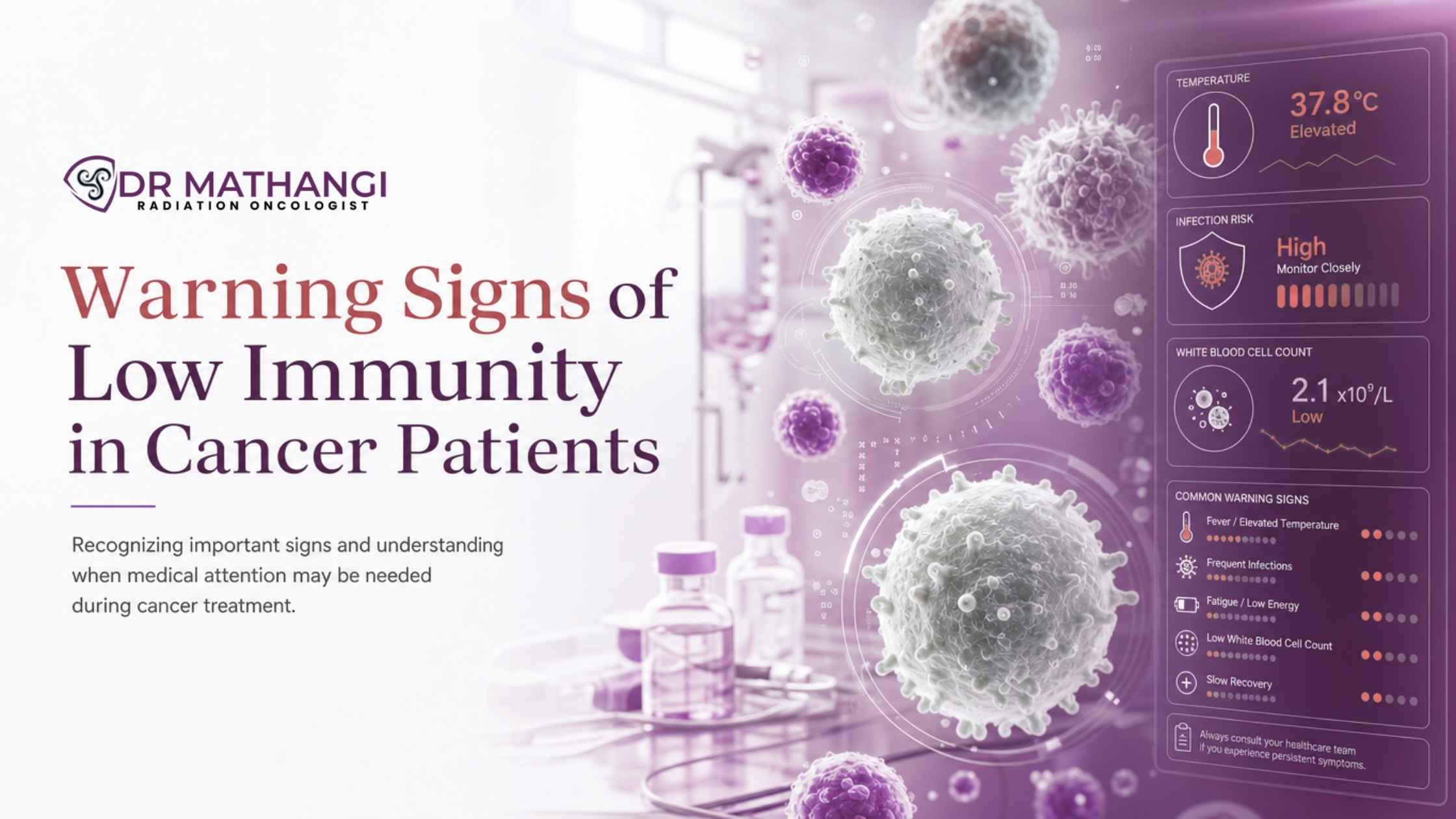
Quick answer: Low immunity signs in cancer patients include frequent infections, persistent fatigue weakness, and a drop in white blood cell counts (WBC low warning). Recognizing these early can drastically improve outcomes and prevent severe complications. Dr. Mathangi J, leading oncologist in Bangalore, explains how to spot these signs and why timely action is crucial.
According to recent studies, nearly 50% of cancer patients experience some form of immune suppression during their treatment journey. This significantly increases their risk of infections and delays in recovery. As cancer therapy advances and survival rates improve, being vigilant about low immunity signs has never been more important. If you or your loved one is undergoing cancer treatment, understanding these warning signs can be life-saving.
What are low immunity signs in cancer patients?
Low immunity signs refer to symptoms and changes in the body that signal a weakened immune system. In cancer patients, this can be caused by the disease itself or as a side effect of treatments such as chemotherapy, radiation therapy, or targeted therapies. These treatments, while effective against cancer, can also inhibit the bone marrow's ability to produce white blood cells, leaving patients vulnerable to infections and other complications.
- Frequent or recurring infections (bacterial, viral, or fungal)
- Slow healing of wounds or sores
- Persistent or unusual fatigue weakness
- Fever or chills without an apparent cause
- Unexplained bruising or bleeding
- Sudden drop in WBC count (WBC low warning)
- Loss of appetite or unintended weight loss
These signals do not only affect quality of life but may also delay critical cancer treatments. Ignoring these warning signs can lead to hospitalizations, severe infections, and even life-threatening complications.
Why is low immunity a serious risk for cancer patients?
Cancer therapies—especially radiation therapy, chemotherapy, and some targeted therapies—compromise the immune system by reducing the body's ability to produce new white blood cells. This leaves patients exposed to bacteria, viruses, and fungi that would otherwise be harmless. Low immunity signs are the body's way of flagging that its defenses are down.
- Infections can escalate rapidly: A simple cold can quickly turn into pneumonia or sepsis.
- Treatment delays: Severe infections often require postponing cancer therapies, impacting overall outcomes.
- Longer hospital stays: Infections and complications can lead to repeated or lengthy hospitalizations.
The earlier these signs are recognized, the sooner interventions can be put in place. This is especially vital for patients receiving radiation therapy for cancers like head and neck, brain tumors, spine tumors, esophagus, rectal, lung, liver, breast, bladder, prostate, uterine, cervical, vulval, anal canal, and penile cancers.
How to identify infection symptoms in cancer patients?
Infection symptoms are often the first warning signals of low immunity. Cancer patients need to be extra vigilant for even minor symptoms, as infections can become severe very quickly.
- Fever above 100.4°F (38°C)
- Chills or night sweats
- Sore throat, cough, or shortness of breath
- Burning sensation during urination or urinary frequency
- Redness, swelling, or pus at wound sites or injection areas
- Unexplained rash or skin changes
- Diarrhea or abdominal pain
Immediate medical attention is needed if you notice any of these infection symptoms. Even a mild fever can be a sign of a serious underlying infection in cancer patients with low immunity. Dr. Mathangi J emphasizes that all infections in these patients should be evaluated promptly to prevent complications.
What is the relationship between fatigue weakness and low immunity?
Fatigue weakness is one of the most commonly reported symptoms among cancer patients, affecting up to 80% during treatment. While fatigue can stem from cancer itself or its therapies, persistent or worsening fatigue may also indicate low immunity.
- Fatigue that does not improve with rest
- Feeling weak or unable to perform daily tasks
- Sudden onset of tiredness or muscle weakness
- Difficulty concentrating or mental fogginess
When fatigue weakness is paired with other warning signs like fever, unexplained bruising, or frequent infections, it is a strong indicator that the body’s immune resources are depleted. Dr. Mathangi J advises that patients and caregivers monitor these symptoms closely and seek medical advice if fatigue is severe or persistent.
What does WBC low warning mean and how should it be managed?
WBC low warning refers to a significant drop in white blood cell (WBC) counts, particularly neutrophils (a condition called neutropenia). WBCs are crucial for fighting infections. Cancer treatments can cause WBC levels to plummet, putting patients at serious risk.
| WBC Count | Risk Level | Action Recommended |
|---|---|---|
| >4,000/μL | Normal | Continue routine monitoring |
| 1,000-4,000/μL | Mild to moderate risk | Monitor symptoms, avoid crowded places |
| <1,000/μL | High risk | Immediate medical attention needed |
A WBC low warning is an urgent sign. If you receive a lab report indicating a low WBC count, especially with fever or infection symptoms, consult Dr. Mathangi J immediately. She can recommend protective measures, preventive antibiotics, or adjustments in therapy to safeguard your health.
How can you protect yourself from low immunity complications?
Prevention and early detection are key to managing low immunity in cancer patients. Here’s how you can minimize risks and stay ahead:
- Regular blood tests: Monitor your WBC levels and other blood counts as advised by your oncologist.
- Personal hygiene: Wash your hands frequently, especially before meals and after using the restroom.
- Avoid crowds: Stay away from crowded places and people with infections during therapy.
- Healthy diet: Eat nutritious, well-cooked food to maintain strength and support immunity.
- Prompt reporting: Report any low immunity signs, infection symptoms, fatigue weakness, or WBC low warning to your care team immediately.
Dr. Mathangi J and her team at Gleneagles Cancer Institute provide comprehensive support and monitoring for patients at risk. You are not alone—expert guidance can make all the difference.
Why choose Dr Mathangi J for cancer care and immunity monitoring?
Dr. Mathangi J is a Senior Radiation Oncologist and Head of Gleneagles Cancer Institute in Bangalore, with over 20 years of experience and 12,000+ patients successfully treated. She is celebrated for introducing cutting-edge radiotherapy technologies and specializes in treating head and neck, brain, spine, esophagus, rectal, lung, liver, breast, bladder, prostate, uterine, cervical, vulval, anal canal, and penile cancers.
Her expertise is matched by her commitment to patient safety, quality of life, and holistic cancer care. By choosing Dr. Mathangi, you gain access to:
- Advanced monitoring for low immunity signs
- Early intervention strategies
- Personalized care plans
- Multidisciplinary team support
- State-of-the-art facilities at Gleneagles Cancer Institute
Book an expert consultation with Dr. Mathangi J today.
Submit your contact information here and her team will schedule your appointment promptly.
Summary table: Warning signs of low immunity in cancer patients
| Warning Sign | Description | What To Do |
|---|---|---|
| Low immunity signs | Frequent infections, slow healing, fever, unexplained bruising | Monitor closely, inform your doctor |
| Infection symptoms | Fever, chills, cough, sore throat, burning urination | Seek immediate medical attention |
| Fatigue weakness | Persistent tiredness not relieved by rest | Report to your oncology team |
| WBC low warning | Lab reports show low white cell count | Follow infection prevention, consult oncologist |
About Dr Mathangi J
Dr. Mathangi J is a highly esteemed Senior Consultant and In-charge of Radiation Oncology at Gleneagles Cancer Institute, Bangalore, India. With a distinguished career spanning over two decades, she has set benchmarks in advanced radiotherapy and patient-centered cancer care. Her expertise covers head and neck, brain, spine, esophagus, rectal, lung, liver, breast, bladder, prostate, uterine, cervical, vulval, anal canal, and penile cancers.
Dr. Mathangi is recognized for her skill in Stereotactic Ablative Body Radiotherapy (SBRT), Gated RapidArc, DIBH gated Radiotherapy, and image-guided Interstitial Brachytherapy. She has trained internationally and is known for her leadership in installing Asia Pacific's first TrueBeam STx Machine. Her approach is rooted in evidence, empathy, and patient empowerment, making her one of the most trusted names in Indian oncology.
For more information and to book an appointment, visit the official website: drmathangi.com
Frequently Asked Questions
What are the most common low immunity signs in cancer patients?
Cancer patients may experience several low immunity signs such as frequent infections, slow healing wounds, persistent coughs, unexplained fevers, and mouth sores. It's important to monitor these symptoms closely, as they can indicate a weakened immune system. Dr. Mathangi advises cancer patients to report any new or worsening symptoms promptly to facilitate immediate evaluation and care.
How can I recognize infection symptoms if I have a weakened immune system?
Infection symptoms in cancer patients can be subtle or more pronounced and may include sudden fever, chills, sore throat, shortness of breath, pain during urination, or redness and swelling at wound sites. Dr. Mathangi stresses the importance of early detection and encourages patients to seek medical attention at the first sign of infection to prevent complications.
Is fatigue weakness a sign of low immunity during cancer treatment?
Yes, fatigue weakness is a common sign of low immunity among cancer patients. This may present as persistent tiredness, lack of energy, or difficulty performing everyday activities. Dr. Mathangi recommends regular rest, a balanced diet, and individualized activity plans to help manage fatigue while monitoring for other signs of immune suppression.
What does a WBC low warning mean for a cancer patient?
A WBC low warning indicates a decrease in white blood cell count, which can significantly raise the risk of infections. Dr. Mathangi closely monitors blood counts during treatment and provides tailored advice on infection prevention, including when to avoid crowds, maintain hand hygiene, and promptly report fevers or other concerning symptoms.
How does Dr. Mathangi help patients manage low immunity?
Dr. Mathangi offers a comprehensive approach, including personalized risk assessments, preventive strategies like vaccinations, nutritional guidance, and timely interventions for emerging symptoms. She also educates patients and caregivers on recognizing low immunity signs and infection symptoms, ensuring they feel empowered to act quickly.
When should a cancer patient contact Dr. Mathangi about immune system concerns?
Patients should contact Dr. Mathangi immediately if they notice signs like persistent fever, chills, new cough, mouth sores, or increasing fatigue weakness. Early communication allows for swift evaluation and reduces the risk of serious infections or complications during cancer treatment.
Can nutrition and lifestyle changes help improve immunity in cancer patients?
Absolutely. Dr. Mathangi emphasizes the importance of a well-balanced diet, adequate hydration, safe levels of physical activity, and sufficient rest to support immune function. She works with patients to develop personalized nutrition and wellness plans to reduce low immunity signs and promote overall well-being.
Are there preventive steps to reduce the risk of infection during cancer treatment?
Yes. Preventive measures include frequent handwashing, avoiding sick contacts, keeping vaccinations up to date (as advised), eating hygienically prepared foods, and monitoring for infection symptoms. Dr. Mathangi guides each patient on specific precautions based on their treatment plan and immune status.
How often should blood counts be checked during cancer therapy?
The frequency of blood count checks depends on the type of cancer and treatment regimen. Dr. Mathangi typically recommends regular monitoring, especially when chemotherapy or medications known to suppress immunity are used. This helps in early detection of WBC low warning and timely intervention if needed.