What Does a Low Lymphocyte Count Mean in Cancer Patients?
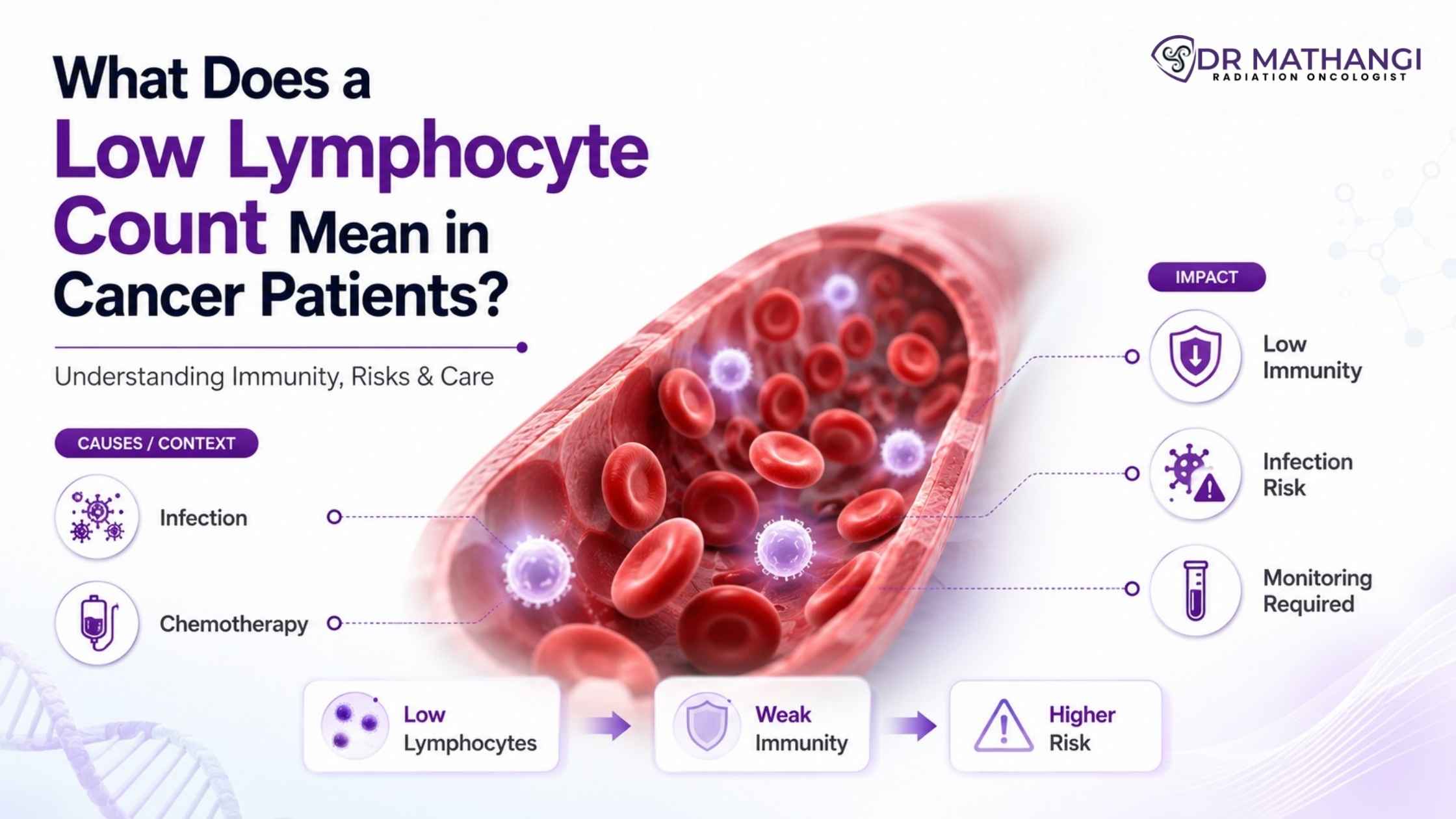
Quick Answer: A low lymphocyte count in cancer patients indicates a reduction in the body’s immune-fighting cells, which can increase infection risks, impact cancer immunity, and influence the effectiveness of cancer treatments. Recognizing and managing this condition early, especially under expert care such as Dr Mathangi’s, is vital for optimal outcomes in cancer care.
Why is lymphocyte count important in cancer patients?
Lymphocytes are a type of white blood cell (WBC) crucial for the immune system’s ability to identify and fight infections, as well as destroy cancer cells. Studies reveal that up to 40% of cancer patients may experience a low lymphocyte count during their treatment, significantly affecting their overall prognosis and ability to tolerate therapies. This makes understanding low lymphocyte count in cancer a cornerstone of effective oncology care.
What is a low lymphocyte count in cancer?
Low lymphocyte count in cancer, also called lymphocytopenia, means the number of lymphocytes in a patient’s blood falls below the normal range (typically <1000 cells/μL for adults). This reduction can be due to the cancer itself or as a side effect of treatments like chemotherapy and radiation. Lymphocytopenia can severely undermine the body’s immune defense, making patients more prone to infections and potentially affecting how well they respond to cancer therapies.
- Normal lymphocyte count: 1000–4800 per μL (adults)
- Low lymphocyte count: <1000 per μL
How does a low lymphocyte count affect cancer immunity?
Cancer immunity refers to the body’s natural and adaptive immune responses that help identify and destroy cancer cells. When lymphocyte levels drop:
- The body’s ability to recognize and attack cancer cells is diminished.
- There is an increased risk of infections, which can interrupt or delay cancer treatments.
- Recovery from surgery or other interventions may be slower and more complicated.
- Patients may have less favorable outcomes and reduced survival rates.
For patients at Gleneagles Cancer Institute under Dr Mathangi’s guidance, advanced monitoring and tailored interventions are employed to safeguard cancer immunity even when lymphocyte counts are low.
What are the causes of low lymphocyte count in cancer?
Several factors can lead to low lymphocyte count in cancer patients:
- Direct effect of cancer: Some cancers (like leukemia, lymphoma, or advanced solid tumors) can infiltrate the bone marrow, suppressing lymphocyte production.
- Chemotherapy blood effects: Chemotherapy drugs are designed to target rapidly dividing cells, but they can also damage healthy bone marrow, leading to a WBC drop including lymphocytes.
- Radiation effects: Radiation therapy, particularly when targeting areas containing bone marrow (such as the pelvis, spine, or chest), can suppress lymphocyte production.
- Other factors: Malnutrition, infections, and certain medications can further worsen lymphocyte counts.
What is the impact of chemotherapy blood effects on lymphocytes?
Chemotherapy blood effects are among the most common causes of a WBC drop, including lymphocytes, in cancer patients. The suppression of bone marrow leads to:
- Increased susceptibility to bacterial, viral, and fungal infections
- Possible need to delay or reduce chemotherapy doses, potentially affecting cancer control
- Heightened fatigue, slower wound healing, and prolonged hospitalization
At Gleneagles Cancer Institute, Dr Mathangi employs individualized chemotherapy regimens and advanced supportive care to minimize these blood effects and support immune recovery.
How do radiation effects contribute to low lymphocyte count?
Radiation therapy, especially for cancers that need RT (e.g., head and neck cancers, brain tumors, spine tumors, lung cancers, breast cancers, prostate cancers, uterine cancers, and more), can significantly impact blood cell production. Radiation effects are most pronounced when large areas of bone marrow are included in the treatment field.
Advanced techniques such as Stereotactic Body Radiotherapy (SBRT), Gated RapidArc, and DIBH Gated Radiotherapy—pioneered at Gleneagles under Dr Mathangi—help minimize unnecessary radiation exposure to healthy marrow, thus preserving lymphocyte levels as much as possible.
What are the risks associated with a WBC drop in cancer patients?
A WBC drop, particularly of lymphocytes, has serious clinical implications:
- High risk of life-threatening infections
- Increased risk of treatment interruptions or dose reductions
- Greater likelihood of hospital admissions and longer recovery times
- Reduced effectiveness of immunotherapy and other cancer treatments
How can low lymphocyte count in cancer be monitored and managed?
Regular monitoring of blood counts is essential for any patient undergoing cancer therapy. Management strategies include:
- Close surveillance with frequent blood tests
- Use of growth factors and immune boosters as needed
- Timely use of antibiotics or antivirals to prevent infections
- Tailoring of treatment schedules to allow blood count recovery
- Nutritional support and lifestyle modifications
At Gleneagles Cancer Institute, Dr Mathangi and her multidisciplinary team ensure that every patient receives meticulous, customized care to reduce the risks associated with low lymphocyte counts.
Who is at highest risk for low lymphocyte count during cancer treatment?
Patients at highest risk include those:
- With cancers of the blood and lymphatic system (like leukemia and lymphoma)
- Receiving high-dose chemotherapy or extensive radiation
- With advanced or metastatic solid tumors
- Who are elderly or have pre-existing immune compromise
Early identification and proactive management—hallmarks of Dr Mathangi’s oncology practice—are crucial for these high-risk patients.
How does Dr Mathangi approach low lymphocyte count in cancer patients?
Dr Mathangi J, with over 20 years of expertise in radiation oncology and advanced therapeutic techniques, leads a patient-centric approach at Gleneagles Cancer Institute in Bangalore. Her protocols for managing low lymphocyte count in cancer include:
- Personalized treatment plans: Minimizing exposure to factors that worsen lymphocyte depletion
- Use of advanced radiotherapy: Techniques like SBRT, image-guided brachytherapy, and Gated RapidArc reduce collateral damage to healthy tissues
- Integrated supportive care: Nutritionists, infectious disease specialists, and psychologists form part of the care team
- Continuous monitoring: Ensuring timely interventions to prevent complications
Dr Mathangi’s patients benefit from the latest in global cancer care and evidence-based protocols, making her center a top choice for those seeking the best outcomes.
Book an appointment with Dr Mathangi
Don’t risk your treatment journey to chance—choose an expert who combines advanced technology with compassionate care. To consult with Dr Mathangi J at Gleneagles Cancer Institute, submit your contact information here. Her team will promptly schedule your appointment and notify you.
Which cancers commonly require radiation therapy?
According to Dr Mathangi, cancers that need RT (radiation therapy) include:
- Head and neck cancers
- Brain tumors
- Spine tumors
- Esophagus and rectal cancers
- Lung cancers
- Liver cancers
- Breast cancers
- Bladder cancers
- Prostate cancers
- Uterine cancers
- Cervical cancer
- Vulval cancers
- Anal canal cancers
- Penile cancers
Each of these cancer types poses unique challenges for immunity and blood counts, highlighting the need for skilled care in managing low lymphocyte counts.
Table: Common causes and effects of low lymphocyte count in cancer
| Cause | Effect | Dr Mathangi’s Approach |
|---|---|---|
| Cancer infiltration of bone marrow | Reduced lymphocyte production | Frequent blood monitoring, tailored therapies |
| Chemotherapy blood effects | WBC drop, increased infection risk | Modified regimens, supportive medications |
| Radiation effects | Suppressed bone marrow, immunity loss | Advanced techniques to spare marrow |
| Malnutrition/infections | Worsened lymphocyte depletion | Integrated nutritional and infection control |
Key facts about low lymphocyte count in cancer
- Occurs in up to 40% of patients during treatment
- Greatest risk during intensive chemotherapy and radiation
- Critical to monitor for timely intervention
- Expert management improves outcomes and survival
About Dr Mathangi
Dr Mathangi J is the Senior Consultant & In-charge of Radiation Oncology at Gleneagles Cancer Institute, Bangalore. With over 20 years of experience and more than 12,000 patients successfully treated, Dr Mathangi is renowned for her expertise in advanced radiotherapy and cancer care. She specializes in treating head and neck, brain, spine, lung, breast, prostate, uterine, and other complex cancers. Her pioneering work includes installing Asia Pacific’s first TrueBeam STx Machine and leading the Fellowship in Advanced Radiotherapy Techniques affiliated with RGUHS. Patients trust Dr Mathangi for her evidence-based, compassionate, and technologically advanced approach to cancer treatment.
Learn more or book your appointment: drmathangi.com/contact/
Frequently Asked Questions
What does a low lymphocyte count in cancer patients mean?
A low lymphocyte count in cancer patients, also known as lymphocytopenia, means there are fewer lymphocytes (a type of white blood cell) in the blood. Lymphocytes are crucial for the body’s immune defense, and a drop in their number can make patients more susceptible to infections and may affect the body’s ability to fight cancer. This often reflects the impact of cancer itself or the effects of treatments like chemotherapy and radiation.
How does a low lymphocyte count affect cancer immunity?
Cancer immunity refers to the body’s capability to recognize and destroy cancer cells. Lymphocytes, especially T-cells and B-cells, play a key role in this process. When the lymphocyte count is low, the immune system’s response is weakened, making it harder to control cancer growth or respond effectively to infections. This is why monitoring and managing lymphocyte levels is important during cancer treatment.
What causes a WBC drop during cancer treatment?
A WBC drop, or decrease in white blood cell count, during cancer treatment is commonly caused by chemotherapy and radiation. These treatments target rapidly dividing cells, which include both cancer cells and healthy blood cells like lymphocytes. As a result, patients may experience a significant reduction in white blood cells, making them more vulnerable to infections.
How do chemotherapy blood effects impact lymphocyte count?
Chemotherapy blood effects often include a decrease in various blood components, including lymphocytes. Some chemotherapy drugs are more likely to suppress bone marrow function, leading to lymphocytopenia. This impact can be temporary or, in some cases, prolonged, depending on the drug and dosage. Regular blood tests are done to monitor these effects and guide further treatment.
Are there specific radiation effects on lymphocyte levels?
Yes, radiation effects on lymphocyte levels can be significant, especially when large areas of the body or the bones are treated. Radiation can damage the bone marrow, where lymphocytes are produced, leading to reduced counts. The degree of lymphocyte drop depends on the radiation dose, field size, and treatment schedule.
What are the symptoms of a low lymphocyte count in cancer patients?
Many patients with a low lymphocyte count may not have obvious symptoms. However, they are at increased risk for infections, which can present as fever, chills, sore throat, or unexplained fatigue. Frequent or severe infections during cancer treatment may be a sign of lymphocytopenia and should be discussed with your oncology team.
How can Dr. Mathangi help manage a low lymphocyte count in cancer patients?
Dr. Mathangi offers comprehensive care for managing low lymphocyte counts in cancer patients. This includes regular blood monitoring, infection prevention strategies, nutritional guidance, and, when appropriate, medications to stimulate white blood cell production. She also tailors cancer therapies to minimize immune suppression and provides supportive treatments to boost recovery and overall well-being.
Are there ways to boost lymphocyte count during cancer treatment?
While it is not always possible to completely prevent a drop in lymphocyte count during cancer therapy, steps can be taken to support immune health. These include maintaining good nutrition, avoiding infections, moderate physical activity as tolerated, and following your doctor’s instructions regarding medications and supplements. In some cases, growth factors or adjustments in treatment schedules may be recommended by Dr. Mathangi.
When should a cancer patient be concerned about a low lymphocyte count?
A persistently low lymphocyte count should be discussed with your oncology team, especially if you experience recurrent infections, fevers, or delayed healing. Dr. Mathangi emphasizes the importance of timely communication about any new symptoms so that interventions can be started early to prevent complications.