Low Lymphocyte Count (Lymphopenia): Causes, Symptoms & Treatment
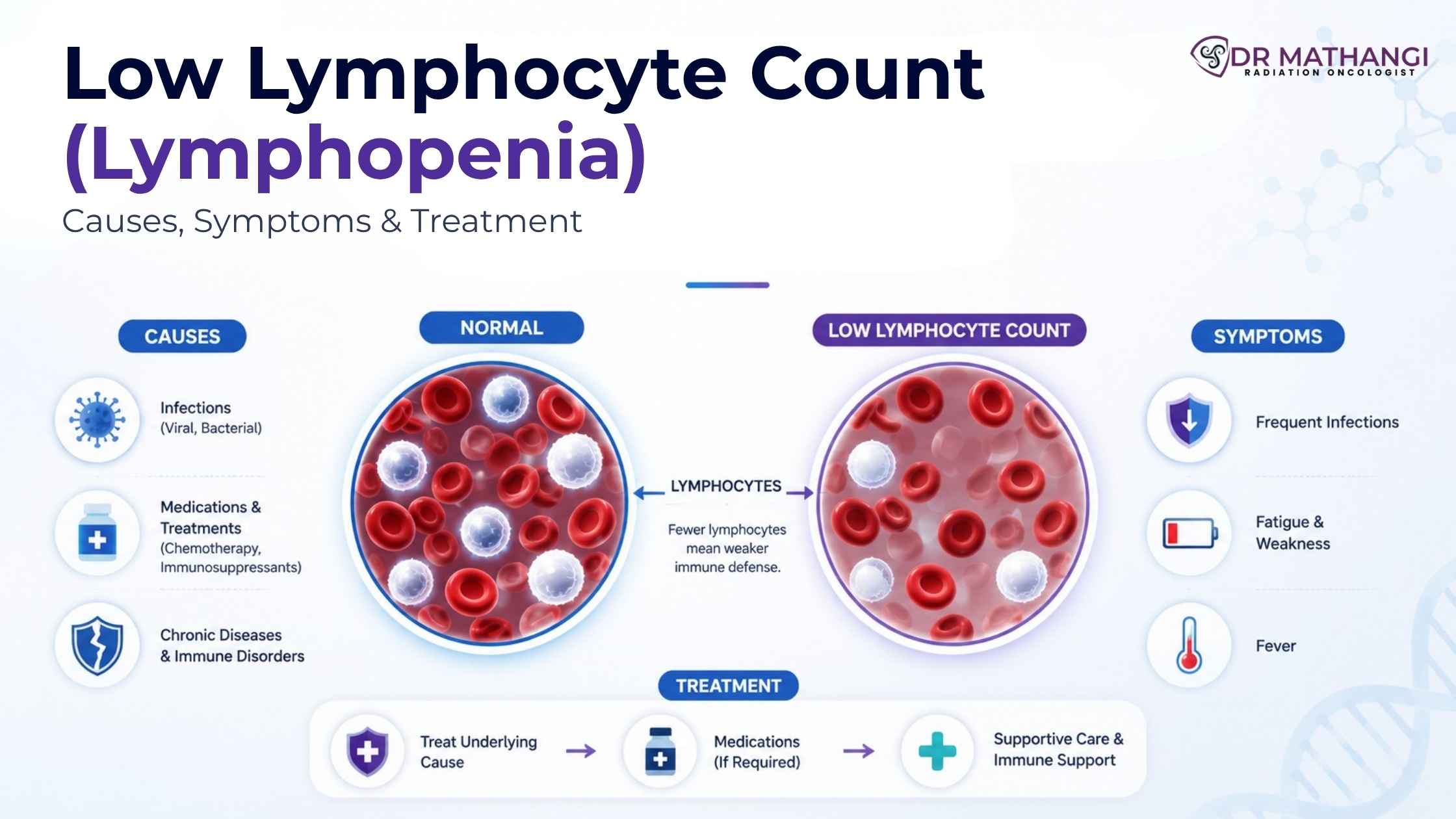
Did you know that nearly 20% of hospitalized patients show a low lymphocyte count on their blood reports? This seemingly simple number can be a crucial indicator of your body’s defense mechanisms and overall health. If overlooked, it can increase your infection risk and signal issues ranging from chronic diseases to cancer. Under the expert care of Dr Mathangi J, Senior Radiation Oncologist and In-charge at Gleneagles Cancer Institute, Bangalore, you gain access to state-of-the-art diagnostics and personalized treatment plans that prioritize your safety and recovery.
What Is Low Lymphocyte Count (Lymphopenia)?
Low lymphocyte count—referred to medically as lymphopenia—occurs when the number of lymphocytes (a type of white blood cell) falls below the normal reference range. Lymphocytes play a pivotal role in the immune system, helping fight off infections and abnormal cells such as cancer. A drop in these cells can leave you with weak immunity and higher susceptibility to diseases.
- Normal lymphocyte count: 1,000–4,800 lymphocytes per microliter in adults
- Lymphopenia: <1,000 lymphocytes per microliter in adults
Why Is Low Lymphocyte Count Important?
Even a marginally CBC low WBC (Complete Blood Count showing low white blood cells) can increase your vulnerability to infections and may indicate underlying diseases such as autoimmune disorders, viral infections, or cancer. For those undergoing cancer treatment, monitoring lymphocyte levels is critical to minimize infection risk and optimize therapy outcomes.
What Are The Causes Of Lymphopenia?
Lymphopenia causes can range from temporary infections to chronic medical conditions. Identifying the root cause is vital for appropriate management and recovery.
| Category | Common Lymphopenia Causes |
|---|---|
| Infections | HIV/AIDS, hepatitis, tuberculosis, COVID-19, viral respiratory illnesses |
| Autoimmune Conditions | Lupus, rheumatoid arthritis, multiple sclerosis |
| Cancers & Treatments | Leukemia, lymphoma, radiation therapy, chemotherapy |
| Medications | Steroids, immunosuppressants, antiepileptics |
| Malnutrition | Severe protein deficiency, zinc deficiency |
| Congenital Disorders | Severe combined immunodeficiency (SCID), Wiskott-Aldrich syndrome |
| Other Causes | Sepsis, stress, major surgery, organ transplant |
How Does Low Lymphocyte Count Affect Your Health?
The main threat from low lymphocyte count is weak immunity, which directly translates to an increased infection risk. The immune system becomes less effective at fighting off viruses, bacteria, and even controlling abnormal cell growth (such as in cancers). Untreated lymphopenia can lead to recurrent, severe, or unusual infections that are difficult to manage.
Key complications include:
- Frequent respiratory or urinary tract infections
- Opportunistic infections (rare in healthy individuals)
- Slow wound healing
- Increased risk of cancer progression, especially in those already diagnosed
What Are The Symptoms Of Low Lymphocyte Count?
Often, low lymphocyte count is discovered incidentally on a blood test. However, if it drops significantly, you may notice:
- Repeated or chronic infections (throat, skin, lungs, urinary tract)
- Fever, night sweats, unexplained weight loss
- Fatigue, malaise, and generalized weakness
- Enlarged lymph nodes or spleen in certain conditions
- Poor response to standard treatments for infections
These symptoms warrant prompt medical attention, particularly if you have a history of autoimmune diseases or cancer.
What Does CBC Low WBC Mean For Your Immunity?
A CBC low WBC result means your total white blood cell count is below normal. Since lymphocytes are a subset of WBCs, a low count can point to both generalized and specific immune deficiencies. This is especially critical during cancer treatment, as immune suppression increases your infection risk and can interrupt life-saving therapies.
How Is Lymphopenia Diagnosed?
The first step is a Complete Blood Count (CBC) with differential, which measures total WBCs and the proportion of lymphocytes. If low lymphocyte count is detected:
- Repeat CBC for confirmation.
- Assess for underlying infections or chronic diseases.
- Advanced immunological tests (T-cell, B-cell, NK-cell levels) if needed.
- Evaluation for cancers, autoimmune diseases, or nutritional issues.
Dr Mathangi at Gleneagles Cancer Institute uses cutting-edge laboratory and imaging technology to rapidly diagnose and pinpoint the cause of lymphopenia.
How To Treat Low Lymphocyte Count?
Direct treatment of low lymphocyte count depends on the underlying cause:
- Treat infections: Antibiotics, antivirals, or antifungals as appropriate
- Manage underlying conditions: Autoimmune diseases, cancers, or nutritional deficiencies
- Modify or adjust medications that may be suppressing immunity
- Immunoglobulin therapy in selected cases of severe, recurring infections
- Hematopoietic stem cell transplantation for congenital or refractory cases
For those with cancer, Dr Mathangi carefully balances radiation or chemotherapy schedules with immune support, using advanced protocols to minimize immune suppression and maximize recovery. Supportive care includes:
- Growth factors to boost white cell production
- Nutrition optimization and supplementation
- Infection prevention strategies (vaccinations, hygiene, isolation in high-risk cases)
- Regular monitoring to detect and act on complications early
How To Prevent Infection Risk With Lymphopenia?
If you have lymphopenia or a CBC low WBC, here’s what you can do to reduce your infection risk:
- Practice rigorous hand hygiene
- Avoid crowded places during outbreaks (e.g., flu season)
- Stay up-to-date with recommended vaccinations
- Ensure safe food and water intake
- Seek prompt care for any infection symptoms
- Follow your oncologist’s tailored advice on medications and follow-ups
When Should You See A Specialist?
Persistent low lymphocyte count, unexplained symptoms, or recurrent infections warrant prompt evaluation by an expert. As a recognized leader in cancer and immune disorders, Dr Mathangi provides comprehensive assessment and world-class care in Bangalore—ensuring you don’t leave your health to chance.
How Does Dr Mathangi’s Expertise Benefit You?
With over 20 years of oncology experience and more than 12,000 patients successfully treated, Dr Mathangi is renowned for her expertise in handling complex cases involving low lymphocyte count, cancer, and immune suppression. She leads the Gleneagles Cancer Institute’s team in Bangalore, utilizing cutting-edge radiation and immune therapies, including:
- Stereotactic ablative body radiotherapy (SBRT)
- Gated RapidArc and DIBH gated Radiotherapy
- Image-guided interstitial brachytherapy
- Asia Pacific’s first TrueBeam STx Machine
Her expertise covers cancers that need RT, such as:
- Head and neck cancers
- Brain tumors
- Spine tumors
- Esophagus and rectal cancers
- Lung cancers
- Liver cancers
- Breast cancers
- Bladder cancers
- Prostate cancers
- Uterine cancers
- Cervical cancer
- Vulval cancers
- Anal canal cancers
- Penile cancers
Whether you’re worried about lymphopenia causes, weak immunity, or the impact of CBC low WBC on your cancer treatment, Dr Mathangi’s personalized approach ensures you receive the safest, most effective care in South India and beyond.
About Dr Mathangi

Dr Mathangi J is a Senior Consultant and In-charge of Radiation Oncology at the Gleneagles Cancer Institute, Bangalore. With MBBS, DMRT, DNB degrees and advanced training in Europe, she has pioneered several advanced radiotherapy techniques in India. Her focus on evidence-based protocols, patient safety, and compassionate care makes her the preferred choice for patients seeking specialized cancer and immunology expertise across India. Contact Dr Mathangi’s team to schedule your consultation and take the first step towards better immunity and cancer care.
Frequently Asked Questions
What is a low lymphocyte count and why is it important?
A low lymphocyte count, also called lymphopenia, refers to a lower-than-normal number of lymphocytes (a type of white blood cell) in your blood. Lymphocytes play a vital role in your immune system by helping your body fight off infections and diseases. When your count is low, your body may have weak immunity, making you more susceptible to infections and other health issues.
What are the common lymphopenia causes?
Lymphopenia causes can include viral infections (such as HIV, hepatitis, or influenza), autoimmune disorders, certain medications (like steroids or chemotherapy), nutritional deficiencies, severe stress, and some types of cancers. Sometimes, chronic illnesses or inherited conditions can also lead to a persistently low lymphocyte count.
How is lymphopenia detected in blood tests?
Lymphopenia is usually detected through a Complete Blood Count (CBC) test. If your CBC shows low WBC (white blood cells) and, specifically, a reduced lymphocyte percentage or absolute count, it may indicate lymphopenia. Your doctor may recommend further tests to determine the underlying cause.
What symptoms might I experience if I have lymphopenia?
Many people with lymphopenia do not have obvious symptoms. However, because lymphopenia can result in weak immunity, you may notice increased infection risk—such as frequent colds, respiratory infections, delayed recovery from illness, or skin infections. In severe cases, unusual or persistent infections may occur.
How does a low lymphocyte count affect my infection risk?
With a low lymphocyte count, your body’s immune system is less able to identify and fight off harmful bacteria, viruses, and fungi. This heightened infection risk means you may get sick more often or have difficulty recovering from illnesses that would not normally pose a problem.
What treatments does Dr. Mathangi offer for lymphopenia?
Dr. Mathangi takes a holistic approach to treating lymphopenia. Treatment depends on the underlying cause—she may recommend addressing infections, adjusting medications, correcting nutritional deficiencies, or managing autoimmune conditions. Additionally, Dr. Mathangi emphasizes lifestyle changes, immune-boosting nutrition, and supplements to help restore healthy lymphocyte levels and strengthen overall immunity.
Can lifestyle changes help improve a low lymphocyte count?
Yes, lifestyle changes such as eating a balanced diet rich in vitamins and minerals, managing stress, getting adequate sleep, and exercising regularly can support immune health. Dr. Mathangi can provide personalized advice on nutrition and habits to help improve your lymphocyte count and reduce infection risk.
Should I be concerned if my CBC shows low WBC and low lymphocytes?
If your CBC shows low WBC and low lymphocytes, it is important to consult with a qualified doctor like Dr. Mathangi. While a temporary drop may occur after illness or stress, persistent lymphopenia could signal an underlying health issue that requires further evaluation and management.
How can I book a consultation with Dr. Mathangi for lymphopenia?
You can book an in-person or online consultation with Dr. Mathangi through her clinic’s website or by calling the clinic directly. During your appointment, she will review your medical history, blood tests, and symptoms to create a personalized plan to address your low lymphocyte count and any associated concerns.
What does it mean if my CBC shows low WBC?
If your CBC shows low WBC, it means your total white blood cell count is below the normal range. This can indicate issues with your immune system, such as infections, bone marrow problems, or the effects of medications. A detailed evaluation, including a review of your other CBC parameters, is necessary to determine the cause.
Is CBC low WBC always a cause for concern?
CBC low WBC is not always an emergency, but it should be discussed with your doctor. Sometimes, temporary decreases can occur after viral infections or certain medications. However, persistent low white blood cell counts may signal an underlying health problem that requires further investigation.
Can CBC low WBC be related to lymphopenia?
Yes, CBC low WBC can be related to lymphopenia if the reduction in white blood cells is primarily due to a decrease in lymphocytes. Your doctor will look at the differential count on your CBC to determine if lymphopenia is present and what further steps or tests may be needed.