Lung Cancer: Symptoms, Diagnosis & Treatment Options
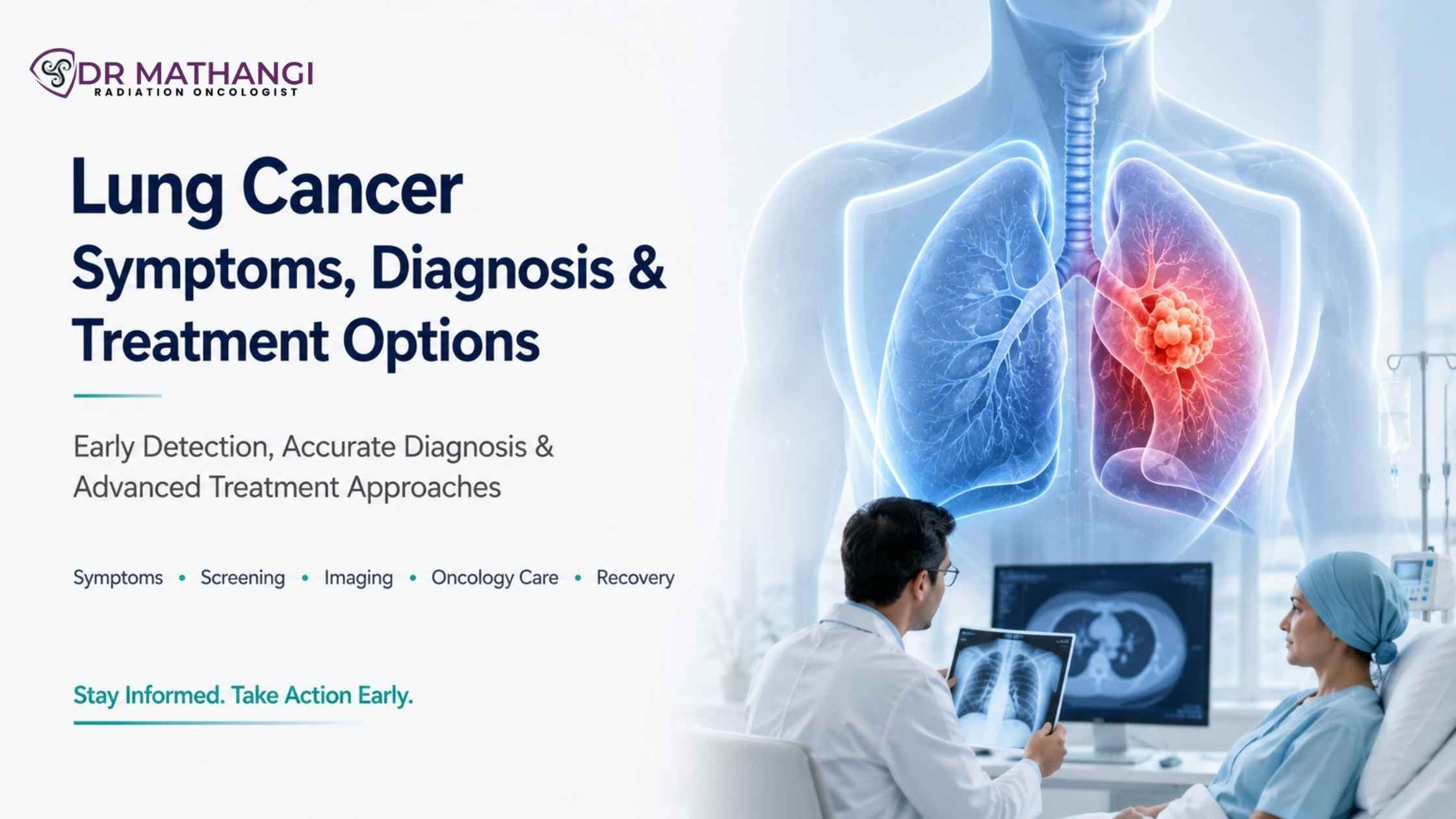
Did you know? Lung cancer is the leading cause of cancer-related deaths worldwide, accounting for nearly 1 in 5 cancer deaths globally (World Health Organization, 2024). Early recognition, accurate diagnosis, and advanced treatment options can make a life-saving difference. Under the expert guidance of Dr Mathangi J, Senior Consultant & In-charge - Radiation Oncology at Gleneagles Cancer Institute, Bangalore, you are assured of the highest standards of lung cancer care, leveraging over two decades of expertise and groundbreaking radiation oncology techniques.

What Is Lung Cancer? Understanding The Basics
Lung cancer is an abnormal and uncontrolled growth of cells in the tissues of the lung. When these abnormal cells form a mass, they are often referred to as lung tumours. If left untreated, these tumours can invade surrounding tissues and spread (metastasize) to other organs, making treatment more complex.
This disease is categorized primarily into two types:
- Non-small cell lung cancer (NSCLC) – the most common type (about 85% of cases).
- Small cell lung cancer (SCLC) – a more aggressive form, accounting for about 15% of cases.
The term cancer lung is often used interchangeably with lung cancer, especially in clinical settings across India.
What Are The Early Symptoms Of Lung Cancer?
Lung cancer symptoms can be subtle or mistaken for common respiratory ailments, especially in the early stages. Recognizing these signs early can be life-saving:
- Persistent cough that worsens over time
- Coughing up blood or rust-colored sputum
- Shortness of breath or wheezing
- Chest pain that is often worse with deep breathing or coughing
- Unexplained weight loss and fatigue
- Hoarseness or change in voice
- Frequent respiratory infections (bronchitis/pneumonia)
- Swelling in the neck or face
It’s crucial to note that not all people with lung cancer experience these symptoms. Sometimes, lung tumours are detected incidentally during tests for other conditions.
How Is Lung Cancer Diagnosed?
Lung cancer diagnosis typically involves a series of clinical assessments, imaging, and laboratory tests to confirm the presence of cancer, determine its type, and stage its progression. Here’s how the process unfolds at Gleneagles Cancer Institute under the supervision of Dr Mathangi:
- Clinical Evaluation: Detailed medical history and physical examination, focusing on risk factors such as smoking, family history, and occupational exposures.
- Imaging Studies:
- Chest X-ray
- CT (Computed Tomography) scan
- PET-CT scan for whole-body evaluation
- MRI (as required)
- Sputum Cytology: Examining mucus from the lungs under a microscope for cancerous cells.
- Biopsy: Removing a small sample of lung tissue using techniques like bronchoscopy, CT-guided needle biopsy, or even surgical biopsy for definitive diagnosis.
- Laboratory Tests: Blood tests to assess overall health and organ function.
- Molecular Testing: Identifying genetic mutations (e.g., EGFR, ALK) that may influence targeted therapy choices.
The comprehensive lung cancer diagnosis process ensures the most personalized and effective lung cancer treatment plan for every patient.
What Are The Risk Factors For Lung Cancer?
Understanding risk factors enables focused screening and preventive measures. Some major risk factors include:
- Tobacco smoking: The leading cause, responsible for around 85% of all cases.
- Passive smoke exposure: Secondhand smoke increases risk.
- Exposure to carcinogens: Asbestos, radon gas, arsenic, and diesel exhaust.
- Family history: Genetic predisposition may play a role.
- Environmental pollution: Air quality is a growing concern, especially in urban India.
How Is Lung Cancer Treated? What Are The Latest Options?
Lung cancer treatment is highly individualized, based on cancer type, stage, molecular characteristics, and overall health. Dr Mathangi and her team at Gleneagles Cancer Institute bring together the latest evidence-based approaches in oncology and thoracic oncology for the best patient outcomes.
Lung cancer treatment options include:
- Surgery: Removal of the tumour or affected part of the lung (lobectomy, pneumonectomy, segmentectomy), primarily for early-stage non-small cell lung cancer.
- Radiation therapy: Advanced techniques like Stereotactic Ablative Body Radiotherapy (SBRT), Gated RapidArc, DIBH gated Radiotherapy, and Image-Guided Interstitial Brachytherapy – all available under Dr Mathangi’s expertise.
- Chemotherapy: Systemic drugs to kill cancer cells, often used in combination with radiation or surgery.
- Targeted therapy: Drugs that act on specific genetic mutations within cancer cells.
- Immunotherapy: Harnessing the body’s immune system to fight cancer more effectively.
- Palliative care: Symptom management and quality-of-life improvement for advanced cases.
Dr Mathangi’s specialization in thoracic oncology ensures that every lung cancer patient receives the most advanced, precise, and compassionate care available in South India.
Why Choose Dr Mathangi For Lung Cancer Care?
Choosing the right oncologist and cancer center is the most important decision for your health. Here’s why hundreds of patients from Bangalore, South India, and North India trust Dr Mathangi for lung cancer care:
- Over 20 years of experience in radiation oncology and 12,000+ patients treated successfully.
- Expertise in cutting-edge radiation techniques for lung tumours, including Asia Pacific’s first TrueBeam STx Machine.
- Comprehensive cancer care, from diagnosis to survivorship, at Gleneagles Cancer Institute – a leading center for cancer care in Bangalore.
- Personalized, multidisciplinary approach: Every patient’s case is reviewed by experts in surgery, medical oncology, radiation, and supportive care.
- Focus on patient education, empathy, and long-term wellness.
How To Book An Appointment With Dr Mathangi?
Taking the first step towards expert lung cancer care is simple. Book your consultation with Dr Mathangi by submitting your contact information on the Appointment Request Form. Her dedicated team will promptly schedule your appointment and provide further guidance.
What Sets Gleneagles Cancer Institute Apart For Cancer Care?
- Internationally trained specialists in oncology and thoracic oncology.
- State-of-the-art facilities for lung cancer diagnosis and treatment.
- Quick turnaround for reports and seamless patient navigation.
- Holistic cancer care, including nutrition, psychological support, and rehabilitation programs.
- Part of the Gleneagles Hospitals network, known for medical excellence across India.
What Other Cancers Need Radiation Therapy?
According to Dr Mathangi, cancers that need RT (radiation therapy) include:
- Head and neck cancers
- Brain tumors
- Spine tumors
- Esophagus and rectal cancers
- Lung cancers
- Liver cancers
- Breast cancers
- Bladder cancers
- Prostate cancers
- Uterine cancers
- Cervical cancer
- Vulval cancers
- Anal canal cancers
- Penile cancers
Dr Mathangi’s credentials, international training, and leadership in advanced radiotherapy make her the preferred choice for patients seeking the best in oncology and cancer care in India.
Frequently Asked Questions
What are the most common symptoms of lung cancer?
The most common symptoms of lung cancer include a persistent cough, coughing up blood, shortness of breath, chest pain, unexplained weight loss, and fatigue. Some people may also experience repeated respiratory infections or hoarseness. If you notice any of these symptoms, consult an oncology specialist like Dr. Mathangi for a thorough evaluation.
How is lung cancer diagnosed?
Lung cancer diagnosis typically involves a combination of imaging tests such as chest X-rays and CT scans, followed by a biopsy to confirm the presence of lung tumours. Dr. Mathangi utilizes advanced diagnostic techniques and works closely with thoracic oncology teams to ensure an accurate and timely diagnosis.
What treatment options are available for lung cancer?
Lung cancer treatment depends on the stage and type of cancer lung. Options may include surgery, chemotherapy, radiation therapy, targeted therapy, and immunotherapy. Dr. Mathangi provides personalized lung cancer care, tailoring treatment plans to each patient’s unique needs and medical history.
What are lung tumours and are they always cancerous?
Lung tumours are abnormal growths in the lungs. While many lung tumours are cancerous, some can be benign (non-cancerous). Dr. Mathangi uses specialized diagnostic tools in thoracic oncology to differentiate between benign and malignant tumours, ensuring each patient receives appropriate cancer care.
How does Dr. Mathangi approach lung cancer care?
Dr. Mathangi offers a comprehensive approach to lung cancer care, involving multidisciplinary collaboration, evidence-based therapies, and patient-centered support. From early lung cancer diagnosis to advanced lung cancer treatment, she ensures compassionate care and clear communication at every step.
Can early detection improve outcomes for lung cancer patients?
Yes, early detection of lung cancer significantly improves the chances of successful treatment and survival. Dr. Mathangi advocates for regular screening in high-risk individuals and uses advanced imaging and biopsy techniques to catch cancer lung at an early, more treatable stage.
Are there advanced therapies available for late-stage lung cancer?
Absolutely. Dr. Mathangi stays updated with the latest advancements in oncology, offering cutting-edge therapies such as immunotherapy and targeted therapy for late-stage cancer lung. These treatments can help control the disease, improve quality of life, and extend survival.
How can family and caregivers support a loved one with lung cancer?
Family and caregivers play a vital role in lung cancer care by offering emotional support, helping with appointments, and encouraging healthy lifestyle choices. Dr. Mathangi includes caregivers in the treatment journey, providing education and resources to empower the entire support system.
Why choose Dr. Mathangi for lung cancer treatment?
Dr. Mathangi is a seasoned specialist in thoracic oncology, dedicated to providing state-of-the-art lung cancer care. Her approach combines technical expertise, compassionate communication, and a commitment to individualized cancer care, making her a trusted choice for patients and families.