Lymph Nodes and Their Role in Cancer & Immunity
Did you know that the human body contains over 500–700 lymph nodes, acting as critical checkpoints in the body’s defense system? These tiny structures play a massive role in detecting infections, filtering harmful substances, and identifying cancer cells early. Understanding lymph nodes is not just a medical curiosity—it can be life-saving, especially when it comes to early cancer detection and treatment.
Yet, many individuals overlook subtle warning signs such as swelling or tenderness, often missing early indicators of disease progression. This is where expert guidance becomes crucial. Under the care of Dr Mathangi, a highly experienced radiation oncologist with over 20 years of expertise, patients receive not only advanced treatment but also clarity and confidence in navigating complex conditions involving the lymphatic system.
What are lymph nodes and why are they important?
Lymph nodes are small, bean-shaped structures that are part of the lymphatic system, a vital network responsible for maintaining fluid balance and defending the body against infections and diseases, including cancer.
The lymph node function primarily includes:
- Filtering harmful substances such as bacteria and viruses
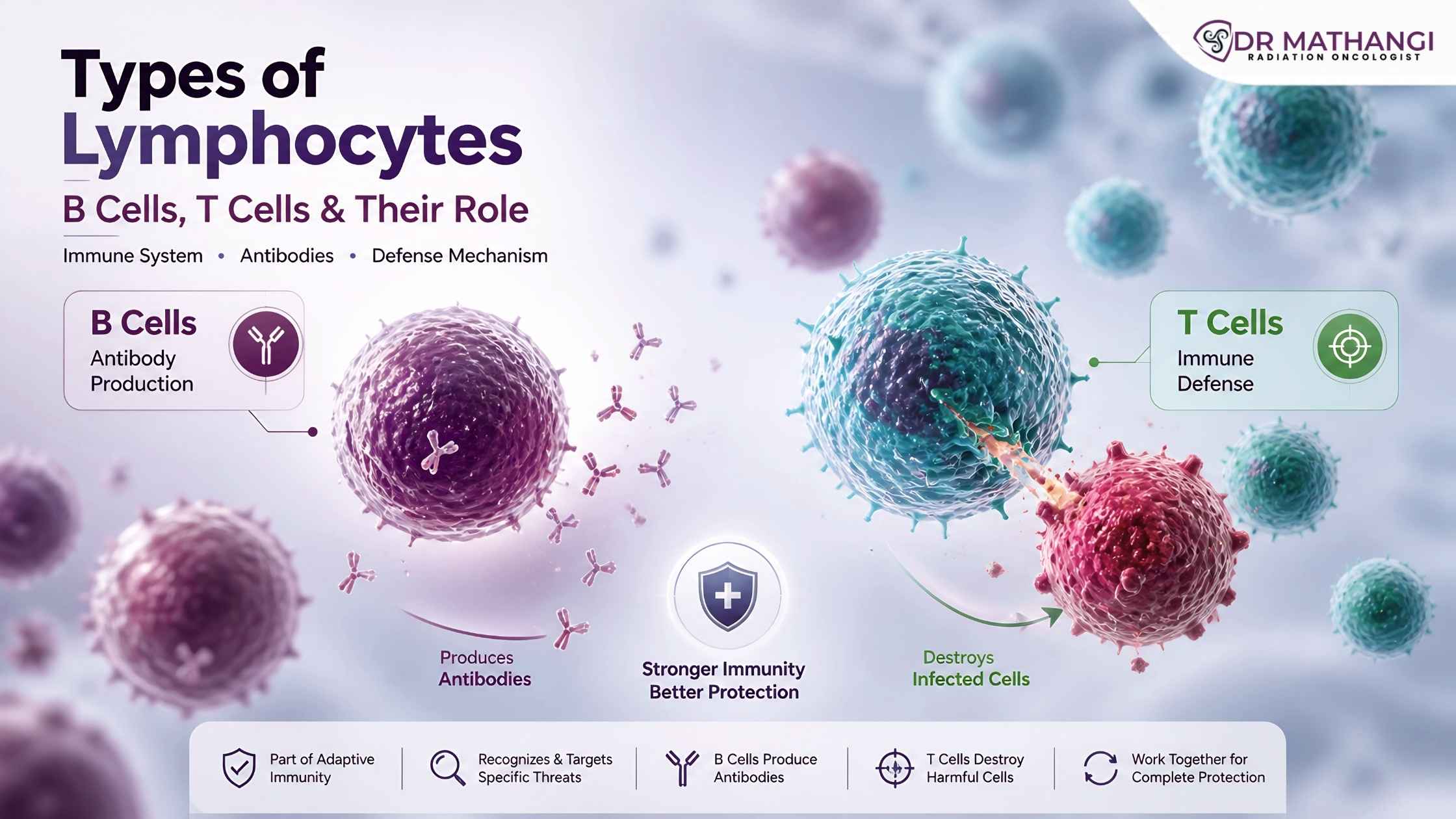
- Producing immune cells like lymphocytes
- Acting as checkpoints for abnormal or cancerous cells
- Supporting the immune response lymph nodes activation
When functioning normally, lymph nodes silently protect the body. However, when something goes wrong, they often provide the earliest signals of trouble.
How does the lymphatic system support immunity?
The lymphatic system is a complex network of vessels, tissues, and organs that work alongside the circulatory system. It transports lymph—a fluid rich in infection-fighting white blood cells—throughout the body.
Key roles include:
- Removing toxins and waste products
- Transporting immune cells to areas of infection
- Helping the body recognize and attack foreign invaders
- Activating immune response lymph nodes during infections
This system acts as a surveillance network, ensuring that harmful agents are quickly detected and neutralized. When compromised, the body becomes more vulnerable to infections and malignancies.
What are common lymph node swelling causes?
Lymph node swelling causes can range from mild infections to serious underlying conditions such as cancer. Swelling is often a sign that the immune system is actively responding to a threat.
Common causes include:
- Viral infections like the common cold
- Bacterial infections such as tuberculosis
- Autoimmune diseases
- Cancer, particularly involving metastasis lymph nodes
Persistent swelling, especially when painless and progressive, should never be ignored. Early evaluation by a specialist like Dr Mathangi can make a significant difference in diagnosis and outcomes.
How does cancer spread through lymph nodes?
Cancer spread lymph nodes occurs when cancer cells break away from the primary tumor and travel through the lymphatic system. These cells can lodge in nearby lymph nodes and begin to grow, a process known as metastasis lymph nodes.
This spread is critical in determining:
- The stage of cancer
- The aggressiveness of the disease
- The most effective treatment plan
For example, cancers such as breast cancer, lung cancer, and head and neck cancers often involve lymph nodes during progression. Identifying this spread early allows for targeted therapies that improve survival rates.
Why is early detection of lymph node involvement crucial?
Detecting cancer in lymph nodes early can significantly improve treatment outcomes. When caught early, cancer is more localized and easier to treat with advanced therapies such as radiation.
Delaying diagnosis can lead to:
- Advanced metastasis lymph nodes involvement
- Reduced treatment effectiveness
- Increased risk of complications
This is where the expertise of Dr Mathangi becomes invaluable. With access to cutting-edge technologies such as SBRT, IGRT, and RapidArc, she ensures precise targeting of affected areas while preserving healthy tissues.
What cancers commonly involve lymph nodes?
Several cancers are known to spread through lymph nodes, making their evaluation essential in cancer management.
- Head and neck cancers
- Brain tumors
- Spine tumors
- Esophagus and rectal cancers
- Lung cancers
- Liver cancers
- Breast cancers
- Bladder cancers
- Prostate cancers
- Uterine cancers
- Cervical cancer
- Vulval cancers
- Anal canal cancers
- Penile cancers
Each of these cancers requires a tailored approach, especially when lymph nodes are involved. Dr Mathangi’s experience with over 12,000 patients ensures that each treatment plan is personalized and precise.
How are lymph node-related cancers treated?
Treatment depends on the type and stage of cancer, particularly the extent of cancer spread lymph nodes.
Common treatment approaches include:
- Radiation therapy targeting affected lymph nodes
- Stereotactic techniques (SRS/SBRT) for precision treatment
- Image-guided therapies for accurate delivery
- Combination therapies including surgery and chemotherapy
Dr Mathangi specializes in advanced radiation techniques such as:
- Stereotactic ablative body radiotherapy (SBRT)
- Gated RapidArc
- DIBH gated Radiotherapy
- Image-guided Interstitial Brachytherapy
These innovations allow for highly effective treatment with minimal side effects, giving patients a better quality of life during and after therapy.
Why choose Dr Mathangi for lymph node and cancer treatment?
Dr Mathangi is a Senior Radiation Oncologist and In-charge of Gleneagles Cancer Institute in Bangalore, known for delivering advanced and comprehensive cancer care. With international training and decades of experience, she stands at the forefront of modern oncology.
Patients under her care benefit from:
- Evidence-based treatment protocols
- Access to state-of-the-art technology
- Personalized care plans
- A compassionate, patient-centric approach
Choosing the right specialist is not just a decision—it is a turning point. Missing the opportunity to receive expert care at the right time can impact outcomes significantly.
When should you consult a specialist?
You should seek medical advice if you notice:
- Persistent lymph node swelling causes without infection
- Unexplained weight loss
- Chronic fatigue
- Pain or discomfort in lymph node regions
Early consultation can help identify whether the issue is benign or related to metastasis lymph nodes, ensuring timely intervention.
Take the next step toward better health
Ignoring early signs can lead to delayed diagnosis and limited treatment options. On the other hand, taking action today can open the door to advanced care, improved outcomes, and peace of mind.
To book an appointment with Dr Mathangi, visit: https://drmathangi.com/contact/
Once you submit your contact details, her team will promptly schedule your consultation and guide you through the next steps.
About Dr Mathangi
Dr Mathangi J is a Senior Consultant and In-charge of Radiation Oncology with over 20 years of experience. She leads the radiation oncology department at Gleneagles Cancer Institute, Bangalore, and serves as Director of Fellowship in Advanced Radiotherapy techniques affiliated with RGUHS.
Her international training includes advanced techniques from Germany and Denmark, and she is credited with installing the Asia Pacific’s first TrueBeam STx Machine. Her expertise spans multiple cancers, including head and neck, lung, prostate, brain, and women cancers.
With a track record of over 12,000 successfully treated patients, Dr Mathangi represents a blend of precision, innovation, and compassionate care—making her one of the most trusted names in oncology today.
Frequently Asked Questions
What are lymph nodes and why are they important?
lymph nodes are small, bean-shaped structures that play a critical role in the lymphatic system. They act as filters, trapping bacteria, viruses, and abnormal cells. Dr. Mathangi explains that these nodes are essential checkpoints where the body identifies threats and activates defense mechanisms to maintain overall health.
What is lymph node function in the body?
lymph node function includes filtering lymph fluid, producing immune cells, and helping the body fight infections. Under Dr. Mathangi’s care, patients receive detailed evaluations to ensure these functions are working optimally, especially when symptoms suggest abnormalities.
How does the lymphatic system support immunity?
The lymphatic system is a network of vessels and organs that transports lymph fluid and supports immune defense. It works closely with lymph nodes to identify harmful substances and trigger immune responses. Dr. Mathangi emphasizes early detection of any disruptions in this system for better long-term health outcomes.
What does cancer spread lymph nodes mean?
cancer spread lymph nodes refers to the movement of cancer cells from the primary tumor into nearby lymph nodes. This is often an early sign that cancer may be progressing. Dr. Mathangi uses advanced diagnostic approaches to assess this spread and guide personalized treatment strategies.
What are common lymph node swelling causes?
lymph node swelling causes can range from infections and inflammation to more serious conditions like cancer. Dr. Mathangi carefully evaluates swelling patterns, duration, and associated symptoms to determine the underlying cause and recommend appropriate care.
How do immune response lymph nodes work during infections?
immune response lymph nodes become active when the body detects infection. They produce and release white blood cells to fight pathogens, often causing temporary swelling. Dr. Mathangi monitors these responses to distinguish between normal immune activity and concerning signs.
What is metastasis lymph nodes and why is it significant?
metastasis lymph nodes refers to the spread of cancer cells into the lymph nodes from another part of the body. This is a key factor in cancer staging and treatment planning. Dr. Mathangi provides comprehensive assessments to detect metastasis early and improve treatment outcomes.
When should I consult Dr. Mathangi for lymph node concerns?
You should consult Dr. Mathangi if you notice persistent swelling, unexplained pain, or changes in lymph nodes. Early consultation helps in identifying issues related to the lymphatic system, immune disorders, or potential cancer risks, ensuring timely and effective care.