How Lymphocytes Help Fight Cancer Cells

What Are Lymphocytes And Why Are They Essential For Cancer Defense?
Lymphocytes are a type of white blood cell fundamental to the body’s immune system. They act as vigilant defenders, constantly patrolling for abnormal or cancerous cells. According to the American Cancer Society, the immune system detects and destroys thousands of potential cancer cells each day—yet sometimes, cancer cells evade this defense. That’s where the expertise of a leading oncologist like Dr Mathangi becomes vital, ensuring the body’s natural lymphocytes cancer defense is supported with advanced medical intervention.
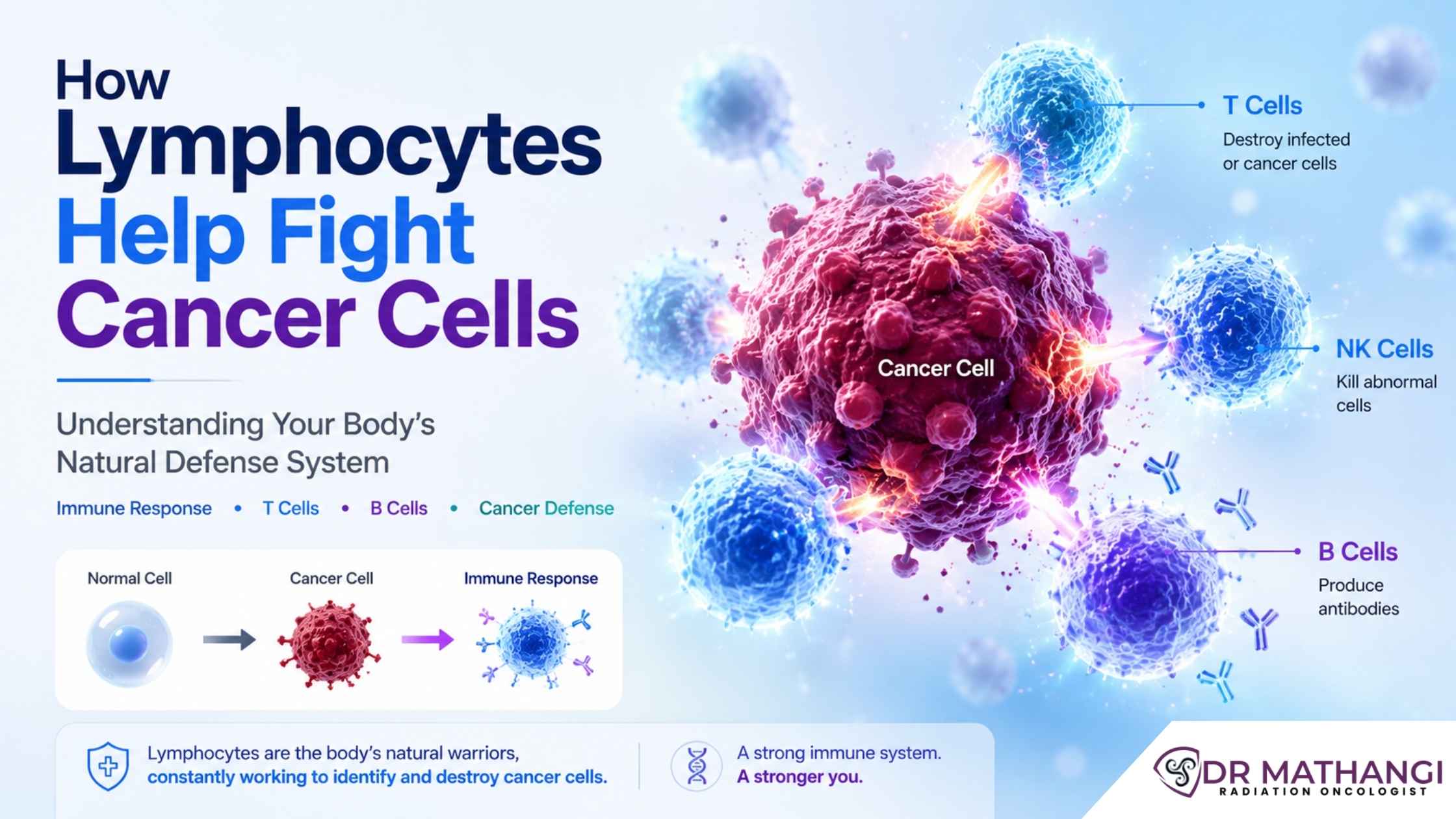
- B cells: Produce antibodies that flag abnormal cells for immune attack.
- T cells: Attack infected or cancerous cells directly.
- Natural Killer (NK) cells: Target and destroy cells that display signs of abnormality, such as cancer cells, without prior activation.
When it comes to fighting cancer, T cells NK cells are especially significant. They recognize and attack cancer cells, forming the body’s primary defense strategy. A robust lymphocytes cancer defense is often the difference between early tumor elimination and cancer progression.
How Does The Immune System Cancer Response Work?
The immune system cancer response is a complex and dynamic process. It begins when dendritic cells present abnormal antigens from cancer cells to lymphocytes, “teaching” them to identify and destroy these threats.
- Recognition: Lymphocytes detect cancer cells via abnormal proteins (antigens) on their surface.
- Activation: Once recognized, T cells and NK cells become activated and multiply.
- Destruction: Activated lymphocytes attack, releasing cytotoxins that induce cancer cell destruction.
- Memory Formation: Some lymphocytes become memory cells, ready to respond more vigorously if the cancer returns.
This process underscores the importance of tumor immunity in preventing cancer recurrence and progression. However, cancer cells are notorious for developing mechanisms to evade immune detection, making specialized care from experts like Dr Mathangi crucial in overcoming these barriers.
Why Are T Cells NK Cells Central To Tumor Immunity?
T cells NK cells are the immune system’s elite forces. T cells (particularly cytotoxic T lymphocytes) attach to cancer cells displaying abnormal antigens and trigger apoptosis—a programmed cell death. NK cells act even more swiftly, identifying stressed or abnormal cells (including many cancer cells) and destroying them without prior sensitization.
- T cells can adapt and remember previous cancer encounters, strengthening long-term tumor immunity.
- NK cells provide a rapid first line of defense, especially important in cancers that lack distinctive antigens.
Dr Mathangi’s experience in harnessing these cells’ natural abilities, combined with targeted therapies, can significantly improve patient outcomes—especially in cancers where immune evasion is common.
How Does Tumor Immunity Prevent Cancer Progression?
Tumor immunity refers to the immune system’s capability to recognize and eliminate cancer cells before they grow uncontrollably. This is orchestrated by lymphocytes—chiefly T cells and NK cells—which seek out and destroy abnormal cells in their earliest stages.
| Lymphocyte Type | Role in Tumor Immunity |
|---|---|
| T cells | Recognize and induce apoptosis in cancer cells with specific antigens |
| NK cells | Destroy cancer cells lacking “self” markers or displaying stress signals |
| B cells | Produce antibodies that flag cancer cells for destruction |
The synergy between these lymphocytes creates a robust defense mechanism. But when cancer cells develop mutations that help them hide, the expertise of someone like Dr Mathangi—who understands both the immune system’s intricacies and advanced radiation therapies—can tip the balance in the patient’s favor.
What Is Cancer Cell Destruction And How Is It Achieved?
Cancer cell destruction is the ultimate goal of the immune system’s response to malignancy. Lymphocytes attach to or surround cancer cells, releasing enzymes and cytotoxins that break down the cell membrane and induce cell death. This process is most effective when the immune system is strong, and when therapies are precisely targeted—like those offered by Dr Mathangi at Gleneagles Cancer Institute.
Dr Mathangi’s approach integrates immune-based strategies with state-of-the-art radiation oncology, ensuring the destruction of stubborn cancer cells while preserving healthy tissue. This is especially vital for cancers that need RT, including:
- Head and neck cancers
- Brain tumors
- Spine tumors
- Esophagus and rectal cancers
- Lung cancers
- Liver cancers
- Breast cancers
- Bladder cancers
- Prostate cancers
- Uterine cancers
- Cervical cancer
- Vulval cancers
- Anal canal cancers
- Penile cancers
For each of these, combining the natural power of lymphocytes cancer defense with innovative radiation modalities can drastically improve survival and quality of life.
How Does Dr Mathangi Enhance Lymphocytes Cancer Defense In Clinical Practice?
As a Senior Consultant and In-charge of Radiation Oncology at Gleneagles Cancer Institute, Dr Mathangi brings over 20 years of experience and a proven record of 12,000+ successful patient outcomes. Her expertise lies in integrating immune system cancer mechanisms with advanced radiotherapy, maximizing the impact of T cells NK cells and promoting sustained tumor immunity.
- Personalized therapy: Each treatment plan is tailored to harness the patient’s own immune strengths.
- Advanced technology: Techniques like Stereotactic Body Radiotherapy (SBRT), RapidArc, DIBH gating, and image-guided Interstitial Brachytherapy ensure precision and reduced side effects.
- Leading-edge research: Dr Mathangi continues to innovate, installing Asia Pacific’s first TrueBeam STx Machine and heading advanced radiotherapy fellowship programs.
- Patient-centered care: Compassionate support throughout the cancer journey, empowering patients and families with knowledge and hope.
By leveraging the synergy between radiation and the body’s own lymphocytes, Dr Mathangi’s protocols promote effective cancer cell destruction while supporting long-term health.
What Are The Benefits Of Combining Immune Defense With Advanced Radiation Therapy?
Combining immune-based strategies with precision radiation amplifies the destruction of cancer cells while minimizing damage to healthy tissue. This dual approach is particularly effective for cancers that need RT, such as those of the head and neck, brain, spine, lung, liver, and reproductive organs.
- Enhanced tumor immunity: Radiation can expose hidden cancer antigens, boosting lymphocyte recognition.
- Reduced recurrence: Immune memory cells help prevent cancer relapse.
- Improved quality of life: Targeted therapy reduces side effects.
- Personalized options: Treatments are adapted to each patient’s unique cancer profile and immune system status.
Patients under Dr Mathangi’s care benefit from this comprehensive, evidence-based methodology—one that maximizes the body’s natural defenses and the latest medical technology.
How Can You Benefit From Dr Mathangi’s Expertise In Lymphocytes Cancer Defense?
If you or a loved one is facing cancer, especially one of the cancers that need RT, choosing the right specialist can be life-changing. Dr Mathangi’s command of immune system cancer science, coupled with her leadership in advanced radiation therapy, ensures access to world-class care in Bangalore and beyond.
Don’t miss out on the chance to benefit from Dr Mathangi’s unparalleled expertise.
Book your appointment by submitting your contact information.
Her team will promptly schedule your visit and guide you every step of the way.
About Dr Mathangi
Dr Mathangi J is a Senior Consultant and In-charge of Radiation Oncology at Gleneagles Cancer Institute, Bangalore. With MBBS, DMRT, and DNB qualifications, plus advanced international training, she is a pioneer in stereotactic and image-guided radiotherapy. Dr Mathangi specializes in Head and Neck Cancers, Prostate Cancers, Brain Tumors, Lung Cancers, and Women’s Cancers. Her leadership, innovation, and compassion have transformed thousands of lives, making her a trusted name in cancer care across South India and North India.
- Director of Fellowship in Advanced Radiotherapy Techniques (RGUHS)
- Installed Asia Pacific’s first TrueBeam STx Machine
- 12,000+ successful patient outcomes
- Dedicated to evidence-based, patient-centric cancer therapy
Frequently Asked Questions
What role do lymphocytes play in cancer defense?
Lymphocytes are essential components of the body’s natural cancer defense, especially in recognizing and targeting abnormal cancer cells. They patrol the bloodstream and tissues, identifying potentially harmful cells and mounting an immune response to eliminate them. Dr. Mathangi emphasizes boosting lymphocyte effectiveness as a key strategy in improving patient outcomes during cancer treatment.
How does the immune system recognize and attack cancer cells?
The immune system detects cancer cells through specific markers, or antigens, presented on the surface of these abnormal cells. Once recognized, certain immune cells—particularly T cells and NK cells—initiate a targeted attack. Dr. Mathangi’s approach involves therapies and lifestyle recommendations that enhance this immune system cancer surveillance, making it more likely for the body to catch and destroy cancer cells early.
What is the difference between T cells and NK cells in fighting cancer?
T cells are highly specific immune cells that recognize unique antigens on cancer cells and can remember them for faster responses in the future. NK (natural killer) cells, in contrast, act more broadly and can attack cells that have lost normal “self” signals. Both T cells NK cells are crucial for a coordinated defense against cancer, and Dr. Mathangi’s protocols often aim to optimize the activity of both cell types for improved tumor immunity.
How do lymphocytes contribute to tumor immunity?
Lymphocytes, including T cells and B cells, are fundamental in establishing tumor immunity by seeking out and destroying cancerous cells and forming memory cells that prevent recurrence. Dr. Mathangi’s integrative solutions support the body’s ability to maintain strong tumor immunity, using advanced diagnostics and personalized interventions to help patients sustain effective immune responses.
Can therapies enhance lymphocytes’ effectiveness against cancer?
Yes, several immunotherapies are designed to boost the function and quantity of lymphocytes, improving cancer cell destruction. Dr. Mathangi offers evidence-based therapies, such as immune modulation, nutrition planning, and stress management, to naturally enhance the body’s defense system and complement conventional cancer treatments.
How does Dr. Mathangi support immune system cancer surveillance?
Dr. Mathangi utilizes a holistic approach to strengthen immune system cancer vigilance, including advanced diagnostics to assess immune health, lifestyle modifications, targeted supplements, and integrative therapies. These strategies are tailored for each patient to maximize their unique immune response against cancer cells.
Is it possible to measure the activity of lymphocytes in cancer patients?
Yes, specialized blood tests and immune profiling can assess lymphocyte activity and detect how well the body is mounting a cancer defense. Dr. Mathangi recommends periodic monitoring to personalize treatment plans and adjust strategies for optimal results.
What lifestyle changes can boost lymphocytes for cancer prevention?
A balanced diet, regular physical activity, adequate sleep, and stress reduction are proven ways to support lymphocyte function and overall cancer cell destruction. Dr. Mathangi provides personalized guidance on these factors to help patients and those at risk optimize their immune resilience.
Why are lymphocytes important for cancer defense?
Lymphocytes are a vital part of the immune system’s cancer defense because they specifically identify and destroy abnormal cells before they can develop into cancer. Their ability to recognize and eliminate threats makes them essential in reducing cancer risk and supporting recovery during cancer therapies.
How do therapies targeting lymphocytes improve cancer defense?
Therapies that focus on increasing the number and activity of lymphocytes can significantly strengthen the body’s cancer defense. By enhancing lymphocyte response, these treatments help ensure early detection and destruction of cancer cells, contributing to better outcomes and lower recurrence rates.
How do lymphocytes provide cancer defense in the body?
Lymphocytes provide cancer defense by identifying and attacking abnormal cells that could develop into tumors. Their surveillance and rapid response help prevent cancer progression and are a cornerstone of the immune system’s protective mechanisms.
Can boosting lymphocytes strengthen the cancer defense system?
Yes, boosting lymphocytes can strengthen the cancer defense system by enhancing the body’s ability to detect and eliminate cancer cells early. Strategies such as immunotherapy and lifestyle changes are focused on improving lymphocyte function for better cancer defense.