The Role of Radiation Therapy in Preventing Breast Cancer Recurrence
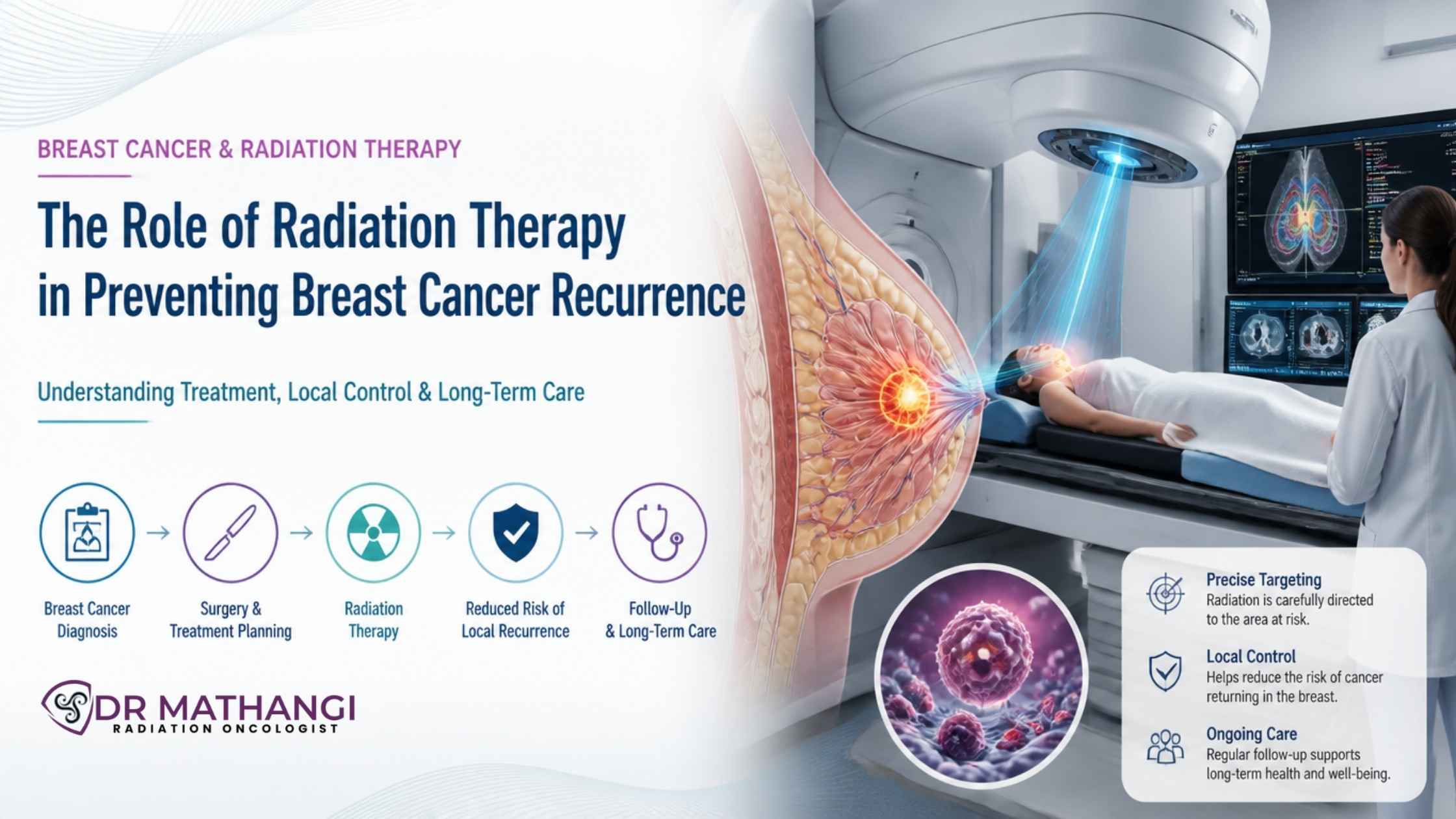 What is the most effective way to prevent breast cancer from coming back after surgery? Radiation therapy, under expert supervision, is the cornerstone of recurrence prevention for women with breast cancer, dramatically reducing local recurrence risk and improving breast cancer survival rates. In fact, studies reveal that radiation preventing breast cancer recurrence can reduce the risk of cancer returning in the breast or chest wall by up to 70% after breast-conserving surgery1. This makes radiation therapy an essential component in the fight against breast cancer recurrence.
How does radiation therapy prevent breast cancer recurrence?
Radiation therapy uses high-energy rays or particles to destroy cancer cells that may remain in the breast, chest wall, or lymph nodes after surgery. By targeting microscopic cancer cells left behind, radiation preventing breast cancer recurrence ensures that these cells do not multiply and form new tumors, significantly lowering the chance of cancer returning in the treated area.
- Precision targeting means healthy tissues are spared as much as possible
- Modern techniques like IMRT, RapidArc, and DIBH minimize side effects while maximizing cancer cell destruction
- Effective for different stages: from early breast cancer (after lumpectomy) to locally advanced cases (post-mastectomy)
What is local recurrence risk and why does it matter?
Local recurrence risk refers to the likelihood that breast cancer will return in the same area where it was originally found, such as the breast, chest wall, or nearby lymph nodes. This risk is highest within the first few years after initial treatment and varies based on:
- Tumor size and grade
- Surgical margins (how much healthy tissue was removed around the tumor)
- Presence of lymph node involvement
- Patient’s age and overall health
- Whether post surgery radiation therapy was administered
By reducing local recurrence risk, radiation therapy not only protects the treated area but also improves overall prognosis, as local recurrences can be more difficult to treat and may lead to distant metastases.
Why is post surgery radiation therapy crucial for recurrence prevention?
Post surgery radiation therapy—sometimes called adjuvant radiation—is administered after breast-conserving surgery (lumpectomy) or, in selected cases, after mastectomy. Its primary goal is recurrence prevention by sterilizing any undetected cancer cells that might have been missed during surgery.
When is post surgery radiation therapy recommended?
- After lumpectomy, to treat the remaining breast tissue
- After mastectomy, especially if cancer was large (>5 cm), involved the skin or chest wall, or spread to multiple lymph nodes
- For patients with positive surgical margins or high-risk features
By incorporating radiation therapy into personalized treatment plans, Dr Mathangi ensures each patient receives the best possible chance for long-term remission and improved breast cancer survival rates.
How does radiation therapy improve breast cancer survival rates?
Numerous clinical trials have shown that radiation therapy not only reduces local recurrence but also increases overall breast cancer survival rates. By eliminating residual cancer cells, it prevents local recurrences that could otherwise lead to further spread of the disease.
| Scenario | 10-Year Local Recurrence (No Radiation) | 10-Year Local Recurrence (With Radiation) | Impact on Survival |
|---|---|---|---|
| After Lumpectomy | ~35% | <10% | Significant Survival Benefit |
| After Mastectomy (Node Positive) | ~20-30% | <5-10% | Improved Survival |
This substantial reduction in recurrence rates translates to improved breast cancer survival rates for thousands of women each year.
What advanced radiation techniques are available at Gleneagles Cancer Institute?
Under the leadership of Dr Mathangi J, Gleneagles Cancer Institute in Bangalore offers state-of-the-art radiation oncology services, ensuring the highest standards in recurrence prevention. Dr Mathangi’s expertise spans:
- Stereotactic ablative body radiotherapy (SBRT): High-precision radiation for focused treatment
- Gated RapidArc: Delivers radiation during specific parts of the breathing cycle, reducing exposure to the heart and lungs
- DIBH gated radiotherapy: Deep inspiration breath-hold technique to further protect healthy tissues
- Image-guided interstitial brachytherapy: Internal radiation for precise targeting
These innovations ensure that each patient receives a tailored approach, maximizing the benefit of radiation preventing breast cancer recurrence while minimizing side effects.
Who should consider radiation therapy for breast cancer?
According to Dr Mathangi, cancers that need RT (radiotherapy) include:
- Head and neck cancers
- Brain tumors
- Spine tumors
- Esophagus and rectal cancers
- Lung cancers
- Liver cancers
- Breast cancers
- Bladder cancers
- Prostate cancers
- Uterine, cervical, vulval, anal canal, and penile cancers
For breast cancer patients, especially those with risk factors for recurrence, radiation therapy is not just an option—it is a vital part of comprehensive cancer care.
What sets Dr Mathangi apart in breast cancer radiation therapy?
With more than 20 years of specialized experience and over 12,000 patients successfully treated, Dr Mathangi is a pioneer in advanced radiotherapy. She is:
- The Senior Consultant & In-charge of Radiation Oncology at Gleneagles Cancer Institute, Bangalore
- Trained internationally in Stereotactic techniques, IGRT/RapidArc, and Intraoperative radiotherapy
- Director of Fellowship in Advanced Radiotherapy techniques, affiliated with RGUHS
- Instrumental in installing Asia Pacific's first TrueBeam STx Machine
- Recognized for patient-centric, evidence-based care that emphasizes recurrence prevention
Her leadership and commitment to excellence make her one of the most sought-after radiation oncologists in South India and North India.
How can you book a consultation with Dr Mathangi?
- Visit Dr Mathangi's Contact Page.
- Submit your contact information using the secure form.
- Her expert team will promptly schedule your appointment and notify you of the date and time.
Don’t risk a recurrence—make the choice that could save your future health. Trust your care to Dr Mathangi’s expertise and advanced technology for the best chance at a cancer-free life.
About Dr Mathangi J

Why choose Gleneagles Cancer Institute for your radiation therapy?
Gleneagles Cancer Institute, part of Gleneagles Hospitals, is recognized for its comprehensive, multidisciplinary approach and cutting-edge technology. With Dr Mathangi at the helm, patients benefit from:
- Personalized treatment plans based on each patient’s risk profile
- Access to the latest innovations in radiation oncology
- Compassionate, evidence-driven care for every stage of breast cancer
- Proven track record in improving breast cancer survival rates
Whether you reside in Bangalore, elsewhere in South India, or North India, Gleneagles Cancer Institute delivers world-class cancer care close to home.
Take action now for recurrence prevention
The risk of breast cancer returning can be drastically reduced. By choosing radiation preventing breast cancer recurrence under the care of Dr Mathangi, you prioritize both your survival and your quality of life. Don’t wait—reach out today to secure your future health.
For appointments and more information, visit drmathangi.com/contact/
Frequently Asked Questions
What is the role of radiation therapy in preventing breast cancer recurrence?
Radiation therapy is a critical component in the treatment plan for many breast cancer patients, especially after surgery. By targeting any remaining cancer cells in the breast, chest wall, or lymph nodes, radiation therapy significantly reduces the risk of the cancer returning in the same area. This proactive approach is central to radiation preventing breast cancer recurrence, helping patients achieve long-term remission and peace of mind.
How does Dr. Mathangi determine if I need post surgery radiation therapy?
Dr. Mathangi conducts a comprehensive evaluation of your pathology report, tumor size, margins, lymph node involvement, and overall health. If there is a moderate to high risk for local recurrence or if the tumor was large or involved lymph nodes, she often recommends post surgery radiation therapy to maximize your protection against recurrence.
What is local recurrence risk and how is it assessed?
Local recurrence risk refers to the likelihood of breast cancer returning in the same breast or nearby region after treatment. This risk is assessed based on cancer stage, surgical margins, tumor biology, lymph node status, and patient factors. Dr. Mathangi uses the latest guidelines and evidence to personalize your recurrence prevention plan based on your individual risk profile.
Can radiation therapy improve breast cancer survival rates?
Yes, multiple studies have shown that adding radiation therapy after surgery not only lowers the risk of local recurrence but also improves overall breast cancer survival rates. By ensuring that even microscopic residual disease is treated, radiation therapy becomes a vital solution in the comprehensive management of breast cancer.
What should I expect during radiation therapy with Dr. Mathangi?
Dr. Mathangi provides a patient-centered experience, beginning with a detailed planning session using advanced imaging to precisely target the area at risk. Treatments are typically delivered on weekdays over several weeks, with each session lasting only a few minutes. Dr. Mathangi and her team prioritize your comfort and support throughout the process, focusing on minimizing side effects and addressing your concerns.
Are there any side effects of radiation therapy for breast cancer?
Common side effects include skin redness, mild fatigue, and occasional breast swelling or discomfort. Dr. Mathangi utilizes the latest techniques to reduce side effects as much as possible and provides guidance on skin care, nutrition, and activity during treatment. Most side effects are temporary and resolve soon after therapy ends.
How does Dr. Mathangi personalize recurrence prevention for each patient?
Every patient’s risk and treatment needs are unique. Dr. Mathangi tailors the radiation field, dose, and schedule based on your cancer subtype, surgical outcome, and lifestyle. She also works closely with your surgical and medical oncology team to ensure a seamless, personalized recurrence prevention strategy that fits your needs and maximizes your outcomes.
Is radiation therapy always needed after breast cancer surgery?
Not all patients will require radiation after surgery. The need for post surgery radiation therapy depends on factors like tumor size, margin status, lymph node involvement, and individual health considerations. Dr. Mathangi carefully reviews every case to determine the best approach for each patient.
How soon after surgery should radiation therapy begin?
Radiation therapy usually starts within 4 to 8 weeks after surgery, allowing time for healing and any necessary chemotherapy. Dr. Mathangi will coordinate your treatment schedule to optimize timing for both effectiveness and recovery.