How to Care for Your Skin During and After Breast Cancer Radiation Therapy
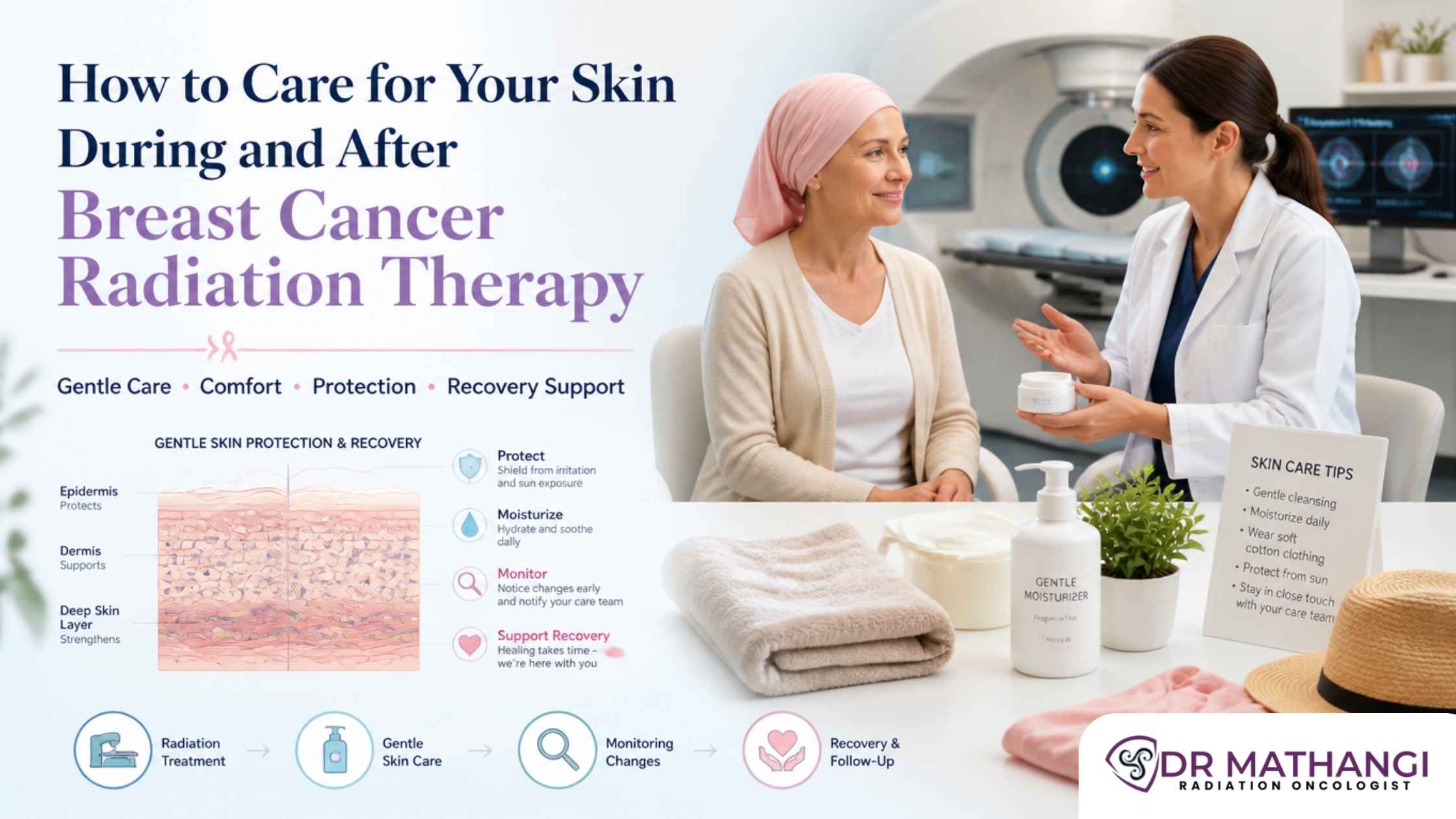 Quick Answer: To care for your skin during and after breast cancer radiation therapy, keep the area clean and moisturized, avoid irritants, and follow your oncologist’s specific advice. Early attention to breast radiation skin changes and radiation dermatitis prevention is essential for comfort and recovery. Read on for detailed steps and expert radiation recovery tips from Dr Mathangi, Bangalore's leading Senior Radiation Oncologist.
Did you know? Over 50% of breast cancer patients undergo radiation therapy as part of their treatment plan, according to the World Health Organization. With such a large number of patients receiving this vital treatment, understanding radiation therapy skin care becomes essential for healing, comfort, and quality of life.
What Is Radiation Therapy Skin Care And Why Is It Important?
Radiation therapy skin care involves a set of practices designed to protect, soothe, and heal your skin before, during, and after radiation treatments. The skin in the treatment area can become sensitive, dry, red, or even blistered due to the effects of focused radiation used to destroy cancer cells. Proper skin care is crucial to minimize discomfort, prevent complications like radiation dermatitis, and support the skin’s natural recovery process.
- Prevents infection and further skin breakdown
- Reduces pain and irritation for a better treatment experience
- Promotes faster healing after therapy completion
- Maintains quality of life and confidence
What Are The Most Common Breast Radiation Skin Changes?
Breast radiation skin changes can vary from mild to severe. Most patients notice some level of redness, dryness, or itching, while others may develop more pronounced reactions.
- Redness (erythema): Usually appears within the first two weeks of treatment.
- Dryness and peeling: Skin may flake or feel rough to the touch.
- Darkening of the skin: Hyperpigmentation or tanning effect in the treated area.
- Itching and discomfort: Persistent irritation that can be distracting or painful.
- Blistering or moist desquamation: In rare cases, open, weeping sores may develop.
These changes are a result of the radiation’s impact on rapidly dividing skin cells. While most symptoms subside gradually after treatment, some effects—like pigmentation—can persist for months.
How Can You Prevent And Manage Radiation Dermatitis?
Radiation dermatitis prevention is a critical goal for every patient. Under the guidance of Dr Mathangi at Gleneagles Cancer Institute, the following strategies have proven highly effective:
- Gentle cleansing: Wash the treated area daily with lukewarm water and a mild, fragrance-free soap. Pat dry with a soft towel.
- Moisturize regularly: Apply an approved, non-irritating moisturizer (such as aqueous cream or pure aloe vera gel) at least twice a day. Avoid applying creams within two hours before your radiation session.
- Avoid friction: Wear loose, soft cotton clothing and avoid underwire bras or harsh fabrics.
- Protect from sun exposure: Keep the area covered and avoid direct sunlight. If you must go outside, use a broad-brimmed hat or scarf.
- Do not scratch or rub: Even if itching occurs, avoid scratching to prevent further irritation and infection.
- Report changes promptly: Inform your oncology team at the earliest sign of blistering, open sores, or increased discomfort.
These steps, when followed as part of a holistic care plan, significantly reduce the risk and severity of radiation dermatitis.
What Are The Best Post-Radiation Skin Care Practices?
Post-radiation skin care is as important as care during treatment. Your skin continues to heal for several weeks after your final session. Here’s how to support your body’s natural recovery:
- Continue moisturizing: Maintain a twice-daily moisturizing routine for at least 4-6 weeks post-treatment.
- Gentle cleansing: Stick to mild soaps and avoid exfoliating products.
- Sun protection: Treated skin remains sensitive; always use protective clothing and avoid sun exposure for at least 6-12 months.
- Monitor for late effects: Watch for delayed reactions such as fibrosis (hardening), persistent pigmentation, or new sores, and notify your doctor.
- Patience and self-compassion: Healing is gradual. Celebrate small improvements and give your body the time it needs.
What Are The Top Radiation Recovery Tips For Breast Cancer Patients?
Radiation recovery tips from Dr Mathangi’s decades of experience include:
- Stay hydrated: Drink plenty of water to support your skin and overall recovery.
- Eat a balanced diet: Include protein, vitamins (especially A, C, and E), and minerals to foster skin regeneration.
- Rest and manage stress: Quality sleep and stress reduction accelerate healing.
- Keep the area cool: Avoid hot showers, heating pads, or steam in the treated area.
- Follow up regularly: Attend all scheduled appointments with Dr Mathangi for ongoing assessment and advanced care if needed.
Why Choose Dr Mathangi For Radiation Therapy Skin Care In Bangalore?
Dr Mathangi J is a renowned Senior Radiation Oncologist and In-charge at Gleneagles Cancer Institute, Bangalore. With over 20 years of experience and more than 12,000 patients successfully treated, Dr Mathangi’s expertise in advanced radiation techniques and individualized patient care is unmatched in India.
- Pioneer in advanced radiotherapy: First in Asia-Pacific to install the TrueBeam STx Machine.
- Comprehensive experience: Skilled in Stereotactic ablative body radiotherapy, RapidArc, DIBH, and interstitial brachytherapy for women’s cancers.
- Personalized care: Every skin care plan is tailored to your unique needs and treatment plan.
- Holistic support: Dr Mathangi and her team offer guidance on nutrition, lifestyle, and emotional wellness throughout your cancer journey.
Patients who entrust their care to Dr Mathangi benefit from world-class expertise, compassionate support, and the latest evidence-based protocols for optimal recovery.
What Other Cancers Need Radiation Therapy?
While this article focuses on skin care for breast cancer radiation, radiation therapy is also a vital treatment for many other cancers. According to Dr Mathangi, cancers that need RT include:
- Head and neck cancers
- Brain tumors
- Spine tumors
- Esophagus and rectal cancers
- Lung cancers
- Liver cancers
- Breast cancers
- Bladder cancers
- Prostate cancers
- Uterine cancers
- Cervical cancer
- Vulval cancers
- Anal canal cancers
- Penile cancers
If you or a loved one are facing any of these diagnoses, expert skin care during radiation is essential to maximize effectiveness and minimize discomfort.
About Dr Mathangi
 Dr Mathangi J is a Senior Radiation Oncologist and In-charge at Gleneagles Cancer Institute, Bangalore, with an MBBS, DMRT, and DNB. She is celebrated for her expertise in advanced radiotherapy and for being the Director of Fellowship in Advanced Radiotherapy techniques (affiliated with RGUHS). Having successfully treated over 12,000 patients, she is a pioneer in women’s cancer care, specializing in head and neck, prostate, brain, lung, and gynecological cancers.
Gleneagles Cancer Institute in Bangalore is one of India’s top cancer care centers, offering cutting-edge treatment and compassionate support. Dr Mathangi is committed to empowering patients with the latest evidence-based care and personalized attention.
For appointments and more information, visit drmathangi.com
Frequently Asked Questions
What kind of skin changes can I expect during breast cancer radiation therapy?
Breast radiation skin changes are very common and may include redness, dryness, itching, peeling, and sometimes darkening of the treated area. Some patients also experience tenderness or a sunburn-like sensation. Dr. Mathangi guides patients to recognize these changes early and provides tailored strategies for radiation therapy skin care to minimize discomfort and support healing.
How can I prevent or reduce radiation dermatitis during my treatment?
Radiation dermatitis prevention is a key focus for Dr. Mathangi. She recommends using gentle, fragrance-free cleansers, applying approved moisturizing creams, and avoiding irritants like harsh fabrics or direct sun exposure. Early intervention with these measures, along with regular check-ins, can help keep the skin as healthy as possible throughout your treatment.
Are there specific products I should use or avoid for radiation therapy skin care?
For radiation therapy skin care, Dr. Mathangi advises using mild, alcohol-free cleansers and fragrance-free moisturizers. Avoid products with strong perfumes, exfoliants, or harsh chemicals, as these can aggravate sensitive skin. If you have questions about which creams or lotions are safe, Dr. Mathangi can provide individualized recommendations.
What should I do if I experience soreness or peeling during radiation?
If you notice soreness or peeling, it's important to keep the skin clean and moisturized, and avoid rubbing or scratching the area. Dr. Mathangi may suggest specific soothing ointments or dressings depending on the severity. She emphasizes reporting any sudden changes, blistering, or open wounds promptly so your care plan can be adjusted as needed.
How long does it take for skin to recover after radiation therapy?
Skin healing time varies, but most breast radiation skin changes begin improving within a few weeks after treatment ends. Some dryness or pigmentation changes may persist for a few months. Dr. Mathangi shares radiation recovery tips and offers ongoing support so you can monitor your skin’s progress and address any concerns during recovery.
What does post-radiation skin care involve?
Post-radiation skin care focuses on continued gentle cleansing, regular moisturizing, sun protection, and monitoring for any late side effects. Dr. Mathangi encourages patients to maintain these habits long-term and provides guidance on when to resume normal routines or introduce new products safely.
Can I use home remedies or natural products on my skin during radiation?
While some natural products may seem gentle, not all are safe for skin affected by radiation. Dr. Mathangi typically recommends sticking to products that have been clinically approved for use during radiation therapy. Before trying any home remedies, consult Dr. Mathangi to ensure they won’t interfere with your treatment or healing.
What are some essential radiation recovery tips for long-term skin health?
Dr. Mathangi recommends protecting treated skin from sun exposure, keeping the area moisturized, wearing loose clothing, and staying hydrated. Routine skin checks are also important. If you notice any new or persistent symptoms, reach out to Dr. Mathangi for evaluation and advice tailored to your needs.
How does Dr. Mathangi support patients with skin care during and after radiation?
Dr. Mathangi provides personalized guidance on radiation therapy skin care, offers evidence-based product recommendations, and monitors patients closely for any skin issues. She creates individualized plans for radiation dermatitis prevention and post-radiation skin care, ensuring every patient gets the support they need for optimal comfort and healing.