Re-Irradiation for Recurrent Glioblastoma: Fractionated Stereotactic Radiotherapy Approaches
By Dr Mathangi J, Senior Consultant & In-charge - Radiation Oncology, Gleneagles Cancer Institute, Bangalore
What Is Re Irradiation Glioblastoma And Why Is It Important?
Re irradiation glioblastoma refers to the use of repeat radiation therapy in patients with recurrent glioblastoma, a highly aggressive brain tumor. Glioblastoma multiforme (GBM) affects about 3 out of every 100,000 people in India annually, and the recurrence rate after initial treatment is alarmingly high, with over 90% of patients experiencing regrowth within two years. For many, the options after recurrence are limited—but innovative strategies like fractionated stereotactic radiotherapy are reshaping outcomes.
When standard surgery, chemotherapy, and radiation have been exhausted, patients and families face the daunting question: What are the effective options for recurrent glioblastoma treatment? This is where the expertise of Dr Mathangi, a pioneer in advanced re irradiation glioblastoma techniques in Bangalore, becomes invaluable. With over 20 years of experience and more than 12,000 patients successfully treated, Dr Mathangi offers hope and renewed options in a field where hope can be scarce.
How Does Fractionated Stereotactic Radiotherapy Enhance Recurrent Glioblastoma Treatment?
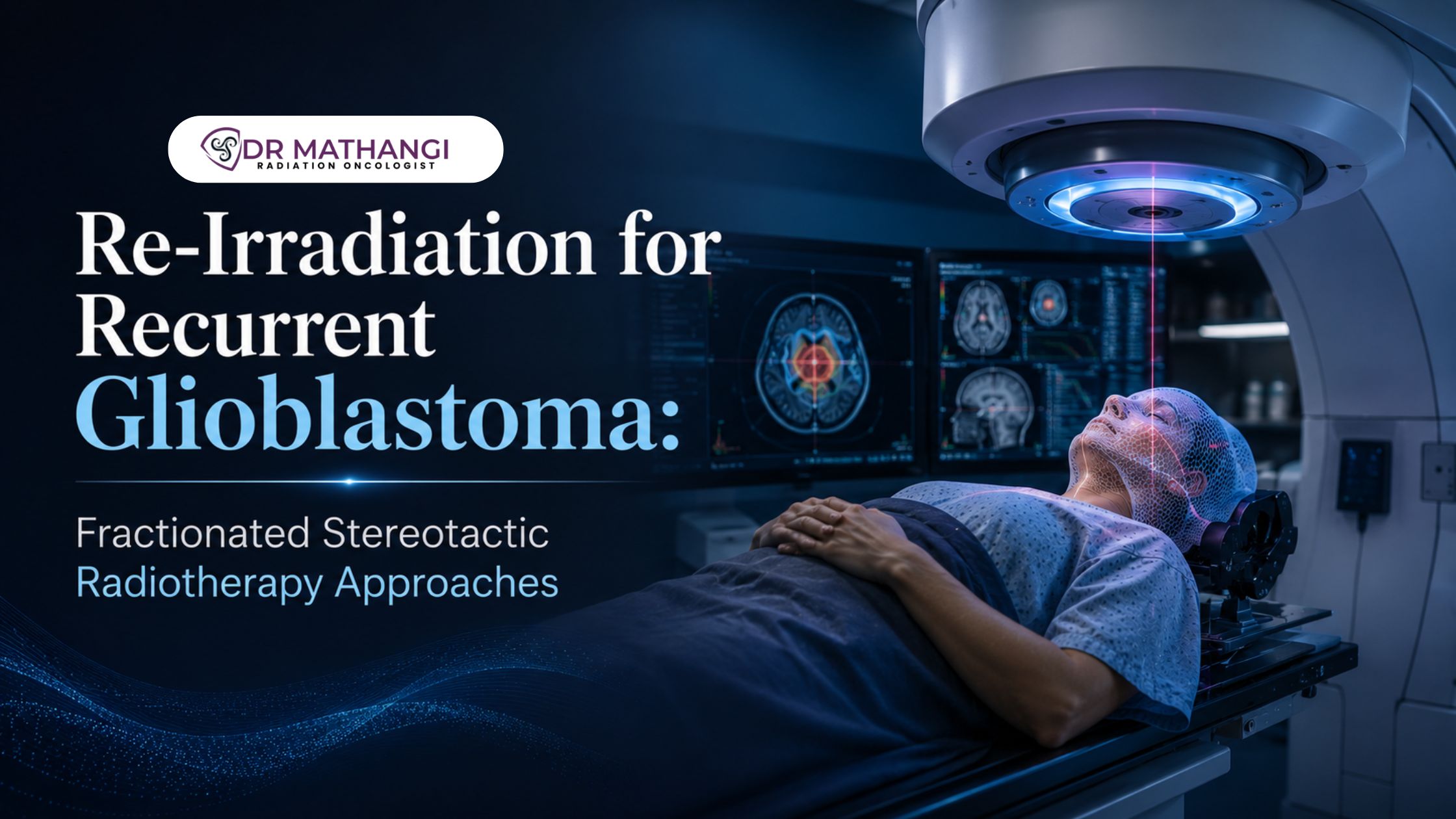
Fractionated stereotactic radiotherapy (FSRT for glioblastoma) allows precise delivery of radiation in multiple small fractions, targeting the recurrent tumor while sparing healthy brain tissue. This approach is especially significant for patients who have already received high doses of radiation during their initial glioblastoma therapy.
- Precision: FSRT uses advanced imaging and planning to focus radiation beams on the tumor, reducing damage to surrounding healthy brain.
- Fractionation: By spreading the total radiation dose over several sessions, FSRT minimizes side effects compared to single-session stereotactic radiosurgery (SRS).
- Suitability: FSRT is ideal for treating recurrences close to critical structures or in previously irradiated regions.
This methodology is a cornerstone of Dr Mathangi's practice at Gleneagles Cancer Institute, where state-of-the-art technology like the TrueBeam STx Machine is used for unparalleled accuracy.
What Makes Dr Mathangi A Leading Authority In Re Irradiation Glioblastoma?
Dr Mathangi is not just a radiation oncologist; she is a thought leader in neuro-oncology and advanced radiation techniques. Her comprehensive training across India and Europe, including expertise in SRS, SBRT, IGRT/RapidArc, and intraoperative radiotherapy, positions her as a go-to specialist for complex cases of recurrent glioblastoma treatment.
At Gleneagles Cancer Institute, Dr Mathangi’s team leverages cutting-edge imaging and planning software for fractionated stereotactic radiotherapy, ensuring each patient receives a personalized approach. Her leadership is recognized nationally and internationally, having installed Asia Pacific’s first TrueBeam STx Machine—a testament to her commitment to innovation.
When Should Salvage Radiation Therapy Be Considered For Glioblastoma Recurrence?
Salvage radiation therapy plays a critical role when glioblastoma recurs after initial treatment. Candidates for salvage therapies are typically those with:
- Good performance status (can perform daily activities independently)
- Limited or focal recurrence not widespread in the brain
- Significant time interval (usually >6 months) since initial radiation
Dr Mathangi carefully evaluates each patient’s prior treatment, tumor location, and overall health to determine if salvage radiation therapy—including FSRT for glioblastoma—is safe and likely to be beneficial. She employs advanced planning to minimize cumulative dose to healthy tissue, thereby reducing the risk of radiation necrosis and neurocognitive side effects.
How Does MGMT Methylation Status Influence Recurrent Glioblastoma Treatment?
MGMT methylation status is a key molecular biomarker influencing both initial and recurrent glioblastoma treatment planning. MGMT (O6-methylguanine-DNA methyltransferase) is a DNA repair enzyme; when its promoter is methylated, tumors are more sensitive to alkylating agents like temozolomide.
For recurrent cases:
- MGMT methylated tumors may respond better to re-challenge with chemotherapy.
- Unmethylated tumors may benefit more from local therapies like fractionated stereotactic radiotherapy, as they tend to be resistant to chemotherapy.
Dr Mathangi integrates MGMT methylation status into her decision-making process, ensuring the treatment is personalized and evidence-based.
What Is The Role Of Bevacizumab With Radiation In Recurrent Glioblastoma?
Bevacizumab with radiation has emerged as a promising combination for patients with recurrent glioblastoma. Bevacizumab is an anti-angiogenic drug that inhibits vascular endothelial growth factor (VEGF), thereby starving the tumor of its blood supply and reducing edema.
Benefits of combining bevacizumab with radiation:
- Reduces swelling (peritumoral edema), making radiation delivery safer and more effective.
- Potentially enhances the efficacy of radiation by making tumor cells more susceptible to damage.
- Improves quality of life by reducing neurological symptoms.
Dr Mathangi’s multidisciplinary team carefully selects patients for this regimen, monitoring closely for side effects such as hypertension, bleeding, or impaired wound healing.
How Does FSRT For Glioblastoma Compare To Other Re Irradiation Techniques?
FSRT for glioblastoma stands out due to its balance of efficacy and safety. Compared with other re irradiation techniques, FSRT offers:
| Technique | Precision | Risks | Suitable For |
|---|---|---|---|
| FSRT | Very High | Low to Moderate | Small, well-circumscribed recurrences, near critical areas |
| SRS (Single Session) | High | Higher risk of necrosis, especially in previously irradiated tissue | Small, well-defined lesions away from critical structures |
| Conventional Radiotherapy | Lower | Higher risk to healthy tissue | Larger or diffuse recurrences, less commonly used for re irradiation |
The choice of approach is tailored by Dr Mathangi based on individual patient factors, tumor size, location, prior treatments, and expected tolerance.
Who Should Consider Re Irradiation Glioblastoma With Dr Mathangi?
If you or your loved one is facing a recurrent glioblastoma diagnosis, you deserve access to the most advanced and compassionate care. Dr Mathangi specializes in cancers that need RT, including brain tumors, head and neck cancers, spine tumors, lung, liver, breast, bladder, prostate, uterine, cervical, vulval, anal canal, and penile cancers. Her expertise in fractionated stereotactic radiotherapy and integration of targeted agents like bevacizumab with radiation make her a beacon of hope for those seeking a second chance at control and quality of life.
Missing out on this level of expertise could mean not accessing the very best evidence-based options for recurrent glioblastoma treatment. With Dr Mathangi, every case is reviewed in-depth, ensuring that the latest global protocols and personalized care converge for the best possible outcome.
Book your appointment with Dr Mathangi today. Submit your contact details, and her dedicated team will promptly schedule your consultation.
About Dr Mathangi
Dr Mathangi J is a Senior Consultant & In-charge of Radiation Oncology at Gleneagles Cancer Institute, Bangalore. With over two decades of clinical and academic excellence, she has pioneered several advanced radiotherapy procedures in India. Her relentless pursuit of innovation and precision has helped thousands of patients reclaim hope in the fight against cancer. Dr Mathangi also directs the Fellowship in Advanced Radiotherapy Techniques affiliated with RGUHS, mentoring the next generation of oncologists. Her clinical interests span head and neck, prostate, brain, lung, and women’s cancers, with an unwavering commitment to patient-centered care.
- Location: Gleneagles Cancer Institute, Bangalore
- Specialties: Brain tumors, head and neck, spine, lung, liver, breast, bladder, prostate, uterine, cervical, vulval, anal canal, and penile cancers
- Achievements: First in Asia Pacific to install TrueBeam STx Machine, treated 12,000+ patients
Schedule your personalized consultation to access world-class cancer care in Bangalore.
Frequently Asked Questions
What is re-irradiation for glioblastoma and when is it considered?
Re irradiation glioblastoma refers to the use of a second course of radiation therapy for patients whose glioblastoma has recurred after initial treatment. It is considered when tumors return despite prior surgery, radiation, and chemotherapy. Dr. Mathangi carefully evaluates each patient’s previous treatments, current health, and tumor characteristics to determine if re-irradiation is a safe and effective option for managing recurrent disease.
How does fractionated stereotactic radiotherapy (FSRT) benefit recurrent glioblastoma treatment?
Fractionated stereotactic radiotherapy allows high-precision targeting of the recurrent tumor while delivering smaller doses over several sessions. This approach, commonly known as FSRT for glioblastoma, helps minimize damage to healthy brain tissue, reduces side effects, and is particularly suited for patients who have previously received radiation. Dr. Mathangi specializes in tailoring FSRT protocols to maximize tumor control and quality of life.
What are the criteria for selecting patients for salvage radiation therapy in recurrent glioblastoma?
Salvage radiation therapy is considered for patients with good performance status, controlled symptoms, and tumors located away from critical areas of the brain. Dr. Mathangi also assesses factors such as the time interval since the initial radiation, tumor size, and MGMT methylation status to decide the appropriateness and potential benefit of additional radiation therapy.
Can FSRT for glioblastoma be combined with other treatments?
Yes, FSRT for glioblastoma can be combined with systemic therapies for improved outcomes. One effective strategy is using bevacizumab with radiation, which may reduce swelling and enhance the tumor’s sensitivity to radiation. Dr. Mathangi customizes treatment plans based on the latest research and the unique needs of each patient.
What role does MGMT methylation status play in recurrent glioblastoma treatment decisions?
MGMT methylation status is a molecular marker that influences how well tumors respond to certain chemotherapies and radiation. Patients with methylated MGMT often experience better outcomes with salvage therapies. Dr. Mathangi incorporates MGMT methylation status into her comprehensive evaluation to personalize recurrent glioblastoma treatment and improve chances of disease control.
What are the potential risks and side effects of re-irradiation for glioblastoma?
Re irradiation glioblastoma can carry risks such as increased fatigue, swelling, cognitive changes, or rarely, radiation necrosis. However, the use of advanced fractionated stereotactic radiotherapy greatly reduces these risks by sparing healthy tissue. Dr. Mathangi monitors patients closely and provides supportive care to manage any side effects during and after treatment.
How does Dr. Mathangi personalize re-irradiation approaches for each patient?
Dr. Mathangi leverages advanced imaging, detailed treatment history, and molecular profiling to customize re-irradiation plans. She uses the precision of fractionated stereotactic radiotherapy and may recommend additional therapies such as bevacizumab with radiation or systemic treatments, depending on the patient’s needs, tumor biology, and prior responses.
What support services are available to patients undergoing salvage radiation therapy with Dr. Mathangi?
Patients receive comprehensive support throughout their treatment journey. This includes symptom management, regular follow-up, coordination with neurology and oncology teams, and access to rehabilitation and counseling services. Dr. Mathangi’s multidisciplinary approach ensures that patients and families are well informed and supported every step of the way.