Tomotherapy Side Effects: What Patients Should Know
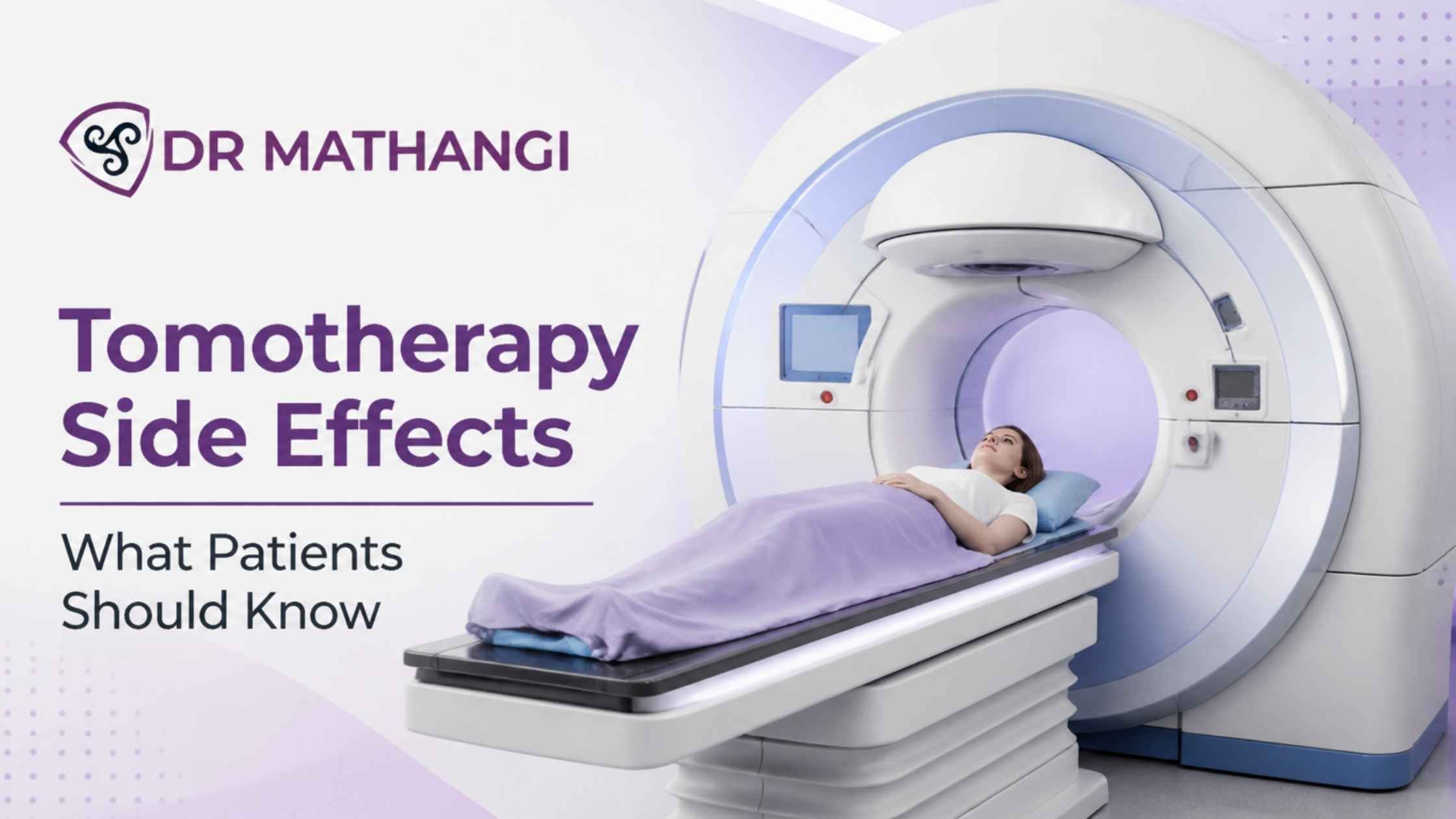
What Are Tomotherapy Side Effects And Why Should You Be Informed?
Tomotherapy side effects refer to the potential reactions or changes experienced by patients undergoing tomotherapy, a highly advanced type of external beam radiation therapy. According to recent studies, nearly 60% of cancer patients will receive some form of radiation therapy during their treatment journey. Understanding these effects is crucial for making informed decisions, managing expectations, and ensuring the best possible outcomes.
- Quick Answer: Tomotherapy side effects can be mild or moderate and may include fatigue, skin changes, and localized discomfort, but are often less severe compared to conventional radiation methods due to the precision of tomotherapy.
- Who Should Read This? Anyone considering or undergoing tomotherapy, as well as caregivers and family members seeking clear, reliable information on what to expect and how to manage potential side effects.
How Does Tomotherapy Work And Why Is It Different?
Tomotherapy is a sophisticated form of intensity-modulated radiation therapy (IMRT) that delivers precise, targeted doses of radiation to cancerous tissues while sparing surrounding healthy structures. It combines CT imaging with real-time radiation delivery, allowing for daily adjustments and unparalleled accuracy.
- Personalized Treatment: Every session is tailored to the patient’s unique anatomy, minimizing collateral damage and maximizing tumor control.
- Reduced Risk: The precision of tomotherapy leads to fewer side effects compared to older, less targeted forms of radiation therapy.
Dr Mathangi J, with over 20 years of experience and more than 12,000 successfully treated patients, is a pioneer in advanced radiotherapy techniques in South India. Her expertise ensures that patients at Gleneagles Cancer Institute, Bangalore, receive world-class, evidence-based care.
What Are The Common Tomotherapy Side Effects?
The side effects of tomotherapy are typically influenced by the treatment area, total dose, and individual patient factors. Here is a concise list of the most commonly observed tomotherapy side effects:
- Fatigue: The most frequently reported effect. Patients often feel tired but can usually continue daily activities with minor adjustments.
- Skin Changes: Mild redness, dryness, or irritation may develop in the treated area, similar to a mild sunburn. These usually resolve within weeks after treatment.
- Localized Discomfort: Some patients experience a sensation of warmth or mild pain at the site of treatment, which is temporary and manageable.
- Hair Loss: Only in the area receiving radiation (e.g., scalp for brain tumors).
- Site-Specific Effects: Depending on the location of therapy, there may be changes such as a sore throat (head and neck), altered taste, or urinary changes (prostate/bladder treatment).
It is important to note that tomotherapy radiation side effects are generally milder and more localized than with traditional radiation therapy, thanks to the technology’s precision.
How Severe Are Side Effects Of Tomotherapy Compared To Other Radiation Therapies?
Tomotherapy treatment side effects are typically less intense due to the focused nature of the therapy. By continuously adjusting the radiation beam to the tumor’s shape and size, exposure to surrounding healthy tissues is minimized.
| Type of Radiation | Common Side Effects | Severity |
|---|---|---|
| Conventional Radiation | Fatigue, skin burns, more widespread tissue damage | Moderate to Severe |
| Tomotherapy | Fatigue, mild skin changes, localized effects | Mild to Moderate |
Dr Mathangi’s approach to tomotherapy patient care includes rigorous planning and daily imaging checks, which further reduce the risk and severity of radiation treatment effects.
What Is Tomotherapy Recovery Like And How Can Patients Optimize It?
Tomotherapy recovery is generally swift, with most patients resuming normal activities soon after treatment. Here are actionable steps to enhance recovery and well-being:
- Follow Medical Advice: Adhere strictly to instructions provided by Dr Mathangi and her team for skincare, nutrition, and rest.
- Stay Hydrated: Proper hydration can aid tissue repair and mitigate fatigue.
- Maintain Gentle Skincare: Use mild, fragrance-free products on treated skin and avoid sun exposure.
- Communicate Symptoms: Promptly report any unusual symptoms or persistent discomfort to your oncology team.
- Balanced Nutrition: A diet rich in proteins, vitamins, and minerals supports the body’s natural healing processes.
Dr Mathangi ensures that each patient receives individualized guidance, empowering them to recover faster and with minimal discomfort.
Who Is Most At Risk For Radiation Therapy Side Effects?
The likelihood and type of radiation therapy side effects depend on several factors:
- Age and General Health: Older adults or those with pre-existing conditions may experience more pronounced effects.
- Treatment Area: Sensitive organs (e.g., brain, lung, bladder) are more susceptible to localized side effects.
- Concurrent Therapies: Patients receiving chemotherapy alongside tomotherapy may notice amplified fatigue or immune suppression.
- Genetic Predispositions: Some individuals have increased sensitivity to radiation due to genetic factors.
During personalized consultations, Dr Mathangi thoroughly evaluates each patient’s risk profile, ensuring a tailored approach to tomotherapy patient care.
How To Manage And Prevent Tomotherapy Treatment Side Effects?
Effective management of tomotherapy treatment side effects begins with preparation and proactive care:
- Pre-Treatment Counseling: Dr Mathangi provides thorough counseling to prepare patients psychologically and physically for the journey ahead.
- Regular Monitoring: Throughout the course, patients are closely monitored for emerging symptoms, allowing for immediate intervention if needed.
- Supportive Medications: Where necessary, medications may be prescribed to ease symptoms such as pain, inflammation, or nausea.
- Emotional Support: Access to counseling and support groups helps patients cope better with the emotional aspects of treatment.
The advanced infrastructure at Gleneagles Cancer Institute under Dr Mathangi’s leadership ensures a seamless and supportive treatment experience.
When Should You Seek Medical Help For Radiation Treatment Effects?
Immediate medical attention is warranted if you experience any of the following:
- Severe or worsening skin reactions (blistering, persistent open sores)
- Uncontrolled pain or swelling at the treatment site
- High fever, chills, or signs of infection
- Difficulty breathing, swallowing, or urinating (depending on treatment area)
- Any symptoms causing significant distress or impairment in daily activities
Under Dr Mathangi’s expert supervision, such instances are rare, but prompt communication ensures timely intervention for the best tomotherapy recovery outcomes.
Why Choose Dr Mathangi For Your Tomotherapy Patient Care?
Dr Mathangi J is a Senior Consultant and Head of Radiation Oncology at Gleneagles Cancer Institute, Bangalore, renowned for her expertise in advanced radiotherapy like tomotherapy, SBRT, and RapidArc. She has trained internationally and led the installation of Asia Pacific’s first TrueBeam STx Machine.
- Experience: 20+ years in radiation oncology, 12,000+ patients treated.
- Expertise: Specialized in head and neck, brain, spine, lung, liver, breast, bladder, prostate, uterine, cervical, vulval, anal canal, and penile cancers.
- Patient-Centric Care: Every treatment is planned with compassion, precision, and the latest scientific advances.
- Continuous Support: Dr Mathangi’s team provides comprehensive support throughout tomotherapy recovery and beyond.
Choosing Dr Mathangi ensures you benefit from the highest standards of tomotherapy patient care, personalized attention, and world-class treatment outcomes.
How To Book An Appointment With Dr Mathangi?
If you or a loved one is considering tomotherapy or needs to understand more about radiation treatment effects, do not delay expert consultation. Dr Mathangi and her dedicated team are ready to guide you every step of the way.
- Submit your contact information at https://drmathangi.com/contact/
- Her team will promptly schedule your appointment and notify you of the details.
Early expert intervention is key to minimizing side effects of tomotherapy and ensuring the best possible treatment journey.
About Dr Mathangi J
Dr Mathangi J is a distinguished Senior Radiation Oncologist and In-charge of Gleneagles Cancer Institute, Bangalore. With international training in Germany and Denmark, she has pioneered the use of cutting-edge radiotherapy technologies in India. Her commitment to excellence, deep clinical experience, and compassionate care make her a trusted leader in the field.
Frequently Asked Questions
What are the most common side effects experienced during tomotherapy?
The most common tomotherapy side effects include fatigue, mild skin irritation, and localized hair loss in the area being treated. Some patients may also notice temporary changes in appetite or mild discomfort. Dr. Mathangi closely monitors each patient to address these symptoms early and provide personalized guidance for relief.
How do tomotherapy radiation side effects differ from traditional radiation therapy?
Tomotherapy delivers radiation with high precision, targeting tumors while minimizing exposure to healthy tissues. As a result, tomotherapy radiation side effects are generally milder than those from traditional techniques. Dr. Mathangi leverages this technology to offer effective treatment with reduced risk of severe side effects.
Can tomotherapy treatment side effects be prevented or minimized?
While some side effects of tomotherapy may be unavoidable, many can be minimized with proactive care. Dr. Mathangi emphasizes hydration, balanced nutrition, and gentle skin care during treatment. Regular follow-ups allow timely adjustments to the treatment plan, further reducing discomfort.
What steps does Dr. Mathangi take to support tomotherapy patient care during treatment?
Dr. Mathangi provides comprehensive tomotherapy patient care through individualized consultations, regular assessments, and education on managing radiation therapy side effects. Her approach includes open communication, prompt management of any issues, and coordination with nutritionists or counselors if needed.
Are there long-term radiation treatment effects after tomotherapy?
Most patients experience only temporary side effects from tomotherapy. Long-term radiation treatment effects are rare due to the precision of tomotherapy, but they can vary based on the location treated and individual health factors. Dr. Mathangi discusses potential risks before treatment and schedules regular post-treatment checkups to monitor recovery.
How long does tomotherapy recovery usually take?
Tomotherapy recovery varies for each individual but most patients begin to feel better within a few weeks after completing treatment. Dr. Mathangi provides ongoing guidance and support during this phase to ensure optimal healing and address any persistent symptoms.
What should I do if I notice unexpected side effects of tomotherapy?
If you experience any unexpected symptoms or side effects of tomotherapy, reach out to Dr. Mathangi’s team promptly. Early intervention ensures proper management and reduces the risk of complications. Your care team is always available to guide you through any concerns.
Are there ways to manage fatigue and skin changes from tomotherapy?
Yes, managing fatigue involves pacing your activities, getting adequate rest, and maintaining good nutrition. For skin changes, Dr. Mathangi recommends gentle skin care routines and avoiding harsh products. She provides individualized advice and products suitable for sensitive skin during tomotherapy treatment.
How does Dr. Mathangi personalize care for different radiation therapy side effects?
Dr. Mathangi tailors each patient’s care plan based on their specific health profile, treatment site, and lifestyle. She regularly reviews symptoms, monitors for radiation therapy side effects, and collaborates with other specialists to provide holistic care and ensure the best possible outcomes.