How Tumors Affect the Immune System
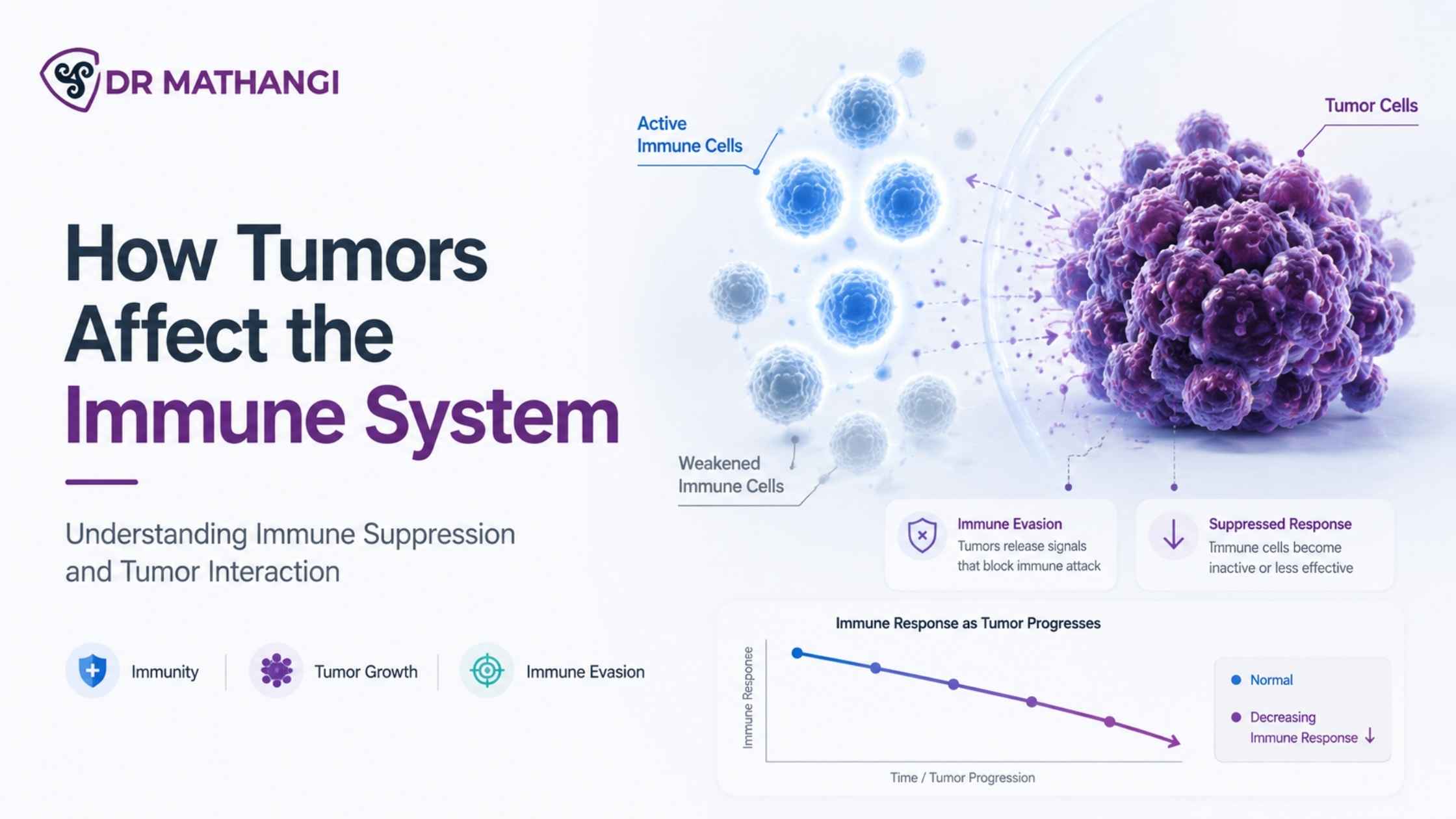
Quick Answer: Tumors can both evade and suppress the immune system, leading to cancer progression by undermining the body’s natural defenses. Understanding this complex interplay is vital for developing targeted therapies and improving cancer outcomes.
Did you know? According to the World Health Organization, cancer remains one of the top causes of mortality worldwide, with over 9.6 million deaths annually. Much of this is linked to the intricate battle between tumors and the immune system—a battle you can influence with the right care and expertise.

What is the relationship between tumors and the immune system?
The tumors immune system relationship is a dynamic and ongoing contest. Normally, your immune system detects and destroys abnormal cells before they become a threat. However, tumors can manipulate this system to escape detection and thrive. This process, known as immune evasion, forms the core of cancer’s ability to grow and spread.
- Immune Surveillance: Constant monitoring by immune cells helps eliminate emerging cancer cells.
- Immune Evasion: Tumors develop strategies to avoid immune recognition, allowing unchecked growth.
When the immune system fails to recognize or attack cancer cells, tumors can progress, invade nearby tissues, and metastasize to distant organs. This is why understanding the tumors immune system connection is crucial for both prevention and advanced cancer therapy.
How do tumors suppress cancer immunity?
Cancer immunity suppression is one of the most challenging aspects of tumor biology. Tumors release specific molecules and create a microenvironment that actively dampens immune responses, making it difficult for the body to attack cancer cells. Here are the main mechanisms:
- Secretion of Immunosuppressive Factors: Tumors release cytokines like TGF-β, IL-10, and VEGF, creating an environment that weakens immune cell activation.
- Recruitment of Suppressor Cells: Myeloid-derived suppressor cells (MDSCs) and regulatory T cells (Tregs) are attracted to the tumor site, further suppressing immune activity.
- Checkpoint Molecule Expression: Tumors often express proteins such as PD-L1 that bind to immune checkpoints, ‘turning off’ critical immune cells like T-cells.
The result of cancer immunity suppression is a significant reduction in the body’s natural ability to fight cancer, leading to more aggressive tumor growth and resistance to conventional therapies.
What is the role of lymphocyte function in cancer?
Lymphocyte function is at the heart of effective immune defense against cancer. Lymphocytes, including T-cells, B-cells, and natural killer (NK) cells, are the immune system’s frontline soldiers. Their responsibilities include:
- Identifying and killing abnormal cells
- Producing antibodies to target cancer cells
- Coordinating immune responses for maximum effectiveness
Tumors, however, can directly impair lymphocyte function by exhausting T-cells, inhibiting their activation, and promoting the death of these critical cells. This leads to a weakened immune attack and allows tumor progression.
How does tumor growth affect immune response?
As tumors grow, the tumor growth immune response becomes increasingly complex. Initially, the immune system tries to eliminate the tumor through a process called “immunosurveillance.” But over time, the tumor adapts, leading to chronic inflammation and immune exhaustion.
| Stage | Immune Response | Tumor Strategy |
|---|---|---|
| Early | Active recognition and killing of cancer cells | Mutation, immune editing, low visibility |
| Middle | Chronic inflammation, partial immune suppression | Release of immunosuppressive factors, checkpoint activation |
| Late | Immune exhaustion, tolerance, anergy | Full immune evasion, tumor microenvironment control |
The impact of tumor growth immune response is profound: aggressive tumors can create a strong, persistent immunosuppressive environment, making advanced treatment and expert intervention absolutely essential.
Which cancers are most affected by immune suppression and need radiation therapy?
Not all cancers influence the immune system equally. Tumors in certain organs are particularly adept at immune evasion and suppression. According to Dr Mathangi, the following cancers are especially impacted and often require expert radiation therapy to tip the balance in favor of the patient:
- Head and neck cancers
- Brain tumors
- Spine tumors
- Esophagus and rectal cancers
- Lung cancers
- Liver cancers
- Breast cancers
- Bladder cancers
- Prostate cancers
- Uterine cancers
- Cervical cancer
- Vulval cancers
- Anal canal cancers
- Penile cancers
Why is expert care from Dr Mathangi critical for managing tumor-immune interactions?
Managing the complex relationship between tumors immune system interactions requires deep expertise, advanced technology, and a patient-centric approach. Dr Mathangi J stands at the forefront of this field in Bangalore, South India, with:
- Over 20 years of experience in radiation oncology
- Expertise in advanced techniques such as SBRT, Gated RapidArc, DIBH gated Radiotherapy, and Interstitial Brachytherapy
- Successful treatment of over 12,000 patients
- Leadership at Gleneagles Cancer Institute, a premier cancer care center
- Continuous innovation including the installation of Asia Pacific’s first TrueBeam STx Machine
With Dr Mathangi, patients receive care that is meticulously designed to overcome cancer immunity suppression and optimize lymphocyte function—leading to better outcomes and a higher quality of life.
Take control of your health with advanced cancer care from Dr Mathangi J.
- Personalized treatment plans addressing tumor-immune dynamics
- State-of-the-art technology and protocols
- Compassionate, evidence-based care with proven results
Book your appointment now and ensure your cancer journey is guided by one of India’s most trusted specialists.
What advanced therapies are available to overcome tumor-induced immune suppression?
Modern oncology offers innovative strategies to counteract cancer immunity suppression and enhance tumor growth immune response:
- Immune Checkpoint Inhibitors: Drugs that block proteins like PD-1/PD-L1, restoring T-cell activity
- Adoptive Cell Therapy: Engineering and infusing patient’s own immune cells to target tumors
- Targeted Radiation Therapy: Precisely delivered radiation (such as SBRT and RapidArc) that not only kills tumors but can boost immune visibility of cancer cells
- Combination Therapies: Using a mix of immunotherapy, chemotherapy, and radiation for synergistic effects
Dr Mathangi integrates these cutting-edge approaches with global best practices, ensuring each patient benefits from the highest standard of care.
How can the immune system be restored during cancer treatment?
Restoring immune competence is essential for durable cancer control. This can be achieved through:
- Reversing T-cell exhaustion: Using checkpoint inhibitors and supportive care
- Modifying the tumor microenvironment: Reducing immunosuppressive factors through targeted therapies
- Enhancing lymphocyte function: Nutritional support, exercise, and minimizing stress
- Minimizing unnecessary immunosuppression: Careful use of steroids and antibiotics
With expert protocols and vigilant monitoring, Dr Mathangi’s team helps patients regain their immune strength, which is pivotal for long-term remission.
Why choose Dr Mathangi for tumor-immune system management in Bangalore?
Cancer therapy is not just about eliminating visible tumors—it’s about restoring your body’s internal balance and giving you the best chance at a full recovery. Dr Mathangi’s reputation is built on:
- Demonstrated outcomes in complex, immune-sensitive cancers
- Leadership in academic training and research in advanced radiotherapy techniques
- Holistic patient support—from diagnosis to survivorship
In a field where every detail matters, choosing specialist care can make the difference between hope and uncertainty. Don’t settle for less—opt for the expertise that empowers your immune system to fight back.
Frequently Asked Questions
How do tumors impact the immune system's ability to fight cancer?
Tumors can interfere with the immune system in several ways. They often create an environment that protects them from attack, a process known as cancer immunity suppression. Tumors may release molecules that weaken immune cell activity, reducing the body's ability to recognize and destroy cancer cells. This allows tumors to grow unchecked and can lead to further spread of cancer.
What is meant by cancer immunity suppression?
Cancer immunity suppression refers to the strategies that tumors use to weaken the body’s natural immune defense. Tumor cells may secrete substances that stop immune cells like T lymphocytes from functioning properly, or they might attract regulatory cells that dampen overall immune activity. This makes it harder for the immune system to mount an effective response against the tumor.
Can tumors change how immune cells work?
Yes, tumors can alter lymphocyte function, which includes T cells, B cells, and natural killer cells. By releasing certain proteins and chemical messengers, tumors can make these lymphocytes less responsive or even turn them off. This reduces the efficiency of the tumor growth immune response and allows cancer to progress more easily.
How does the immune response affect tumor growth?
The tumor growth immune response is the way the body’s immune system tries to identify and destroy cancerous cells. A strong immune response can help prevent tumor growth and spread. However, if the immune system is suppressed or exhausted by the tumor, this response becomes weak, giving cancer cells the opportunity to multiply and invade surrounding tissues.
What are common signs that tumors are affecting the immune system?
Some signs may include frequent infections, delayed recovery from illnesses, unexplained fatigue, and slow healing of wounds. These symptoms can indicate that tumors immune system interaction is leading to a weakened immune state. However, these signs can have other causes, so it’s important to consult a healthcare professional for accurate diagnosis.
What approaches does Dr. Mathangi use to counteract cancer immunity suppression?
Dr. Mathangi employs a combination of advanced immunotherapies, lifestyle modifications, and targeted medical interventions to help restore the immune system’s natural ability to fight tumors. Her strategies include immune-boosting nutrition plans, stress management techniques, and the use of medications or therapies that directly enhance lymphocyte function and improve overall cancer outcomes.
Are there ways to support lymphocyte function during cancer treatment?
Absolutely. Dr. Mathangi recommends a holistic approach that includes proper nutrition, regular physical activity tailored to the patient’s condition, and stress reduction techniques. In some cases, she may also suggest specific supplements or therapies designed to enhance the activity of lymphocytes and strengthen the immune system’s defense against tumors.
How does Dr. Mathangi personalize immune support for cancer patients?
Dr. Mathangi evaluates each patient’s unique health profile, cancer type, and immune status. She then creates an individualized plan that addresses specific weaknesses in the tumors immune system interaction, focusing on restoring immune balance and resilience. This personalized approach maximizes the effectiveness of both conventional and integrative cancer treatments.
Can lifestyle changes really impact cancer immunity suppression?
Yes, lifestyle changes can play a significant role. Proper sleep, balanced nutrition, moderate exercise, and stress management have all been shown to improve immune function and help reduce cancer immunity suppression. Dr. Mathangi integrates these elements into her treatment protocols to give patients the best chance at improved cancer outcomes.