
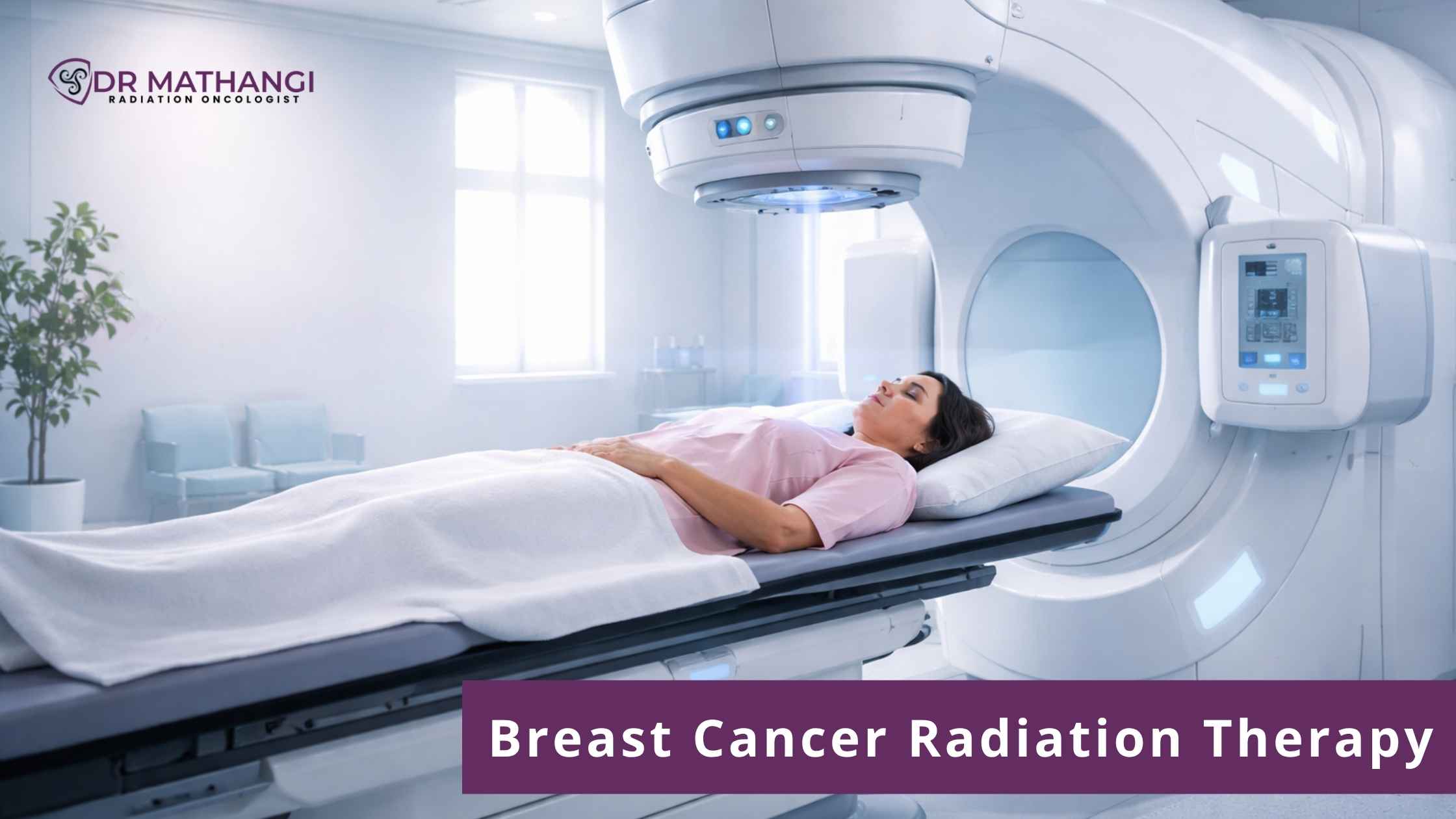
Breast cancer remains one of the most common cancers affecting women worldwide. According to global cancer statistics, more than 2.3 million women are diagnosed with breast cancer every year. Among the most effective treatments available today is breast cancer radiation therapy, a powerful medical approach that targets and destroys remaining cancer cells after surgery while preserving healthy tissue.
For patients seeking expert care, Dr Mathangi, Senior Consultant and In-charge of Radiation Oncology at Gleneagles Cancer Institute in Bangalore, offers some of the most advanced radiation techniques available today. With over two decades of experience and more than 12,000 successfully treated patients, she has helped transform cancer care through precision-driven radiation technology and compassionate patient-centered treatment.
Modern radiation oncology has evolved dramatically. Treatments today are safer, more accurate and highly personalized. Under the guidance of Dr Mathangi, patients benefit from advanced methods such as high precision radiotherapy, IMRT cancer treatment, adaptive radiotherapy and personalized radiation therapy designed to achieve the best possible outcomes with reduced radiation side effects.
If you or a loved one has been diagnosed with breast cancer, understanding how radiation therapy works can help you make informed decisions and access the best possible treatment pathway.
What is breast cancer radiation therapy?
Breast cancer radiation therapy is a specialized cancer treatment that uses high-energy radiation beams to destroy cancer cells remaining in the breast, chest wall, or surrounding lymph nodes after surgery. Its primary goal is to reduce the risk of cancer recurrence while preserving healthy tissue.
Radiation therapy is commonly recommended after:
- Breast conserving surgery (lumpectomy)
- Mastectomy in certain cases
- Cancer involving lymph nodes
- Locally advanced breast cancers
The therapy works by damaging the DNA of cancer cells so they can no longer grow or divide. Healthy cells may be affected temporarily, but modern techniques allow doctors like Dr Mathangi to target tumors with remarkable precision, significantly improving safety and effectiveness.
Why radiation therapy is crucial after breast cancer surgery
Even after successful surgery, microscopic cancer cells may remain in the breast or surrounding tissues. If left untreated, these cells can grow again and lead to recurrence.
Radiation therapy helps prevent this risk by:
- Eliminating microscopic cancer cells
- Reducing the chance of local recurrence
- Improving long-term survival rates
- Preserving the natural breast after lumpectomy
Clinical studies show that radiation therapy after breast conserving surgery can reduce recurrence rates by up to 70%, making it one of the most important components of breast cancer treatment.
Under the leadership of Dr Mathangi, patients receive treatment plans that combine medical expertise with advanced radiation technology, ensuring each therapy session delivers maximum benefit with minimal discomfort.
How high precision radiotherapy improves breast cancer treatment
High precision radiotherapy represents a major advancement in modern cancer care. Unlike older radiation techniques that exposed larger areas of the body to radiation, high precision methods focus beams directly on the tumor site.
This level of accuracy allows doctors to:
- Protect nearby organs such as the heart and lungs
- Deliver optimal radiation dose to cancer cells
- Improve treatment outcomes
- Minimize complications during recovery
Dr Mathangi is internationally trained in advanced radiation oncology techniques and has received specialized training from leading institutions in Germany and Denmark. Her expertise ensures that patients benefit from the latest innovations in radiation delivery.
What is IMRT cancer treatment and why it matters
IMRT cancer treatment (Intensity-Modulated Radiation Therapy) is one of the most sophisticated forms of radiation therapy available today. It allows doctors to control the intensity of radiation beams with exceptional accuracy.
In IMRT cancer treatment, computer-guided systems shape the radiation beam according to the tumor’s exact size and location.
Key advantages include:
- Greater targeting accuracy
- Protection of healthy tissues
- Better cosmetic outcomes after breast conserving surgery
- Improved treatment comfort
At Gleneagles Cancer Institute, Dr Mathangi integrates advanced imaging and treatment planning systems to ensure every patient receives the safest and most effective radiation therapy available.
How adaptive radiotherapy enhances treatment accuracy
Adaptive radiotherapy is a cutting-edge approach that allows radiation treatment plans to be adjusted throughout the course of therapy based on how the patient’s body responds.
As treatment progresses, small changes may occur in tumor size, body anatomy, or organ positioning. Adaptive radiotherapy uses imaging technologies to evaluate these changes and refine treatment delivery accordingly.
This dynamic approach offers several benefits:
- Improved targeting precision
- Enhanced treatment effectiveness
- Lower risk of damage to surrounding tissues
- Greater personalization of cancer care
Dr Mathangi uses adaptive treatment planning to ensure that radiation therapy remains optimized throughout the treatment cycle, delivering the best possible outcomes for her patients.
What is personalized radiation therapy?
Personalized radiation therapy refers to tailoring radiation treatment plans based on a patient’s unique medical profile, tumor characteristics, and overall health.
Every breast cancer case is different. Factors such as tumor location, stage, genetics, and surgical outcomes influence the treatment approach.
Through personalized radiation therapy, Dr Mathangi designs customized plans that consider:
- Patient anatomy
- Tumor stage and biology
- Previous treatments
- Overall health condition
This individualized approach ensures patients receive the most appropriate treatment intensity while maintaining safety and comfort throughout the therapy process.
How modern techniques achieve reduced radiation side effects
One of the biggest concerns patients have about radiation therapy is the possibility of side effects. Fortunately, modern radiation technology significantly reduces these risks.
Advanced systems used by Dr Mathangi help achieve reduced radiation side effects by limiting radiation exposure to healthy tissues.
Common temporary side effects may include:
- Mild skin irritation
- Fatigue
- Temporary breast swelling
However, with high precision radiotherapy and IMRT cancer treatment, these effects are usually mild and manageable.
Dr Mathangi’s experience with advanced technologies such as gated radiotherapy and stereotactic techniques further improves treatment safety and patient comfort.
Step-by-step process of radiation therapy for breast cancer
- Consultation and evaluation – Dr Mathangi reviews medical history, imaging scans and pathology reports.
- Treatment planning – Advanced imaging systems create a detailed radiation plan.
- Simulation session – Precise positioning is determined to ensure accurate treatment delivery.
- Radiation therapy sessions – Treatments typically occur daily over several weeks.
- Monitoring and adjustments – Adaptive radiotherapy may be used to refine treatment during the course.
- Follow-up care – Regular checkups ensure optimal recovery and long-term cancer control.
This carefully structured process ensures each patient receives the highest level of care from diagnosis through recovery.
Cancers that commonly require radiation therapy
Radiation therapy is used to treat a wide variety of cancers. According to Dr Mathangi, radiation therapy plays an important role in treating:
- Head and neck cancers
- Brain tumors
- Spine tumors
- Esophagus cancers
- Rectal cancers
- Lung cancers
- Liver cancers
- Breast cancers
- Bladder cancers
- Prostate cancers
- Uterine cancers
- Cervical cancer
- Vulval cancers
- Anal canal cancers
- Penile cancers
Among these, breast cancer treatment has seen some of the most dramatic improvements due to modern radiation technologies.
Why choose Dr Mathangi for breast cancer radiation therapy
Choosing the right radiation oncologist can significantly influence treatment success and patient experience.
Dr Mathangi is widely recognized for her expertise in advanced radiation oncology techniques and patient-focused care.
Her key strengths include:
- Over 20 years of experience in radiation oncology
- More than 12,000 cancer patients successfully treated
- International training in stereotactic radiation techniques
- Expertise in advanced radiation technologies
- Leadership as Director of Fellowship in Advanced Radiotherapy Techniques
- Installation of Asia Pacific’s first TrueBeam STx machine
Patients treated by Dr Mathangi benefit not only from cutting-edge technology but also from a compassionate approach that focuses on long-term recovery and quality of life.
About Dr Mathangi
Dr Mathangi J is a Senior Consultant and In-charge of Radiation Oncology at Gleneagles Cancer Institute in Bangalore. She holds an MBBS, DMRT and DNB and has over 20 years of experience in treating complex cancers using advanced radiation techniques.
Her expertise spans head and neck cancers, prostate cancers, brain tumors, lung cancers and women cancers including breast cancer. Through her leadership in advanced radiotherapy education and clinical practice, Dr Mathangi continues to transform cancer treatment outcomes for thousands of patients.
Patients seeking consultation can submit their contact details through the appointment form on her website:
https://drmathangi.com/contact/
Once the form is submitted, her medical team will schedule the appointment and notify the patient.