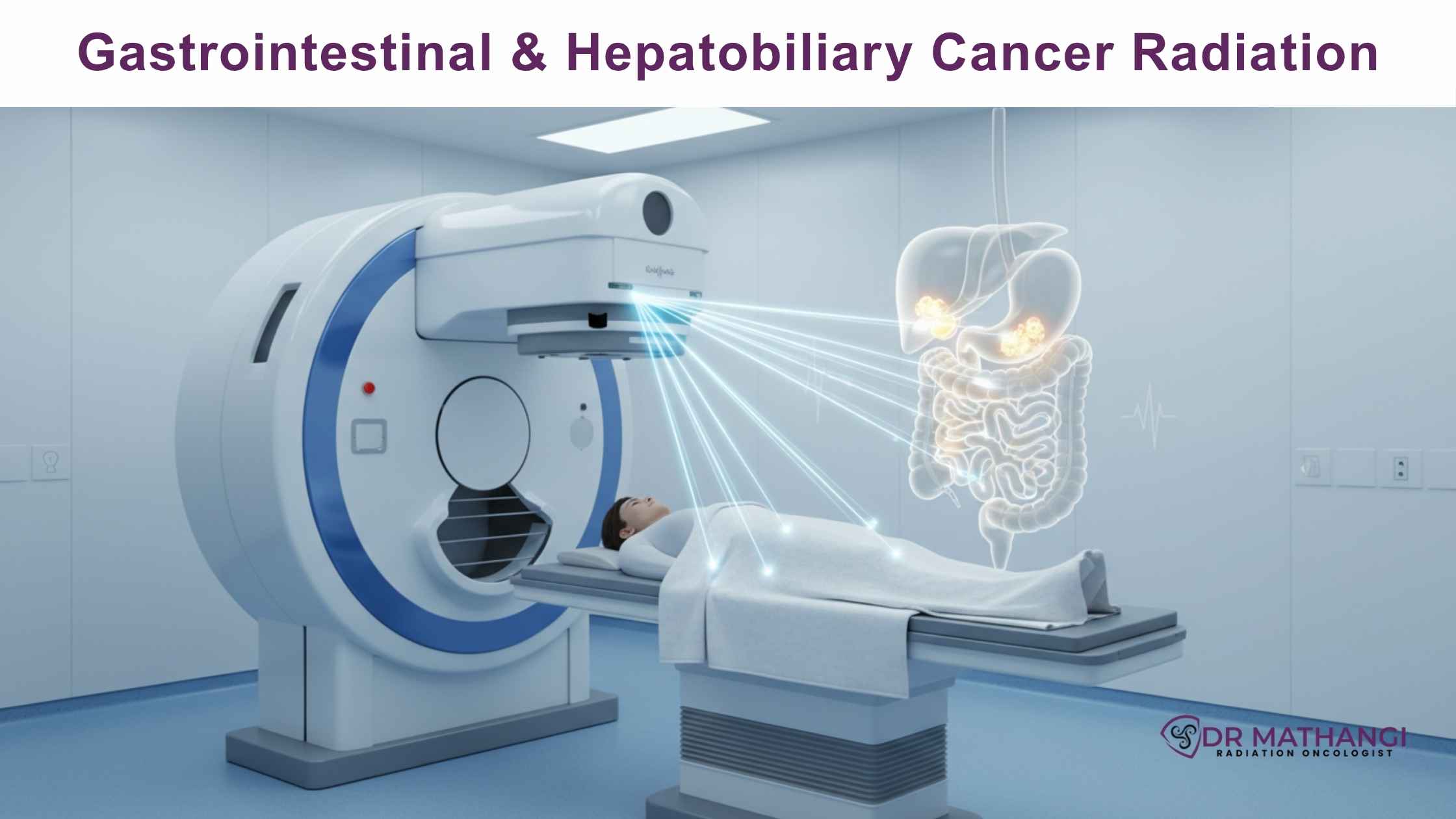
Cancers affecting the digestive system and liver are among the most challenging oncological diseases worldwide. According to global cancer statistics, gastrointestinal cancers account for nearly one-third of cancer-related deaths globally. Because these cancers often develop silently and are detected late, advanced treatment strategies like Gastrointestinal & Hepatobiliary Cancer Radiation play a critical role in improving survival and quality of life.
At the forefront of these life-saving treatments is Dr Mathangi J, Senior Consultant and In-charge of Radiation Oncology at the Gleneagles Cancer Institute in Bangalore. With more than two decades of experience and over 12,000 successfully treated patients, she is widely recognized for delivering cutting-edge radiation therapy using sophisticated technologies that maximize tumor control while prioritizing patient safety.
For individuals facing complex cancers involving the liver, pancreas, stomach, esophagus, or intestines, precision radiation therapies such as GI cancer radiation therapy offer powerful treatment possibilities. Under the guidance of an experienced radiation oncologist like Dr Mathangi, these therapies are tailored to each patient’s tumor type, stage, and overall health.
Gastrointestinal & Hepatobiliary Cancer Radiation refers to the use of highly targeted radiation beams to destroy cancer cells affecting organs within the digestive tract and hepatobiliary system.
These cancers commonly include:
Radiation therapy works by damaging the DNA of cancer cells, preventing them from growing and dividing. Healthy tissues surrounding the tumor are protected through modern planning technologies and image-guided precision techniques.
Under the leadership of Dr Mathangi, treatment planning integrates advanced imaging, tumor mapping, and real-time monitoring to ensure that radiation precisely targets cancer while preserving vital organs.
Cancers affecting the digestive system present unique challenges because many vital organs are closely located together. The liver, stomach, pancreas, intestines, and surrounding blood vessels create a highly complex anatomical environment.
This is why specialized expertise in GI cancer radiation therapy is essential. Radiation must be delivered accurately without damaging sensitive organs such as:
Dr Mathangi’s advanced training in international radiation oncology centers allows her to implement highly precise techniques that maximize treatment effectiveness while maintaining patient safety.
Liver tumors often develop either as primary cancers or as metastases from other cancers. When surgery is not feasible, liver cancer radiation treatment becomes an essential treatment option.
Radiation therapy for liver tumors works by focusing powerful radiation beams directly on cancer cells. These beams damage tumor DNA, preventing further growth and gradually shrinking the tumor.
Modern liver radiation treatment often includes:
Dr Mathangi is highly experienced in delivering these techniques, allowing many patients with inoperable liver tumors to receive safe and effective treatment.
Pancreatic cancer is one of the most aggressive gastrointestinal cancers. Early detection is difficult because symptoms usually appear only in later stages.
In such cases, pancreatic cancer radiation therapy becomes a crucial component of treatment.
Radiation therapy for pancreatic cancer may be used to:
Using advanced planning technologies, Dr Mathangi can deliver radiation precisely to the pancreas while minimizing exposure to surrounding organs such as the stomach and intestines.
One of the most important breakthroughs in radiation oncology is IGRT cancer treatment. Image Guided Radiation Therapy (IGRT) allows doctors to visualize the tumor before and during each treatment session.
This technology ensures that radiation beams are delivered exactly where they are needed.
Key benefits of IGRT cancer treatment include:
Dr Mathangi’s department utilizes sophisticated imaging systems that allow her to adjust treatment delivery in real time based on tumor position.
During cancer treatment, tumors may shrink, shift, or change shape. Traditional radiation plans may not account for these changes.
This is where adaptive radiotherapy becomes valuable.
Adaptive radiotherapy continuously adjusts treatment plans based on how the tumor responds over time. This dynamic approach ensures that radiation remains accurately targeted throughout the treatment course.
Benefits of adaptive radiotherapy include:
With her expertise in modern radiation technologies, Dr Mathangi carefully evaluates tumor response during treatment and adapts radiation plans when necessary.
Many patients worry about the potential side effects of radiation therapy. Fortunately, modern technologies have dramatically improved patient safety.
Techniques used by Dr Mathangi are specifically designed to achieve reduced radiation side effects while maintaining strong anti-cancer effectiveness.
Some technologies contributing to reduced radiation side effects include:
Because the digestive organs are sensitive, careful planning ensures that radiation targets only cancer cells while sparing surrounding tissues.
Radiation oncology plays a crucial role in the treatment of several cancers affecting different organ systems. Under Dr Mathangi’s expertise, radiation therapy is used for conditions such as:
Among these, digestive system tumors benefit significantly from specialized GI cancer radiation therapy delivered by an experienced oncologist.
Cancer treatment is not simply about technology—it is about expertise, judgment, and experience.
Dr Mathangi brings over 20 years of radiation oncology expertise and advanced international training from Germany and Denmark. She is also recognized for installing the Asia Pacific region’s first TrueBeam STx radiation system.
Her leadership at the Gleneagles Cancer Institute ensures that patients receive:
This combination of technology and clinical expertise is critical in treating complex cancers involving the gastrointestinal and hepatobiliary systems.
Dr Mathangi J is a Senior Radiation Oncologist and the In-charge of Radiation Oncology at the Gleneagles Cancer Institute in Bangalore. She holds MBBS, DMRT, and DNB qualifications and has over two decades of experience in treating complex cancers using advanced radiation techniques.
Her expertise includes cutting-edge technologies such as stereotactic ablative body radiotherapy, gated RapidArc, DIBH gated radiotherapy, and image-guided interstitial brachytherapy. Having successfully treated more than 12,000 cancer patients, she is recognized for her commitment to precision medicine and compassionate care.
Patients from across India seek her expertise for advanced radiation therapies, particularly for difficult-to-treat cancers involving the liver, pancreas, and gastrointestinal tract.
Early treatment significantly improves cancer outcomes. Patients seeking expert care for gastrointestinal cancers can schedule a consultation with Dr Mathangi by submitting their details through the appointment form on her website.
Visit the following link to begin the appointment process:
https://drmathangi.com/contact/
Once the form is submitted, Dr Mathangi’s care team will contact you to schedule a consultation and guide you through the next steps of treatment planning.
Choosing the right radiation oncologist can make a life-changing difference. With advanced technologies, global training, and extensive experience, Dr Mathangi continues to provide patients with some of the most sophisticated radiation oncology treatments available today.