Types of White Blood Cells and Their Functions
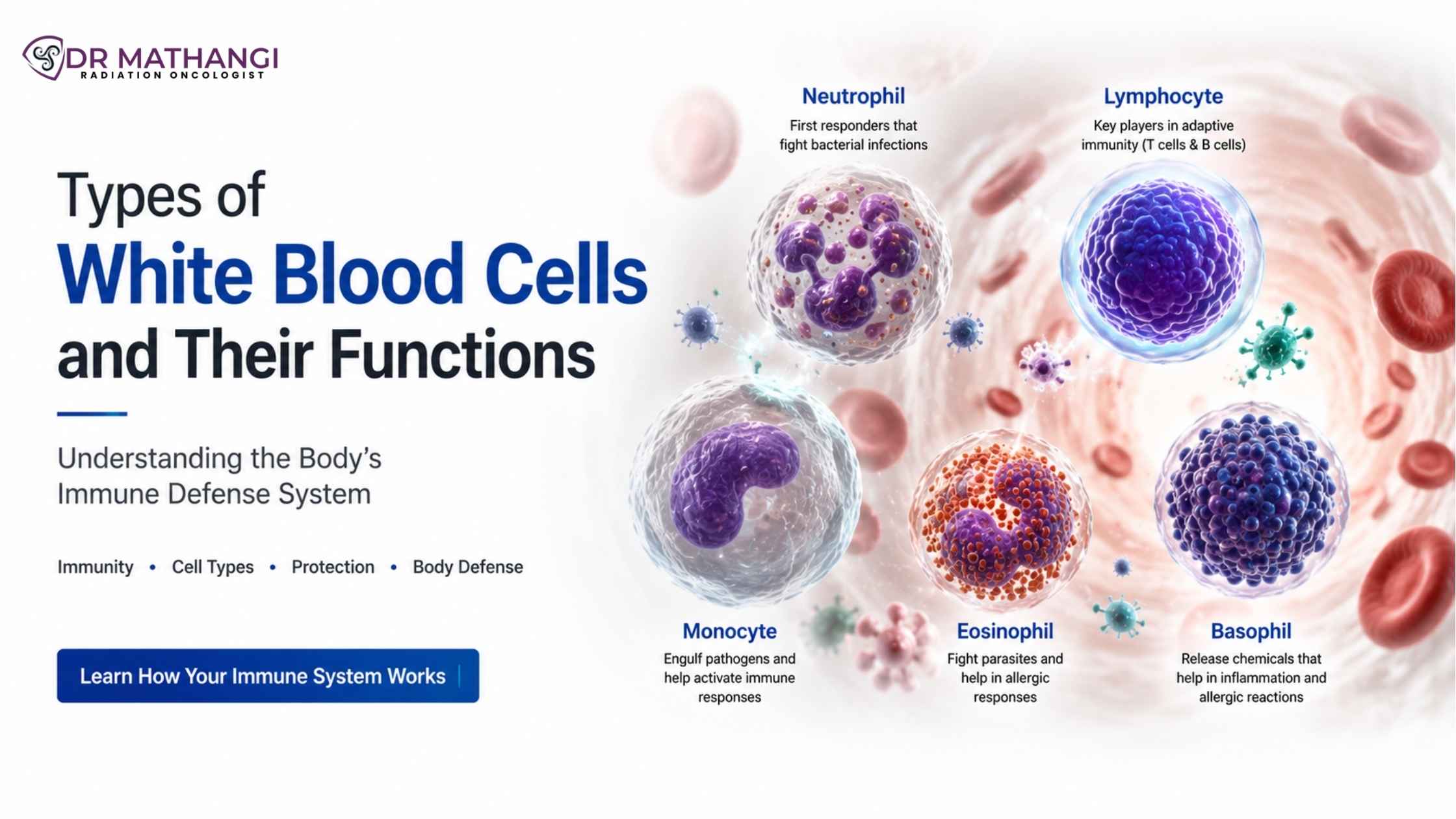
What are the types of white blood cells and their functions? White blood cells (WBCs) are the backbone of your immune system, defending your body against infections, cancer, and disease. There are several white blood cells types—each plays a specific and vital role in your immune defense system, from attacking bacteria and viruses to eliminating abnormal cancer cells. According to recent studies, the average adult has between 4,000 and 11,000 WBCs per microliter of blood, yet even a slight imbalance can leave your body vulnerable to life-threatening conditions. Understanding these cells can empower you to make informed healthcare decisions, especially if you or a loved one is facing a serious diagnosis like cancer.
Why are white blood cells types crucial for your health?
Your immune defense system is a complex network of cells and signals protecting you from external threats and internal errors like cancer. The different white blood cells types—each specialized for unique tasks—work together to recognize, attack, and remove invaders or abnormal cells. If any type is deficient or malfunctioning, your risk of infections, autoimmune diseases, or cancer rises dramatically. This is why it's vital to understand the individual roles of these cells, especially if you are undergoing cancer treatment, have a chronic condition, or are concerned about your immunity.
- Neutrophils: Rapid responders to bacterial attacks
- Lymphocytes: Controllers of targeted immune responses
- Monocytes: Clean-up crew and antigen presenters
- Eosinophils: Defenders against parasites
- Basophils: Triggers of allergic reactions
What is the immune defense system and how do white blood cells contribute?
The immune defense system is your body's intrinsic security force, designed to detect and destroy harmful invaders like bacteria, viruses, fungi, and even abnormal cells that could become cancer. White blood cells, or leukocytes, are the soldiers of this army. They circulate in your blood and tissues, constantly on alert for anything foreign or dangerous.
When a threat is detected, different white blood cells types spring into action:
- Some engulf and digest invaders (phagocytosis)
- Others produce antibodies to neutralize pathogens
- Certain types coordinate and regulate the overall immune response
- Some destroy infected or abnormal cells directly
Each type’s unique function ensures a coordinated and effective defense, minimizing collateral damage to your own tissues.
Comprehensive overview: White blood cells types and their functions
Let’s break down the major white blood cells types and their distinct roles within your immune defense system. Understanding these can clarify blood test results, help you recognize signs of immune problems, and appreciate the intricate balance required for good health.
| White Blood Cell Type | Main Function | Typical Proportion (%) | Key Role in Cancer & Immunity |
|---|---|---|---|
| Neutrophils | Phagocytosis of bacteria and fungi | 50-70% | First responders to infection; low count increases infection risk during cancer therapy |
| Lymphocytes | Antibody production, cellular immunity | 20-40% | Recognize and destroy infected and cancerous cells; crucial for immunotherapy |
| Monocytes | Phagocytosis, antigen presentation | 2-8% | Differentiate into macrophages; clear dead cells and present antigens to lymphocytes |
| Eosinophils | Combat parasites, modulate allergies | 1-4% | Increase in allergies, infections, and some cancers |
| Basophils | Release histamine, trigger inflammation | 0.5-1% | Key players in allergic reactions and inflammation; rare in circulation |
Neutrophils, Lymphocytes, and Monocytes: Key Components of Immune Function
The phrase neutrophils lymphocytes monocytes refers to three pivotal white blood cells types that together form the core of your immediate and adaptive immune defense system.
- Neutrophils are rapid responders, rushing to infection sites to engulf and neutralize bacteria and fungi. They are the most abundant WBC and a low neutrophil count (neutropenia) is a major risk factor for infections, especially during chemotherapy or radiation therapy.
- Lymphocytes are more specialized. B lymphocytes produce antibodies, while T lymphocytes kill infected or cancerous cells directly, and coordinate immune responses. Natural killer (NK) cells target abnormal cells, including some tumor cells.
- Monocytes are the largest WBCs. They circulate briefly in the bloodstream before moving into tissues where they become macrophages. These cells clean up debris, engulf pathogens, and help activate lymphocytes by presenting antigens—critical for immunity and cancer surveillance.
These three—neutrophils lymphocytes monocytes—must function in harmony. An imbalance (e.g., persistent low counts or abnormal increases) can signal underlying health issues such as infections, immune disorders, or blood cancers like leukemia.
The Role of White Blood Cells in Cancer Protection
White blood cells play a crucial role in identifying and destroying abnormal cells before they can grow into tumors. Lymphocytes, especially cytotoxic T cells and natural killer cells, scan for cells displaying abnormal proteins—often the first signs of cancer. Monocytes and macrophages also help by removing dying cells and presenting tumor antigens to lymphocytes, ensuring the immune system remains vigilant against malignancy.
However, cancer can sometimes evade detection by suppressing immune responses or hiding its abnormal signals. This is why advanced cancer centers, like Gleneagles Cancer Institute under the guidance of Dr Mathangi, employ innovative therapies such as immunotherapy and targeted radiation, which boost the body's natural defenses or directly eliminate cancer cells.
- Immunotherapies stimulate lymphocyte activity
- Radiation therapies can trigger immune-mediated tumor destruction
- Blood tests monitoring white blood cells types guide treatment and infection prevention strategies
What Happens When White Blood Cell Counts Are Abnormal?
Abnormal counts of any white blood cells types can signal underlying health problems:
- Leukopenia (low WBC count): Increases risk of infections; common in cancer patients undergoing chemotherapy or radiation therapy.
- Leukocytosis (high WBC count): May indicate infection, inflammation, stress, or blood cancers.
- High or low neutrophils, lymphocytes, or monocytes can pinpoint specific issues—neutropenia, lymphopenia, monocytosis, etc.
If you notice repeated infections, unexplained fevers, or fatigue, consult a specialist like Dr Mathangi for a thorough evaluation and tailored treatment plan.
About Dr Mathangi: Expert Guidance on Blood Cell Health and Cancer Care

About Dr Mathangi J: Dr Mathangi is a Senior Consultant and In-charge of Radiation Oncology at Gleneagles Cancer Institute, Bangalore—one of South India's premier cancer centers. With over 20 years’ experience, Dr Mathangi has treated 12,000+ patients, specializes in the most advanced radiation techniques, and leads the region in head and neck, brain, lung, prostate, and women’s cancers.
Her expertise in understanding the interplay of white blood cells types with cancer therapies means you receive care that’s not just advanced, but also deeply personalized. She is a pioneer in Stereotactic Ablative Body Radiotherapy (SBRT), Gated RapidArc, DIBH, and advanced brachytherapy—ensuring optimal outcomes while minimizing side effects.
Tips for Supporting Your Immune Defense System During Cancer Treatment
To maintain strong immunity during cancer therapy, follow these steps:
- Regularly monitor your complete blood counts (CBC) to track white blood cells types and detect any imbalances early.
- Adopt a balanced, nutrient-rich diet to support immune cell function.
- Practice good hygiene to reduce infection risks.
- Work closely with your oncologist—like Dr Mathangi—to adjust treatments, use growth factors, or prescribe antibiotics if needed.
- Stay informed about your WBC trends and ask questions about any changes noticed in your blood work.
Cancers That Require Close Attention to Immune Health and White Blood Cells
According to Dr Mathangi, the following cancers often require careful monitoring and management of white blood cells types, especially when radiation therapy (RT) is involved:
- Head and neck cancers
- Brain tumors
- Spine tumors
- Esophagus and rectal cancers
- Lung cancers
- Liver cancers
- Breast cancers
- Bladder cancers
- Prostate cancers
- Uterine cancers
- Cervical cancer
- Vulval cancers
- Anal canal cancers
- Penile cancers
For these and other cancers, the interplay between treatment modalities and the immune defense system is complex—making expert oversight essential.
Book your consultation with Dr Mathangi today
If you want the most advanced, evidence-based, and compassionate care for cancer and immunity, contact Dr Mathangi’s team today. Whether you have questions about your blood test results, need a second opinion, or are seeking cutting-edge cancer therapy, Dr Mathangi provides the clarity, expertise, and personal attention you deserve.
Your immune health is your strongest ally in the fight against disease.
- Submit your contact information at this secure form.
- Dr Mathangi’s team will schedule your appointment and notify you promptly.
Take the first step toward empowered, expert-guided healthcare today.
Frequently Asked Questions
What are the main types of white blood cells, and what do they do?
The five primary white blood cells types are neutrophils, lymphocytes, monocytes, eosinophils, and basophils. Each plays a unique role in defending the body: neutrophils are first responders to infection, lymphocytes (including B cells and T cells) target specific invaders, monocytes clean up debris and become macrophages, while eosinophils and basophils are involved in allergic responses and fighting parasites.
How do neutrophils, lymphocytes, and monocytes contribute to our immune defense system?
Neutrophils lymphocytes monocytes each have a specific function: neutrophils quickly attack bacteria and fungi, lymphocytes handle targeted immune responses (such as producing antibodies or killing infected cells), and monocytes remove pathogens and dead cells. Together, they form a crucial part of the immune defense system, protecting the body from a wide range of threats.
Why is it important to understand the different types of white blood cells?
Understanding white blood cells types helps diagnose various medical conditions. Changes in the levels or functions of specific cells can indicate infections, immune system disorders, or blood diseases. Dr. Mathangi uses this knowledge to interpret blood test results and recommend tailored treatments for optimal health.
Can Dr. Mathangi help if my white blood cell count is abnormal?
Absolutely. Dr. Mathangi specializes in identifying the causes of abnormal white blood cell counts. She offers thorough diagnostic assessments, explains the significance of your results, and works with you to develop a personalized care plan that may include lifestyle changes, medication, or further investigation.
What symptoms might indicate a problem with my white blood cells?
Symptoms such as frequent infections, persistent fatigue, unexplained fever, swollen lymph nodes, or unusual bruising could suggest an issue with your white blood cells. If you notice these signs, Dr. Mathangi can provide a comprehensive evaluation and guide you toward the right solution.
How does Dr. Mathangi approach immune defense system weaknesses?
Dr. Mathangi uses advanced blood tests and a detailed medical history to pinpoint weaknesses in your immune defense system. She then recommends evidence-based solutions, from nutritional support to targeted therapies, to help restore balance and improve your body’s ability to fight off illness.
Are there lifestyle changes that can improve white blood cell function?
Yes. A balanced diet, regular exercise, stress management, and adequate sleep can all enhance white blood cell function. Dr. Mathangi provides tailored guidance to help you adopt healthy habits that support your immune system and overall wellness.
What makes Dr. Mathangi’s approach unique in managing white blood cell disorders?
Dr. Mathangi combines in-depth knowledge of white blood cell biology with a patient-centered approach. She emphasizes education, preventive care, and clear communication, empowering you to play an active role in your health while delivering the latest evidence-based treatments.