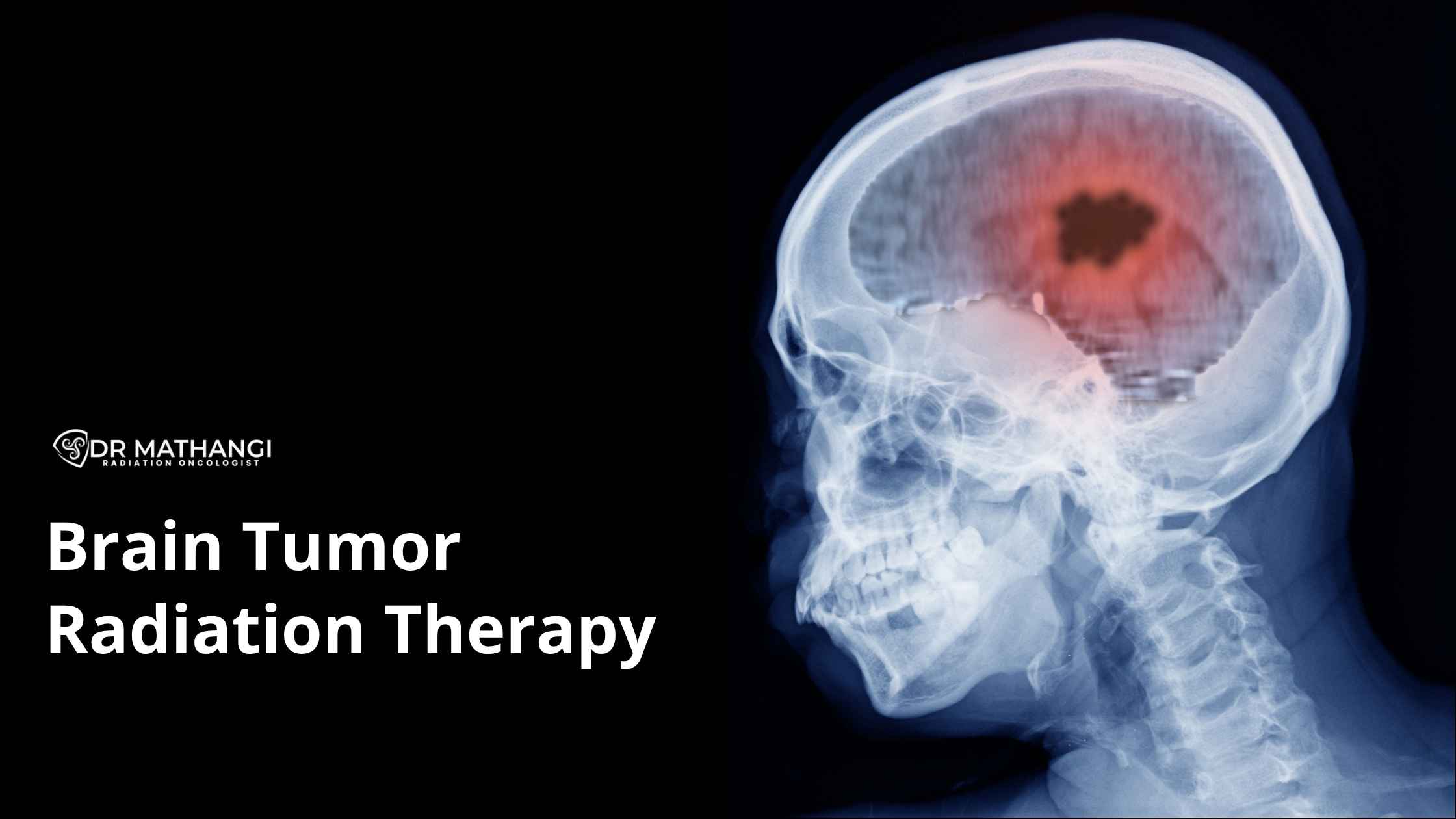
Brain tumors account for nearly 300,000 new cases worldwide each year, and for many patients, radiation therapy plays a critical role in survival, symptom relief, and long-term disease control. Brain tumor radiation therapy is a highly specialized treatment that uses precisely targeted radiation to destroy tumor cells while protecting healthy brain tissue. Under the leadership of Dr Mathangi J, Senior Consultant & In-charge – Radiation Oncology at Gleneagles Cancer Institute, Bangalore, patients receive world-class, technology-driven care rooted in over two decades of expertise.
When faced with a diagnosis involving the brain, every decision feels urgent. The problem is not just the tumor—it is the fear of neurological damage, memory loss, and compromised quality of life. The agitation grows when families realize that not all radiation therapy centers offer the same level of precision. The solution lies in choosing an experienced radiation oncologist who combines cutting-edge technology with individualized planning. This is where Dr Mathangi’s expertise in high precision radiotherapy transforms outcomes and restores hope.
Brain tumor radiation therapy uses controlled, high-energy beams to damage the DNA of cancer cells, preventing them from growing or dividing. It is commonly used after surgery, as a primary treatment for inoperable tumors, or alongside chemotherapy for aggressive brain cancers.
Dr Mathangi designs each treatment plan using:
This meticulous process ensures high precision radiotherapy that maximizes tumor control while minimizing risks.
The brain controls memory, speech, movement, and personality. Even millimeters matter. That is why modern radiation techniques focus on precision targeting and dose sculpting.
Dr Mathangi has received international training in:
She was instrumental in installing the Asia Pacific’s first TrueBeam STx machine, reinforcing her commitment to delivering next-generation radiation solutions in India.
Stereotactic radiosurgery is a non-invasive radiation technique that delivers a very high dose of radiation to a small, well-defined tumor area in one or a few sessions. Despite the name, it does not involve surgery or incisions.
This approach is commonly recommended for:
By using stereotactic radiosurgery, Dr Mathangi can achieve exceptional tumor control while preserving surrounding brain structures.
Adaptive radiotherapy allows radiation plans to be modified during the course of treatment if the tumor changes in size, shape, or position. This ensures that radiation continues to be delivered accurately throughout therapy.
Benefits include:
This dynamic approach ensures that treatment evolves with the patient’s response, rather than relying on static planning alone.
Yes, modern techniques are designed specifically for reduced radiation side effects compared to older methods. While some temporary symptoms like fatigue or mild scalp irritation may occur, advanced planning significantly reduces risks to memory centers and critical neurological pathways.
Dr Mathangi emphasizes:
Her experience with over 12,000 successfully treated patients reflects a deep understanding of balancing tumor eradication with quality of life preservation.
Spine tumor radiation treatment is often required when cancer spreads from the brain or other organs to the spinal column, or when primary spine tumors are diagnosed. Radiation helps relieve pain, protect neurological function, and control tumor growth.
Because the spinal cord is closely connected to brain structures, treatment planning requires the same level of high precision radiotherapy expertise. Dr Mathangi integrates advanced imaging and stereotactic methods to protect the spinal cord while targeting tumors effectively.
SBRT cancer treatment (Stereotactic Body Radiation Therapy) is typically used for tumors in the body such as lung, liver, or spine. However, its principles of precision and high-dose delivery mirror those used in stereotactic radiosurgery for brain tumors.
Dr Mathangi’s expertise in SBRT cancer treatment enhances her ability to treat complex metastatic cases involving both the brain and other organs, ensuring continuity of care under one experienced specialist.
Radiation therapy plays a critical role in managing multiple cancers, including:
Her multidisciplinary approach ensures seamless coordination with neurosurgeons, medical oncologists, and rehabilitation teams.
Dr Mathangi J is a Senior Consultant & In-charge – Radiation Oncology at Gleneagles Cancer Institute, Bangalore. She holds MBBS, DMRT, and DNB qualifications, with advanced international fellowships in stereotactic and image-guided radiation techniques.
Key highlights include:
Patients across South India and North India increasingly seek her expertise because outcomes in brain tumor radiation therapy depend heavily on the oncologist’s precision, planning skill, and technological familiarity.
Delaying radiation after surgery or ignoring symptoms can allow tumor cells to regrow or spread. The window for optimal intervention can narrow quickly. Early consultation allows for better treatment planning, improved neurological preservation, and stronger survival outcomes.
By choosing Dr Mathangi, patients gain access to:
In the landscape of cancer care, expertise is not optional—it is decisive.
Dr Mathangi is a Senior Radiation Oncologist and In-charge of Gleneagles Cancer Institute, Bangalore. With over two decades of experience and advanced global training, she is recognized as one of India’s leading experts in precision radiation oncology. Her practice integrates innovation, evidence-based medicine, and deep clinical insight to deliver exceptional care in brain tumor radiation therapy and related oncological conditions.
To book an appointment, patients can submit their contact information through the secure form at https://drmathangi.com/contact/. Her team will promptly schedule and confirm the consultation.