Tomotherapy vs IMRT: Key Differences in Radiation Therapy
What is the difference between tomotherapy and IMRT, and how do they impact cancer treatment outcomes? Tomotherapy and IMRT are two advanced radiation therapy techniques that have revolutionized cancer care worldwide. According to recent data, over 70% of all cancer patients will require radiation therapy at some point in their treatment journey, highlighting the critical importance of choosing the right technique. Under the expert care of Dr Mathangi J at the Gleneagles Cancer Institute in Bangalore, you receive personalized, cutting-edge treatment designed to maximize cancer control while minimizing side effects.
How does tomotherapy differ from IMRT in delivering radiation therapy?
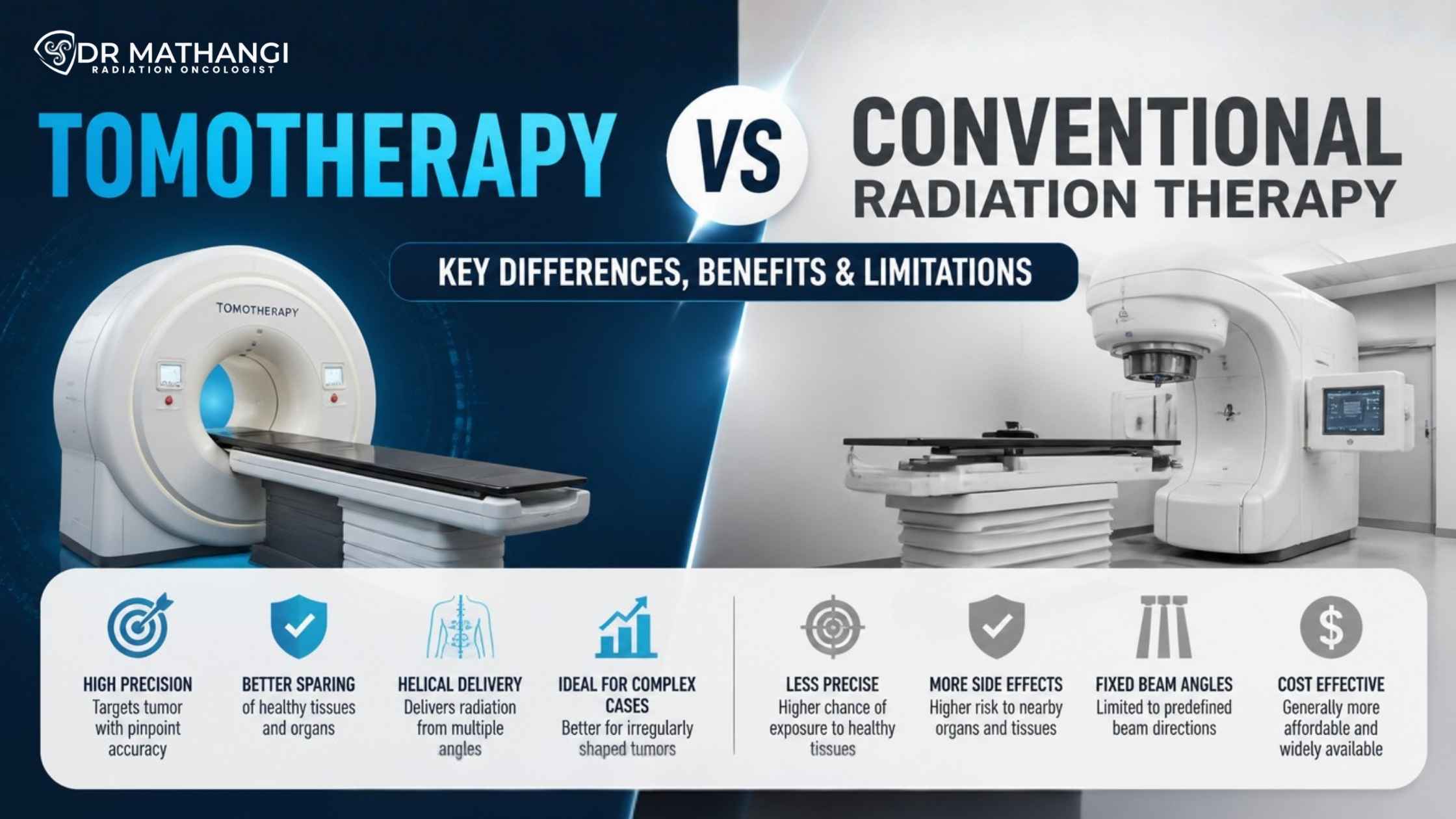
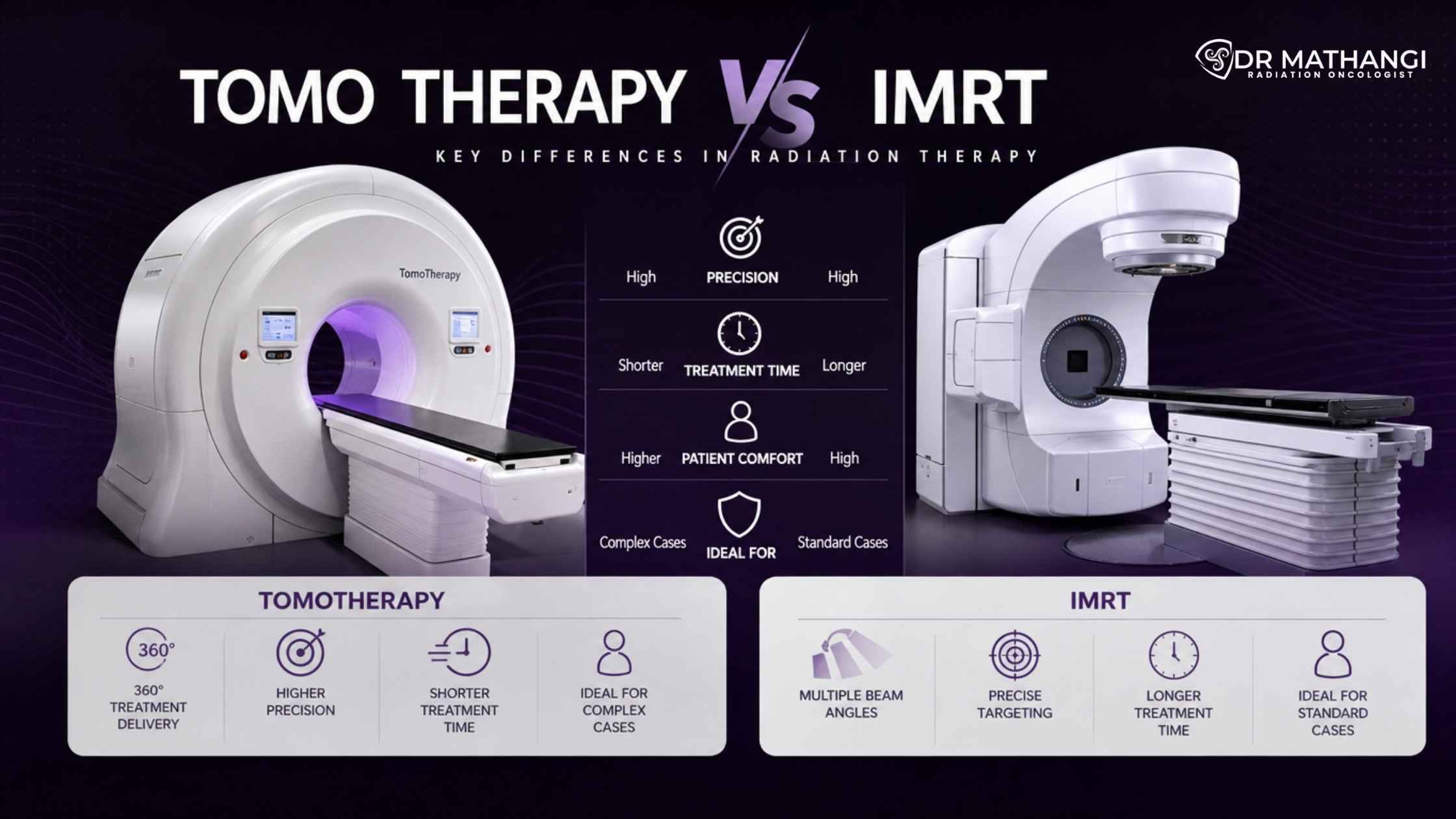
Both tomotherapy and IMRT (Intensity Modulated Radiation Therapy) are sophisticated forms of external beam radiation designed to target tumors with high precision. The key difference lies in their delivery mechanisms: tomotherapy integrates helical (spiral) delivery with CT imaging, while conventional IMRT uses a linear accelerator with dynamic beam modulation. This fundamental distinction influences how radiation is sculpted around tumors and healthy tissues.Understanding tomotherapy vs IMRT: What are they?
IMRT treatment explained
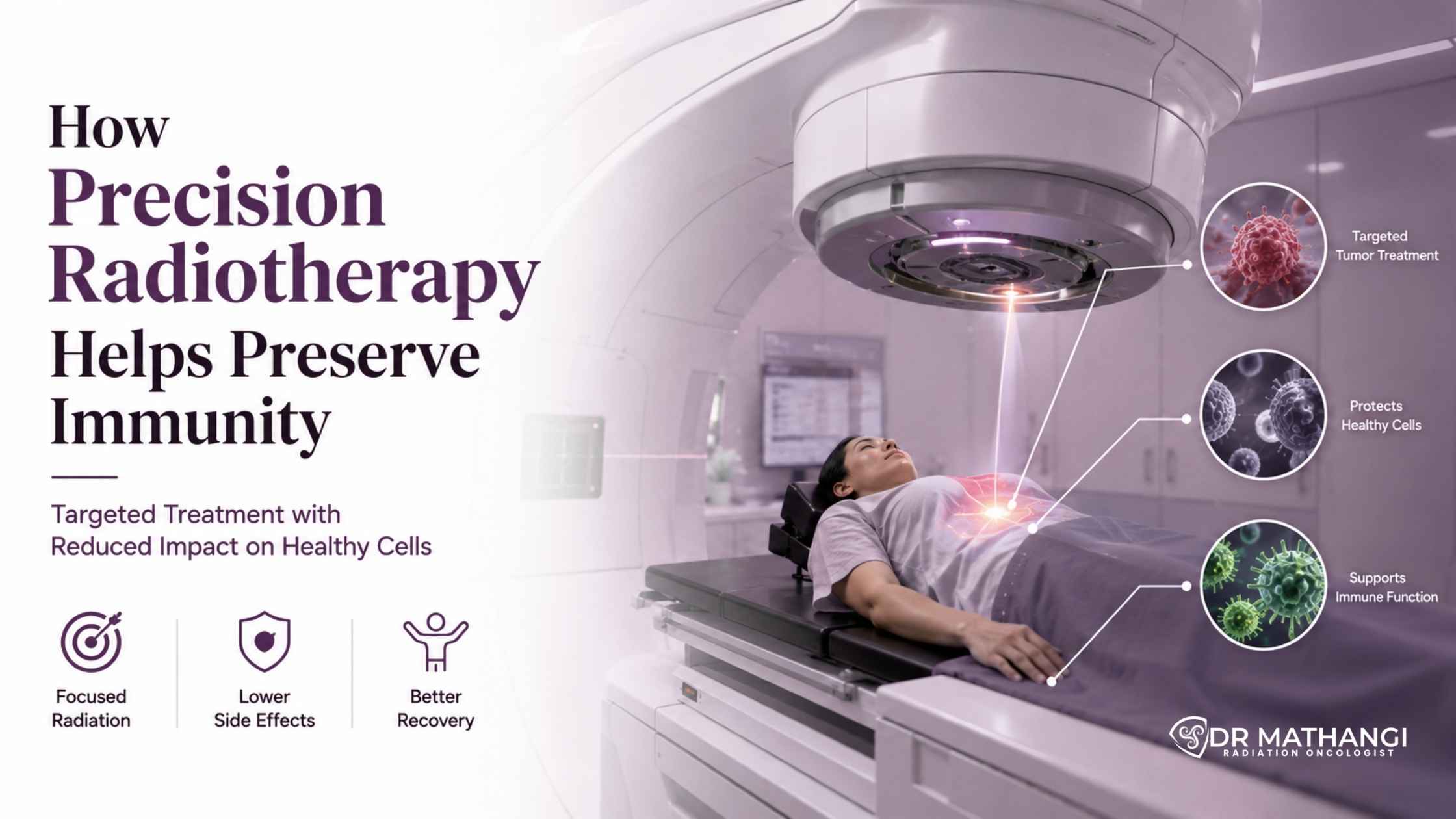
IMRT treatment is a type of advanced radiation therapy that uses computer-controlled linear accelerators to deliver precise, modulated doses of radiation. The intensity of each beam can be varied, allowing for tailored dose distribution that conforms closely to the shape of the tumor. This limits damage to surrounding healthy tissues, making IMRT the standard of care for many cancers, including head and neck, prostate, brain, lung, breast, and gynecological malignancies.What is tomotherapy radiation?
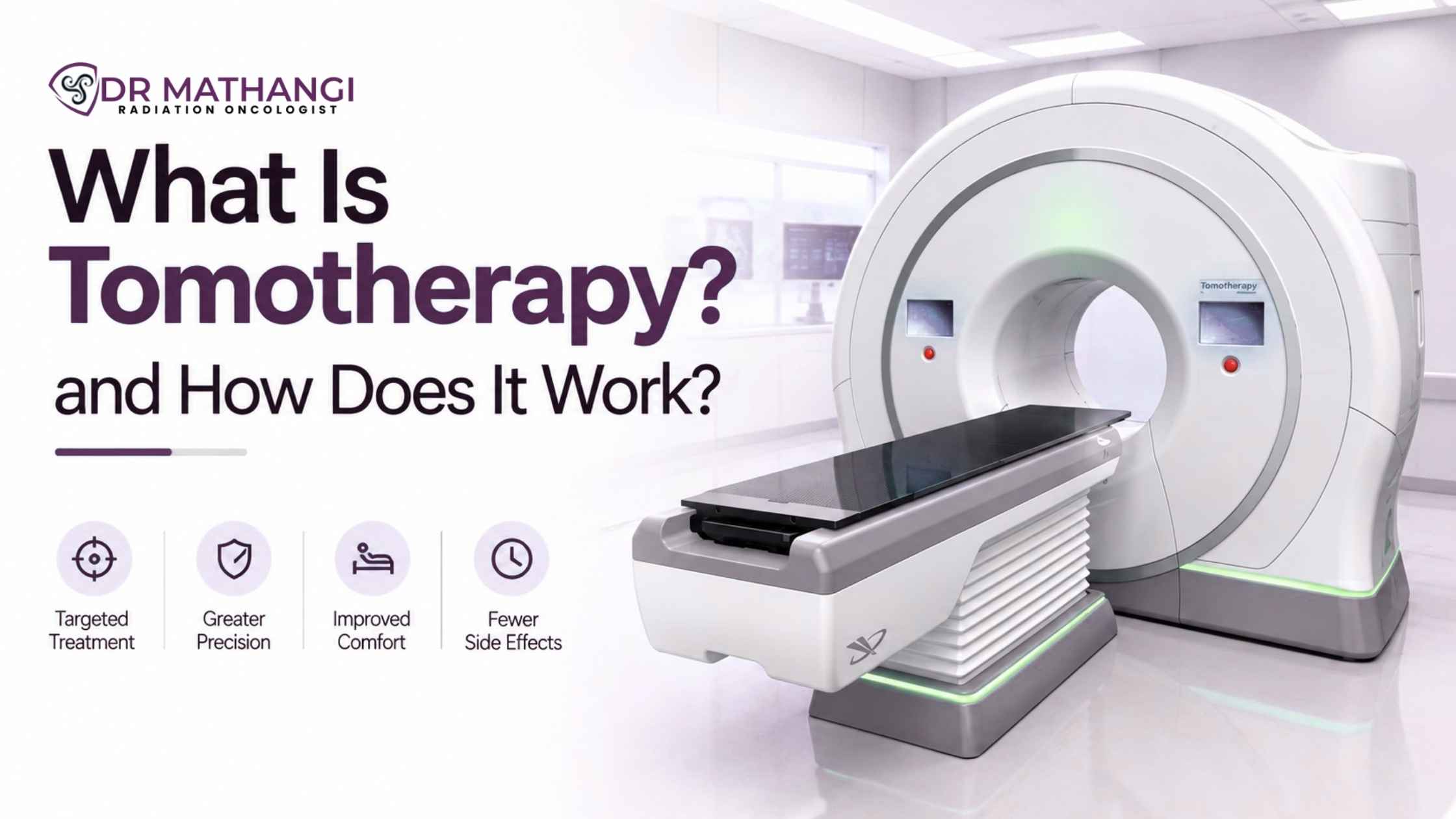
Tomotherapy radiation is a unique form of IMRT. It combines the principles of CT imaging and helical (spiral) delivery, using a rotating machine that circles around the patient, much like a CT scanner. With integrated imaging before each treatment, tomotherapy allows for daily adjustments, ensuring the radiation dose is delivered with unparalleled accuracy—even if the tumor or patient position changes slightly from day to day.Comparing tomotherapy vs intensity modulated radiation therapy: Which is better?
IMRT vs tomotherapy is a frequent debate among oncologists and patients alike. Both offer precise targeting, but each has unique advantages. Tomotherapy’s helical delivery and integrated imaging set it apart, especially for complex or irregularly shaped tumors. IMRT, however, offers greater flexibility in beam angles and is widely available in leading cancer centers.| Aspect | IMRT | Tomotherapy |
|---|---|---|
| Delivery System | Linear accelerator, static or moving beams | Helical (spiral) delivery with CT-style gantry |
| Imaging Integration | Optional (cone-beam CT or X-ray) | Built-in daily CT imaging |
| Beam Modulation | Multi-leaf collimator shapes beams | Continuous modulation during rotation |
| Best For | Most solid tumors, especially head, neck, prostate, breast | Complex, irregular, or long tumors; re-treatment cases |
| Treatment Time | Shorter (typically 10-20 minutes) | Slightly longer (20-30 minutes) |
| Availability | Widely available | Available in select advanced centers |
What cancers benefit most from tomotherapy and IMRT?
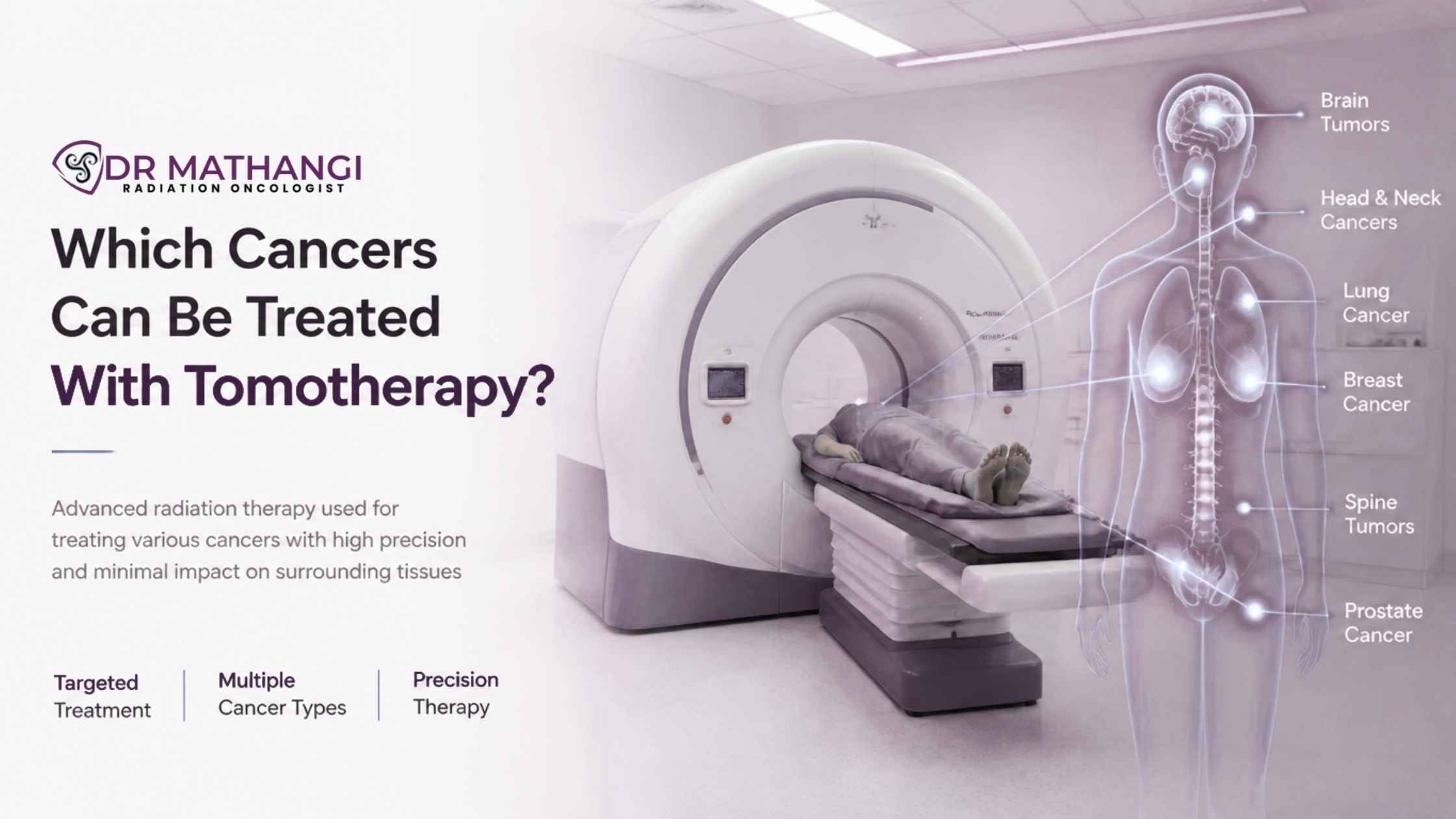
- Head and neck cancers
- Brain tumors
- Spine tumors
- Esophagus and rectal cancers
- Lung cancers
- Liver cancers
- Breast cancers
- Bladder cancers
- Prostate cancers
- Uterine cancers
- Cervical cancer
- Vulval cancers
- Anal canal and penile cancers
Why is radiation treatment planning crucial for successful cancer therapy?
The cornerstone of effective radiation therapy is meticulous radiation treatment planning. This process involves:- Detailed imaging (CT, MRI, PET-CT) to map tumor and organs.
- Defining target volumes and critical structures.
- Simulating various beam angles and dose distributions.
- Personalizing the plan for each patient’s anatomy.
What are the latest advancements in radiation therapy techniques?
Radiation oncology is evolving rapidly, with advanced radiation therapy techniques offering new hope for patients. These include:- Stereotactic techniques (SRS/SBRT): Ultra-precise, high-dose treatments in 1–5 sessions.
- Gated RapidArc and DIBH: Techniques to minimize radiation to the heart and lungs during breast and lung cancer treatments.
- Image-guided interstitial brachytherapy: Placing radioactive sources directly inside or next to the tumor.
How to choose between tomotherapy vs IMRT for your cancer treatment?
The choice between tomotherapy vs IMRT depends on several factors:- The size, shape, and location of the tumor.
- Previous treatments and radiation exposure.
- Patient’s health, comfort, and treatment goals.
- Availability of technology at the treatment center.
Ready to take the next step with an internationally acclaimed radiation oncologist?
Don’t compromise on your cancer care. Book your appointment with Dr Mathangi today and gain the advantage of world-class, individualized treatment in Bangalore. Her dedicated team will guide you through the process and keep you informed every step of the way.
Why trust Dr Mathangi for your tomotherapy or IMRT treatment?
- Experience: Over 20 years in radiation oncology and 12,000+ patients treated.
- Expertise: Specialized in head and neck, prostate, brain, lung, and women’s cancers.
- Innovation: Advanced international training; first to install TrueBeam STx in Asia Pacific.
- Personalized care: Each treatment plan tailored to your unique needs and tumor biology.
- Academic leadership: Director of Fellowship in Advanced Radiotherapy Techniques, RGUHS.
About Dr Mathangi
Dr Mathangi J is a Senior Consultant and the In-charge of Radiation Oncology at Gleneagles Cancer Institute, Bangalore. Renowned for her expertise in advanced radiation therapy techniques, she is a leader in treating complex cancers with precision and compassion. Her academic and clinical leadership ensures that patients in South and North India have access to global-standard cancer care. Gleneagles Cancer Institute is a leading cancer care center in Bangalore, known for comprehensive, patient-centric approaches and the latest medical technology.Summary: Tomotherapy vs IMRT—Empowering your cancer journey
Choosing between tomotherapy and IMRT is a critical decision in your cancer journey. With Dr Mathangi’s guidance, you’re assured of the highest standards of care, the most advanced technology, and a compassionate approach that puts your needs first. Don’t let uncertainty or outdated techniques compromise your outcome—trust a leader who brings expertise, empathy, and innovation to every patient. To book your consultation, visit the contact page and take the first step towards world-class cancer treatment.Frequently Asked Questions
What is the main difference between tomotherapy and IMRT in radiation therapy?
Tomotherapy and IMRT are both advanced radiation therapy techniques, but they differ in how the radiation is delivered. Tomotherapy combines intensity modulated radiation therapy with CT imaging and delivers radiation slice by slice in a spiral (helical) fashion, which allows for highly precise targeting. IMRT, on the other hand, uses multiple fixed beams of varying intensity, shaped to conform to the tumor. Both techniques aim to maximize tumor dose while minimizing damage to healthy tissues, but tomotherapy can offer a higher level of conformality in some cases.
How does radiation treatment planning differ between tomotherapy and IMRT?
Radiation treatment planning is crucial for both tomotherapy and IMRT. With tomotherapy, planning involves CT-based imaging before each session, enabling real-time adjustments and precise alignment with the tumor. IMRT treatment planning typically involves a one-time setup with imaging and computer algorithms to modulate the intensity of each beam. Tomotherapy's integrated imaging system allows for daily plan verification, offering enhanced accuracy in dose delivery.
In what situations might Dr. Mathangi recommend tomotherapy over IMRT?
Dr. Mathangi may recommend tomotherapy when tumors are irregularly shaped, located near sensitive organs, or require highly conformal dose distribution. The helical delivery method of tomotherapy radiation can better spare surrounding healthy tissues in complex cases. For some cancers, tomotherapy provides improved targeting and fewer side effects compared to traditional IMRT.
Are there benefits to using IMRT treatment over tomotherapy in certain cases?
Yes, IMRT treatment is highly effective for many tumors and can be delivered by a variety of linear accelerators, making it widely available. For some straightforward cases, IMRT may offer quicker treatment times compared to tomotherapy. The choice between IMRT vs tomotherapy depends on tumor location, complexity, and patient-specific factors, which Dr. Mathangi carefully evaluates.
How do tomotherapy and IMRT compare in terms of side effects?
Both tomotherapy and IMRT are designed to minimize radiation exposure to healthy tissues, thereby reducing side effects. Tomotherapy’s precise daily imaging and delivery can further reduce the risk of damage to nearby organs. However, side effects depend on the treatment site, total dose, and individual patient factors. Dr. Mathangi works to personalize each patient’s plan to minimize risks, whether using tomotherapy or IMRT.
Is tomotherapy considered more advanced than traditional intensity modulated radiation therapy?
Tomotherapy is a specialized form of intensity modulated radiation therapy that integrates advanced imaging and delivery in one platform. It represents a step forward in advanced radiation therapy by allowing continuous, helical delivery and daily imaging. However, both tomotherapy and traditional IMRT remain state-of-the-art radiation therapy techniques, and the best option depends on the patient’s unique needs.
How does Dr. Mathangi determine which radiation therapy technique is right for me?
Dr. Mathangi uses a comprehensive evaluation process, including advanced imaging, tumor characteristics, patient health, and the latest clinical guidelines. She discusses the benefits and considerations of tomotherapy vs IMRT, ensuring each patient receives a tailored treatment plan that offers the best chance for success with minimal side effects.
Are there specific cancers that benefit more from tomotherapy vs intensity modulated radiation therapy?
Certain cancers, such as head and neck, brain, or complex pelvic tumors, may benefit from the enhanced precision of tomotherapy. The ability to deliver helical radiation and perform daily imaging is especially useful in areas surrounded by critical organs. Dr. Mathangi considers the tumor type, location, and patient history when recommending tomotherapy vs intensity modulated radiation therapy.
What makes Dr. Mathangi’s approach to radiation therapy unique?
Dr. Mathangi combines deep expertise in both tomotherapy radiation and IMRT treatment with a patient-centered philosophy. She leverages the latest technology in radiation treatment planning and advanced radiation therapy, ensuring precision, safety, and optimal outcomes for every patient. Her personalized guidance helps patients understand their options in tomotherapy vs IMRT and supports them through every step of their treatment journey.